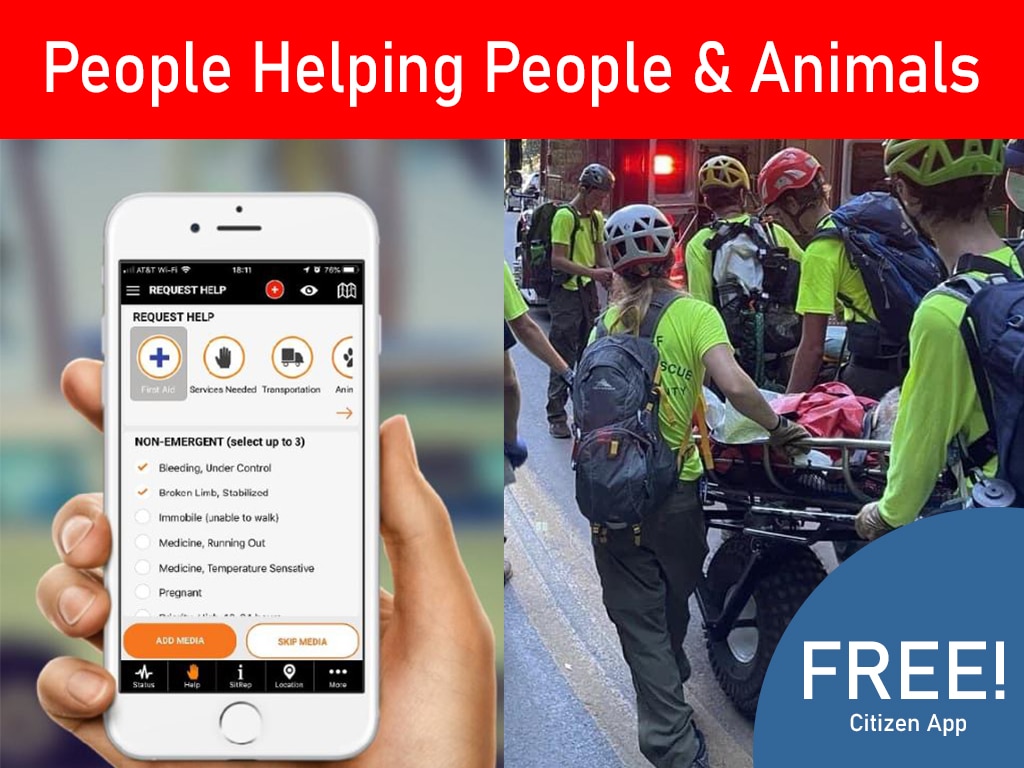
Winter Outdoor Emergency Preparedness: Stay Safe During Ski Season & Winter Storms
Winter brings adventure, snow-covered mountains, ski trips, road travel, and outdoor recreation. But it also brings serious risks: avalanches, blizzards, freezing temperatures, and dangerous road conditions.
Thank you for reading this post, don't forget to install the free PubSafe mobile app and subscribe!
Effective winter outdoor emergency preparedness helps individuals, families, and communities stay safe, whether you’re skiing in the mountains or driving home in a snowstorm.
PubSafe empowers communities with real-time communication tools that help coordinate response, share alerts, and connect citizens during winter emergencies.
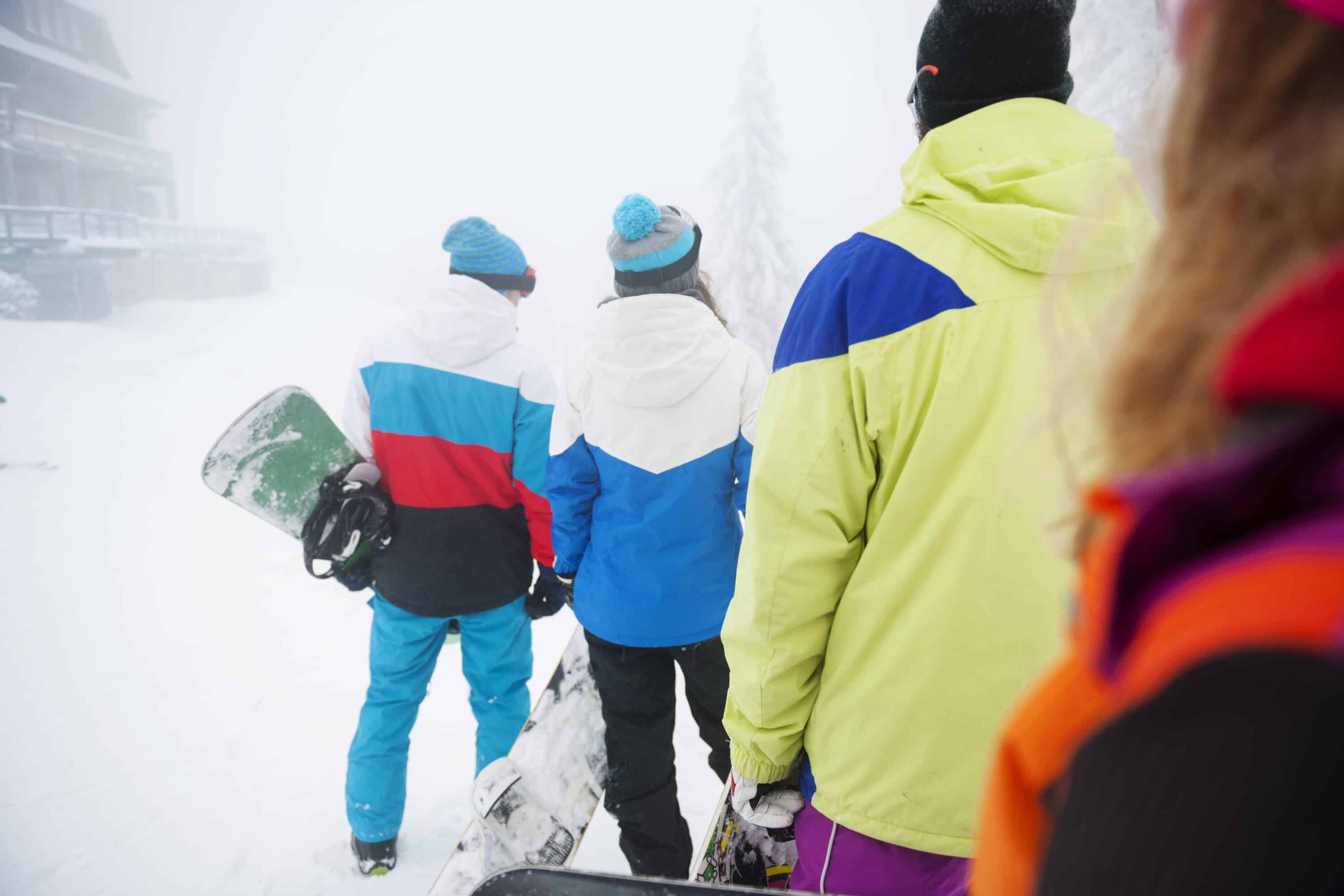
The Real Risks of Winter Outdoor Activities
Winter recreation is exciting — but conditions can change rapidly. Key seasonal risks include:
-
Avalanches in mountainous terrain
-
Whiteout conditions during blizzards
-
Hypothermia and frostbite
-
Vehicles stranded in snow
-
Road closures and emergency response delays
In regions like United States, winter storms cause thousands of accidents each year. Organizations such as the National Weather Service issue warnings, but communication gaps still leave people vulnerable.
This is why winter outdoor emergency preparedness must combine personal readiness with community-wide communication systems.
Skiing Safety & Avalanche Awareness
Skiing and snowboarding are among the most popular winter activities. However, backcountry terrain carries avalanche risks.
Organizations like the Colorado Avalanche Information Center regularly report avalanche activity and provide forecasts.
Before You Ski:
-
Check avalanche forecasts
-
Share your route with someone
-
Carry avalanche safety gear (beacon, probe, shovel)
-
Avoid skiing alone in backcountry areas
-
Ensure your phone is charged and emergency alerts are enabled
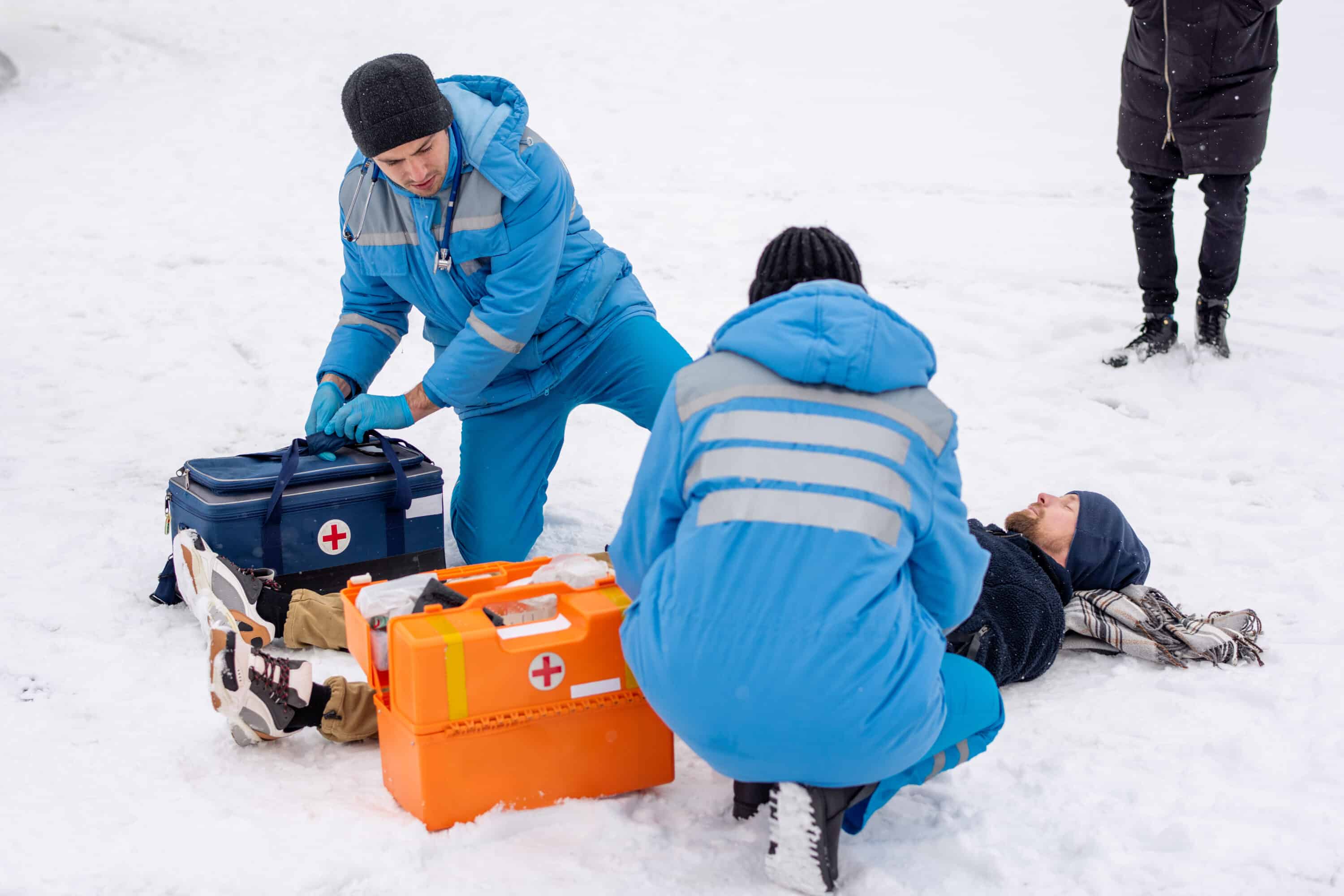
During a Ski Emergency:
-
Contact ski patrol immediately
-
Share exact location coordinates
-
Use group communication tools to coordinate response
A winter outdoor emergency preparedness plan ensures ski resorts, response teams, and citizens are connected through reliable alert systems — reducing response times when minutes matter.
What to Do During an Avalanche
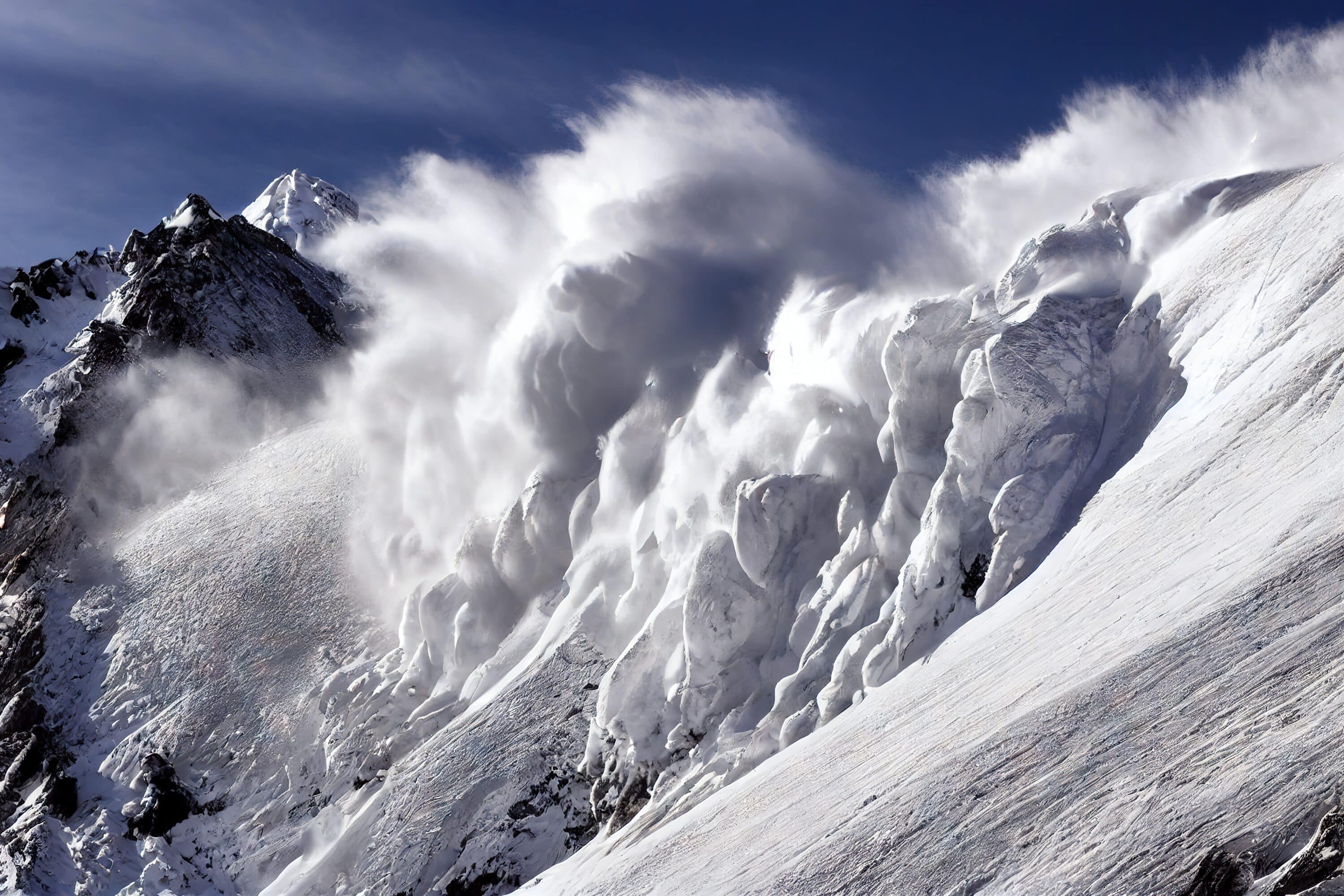
Avalanches move faster than a car and can bury victims within seconds.
According to American Avalanche Association:
-
Try to move sideways out of the slide path
-
Discard heavy equipment
-
Create an air pocket if buried
-
Use avalanche beacons to locate victims
Community coordination is critical. With a system like PubSafe, alerts can instantly notify rescue teams, volunteers, and nearby organizations — improving survival outcomes.
Blizzards & Severe Winter Storms
Blizzards are more than heavy snowfall — they involve strong winds, near-zero visibility, and dangerous wind chills.
The National Oceanic and Atmospheric Administration defines a blizzard as sustained winds of 35 mph (56 km/h) or greater and visibility less than ¼ mile for at least three hours.
Winter Storm Preparedness Checklist:
-
Stock emergency supplies (water, food, medication)
-
Prepare backup heating options
-
Charge devices and power banks
-
Monitor official weather alerts
-
Avoid unnecessary travel
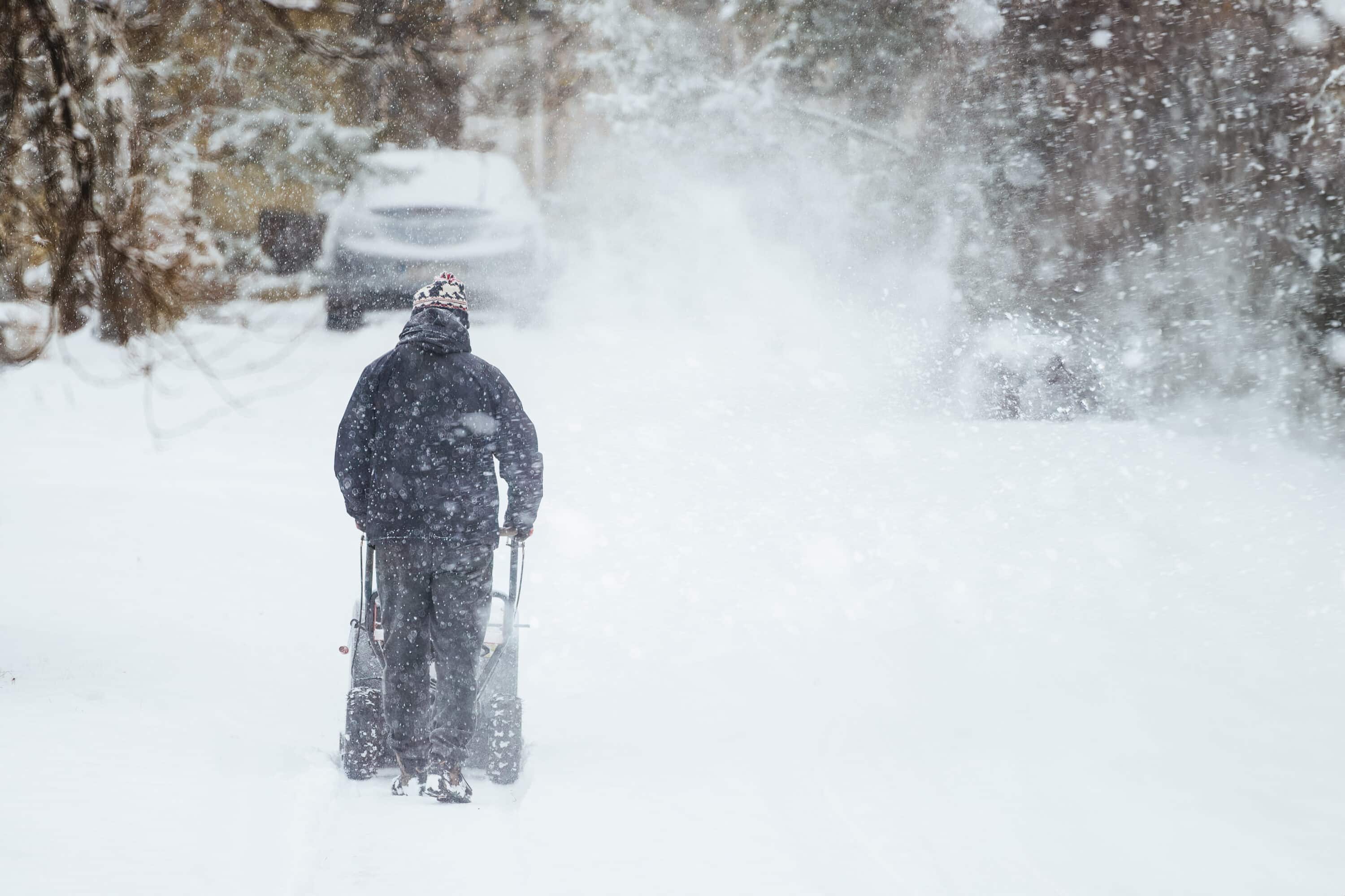
Communities that adopt winter outdoor emergency preparedness systems can send location-based alerts to residents, coordinate emergency shelters, and provide real-time updates.
Stuck in a Car During a Winter Storm – What to Do
Every winter, motorists become stranded during snowstorms. Being trapped in a vehicle without preparation can quickly become life-threatening.
Immediate Actions:
- Stay inside the vehicle
- Call emergency services or send a distress alert
- Run the engine for 10 minutes each hour for heat
- Clear snow from the exhaust pipe
- Keep a window slightly open for ventilation
- Use hazard lights to increase visibility
Organizations like Federal Emergency Management Agency recommend keeping a winter emergency kit in your vehicle.
A winter outdoor emergency preparedness plan at the community level ensures stranded drivers can quickly notify local responders through centralized communication tools.

Building a Community-Based Winter Response Strategy
Winter emergencies aren’t just personal — they impact entire communities.
Schools close. Roads shut down. Power grids fail. Communication becomes critical.
A proactive strategy includes:
-
Real-time alert systems
-
Citizen reporting tools
-
Organization-wide communication channels
-
Coordinated volunteer response
-
Resource tracking during storm events
PubSafe enables communities to:
✔ Send verified emergency alerts
✔ Allow citizens to report incidents
✔ Coordinate first responders and organizations
✔ Share updates during evolving winter events
Reliable communication transforms winter outdoor emergency preparedness from individual survival to coordinated community resilience.
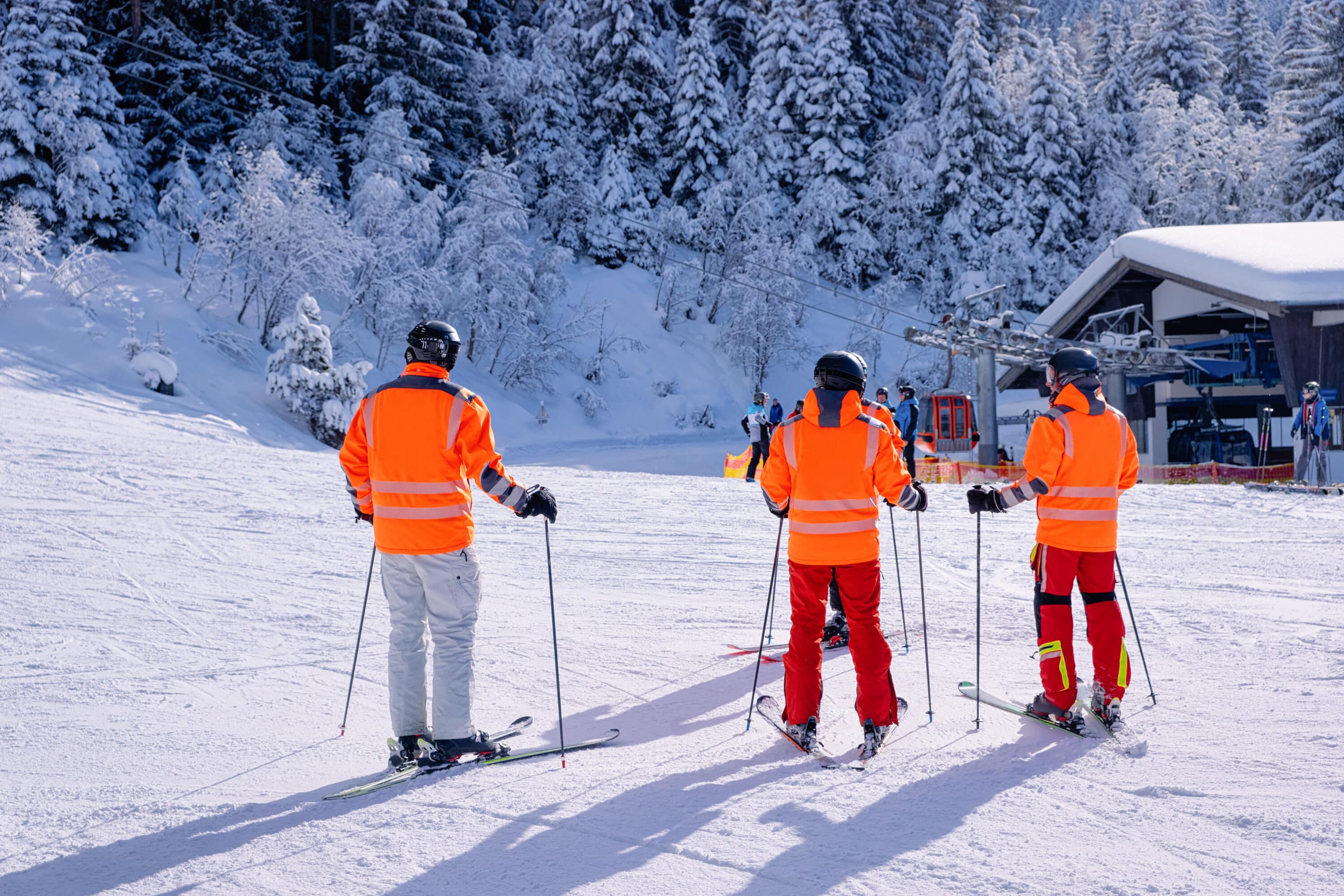
How PubSafe Supports Winter Outdoor Emergency Preparedness
Winter hazards require fast, accurate information sharing.
PubSafe’s platform supports:
-
Emergency broadcast messaging
-
Two-way citizen reporting
-
Location-based alerts
-
Organization coordination during severe weather
-
Crisis communication management
Whether responding to a ski accident, avalanche risk, blizzard warning, or stranded motorists — PubSafe helps communities stay connected.
Preparedness is not about fear. It’s about readiness.
Winter weather is unpredictable — but your response doesn’t have to be.
Strengthen your community’s winter outdoor emergency preparedness today.
? Register your organization with PubSafe
? Equip citizens with real-time alerts
? Improve coordination during ski season and storm events
Because when winter hits, communication saves lives.