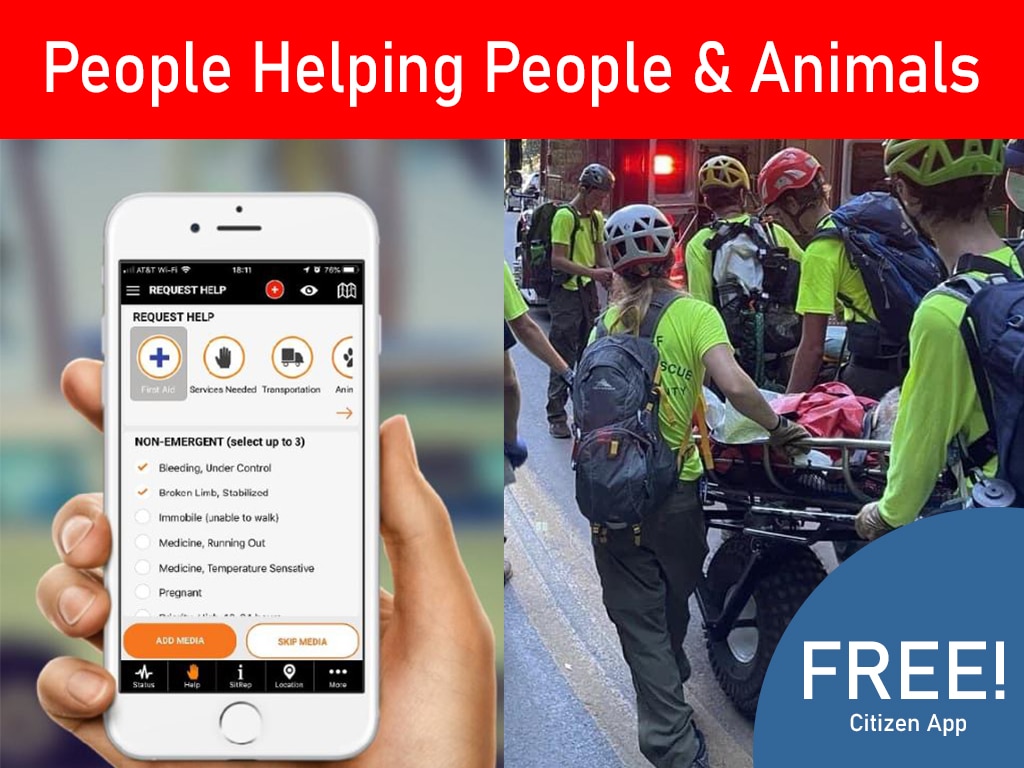
How it all Works When Citizens and Responders are Connected
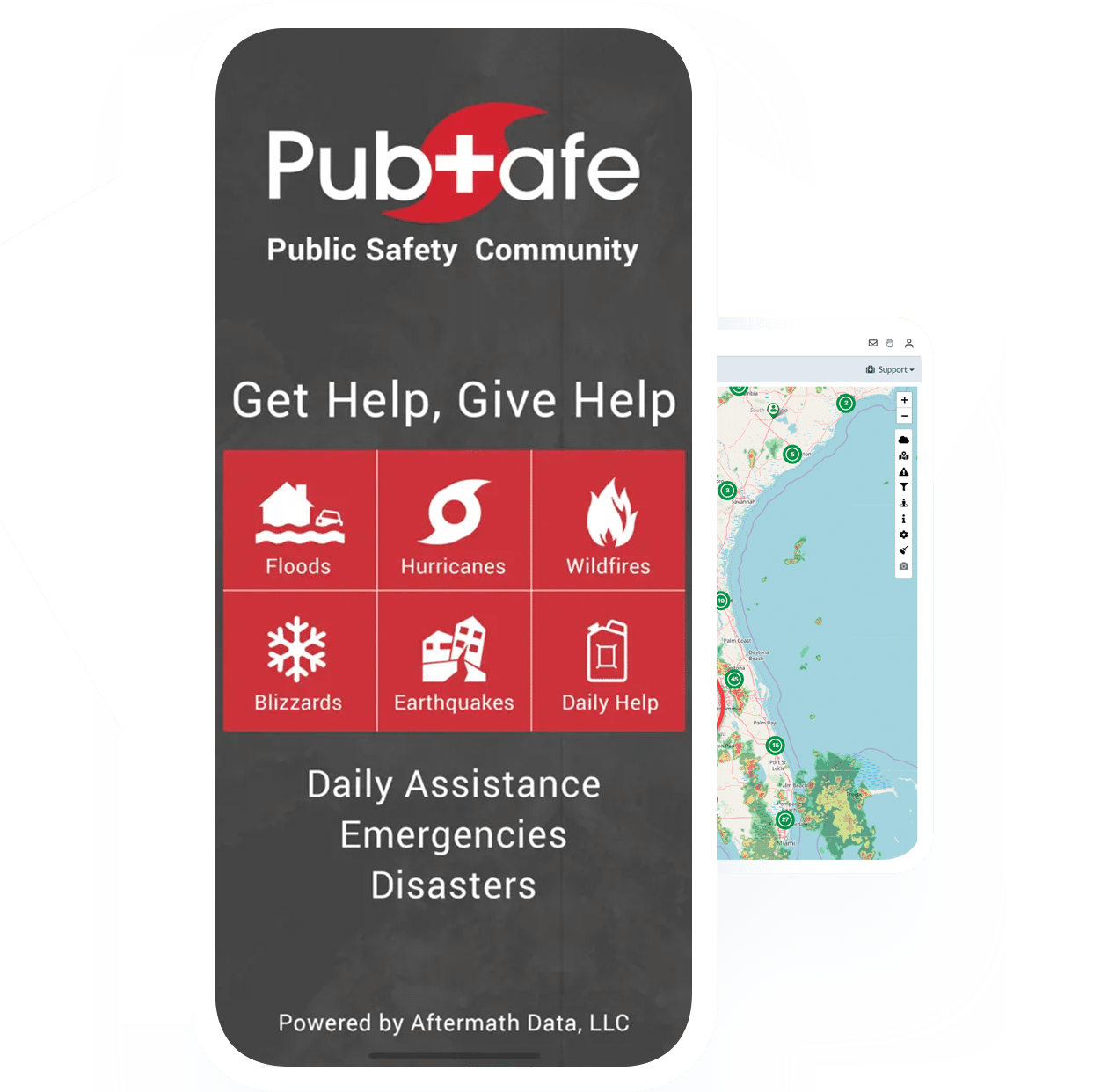
PubSafe is an emergency coordination platform that connects citizens, NGOs, CERT teams, and public safety agencies in one shared operating picture. Citizens submit structured incident reports from the mobile app; participating organizations verify activity, coordinate people and resources, and share trusted updates while public safety agencies remain in control.
PubSafe works across the full emergency spectrum — from blue-sky preparedness and community resilience to gray-sky crisis response and recovery.
PubSafe complements 911/112 call centers, dispatch platforms, and incident command structures. It does not replace official emergency systems; it adds community-sourced intelligence before, during, and after emergencies.
Want more background? Learn what PubSafe is and how it supports community coordination.
Organizations that need volunteer administration alongside emergency coordination can explore volunteer management software for nonprofits and CERTs.
Why Community Emergency Response Often Breaks Down
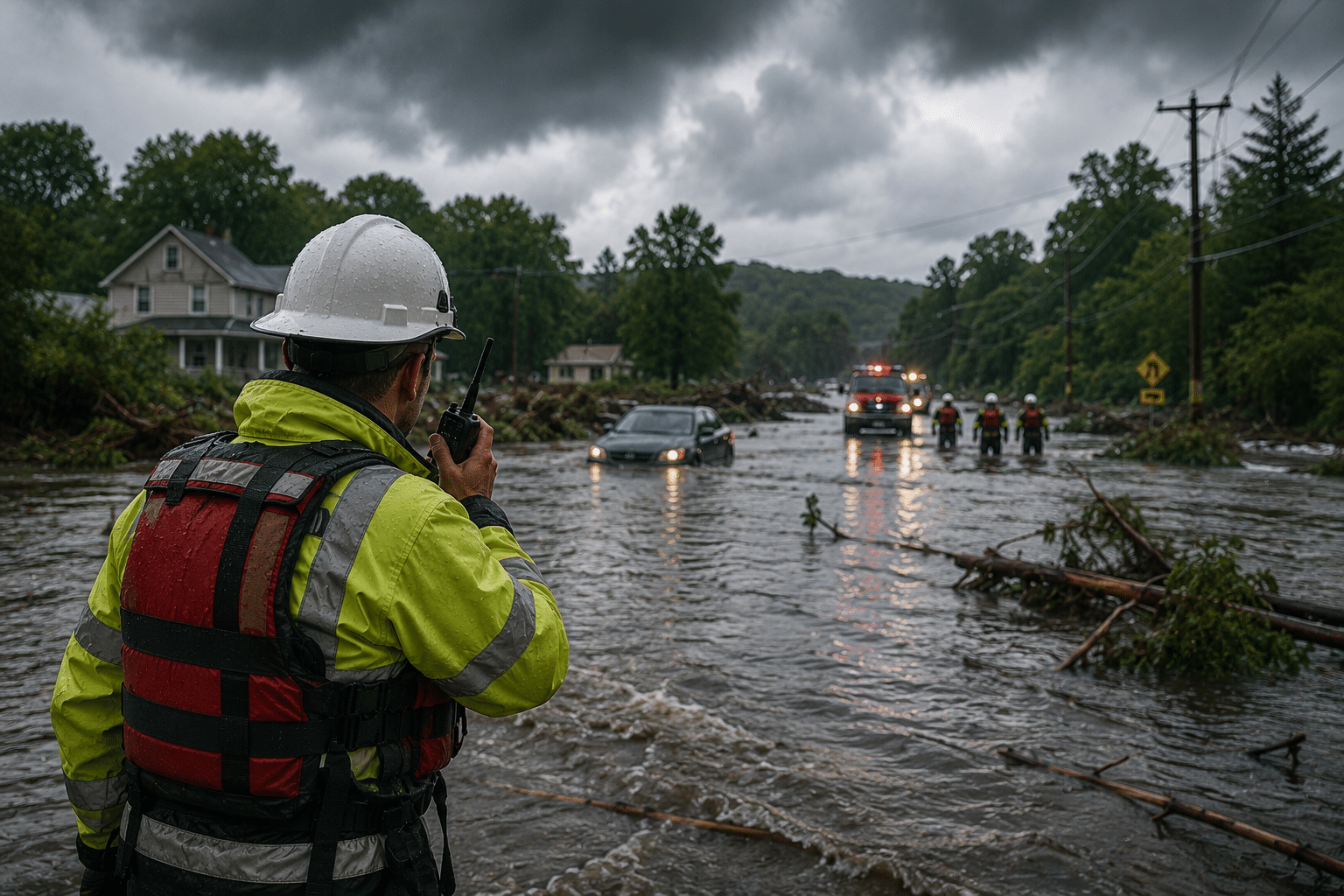
In many emergencies, the biggest challenge is not a lack of responders – it is a lack of clear, timely, trusted information that bridges the gap between blue-sky readiness and gray-sky reality.
In many emergencies, the biggest challenge is not a lack of responders,it is a lack of clear, timely, trusted information.
These gaps reduce the effectiveness of community disaster response and limit how well citizens, NGOs, CERTs, and agencies can work together. PubSafe was built specifically to close these gaps.
- Scattered across phone calls, messaging apps, and social media
- Unstructured and difficult to verify
- Delayed before reaching the right organization
- Invisible to agencies outside formal reporting channels
Step 1: Citizens Share Real-World Situational Awareness
When something happens—flooding, fires, power outages, road hazards, safety concerns—citizens use the free PubSafe mobile app to report what they see.
Reports are simple, fast, and structured, including:
- Precise location data
- Incident type and severity
- Photos or notes for context
- Automatic time stamps
Citizens are not dispatching emergency services. Instead, they are contributing ground-level visibility that strengthens community emergency response and helps organizations understand what is unfolding in real time.
Step 2: Information Is Structured, Mapped, and Verified
Unlike social media or group messaging, PubSafe converts every report into standardized emergency data.
This allows organizations to:
-
Filter incidents by type, location, and urgency
-
Visualize events on live maps
-
Identify duplicate or false reports
-
Detect patterns and emerging risks
NGOs, CERT teams, and agencies can validate information through multiple reports, trusted contributors, and field confirmation—turning raw input into actionable emergency intelligence.
Step 3: NGOs and CERTs Coordinate Community Response
Authorized organizations access PubSafe through a secure, web-based operations portal.
Organizations responding to emergencies can register your organization to get started.
From one shared interface, they can:
- Monitor incidents as they develop
- Coordinate volunteers and community resources
- Assign tasks and track response activity
- Share verified updates with the public
This enables emergency coordination across organizations that may not share the same internal systems but need to work together during disasters.
PubSafe is particularly effective for:
- Disaster relief NGOs
- Community Emergency Response Teams (CERTs)
- Volunteer coordination groups
- Local resilience and preparedness programs
Step 4: Public Safety Agencies Remain in Control
PubSafe is intentionally designed to complement—not compete with—official emergency systems.
It does not replace:
-
Emergency call centers (911 / 112)
-
CAD or dispatch platforms
-
Incident Command System (ICS)
-
Established operational workflows
Instead, PubSafe acts as a community intelligence layer, giving agencies broader visibility into on-the-ground conditions and community needs.
Agencies decide:
-
What information to use
-
How it fits into existing processes
-
When and how to communicate with the public
This ensures accountability, compliance, and operational control while improving awareness beyond traditional reporting channels.
Step 5: Trusted Information Flows Back to the Community
Effective emergency response depends on two-way communication.
Through PubSafe, organizations can:
-
Share verified updates and safety guidance
-
Reduce misinformation during incidents
-
Keep communities informed during response and recovery
Citizens receive timely, trusted information from recognized organizations—building confidence and encouraging responsible participation in future emergencies.
Disaster Use Case Scenarios: Flood, Tornado, Wildfire, and Winter Storm
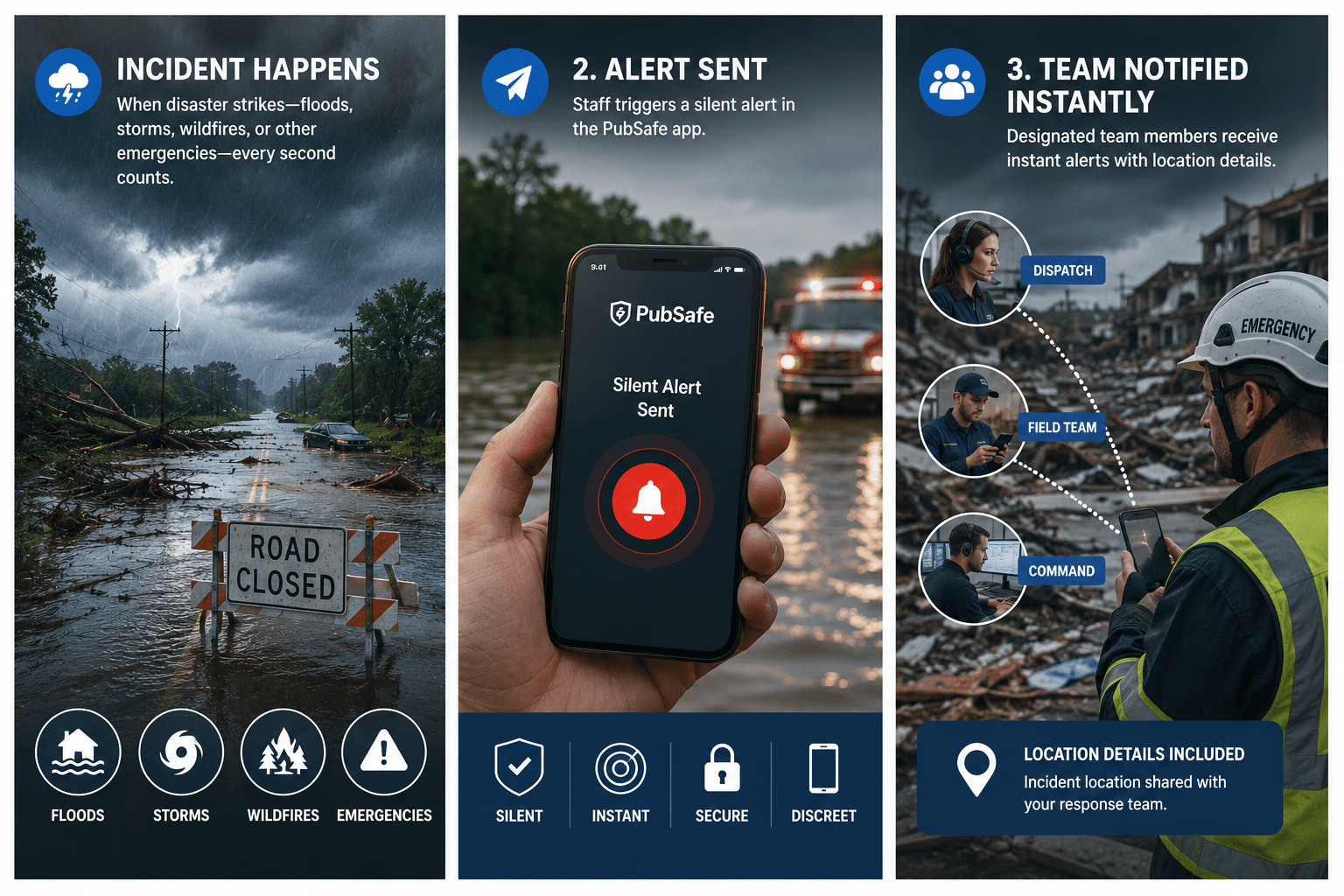
Flood Emergency Response: A flash flood warning threatens a riverside community as roads close and residents need evacuation assistance. During a flood response, citizens submit GPS-tagged water, road, and rescue reports. CERT coordinators filter urgent incidents, assign evacuation teams, route volunteers around hazards, and share verified updates. Outcome: stranded residents are prioritized, volunteers avoid unsafe routes, and the public receives trusted safety guidance.
Tornado Warning Response: A tornado damages homes, downs power lines, and scatters injury and damage reports. Residents report safe, injured, or trapped status with photos. An NGO maps severity clusters, creates CERT grid-search missions, records searched areas, connects findings to damage assessment, and publishes shelter and road updates from the tornado response workflow. Outcome: searches become systematic and duplicate reports are reduced.
Wildfire Evacuation Management: A wildfire threatens neighborhoods while emergency managers confirm evacuations and deploy help. Residents mark themselves evacuated or request assistance. The EOC views evacuation status in the disaster response platform, dispatches CERT volunteers, overlays smoke reports, and publishes verified zone updates tied to the wildfire response scenario. Outcome: evacuation progress is visible and status confusion is reduced.
Winter Storm Response: Heavy snow strands motorists, causes outages, and strains warming shelters. Residents report medical, food, power, and shelter needs. Coordinators prioritize vulnerable residents, assign street checks, log field check-ins, and publish hazards, closures, and shelter details through the public map, connecting winter storm response with volunteer coordination. Outcome: wellness checks are tracked, shelter needs are matched faster, and the public map becomes shared ground truth.
Built for Real-World Disaster Response and Recovery
It scales from neighborhoods to regions while remaining easy to use for both the public and professional responders. PubSafe supports a wide range of use cases, including: View affordable pricing for organizations of all sizes. View affordable pricing for organizations of all sizes.
Ready to see PubSafe in action for your community? Get started with your free organizational account →
- Local incidents such as fires, outages, and road hazards
- Large-scale disasters like storms, floods, and earthquakes
- Planned events requiring coordinated community safety
Start Coordinating Emergency Response with PubSafe
Whether you are a:
- Citizen looking to contribute responsibly
- NGO coordinating disaster response
- CERT team supporting local resilience
These teams can use volunteer management software for nonprofits and CERTs to organize year-round training and emergency response.
- Public safety agency seeking better community visibility
PubSafe supports your role.
Explore the platform, view affordable pricing, request organizational access, or download the app to see how community emergency response works when everyone is connected.
Get started free — no credit card required. Download the app or register your organization today.
How PubSafe Works FAQs
How does PubSafe help communities respond to emergencies?
PubSafe lets citizens share real-world information, helps organizations view incidents on a map, and gives response groups a way to coordinate assistance and resources.
What happens after someone reports an incident in PubSafe?
The report can provide situational awareness to nearby users and participating organizations so they can understand what is happening and decide how to respond.
How do NGOs and CERT teams use PubSafe?
NGOs and CERT teams can use PubSafe to manage members, coordinate volunteers, communicate with teams, and track activity during preparedness, response, and recovery.
How does PubSafe support official public safety agencies?
PubSafe complements official systems by surfacing community-level information and coordination activity without replacing 911, dispatch, or emergency command authority.