
A small business does not need a massive emergency binder to become more resilient. It needs a plan people can use under pressure. Identify the most likely disruptions and assign clear responsibilities. Establish reliable ways to communicate. Decide how essential work will continue when normal operations are interrupted.
This approach turns preparedness from a one-time document into a repeatable operating process. It also keeps technology in its proper role. A coordination platform can help organize reports, messages, and situational awareness, but it does not replace 911, fire or police services, emergency management, insurance guidance, or workplace-safety requirements. Start by defining what your plan must cover and which decisions matter most during the first minutes of an incident.
What does emergency preparedness for small businesses include?
A small-business emergency plan should answer a practical question: what will your people do when normal operations are interrupted? Start with hazards that could affect your location, staff, customers, suppliers, data, and facilities. Ready.gov groups business hazards into natural, health, human-caused, and technology-related events. So the review should extend beyond severe weather to incidents such as disease outbreaks, workplace violence, cyber disruption, and utility loss. Ready.gov’s business preparedness guidance provides a useful starting point.
Emergency preparedness for small businesses should cover risk review, employee instructions, incident reporting, continuity priorities, backup communications, and coordination with local responders. The plan should be written, practiced, and updated as the business, team, and risks change.
Do not try to solve every scenario with a separate binder. Build a repeatable framework that can be adapted to the event. For each hazard, record the likely warning signs and the people responsible for decisions. Record the actions employees should take. Note the conditions that trigger a transition from response to recovery.
Begin with a location-based risk review
Walk through the workplace and its dependencies. Ask which areas may require evacuation. Decide where people could shelter in place. List the supplies needed if employees or customers must remain onsite.
California’s Office of Emergency Services recommends considering evacuation, shelter-in-place procedures, emergency supplies, business continuity, employee protection, communication with customers and suppliers, and insurance review. Its disaster preparedness guidance for businesses can help structure that discussion.
Include people who understand different parts of the operation. A facilities lead may identify access or utility risks, while an office manager may know how employees and customers can be reached. Include accessibility needs, shift coverage, contractors, and anyone who may need assistance during evacuation or sheltering.
Turn the review into decisions people can use
Write the first actions in plain language. Specify who confirms the incident, who contacts emergency services or the relevant local authority, who accounts for employees, and who communicates approved updates. Identify critical records and systems, along with a recovery priority if they become unavailable. Keep contact lists and procedures current, and provide a backup communication path if internet or cellular service is disrupted.
A written plan is only useful when employees can find it and practice it. Review it after drills, near misses, facility changes, staffing changes, or new operational dependencies. Use this emergency communication plan framework as a starting point. Adapt it to your workplace and local guidance.
Build a risk-based plan for your workplace
A useful plan is specific to your people, property, operating hours, and location. Start by listing the hazards most likely to affect the business, then consider less frequent events with serious consequences. Flooding, severe weather, earthquakes, illness, violence, power loss, and equipment failure may require different protective actions. The U.S. Chamber Foundation recommends understanding which disasters are most likely in your region before building the rest of the plan.
Assign responsibility before an incident
Name a plan owner and backups for key functions. Decide who monitors official alerts, accounts for employees and visitors, contacts emergency services, communicates with staff, and protects critical records. Give each role a clear trigger and a practical checklist.
A small business does not need a large emergency-management department. It does need named decision-makers who can act when the owner is unavailable.
Include the appropriate local fire, police, emergency medical, public-health, and emergency-management contacts. Share only the information those agencies need, and make clear that official responders direct life-safety operations. Your plan should support their work, not replace 911 or professional emergency guidance.
Write protective actions people can follow
Document when employees should evacuate, where they should go, and how supervisors will account for everyone. Map primary and alternate exits, assembly areas, accessible routes, and procedures for visitors or workers who need assistance.
For hazards that make travel unsafe, define shelter-in-place locations, door and ventilation procedures, and the conditions for an all-clear. California OES identifies evacuation planning, shelter-in-place measures, and emergency supplies as core business-preparedness considerations.
- Identify the hazard and immediate life-safety concern.
- Choose the protective action, such as evacuation or shelter-in-place.
- Account for employees, visitors, contractors, and anyone needing assistance.
- Share the next update time and the condition for an all-clear.
| Planning area | Decision to document | Responsible role |
|---|---|---|
| People | How will the team receive instructions and confirm status? | Employee communication lead |
| Place | Where will people evacuate or shelter? | Site or facilities lead |
| Operations | Which essential function continues first? | Business continuity lead |
| Information | Which records and contacts must remain available? | Records or IT lead |
Protect the business while protecting employees
Keep practical supplies matched to your risks. Examples include first-aid materials, flashlights, backup batteries, water, sanitation items, protective equipment, and a reliable way to receive official warnings. Inspect and replace expired items. Maintain paper or offline copies of critical contacts, site information, permits, vendor details, payroll records, and recovery instructions. Back up essential digital records securely. Test whether authorized staff can restore them.
Review insurance coverage and exclusions with your broker, including property, business interruption, equipment, and liability needs. California OES guidance also places employee protection, customer and supplier communication, business continuity, and insurance review within preparedness planning. Revisit the plan after a drill, major staffing change, renovation, new equipment purchase, or change in local hazards. Emergency preparedness for small businesses works best as a maintained operating process, not a document stored and forgotten.
How will employees receive and confirm instructions?
A communication plan is only useful when employees know who sends the message, where it will appear, and how to confirm they received it. Assign one primary message owner for each shift or operating area, plus a backup who can take over if the owner is unavailable. The owner should coordinate with leadership and local responders before issuing instructions that affect evacuation, sheltering, or emergency services.
Map the decision tree before an incident:
- Detect: Identify who receives the first report and what information must be captured, such as location, hazard type, severity, and immediate danger.
- Decide: Establish who can order an evacuation, shelter-in-place action, closure, or return to work.
- Notify: Send a concise message stating what happened, what employees should do now, where to go, and when the next update will arrive.
- Confirm: Use a roster, reply request, check-in form, or supervisor roll call to identify people who have received and understood the instruction.
- Escalate: Contact the designated backup when someone does not confirm, and contact 911 or the appropriate authority when immediate danger requires it.
Use more than one channel. A normal business email may work for planning, but a time-sensitive instruction may need team messaging, a broadcast, a voice call, or an in-person relay. Make the message accessible to employees with hearing, vision, language, mobility, or technology needs. Include plain-language instructions, avoid unexplained emergency-management terms, and provide a way to ask questions privately. Keep an updated contact roster, including alternate contacts and preferred communication methods.
Document the process in an emergency communication plan. The plan should name message owners, backups, approval rules, channels, confirmation methods, and the location of current employee information. It should also state what happens when internet, cellular service, power, or a digital platform is unavailable. PubSafe supports one-to-one chat, team messaging, broadcasts, priority alerts, situation reports, and mobile-to-web synchronization, but it requires internet connectivity. Maintain a separate backup path, such as radios, a phone tree, or a designated physical meeting point.
Training turns the tree into a habit. Ready.gov identifies communications, continuity, and training, testing, and exercises as elements of business preparedness: Ready.gov business preparedness guidance. Include new-hire orientation, short refreshers, and realistic drills. Practice receiving an alert, confirming it, reporting a status, and switching to the backup channel. After each exercise, record unanswered messages, confusing instructions, accessibility gaps, and roster errors. Update the plan while those lessons are fresh.
Turn incident reporting into a usable response record
An incident report should help the next person make a sound decision, not force them to reconstruct a story from scattered texts. Design a consistent intake format that captures the facts responders and business leaders need during a fast-moving event.
Capture the facts that establish what is happening
Start with the time and location of the report. A precise address, building area, or GPS point can be more useful than a general description such as “near the back entrance.” Record the hazard category. Such as fire, severe weather, medical emergency, utility failure, security concern, or technology outage.
Then assign a severity level using plain definitions that your team understands. For example, distinguish between an observation that needs monitoring, a disruption that requires internal action, and an immediate threat requiring escalation to emergency services.
Ask the reporter to describe what they directly observed. Separate confirmed information from assumptions, and include the number of people affected when it is known. Attach photographs, video, or other media only when doing so is safe and appropriate. The record should also identify the reporter, their role, and a reliable way to request clarification. These details create accountability without turning the report into a lengthy narrative.
Make routing and status part of the report
A useful record does not stop when someone submits it. Define where each category goes next. A facilities issue may route to a site manager, while a suspected fire, serious injury. Or immediate danger requires following established procedures and contacting 911 or the appropriate local authority. Your internal workflow can identify the responsible owner, the time of escalation, the action taken, and the next review point.
Use status labels that show whether an incident is new, acknowledged, assigned, actively managed, awaiting information, or resolved. Include a short timeline of actions and decisions as the situation develops. This gives managers situational awareness and creates a practical basis for an after-action review. It can also reveal recurring hazards that deserve changes to training, equipment, or workplace procedures.
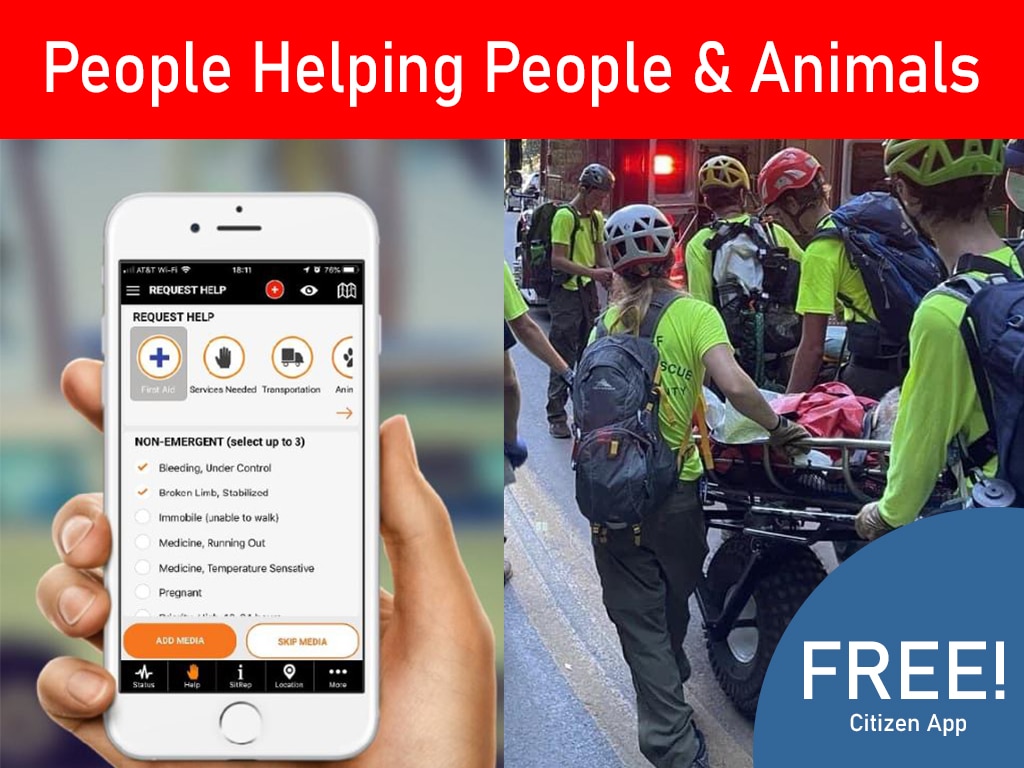
A coordination layer such as incident response software can support structured reporting with location capture, category and severity fields, media, routing, and status tracking. PubSafe supports coordination among organizations and responders; it does not replace 911, fire, police, emergency management, insurance, or occupational-safety guidance. Because the platform requires internet connectivity, keep a backup reporting and communication method for outages.
Protect continuity before, during, and after disruption
Preparedness is not complete when employees know where the first-aid kit is. Owners also need a continuity method that protects the work customers depend on, even when normal operations are interrupted. Start by listing your business’s critical functions, such as accepting orders, serving customers, safeguarding people, processing payroll, or maintaining essential equipment. Then identify what each function depends on: specific employees, suppliers, facilities, software, utilities, records, and transportation.
Define minimum operations
For each critical function, describe the minimum service your team must maintain during a disruption. Assign an owner, document the first practical workaround, and identify the condition that requires escalation. This may mean shifting work to another location, using a manual process, changing delivery arrangements, or temporarily prioritizing urgent customers. Avoid inventing recovery-time promises. Instead, set triggers your team can observe, such as a facility closure, a utility outage, a supplier failure, or an instruction from local authorities.
Protect information and relationships
Keep current backups of essential records, contact lists, contracts, insurance information, inventory details, and operating procedures. Store backups separately from the primary system and test whether the right people can retrieve them. Review critical suppliers and document alternatives before an emergency. Your continuity plan should also say who updates customers, employees, suppliers, and other partners, what information can be shared, and how often updates are issued.
California’s business preparedness guidance emphasizes continuity, employee protection, customer and supplier communication, and insurance review. Those responsibilities belong in the plan, not in an owner’s memory. Ready.gov likewise identifies continuity, IT recovery, communications, and training or testing as core business preparedness activities. California OES business preparedness guidance and Ready.gov business guidance can help owners check for gaps.
Review and improve the plan
Set a recurring review cadence and revisit the plan after every exercise, incident, major staffing change, new supplier relationship, or technology change. Capture what happened, which decisions were delayed, and which contact or backup failed. Then assign an owner and deadline for each correction. A lightweight review that leads to specific updates is more useful than a polished plan nobody tests.
Coordinate with local responders and practice the plan
A business plan becomes more useful when it fits the response system around it. Start by identifying the agencies and organizations that may affect your operations or receive your call for help. Depending on your location and hazards, that list may include the fire department, police. Emergency management office, public health department, utility providers, building management, nearby hospitals, and relief organizations. Confirm which channels are intended for emergencies, routine questions, warnings, and follow-up. In an active emergency, use 911 or the official emergency channel designated for your area.
Share information responders can use
Prepare a concise business profile that can be updated as conditions change. Include the street address and best access points, operating hours, headcount and staffing patterns, vulnerable occupants or accessibility needs. Hazardous materials, utility shutoffs, floor plans, alarm details, and the name of the person authorized to coordinate with responders. Store this information where responsible leaders can reach it, and ask local officials whether they have a preferred format or community notification process.
Do not assume that sending more information improves response. Share what is relevant, current, and permitted. Protect employee and customer personal information, and establish who can release updates publicly. Building relationships before an incident can also clarify how your team will receive official instructions and how it should report conditions. Learn more about working with local emergency management partners.
Test the plan in realistic conditions
Run a short exercise for each major hazard rather than waiting for a full-scale event. Practice evacuation, shelter-in-place, accountability, leadership succession, utility shutdowns, customer communication, and a handoff to responders. Include new employees and anyone with a defined emergency role. Test the actual phone numbers, notification groups, access instructions, backup files, radios, and supplies. If your primary communication tools depend on internet access, rehearse the backup path for an outage. PubSafe currently requires internet connectivity, so it supports coordination when connected but does not replace emergency services or offline communication methods.
During an exercise, record what happened instead of relying on memory. Afterward, ask where instructions were unclear, who did not receive them, which information was missing, how long accountability took, and where responsibilities overlapped. Assign an owner and due date to every corrective action, then update the plan and repeat the test. A coordination platform can help teams share reports, track status, and maintain situational awareness through real-time disaster coordination, while official responders retain command authority.
Frequently Asked Questions
What should a small-business emergency plan include?
Include a risk review, employee communication process, incident reporting steps, continuity priorities, data and records protection, emergency supplies, and contacts for local responders. Ready.gov specifically identifies communications, IT support and recovery, continuity planning, and training and exercises as parts of business preparedness: Ready.gov.
What is an example of a disaster recovery plan for a small business?
Start with a likely disruption, such as a power outage. Assign one person to confirm employee safety, another to document the incident, and another to contact suppliers and customers. Define which services must resume first, where backed-up records are stored, how staff will receive updates, and what conditions allow reopening. Test the process, then revise it after the exercise.
How often should employees practice the emergency response plan?
Practice whenever the plan changes, after a significant incident, and on a regular schedule that fits your risks and operations. Use short drills to test evacuation, shelter-in-place communication, accountability, reporting, and continuity decisions. Training, testing, and exercises are essential components of preparedness, according to Ready.gov.
Who should a small business coordinate with during an emergency?
Identify the appropriate local fire, police, emergency medical, emergency management, public health, utility, and relief-organization contacts before an incident. Share only the information they need, follow their directions, and make clear which decisions remain with official responders. A business coordination platform can support communication and reporting, but it does not replace 911 or public-safety agencies.
What if the internet goes down during an emergency?
Keep a backup communication path, such as phone, radio, or another locally appropriate method, and document how staff will use it. Cloud tools can support coordination when connected, but they should not be treated as offline replacements. Include outage procedures in drills so employees know how to receive instructions and report status when normal systems are unavailable.
Ready to strengthen your response plan?
A practical plan is easier to use when incident details, employee updates, and coordination steps are clear before a disruption occurs. PubSafe can help small-business owners evaluate how a connected platform may support incident reporting and emergency coordination while keeping local responders central to the response. Contact PubSafe to discuss whether it fits your team’s preparedness process.