No single municipal office has enough trucks, staff, or supplies to survive a historic flood. When rivers rise, a city must look beyond its own walls to find gear and expertise. Real strength lies in linking public services with private partners before disaster strikes.
What Are Public-Private Partnerships in Emergency Management for Local Government?
Schedule a free consultation to learn how public-private partnerships emergency management local government networks build community resilience.
A public-private partnerships emergency management local government agreement combines municipal resources with private sector assets to protect lives. These networks help agencies and businesses share equipment, coordinate response protocols, and link communication systems before a crisis. According to FEMA, these alliances are vital for sharing the costs of emergency planning.
Local governments build these networks to cope with major crises. Unlike simple contracts, P3 teams use joint plans and align response efforts in real time. The FEMA Private Sector Engagement program outlines how local groups can pool assets. A true partnership requires both sides to draft shared protocols and link systems before a crisis. Which is far more involved than a standard purchase deal where a town simply pays for tools. Using the right NGO technology platform can help connect these teams.
Key Takeaways: Public-private partnerships involve shared protocols and pooled resources. Following FEMA guidelines and using coordination technology helps local governments align response efforts in real time.
Why Local Governments Need P3s for Emergency Preparedness
Local towns face tight budgets and small staff during crises. Setting up incident management for local government requires tools public funds cannot fully cover. Private firms have trucks, gear, and technology ready to deploy. A FEMA guide on building P3s shows how these bonds boost response speed. By joining forces, both sides fill key skill gaps and keep local systems running when lines and grids fail.
Key Takeaways: Resource gaps make P3s essential for local governments. Private sector assets fill critical gaps in equipment and technology that public budgets cannot cover alone.
Real-World P3 Models and Case Examples
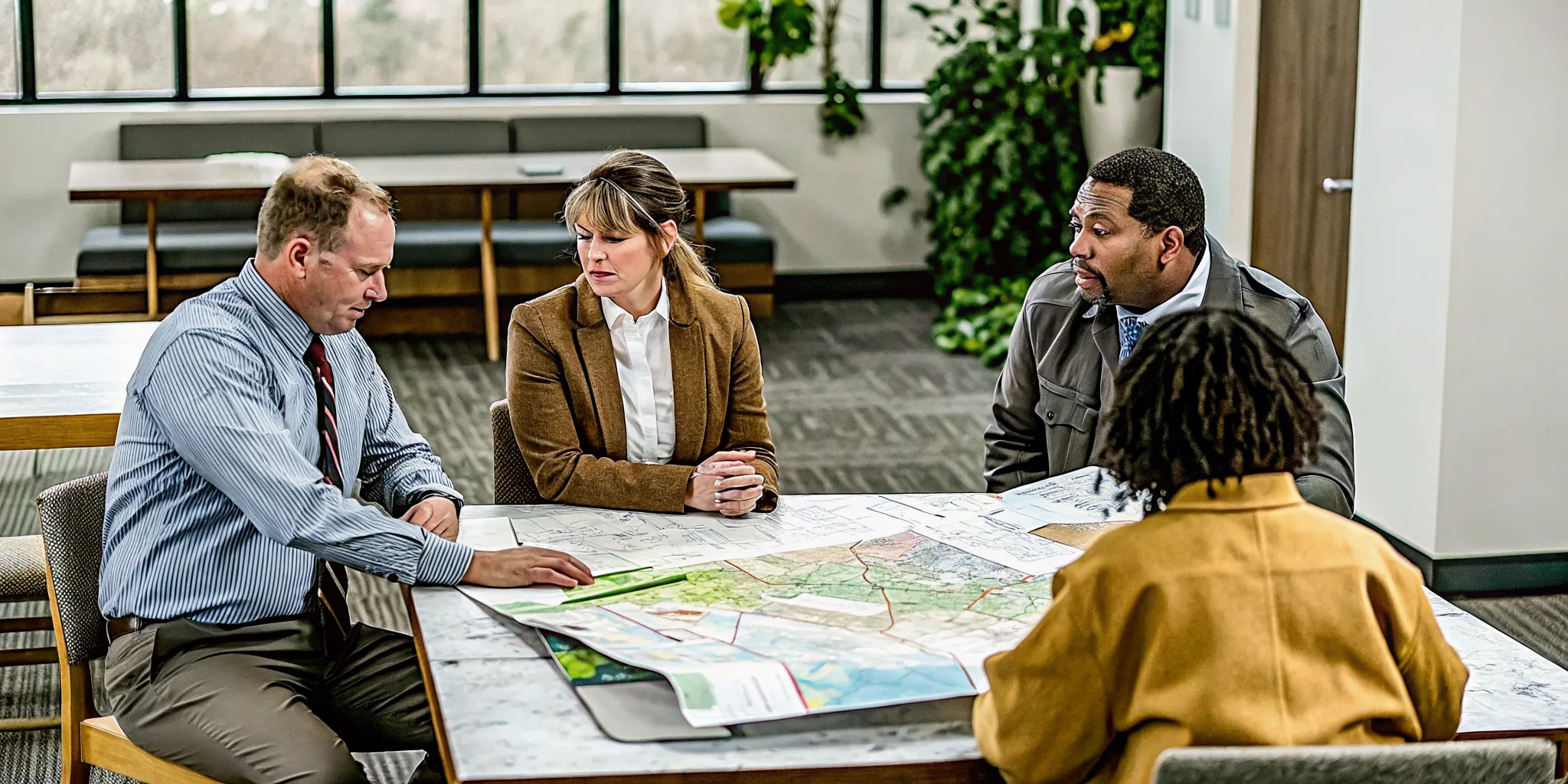
When agencies and companies work together, they respond to crises much faster. During the COVID-19 pandemic, Milwaukee coordinated housing, meals, and medical testing through private partnerships. Texas set up a resource hub to help small businesses recover. California wildfire brigades trained jointly to stop fires before they spread. The table below compares three common P3 models.
| P3 Model | Primary Focus | Key Benefit |
|---|---|---|
| Resource-Sharing Agreements | Shared tools and supplies | Quick access to heavy gear |
| Business Emergency Operations Centers | Information coordination | Clear communication in a crisis |
| Joint Training Programs | Skills and drill practices | Better teamwork in the field |
Key Takeaways: Cities use three main P3 models to improve disaster response. Each model addresses a different need, from resource sharing to communication coordination.
Steps to Build a Public-Private Partnership for Disaster Response
Local teams should use the FEMA National Preparedness System to build their partner network. Follow these seven steps to create an effective P3.
- Find your partners. Look for local shops, power firms, and groups that can provide food, trucks, or shelter during a crisis.
- Draft clear pacts. Write Memorandums of Understanding (MOUs) to split costs and set goals before a disaster hits.
- Set up communication rules. Use shared radio bands and apps so all sides stay connected if cell towers fail.
- Run joint drills. Practice together with realistic exercises to find gaps and build trust.
- Build a coordination hub. Create a BEOC where private partners work alongside local leaders.
- Link daily operations. Share data during calm times so teams can move fast when a crisis starts.
- Review plans regularly. Meet after each event to assess performance and update contact lists.
Local towns can manage tasks using emergency operations center software for local government. This technology shares live data so public and private crews operate as one unit.
Key Takeaways: Building a successful P3 requires identifying partners early, establishing formal agreements, running joint exercises, and using coordination platforms for real-time communication.
How Technology Bridges Public and Private Sectors
Coordination software provides a unified messaging layer that connects community groups with public safety teams. PubSafe acts as a resilient bridge linking other tools rather than replacing them. This helps NGOs build resilient networks for disaster coordination and keeps teams connected when cell towers fail. A shared platform lets private firms share live updates with local leaders. Real-time situational awareness helps both groups track key assets like food, water, and medical gear. Using an emergency management platform ensures everyone sees the same operational picture, reducing duplicated work and speeding up response times.
Key Takeaways: Technology platforms that bridge public and private sectors are essential for real-time coordination. A unified system helps track resources and reduces response delays.
Frequently Asked Questions
How do cities fund public-private partnerships for emergency management?
Local governments fund these partnerships with federal grants, public safety budgets, and private donations. The FEMA Private Sector Engagement guide outlines how towns can use Stafford Act grants to support joint preparedness efforts.
Can private businesses join local government emergency plans?
Yes. Companies can sign a Memorandum of Understanding with their city to define their roles. The FEMA Business page helps firms connect with public agencies and share assets like trucks, food, or warehouse space.
How do partnerships communicate when cell towers fail?
Partnerships use resilient platforms, satellite links, and two-way radios. These backup networks do not rely on standard phone lines. Using tools like PubSafe’s technology platform, teams can share live alerts and track assets when cell networks go dark.
How do public-private partnerships save money for local governments?
They save money by sharing the high costs of disaster tools. Public agencies do not have to buy and store expensive equipment alone. According to a USF study on P3 effectiveness, sharing resources through partnerships lowers response costs and speeds up local recovery.
Ready to Improve Government Response Networks?
Poor coordination between local groups during a crisis can cost lives. Setting up your public-private partnership today ensures every team is prepared before the next storm hits. By linking public offices with private resource groups early, you protect your community from dangerous gaps in your response plan.
Ready to build a stronger network? Call (813) 736-1853 to schedule a demo of PubSafe’s emergency management platform. Our team management tools help you keep everyone connected and coordinate your members effectively.