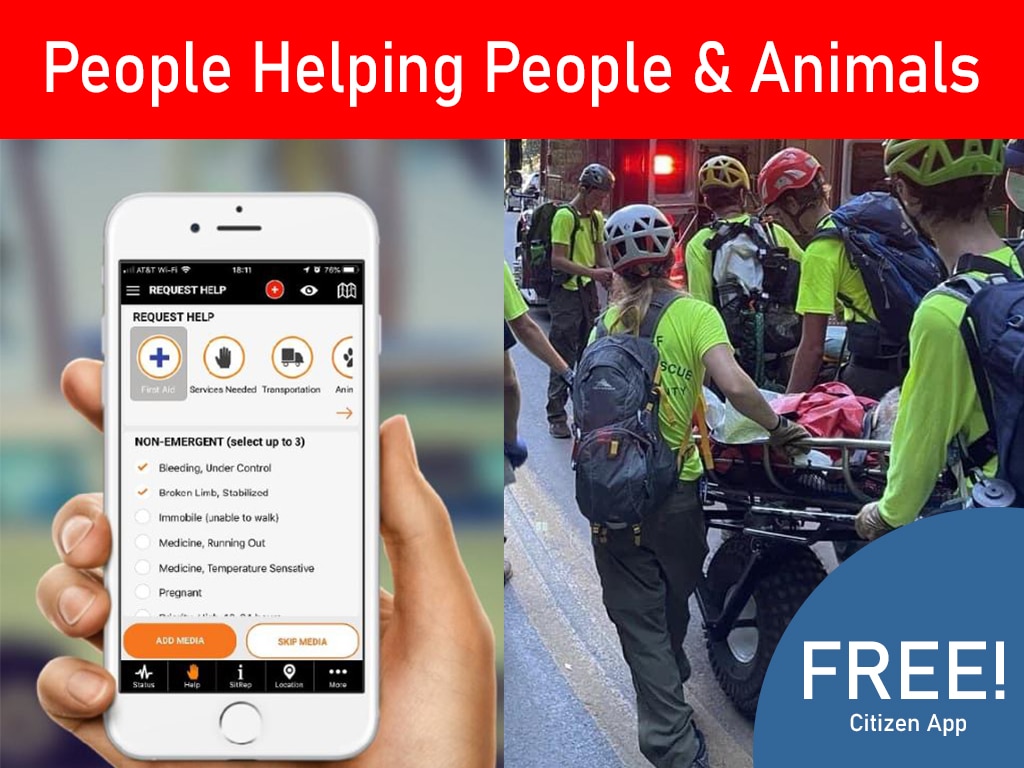
Messy group chats and broken email chains often fail during a real flood. These slow tools prevent volunteer teams from reaching families in need quickly. Real response requires a unified and resilient network.
Schedule a free PubSafe demo today to unify your NGO disaster preparedness coordination and keep response networks resilient in any crisis.
NGO disaster preparedness is the process of building strong networks that keep volunteer teams connected during a crisis. This work means creating clear plans for sharing data and setting up tools that do not fail when the power goes out. Most groups focus on four main phases: preparation, response, recovery, and mitigation. To help with this, the National Voluntary Organizations Active in Disaster (VOAD) is a large group that helps during crises. A strong plan replaces messy email chains with a single source of truth for every team member. By using a resilient coordination layer, local groups can track volunteer hours and share live maps of the damage. This plan makes sure that help reaches the right people without wasted time or lost data.
Every town needs a local group that is ready to act when things go wrong. Knowing Why NGO disaster preparedness is critical for local communities helps these teams build trust and save lives. This link between neighbors and relief groups keeps a city safe. The path begins with
Why NGO disaster preparedness is critical for local communities
Local aid groups play a key role in making towns safe from harm. These teams are often the first on the scene when a storm or fire hits. They know the local area and the people who live there. This bond makes them good at finding where help is needed most. By focusing on NGO disaster preparedness, these groups can lower the risks that homes face every day. Many experts say that local groups are the base of all disaster risk reduction work.
Building strong local bonds
When a crisis strikes, people look to those they trust for help. Local NGOs build this trust long before an event starts. They offer NGO roles in disaster response that state teams might miss. These roles include things like moving food, giving first aid, or finding lost pets. Because they are local, they can move fast and work in tight spots. This speed is vital when every second counts for a person in need.
Training is another part of building these bonds. For the CERT program, it gives free training to helpers. This helps them prepare for crises in their own backyards. The training helps people stay calm and act fast during the first hours of a disaster. It turns a group of people into a team that knows how to save lives. When neighbors help neighbors, the whole town grows safer.
Sharing news faster
A big challenge for many groups is how they talk to each other. Often, teams use tools like email or chat apps that do not work well together. This creates gaps in NGO disaster response teamwork. If one group does not know what the other is doing, work is wasted. They might send too much water to one street and none to the next. This muddle can lead to slow response times and more stress for victims.
To fix this, groups need tools that unite them. Using a common operating picture for NGOs helps everyone see the same map and data. This tool lets teams share news in real time. It makes sure that every hand is used well and no one is left behind. When everyone sees the same truth, they can work as one large unit. This unity is the key to handling big events without losing track of small details.
Scaling for future threats
The need for ready teams is growing as the world changes. The World Health Organization notes that climate change could cause about 250,000 more deaths each year by 2050. To meet this threat, NGOs must build plans that can grow as the danger grows. They should work with groups like the National VOAD group to share tools and skills. This help allows small teams to act like big ones when the stakes are high. Being ready now saves time and lives when the next gray sky day arrives.
Pre-disaster planning: Mapping resources and training teams
Good NGO disaster preparedness starts long before a crisis hits. Your group must know what tools you have and who can use them. This planning saves time when every second counts during a flood or storm. Smart planning helps you act as a strong unit. It turns a bunch of people into a trained team that knows exactly how to help. It also keeps your group from wasting time on the wrong tasks when life is on the line.
Checking team skills and tools
First, list every tool your group owns. This includes items like trucks, radios, or first aid kits. It also includes the skills of your people. Some may know first aid, while others are great at driving in deep mud. A clear map of these items helps you assign NGO roles in disaster response with more speed. When you know who has what, you can send help where it is needed most without any delay.
You should also check your tech tools. Many groups use a mix of phone apps and radios to stay in touch. The CDC gives help for all parts of the disaster cycle. This includes how to plan, respond, and fix things after a storm. Using one hub for data makes it easier for everyone to see the same facts at the same time. This keeps your team on the same page during a storm. It stops people from doing the same job twice.
Mapping your tools is not a one-time job. You must update your list as you buy new gear or as people learn new skills. This live map is the core of NGO disaster response coordination. It makes sure that the right tools get to the right place at the right time. When you know your team’s limits, you can ask for more help before a crisis breaks your system.
Building volunteer skills
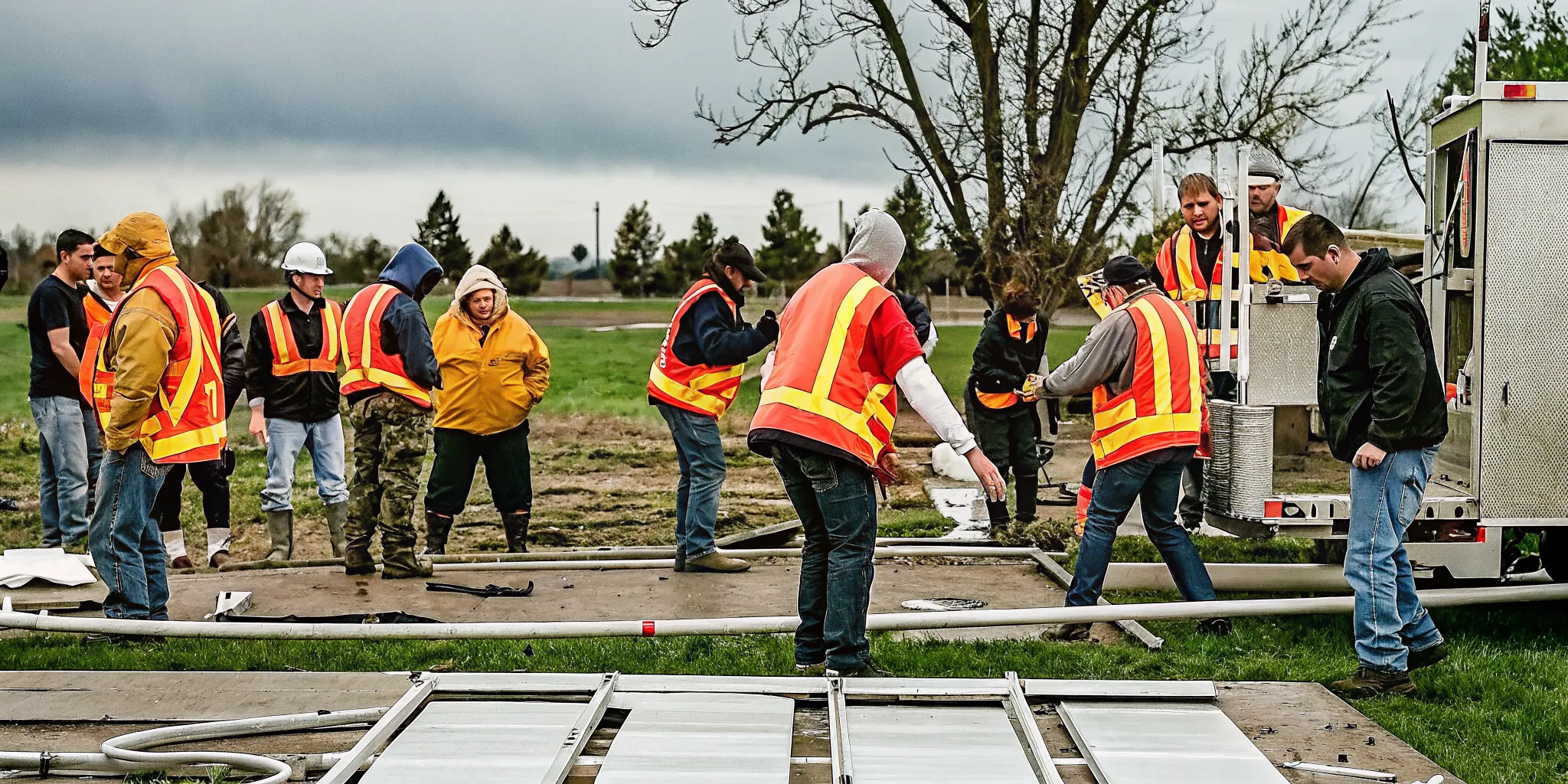
Download the free PubSafe app today to instantly start mapping your team’s locations and assets.
Training is the next big step for any group. Your team needs to practice their jobs until they feel easy and natural. The CERT program from FEMA offers free training to help people learn how to help during a crisis. These lessons cover basic skills like fire safety, search and rescue, and first aid. Training makes your group safer and more helpful to the town. It builds trust among your members and gives them the skill to lead.
Good training also means learning how to track work. Many groups lose hours because they do not have a way to log what they did. This can make it hard to get grants or show your impact. Using volunteer management tools can help with this part of the job. This lets your team focus on the people who need help most while keeping your records straight. It also helps you see who is working too hard.
- Audit your assets. Make a full list of all tools, cars, and supplies your team has on hand right now.
- Map volunteer skills. Record the main training and skills of every member in your network.
- Define clear roles. Tell each person what their job will be during a response so they can act fast.
- Set up ways to talk. Pick one way for everyone to talk to each other to stop mix-ups and keep facts clear.
- Run live drills. Practice your plan with the whole team to find any weak spots in your setup before a disaster.
- Review and update. Check your lists and roles every few months to keep them fresh as your team grows.
When you finish these steps, your group will be ready to act. You will not have to guess who is ready or what tools are in the truck. This high level of prep is what keeps a small group from falling apart during a big event. It lets you stay calm and lead when others are in a panic. By planning now, you ensure your NGO is a rock for the community.
What is the role of NGOs in disaster risk reduction?
The role of NGOs in disaster risk reduction is to bridge the gap between large-scale government systems and the immediate needs of local communities. NGOs reduce vulnerability before crises hit by leading community drills, training local volunteers, and mapping community resources. During emergencies, they serve as trusted first-response teams that coordinate resource distribution, map live damage, and run community emergency networks.
Local aid groups (NGOs) are key players in keeping towns safe. They work to lower the risk of harm before a crisis hits. This work is more vital than ever as our climate changes. The World Health Organization says that climate change may cause 250,000 extra deaths each year by 2030. NGOs help bridge the gap between big state plans and the needs of local people. They serve as partners, leaders, and helpers on the ground. These groups often find ways to help that big agencies might miss. They focus on building deep roots in the towns they serve.
Acting as a local spark
NGOs act as a spark for local change. They bring people together to talk about risks and how to stop them. Many groups focus on NGO disaster preparedness to make towns stronger. They help neighbors look out for each other. This work makes sure that the most at-risk people get the help they need. By acting as a spark, they turn a group of people into a team. They also push for new laws that keep people safe from floods and fires. Their voice helps small towns get the tools they need to stay safe.
Putting safety plans into action
As doers, NGOs put safety plans to work. They lead the way in training volunteers for the real world. Programs like the Community Emergency Response Team (CERT) offer free classes. These lessons give people the skills to help when a crisis strikes. This training turns regular folks into first responders for their own blocks. It builds a group of people who are ready to act in an instant. This active support is a key way that groups prepare for a storm. They also help with expert advice during all parts of the disaster cycle.
Partnering for a bigger impact
NGOs also work as vital partners with the state. When many groups work together, they can do much more. Teams like the National Voluntary Organizations Active in Disaster (VOAD) help groups unite. VOAD acts as a big group of smaller teams that respond to crises. They share tools and plans to avoid wasting time. Good NGO disaster response coordination keeps everyone on the same page. It helps groups share a common picture of the scene. This team approach makes the whole town more strong. It ensures that no one is left behind when things get tough. Working as one helps these groups reach more people in less time.
Communication protocols for multi-agency disaster response
Disaster response depends on fast and clear talk. When a crisis hits, many groups must work as one. This includes state teams, local police, and many NGOs. But when too many people try to use the same tools, things break down. Email, chat apps, and old radios often fail when the need is highest. To stay ready, NGO disaster response coordination must use better tools that do not get clogged.
The limits of traditional channels
Many groups still use email or text to share news. These tools are good for daily tasks but weak in a storm. In a big event, hundreds of messages fly at once. It is hard to find the right facts in a long chat thread. Also, some apps need the internet to work. If a cell tower falls, those tools go dark. This leaves field teams with no way to get help or give updates.
Old radios have limits too. They often have a short range. If one group uses a different type of radio than another, they cannot talk. This gap leads to slow help and lost time. To fix this, groups now look for a common operating picture for NGOs. This lets everyone see the same map and facts in real time.
Digital common operating pictures
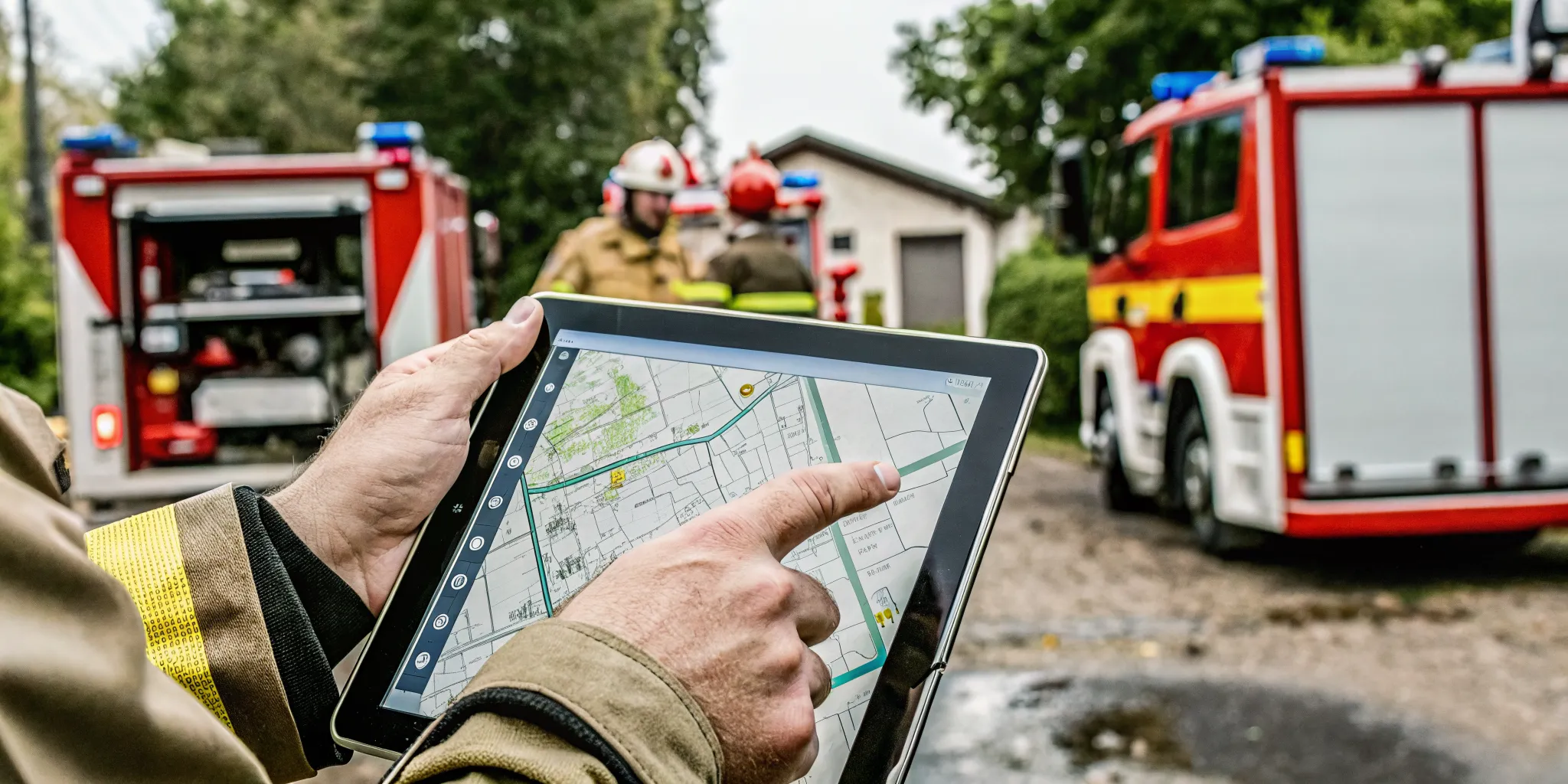
A digital common operating picture is a hub for data. It brings facts from many sources into one view. Instead of a long email, a team leader sees icons on a map. They see where people are and what they need right now. This makes the phases of a disaster cycle easier to manage for all partners.
| Feature. | Traditional Tools. | Modern Digital COP. |
|---|---|---|
| Data speed. | Slow, manual updates. | Fast, real-time sync. |
| Team view. | Many separate lists. | One shared map for all. |
| Signal type. | Voice or text only. | Live data and GPS spots. |
| Reliability. | Fails if networks drop. | Works with offline tools. |
.
Standardizing the flow of data
Register your NGO for a free PubSafe portal to establish standard, unbreakable communication protocols.
Good plans need more than just tools. They need rules on how to share facts. These rules are called protocols. They tell groups who to call and what terms to use. When everyone uses the same words, there is less confusion. This is a key part of incident management for NGOs that work with state teams. Clear rules help save lives and keep teams safe.
How can nonprofits and NGOs build resilience in the face of disaster?
Disasters often test the limits of local groups. For a nonprofit or non-governmental organization (NGO), staying strong means planning for more than just the first few days. True resilience comes from steady work before and after a crisis hits. By using tools for NGO disaster response coordination, your team can link with others to save lives and protect property.
Fostering long-term partnerships
No group can handle a large disaster alone. Local NGOs should join broad networks like the National Voluntary Organizations Active in Disaster (VOAD). This VOAD coalition helps groups share facts and tools during a crisis. Working together helps small teams reach more people in need. It also keeps services running when one group lacks the staff to do it all.
Public safety teams and NGOs also need a common operating picture for NGOs to stay in sync. Sharing a single view of the ground helps every group know where help is needed most. This link between teams builds a network that can bounce back faster from any hit. Long-term bonds with local city staff also make sure your team has a seat at the table during planning phases.
Investing in community training
Resilient NGOs focus on teaching locals how to help themselves. The Community Emergency Response Team (CERT) program is a great way to start. This program gives free emergency training to volunteers who want to assist during a crisis. When an NGO supports Community CERT teams, they build a base of skilled people ready to act at a moment’s notice.
Training should cover more than just first aid or light search and rescue. It must include how to use software to track tasks and talk to other teams. This keeps everyone safe and makes sure no work is done twice. Groups that train often are less likely to see their plans fail when real stress occurs. Keeping skills sharp is the best way to ensure long-term strength for any team.
Securing grants through data tracking
To keep working for years, NGOs need steady funds. Many grants for improving NGO disaster networks need proof of your impact. Automated time-tracking for volunteers is a key tool here. It lets you show exactly how many hours your team gave to the community. This data is vital for grant reports and helps secure future funding.
Digital tools also help track the damage your team finds and the aid you give. Having these facts in a clear report shows donors that your NGO is a good partner. It proves that you can manage large tasks and lead others in a crisis. Strong data tracking helps your group grow and stay ready for the next challenge.
Unifying disaster response networks with PubSafe
Good NGO disaster preparedness starts with strong links. Many small teams use tools that do not talk to each other. They rely on hand-held radios, mesh nodes, or satellite links that work in silos. This makes it hard to see the full picture during a crisis. PubSafe acts as a bridge for these tools. It joins many networks into one clear view for every member. This helps teams share facts fast when every second counts.
Joining mesh and mobile tools
Most teams face a common wall when the cell towers fail. They move to radio or mesh systems but lose the data flow of modern apps. PubSafe fixes this by working as a resilient coordination layer that ties these tools together. It handles data from satellite and mesh nodes with ease. This means that field teams can send and get facts even when the main web is down. It keeps the flow of data open in the toughest spots.
Bidirectional communication is the key to safe work. Old alert tools only send one-way notes. They tell people what to do but do not listen to what is happening. PubSafe allows teams to talk back and forth. This two-way flow helps National Voluntary Organizations Active in Disaster (VOAD) members work in real time. Better data helps leaders make fast and safe choices for their staff.
Cutting cost walls for local teams
High costs often keep small groups from using the best tools. Many crisis platforms need thousands of dollars in fees each year. This price tag locks out local NGOs and Community Emergency Response Teams (CERTs). PubSafe uses a user-pays model to change this. This model means the group does not have to pay for the whole software up front. Single users or members can cover their own small cost instead. This opens the door for groups with very small budgets.
This path removes the budget walls that stop growth. Groups can start small and add more people as they need to. It allows for an easy way to plan for risks. Local government managers can use this to see facts from the ground without high start-up costs. Some of the networks PubSafe can join include:
- Land mobile radio systems for voice.
- Mesh nodes for off-grid data.
- Satellite links for remote areas.
- Standard mobile networks when they are live.
Boosting data for grant stats
Local teams also need to show their work to get funds. Paper logs take a lot of time and often have errors. PubSafe tracks all moves and chats as they happen. This builds a digital trail for every event. Teams can use these logs to prove their work and meet grant rules with less stress. Doing this task with a system lets volunteers focus on the mission instead of paperwork. It gives teams more time to help people when it counts most. This shift makes every NGO more ready for the next big test.
Frequently Asked Questions
What is the role of NGOs in disaster risk reduction?
NGOs help by sharing information fast and giving aid right away. They also help lead community response efforts. According to Give2Asia, local groups are key to reducing risks before a disaster hits. These groups work to make sure people are ready and have the tools they need to stay safe. They bridge the gap between big government plans and the real needs of local people on the ground.
How can nonprofits build resilience against climate disasters?
Groups can build resilience by planning for climate changes and making strong recovery networks. The World Health Organization states that climate change will cause about 250,000 more deaths each year by 2030. To help, NGOs can use tools like PubSafe to stay connected when cell towers fail. This helps teams work together during heat waves or floods. Having a clear plan and the right software makes a huge difference in saving lives during a crisis.
How can small groups improve their NGO disaster preparedness for free?
Groups can improve their NGO disaster preparedness by joining the Community Emergency Response Team program. This program is led by FEMA and offers free materials to help people prepare for big events. The CDC notes that this training helps volunteers assist others when professional help is not there yet. Many NGOs use this training to make sure their teams are ready to act fast and stay safe when a crisis strikes.
Which organizations coordinate NGO disaster response in the United States?
The National Voluntary Organizations Active in Disaster is the main group that brings non-profits together. It is a large group of teams that work as one during an emergency. As shown by the CDC, this group helps avoid doing the same work twice. It makes sure aid goes where it is needed most. Using a shared platform like PubSafe helps these teams talk and share data in real time.
Ready to build a resilient response network?
Each day you wait to update your plan is a day your team stays at risk. Fragmented tools slow your response when every second counts.
Contact PubSafe today to schedule a personalized demonstration or start your 30-day free trial of the organization portal.
Ready to build a resilient response network? Request a custom demo for your NGO or volunteer network to set up your incident management tools.