When a crisis hits, everyone wants to help. But good intentions can quickly turn into chaos. We’ve all seen it: multiple teams responding to the same call, critical information lost in a flood of texts and radio chatter, and volunteers waiting for direction that never comes. This isn’t a failure of will; it’s a failure of connection. True effectiveness hinges on seamless disaster response coordination, a system that turns separate efforts into a unified force. This guide will break down the common hurdles that get in the way and show how a shared platform can bring order to the chaos, ensuring every action is impactful.
How to Unify NGO Disaster Response Coordination
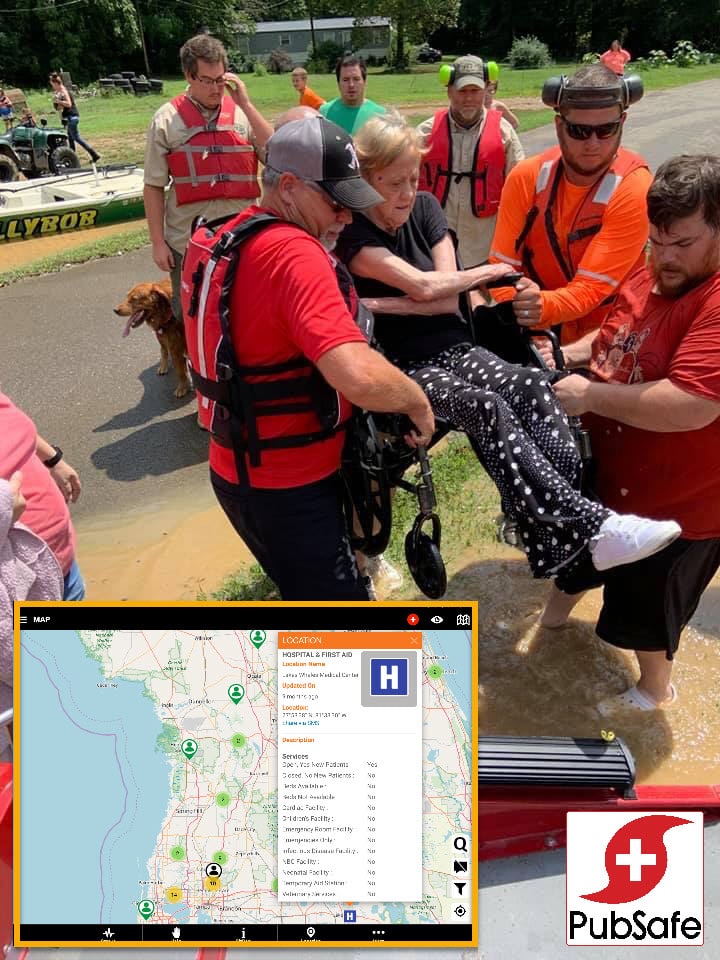
One of the biggest challenges to disaster response coordination is managing and sharing information – between NGOs to provide a more efficient response. By working on a unified platform with an overriding goal of saving lives and property, NGOs can share and coordinate information, human and physical resources, Sharing a staging area is an example of a situation where several NGOs can benefit once a suitable location is found. When responders and SAR teams spend less time dealing with logistics and more time in coordination with themselves and each other, they are able to do more rescues.
Understanding Disaster Management Frameworks
When an emergency hits, the last thing anyone needs is confusion about who is doing what. That’s where disaster management frameworks come in. You can think of them as a shared playbook that helps everyone involved—from government agencies and local NGOs to CERT teams and citizen volunteers—understand their roles and work together effectively. These frameworks provide a structured approach to the chaos, ensuring that efforts are coordinated and resources are used where they’re needed most. By establishing a common language and a clear plan of action before a crisis, we can build a foundation for a more organized and impactful response when it matters most.
The Four Pillars of Emergency Management
The most common model in emergency management is built on what are known as the “four pillars.” This approach, often called the Comprehensive Emergency Management (CEM) model, breaks down the complex cycle of a disaster into four distinct phases. As the emergency management publication HazNet explains, these pillars are mitigation, preparedness, response, and recovery. Understanding these phases helps organizations and communities plan for the entire lifecycle of a disaster, not just the immediate crisis. It’s a holistic view that encourages a shift from simply reacting to emergencies to proactively building more resilient communities from the ground up.
Mitigation, Preparedness, Response, and Recovery
So, what does each pillar mean in practice? Mitigation involves any action taken to prevent future emergencies or minimize their effects, like enforcing stronger building codes in earthquake-prone areas. Preparedness is all about getting ready for an event through training, drills, and ensuring communication systems are solid. This is where having a clear system for team management becomes critical for coordinating volunteers and assets. Response is the hands-on phase during and immediately after a disaster, covering everything from search and rescue to damage assessment. Finally, Recovery is the long-term process of rebuilding the community and returning to a sense of normalcy, which can take months or even years.
The Four Stages of Interagency Coordination
No single organization can handle a major disaster alone. An effective response requires seamless coordination between multiple agencies, from federal bodies to local volunteer groups. As experts at Columbia Southern University point out, this relies heavily on “extensive planning and practice *before* disasters occur.” This pre-planning is crucial. When agencies already have established relationships and a shared operational picture, they can act faster and more cohesively. A unified platform where different organizations can communicate and share real-time information is essential for breaking down silos and enabling true collaboration across every phase of an emergency.
Limitations of Traditional Models
While the four pillars provide a useful structure, they aren’t perfect. In the real world, these phases often blur together. Recovery efforts might begin while response operations are still active, and preparedness is a continuous cycle, not a one-time task. As HazNet notes, the traditional model “has important weaknesses that are now being discussed.” A major limitation is that these frameworks can be rigid and slow to adapt to the fluid, unpredictable nature of a real crisis. Relying too heavily on a linear model can get in the way of the flexible, rapid decision-making that’s so critical on the ground.
Avoiding the “Paper Plan Syndrome”
One of the biggest pitfalls in emergency planning is what’s known as “paper plan syndrome.” This happens when an organization creates a detailed disaster plan that just sits on a shelf, creating a false sense of security. A plan is useless if it doesn’t reflect real-world capabilities or if team members don’t know how to execute it under pressure. To be effective, plans must be living documents that are regularly tested, updated, and accessible to everyone involved. This is why moving from static plans to dynamic, real-time tools is so important. A platform that connects your team in the field allows you to adapt as the situation evolves, ensuring your response is grounded in reality, not just theory. It’s about making your plan actionable, and that starts with having the right tools to see how it all works.
Breaking Down Silos in Disaster Response
This is one of the biggest challenges in any competitive space. You ask how can NGOs be competitive? Why would they not help each other? Why would they let people and animals suffer instead of embracing disaster response coordination and working together?
These things not only happen, but they happen between NGOs, the Government and corporations. Everyone wants to be busy and helping others. It is the aggressive personality full of initiative that sometimes works against the greater good of saving lives and reducing property damage.
Tribalism is something that has to be tackled from the top down. Leadership is key to establishing the mindset, yet maintaining an organizational identity. Embracing change and evolution is always tough but the SAR community has been through many changes since Hurricane Katrina.
In order to work together, coordinating NGO SAR during disasters is paramount to the future. Helping NGOs and the government work together is what PubSafe was built to do.
What is Coordination in Disaster Response?
When we talk about coordination in disaster response, it’s about much more than just communication. True coordination is when different groups—like NGOs, government agencies, and citizen volunteers—work together to achieve a shared goal. It involves analyzing a situation, gathering the right information, and making smart decisions to reach specific objectives, like rescuing stranded individuals or distributing aid efficiently. Think of it as the essential process that turns a chaotic collection of well-meaning efforts into a focused, effective response. Without it, teams can end up duplicating tasks or, even worse, working against each other without realizing it. A unified strategy ensures that every action taken contributes directly to the mission.
The Role of an Emergency Operations Center (EOC)
Traditionally, when a disaster strikes, agencies set up an Emergency Operations Center, or EOC. This serves as a central command post—sometimes a physical room, sometimes a virtual space—where all involved groups can meet to share information and coordinate their efforts. The EOC is the nerve center of the response, ensuring everyone has the same information and is working from the same playbook. In a modern response, technology allows this concept to expand. A digital platform can act as a virtual EOC, connecting field teams, command staff, and even individual citizens in real-time, making it easier to report incidents and get a clear picture of what’s happening on the ground.
Common Hurdles in Multi-Agency Response
Even with extensive training and drills, bringing multiple agencies together smoothly is a massive challenge. Coordination is often mistaken for simple communication, but the real problems run deeper. The biggest hurdles that cause friction are often rooted in how events are managed, who is leading the charge, how resources are allocated, and breakdowns in the flow of information. These issues can create bottlenecks that slow down aid and put lives at risk. Overcoming them requires more than just good intentions; it demands clear systems and a shared operational framework that every organization can plug into, which is a core principle behind how PubSafe works.
Leadership and Resource Management Issues
During a crisis, unclear leadership can be paralyzing. When multiple groups arrive on the scene, it can be confusing to know who is in charge of what. This can lead to conflicting orders and inefficient use of personnel and equipment. Proper volunteer coordination and resource management are critical; you need a clear system to track who is doing what and what supplies are available. Without a central group to lead the effort and manage logistics, valuable time is wasted organizing instead of acting. A shared platform helps designated leaders get a complete view of all assets, ensuring that people and supplies are sent where they are needed most.
Communication and Terminology Gaps
Have you ever been in a situation where two people are talking about the same thing but using completely different words? Now imagine that happening during a flood rescue. Different organizations often have their own internal jargon and procedures. This can lead to serious misunderstandings when they try to work together. If roles aren’t clearly defined or if teams aren’t using a common language, confusion is inevitable. This is why establishing a common operational picture is so important. Using a single platform for team management ensures everyone is seeing the same map and using the same terms, which cuts through the noise and allows for clear, decisive action.
The Double-Edged Sword of Social Media
Social media can be an incredibly powerful tool during a disaster. It spreads information faster than almost any other channel, allowing people to share real-time updates and call for help. However, this speed comes with a significant risk: misinformation. Rumors and inaccurate reports can spread just as quickly as factual information, causing panic and misdirecting resources. While social media is useful for getting a general sense of a situation, response teams need a trusted, verified source of information. This is where a dedicated platform becomes essential, providing a reliable public map and incident reports that have been vetted, ensuring responders act on good intelligence.
How Do NGOs Coordinate Disaster Response in Real Time?
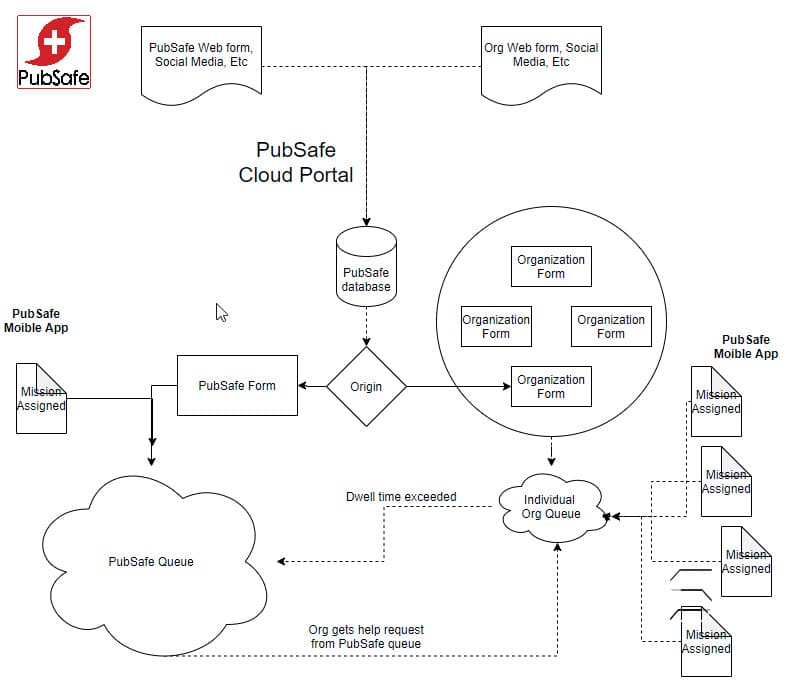
The process starts with data management. Data must be structured in order to put it in a database, shared, and displayed efficiently. Every NGO has a social media presence and most have websites that are used to collect information from citizens in need of assistance. In order to coordinate multiple NGOs, this data must be brought together and distributed in an efficient manner, not necessarily an equitable manner.
NGOs, and even the government, have different capabilities at different times of a natural disaster. Almost all major disasters have counted on NGOs to provide assistance to citizens and augment government efforts either formally or informally. The government does not have the quantity and types of resources groups like the Cajun Navy and Team Rubicon can provide. Conversely, NGOs cannot fix roads, repair a levy, use helicopters to rescue people or put at large wildfires.
Within the NGO community, organizations may have different missions, skills, and resources making them better suited for specific missions during specific phases of a natural disaster. By acknowledging an organizations strengths and weaknesses, response to the community can be coordinated.
Taking in data from multiple sources is coordinated by PubSafe tools and provided to any registered organization in the PubSafe portal. Once in the portal, logic is applied to control information distribution and disaster response coordination with field personnel.
Data input sources:
- social media
- website
- calls
- text messages
- related parties
Key Players in a Coordinated Response
When a disaster strikes, an effective response isn’t the work of a single hero or organization. It’s a complex dance of collaboration between many different groups, each playing a distinct and vital role. From federal agencies with satellite technology to a neighbor with a chainsaw, every participant is a crucial piece of the puzzle. Understanding who these players are and what they bring to the table is the first step in building a truly unified response effort. When these groups can communicate and share information seamlessly, they can move from working in parallel to working together, which saves time, resources, and ultimately, lives.
Government Agencies and Their Contributions
Government agencies form the backbone of large-scale disaster response, providing structure, resources, and high-level coordination. At the federal level, organizations you might not immediately associate with disasters play a key role. For instance, NASA’s Disasters Response Coordination System aims to connect government groups, NGOs, and private companies to ensure scientific data and technology reach the people who need it on the ground. Similarly, NOAA’s Disaster Preparedness Program focuses on making sure its partners are ready to respond to emergencies, ensuring everyone can work together smoothly. These agencies provide the official framework and resources that empower local and community-based efforts, creating a top-down structure that supports the on-the-ground response.
NGOs, CERT Teams, and Community Groups
While government agencies provide structure, non-governmental organizations (NGOs), Community Emergency Response Teams (CERT), and other local groups provide agility and deep community knowledge. These are the organizations that are often already embedded in the affected areas, able to mobilize volunteers and resources quickly. They operate on principles like the “5 Ps” of emergency preparedness: Plan, Participate, Protect, Prepare, and Practice. This framework helps them stay ready and effective. Their ability to adapt on the fly makes them essential for filling the gaps that larger, more bureaucratic systems can sometimes miss, from conducting immediate search and rescue to setting up local distribution points for supplies.
The Role of Individual Citizens and Volunteers
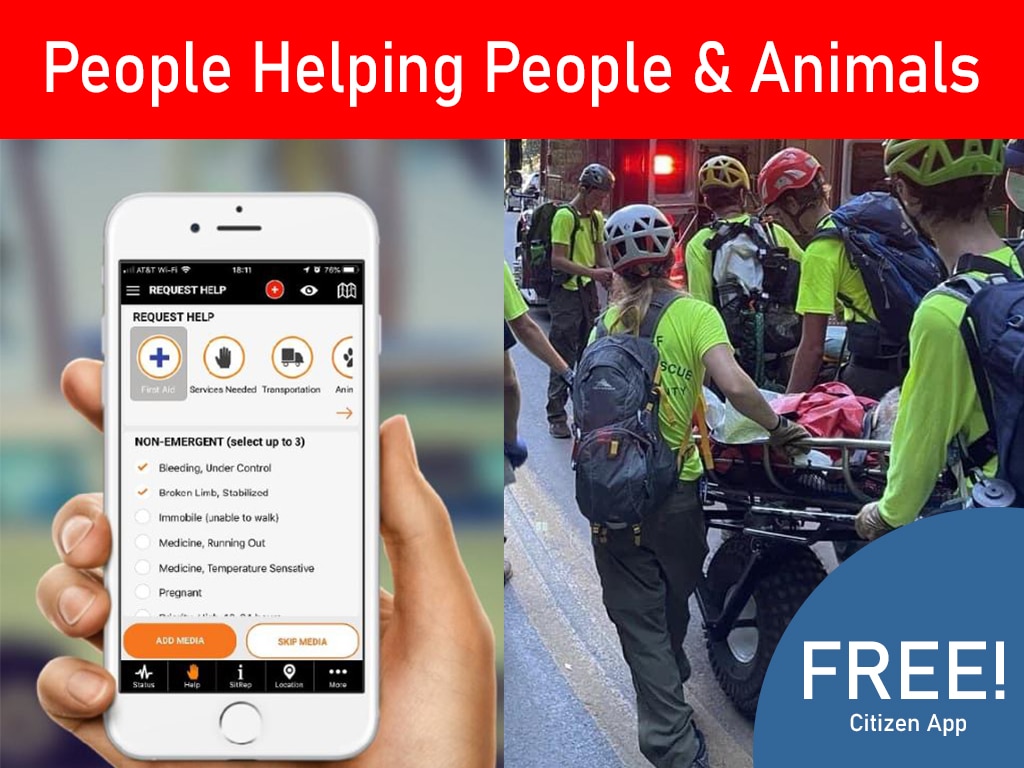
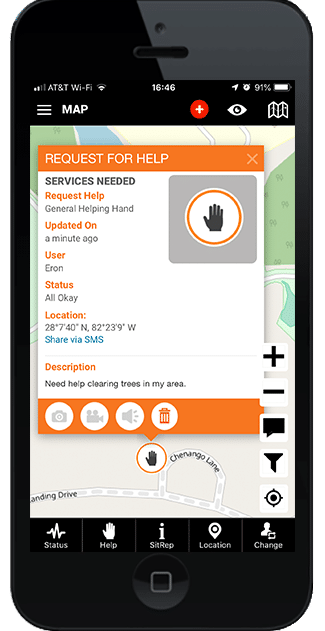
Never underestimate the power of the individual in a disaster. Citizens are the true first responders—they are the ones who check on their neighbors, clear debris from their street, and share critical information. Every person who prepares a go-bag, creates a family emergency plan, or volunteers their time is strengthening the entire community’s resilience. Participating in preparedness activities makes you more aware and skilled for emergencies. With modern tools, individuals can become even more integral to the coordinated effort. For example, using an app like PubSafe allows anyone to report an incident or a need for help, feeding real-time information directly to the organizations that can respond.
The Critical Role of Pre-Disaster Activities
The most successful disaster response operations don’t start when the storm makes landfall or the ground starts shaking. They begin long before, with careful planning, training, and relationship-building. Pre-disaster activities are the foundation upon which a swift and effective response is built. This proactive phase is all about creating a resilient community and a network of responders who are ready to act as a cohesive unit when the time comes. Investing time and resources before a crisis is the single most important factor in reducing its impact. It’s about shifting the mindset from reactive recovery to proactive readiness, ensuring that when a disaster does occur, the systems and people are already in place.
Building Partnerships Before a Crisis Hits
You wouldn’t exchange business cards in the middle of a house fire, and the same logic applies to disaster response. As NASA’s approach shows, the goal is to build strong relationships with response groups *before* a disaster happens. When organizations already know each other, trust each other, and understand each other’s capabilities, collaboration becomes second nature. This is where a unified platform is so important. By having organizations register and connect on a shared system like PubSafe ahead of time, they can establish lines of communication and a common operational picture. This digital handshake ensures that when a crisis hits, the network is already active and ready to share information instantly.
Community Preparedness: The 5 Ps
For communities, preparedness can feel like a massive undertaking, but it can be simplified by focusing on the “5 Ps”: Plan, Participate, Protect, Prepare, and Practice. This framework, used by emergency managers, breaks down readiness into actionable steps. Plan who you’ll call and where you’ll go. Participate in community meetings and drills. Protect your home and important documents. Prepare a kit with essential supplies. And finally, Practice your plan regularly so it becomes routine. These principles apply to individuals, families, and entire organizations, creating layers of preparedness that make the whole community stronger and more capable of weathering a storm together.
How Individuals Can Get Involved
Every citizen can play a part in community preparedness by embracing the 5 Ps. Participating in these activities is the best way to become more aware and skilled for emergencies. You can start small by creating a family communication plan or building a disaster kit. You can also get more involved by joining a local CERT team or volunteering with an NGO. Technology offers another way to participate; you can install the PubSafe app to stay aware of local incidents through the public map and be ready to report issues if a disaster strikes your area. Each small step you take contributes to a larger culture of readiness, ensuring your community is prepared for the unexpected.
Organizing Aid with the PubSafe Help Request Queue
When a help request (HR) is received from a PubSafe channel such as the website, it is put into the PubSafe queue. The PubSafe queue is available to any organization approved to use PubSafe. Citizens and individuals are not allowed to access organization tools which include dispatch, tracking and messaging functionality. When an dispatcher from any organization sees a HR they believe they can handle, they assign it to their organization.
The dispatcher then has X minutes to assign it to a mobile app user in a Responder role with a status of mission ready. One the mission is sent, and accepted, the Responder cannot receive another mission until the current mission is cleared as complete or not complete. If the dispatcher fails to find a responder able to accept the mission, the HR is returned to the PubSafe queue where another organization can work it.
In order to foster NGO activity and an identity, PubSafe provides each organization a custom URL. This URL embeds their organizations information so when a HR is received using the custom PubSafe web form, the HR goes directly into the organization queue. Once in the queue, the clock starts ticking for the HR to be dispatched as a mission in the same manner as a PubSafe queue HR.
By putting time limits on how long a HR can go unassigned as a mission, it keeps the HRs circulating between organizations. Additional logic can also be applied that will give government organizations visibility on PubSafe generated HRs before NGO would see them in the PubSafe queue. This can enable government SAR to take the high risk and skilled rescues when they have the resources. When the government runs out of resources during a large natural disaster as they often do, the HR assignment would time out and become available to any organization.
Over the course of the natural disaster, HRs will be continuously be moved down the mission funnel to an available responder. If NGOs agree to work together in this process, a large number of NGOs can utilize the PubSafe portal at one time and dramatically improve response efficiency.
Frequently Asked Questions
Why do well-intentioned response efforts often become so chaotic? The chaos usually isn’t from a lack of effort or good intentions; it’s from a lack of connection. When multiple organizations arrive on scene without a shared system, they can end up working in silos. This leads to duplicated efforts, conflicting information, and communication breakdowns because each group is using its own internal language and procedures. A unified response requires a common platform where everyone can see the same picture and work toward the same goal.
Our organization has a solid emergency plan. Isn’t that enough? A plan is a great start, but a document sitting on a shelf can create a false sense of security. Real-world emergencies are fluid and rarely go according to a static plan. The key is to make your plan actionable with tools that connect your team in real time. This allows you to adapt as the situation evolves, ensuring your response is based on what’s actually happening on the ground, not just what was written down months ago.
How can different organizations with their own methods actually work together without stepping on each other’s toes? True collaboration starts long before a disaster hits. By getting different agencies and volunteer groups onto a single platform beforehand, they can establish a common operational picture. This means everyone is looking at the same map, tracking the same incidents, and speaking the same language. It allows leaders to see all available resources and assign tasks efficiently, so a search and rescue team doesn’t show up where a medical team is already working.
I’m just one person. What can I realistically do to contribute to a coordinated response? Individual citizens are the true first responders and the foundation of a resilient community. You can start by preparing your own home and family, which lessens the strain on emergency services. Beyond that, you can become a vital source of information. By using an app like PubSafe to report a need for help or a dangerous situation, you feed verified, location-specific information directly to the organizations that can act on it, making you an active part of a coordinated effort.
How does a platform like PubSafe ensure that a call for help actually gets to the right people? The system uses a smart queue to keep requests moving. When a help request is submitted, it goes into a central pool where registered organizations can see it. A dispatcher can claim the request, but they have a limited time to assign it to a field team. If they can’t, the request automatically returns to the queue for another organization to pick up. This process prevents requests from getting lost or ignored and ensures they are constantly circulating until an available team can respond.
Key Takeaways
- Connect all responders on a single platform: Effective coordination happens when NGOs, government agencies, and citizen volunteers work from the same information. A unified platform creates a common operational picture, which prevents duplicated efforts and ensures resources go where they are needed most.
- Establish partnerships and plans before an emergency: The most critical work happens long before a disaster strikes. Building relationships, practicing communication, and understanding each other’s capabilities ahead of time are the keys to a seamless and effective response.
- Use technology to overcome common response hurdles: Issues like unclear leadership, resource gaps, and misinformation can slow down a response. A dedicated platform helps manage volunteers, track assets, and verify incident reports, turning chaotic situations into organized, actionable missions.