The story of the air raid siren is a story of adaptation. It began as a straightforward tool with a terrifying purpose: warning civilians to take cover from WWII bombings. During the Cold War, that same sound was repurposed to signal the threat of nuclear attack. Today, its role has evolved once again. These powerful warning systems are now on the front lines of natural disaster response, alerting communities to everything from tornadoes to flash floods. Understanding this history helps us appreciate why these sirens exist and how they fit into a modern, all-hazards safety strategy that keeps our communities prepared for any threat.
Key Takeaways
- Sirens are a signal to act, not the full story: Think of a siren as a community-wide alarm telling you to immediately find shelter and seek more information. Their purpose has grown from wartime alerts to include natural disasters and civil emergencies, but they do not provide specific details on their own.
- Do not rely on sirens alone: Sirens are designed for outdoor warning and may not be heard inside, so create a resilient safety net by having multiple ways to receive alerts. This should include a NOAA weather radio and a real-time notification app on your phone.
- Preparation is your best defense: Before a siren ever sounds, learn your community’s specific warning tones, create a family emergency plan, and build a supply kit. Knowing what to do ahead of time is the key to turning potential panic into purposeful action.
What Is an Air Raid Siren?
An air raid siren is a powerful tool designed to warn the public over a large area about an imminent danger. While the name brings to mind historical wartime threats, these outdoor warning systems are critical for a wide range of modern emergencies. Think of them as a community-wide alarm bell, signaling that you need to stop what you’re doing and get more information right away. From tornadoes and tsunamis to chemical spills, sirens are the first line of defense in mass notification, cutting through the noise of daily life to alert everyone at once. They work by generating incredibly loud, unmistakable sounds that can travel for miles.
The technology behind them has evolved, moving from simple mechanical devices to sophisticated electronic systems. This allows for more than just a single, blaring noise. Modern sirens can produce a variety of tones and patterns, with different sounds signaling different types of emergencies. Some can even broadcast voice messages with specific instructions. However, it’s important to remember their limitations. They are designed for outdoor warning and may not be heard inside buildings. That’s why they should always be part of a broader emergency alert strategy that includes tools like the PubSafe app, which delivers alerts directly to your phone.
How They Work
At its core, a siren is built to be loud and unmistakable. It generates sound in a few different ways, from older mechanical models that use a motor to spin a slotted rotor, to modern electronic systems that use speakers to broadcast tones. This versatility is key, as different sounds can be used to signal different types of emergencies. For example, a steady tone might mean one thing, while a wailing sound means another. Newer electronic sirens are especially flexible, allowing operators to play pre-recorded instructions or even make live-voice messages, giving you clearer direction during a crisis.
Just How Loud Are They?
Outdoor warning sirens are incredibly loud, capable of producing sound up to 130 decibels at 100 feet. That’s louder than a jet engine during takeoff. However, it’s crucial to understand that they are designed specifically for outdoor alerting. The sound may not penetrate buildings, especially well-insulated modern homes. You also might not hear them over a loud TV, in the shower, or inside a moving car with the windows up. This is why you should never rely on a siren as your only source of warning. Think of it as an alert to seek more information, not the information itself.
Clearing Up Common Siren Myths
A few common misconceptions about sirens can be dangerous. First, most communities do not have an “all-clear” signal. Once you hear a siren, you should take shelter and tune into local news or official alerts for updates. Don’t wait for another siren to tell you it’s safe. Second, while they were originally known as “air raid” sirens, their purpose has expanded significantly. Today, they warn against severe weather, industrial accidents, and other civil emergencies. Different tones often mean different things, so it’s important to learn what the signals in your specific area mean before a disaster strikes.
The Story Behind Air Raid Sirens
That haunting, rising and falling sound of an air raid siren is instantly recognizable, even if you’ve only heard it in movies. It’s a sound designed to cut through the noise of daily life and grab your attention, signaling that danger is near. But these sirens weren’t always used for the tornado warnings or tsunami alerts we might associate them with today. Their story is one of adaptation, reflecting the changing threats communities have faced over the last century.
From the battlefields of World War II to the tense standoffs of the Cold War and the unpredictable forces of nature, the air raid siren has been a constant presence in public safety. It began as a simple mechanical device with a single, terrifying purpose. Over time, it evolved into a more sophisticated tool capable of communicating different types of emergencies. Understanding this history helps us appreciate why these sirens exist and how they fit into the broader landscape of emergency preparedness. The journey of the siren is really a story about our ongoing effort to protect one another.
WWII and the First Sirens
The first large-scale use of air raid sirens happened during World War II. Their purpose was straightforward and urgent: to warn civilians of incoming enemy air raids. When the sirens blared, it was a clear signal for everyone to stop what they were doing and immediately seek shelter in basements, public shelters, or subway stations. These early warning systems were a crucial piece of civil defense, giving people precious minutes to protect themselves from bombings. The sound became deeply ingrained in the collective memory of a generation, forever linked to a time of conflict and uncertainty. This foundational role established the civil defense siren as a vital public safety tool.
The Cold War and Nuclear Alerts
After World War II ended, the world entered the Cold War, and a new, more terrifying threat emerged: nuclear warfare. The existing network of air raid sirens was repurposed to face this new danger. The sound that once signaled conventional bombs now served as a warning for a potential nuclear attack. This shift reflected the heightened anxiety of the era, where the possibility of instant, widespread destruction was a constant fear. For decades, regular drills and tests kept the public in a state of readiness. The siren’s wail was a stark reminder of the fragile peace and the catastrophic power that loomed over the world, cementing its role as a symbol of national alert.
Evolving for Natural Disasters
As the Cold War thawed, communities began to see the value of these powerful alert systems for other types of emergencies. By the 1990s, many cities and counties started using their siren networks to warn residents about natural disasters, especially tornadoes, hurricanes, and tsunamis. During this time, many of the old, mechanical sirens were replaced with more versatile electronic versions. These newer models could produce a variety of tones to signal different events. For example, a steady tone might mean a test, while a wailing sound could indicate an active threat. This evolution shows how communities have adapted existing infrastructure to meet modern safety needs, using sirens as one part of a larger disaster warning strategy.
A Guide to Siren Types
Not all sirens are created equal. Over the decades, engineers have developed several different technologies to generate those powerful, attention-grabbing sounds. While they all serve the same purpose, understanding the mechanics behind them can help you appreciate the evolution of emergency alerts. From spinning rotors to digital broadcasts, each type has its own unique way of cutting through the noise to warn a community of danger. Here’s a breakdown of the four main types of sirens you might encounter.
Electromechanical
This is the classic design many people picture when they think of an air raid siren. Electromechanical sirens work by using a motor to spin a slotted disc, called a rotor, inside a stationary slotted cover, called a stator. As the rotor spins, it rapidly chops the airflow, creating the iconic sound waves. Some models, like the famous Federal Signal 2T22, are omnidirectional, pushing sound out in all directions at once. Others are mounted on a rotator to direct a powerful beam of sound across a landscape. This design was a staple of many civil defense siren systems for decades.
Supercharged Electromechanical
If an electromechanical siren is a V8 engine, a supercharged one is the same engine with a turbocharger. These sirens take the basic rotor and stator design and add a separate fan or blower to force a massive amount of air into the siren’s sound-producing head. This “supercharges” the siren, dramatically increasing its volume and allowing the sound to travel much farther. The Federal Signal Thunderbolt series is a well-known example of this powerful technology. The result is an incredibly loud and distinctive warning that is difficult to ignore, even from miles away.
Pneumatic
Pneumatic sirens achieve their powerful sound through a different method: compressed air. Instead of using a fan, these systems rely on a large tank of pre-compressed air that is released through the siren mechanism. Think of it like a giant, precisely controlled whistle. This design allows for an immense and immediate blast of sound when activated. A notable example is the German Hörmann HLS 273, which was designed with an underground compressed air reservoir. This protected the power source and allowed it to function even if surface-level infrastructure was damaged, a key consideration in its design.
Electronic
Bringing sirens into the digital age, electronic sirens do away with mechanical rotors and blowers entirely. Instead, they use powerful amplifiers and speakers, often shaped like horns to project the sound. Their biggest advantage is flexibility. Because the sound is generated electronically, they can broadcast a wide variety of tones, pre-recorded voice messages, and even live announcements from an emergency operations center. This allows officials to provide specific instructions, like “EVACUATE IMMEDIATELY,” instead of just a generic warning tone. This move toward specific, actionable information is a core part of modern emergency coordination.
What Do Different Siren Sounds Mean?
It can be unsettling to hear a siren without knowing what it means. Is it a test? Is there a storm coming? Understanding the different sounds is the first step in knowing how to react and stay safe. While local communities can have their own specific signals, most use a few standard tones to communicate different types of emergencies. Learning to tell them apart can help you take the right action quickly when every second counts. Let’s break down the most common siren sounds and what they typically signal.
The Steady Tone
If you hear a siren producing a single, continuous, and steady sound, it’s usually a general alert. Think of it as a “heads-up” for a potential threat in your area. This tone is most often used for severe weather warnings, like an approaching tornado or a major storm. According to FEMA, these outdoor warning sirens indicate a serious threat is present and that you should seek shelter immediately. Don’t wait for more information; your first move should be to get to a safe place, like a basement or an interior room away from windows. This steady tone is your cue to stop what you’re doing and prioritize your safety.
The Wailing Tone
The wailing tone is the sound most people associate with old war movies: a piercing noise that rises and falls in pitch. This sound is designed to be impossible to ignore and signals a more immediate and specific danger, such as an attack or other civil emergency. The urgent, up-and-down pattern conveys a high level of threat. The National Oceanic and Atmospheric Administration (NOAA) explains that different communities use sirens in various ways, but the wailing sound is almost always a command to take cover immediately. When you hear this tone, it means the threat isn’t just possible; it’s happening or about to happen.
Voice Messages and Digital Alerts
Many modern systems are moving beyond simple tones. You might hear a siren followed by a clear voice message giving specific instructions. These verbal alerts cut through the confusion, telling you exactly what the threat is and what you should do next. This is a huge improvement over just a sound.
Even better, these alerts are now paired with digital notifications sent directly to your phone. This approach ensures that you get critical information even if you can’t hear a siren. Apps like PubSafe are designed to deliver these real-time updates, helping you make informed decisions during an emergency. You can install the free app to receive location-based alerts and stay connected with community safety efforts.
How Air Raid Sirens Are Used Today
While the name might make you think of old war movies, sirens are a critical part of modern public safety. Their role has expanded far beyond their original purpose. Today, they function as an all-hazards warning system, alerting communities to a wide range of immediate threats. Understanding what these sirens mean in a contemporary context is key to staying safe. From severe weather to civil emergencies, these powerful alarms are designed to get your attention and prompt you to take action.
Natural Disaster Warnings
The most common reason you’ll hear a siren today is for a natural disaster. They are a primary tool for warning the public about tornadoes, but communities also use them for hurricanes, tsunamis, flash floods, and even wildfires. The goal is simple: to give you a heads-up that you need to find shelter or leave an area immediately. When you hear that wailing sound, it’s not a time to hesitate or go outside to investigate. It’s a signal to turn on your local news, check a reliable alert app, and follow your emergency plan. The siren is the first step in a chain of life-saving information.
Civil Defense Alerts
Sirens got their start as a tool for civil defense, and that purpose hasn’t entirely disappeared. Historically, these loud alarms were developed during World War II to warn of incoming air raids. During the Cold War, their role shifted to alerting the public about potential nuclear attacks. While these specific threats are less of a daily concern for many, civil defense sirens are still maintained in many countries for a range of security and civil emergencies. This can include anything from a hazardous material spill to a military threat, making them a versatile, if less frequently used, part of a community’s safety toolkit.
Scheduled Tests and Drills
Have you ever heard a siren go off on a clear, sunny day and wondered what was happening? It was likely a scheduled test. To make sure the siren network is working properly, emergency management agencies conduct regular drills. These tests also help familiarize the public with the sound of the siren, so they know what to do when they hear it in a real emergency. Most communities have a set schedule, like the first Wednesday of the month at noon. Knowing your local testing schedule can prevent unnecessary panic and reinforces the importance of being prepared for any situation.
How Are Sirens Activated?
Ever wondered who flips the switch to turn on an emergency siren? It’s not quite as simple as a single big, red button. Activating a siren is a carefully coordinated process that relies on a combination of technology and human oversight. Depending on the situation and the system in place, activation can be manual, automated, or a hybrid of both. The goal is always the same: to get a critical warning out to the public as quickly and reliably as possible. Let’s walk through how these life-saving alerts are triggered.
Manual Activation
In many cases, a trained official is the one who initiates the alarm. Emergency managers can activate sirens remotely using dedicated phone lines or secure radio signals, ensuring the system can be triggered even if some infrastructure is down. Think of it as a direct line of communication to the siren network. In some communities, these systems are also linked to fire department paging systems, allowing for a swift and integrated response. This human-in-the-loop approach provides a crucial layer of verification, making sure that sirens are only activated when there is a confirmed threat and preventing false alarms.
Automated Systems
When a threat like a tornado is moving fast, every second counts. That’s why many modern warning systems incorporate automation. These systems can be programmed to activate automatically when they receive a specific alert, such as a tornado warning issued by the National Weather Service. These outdoor warning sirens are designed to generate their signals electronically or electromechanically based on these digital triggers. This automation removes potential delays, ensuring the warning goes out the instant a threat is identified. It’s a perfect partnership of technology’s speed and human expertise, with officials setting the criteria for activation ahead of time.
Radio Signals
Sirens rarely operate in a vacuum. Instead, they are typically one piece of a much larger public warning puzzle. Activation is often tied into a broader network that uses radio signals to synchronize different alert methods. This network connects sirens with other vital channels like the Emergency Alert System (which broadcasts on TV and radio), NOAA Weather Radio, and even wireless alerts sent to your cellphone. By integrating these systems, officials can cast a wider net and increase the chances that everyone in an affected area receives the warning through at least one channel, creating a more resilient and effective emergency notification strategy.
Who’s in Control?
So, who makes the final call? The responsibility for activating sirens almost always falls to a local or county-level emergency management agency. For example, in Tuscaloosa County, Alabama, the Emergency Management Agency (EMA) activates the sirens when the National Weather Service issues a warning for their area. This local control is critical because your local EMA knows the community’s specific needs, vulnerabilities, and emergency plans. For organizations like CERT teams and NGOs, being connected with your local emergency management agency is key to being part of a coordinated response when an incident occurs.
What to Do When You Hear a Siren
Hearing a siren can be jarring, but it’s a signal designed to get your attention for a reason. Knowing exactly what to do in those first few moments can make all the difference for your safety. Don’t panic; instead, follow these clear, simple steps to protect yourself and your loved ones.
Find Shelter Immediately
The moment you hear a siren, your first priority is to find a safe place. This isn’t the time to go outside and investigate; the warning means a threat is likely imminent. Head to the lowest level of your building, like a basement or storm cellar. If you don’t have one, go to a small, interior room on the lowest floor, away from windows, like a bathroom or closet. Put as many walls between you and the outside as possible. This simple action can protect you from high winds, flying debris, or other dangers. Having a safety app ready means you can quickly get help or report damage once the immediate threat has passed.
Get More Information
Once you are safely sheltered, your next job is to find out what is happening. Tune into a local news station on a battery-powered radio or watch for updates on your phone from official sources. Stick to verified accounts from your local emergency management agency or the National Weather Service to avoid misinformation. Modern tools can also provide critical, real-time updates. The PubSafe public map, for example, shows active incidents reported by citizens and verified organizations, giving you a clearer picture of the situation on the ground while you wait for instructions from officials.
Follow Official Instructions
Emergency officials will provide specific guidance based on the threat, so it is essential that you listen carefully and follow their instructions. Whether they tell you to stay sheltered, “shelter-in-place,” or evacuate, their directions come from a comprehensive view of the situation. These are the emergency managers and first responders who have the most accurate information. Remember, they activate the sirens for a reason, and their guidance is your safest path forward. Your cooperation is a vital part of the community’s response, which often relies on strong volunteer coordination and clear communication.
Is There an All-Clear Signal?
This is a common and dangerous misconception: most communities do not use an “all-clear” siren. The siren stopping does not mean the threat has passed. It may have stopped due to a power outage or because it runs on a timer. You must wait for official notification from authorities that it is safe to leave your shelter. Keep listening to your local news, NOAA radio, or official alert system for that confirmation. As emergency management agencies always stress, leaving shelter before the official all-clear is given can put you right back in harm’s way. Stay put until you are explicitly told the danger is over.
Why Sirens Alone Aren’t Enough
Sirens are an incredible tool for mass alert, but they are a starting point, not a complete solution. Relying on them as your only source of emergency information can leave you vulnerable. Think of sirens as the first loud knock on the door during a crisis; you still need to look through the peephole to understand what’s happening. Several key limitations show why a multi-layered approach to safety, including modern digital tools, is essential for staying truly informed and safe.
Can You Hear Them Indoors?
Sirens are designed to warn people who are outside. While they are incredibly loud at the source, their sound doesn’t always travel effectively into homes and buildings. Walls, windows, and even trees can muffle the noise significantly. If you’re sleeping, listening to music, or if a storm is already making a racket, you might miss the alert entirely. This is a major gap in a warning system, as an alert you don’t receive is no alert at all. You need a way to get warnings that can reach you directly, no matter where you are or what you’re doing.
Gaps in Coverage
Siren networks are not universal. Many rural and even some suburban areas lack comprehensive siren coverage, leaving dead zones where alerts can’t be heard. Sirens are also just one piece of a much larger, often disconnected warning system that includes TV, radio, and weather alerts. Without a central hub, you’re left piecing together information from different sources. A real-time public map can help fill these gaps, giving you a visual understanding of reported incidents in your area, whether a siren is nearby or not. This provides a more complete picture of what’s happening on the ground.
Inconsistent Signals
What does that siren sound actually mean? The answer can change depending on where you are. There is no national standard for siren tones, so a wailing sound in one town might mean “tornado,” while in another it could mean “hazmat spill.” To make matters more confusing, most systems do not have an “all-clear” signal. This leaves people wondering when it’s safe to emerge from shelter. This ambiguity can cause dangerous delays or false security. Clear, direct communication is critical in an emergency, which is why specific, text-based alerts are a vital supplement to vague siren sounds.
The Risk of a Single Alert System
Relying on any single method for emergency alerts is a gamble. Sirens can fail due to power outages, lightning strikes, or mechanical problems. If the siren system is your only plan, you’re left completely in the dark when it goes down. Emergency management officials agree that the safest approach is to have multiple ways to receive alerts. By combining traditional methods with modern technology, you create a resilient safety net. Having a real-time alert app on your phone ensures you have a direct line to critical information, helping you make smarter, faster decisions when every second counts. You can install the free PubSafe app to get started.
Modernizing Emergency Alerts
Outdoor warning sirens are a powerful tool, but they’re just one piece of a much larger public safety puzzle. Relying on a single method to warn people of danger is a recipe for disaster. Thankfully, emergency management is evolving. The focus is shifting from simply broadcasting a warning to creating a connected, responsive system where information flows in multiple directions. This modern approach combines the wide reach of traditional alerts with the precision of new technology, ensuring that warnings are not just heard, but understood and acted upon.
Smarter Sirens
Today’s sirens are a far cry from the crank-operated models of the past. Modern electronic sirens are more like sophisticated outdoor speakers. They can broadcast a variety of tones, and since the 1990s, the signals have been simplified to four main alerts: a warning for natural disasters, an upcoming air or nuclear strike, an imminent strike, and the all-clear. Beyond simple tones, many of these systems can also broadcast pre-recorded or even live voice messages. This allows officials to give specific instructions, like “Tornado spotted. Seek shelter now,” which is far more helpful than a generic wail. This ability to provide clear, actionable information is a huge step forward in public warning systems.
Connecting Alerts on One Platform
A siren you can’t hear is a siren that doesn’t work. That’s why communities are building integrated public alert and warning systems. The goal is to create a network that connects sirens with other notification channels, like the Emergency Alert System on TV and radio, NOAA Weather Radio, and Wireless Emergency Alerts (WEA) sent to your phone. This multi-channel approach increases the chances that a warning will reach you, wherever you are. By combining different methods, emergency managers can cover more ground and reach people who might be indoors, in a dead zone for sirens, or hard of hearing. It’s all about creating layers of communication so no one is left in the dark during a crisis.
Filling the Gaps with Real-Time Coordination
Even with integrated systems, one-way alerts only tell half the story. They tell you there’s a problem, but they don’t give officials eyes on the ground. This is where real-time coordination comes in. Modern platforms allow for two-way communication, turning everyday citizens and volunteer teams into a vital source of information. When you can report an incident directly from your phone, you provide first responders with critical, real-time data. This information helps emergency managers understand the true scope of a disaster and deploy resources effectively. This collaborative approach fills the gaps left by traditional alerts, creating a complete operational picture that leads to faster, smarter, and more effective disaster response.
How to Prepare Before a Siren Sounds
The moment you hear a siren is not the time to start figuring out a plan. True preparedness happens long before an emergency strikes. Taking a few simple, proactive steps can make all the difference in keeping you and your loved ones safe. Think of it as setting up your own safety net, so you can act confidently and quickly when it matters most. Here’s how you can get ready before a siren ever sounds.
Know Your Local Signals
It’s easy to assume all sirens mean the same thing, but that’s not always the case. While sirens are often used for tornado warnings, they can also signal other emergencies that require you to shelter or evacuate. The specific signals used in your locality might differ, so it’s important to know what each sound means. Check your local emergency management agency’s website or contact them directly to learn about your community’s siren system. Understanding the difference between a monthly test and a genuine alert will help you respond appropriately without unnecessary panic.
Build an Emergency Kit
When an emergency hits, you may need to survive on your own for several days. An emergency kit is your personal supply of essentials. Every home should have one stocked with items like water, non-perishable food, a flashlight, extra batteries, and a first-aid kit. As the Tuscaloosa County Emergency Management Agency puts it, “Every home and business should have a NOAA Weather Radio. It’s like a smoke detector for severe weather and can wake you up.” This is a critical tool for receiving alerts when the power is out. Keep a kit at home, in your car, and at your workplace.
Create a Family Emergency Plan
Your emergency kit has the supplies, but your family plan has the strategy. Use the monthly siren test as a practical reminder to review your emergency plan with your family. Everyone should know where your safe place is, whether it’s a basement, an interior room, or a designated community shelter. Discuss how you’ll contact one another if you’re separated and phone lines are down. Pick two meeting places: one just outside your home and another outside your neighborhood. Practicing this plan helps turn panic into purposeful action. This plan can also extend to your community through volunteer coordination efforts.
Download a Real-Time Alert App
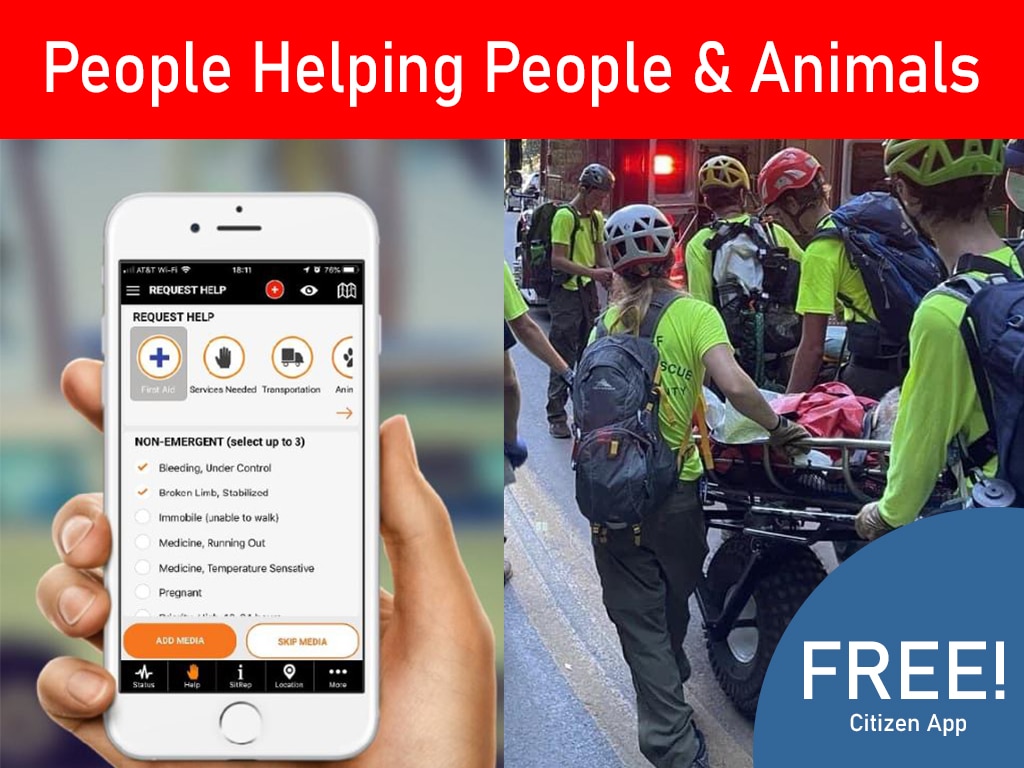
Sirens are an excellent warning tool, but they are just one piece of the puzzle. As emergency officials often say, “You should have multiple ways to get alerts.” A siren can tell you something is wrong, but it can’t give you specific details. This is where a real-time alert app becomes invaluable. Apps can provide instant, detailed notifications about the nature of the emergency, its location, and official instructions. With the PubSafe platform, you can not only receive alerts but also see what’s happening on a public map and even report an incident yourself. To add this layer of protection, you can install our free app and connect with your community’s safety network.
Related Articles
Frequently Asked Questions
What’s the single most important thing to do when I hear a siren? Your immediate and only priority should be to find shelter. Don’t try to figure out what’s happening or go outside to look. The siren is your signal that a threat is imminent, so you need to act right away. Get to the lowest, most interior part of your building, like a basement or a windowless bathroom. Once you are in a safe place, you can then focus on getting more information from a reliable source like a weather radio or an official alert app.
How do I know when it’s safe to come out? Is there an “all-clear” siren? This is a critical point: most communities do not use an “all-clear” signal. You should never assume the danger has passed just because the siren has stopped. Sirens often run on timers or can fail due to power loss. The only way to know it’s safe is to receive official confirmation from emergency management officials through local news, a NOAA weather radio, or a mobile alert system. Stay in your shelter until you get that explicit all-clear message.
Are sirens only for tornadoes, or do they warn about other things? While tornadoes are the most common reason you’ll hear a siren in many parts of the country, their purpose is much broader. Think of them as an “all-hazards” alarm. They can be used to warn of any number of immediate dangers, including tsunamis, flash floods, major chemical spills, or other civil emergencies. It’s a good idea to check your local emergency management agency’s website to learn exactly what threats the sirens in your specific community are used for.
I can’t always hear the siren from inside my house. Does that mean I’m safe? No, absolutely not. Sirens are designed primarily to alert people who are outdoors. Modern homes are often well-insulated, and everyday noises from a TV or appliance can easily drown out the sound. Not hearing a siren does not mean there isn’t a threat. This is precisely why you need multiple ways to receive warnings, including a weather radio and a real-time alert app on your phone that can reach you directly.
Why is an app like PubSafe necessary if my community already has sirens? A siren can tell you that something is wrong, but it can’t tell you what it is or where it is. An app like PubSafe fills in those critical details. It delivers specific, location-based alerts directly to your phone, so you know the exact nature of the threat and what you need to do. It also provides a two-way channel, allowing you to report incidents and see what others are reporting on a map. This creates a much clearer picture of the situation than a simple siren tone ever could.