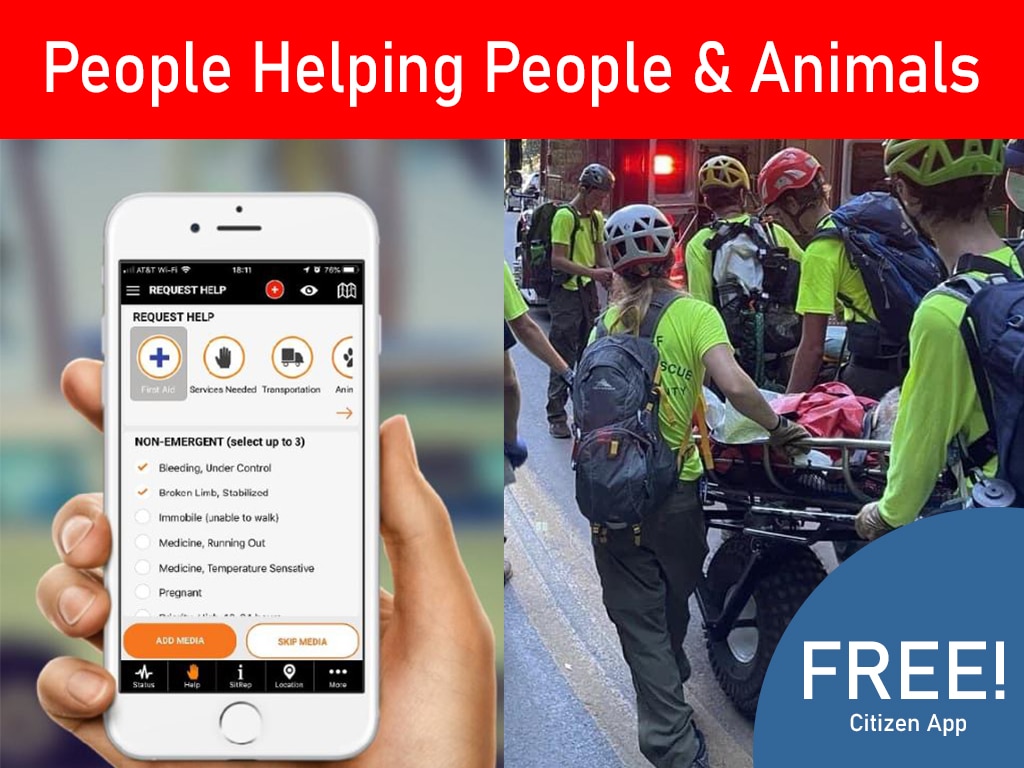
Community response teams should not have to choose between coordination and affordability. Smaller groups need tools built for volunteer action, not enterprise overhead during emergencies.
Register your organization to explore PubSafe coordination tools.
WebEOC alternatives give community response teams a way to compare incident coordination tools against budget, staffing, training, and field communication needs. For CERT teams, nonprofits, and faith-based groups, the right option should support volunteers during routine readiness work and urgent response without forcing enterprise-scale complexity. FEMA describes preparedness as a whole-community responsibility, so software decisions should include the groups that report needs, organize resources, and assist neighbors. PubSafe can complement an existing EOC platform by connecting community responders and tracking field activity, while teams compare lower-cost options for their core operations. That fit matters when limited funds must cover readiness, volunteer participation, and a reliable response picture during real incidents.
The practical question is which affordable option matches your team’s size, work, and role alongside public agencies. WebEOC alternatives for community teams: the quick answer starts with the roles you must cover and the costs you can sustain. Here’s how.
WebEOC alternatives for community teams: the quick answer
For community teams, the best WebEOC alternative is not always another full municipal EOC system. Start with the work your team must manage: field reports, volunteer assignments, shared updates, and cost control. PubSafe is built for community coordination. A large agency may still need its primary EOC platform.
The fit in one view
If your city or county runs a large emergency operations center, look first at command workflows and integrations. A system used across departments may need formal purchasing and a detailed common operating picture. PubSafe should be assessed as a complement for community participation. It is not a feature-for-feature replacement for a core EOC system.
If you lead a CERT, nonprofit, faith-based group, or volunteer network, the test is more direct. Can people report needs, coordinate response work, and stay connected without a complex rollout? PubSafe’s community-driven emergency coordination model is designed around that practical community role.
Four questions to compare options
A useful shortlist begins with operating needs, not product labels. Ask the same questions of every vendor. This keeps your comparison tied to the way your team responds.
- Scale: Are you supporting one community team, several partner groups, or a full EOC structure?
- Shared picture: Which updates must staff and field responders see during an incident?
- Volunteer work: Do volunteers need a clear way to share reports and support assigned response work?
- Budget: Can the pricing model work for the number of community responders who need access?
This focus also reflects emergency planning practice. FEMA states that preparedness is a shared responsibility, including nonprofits, schools, businesses, and government. Community response software should support those partners. It should not treat them as an afterthought.
Where PubSafe belongs on the shortlist
PubSafe is a strong candidate when your main gap is community response coordination and volunteer involvement. It can help extend participation around an existing emergency management process. A municipal EOC seeking a full replacement needs a wider review. Compare core operations, integrations, security needs, training load, and purchasing rules.
WebEOC alternatives serve different kinds of teams. Community organizations should favor clear field coordination and manageable access costs. Large EOCs should confirm enterprise needs first. They can then decide if a community-focused layer will strengthen partner engagement.
Comparing affordable WebEOC alternatives by use case
Match the tool to the response role
Comparing WebEOC alternatives starts with the response role, not a ranked feature list. FEMA describes preparedness as a shared responsibility. It includes government, businesses, schools, and nonprofits.
A community team may need field coordination. An emergency operations center may need a broader system review. The table uses each option’s published focus or product description, without claiming one replaces another in every setting.
| Selection criterion | PubSafe | D4H | Sahana SaFiRe |
|---|---|---|---|
| Published use case | Community disaster response | Cloud-based emergency management | Multi-agency crisis coordination |
| Coordination emphasis | Incident reporting and volunteer coordination | Operations data in a cloud service | Common operating picture |
| Budget evidence reviewed | Stated model: $60 per user, per year | Request current pricing | Request current pricing |
| Early fit question | Do volunteers and community partners need access? | Does the team prefer a cloud service? | Is shared situational awareness central? |
| Before adoption | Confirm roles and reporting flow | Confirm security and data needs | Confirm deployment and integration needs |
Budget questions for community teams
PubSafe states a $60-per-user, per-year model for its platform. Teams comparing that model can review its pricing page. They can estimate seats for coordinators and volunteers.
The research reviewed here does not verify a comparable public price for D4H or Sahana SaFiRe. A low entry cost is one factor, not the whole choice. A CERT team may weigh reporting, volunteer coordination, and partner access.
A larger agency may place more weight on system links, records policy, security review, and contracting steps. Buyers should compare workflow fit and approval needs before narrowing their shortlist.
Procurement and integration review
Formal emergency operations centers may require procurement and integration review before choosing software. A Rice University request for proposals sought situational awareness and management software for its crisis team. Buyer process can shape tool selection.
Before a shortlist becomes a purchase, confirm who will use the system and which data they need. Check partner data flows and access controls. Then confirm the approval path that applies to the response mission.
What should community response teams require?
A shared operating picture
When comparing WebEOC alternatives, start with the work your team must do during an active incident. A useful platform should give leaders one current view of reports, needs, resources, assignments, and open actions. Field responders should be able to send clear updates without calling a coordinator for every change.
This matters because community response is not limited to government staff. FEMA describes preparedness as a whole-community responsibility that involves nonprofits, schools, businesses, and the public. A team should set roles and permissions before deployment, so each person sees and updates the right information.
- Look for field reporting that records needs, locations, photos, and status changes.
- Require role-based access for coordinators, team leads, volunteers, and partner groups.
- Check that activity records can support briefings, after-action review, and grant reporting.
Volunteer coordination and daily use
A community tool needs to work before the storm, not only during a major response. Teams should be able to manage rosters, skills, availability, assignments, and volunteer hours in routine operations. During an incident, the same workflow helps coordinators match people to tasks and reduce duplicate efforts.
Real-time communication should support clear task updates, alerts, and acknowledgments across the field and command staff. Review how PubSafe works when deciding whether its workflow fits your team’s staffing and response structure. PubSafe relies on internet connectivity, so teams need a connectivity plan for weak coverage or service loss.
Ease of use is also an operational requirement. Ask new volunteers to complete core tasks during a short exercise: sign in, receive an assignment, submit a report, and close a task. If training is hard to repeat, adoption may fail when the pace rises.
Security, procurement, and system boundaries
Before purchase, define which data the tool will store, who may access it, and how accounts are removed. Review access controls, data export, retention, vendor support, and device practices. These checks protect participant information while helping leaders keep usable incident records.
Procurement should test how a platform fits current systems and response procedures. Rice University sought software to support its crisis management team and situational awareness work. Its software request for proposals shows that goal. Small teams can apply the same care with a shorter checklist and a practical pilot.
Finally, set boundaries in writing. PubSafe can support community coordination, volunteer activity, and field information sharing. It must not replace 911, computer-aided dispatch (CAD), or official emergency dispatch. Teams should document when to use the platform and when responders must contact official emergency channels.
How do you evaluate cost without losing readiness?
For teams comparing WebEOC alternatives, the lowest quoted fee is not the full budget question. A useful review asks what keeps staff and volunteers ready through normal operations and an incident. FEMA describes preparedness as a shared responsibility across the whole community, so cost review should account for participation, not only software access.
The real cost picture
Start with the license model, then map the work needed to use it. PubSafe’s user-pays model is $60 per user per year, based on its customer materials. An organization can explore setup to confirm the current path, scope, and fit before making a budget decision.
Use a short cost review before choosing a platform. The aim is to compare a usable operating plan, not an appealing line item that leaves training or support unfunded.
A five-step budget review
-
Set the user count and license basis. List active coordinators, field leaders, and volunteers who need access during routine work or response. Note who pays, when a user is added, and whether seasonal staffing changes the estimate.
-
Map onboarding and training time. Identify who creates teams, permissions, and response workflows. Add orientation and practice time for staff and volunteers, since a tool supports readiness only when people can use it under pressure.
-
Check integration and reporting needs. List the systems or exports that must connect with daily work, response records, or grant reporting. Request confirmation of what is included, what needs setup, and what may require added effort.
-
Test support and adoption. Run a small exercise with the people expected to use the platform. Record where users need help, how support is reached, and whether field reporting fits the team’s operating habits.
-
Review procurement and funding rules. Document approval steps, required quotes, renewal timing, and any grant-eligibility review your organization must complete. Treat funding eligibility as a question for the grant administrator, not a promise from a vendor.
A readiness-safe decision
Budget review should produce a simple record: user assumptions, setup tasks, support questions, and approvals still pending. Teams can pair that record with PubSafe’s view of community-driven emergency coordination when assessing operational fit.
A lower annual license amount can help a small team begin its review, but it does not settle the decision. Compare each option against the people, practice, connections, and approvals needed to respond with confidence.
If an estimate leaves out training, support, or adoption, add those items before comparing plans. That method keeps a cost discussion practical and protects the capacity your community depends on.
Where PubSafe fits alongside an enterprise EOC
A complementary community role
When teams compare WebEOC alternatives, the choice does not need to be all or nothing. An enterprise EOC can remain the formal workspace for agency operations, command decisions, and required reporting. PubSafe can serve a different operational need: helping NGOs, CERT teams, volunteers, and residents take part in community response.
That split reflects a basic emergency management principle. FEMA describes preparedness as a whole-community responsibility, with involvement from more than government alone. For an emergency manager, this means community participation needs a clear workflow. Official operations can stay in the EOC.
Blue-sky readiness work
On ordinary days, community groups need simple ways to prepare before demand rises. Leaders can build teams, set roles, maintain contact paths, and practice how field reports will be handled. Regular use helps community responders understand where to report information and who will act on it.
This is where an added community layer can support an established EOC program. A CERT coordinator or NGO leader can plan training and organize response teams. Leaders can also keep volunteers focused on set tasks. PubSafe’s guidance on volunteer coordination during emergencies adds context for that readiness work.
Gray-sky response boundaries
During a storm, fire, search, or recovery effort, the formal EOC still owns official agency action. Community partners may need a way to submit local observations and organize available help. They may also share needs from the field. That role supports formal operations; it does not replace dispatch, CAD, or official command systems.
A community-facing view can help residents see relevant shared reports when appropriate. The PubSafe public map gives readers an example of that public-facing context. Agencies should set local review and communication rules before using community-submitted reports during an incident.
For agencies assessing WebEOC alternatives, the key question is not only which platform runs an EOC. Ask which groups the program must engage outside formal agency workflow. If NGOs, CERTs, or volunteer networks take part, a community-focused layer can fill that lane. The EOC retains its formal role.
Define the handoff before an event occurs. Document which reports go to community team leads and which need agency review. Also define what must enter official channels. This keeps community engagement useful while preserving formal emergency operations.
How can you pilot a WebEOC alternative responsibly?
A bounded operational test
Testing WebEOC alternatives should start with one bounded workflow, not a full system change. For a community response organization, the pilot should support command, reporting, and escalation practices already in place. It must never replace 911, dispatch, or official emergency processes.
FEMA describes preparedness as a whole community responsibility. It includes nonprofits, businesses, schools, and government. A pilot can test community reporting while public authorities keep their assigned roles.
Six pilot steps
Build the test around work the team knows and can observe. The goal is to learn where a tool helps and where it adds friction. It should also show whether approved processes remain intact.
-
Map the current workflow. Record how a field report is reviewed, escalated, logged, and shared with official partners.
-
Choose one contained scenario. Pilot a routine field need, such as storm damage reporting or volunteer welfare checks. Give it a clear start and end.
-
Assign roles and boundaries. Name a pilot lead, a field reporter, a reviewer, and an agency liaison. Define who may act, view updates, or escalate urgent information.
-
Train and exercise. Show users how to submit, review, and correct a report. Use the same approved call-down and command paths during the exercise.
-
Measure practical results. Check whether reports were complete, routed correctly, reviewed on time, and easy to find later. Log missed notices, duplicate work, user questions, and any break from procedure.
-
Make a documented decision. Compare the exercise record with the team’s current method. Continue, adjust, or stop based on workflow fit, feedback, and process continuity.
Continuity and reporting checks
Before the exercise, ask reporters to review the incident reporting process used in the pilot. State which reports belong in the tool. Also state which need escalation or must go through emergency channels.
After the exercise, gather feedback from each assigned role and review the event log. The decision record should note gaps, needed training, partner concerns, and the workflow to test next.
Which WebEOC alternative is right for your mission?
Start with the mission, not a feature grid. For CERTs, NGOs, and local emergency partners, the right WebEOC alternatives should support how teams prepare, report, and coordinate in the field. FEMA’s whole community approach places preparedness work across government, nonprofits, schools, businesses, and residents.
Mission and daily work
Map the work your team must do before, during, and after an incident. A volunteer-led team may need check-ins, assignments, field reports, readiness records, and hour tracking. A local agency partner may also need a clear way to share status with other organizations.
Ask whether a platform fits both routine preparation and response operations. PubSafe’s overview of community-driven emergency coordination can help teams compare that focus with their own operating needs. It should not be viewed as a replacement for dispatch, CAD, or an official emergency operations system.
- List the tasks responders complete in routine operations and active incidents.
- Name the roles that create, review, and act on incident information.
- Separate must-have workflows from useful extras and future needs.
Scale, ownership, and governance
Choose a tool your organization can govern, not just purchase. Review who manages users, sets permissions, keeps records, and approves changes. For a nonprofit or CERT, a simple setup may matter as much as a long feature list.
Test scale in practical terms. How many coordinators need access today? How will new volunteers join during a surge? Decide whether the platform must serve one team, several partner groups, or a formal jurisdiction-wide process.
- Confirm account ownership, role permissions, and record retention needs.
- Review training time for volunteer leaders and occasional users.
- Compare pricing in the same unit, such as users, teams, or annual operations.
Interoperability review
No platform operates alone during a response. Ask what information must move between your team, emergency management partners, VOAD contacts, and existing systems. Check export methods, reporting needs, mobile access, and the internet connection required at likely field locations.
Before selecting an option, run a short scenario with the people who will use it. Include a volunteer lead, an operations contact, and a records owner. Teams reviewing emergency management software for communities can use that exercise to identify fit questions for a focused PubSafe discussion.
Frequently Asked Questions
How much do WebEOC alternatives usually cost?
Pricing for emergency operations software depends on team size, modules, support, configuration, and integration needs. A published D4H comparison states that cost varies by organizational needs and feature requirements. Teams comparing options should request total annual costs, including onboarding, training, data migration, and support. See the D4H WebEOC alternative comparison for its published pricing statement.
Can community response teams find free or low-cost WebEOC alternatives?
Yes, but a low entry price should not be the only test. Community response teams should compare user limits, incident workflows, mobile access, reporting, support, and data controls. A tool suited to volunteer coordination may complement an enterprise EOC system, rather than replace it. Teams considering PubSafe can review its published pricing information against their staffing model and response needs.
What features should I look for in a WebEOC alternative?
Look for incident reporting, role-based access, team coordination, task tracking, location awareness, exportable records, security controls, and practical training needs. The right feature set should help teams maintain a shared operational picture across partner organizations. The Sahana Foundation identifies a common operating picture as important for multi-agency coordination during crises, making coordination capability a useful evaluation point.
Why would an organization switch from WebEOC?
An organization may compare WebEOC alternatives when cost, training load, volunteer participation, field communication, or local workflow fit becomes a concern. A small community team may need a simpler coordination layer, while a larger agency keeps its primary EOC platform. This approach can support community involvement without treating volunteer coordination software as a replacement for official dispatch or enterprise incident management systems.
How easy is it to implement new emergency operations software?
Implementation depends on the number of users, integrations, data records, permissions, and training requirements. Start with one response workflow, define user roles, test notifications and reporting, then run an exercise before wider use. Community organizations should also decide how the tool connects with government and nonprofit partners. FEMA describes preparedness as a shared responsibility involving the whole community.
Ready to improve community response coordination?
Waiting to choose a workable coordination approach can keep leaders juggling urgent updates across processes that consume limited budget, attention, and time. Starting now gives your team time to review costs, define operational needs, and prepare a clearer response workflow before demand increases. An early review can also show where PubSafe supports community coordination while remaining complementary to existing emergency operations software and protocols.
Ready to take the next step? Register your organization with PubSafe to explore community disaster response coordination and request a practical conversation about your team’s priorities. Contact the team now to start a focused review of fit, next steps, and coordination needs for your volunteers, local partners, and incident leaders.