Community response breaks down when alerts go out but field reports cannot come back. NGOs and CERT teams need communication in both directions without enterprise-scale complexity.
Install the free PubSafe app and test a practical community response workflow with your NGO or CERT team.
Everbridge alternatives for NGOs and CERT teams should be judged by fit, not by the length of an enterprise feature list. A practical option must support affordable scaling, clear communication, low-friction mobile access for non-expert volunteers, and two-way community reporting. Two-way reporting sends ground-level information back to coordinators, not only alerts out to the community. Research on citizen participation in disaster management highlights the value of ubiquitous and collaborative technologies. Before choosing a platform, compare your audience, budget, rollout demands, volunteer needs, and reporting flow during fast-moving events. The right choice should help teams issue alerts, gather field reports, coordinate volunteers, and improve situational awareness without a costly, complex deployment.
The key question is not whether another system can send a message. It is whether the system fits your responders, your communities, and your operating budget. Why NGOs and CERT teams evaluate Everbridge alternatives is the place to start. Here’s how.
Why NGOs and CERT teams evaluate Everbridge alternatives
A search for the right operational fit
Teams searching for Everbridge alternatives are often asking a practical question: what fits the way our responders work? An NGO or CERT team may need clear alerts, field updates, and a shared view of needs without a heavy setup process.
This is not just a search for another notification vendor. It is a review of cost, setup effort, and day-to-day use. A guide to alternatives to legacy mass notification systems can help teams define the basic alert functions they need before they compare platforms.
The right shortlist starts with the mission. Some teams focus on volunteer dispatch, while others need damage reports or resource requests. Clear priorities help leaders avoid paying for tools that do not solve their daily coordination problems.
The burden of enterprise complexity
Smaller response groups often work with lean budgets and limited admin time. A platform may have a broad feature set, but that does not mean every team can deploy or manage it well. Leaders should ask who will configure the system, train users, and keep contact data current.
Setup also affects the schedule. A team may need to import contacts, set roles, test alerts, and write simple procedures. Each step takes staff time. That work should match the size of the team and the risks it handles.
Implementation burden matters during routine planning and active response. A tool that needs ongoing specialist support may be hard to sustain for a volunteer-led team. A simpler volunteer management software for nonprofits and CERTs may fit better when the goal is fast, clear coordination.
Tools volunteers can use in the field
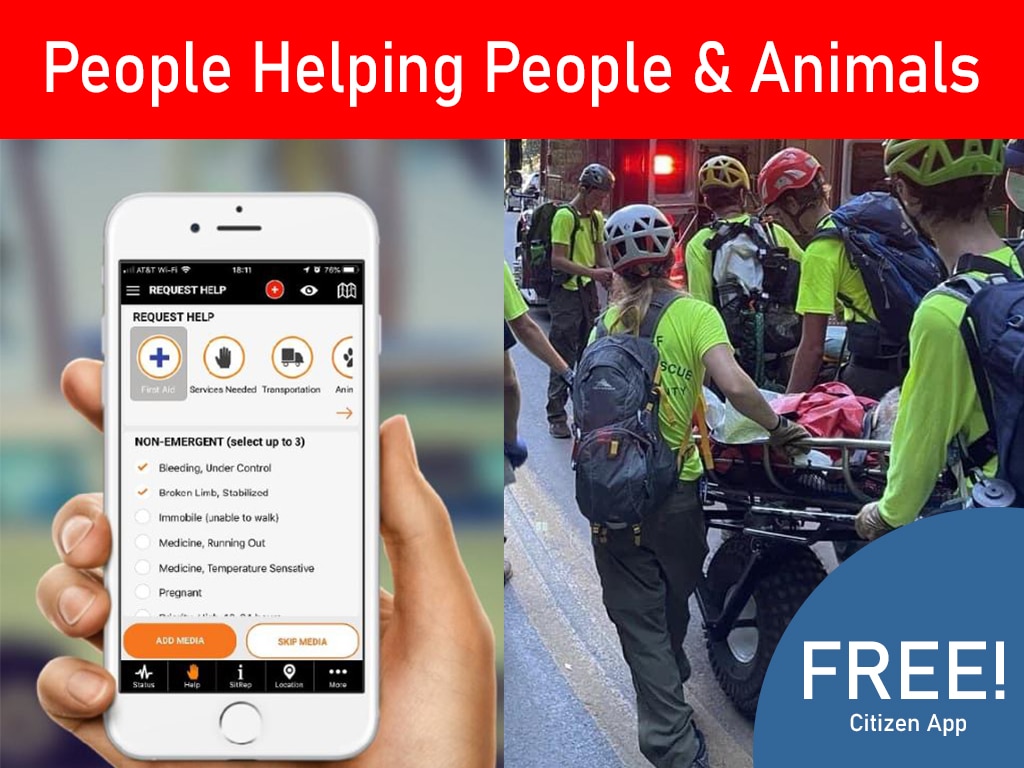
Alerts are only part of the job. Local responders also need a way to send useful field reports back to coordinators. That two-way flow helps teams see what is happening, sort needs, and direct available resources.
Research on citizen involvement in disaster management describes the use of collaborative technology in urban disaster management. The same research notes that crowd work creates linked tasks and outcomes that need coordination. For NGOs and CERT teams, the key question is simple: can volunteers use the tool under pressure?
Field use deserves a real test, not an assumption. Teams can ask volunteers to send an update, attach details, and confirm an alert. A short test can reveal extra steps that seem minor in a demo but slow people during an incident.
That question should shape the shortlist. Teams can look for low-friction mobile access, a clear reporting path, and workflows that match their staffing model. The right choice supports community resilience without adding process that the team cannot maintain.
What should you compare before choosing a platform?
Compare the mission, primary users, alert flow, incoming field reports, volunteer coordination, implementation effort, and full operating cost. A useful evaluation asks people to complete real response tasks on their phones instead of choosing from a feature list alone.
Start with the mission
NGOs and CERT teams should compare platforms against the work they must do during an incident. Sending alerts is only one part of that work. Teams may also need field reports, volunteer assignments, and a clear view of changing conditions.
Citizen reports can add useful local knowledge during disaster response. Yet that flow of people, tasks, and outcomes also needs careful coordination, according to research on crowdsourcing in emergency management. When reviewing everbridge alternatives, map each platform to your response plan before comparing feature lists.
Platform types at a glance
The table below is a starting point, not a scorecard. A platform type may fit one team and miss the needs of another. Ask vendors to show each workflow with the people who will use it, including volunteers and field leads.
| What to compare. | Enterprise-first systems. | Notification-focused systems. | Community response platforms. |
|---|---|---|---|
| Primary audience. | Large institutions with formal operations. | Teams that need to send alerts. | NGOs, CERT teams, and community responders. |
| Alerting. | Review channels, controls, and approval paths. | Often the main workflow. | Review alerts alongside response workflows. |
| Two-way field reports. | Confirm the field workflow in a live test. | Check whether reports go beyond replies. | Look for reports that inform coordination. |
| Volunteer coordination. | Check access for occasional users. | May require a separate process. | Test assignments and updates with volunteers. |
| Implementation approach. | Review setup effort and admin needs. | Review contact setup and alert templates. | Review onboarding for staff and volunteers. |
| Budget fit. | Request the full cost of setup and use. | Check limits, add-ons, and contact tiers. | Check whether scaling fits the response plan. |
Questions for a live test
Use a short scenario during each demo. Ask how a coordinator sends an alert, receives a field report, assigns a volunteer, and reviews the latest update. This test exposes gaps that a product page may not show.
Budget review should cover more than a starting quote. Ask about setup, training, admin time, add-ons, and growth in volunteer use. For more context, review how PubSafe works to connect communication with field coordination.
Keep the final choice tied to the response plan. The right fit should support daily readiness and make sense during a fast-moving event. It should also remain usable for the people who report conditions from the field.
Why does two-way community reporting matter?
Two-way community reporting turns residents and volunteers into an additional source of field visibility. Coordinators can compare incoming reports with other information, identify urgent conditions, and update assignments as an incident changes instead of relying only on outbound alerts.
Alerts tell people what responders know at a given moment. During an active incident, that picture can change fast. Residents and volunteers may see blocked roads, rising water, damaged buildings, or unmet needs before a central team does.
That is why organizations comparing everbridge alternatives should look beyond outbound messaging. A useful platform also helps people report what is happening around them. PubSafe explains the role of better alternatives to traditional emergency platforms in community response.
Field reports as ground truth
Ground truth is direct information from the field. It can help a command team test assumptions against current conditions. One message may show that a shelter is open. A later field report may show that the road leading to it is blocked.
Community input is useful when it is easy to collect and review. Research describes how collaborative technology can support citizen involvement in disaster management. It also notes that crowd work needs coordination because people, tasks, and outcomes are linked. The study on citizen involvement and coordinated crowd work explains this need.
Structured reports for damage assessment
Free-form updates can add context, but they are harder to sort during a busy response. Structured incident reporting gives teams a shared way to log damage, hazards, location details, and requests. Photos or field notes can add more context when the reporting process supports them.
- Hazard type, such as flooding, debris, or downed lines.
- Location details that help teams route a response.
- Observed damage and urgent access limits.
- Needs reported by residents, volunteers, or partner groups.
- Status updates when conditions improve or worsen.
A clear reporting flow also helps with damage assessment. Teams can group similar reports, review urgent issues, and watch for gaps in field coverage. That gives leaders a stronger base for assigning volunteers and setting priorities.
Better command decisions
Two-way reporting does not replace trained responders or official guidance. It adds another source of field visibility. Command teams can compare reports with other information, verify urgent items, and adjust plans as conditions change.
This approach also gives community members a practical role. People can send useful observations instead of only waiting for the next alert. For NGOs and CERT teams, the goal is simple. Collect clear reports, review them quickly, and use them to guide the next decision.

Where PubSafe fits community response operations
PubSafe fits community-led operations that need communication, volunteer coordination, and field reporting in one mobile-friendly environment. It can complement existing emergency systems by helping NGOs and CERT teams organize the local layer of blue-sky preparation and gray-sky response.
A practical fit for community-led teams
PubSafe is a practical option for NGOs, CERT teams, and community-led response groups. These teams often need a simpler way to connect coordinators, field volunteers, and local stakeholders. PubSafe is not the right choice for every organization. A large agency with complex enterprise requirements may need a different mix of systems.
For teams focused on local response, an affordable community response platform can fill a clear gap. PubSafe supports communication, volunteer coordination, and two-way reporting in one mobile-friendly setting. That matters when a group needs reports from the field, not just alerts sent from the top down.
Preparation before the emergency
Community response does not begin when the weather turns or an incident starts. Blue-sky preparation gives teams time to invite stakeholders, define roles, and help volunteers learn the process. Mobile access lowers the barrier for people who may not use emergency software each day.
The goal is not to add another unused tool. Teams can use calm periods to build a working network and set clear expectations. Research on disaster management notes that new collaborative tools create an opening for citizen involvement and volunteer work. The same research warns that crowd work needs coordination because tasks and outcomes depend on one another.
- Invite NGOs, CERT members, and community partners before an event.
- Clarify who reviews reports and who sends updates.
- Give volunteers a simple mobile path to take part.
- Review the process during drills and routine planning.
Support during gray-sky operations
During a gray-sky response, teams need a shared view of changing conditions. Volunteers may report damage, hazards, or local needs while coordinators review incoming details. A community-led model helps connect people on the ground with those who assign work and share updates.
This is where PubSafe can complement existing emergency systems. It does not need to replace every alert, dispatch, or agency platform already in use. Instead, it can support the local layer where volunteer input and stakeholder connection are most useful. Groups building that layer can review guidance on how to start a civilian crisis response team.
Teams comparing Everbridge alternatives should start with their actual operating model. Ask who needs mobile access, who reports from the field, and who makes decisions. Then check whether the platform supports both blue-sky preparation and gray-sky response without adding avoidable complexity.
How should your team evaluate Everbridge alternatives?
Evaluate Everbridge alternatives with a representative pilot. Map likely incidents, assign user roles, test reports and alerts on mobile devices. Document manual workarounds, estimate launch effort, and price the same growth scenario across every shortlisted platform.
Start with the work your team must do during an incident. An NGO or CERT team needs more than a feature list. The right review tests whether each platform supports clear decisions, field updates, and cost-effective scaling.
Define the operating scenarios
Map a few likely scenarios before you book demos. Include a fast-moving storm, a shelter opening, and a neighborhood damage assessment. Research on citizen involvement shows that collaborative technology can support volunteer work in disaster management. It also finds that these efforts need careful coordination across people, tasks, and outcomes. The Ready.gov CERT guidance gives teams a useful reason to test workflows, not just alerts.
-
Write your operating scenarios. List the events you handle, the decisions each event requires, and the updates field teams must send.
-
Map users and roles. Include coordinators, team leads, volunteers, and partner groups. Note who sends alerts, assigns work, submits reports, and reviews incoming data.
-
Test two-way reporting. Ask volunteers to submit status updates, photos, and location details. Confirm that coordinators can sort reports and act on urgent needs.
-
Check mobile usability. Ask representative volunteers to complete common tasks on their phones. Use people with different skill levels and test under realistic time pressure.
-
Review workflow fit. Compare the platform with your call trees, incident plans, intake process, and handoff steps. Mark every task that still needs a manual workaround.
-
Estimate the implementation burden. Ask what setup, training, data imports, admin time, and support your launch will require. Include ongoing work after the first rollout.
-
Validate the budget. Request pricing for your current team and a larger response. Check user limits, add-on costs, contract terms, and costs tied to growth.
Run a representative pilot
A pilot should include the people who will use the system during a response. Invite a coordinator, team leads, and representative volunteers. Give them a timed scenario and watch where work slows down. For more context on field-centered tools, review PubSafe’s transparent platform pricing before planning a pilot.
Compare the full operating cost
Budget review is not a final checkbox. It should cover launch work, routine admin time, volunteer training, and the cost of adding users. When comparing Everbridge alternatives, ask each vendor to price the same scenario. That makes a simpler and more affordable option easier to spot.
Register your PubSafe organization account and run a representative pilot with coordinators and volunteers.

Which Everbridge alternative belongs on your shortlist?
Your shortlist should reflect the job: AlertMedia, InformaCast, Rave Alert, and RedFlag are alerting candidates; D4H is an emergency management candidate; PubSafe is a community response option. Test only the platforms that match your volunteers, reporting needs, and budget.
The right shortlist starts with the work your team must do during an incident. Everbridge alternatives can overlap, but they do not all solve the same problem. A team that mainly sends alerts needs a different review than a CERT team coordinating field reports and volunteers.
The core workflow
First, decide whether your main need is outbound notification, broader emergency management, or community response. For an alert-first review, start with PubSafe’s guide to alternatives to legacy mass notification systems. It explains the basic role of a mass notification system without turning the search into a feature checklist.
Mass-notification candidates may include InformaCast, AlertMedia, Rave Alert, and RedFlag. These names belong on an initial review only when alert delivery is the main job. A shortlist should stay small enough for your team to test real workflows. Write down the first task each user must complete during a live event.
Alerts and field coordination
A full emergency management platform belongs in a different review lane. Consider that category when your team needs more than outbound messages. For example, D4H is a researched emergency management candidate. Review it alongside other platforms only if its operating scope matches your needs.
Community response platforms address another part of the picture. They matter when local teams need to collect reports, coordinate volunteers, and maintain a clearer field view. Research on citizen involvement shows that collaborative technology can support volunteer work in disaster management. It also notes that these efforts need coordination across people, tasks, and outcomes. That is a useful test for any FEMA CERT program guidance.
For NGOs and CERT teams, two-way flow should be a shortlist question. Ask whether field volunteers can send useful reports back to coordinators. Also ask how the tool helps staff sort updates and act on them. PubSafe’s affordable community response platform is one option to review when that workflow matters.
A practical shortlist screen
Do not name a winner before you map the job. Use a short screen for each candidate:
- Is the main need alerts, full incident management, or community response?
- Will volunteers report information back, or only receive messages?
- Can a small team learn the workflow without heavy setup?
- Does the tool fit the number of people and locations you support?
- Can your team test the most important workflow before choosing?
This screen keeps the review grounded in operations. A city agency, an NGO network, and a local CERT may build different shortlists. That is expected. The useful choice is the platform that fits the team’s real response work.
Frequently Asked Questions
What is the best alternative to Everbridge for NGOs and CERT teams?
The best alternative depends on team size, budget, and response workflow. NGOs and CERT teams should prioritize simple mobile access, rapid setup, and two-way reports from volunteers. PubSafe is designed around community response rather than only top-down alerts. Its community-driven disaster response platform is worth comparing against broader enterprise systems.
Is Everbridge the only option for mass notification systems?
No. Organizations can compare Everbridge with platforms such as AlertMedia, InformaCast, Rave Alert, and RedFlag. A suitable choice depends on audience, budget, and the type of communication required. A public alerting system may serve a different need than a community response platform built for volunteer coordination and incoming field reports.
What are the common reasons organizations switch from Everbridge to alternatives?
Organizations often seek simpler implementation, clearer pricing, and tools that fit their actual response teams. NGOs and CERT teams may also need a platform that works for non-expert volunteers. The right evaluation should cover outbound alerts, incoming reports, mobile access, training needs, and costs as the community response program grows.
Who are the top competitors for Everbridge?
Common alternatives in the emergency notification category include AlertMedia, InformaCast, Rave Alert, and RedFlag. Other products may focus on different use cases, such as internal incident management or broad public alerts. NGOs and CERT teams should also compare community-focused options when volunteer coordination and local reporting matter as much as outbound messages.
How can NGOs evaluate two-way community reporting in an Everbridge alternative?
NGOs should test whether volunteers can submit useful field reports quickly and whether coordinators can act on them during a fast-moving event. The research on citizen involvement in disaster management shows the value of collaborative technologies. Teams should also review mobile usability, report routing, training effort, and how the platform handles growth.
Ready to strengthen your community response workflow?
Waiting to improve your response workflow can leave volunteers sorting scattered updates, chasing missing details, and making harder decisions when community reports begin to arrive. Starting now gives your team time to test a clearer process, set responsibilities, and build confidence before the next demanding event puts pressure on coordination. With a practical platform in place, your NGO or CERT team can organize alerts, collect two-way reports, and guide volunteers within budget.
Ready to strengthen your response workflow? Install the free PubSafe app today to explore how it supports your community response team. Start now, and contact PubSafe with questions while your volunteers learn the process, share useful reports, and prepare for clearer coordination during local emergencies.