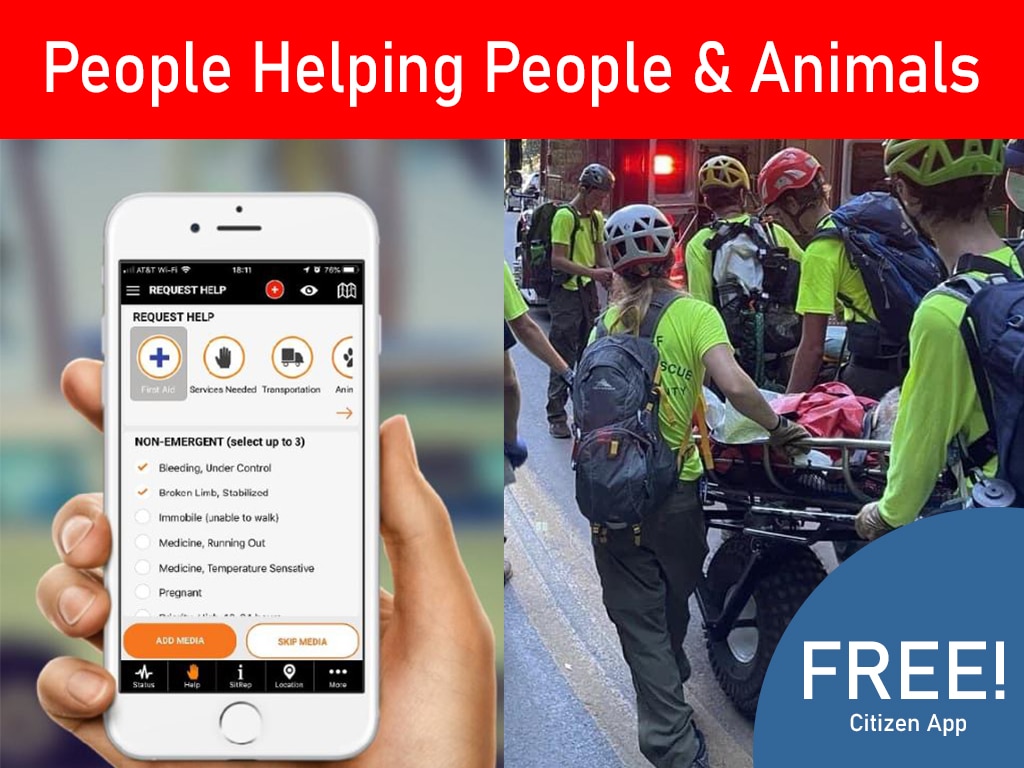
For any incident commander, situational awareness is everything. Yet, the “fog of war” during a crisis is a constant challenge, creating blind spots that can cost time, resources, and lives. Traditional reconnaissance is slow and often dangerous. What if you could multiply your eyes and ears on the ground by a factor of a thousand? This is the promise of citizen crowdsourcing. When residents report incidents in real-time, they provide a granular, dynamic view of the event as it unfolds. The challenge, of course, is managing this influx of data without being overwhelmed. An effective platform for managing crowd sourced safety alerts is no longer a luxury; it’s a core component of a modern response strategy, helping you verify reports, optimize asset deployment, and adapt your plans on the fly.
Exploring the Role of Crowdsourced Technology in Enhancing Community Safety During Disasters
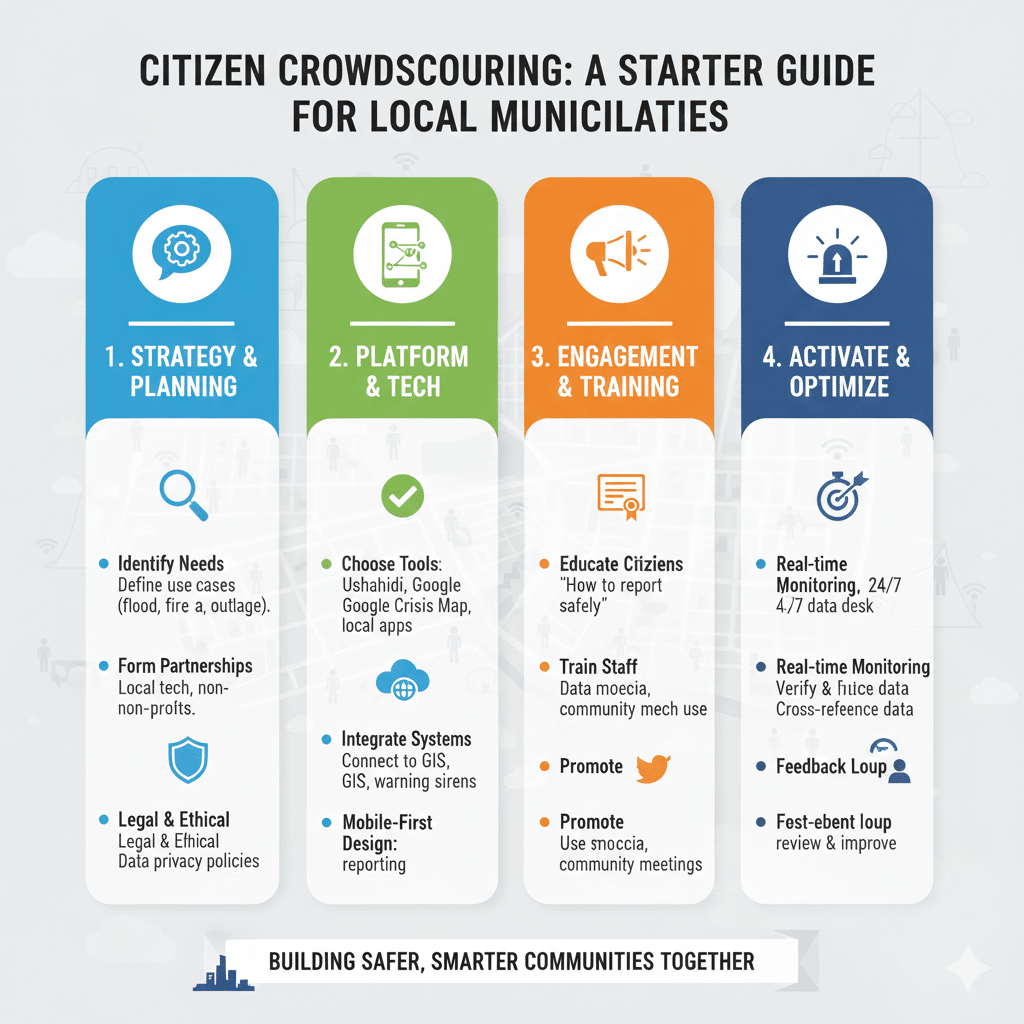
The Future of Emergency Management: Leveraging Citizen Crowdsourced Information
What is Citizen Crowdsourcing for Disaster Response?
In the rapidly evolving landscape of emergency management, the integration of citizen crowdsourced information has transformed from a supplemental resource into a critical lifeline. As individuals leverage smartphones and social media to document crises in real-time, they generate a stream of high-velocity disaster data that traditional agencies simply cannot match in speed.
How Your Local Report Can Make a Global Difference
Citizen crowdsourcing is the practice of gathering real-time data and resources from a large, distributed group of people—typically via digital platforms. Unlike traditional “top-down” communication, this model is participatory and decentralized. It taps into the lived experiences of those on the ground, providing a granular view of a crisis that official sensors or satellite imagery might miss.
Why Real-Time Data Saves Lives in Emergencies
In a disaster, seconds save lives. Situational awareness is the primary goal of any incident commander. Crowdsourced data provides:
-
Immediate Ground Truth: Knowing exactly where a tree is down or a levee has breached before a scout team arrives.
-
Resource Optimization: Directing assets to high-need “hotspots” identified by volume-based reporting.
-
Dynamic Adaptation: Adjusting recovery plans as local conditions change in real-time.
Understanding the Full Spectrum of Emergency Alerts
Official Government Alert Systems
How National Systems Like IPAWS Work
When a disaster strikes, getting timely and accurate information from official sources is critical. That’s where national alert systems come in. In the United States, the primary system is the Integrated Public Alert & Warning System, or IPAWS, managed by FEMA. Its purpose is straightforward but vital: to send life-saving messages to people in specific geographic areas. The “integrated” part is key; IPAWS doesn’t rely on a single method. Instead, it simultaneously pushes alerts through multiple channels, including the Emergency Alert System (EAS) for TV and radio, Wireless Emergency Alerts (WEA) that buzz your phone, and other public-facing systems. This multi-pronged approach ensures that critical warnings have the best possible chance of reaching you, no matter what you’re doing.
Multi-Channel Alerting Methods
Beyond Apps: How Alerts Reach Everyone
The technology powering these official alerts is designed for maximum reach and reliability. Systems like Everbridge Public Warning are used by governments worldwide to manage this complex process. They create a single platform to send alerts through every channel imaginable, from text messages and app notifications to social media updates and even automated landline calls. The goal is to build a resilient communication network where no single point of failure can stop a message from getting through. While these one-way broadcasts are essential for mass notification, they are just one piece of the puzzle. True community safety is built on two-way communication, where citizens can also share what they’re seeing. This is where platforms like PubSafe come in, allowing you to report incidents and help create a complete, real-time picture of a situation for everyone involved.
How Does Crowdsourced Information Help in Disaster Management?
The bridge between a citizen’s observation and a responder’s action is the technology that facilitates the data flow.
Platforms for Managing Crowd Sourced Safety Alerts
Several specialized tools have redefined how we aggregate crisis data:
-
Ushahidi: An open-source platform that allows users to crowdmap incidents, providing a visual “heat map” of needs during a crisis.
-
Google Crisis Response: A suite of tools including Person Finder and Crisis Maps that consolidate data for public accessibility.
-
GIS Integration: Modern Geographic Information Systems now ingest social feeds to overlay citizen reports onto official flood or fire maps.
The Scale and Expertise of Professional Systems
While crowdsourcing provides an invaluable, ground-up view of a disaster, it works best alongside the broad reach of professional systems. These are the large-scale, official networks designed for mass communication. Think of FEMA’s Integrated Public Alert & Warning System (IPAWS), which can send a single alert across television, radio, and mobile phones simultaneously to ensure maximum reach. Built on a foundation of authority, these systems deliver verified information that cuts through the noise, often using dedicated public warning platforms to strengthen community response. This top-down communication provides the official framework for a response, creating the structure within which community-led efforts can most effectively operate. Platforms like PubSafe help bridge this gap, allowing citizen-reported incidents and volunteer efforts to function within that official structure for a truly integrated response.
Using Social Media for Crisis Communication
Social media is no longer just for networking; it is a vital sensor network. During events like Hurricane Sandy or the California wildfires, hashtags become digital beacons for help. Platforms like X (Twitter) and Facebook allow for:
-
Viral Dissemination: Rapidly spreading safety alerts.
-
Community Support: Organizing “civilian navies” or local food drives.
-
Trust Building: Direct engagement between government agencies and the public.
Why Your Participation Matters: Benefits for Your Community
Engaging citizens doesn’t just provide data; it builds community resilience.
Building Stronger Communities Through Communication
When traditional infrastructure fails, peer-to-peer networks step in. By sharing information on local apps or neighborhood groups, citizens can:
-
Identify vulnerable neighbors (elderly or disabled) who need immediate help.
-
Share locations of functioning resources like clean water or power strips.
-
Provide emotional support, reducing the psychological toll of the disaster.
Faster Response Times: How Your Data Helps First Responders
Crowdsourced data acts as a force multiplier. If dozens of residents report a gas leak via a localized app, dispatchers can escalate the call immediately. This proactive approach leads to:
-
Targeted Evacuations: Prioritizing neighborhoods based on real-time flooding reports.
-
Reduced Discovery Lag: Finding victims in “blind spots” where official communication is cut off.
Real-World Examples of Crowdsourced Emergency Aid
| Disaster Event | Platform Used | Key Outcome |
| Haiti Earthquake (2010) | Ushahidi / SMS | Mapped trapped victims and water needs for international aid teams. |
| Typhoon Haiyan (2013) | Social Media / Micro-mapping | Coordinated localized relief efforts when official channels were destroyed. |
| Hurricane Sandy (2012) | Instagram / Twitter | Identified fuel shortages and power outages across the NYC metro area. |
Lessons Learned from Past Emergencies
History shows that while the crowd is willing to help, they need a framework. The 2014 Ebola outbreak taught us that without a verification loop, crowdsourcing can accidentally spread fear and misinformation. The lesson is clear: Agencies must guide the crowd, not just listen to it.
Risks and Mitigations in Public Crowdsourced Programs
How to Verify Information and Avoid Misinformation
The “fog of war” in a disaster often leads to the spread of unverified reports. To maintain data integrity, agencies should:
-
Triangulate Data: Confirm a report with at least two other independent sources.
-
Use Digital Volunteers: Empower “Vetted Crisis Mappers” to filter and verify incoming feeds.
Keeping Data Safe: Privacy and Ethical Standards
Sharing location data during a crisis can be dangerous. It is essential to implement:
-
Anonymization: Removing personal identifiers from public-facing maps.
-
Safe-Sharing Education: Teaching citizens what not to post (e.g., specific house numbers or photos of children).
Privacy by Design in Public Warning Systems
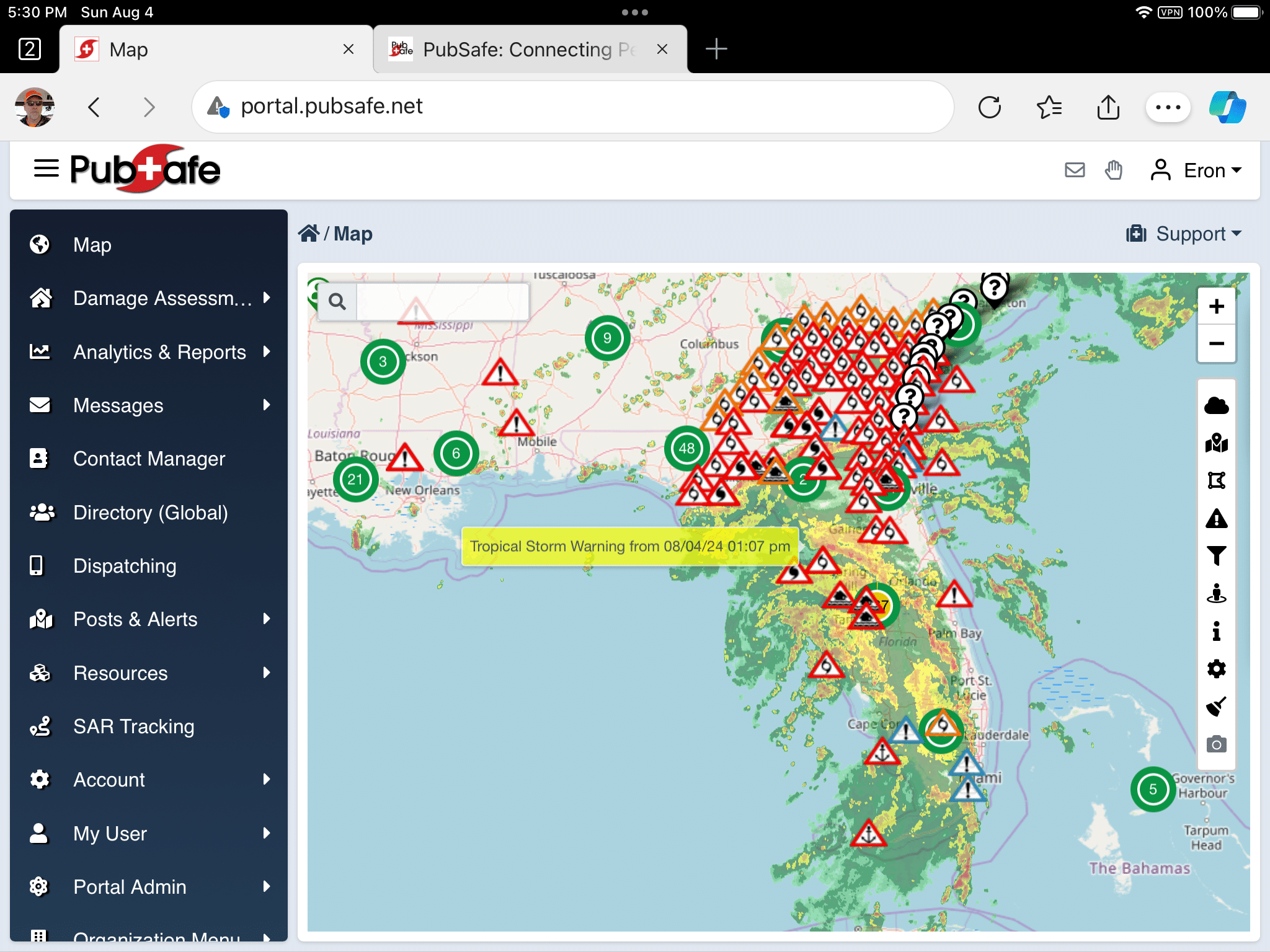
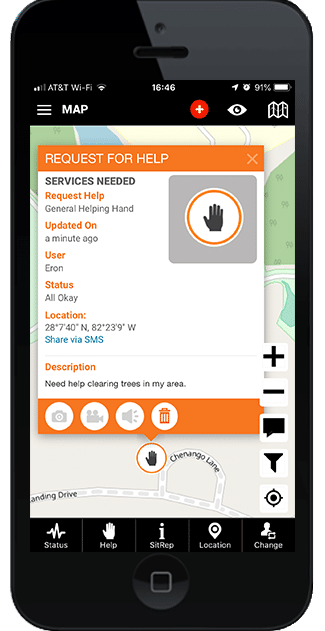
Using location data in technology always brings up a critical question: what about our privacy? That’s where the concept of Privacy by Design comes into play. It’s a straightforward but powerful idea that privacy shouldn’t be an afterthought; it should be built into a system from the very beginning. For public warning systems that depend on crowdsourced reports, this is non-negotiable. It’s the foundation of the trust required for people to feel safe participating. A platform built with this principle, for instance, will automatically anonymize data on a public map. You can see the location of a hazard without ever knowing who reported it. The focus remains on the what and where, not the who, protecting everyone involved.
What’s Next for Crowdsourced Safety Information?
New Technologies Shaping the Future of Response
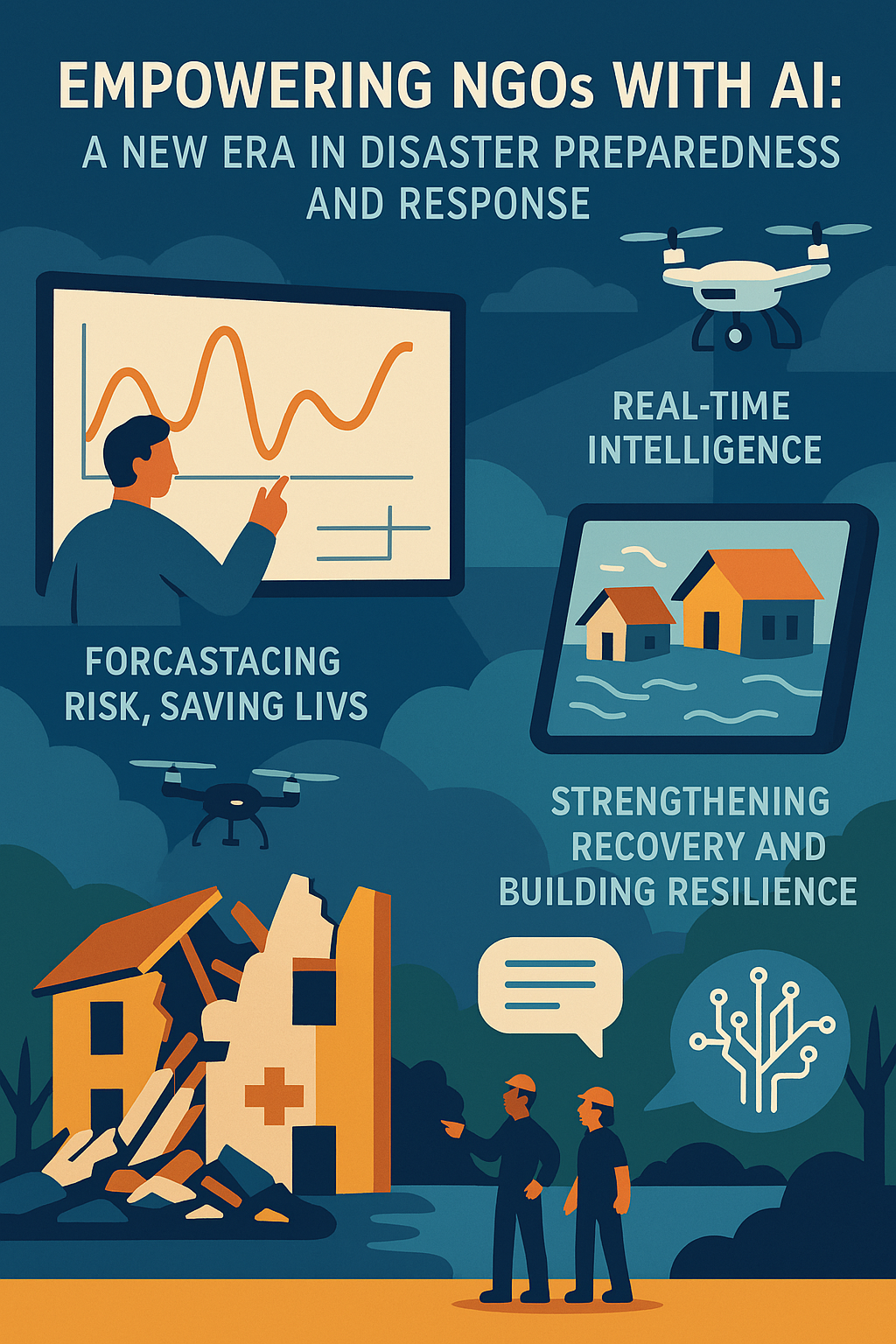
The future of citizen crowdsourced information looks promising as technology continues to evolve. Innovations such as artificial intelligence (AI) and machine learning can enhance data analysis, allowing for quicker processing of crowdsourced information. These technologies could help to filter out noise, prioritizing credible reports and immediately flagging urgent issues that require attention.
Additionally, advancements in mobile technology, including the proliferation of smartphones equipped with GPS and instant communication capabilities, empower more individuals to participate in crowdsourcing efforts. As communities become increasingly connected through technology, the potential for effective citizen involvement in emergency response will only grow.
AI-Powered Automated Safety Monitoring
Collecting data is just the first step; the next frontier is teaching systems to understand it in real time. Artificial intelligence is stepping into this role, acting as a powerful filter to analyze the massive influx of crowdsourced information. Think of it as a highly efficient digital assistant for emergency managers. AI-powered systems can be trained to scan thousands of text reports, images, and even video feeds to identify patterns and flag critical events. For example, an AI could instantly recognize a photo of a washed-out bridge or detect urgent keywords in a flurry of social media posts, separating critical intelligence from background noise. This allows human responders to focus on verified, high-priority incidents without getting bogged down.
This automated monitoring dramatically increases the speed and reliability of crowdsourced data. Instead of a team of people manually verifying every report, AI can perform an initial check, cross-referencing reports and using multiple data points to reduce false alarms. Some systems are now so fast they can provide instant safety alerts within seconds of detecting a credible threat. This capability is a game-changer for platforms that connect citizens with first responders. It means that when you report an incident, it can be processed, verified, and routed to the correct emergency team almost instantaneously, making your contribution more impactful than ever.
How We Can Build More Resilient Communities Together
As citizen crowdsourced information becomes more prevalent, communities can build resilience against future disasters. By fostering a culture of collaboration and communication, citizens become better prepared for emergencies. Community drills and training could include simulations of crowdsourcing efforts, ensuring that more individuals are equipped to gather and relay information effectively when a crisis occurs.
Building these networks not only empowers citizens during emergencies but also strengthens community bonds, fostering a sense of shared responsibility. With increased awareness and education, communities can leverage the collective knowledge of their members to create safer environments and more effective emergency management strategies.
Your Role in Community Safety
Simple Steps to Get Involved and Make a Difference
Citizen crowdsourced information has emerged as a powerful tool in emergency response. By tapping into the experiences of individuals on the ground, emergency management can enhance communication, improve response times, and ultimately save lives. However, challenges such as information accuracy and privacy must be addressed to maximize the potential of this approach. As technology continues to advance, the future promises innovative ways to incorporate citizen involvement into emergency management strategies, building resilience within communities.
FAQs
1. What is citizen crowdsourcing?
Citizen crowdsourcing refers to the practice of gathering information from large groups of individuals, typically through digital platforms, to enhance decision-making during emergencies.
2. How does citizen crowdsourced information improve emergency response?
It enhances real-time communication, provides immediate insights from affected areas, and allows for more efficient resource allocation based on the needs identified by citizens.
3. What are some challenges of using citizen crowdsourced information?
Major challenges include ensuring the accuracy of the information, verifying reports, and addressing privacy and ethical concerns related to the data shared by individuals.
4. Can social media be trusted during emergencies?
While social media can provide rapid updates, it is crucial to have verification processes in place to filter out misinformation and ensure the credibility of the reports.
5. What role does technology play in citizen crowdsourcing?
Technology facilitates the collection, analysis, and dissemination of crowdsourced information, allowing for real-time updates and improved communication between citizens and emergency services.
Get the PubSafe Mobile App
Key Takeaways
- Crowdsourcing provides essential ground truth: Your real-time reports give first responders a clear, on-the-ground view of a crisis, allowing them to make faster, more informed decisions about where to send help.
- Technology turns noise into actionable intelligence: A dedicated platform is crucial for managing crowdsourced data. It helps verify information, filter out rumors, and protect privacy, ensuring that responders act on reliable intelligence.
- Community safety is a collaborative effort: The most effective disaster response combines official alerts with citizen-led reporting. Participating in crowdsourcing helps create a resilient community where everyone plays a role in keeping each other safe.