It’s a common myth that emergency management tools are only for large-scale disasters like hurricanes or wildfires. While they are essential in those moments, their true value is unlocked in daily use. Think about the more frequent local incidents: a water main break, a major traffic accident, or even a planned community event. These situations still require clear communication and resource management. By integrating software for local civilian emergency response coordination into your everyday operations, you build muscle memory across your teams. This guide will show you how these platforms can streamline day-to-day incident management, making your team more prepared and efficient when a larger crisis inevitably hits.
Key Takeaways
- Unify all your stakeholders: The best response software brings everyone together on a single platform. This breaks down communication barriers between agencies, volunteers, and the public, ensuring everyone works from the same real-time information.
- Integrate it into daily operations: Don’t wait for a major disaster to use your software. Managing smaller, routine incidents with the platform builds team familiarity and readiness, so when a large-scale crisis hits, your response is second nature.
- Focus on adoption, not just technology: The right software is only half the battle; success comes from your team’s ability to use it. Prioritize getting buy-in from all partners, conduct regular training drills, and create a culture of preparedness.
What Is Emergency Response Coordination Software?
Think of emergency response coordination software as a digital command center for any crisis. During an incident, whether it’s a local flood or a regional wildfire, information comes from all directions. This software brings all those moving parts together into one organized platform. It’s designed to replace the chaotic mix of phone calls, radio chatter, and scattered spreadsheets with a single, shared view of the situation. The goal is to help teams make faster, smarter decisions when every second counts.
Instead of working in separate silos, different groups can see the same information and coordinate their actions in real time. This technology provides the structure needed to manage an incident from the initial report to the final recovery phase. It helps explain how PubSafe works by connecting everyone, from official responders to community volunteers, ensuring that the right resources get to the right place at the right time. It’s about creating a clear line of sight through the fog of an emergency, so your team can focus on what matters most: helping people.
How It Works in the Field
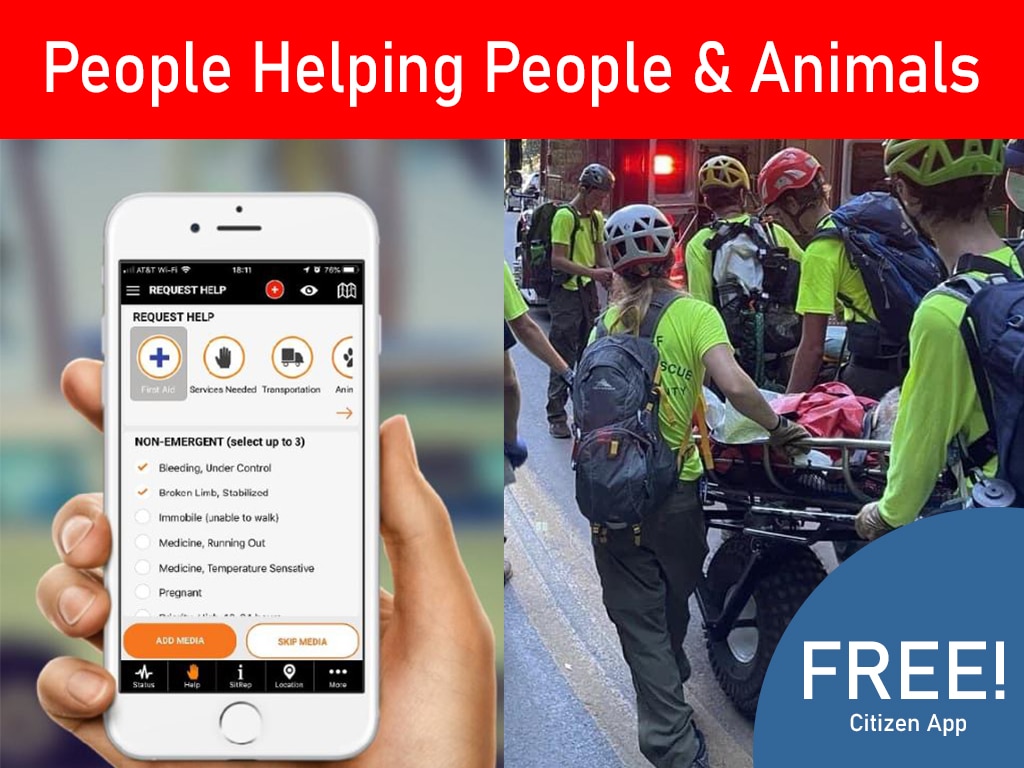
In practice, this software acts as a central hub for information. It pulls in data from multiple sources, like incident reports from citizens, status updates from first responders, and GIS mapping data. This creates a live, comprehensive picture of the event as it unfolds. For example, a volunteer can report an incident like a blocked road using their phone, and that report instantly appears on a map for dispatchers and response teams to see. This allows for real-time alerts, automatic tracking of events, and guided response actions, all without having to switch between different apps or systems.
Who It’s For
This software is built for anyone involved in managing an emergency. This includes professional emergency managers, public safety officials, and government agencies who need a reliable system for command and control. It’s also essential for non-governmental organizations (NGOs) and Community Emergency Response Teams (CERTs) that need to coordinate volunteers and deploy resources effectively. Even individual citizens play a role, using the software to report issues and receive critical safety alerts. The platform is designed for organization registration so that all stakeholders in a community can connect and collaborate seamlessly during a crisis.
Must-Have Features for Your Response Software
When you’re looking for emergency response software, it’s easy to get lost in a sea of features and technical jargon. The truth is, not all platforms are built the same, and the right one for your team depends on your specific needs. However, some features are simply non-negotiable for effective, modern emergency management. Think of these as the foundation of any solid system. The goal is to find a platform that doesn’t just offer these tools but integrates them seamlessly. This allows your team, from field volunteers to EOC decision-makers, to work together from a single source of truth. Let’s walk through the core features you should look for.
Real-Time Incident Reporting
During an emergency, information that’s even a few minutes old can be dangerously out of date. That’s why real-time incident reporting is at the top of the list. This feature allows team members and even citizens in the field to report incidents directly as they happen, complete with photos, locations, and notes. For leaders in a command center, this means seeing a live, unfiltered view of the situation on the ground. It allows you to make faster, more informed decisions, dispatch resources with precision, and get ahead of developing problems instead of just reacting to them. It’s the difference between guessing what’s happening and knowing.
Multi-Agency Communication
Emergencies are rarely handled by a single organization. A truly effective response involves collaboration between public safety agencies, NGOs, CERT teams, and community volunteers. Your software must act as a central hub where all these different groups can communicate. This breaks down the communication silos that often hinder response efforts. When everyone is on the same platform, you can share updates, assign tasks, and coordinate movements without resorting to a confusing mess of phone calls and radio chatter. The ability to manage your teams in one place ensures everyone is working with the same information, moving toward the same goal.
Volunteer and Resource Management
Volunteers are the heart of community response, but coordinating them can be a logistical puzzle. The right software gives you the tools to solve it. A strong management feature lets you see who is available, what their skills are, and where they are located. The same goes for physical resources like vehicles, medical supplies, or shelter equipment. Instead of relying on spreadsheets or paper lists, you can track and deploy assets with a few clicks. This ensures that effective volunteer coordination gets the right people and the right gear to the right place when they are needed most, maximizing your impact on the ground.
Damage Assessment Tools
Once the immediate danger has passed, the work of recovery begins. Damage assessment tools are critical for this phase. These features allow your teams to systematically survey affected areas, log the extent of the damage, and upload data in a structured way. This creates a clear, data-backed picture of the storm’s impact, which is essential for prioritizing cleanup efforts, applying for aid, and planning long-term recovery. Instead of a scattered collection of notes and photos, you get an organized, actionable overview that helps you assess the situation and allocate recovery resources where they can do the most good.
GIS Mapping and Data
A map is worth a thousand words, especially in an emergency. Geographic Information System (GIS) mapping is a must-have feature that layers critical data onto a map of your area. This isn’t just a static map; it’s a dynamic dashboard. You can visualize incident reports, track team member locations, see the status of critical infrastructure like roads and bridges, and identify vulnerable populations. For situational awareness, nothing beats viewing a live map that shows you exactly where things are happening. This geographical context helps you spot patterns, anticipate needs, and plan logistical routes with a level of clarity that a simple list or spreadsheet could never provide.
Citizen Engagement and Public Alerts
Your community members are your most important partners in an emergency. Keeping them informed and engaged is essential for public safety and trust. Look for software that includes tools for sending out public alerts, sharing safety information, and receiving reports from citizens. When people can download a free app to stay connected, they become active participants in their own safety. They can receive evacuation notices, find the nearest shelter, or report a downed power line. This two-way communication not only keeps the public safe but also provides your team with invaluable on-the-ground intelligence, turning the entire community into a force multiplier.
A Look at Top Emergency Response Platforms
When you start looking at emergency response software, you’ll find a lot of options out there. It can feel a bit overwhelming, but the key is to find a platform that aligns with your team’s specific goals. Are you a government agency needing to connect with other official departments? Or are you a community-based organization focused on coordinating volunteers and citizen reports? Each platform has its own strengths, and what works for a large municipal EOC might not be the right fit for a local CERT team or an NGO. The right software should feel like a natural extension of your team, simplifying communication rather than adding another layer of complexity.
To help you get a clearer picture of what’s available, let’s walk through some of the top emergency response platforms. We’ll look at what makes each one unique, who it’s best for, and the core features they offer. This isn’t about finding a single “best” platform, but about understanding the landscape so you can make an informed choice for your community. By comparing their approaches, you can better identify the software that will truly support your mission and help you coordinate efforts when it matters most. Think about your daily operations and your most critical emergency scenarios as we explore what each of these tools brings to the table.
PubSafe
PubSafe stands out by creating a unified network for everyone involved in a response, from government agencies and NGOs to CERT teams and individual citizens. Its core strength is breaking down communication silos. The platform is designed for comprehensive team management, allowing organizations to coordinate volunteers, manage resources, and view real-time incident reports from the public on a shared map. As one Capterra review notes, PubSafe offers a “comprehensive solution for public safety agencies, enabling them to manage incidents effectively and improve community engagement.” This community-first approach makes it a powerful tool for organizations that rely on collaboration between official responders and the public they serve.
WebEOC
WebEOC is a well-established name in emergency management, widely used by government agencies for large-scale incidents. Its main advantage is creating a common operational picture for multiple departments and jurisdictions. According to Emergency Management Magazine, the platform is designed to help users create a shared situational awareness, which is vital during complex events. With customizable dashboards and robust incident management tools, WebEOC is a go-to for Emergency Operations Centers (EOCs) that need to manage a high volume of information and coordinate official agency actions. It’s a heavy-duty solution built for established public safety command structures.
CrisisGo
CrisisGo carves out a specific niche by focusing on safety and communication within schools and private organizations. The platform provides tools tailored for these environments, such as emergency alert notifications, safety checklists, and a place to store and access crisis management plans. A review on G2 highlights that CrisisGo is especially effective in educational settings, giving schools the tools to prepare for and respond to emergencies efficiently. While it’s an excellent choice for a school district or a business campus, its scope is more contained and less focused on broad, community-wide coordination involving the general public and diverse volunteer groups.
CentralSquare
CentralSquare offers a broad suite of public safety software, with emergency response management being one part of its larger ecosystem. Its key strength lies in its ability to integrate with other public safety systems, like computer-aided dispatch (CAD) and records management systems (RMS). This integration helps streamline workflows for first responders. A review from Police1 points out that CentralSquare’s platform is valuable for how it improves data sharing among different public safety departments. It’s a solid option for agencies that are already invested in a tech stack and need a response tool that can plug into their existing infrastructure.
How Response Software Improves Local Coordination
When every second counts, having the right tools can completely change the outcome of an emergency. Emergency response coordination software isn’t just another piece of tech; it’s a fundamental shift in how communities prepare for and handle crises. By creating a shared operational picture, this software helps local teams work together more effectively, turning chaotic situations into coordinated efforts. It moves teams away from disjointed phone calls and radio chatter toward a unified system where information flows freely. This leads to faster, more intelligent responses that protect property and save lives. Let’s look at the specific ways this software makes a difference on the ground.
Faster Response Times
During an emergency, speed is everything. Response software dramatically cuts down the time it takes for teams to react. Instead of juggling different programs or relying on delayed information, all stakeholders are connected to a single, real-time system. When a citizen reports an incident, that information is instantly available to dispatchers, field teams, and emergency managers. This direct line of communication allows for quicker problem detection and faster decision-making. Teams can collaborate without missing a beat, ensuring that help is dispatched efficiently and arrives sooner. This streamlined process removes critical delays that can occur when information has to pass through multiple hands.
Clearer Communication
Miscommunication can be one of the biggest hurdles in a crisis. Emergency response software solves this by acting as a centralized hub for all information. It breaks down the communication silos that often exist between different agencies, departments, and volunteer groups. When everyone is working from the same playbook, the entire response effort becomes more aligned. Critical updates, resource requests, and strategic decisions are shared instantly, keeping every team member informed. This level of clarity ensures that responders have the context they need to do their jobs safely and effectively, and it allows different organizations to seamlessly work together toward a common goal.
Smarter Resource Deployment
Getting the right resources to the right place is a constant challenge in emergency management. This software provides the real-time data needed to make intelligent deployment decisions. For example, by monitoring incident reports on a live map during a flood, managers can see which areas are hit hardest and direct assistance accordingly. It also provides a clear view of where your assets, from first responders to volunteers and equipment, are located. This visibility is crucial for effective volunteer coordination, allowing you to assign tasks to the nearest available person with the right skills. This prevents resources from being wasted or sent where they aren’t needed most.
Better Post-Event Reporting
The response doesn’t end when the immediate danger has passed. The data collected by coordination software is invaluable for post-event analysis. It creates a detailed, time-stamped record of the entire incident, from the first report to the final resolution. Teams can review this data to identify what went well and where there were bottlenecks. You can track issues, monitor the progress of repairs, and oversee field team activities to build a comprehensive picture of the response. This analysis helps organizations refine their emergency plans, improve training, and build a more resilient strategy for future events, ensuring that every incident becomes a learning opportunity.
Is This Software Only for Large-Scale Disasters?
It’s a common misconception that emergency coordination software only gets dusted off for major events like hurricanes or widespread wildfires. While these platforms are absolutely critical in those scenarios, their true value is realized when they become part of your daily operations. Thinking of this software as a tool for incident management rather than just disaster response opens up its full potential.
The same coordination challenges that exist during a massive storm, like stretched resources and communication gaps, also appear during smaller, more frequent events. A platform that works for a hurricane should also work for a localized flood, a major traffic accident, or a search for a missing person. Using the software regularly builds familiarity and ensures your team is ready to act, no matter the scale of the incident. This approach transforms the software from a reactive, last-resort tool into a proactive, everyday asset for community safety and organization. When your teams are comfortable with the platform, their response is faster and more organized, which can save lives and reduce property damage even in minor emergencies. It creates a culture of preparedness that pays dividends when you need it most.
Handling Everyday Incidents
The best way to prepare for a crisis is to practice. Emergency response software gives your team a platform to do just that by managing routine incidents effectively. Think about a water main break that floods a neighborhood or a planned community event like a parade. These situations require coordination between public works, law enforcement, and emergency medical services. By using a shared platform for these everyday events, you streamline communication and resource allocation. This consistent use builds muscle memory, so when a larger emergency hits, your team isn’t learning a new system under pressure. They’re simply scaling up an operation they already run every day. You can even report an incident directly from the field, ensuring information flows instantly.
Connecting Your Community Stakeholders
An effective response depends on everyone working from the same playbook. This software breaks down the communication silos that often exist between different agencies, departments, and volunteer groups. When police, fire, public works, NGOs, and CERT teams all have access to the same real-time information, the response becomes unified. Everyone sees the same map, the same incoming reports, and the same resource requests, creating a clear picture of the situation. This is essential for effective volunteer coordination, allowing you to deploy people and assets where they are needed most. Instead of fragmented phone calls and radio chatter, you get a single source of truth that keeps every stakeholder informed and aligned.
How to Choose the Right Response Software
Picking the right emergency response software is a big decision. The platform you choose will become the backbone of your coordination efforts during a crisis, so it’s important to get it right. Think of this as more than just a software purchase; it’s an investment in your community’s safety and resilience. To help you make a confident choice, let’s walk through the key factors you should consider.
Scalability
Your needs can change in an instant. A small, localized incident might only involve a handful of responders, while a major disaster could require coordinating thousands of volunteers and multiple agencies. Your software must be able to handle both extremes without a hitch. Look for a platform that can scale with the event, supporting a growing number of users and data points as a situation evolves. A scalable tool ensures that your system won’t crash when you need it most, allowing you to effectively manage community growth and response efforts, no matter the size.
Ease of Use Under Pressure
During an emergency, there’s no time to fumble with a complicated interface. The best software is intuitive, allowing your team and volunteers to get up and running with minimal training. A platform should act as a central hub that gives operators a clear picture of what’s happening, helping them make smart decisions under pressure. When evaluating options, ask yourself: Could a brand-new volunteer log in and report an issue without a lengthy tutorial? If the answer is no, you should probably keep looking. The goal is technology that helps, not hinders, your response.
Interoperability
Emergency response is a team sport. It involves police, fire departments, NGOs, CERT teams, and citizen volunteers all working toward a common goal. The problem is, these groups often use different systems that don’t talk to each other. Interoperability is the solution. It’s the software’s ability to connect disparate agencies and create a single, unified channel for communication. This ensures everyone works together and stays informed, breaking down silos and creating a truly coordinated effort. A platform like PubSafe allows any organization to register and join a shared operational picture.
Mobile and Cloud Access
Responders are rarely sitting behind a desk. They’re in the field, on the move, and need access to real-time information from wherever they are. That’s why mobile and cloud access are non-negotiable. A cloud-based platform with a robust mobile app allows your team to send and receive updates, share photos, and track locations directly from their phones. This flow of live information from many sources creates a comprehensive view of the incident as it unfolds. With tools like a public map, even citizens can stay informed and contribute to the situational awareness of the entire community.
Data Security and Privacy
Emergency response data is incredibly sensitive. It can include personal information about residents, details about critical infrastructure, and operational plans. Protecting this data is essential for maintaining trust and ensuring the integrity of your mission. Your chosen software must have strong security features to keep your systems running smoothly and protect against unauthorized access. Look for platforms that offer secure logins, data encryption, and role-based permissions, which allow you to control who sees what. This ensures you can safely manage your teams and their access to critical information.
Cost vs. Long-Term Value
It’s easy to get stuck on the price tag, but the true value of response software goes far beyond its initial cost. Effective disaster preparedness saves lives, protects property, and helps communities recover faster, all of which have immense financial and social benefits. When comparing options, think about the long-term return on investment. A platform that improves resource allocation, speeds up response times, and better engages volunteers can save your organization and community significant money down the road. Sometimes, the most valuable tools are the ones that are accessible to everyone, like a free app for citizens.
Common Myths About Emergency Response Software
Adopting new technology often comes with a few misconceptions, and emergency response software is no different. It’s easy to get the wrong idea about what these platforms can and can’t do. Let’s clear up some common myths so you can have a realistic understanding of how this software can support your organization and community.
Myth: It Replaces Human Judgment
A common fear is that software will take over critical decision-making. The reality is that these platforms are designed to enhance human judgment, not replace it. Think of it as a powerful assistant, not a new boss. The software aggregates data and streamlines communication, giving you a clearer picture of the situation. It connects technical systems with the people making the final calls. Ultimately, the strategic thinking and crucial on-the-ground decisions still rest in the hands of your skilled personnel. The goal is to empower your team with better information so they can make faster, more effective choices.
Myth: Setup Is Instant
While modern software is more user-friendly than ever, expecting an instant, push-button setup is unrealistic. Implementing a comprehensive response platform is a strategic project, not a simple app download. It involves configuring the system to your specific needs, onboarding team members, and integrating it with your existing protocols. Taking the time to properly register your organization and train your people ensures that the tool will perform reliably during an actual emergency. This initial time investment pays off with smoother, more coordinated operations down the road.
Myth: It’s Only for Active Disasters
If you only think of response software during a crisis, you’re missing out on most of its value. These platforms are powerful proactive tools for preparedness. Long before an event occurs, you can use the software to map community assets, plan safe evacuation routes, and manage resources. It’s also an essential tool for ongoing volunteer coordination, allowing you to maintain contact lists and organize training drills. Using the software year-round builds familiarity and ensures your entire network is ready to act cohesively when an incident happens.
Myth: All Platforms Are the Same
Saying all emergency response platforms are the same is like saying all vehicles are identical. A fire truck and a sedan both have wheels, but you wouldn’t use them for the same job. Some software is highly specialized for managing critical infrastructure, while others might focus solely on internal communication. You need to find the platform that aligns with your mission. For instance, PubSafe is uniquely designed to bridge the gap between citizens, volunteer groups, and official agencies. Understanding how PubSafe works can show you just how powerful an integrated, community-wide approach can be.
How to Get Your Team Started
Adopting new software is more than just a technical switch; it’s a shift in how your team operates. To make the transition smooth and successful, focus on a people-first approach. Here are four steps to get your entire response network, from professional staff to community volunteers, ready and confident.
Get Buy-In from All Stakeholders
Before you roll out any new tool, it’s essential to get everyone on the same page. This includes leadership, your core team, partner agencies, and volunteer groups. Explain how a unified platform helps everyone work together more effectively. For example, when trained volunteers handle initial assessments, it frees up professional responders for more complex tasks. A shared system makes this collaboration seamless. When all stakeholders understand the “why” behind the change and see the benefits for their specific roles, they are more likely to embrace the new process. You can start by inviting different groups to register their organization and explore the platform together.
Use FEMA Resources and Training
You don’t have to build your training program from scratch. Excellent resources are available to help you prepare your team for coordinated emergency response. FEMA offers a wealth of materials, including courses for those who manage Community Emergency Response Team (CERT) programs and for those who want to become instructors. Integrating this foundational knowledge ensures your team has the core skills needed during a disaster. Once they understand the principles of response, learning to use software to execute those plans becomes much more intuitive. This training provides the framework, and your software becomes the tool to put it all into action.
Onboard Volunteers and Community Members
Your community is one of your greatest assets during an emergency. Onboarding volunteers and residents is a critical step in building a resilient response network. Start by training volunteers in basic disaster skills like fire safety, light search and rescue, and team organization. A platform like PubSafe simplifies volunteer coordination, allowing you to manage teams, assign tasks, and communicate updates in real time. You can also encourage community members to get involved by teaching them how to report incidents they witness. This creates a flow of valuable, on-the-ground information that helps your team see the bigger picture and respond more effectively.
Run Drills and Simulations
Practice is what turns a good plan into a great response. Regularly running drills and simulations is the best way to ensure your team can use your new software effectively under pressure. These exercises don’t need to be overly complex. You can simulate common local events, like a severe storm or a localized flood, and have your team practice using the software to report damage, request resources, and communicate status updates. This helps everyone build muscle memory and identify any gaps in your workflow before a real crisis occurs. Using tools like a public map during a drill can help visualize the scenario and make the practice feel more real.
Related Articles
- Best Incident Management Software for Disaster Response | PubSafe
- 4 Best Search And Rescue Dispatch Software (2026)
Frequently Asked Questions
My organization is small and mostly volunteer-run. Is this kind of software too complicated or expensive for us? That’s a very common concern, but many modern platforms are designed specifically for organizations like yours. The key is to look for software that is scalable, meaning it can work for a small team just as well as it does for a large agency. You don’t need a complex, enterprise-level system. Instead, focus on platforms that offer intuitive mobile apps and straightforward features. The long-term value often outweighs the initial cost, as better coordination helps you make the most of your limited resources and volunteer hours.
We already use radios and group chats. How is this software really any different? While radios and group chats are great for immediate, informal communication, they lack structure. Emergency response software provides a shared, organized space where information isn’t lost in a fast-moving chat thread. It layers communication on a map, giving you geographic context for every report. It also allows you to track resources, manage volunteer assignments, and collect structured data for damage assessments. Think of it as moving from a chaotic conversation to a clear, actionable dashboard that everyone can see and contribute to.
How can we get different agencies, who all have their own way of doing things, to actually use a single platform? This is the classic challenge of interoperability, and it’s more about people than technology. The first step is to get key leaders from each group in the same room to discuss shared goals. When you frame the software as a tool that makes everyone’s job easier and the community safer, you can build consensus. Start by using the platform for a small, multi-agency drill or a planned event. Success in a low-stakes environment demonstrates the value and builds the trust needed for everyone to rely on it during a real crisis.
Is it difficult to get non-technical volunteers and community members to use an app like this? Not at all, as long as you choose a platform designed with them in mind. The best software for community-wide response features a simple, user-friendly interface that feels as familiar as any other app on their phone. The goal is to make reporting an issue or checking for alerts incredibly straightforward. When a platform is intuitive, volunteers can be onboarded quickly, and citizens can participate without needing any special training. This turns your entire community into a network of eyes and ears, which is a huge advantage.
How secure is the sensitive information we share, like volunteer details or damage reports? Data security is a top priority for any reputable platform. This software is built to handle sensitive information, using features like data encryption and secure logins to protect it. A key feature to look for is role-based access control. This allows you to decide exactly who can see what information. For example, a public user might only see general safety alerts, while an emergency manager can view detailed operational plans and team locations. This ensures that critical data is protected while still allowing for seamless collaboration.