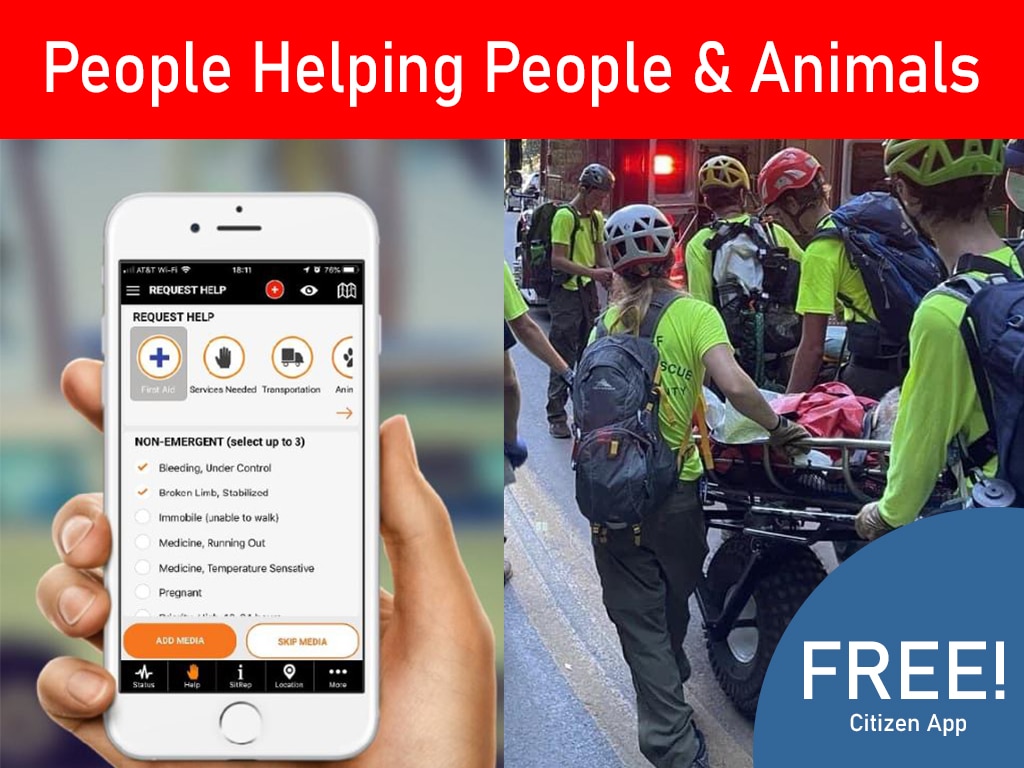
When a call comes in, the clock starts ticking. In those critical first moments, how quickly your team organizes can make all the difference. Trying to coordinate with a jumble of radio channels, text messages, and paper maps just leads to confusion and lost time. You need a single source of truth that cuts through the noise, giving you a clear, real-time view of the entire operation. This is where modern search and rescue dispatch software becomes your most valuable asset. It transforms a chaotic response into a coordinated effort, ensuring your people and resources are deployed effectively to save lives.
Key Takeaways
- Unify your operations with a central command platform: The right software acts as a single source of truth, connecting your team and resources in real time. This clarity helps you make smarter decisions and coordinate a more effective response.
- Focus on features that support your team in the field: Prioritize essential tools like live GPS tracking for safety, mobile access for on-the-go updates, and simple resource management. These functions directly impact your team’s ability to operate safely and efficiently.
- A successful rollout requires more than just technology: Choosing the right software is only the first step. A smooth transition depends on getting your team involved early, providing thorough training, and ensuring the new system fits your budget and existing workflows.
What Is Search and Rescue Dispatch Software?
Search and rescue (SAR) dispatch software is the command center for your entire operation. Think of it as the digital hub that connects your team, tracks your resources, and maps out your response when every second is critical. Instead of relying on scattered radio calls, paper maps, and whiteboards, these platforms bring everything into one place. They are designed to cut through the chaos of an emergency, helping you make smarter, faster decisions. This technology streamlines the flow of information, ensuring the right people get the right details at the right time, which can make all the difference in a successful mission.
How It Works and Why It’s a Game-Changer
At its core, SAR dispatch software helps you manage people, equipment, and information during an emergency. It provides tools for real-time communication, allowing you to coordinate a response between teams in the field and at the command post. You can see where your personnel are, assign tasks, and share critical updates instantly. This matters because a coordinated response is an effective one. It reduces confusion, prevents duplicated efforts, and ensures resources are sent where they’re needed most. By centralizing operations, from initial incident reporting to final debriefing, the software creates a clear, actionable picture of a complex and evolving situation, ultimately helping you save lives.
Is This Software Right for Your Team?
This technology is a game-changer for a wide range of groups on the front lines. Volunteer SAR teams, CERT teams, NGOs, and public safety agencies all rely on this software to manage their operations. It’s built for teams that need to be mobile and flexible, offering features like GPS tracking and field reporting directly from a smartphone. For many emergency response organizations, especially volunteer-led ones, this software provides professional-grade tools that improve readiness and effectiveness without a massive budget. It empowers everyone, from the incident commander to the volunteer in the field, to work together seamlessly and safely.
Trusted by Leading Organizations
When you’re considering new technology, it helps to know you’re not the first. Search and rescue dispatch software is already a trusted tool for thousands of responders in over 20 countries. Leading organizations rely on these platforms because they solve a fundamental problem: getting different groups to work together smoothly. Software like Smart CAD is built to unify police, fire, and volunteer teams, preventing the confusion and duplicated efforts that can happen in a chaotic scene. By tracking teams and equipment on a live map, this technology makes missions safer and helps leaders coordinate a more effective response. This widespread trust isn’t just about features; it’s proof that these tools deliver on their promise to help you save lives.
Top Search and Rescue Dispatch Software Platforms
Choosing the right software can feel overwhelming, but it really comes down to finding the tool that best fits your team’s specific needs. Whether you’re a government agency, a local CERT team, or a community-based NGO, there’s a solution out there designed to make your operations smoother and more effective. We’ve looked at some of the leading options to help you see what each one brings to the table. From comprehensive community platforms to specialized tools for volunteer teams, here’s a breakdown of the top search and rescue dispatch software to consider.
PubSafe
PubSafe is built on the idea that effective disaster response involves everyone. It’s a comprehensive platform that connects public safety agencies, NGOs, CERT teams, and citizens in real time. This unique approach breaks down communication silos, allowing for seamless coordination during an emergency. With PubSafe, you can manage everything from initial incident reporting to volunteer deployment and damage assessments. It’s designed to create a common operational picture, ensuring all stakeholders are working together with the same information. This makes it an excellent choice for organizations that need to coordinate with a wide range of community partners and volunteers.
Connecting Citizens, NGOs, and Public Safety
What truly sets PubSafe apart is its ability to act as a bridge between the public and official responders. During a crisis, information often gets stuck in silos, but PubSafe creates a single, shared space where everyone can connect. A citizen can report an incident directly from their phone, and that information instantly appears for registered NGOs and public safety teams. This streamlines the flow of information, ensuring the right people get the right details at the right time. It empowers everyone, from a concerned resident to a field volunteer, to contribute to a coordinated and effective response, turning a fragmented effort into a unified mission.
D4H
D4H is all about readiness. This software helps search and rescue teams prepare for emergencies by managing equipment, personnel, and communications in one place. It’s designed to be straightforward and easy to adopt, fitting into your team’s existing workflow without causing disruption. D4H supports both daily administrative tasks and real-time incident management, giving your team the confidence to make quick, informed decisions when it matters most. If your focus is on maintaining operational readiness and streamlining internal processes, D4H offers a robust set of tools to help you stay prepared for any situation.
Resgrid
Built specifically for first responders, Resgrid is an open-source computer-aided dispatch (CAD) system that’s especially popular with volunteer organizations. It helps fire, EMS, search and rescue, and CERT teams manage their operations effectively. One of its biggest draws is that you can get started for free, making it an accessible option for teams with limited budgets. The platform is easy to set up, allowing you to sign up and get going in just a few minutes without worrying about contracts or hidden fees. It’s a practical, no-fuss solution for teams that need reliable dispatch capabilities.
Open-Source Flexibility and Community Development
One of Resgrid’s most defining features is its open-source foundation. This means its underlying code is publicly available, giving your team a high degree of control and transparency. If you have the technical know-how, you can host the software on your own servers, tailoring it to your specific security and operational needs. For teams that prefer a simpler setup, Resgrid also offers a hosted version that’s ready to go. This flexibility makes it a powerful choice, especially for organizations that want to adapt their tools over time. The community-driven development also ensures the platform evolves based on the real-world feedback of first responders.
Beyond Dispatch: Personnel and Training Management
Effective emergency response starts long before a call comes in, and Resgrid is designed to support that preparation. The platform goes beyond simple dispatching to offer robust tools for managing your team. You can handle everything from creating work schedules and tracking attendance to logging training hours and certifications. This helps ensure your team is not only available but also properly qualified and ready for deployment. By centralizing these administrative tasks, team leaders can spend less time on paperwork and more time focused on effective volunteer coordination and building team readiness for the next mission.
Modular Design with Specialized Apps
Resgrid takes a “toolbox” approach to its features with a modular design that has been refined for over a decade. The platform is broken down into more than 14 distinct modules, each handling a specific task like dispatch, messaging, or mapping. This allows your team to pick and choose the exact tools you need, creating a customized system without being overwhelmed by unnecessary features. Whether your primary focus is on SAR, fire, or EMS, you can configure the platform to match your workflow. This specialized, adaptable structure is a key reason why so many different types of first responder teams find it to be a practical fit for their operations.
Beacon
Beacon offers a flexible, cloud-based system for emergency services and crisis response groups. It functions as a “do-it-yourself” dispatch solution that alerts, tracks, and coordinates responders using any mobile phone. What makes Beacon stand out is its ability to function even without an internet connection, which is a critical feature for operations in remote or disaster-stricken areas where connectivity is unreliable. This makes it a highly resilient tool for teams that need to maintain communication and coordination no matter the circumstances. Its adaptability is perfect for organizations that need a dependable system in unpredictable environments.
Expanding Response to Community Crises
When multiple agencies and volunteer groups converge on a scene, coordination is everything. The best software platforms create a unified command center where everyone sees the same live map and information. This shared view eliminates confusion and mixed messages, allowing incident command to organize search tasks efficiently. Instead of teams wasting precious time figuring out what to do next, they can focus on the search itself. This approach transforms a fragmented response into a powerful, collaborative effort, ensuring that resources from different organizations, like CERT teams and NGOs, can work together seamlessly to cover more ground and support the primary mission.
Broad Device Compatibility
Your team is mobile, and your software should be too. Look for platforms that work on the devices your responders already carry, like their smartphones. The ability to receive alerts, view maps, and submit reports from any mobile phone is a massive advantage, especially in areas with spotty or non-existent internet service. Some systems can even push notifications without a data connection, ensuring critical information always gets through. This level of accessibility empowers every member of the team, from professional first responders to community volunteers who can use a simple app to participate in the response effort, making coordination truly universal.
Proven Credibility and Media Recognition
When you’re choosing a platform, trust is non-negotiable. Look for software with a proven track record in real-world emergencies. Some systems have been deployed in dozens of countries and are trusted by thousands of responders, a testament to their reliability and effectiveness under pressure. Recognition from credible sources and extensive field use are strong indicators that a platform is more than just a good idea—it’s a life-saving tool that has been tested and validated. When your team’s safety and the success of your mission are on the line, you want the confidence that comes from using a system that has already proven its worth.
Rapid Deployment and Setup
In an emergency, you don’t have time for a lengthy setup process. The ideal search and rescue software is one you can deploy quickly, often in under an hour. For volunteer teams and organizations that need to be agile, a system that allows you to sign up and get started in minutes is a huge benefit. Complicated installations and long-term contracts can be major barriers, so look for platforms that offer straightforward, no-fuss onboarding. The goal is to get your team trained and operational as fast as possible, so you can focus on the response, not on wrestling with new technology.
Other Notable SAR Software Options
While the platforms above are excellent starting points, the field has other strong contenders worth a look. Mission Manager, for example, is a popular incident management tool used by SAR teams, offering features for team check-ins, mapping, and reporting. Another powerful option is SARTrack, a free program designed for tracking search teams and assets in real time. These tools, along with others you might find, often specialize in certain areas of incident command. Taking the time to explore these alternatives can help you find a solution with the specific feature set your team needs to operate at its best during a critical incident.
GINA Smart CAD
GINA Smart CAD is built to get different teams on the same page during a response. It’s a specialized tool that helps police, fire, and volunteer SAR groups coordinate their efforts by giving everyone a single, live view of the mission. Imagine all your teams seeing the same real-time map and information—it cuts through the noise and reduces confusion. The software lets you track your people and equipment live, which is a huge plus for safety and helps leaders make smart calls on the fly. It also logs everything that happens, creating a detailed timeline that’s perfect for learning from each mission and improving how you respond next time.
Key Features Your Search and Rescue Dispatch Software Needs
When evaluating dispatch software, it’s easy to get lost in a long list of features. To simplify your search, focus on the core functions that directly impact your team’s effectiveness and safety. Here are the must-haves for any modern response platform.
Keep Your Team Connected in Real Time
Clear communication is the backbone of any operation. Your software must provide a single source of truth, connecting dispatchers, field teams, and leadership in real time. Look for features like secure messaging and status updates that eliminate confusion and ensure everyone is on the same page. This level of emergency coordination allows teams to share critical information instantly for a faster, more organized response. When everyone has access to the same updates, you reduce radio chatter and can make smarter decisions under pressure. This unified channel ensures that vital details aren’t lost in translation, keeping your team and the community safer.
Track Responders and Incidents with Live Maps
Situational awareness is everything. The best software uses live GPS to show you where your people and assets are on a dynamic map that also plots incident locations and hazards. Having a clear operational picture on a public map improves strategic decision-making and drastically increases responder safety by tracking their locations in potentially dangerous environments. This visibility is non-negotiable for effective command and control. You can see where help is needed most, identify the safest routes for your teams, and adjust your strategy as the situation evolves. It’s about having the most current information at your fingertips to direct your teams with confidence.
Dynamic Mapping and Safety Zones
A live map is powerful, but a dynamic map is a strategic tool. It lets you go beyond just tracking locations. You can draw boundaries directly on the map to define safe zones, highlight hazardous areas, or outline specific search grids for your teams. This visual clarity is crucial for effective team management. Some systems can even send automatic alerts if a team member strays into a designated danger zone, adding a critical layer of safety. This capability transforms the map from a simple display into an interactive command board, helping you direct your resources precisely and keep your people out of harm’s way.
Simplified Team and Resource Management
An effective response means getting the right people and equipment to the right place. Your software needs robust tools for team management. This includes seeing who is available, checking their qualifications, and assigning them to tasks or teams with a few clicks. Instead of relying on outdated spreadsheets or frantic phone calls, you can quickly assemble the ideal response unit for any situation. This is crucial for efficiently deploying personnel and managing resources without guesswork. It ensures that a volunteer with medical training is sent to a first-aid station, not a debris-clearing crew, maximizing the impact of every team member.
Mobile Access for Teams in the Field
Operations happen in the field, not in an office. Your team needs full platform access from their mobile devices. A dedicated mobile app is essential, allowing responders to receive assignments, view maps, and communicate with dispatch directly from their phones. This untethers your team from their vehicles and gives them the critical information and tools they need right where the action is. With a powerful app, every team member becomes a more informed and effective part of the operation. They can report observations, update their status, and adapt to changing conditions on the ground without delay.
Turn Mission Data into Actionable Insights
The mission isn’t over when everyone is safe. Good software makes it easy to capture data and generate reports for after-action reviews and future planning. Detailed analytics also help with tracking volunteer hours and justifying budgets to stakeholders. The ability to easily report an incident is the first step in building this valuable data set. By turning operational data into actionable insights, your organization can learn from every deployment. You can identify what went well, pinpoint areas for improvement, and refine your strategies, ensuring you’re even better prepared for the next call.
Advanced Safety and Reconnaissance Tools
The best dispatch software does more than just track your team; it helps you see what’s ahead. Advanced platforms integrate tools that provide critical intelligence before you put boots on the ground, fundamentally changing how you approach responder safety. This means getting a clear operational picture by layering in data from various sources, like weather feeds, traffic cameras, and even aerial reconnaissance. By assessing risks from the command center, you can make more strategic decisions about where and when to deploy your teams. This proactive approach to safety is essential for modern volunteer coordination, ensuring that every person sent into the field is as prepared and protected as possible.
Using Drones for Responder Safety
Drones are one of the most powerful reconnaissance tools in your arsenal. Instead of sending a team member into an unstable structure or across a hazardous flood zone, you can send a drone first. This simple step keeps your responders out of harm’s way while providing invaluable, real-time information. The video feed from a drone can be streamed directly into your dispatch software, giving the entire team a bird’s-eye view of the incident area. This allows you to spot hidden dangers, locate survivors, and plan the safest entry and exit routes for your ground crews. It’s a perfect example of how technology can be used to minimize risk and maximize effectiveness during a critical response.
How to Choose the Right SAR Dispatch Software
Choosing the right dispatch software is a big step that can reshape your entire operation. Before you commit, it’s wise to look past the feature list and think about how a new platform will actually fit into your organization. Considering factors like your budget, the implementation process, and how it connects with your existing tools will help you find a solution that truly supports your team and mission for the long haul.
Does It Fit Your Team’s Budget?
Cost is always a key consideration, especially for volunteer teams and non-profits. Look for platforms with transparent pricing so you aren’t surprised by hidden fees. Some services offer flexible, no-commitment plans, which are perfect for organizations with fluctuating budgets. While some enterprise-level systems come with a hefty price tag, many powerful tools are surprisingly affordable. PubSafe, for example, is built on a community-focused model, allowing you to register your organization and access essential features without a major financial investment. Find a partner whose pricing model aligns with your operational needs.
What to Expect During Setup
How quickly can you get a new system up and running? A lengthy and complicated setup can drain your team’s time and resources before you even handle your first incident. Some platforms are designed for rapid deployment, allowing you to get started in minutes with just a simple sign-up process. Others might require more technical expertise or dedicated IT support. Before you decide, get a clear picture of the onboarding process. Explore the platform’s documentation or tutorials to see how it works from day one. A smooth setup means your team can start using the tool to save lives sooner.
How to Get Your Team On Board
The most advanced software in the world is useless if your team finds it confusing or difficult to use. Resistance to new technology is a common hurdle, so prioritize platforms with an intuitive, user-friendly interface. The goal is to find a tool that fits into your team’s existing workflow, not one that forces them to completely change how they operate. Involving your team in the selection process can also make a huge difference. When people feel they have a say, they are more likely to embrace the new system. Look for software designed for effective team management to ensure everyone can collaborate seamlessly.
Integration with Your Existing Systems
Your dispatch software doesn’t operate in a vacuum. It needs to communicate with the other tools you rely on, from GIS and mapping software to records management systems. When platforms can’t connect, you end up with data silos that create confusion and slow down response times. Check if a potential software offers integrations with your existing systems or provides an API for custom connections. A well-integrated disaster response platform acts as a central hub, pulling all your critical information into one place. This ensures your team has a complete and accurate picture of the situation at all times.
Primary vs. Supplemental Dispatch Capabilities
It’s important to understand the difference between primary and supplemental dispatch systems. Primary dispatch is your official 911 or Computer-Aided Dispatch (CAD) system—the system of record for formal emergency services. Supplemental dispatch tools, however, are designed to work alongside these official systems. They fill critical gaps, especially when an incident involves multiple agencies, volunteers, or community members who aren’t part of the formal dispatch network. A platform like PubSafe excels here. It doesn’t replace your CAD but enhances it by creating a unified space for volunteer coordination, citizen reports, and NGO collaboration, allowing everyone to work from a shared, real-time picture.
Common Implementation Challenges (and How to Solve Them)
Switching to a new dispatch software is a big step, and let’s be honest, it can feel a little daunting. Even with the best technology, the transition period comes with its own set of challenges. The good news is that with a bit of foresight and planning, you can clear these hurdles smoothly. Think of it less as a series of problems and more as a checklist for a successful launch. By anticipating these common bumps in the road, you can create a clear path for your team to embrace a tool that will ultimately make your operations stronger and more effective.
How to Handle Team Pushback
It’s human nature to stick with what’s familiar. So, if your team is hesitant to adopt a new system, it’s not surprising. They’ve developed workflows they’re comfortable with, and the idea of starting over can be intimidating. The key to getting everyone on board is to involve them from the very beginning. Don’t let the new software be a top-down directive.
Instead, bring your team into the conversation early. Explain the “why” behind the change, focusing on how it will make their jobs easier and their efforts more impactful. Showcase features that solve their biggest pain points, whether it’s simplifying volunteer coordination or providing clearer real-time information. When your team sees the software as a tool that supports them, they’ll be more excited to learn and use it.
Tips for a Smooth Data Migration
Getting your new software to talk to your existing systems can feel like a puzzle. You have valuable historical data, and you need to ensure it moves over correctly without disrupting your operations. A messy data migration can lead to inaccurate information, which is the last thing you want during an emergency.
Start by auditing your current systems and data. What absolutely needs to be migrated, and what can be archived? Work with your new software provider to create a clear migration plan. Before you go live, run tests to ensure everything integrates seamlessly. A well-designed disaster response platform is built for this kind of integration, connecting different data sources to give you a single, unified view of the situation. A little planning here goes a long way in preventing major headaches later.
Setting Your Team Up for Success with Training
You could have the most powerful software in the world, but it’s not much use if your team doesn’t know how to use it. Concerns about training are completely valid, and addressing them head-on is crucial for a successful rollout. A single, rushed training session just won’t cut it.
Develop a comprehensive training plan that caters to different learning styles. This could include hands-on workshops, self-paced video tutorials, and easy-to-read user guides. Identify a few tech-savvy team members who can act as internal “champions” to help their colleagues. Also, make sure everyone knows where to turn for help after the initial training. Whether it’s a dedicated support line or a knowledge base, having ongoing support is essential for building confidence and ensuring the software is used to its full potential.
How to Measure Success After Launch
Your work isn’t finished once the software is up and running. The first few weeks and months are a critical time to monitor how things are going and make sure the system is meeting your operational needs. This is your chance to fine-tune the setup and prove the value of your investment.
Before you even launch, define what success looks like. What metrics will you track? This could be anything from faster response times to more efficient resource allocation. Use the software’s reporting and analytics tools to keep an eye on these key performance indicators. Most importantly, keep the lines of communication open with your team. Gather their feedback regularly to understand what’s working and what isn’t. This continuous loop of feedback and adjustment will ensure the software evolves with your needs.
Related Articles
- Enhance Avalanche Rescue With PubSafe Mobile App
- Government & NGO Citizen Safety & Communication Ecosystem
- PubSafe: Public Safety App & Portal
- Flood Emergency Response And Preparedness
- Disaster Response Platform | Community‑Driven Emergency Coordination | PubSafe
Frequently Asked Questions
Is this kind of software affordable for a small volunteer team? Absolutely. Many modern dispatch platforms are designed with volunteer organizations and non-profits in mind. You can find powerful systems that offer free plans or flexible, no-contract pricing. The goal is to find a tool that provides professional-grade capabilities without requiring a huge budget. Look for options that let you start small and scale as your organization grows, ensuring you only pay for what you actually need.
What’s the best way to get my team comfortable with a new system? The key is to involve your team from the start and focus on the benefits that matter to them. Instead of just announcing a change, demonstrate how the new software solves their biggest frustrations, like reducing radio chatter or making it easier to see who is available. Plan for hands-on training sessions and identify a few enthusiastic team members who can help support their peers. A smooth transition happens when everyone sees the new tool as a way to make their difficult job a little bit easier and safer.
If I can only focus on one feature, what should it be? While many features are valuable, a unified communication and mapping tool is the most critical. You need a single platform where you can see your team’s location in real time, share critical updates, and assign tasks. This creates a common operational picture that keeps everyone informed and safe. This core function cuts through the chaos of an emergency and allows you to make faster, more strategic decisions when it counts.
Will this software still work if we lose internet connection in the field? This is a crucial question, and the answer depends on the platform. Some systems are built specifically to function in low-connectivity environments. They might allow you to download maps for offline use or use a device’s built-in GPS to continue tracking even without a data signal. When evaluating options, make sure to ask about offline capabilities, as this can be a make-or-break feature for teams operating in remote or disaster-affected areas.
How is a dedicated platform better than just using group texts and map apps? While group chats and consumer map apps are familiar, they create information silos and can become chaotic during an actual response. A dedicated dispatch platform brings everything into one secure, organized space. It provides a single source of truth, logs all communications for after-action reviews, and gives incident command a clear view of the entire operation. This centralized approach ensures critical information doesn’t get lost and helps you manage personnel and resources far more effectively than a patchwork of separate apps.