A resident reports that floodwater has made her home unsafe. Another household needs medication delivered. A volunteer team has identified a blocked access route, while a local nonprofit has available cleaning supplies. None of these reports are isolated tasks. Disaster recovery case management is the operational discipline that connects each need to the right action, owner, resource, and documented outcome.
For emergency managers, NGOs, CERT programs, and community leaders, the challenge is rarely a lack of goodwill. It is the loss of structure when requests arrive through phone calls, paper forms, email, social media, field notes, and multiple partner agencies at once. A recovery program needs a process that protects people’s information while giving leaders a current, defensible view of what has been requested, assigned, completed, and still unresolved.
What disaster recovery case management must accomplish
Case management in disaster recovery is more than recording a name and a need. It is a controlled workflow for assisting individuals, households, businesses, and sometimes animals through recovery-related services. Each case should create a clear history: how the request entered the system, what conditions were reported, which eligibility or safety checks occurred, what support was offered, who performed the work, and whether the need was actually resolved.
That history matters for practical and human reasons. Survivors should not have to repeat a traumatic situation every time a new volunteer or partner agency becomes involved. Coordinators need to avoid sending three teams to one address while another household receives no response. Leadership needs reliable data to allocate limited funds, personnel, and donated supplies. After the incident, the organization may need records for reimbursement, grant reporting, audits, partner coordination, or after-action review.
The right workflow also recognizes that not every request is a case. A downed tree reported by a resident may become a public works work order. A welfare concern may require a law enforcement or social services referral. A request for debris removal may involve volunteer coordination, property permissions, damage documentation, and a scheduled field mission. Categorizing the report correctly at intake keeps the response organized from the start.
Start with intake that captures action-ready information
Recovery coordination breaks down when intake forms ask too little, or when they collect every possible detail before anyone can assess an urgent need. The goal is to capture enough information for triage, location verification, safe follow-up, and appropriate routing.
A strong intake process records contact details, the affected location, the type and severity of the need, immediate life-safety concerns, household considerations, and the source of the report. It should also capture consent and privacy acknowledgments appropriate to the organization’s policies. If a report comes from a neighbor, volunteer, or citizen app user rather than the person needing assistance, staff should be able to identify that distinction and verify the request before dispatching resources.
Location data deserves special attention. An address alone may not be enough after a tornado, wildfire, flood, or severe storm. Field teams benefit from map-based context, notes about access restrictions, nearby hazards, and the ability to attach photos when policy permits. A live operational map can help coordinators see where needs are concentrated, where teams are working, and which areas remain difficult to reach.
Intake should never become an unprotected collection point for sensitive information. Recovery cases often contain personal contact information, health-related circumstances, financial hardship, housing status, and details about damaged property. Access must be role-based. Volunteers may need to see work instructions and safe contact methods, while case leads need a fuller record and command staff need aggregated operational visibility.
Triage by urgency, not by who called first
A first-come, first-served queue may feel fair, but it can create avoidable harm after a disaster. Triage should account for immediate danger, medical or access-and-functional needs, unsafe living conditions, time-sensitive medication or transportation issues, weather exposure, and the availability of alternative support.
This does not mean every case needs a complex scoring model. Small organizations may use a few clearly defined priority levels, while larger multi-agency operations may need more detailed routing rules. What matters is that staff can explain why a case was prioritized, reassess it as conditions change, and document the decision.
Build one case record across teams and missions
Recovery rarely belongs to a single organization. A municipal emergency management office may receive the report, a nonprofit may conduct an initial assessment, a volunteer group may complete debris removal, and a social service partner may provide longer-term assistance. When each group keeps separate records, survivors carry the burden of coordination.
A shared case record creates continuity without requiring everyone to have unrestricted access to everything. It should show the current status, assigned owner, open tasks, appointments, contacts, referrals, notes, attached documentation, and work completed. Status labels need to be meaningful. “Open” and “closed” alone are usually not enough. Teams often need stages such as received, under review, awaiting contact, assessment scheduled, assigned, work in progress, referred, pending verification, and resolved.
Assignments should identify both the responsible organization and a specific person or team. A case with no owner is not waiting – it is at risk of being lost. Likewise, a case that has been assigned but not accepted or updated should trigger follow-up. Automated reminders can help, but they do not replace supervisory review during high-volume operations.
The distinction between a case and a work order is especially useful. A household may have one recovery case with several needs: tarp installation, debris removal, food assistance, and a referral for housing support. Each field task can become a separate work order with its own team, safety instructions, schedule, and completion evidence. The case manager retains the full household picture while field supervisors receive only the operational details they need.
Turn field activity into verified outcomes
Dispatching a team is not the same as resolving a need. A crew may arrive and find that the address is inaccessible, the resident is not present, the scope exceeds the team’s capacity, or a safety condition requires another agency. Case management must make those outcomes easy to record rather than burying them in text messages or informal notes.
Field teams should be able to report status changes, document completed work, flag hazards, request additional resources, and upload authorized photos or forms from the field. Coordinators should see these updates quickly enough to redirect resources when conditions change. If a team cannot complete a task, the system should preserve why: no access, duplicate request, unsafe conditions, homeowner declined service, insufficient equipment, or referral required.
Verification closes the accountability loop. Depending on the service, verification may involve a resident confirmation, supervisor review, photo documentation, signed waiver, or follow-up contact. It depends on the risk level and the organization’s policy. Removing storm debris may require one form of verification; connecting a survivor with long-term housing assistance may require another.
Measure workload without reducing people to numbers
Dashboards are useful when they answer operational questions. How many high-priority cases remain unassigned? Which neighborhoods have the longest wait times? Which service categories are increasing? How many work orders were completed today, and how many were returned for safety or access issues?
The most valuable metrics connect volume to action. Track intake sources to understand whether residents can reach you. Track assignment and completion times to identify bottlenecks. Track referrals and outcomes to learn where partner capacity is limited. Track volunteer credentials and training so teams are placed only in missions they are qualified to perform.
Numbers require context. A low closure count may indicate poor performance, but it may also reflect a shift from simple cleanup requests to complex housing cases. A high number of completed work orders may look positive while masking unresolved household needs. Leadership should review quantitative data alongside case notes, field reports, and community feedback.
Prepare the workflow before the next incident
The worst time to design recovery intake, permissions, and handoffs is during the first operational period. Agencies and community organizations should configure their categories, priority rules, roles, forms, referral partners, and reporting requirements before gray-sky conditions arrive. Training should include realistic scenarios, not just a tour of software fields.
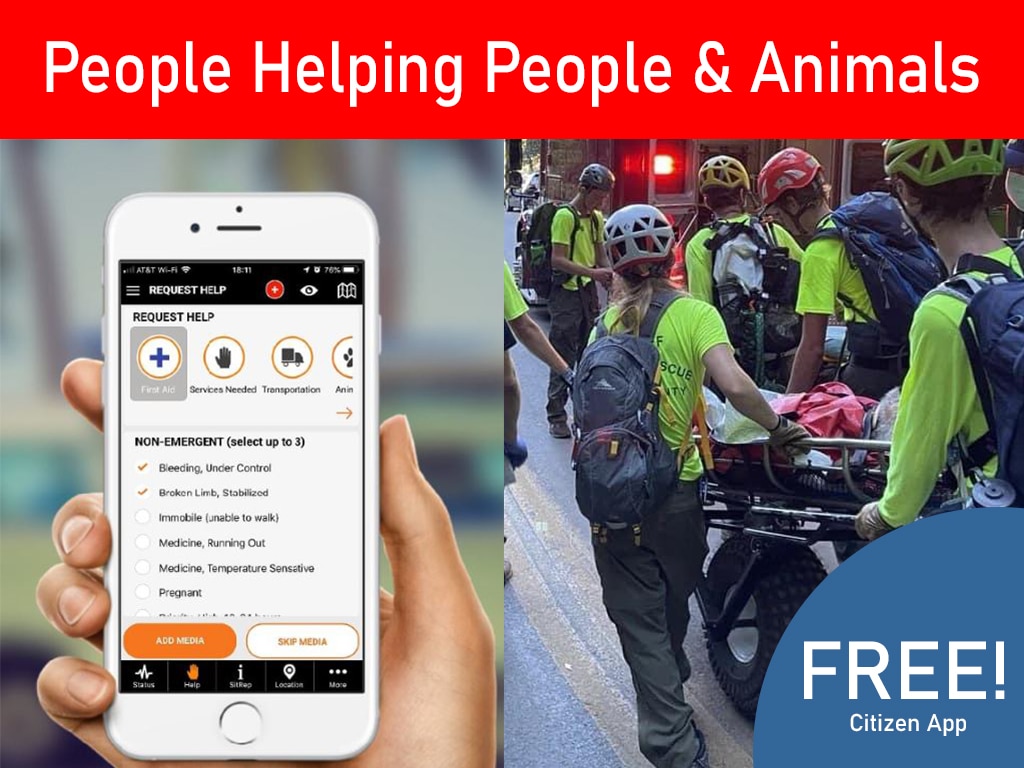
PubSafe supports this readiness model by bringing help requests, contacts, volunteers, qualifications, work orders, dispatch activity, community reporting, alerts, and live mapping into one operational environment. The free citizen app also gives residents a direct way to report conditions and assistance needs, turning local observations into organized response intelligence.
Technology does not replace judgment, trust, or local relationships. It gives those strengths a structure that can withstand surge volume and staff changes. The best disaster recovery case management process is one that lets a frightened resident make a request once, lets the right team act safely, and lets the community see that help moved from promise to outcome.