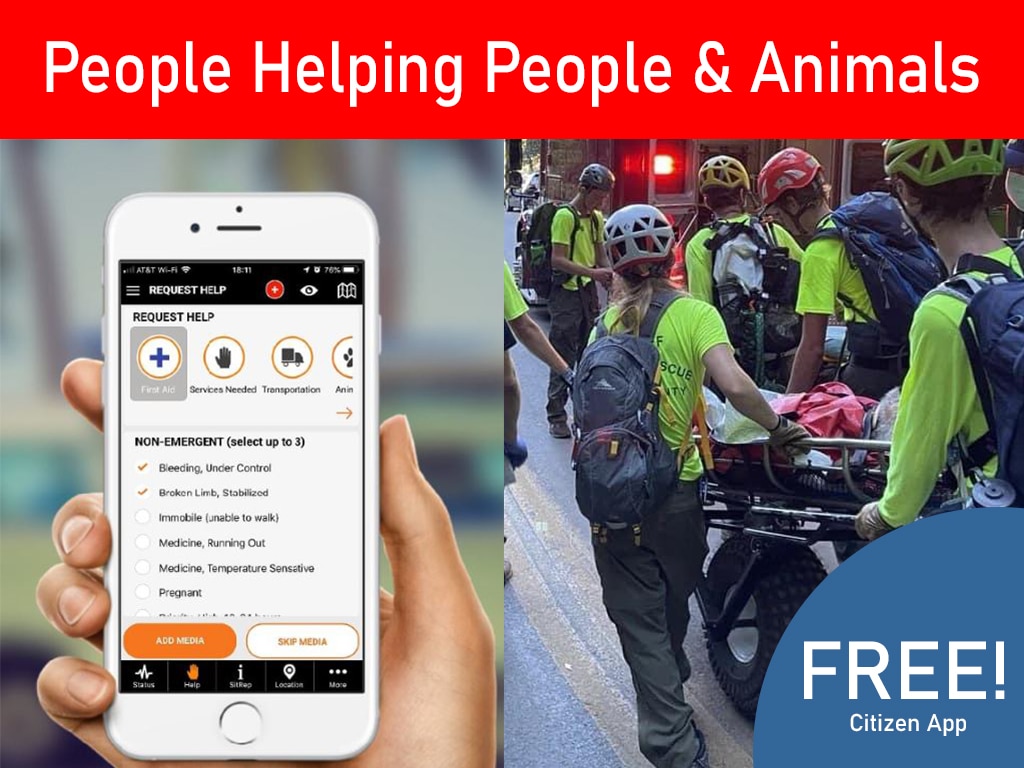
A wildfire evacuation, tornado outbreak, or major flood can bring hundreds of people to a shelter, staging area, or local aid site within hours. They arrive ready to help, often with useful skills, equipment, and local knowledge. But without a structured process, managing spontaneous disaster volunteers can quickly create safety, accountability, and coordination problems for an already stretched response team.
The goal is not to turn willing community members away. It is to turn their willingness into safe, supervised work that supports the incident objectives. When agencies can collect information, verify readiness, assign appropriate missions, and maintain real-time visibility, spontaneous volunteers become a meaningful part of community resilience.
Why spontaneous volunteers require a different workflow
Affiliated volunteers usually arrive through an established organization. Their training records, leadership structure, certifications, insurance arrangements, and deployment procedures may already be known. Spontaneous unaffiliated volunteers, sometimes called SUVs, arrive outside those systems.
That difference matters. A person offering to clear debris may have chainsaw experience, or they may not. Someone offering a pickup truck may be an ideal match for supply delivery, but only after the destination, load, route, and point of contact are confirmed. Even low-risk tasks can create problems when volunteers duplicate work, enter restricted areas, share unverified information, or leave without checking out.
The operational challenge is to create a pathway that is fast enough for a disaster environment and structured enough to protect volunteers, residents, and responders. The right process will vary by incident. A neighborhood food-distribution mission needs a different level of screening and supervision than animal shelter support, damage assessment, or debris operations.
Start with a clear public message
People will volunteer whether or not an agency has asked them to. The first opportunity to manage demand is public communication. State where volunteers should report, what information they should bring, and which tasks are not open to self-deployment.
Be direct about unsafe behavior. Tell residents not to enter closed roads, damaged structures, active fire zones, flooded areas, or utility work sites. Ask them to avoid bringing donated goods to a response location unless they have been requested. These messages protect the public while reducing the burden on field personnel.
At the same time, give people a constructive option. A simple public message can direct volunteers to a registration location, a scheduled orientation, or a digital intake form. It can also ask residents to report hazards, unmet needs, and local conditions through a trusted community channel rather than posting incomplete information across social media.
Build an intake process that works under pressure
Volunteer intake should capture enough information to make safe assignments without creating a bottleneck. Paper forms may be necessary when connectivity is limited, but disconnected forms create delays and make it hard to know who is currently assigned, available, or checked out.
A digital intake workflow gives coordinators one operational record for each volunteer. At a minimum, capture identity and contact information, emergency contact details, availability, relevant skills, certifications, equipment, accessibility needs, language capability, and any restrictions that affect assignment. For specialized work, record credential details and expiration dates rather than relying on a verbal claim.
The intake conversation is also the right time to set expectations. Volunteers should understand who they report to, how they receive assignments, where they can and cannot go, what protective equipment is required, and how they will check in and out. A short orientation does not replace formal training, but it can prevent common failures in the first operational period.
Match screening to the mission
Not every volunteer needs the same level of review. Sorting donated clothing at a community collection point is different from transporting survivors, working near damaged infrastructure, handling personal data, or supporting a shelter with children and vulnerable adults.
Use a tiered approach. Low-risk, supervised tasks can move quickly through intake. Higher-risk assignments should require appropriate credentials, background checks where required, specialized safety briefings, or direct supervision by qualified personnel. This approach keeps the process practical while respecting legal, safety, and policy obligations.
Assign work through defined missions, not informal requests
The fastest way to lose accountability is to let volunteers leave the intake table with a vague instruction to “go help.” Each assignment should be tied to a defined mission with a location, supervisor, start time, expected duration, required equipment, safety conditions, and check-out process.
Mission-based assignments also improve situational awareness. If a field supervisor needs 12 people to staff a point of distribution, the coordination team should be able to see who was assigned, who arrived, who is delayed, and whether the mission still needs support. If conditions change, coordinators need a reliable way to reach those volunteers immediately.
For most incidents, spontaneous volunteers are best used in roles that are valuable but appropriately bounded. Examples include supply sorting, call-center support, donation management, welfare-check coordination, meal distribution, animal support under supervision, sandbag operations, and community information assistance. Technical rescue, hazardous debris removal, medical care, and utility work should remain with qualified personnel unless volunteers have been verified and assigned through the responsible authority.
Give every volunteer a supervisor and a stop point
A volunteer should never have to decide alone whether conditions are safe enough to continue. Every team needs a named supervisor, a communications method, and a clear authority to pause work. Supervisors should know the task limits, worksite hazards, weather conditions, and escalation process.
The assignment also needs an end point. Check-out is not administrative cleanup. It confirms that the volunteer has left the work area, returns borrowed equipment, captures any injury or concern, and updates staffing availability for the next shift. During a fast-moving incident, that information can be as important as the original registration record.
Use one operating picture for people, requests, and field conditions
Volunteer coordination cannot sit apart from the rest of the response. A volunteer coordinator needs to see more than a roster. They need awareness of assistance requests, open work orders, shelter needs, road conditions, weather changes, available resources, and active field missions.
A unified operations platform reduces the handoffs that slow this work. PubSafe can bring volunteer records, certifications, help requests, dispatch activity, operational mapping, alerts, and field updates into one secure cloud-based workspace. That allows coordinators to connect available people to verified needs while command staff maintain visibility across the incident.
Two-way community reporting strengthens that picture. Residents often see blocked access routes, isolated neighbors, damaged fences containing animals, or emerging needs before those conditions reach a command post. Those reports still require verification and prioritization, but they can help coordinators direct volunteer capacity where it will have the greatest effect.
Protect information and preserve trust
Disasters create pressure to share everything quickly. That pressure must be balanced with the responsibility to protect volunteer data and resident information. Personal contact details, health-related needs, shelter locations, survivor information, and incident notes should only be available to personnel who need them for their role.
Set access permissions before the incident whenever possible. Define who can view volunteer records, approve assignments, alter certification data, send alerts, and close missions. Maintain activity records so leadership can answer basic but critical questions later: Who assigned this task? Who was on site? What instructions were provided? When did the team check out?
Trust also depends on honest communication. Do not promise volunteers that every offer can be used immediately. If there is no current task, tell them how they can remain available, complete training, donate through an approved channel, or support recovery later. A respectful “not yet” is better than an unmanaged crowd at an active site.
Plan for the second operational period
The first day of an incident is often about absorbing demand. The days that follow are about sustaining people without creating fatigue, confusion, or preventable risk. Track hours, rotate assignments, identify repeat volunteers with strong performance, and create team leads where appropriate.
As immediate response shifts to recovery, volunteer needs often become more specialized. Damage assessment support, case-management administration, cleanup coordination, donation warehousing, and long-term recovery activities may require new partners and additional screening. Maintaining accurate records from day one makes that transition far easier.
A well-run volunteer operation does more than fill a staffing gap. It gives people a safe, dignified way to help their neighbors when help matters most. Build the intake, assignment, communications, and accountability process before the next incident, and your community will be ready to turn goodwill into organized action.