A flooded road is reported by a resident. A volunteer team is available nearby. Public works has equipment in the area, and dispatch needs to know whether the road is blocking access to a medical facility. If those details live in separate calls, texts, spreadsheets, and mapping tools, the emergency operations center is forced to assemble the picture after the fact.
Emergency operations center integration changes that equation. It connects the information, people, resources, and decisions that shape an incident so leaders can direct work from a current operational picture rather than a collection of disconnected updates.
Why EOC integration is an operational requirement
An EOC does not become effective simply because a room, video conference, or incident command structure exists. Its effectiveness depends on whether the team can receive credible information, assign responsibility, track execution, and communicate outcomes across agencies and communities.
During blue-sky operations, disconnected systems can feel manageable. Staff have time to reconcile volunteer records, update training status, copy requests into spreadsheets, and send reminders through separate communications channels. During a severe weather event, wildfire evacuation, mass-casualty incident, or extended recovery operation, that manual work becomes a source of delay and uncertainty.
Integration should serve the operational cycle: collect reports, assess conditions, assign work, monitor progress, and keep the public informed. The goal is not to place every possible data source on one dashboard. The goal is to ensure that the information necessary for a decision is available, current, protected, and connected to an accountable action.
For emergency managers, this means fewer handoffs between intake and assignment. For dispatch leaders, it means field activity can be viewed alongside requests and resource availability. For volunteer coordinators, it means the right people can be mobilized based on qualifications, location, and mission requirements. For community members, it creates a clear path for reporting what they see and receiving trusted guidance.
What emergency operations center integration should connect
A useful integration strategy starts with workflows, not software categories. Ask what happens when a report arrives, who validates it, which team owns the response, and how leadership confirms that the work is complete. Then identify the systems and data that must travel with that workflow.
Community reports and incident intake
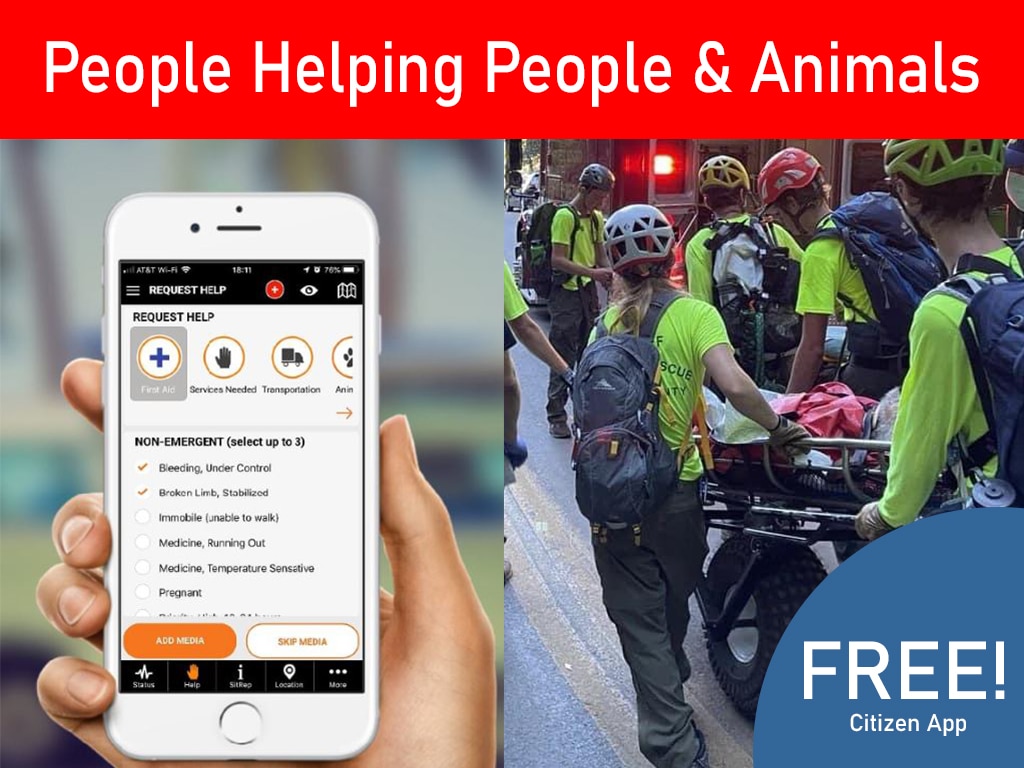
Residents often see changing conditions before an agency can verify them: downed trees, blocked roads, flooded intersections, vulnerable neighbors, animal welfare concerns, or emerging infrastructure damage. A citizen reporting channel can extend the EOC’s field awareness, but only when incoming information is organized for review and action.
Reports should capture the details responders need, such as location, category, description, photos when appropriate, and urgency. They should enter an operational queue where authorized staff can validate, prioritize, assign, and close them. Without that connection, community reporting can create a second inbox instead of stronger situational awareness.
Mapping and field visibility
Maps are central to EOC decision-making because incidents are geographic. Leaders need to see where requests are concentrated, where teams are working, which roads are inaccessible, and whether critical facilities or vulnerable populations may be affected.
Live mapping is most valuable when it reflects operational status, not just pins on a screen. An incident marker should lead to the related request, assigned unit, work order, notes, and updates. A map that is visually impressive but disconnected from action can create false confidence. Conversely, a simple map connected to reliable intake and assignment can materially improve command decisions.
People, qualifications, and resource status
An EOC cannot safely assign a mission based only on who answers a message first. Volunteer and responder records should show current contact information, certifications, training, availability, and organizational affiliation. That supports accountable deployment, particularly when work involves debris operations, shelter support, damage assessment, traffic control, animal response, or welfare checks.
Integration also needs to account for equipment and resources. A request for generator support, sandbags, transportation, or field communications is not complete until the EOC can identify availability, assign responsibility, and record where the resource went. This does not require every organization to replace every existing system. It does require clear ownership of the operational record during an incident.
Dispatch, work orders, and task completion
The point where a request becomes field work is where many organizations lose visibility. An incident may be discussed in an EOC briefing, relayed by radio or phone, and handled in the field, yet never be consistently documented as complete.
Connected dispatch activity and work orders create a traceable chain: report received, triage completed, team assigned, work underway, outcome documented, request closed or escalated. That chain supports shift changes, leadership briefings, mutual aid coordination, reimbursement documentation, and after-action review. It also prevents duplicate deployment when multiple agencies receive reports about the same issue.
Alerts and two-way public communication
Public messaging is part of operations, not a separate public-relations task. A warning, closure notice, shelter update, or volunteer direction needs to align with what the EOC knows and what field teams are doing.
One-way alerts are necessary, but they are only half the communication loop. Communities are more resilient when residents can report conditions and assistance needs through a trusted channel, while agencies can issue verified instructions and status updates. The right balance depends on the incident. During a fast-moving event, intake may need stricter triage. During recovery, the system may need to accommodate a higher volume of detailed assistance requests.
Build the integration around authority and security
Emergency data is not all the same. Some information can be shared broadly, such as road closures or distribution sites. Other information may involve personal contact details, medical or welfare concerns, sensitive facility locations, or operational tactics. Integration must preserve role-based access and clear information-handling rules.
This is especially important when multiple agencies, nonprofit partners, volunteers, and contractors work from the same operational picture. Each group needs enough information to perform its role, but not unrestricted access to every record. A well-designed cloud platform supports secure access from the EOC, a mobile device, or a remote coordination site without relying on uncontrolled email chains and shared files.
Authority also matters. Integration should make it clear who can create, approve, assign, edit, and close records. If everyone can change the status of a critical request, leaders cannot trust the display. If only one person can update it, the process may fail during shift changes. The practical answer is defined permissions tied to real incident roles.
Avoid the common integration traps
The most frequent mistake is trying to connect everything at once. An EOC can become overloaded with dashboards, feeds, forms, and notifications that compete for attention. Start with the workflows that repeatedly create friction: community intake, task assignment, volunteer mobilization, field updates, or public alerts.
Another trap is treating integration as a technology project owned only by IT. Technical support is essential, but operational leaders must define what information is needed, when it is needed, and what action follows. A system that moves data quickly but does not support the incident workflow will not improve response.
Finally, do not wait for a declared emergency to test the process. Use planned events, exercises, volunteer deployments, training sessions, and routine public works coordination to practice intake, assignment, mapping, and communication. Blue-sky use builds the habits and data quality that gray-sky operations depend on.
A practical path to stronger coordination
Begin by documenting one high-value scenario, such as a severe storm that produces road hazards, assistance requests, and volunteer needs. Follow the information from the first resident report through validation, dispatch, field work, public notification, and closure. Where staff re-enter information, chase updates, or rely on memory, there is an integration opportunity.
Then establish a shared operational record that can bring those steps together. PubSafe supports this model by connecting citizen reports, volunteers, certifications, help requests, work orders, dispatch activity, alerts, and live mapping in one purpose-built environment for community disaster operations.
The measure of success is not how many systems are connected. It is whether a coordinator can answer the questions that matter under pressure: What is happening, where is it happening, who owns the next action, what resources are available, and what does the community need to know?
When those answers are current and accountable, the EOC can spend less time reconciling information and more time protecting people, supporting responders, and helping the community move forward.