When a storm, wildfire, flood, or extended power outage hits, a request for help is rarely just a message. It may signal an isolated senior without oxygen, a family stranded by rising water, a blocked roadway preventing access to a neighborhood, or animals that need evacuation. Routing community assistance requests is the operational discipline that turns those reports into verified, prioritized, assigned work without losing the human urgency behind each one.
For emergency managers, dispatch leaders, CERT teams, NGOs, and volunteer coordinators, the challenge is not simply collecting requests. The challenge is determining what is happening, who is responsible, what resources are available, and whether the request has been resolved. A structured routing process creates that answer in real time.
Why Community Requests Need a Defined Route
During blue-sky operations, assistance requests may arrive at a manageable pace through phone calls, email, social media, walk-ins, and partner organizations. During gray-sky operations, that same fragmented intake model can become a liability. Duplicate reports multiply, critical details are missed, volunteers receive incomplete assignments, and leadership has no reliable picture of unmet needs.
A defined route gives every report a home. It establishes how a request enters the operation, who reviews it, how it is categorized, when it escalates, and how the outcome is documented. That structure supports faster action, but it also supports accountability after the immediate incident has passed.
Not every request belongs in the same queue. A downed power line, a welfare check, a request for food delivery, and a need for temporary shelter require different authorities, timelines, and safety controls. Routing is the process that separates those needs without separating the people who need help from the teams equipped to provide it.
Build Intake Around Actionable Information
A report is only as useful as the information attached to it. Intake should be easy enough for residents and partner organizations to use under stress, while still gathering the details needed for safe decision-making.
At minimum, each request should capture the location, contact method, type of need, number of people or animals affected, immediate hazards, accessibility considerations, and the time the report was received. Photos, map pins, and brief notes can add useful field context when they are collected and handled securely.
The goal is not to force residents through a long form while they are worried about their safety. It is to collect the few details that allow a coordinator to make a responsible next decision. If details are missing, the system should show that clearly so a dispatcher or call taker can follow up instead of treating an incomplete request as ready for deployment.
Use Common Categories Across Every Intake Channel
Whether a request arrives through a citizen app, a hotline, a partner agency, or a field team, it should enter a common classification structure. Consistent categories prevent the operation from creating separate, competing records for the same type of need.
Useful categories often include welfare checks, medical or mobility support, evacuation assistance, shelter needs, food and water delivery, debris or access issues, utility hazards, animal assistance, and volunteer support. Agencies can adapt these categories to local plans, but they should avoid creating so many options that call takers and residents select them inconsistently.
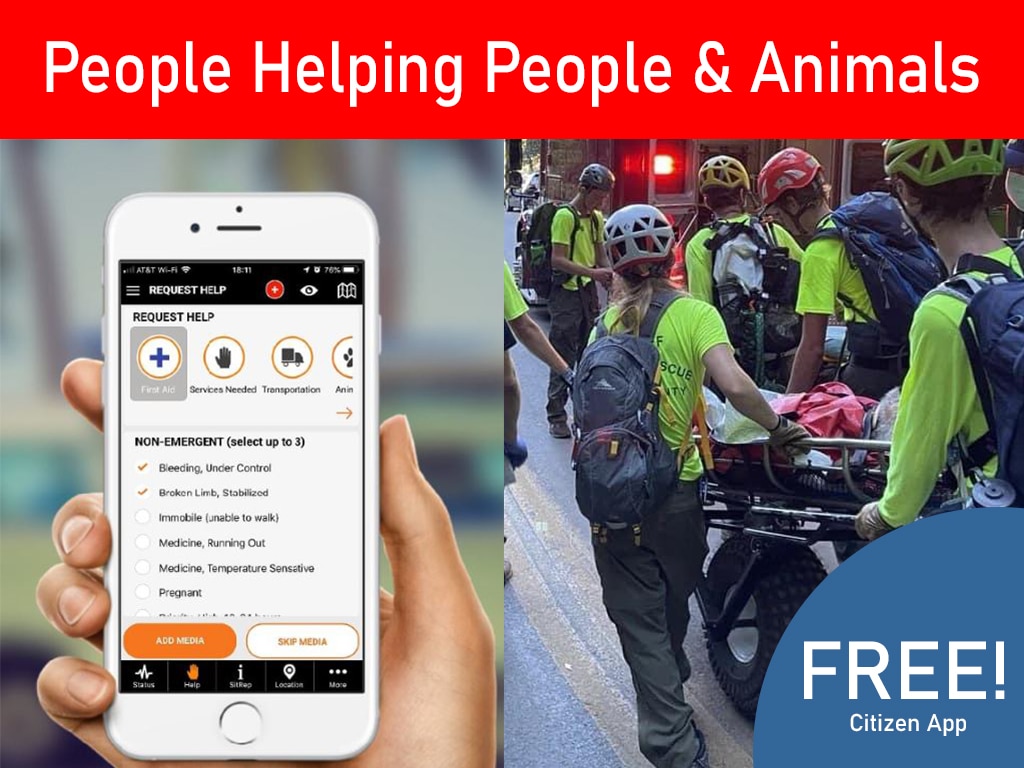
A citizen-facing reporting tool can be especially valuable because it brings local observations directly into the operational picture. Residents see blocked roads, damaged homes, isolated neighbors, and changing conditions before those issues appear on a formal incident log. Their reports are not a substitute for verification, but they are a meaningful source of local intelligence.
Triage Before You Assign
A fast assignment is not always a good assignment. Before a request is sent to a field team or volunteer, it needs a triage decision based on urgency, risk, jurisdiction, and resource requirements.
Life safety comes first. Requests involving immediate danger, medical emergencies, active fire, hazardous conditions, or people who cannot self-evacuate may require immediate escalation to 911, law enforcement, fire, EMS, or the emergency operations center. Community response teams should not be placed in roles that exceed their authority, training, or safety protocols.
Other needs may be urgent without requiring emergency dispatch. A resident without food, a household that needs a wellness check, or a neighborhood cut off by debris may be routed to a voluntary organization, community partner, public works team, or trained volunteer group. The correct path depends on local agreements and current incident objectives.
A practical triage model considers four questions: Is there an immediate threat to life or safety? Is the location within our area of responsibility? What capability is required? What information is still needed before an assignment can be made?
Those questions help coordinators avoid two common failures: sending the wrong resource or leaving a request untouched because no one is certain who owns it.
Routing Community Assistance Requests by Capability
The best routing model is capability-based rather than person-based. If one coordinator is absent or a familiar volunteer is unavailable, the request should still move because the operation knows which team, role, or partner can perform the mission.
For example, welfare checks can route to approved teams with documented training and check-in procedures. Animal assistance can route to animal control, shelter partners, or trained animal response volunteers. Requests involving damaged infrastructure can move to public works or utility liaisons. Needs for supplies may be assigned to a distribution mission rather than handled as one-off deliveries when the scale of the incident increases.
This is where current responder records matter. Before assigning work, coordinators need to know who is available, what certifications they hold, where they are located, whether they have checked in, and what equipment they can safely use. A volunteer roster in a spreadsheet may be adequate for routine events, but it becomes difficult to manage when assignments, status changes, and field conditions are changing by the hour.
A purpose-built operations platform such as PubSafe can connect assistance requests with volunteer records, work orders, dispatch activity, alerts, and live maps in one operational environment. That connection helps teams route work with context instead of copying information across separate tools.
Keep the Request Visible Through Closure
Assignment is not closure. A request remains active until the operation records what happened, whether the need was met, and whether additional support is required.
Field teams should be able to update status from the field: assigned, en route, on scene, unable to locate, referred, completed, or escalated. Notes and photos may document conditions, but sensitive information should be visible only to the people with a legitimate operational need. Secure access controls matter because assistance requests can contain health, location, household, and other private information.
Closure should also account for partial resolution. Delivering water to a household may address an immediate need while leaving transportation, medication access, or housing concerns unresolved. In those cases, the original request can be closed with a documented outcome while a related referral or follow-up task remains open. That distinction keeps the queue honest and prevents unresolved needs from disappearing into a completed column.
Use Mapping to Find Patterns, Not Just Pins
A live map changes how leaders view assistance requests. One report may be a household-level problem. Twenty similar reports in one area may indicate a neighborhood-wide access issue, a communications outage, a failed distribution point, or an emerging public-health concern.
Mapping requests by type, status, and time helps incident command identify clusters and deploy resources before individual reports become a larger operational burden. It also helps teams avoid sending multiple responders to the same location when duplicate reports arrive through different channels.
Still, maps require judgment. A cluster of reports may reflect a heavily engaged neighborhood rather than the area with the greatest unmet need. Coordinators should compare community reporting patterns with field observations, partner intelligence, and known service gaps.
Measure the Workflow After the Incident
Every incident offers an opportunity to strengthen the next response. Review how long it took to acknowledge requests, how many were duplicated, where assignments stalled, which categories required the most follow-up, and which partner handoffs created delays.
Those measures should lead to practical changes: clearer intake questions, updated routing rules, new mutual-aid contacts, additional volunteer training, or better public guidance on when to call 911 versus submitting a non-emergency assistance request. The point is not to judge teams working under pressure. It is to reduce preventable friction before the next activation.
Communities are safer when residents can report what they see and response organizations can act on it with discipline. Give every request a clear path, give every responder a defined mission, and give every resident confidence that asking for help leads to accountable action.