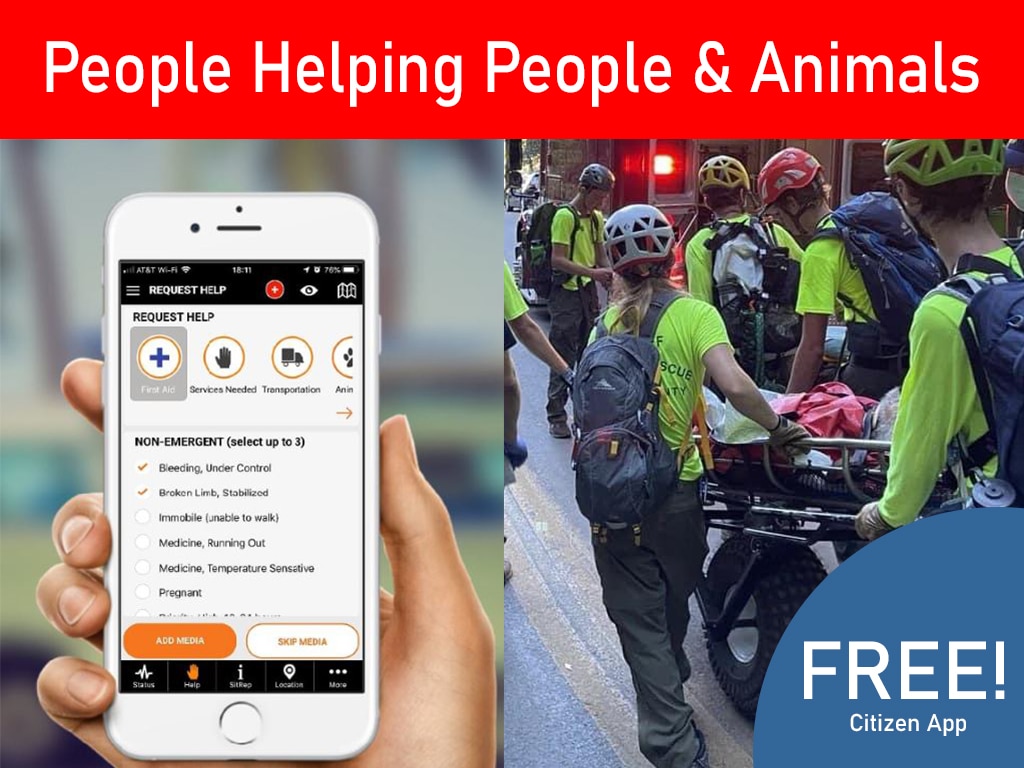
A flooded road, a welfare-check request, a downed power line, and an offer from 40 volunteers can all arrive within minutes of one another. Disaster task prioritization gives incident leaders a disciplined way to decide what happens first, who is assigned, and what information must be verified before resources move. The objective is not to clear the longest task list. It is to protect people, support responders, and stabilize the community with the resources available.
When priorities are unclear, teams often default to the loudest caller, the newest report, or the request with the most persistent advocate. Those instincts are understandable under pressure, but they can leave life-safety needs unseen and create avoidable risk. A shared prioritization process turns incoming reports into accountable, mission-ready work.
Start Disaster Task Prioritization With Life Safety
The first question for every new report is simple: does this involve an immediate threat to life, health, or responder safety? A trapped resident, a medical need without access to care, a gas leak, a fast-moving fire, or a road condition that blocks emergency access requires immediate escalation. These events should not wait in the same queue as routine damage assessments or supply deliveries.
Life safety also includes the safety of the people being sent to help. A task may sound urgent but remain unsafe to assign until leaders confirm hazards, access routes, weather conditions, communications coverage, and the qualifications of the available team. Sending an untrained volunteer into floodwater does not solve a problem. It creates another rescue need.
After immediate life threats, incident leadership should focus on actions that prevent conditions from escalating. Securing an unstable structure, isolating a utility hazard, opening a route to a shelter, and moving medically vulnerable residents from an evacuation area can all have a larger operational effect than a single completed service request. The right order depends on the incident, but the decision standard remains consistent: protect life, reduce imminent harm, and preserve the ability to respond.
Use a Clear Priority Model, Not Gut Feeling
A useful disaster task prioritization model gives dispatch, field supervisors, and partner organizations the same decision language. It does not replace experienced judgment. It makes that judgment visible, repeatable, and easier to communicate across shifts.
For each incoming task, assess four operational factors:
- Threat level: Is there a credible and immediate risk to life, injury, fire, flooding, exposure, or another serious hazard?
- Time sensitivity: Will waiting 30 minutes, two hours, or until the next operational period materially worsen the outcome?
- Community impact: Does the task affect one household, a vulnerable population, critical infrastructure, or access for an entire neighborhood?
- Resource fit: Do you have a qualified team, safe access, required equipment, and authority to complete the assignment now?
A report that scores high in threat and time sensitivity should rise quickly, even if it is incomplete. Dispatch can initiate verification while a supervisor prepares a capable resource. Conversely, a request may have significant community value but still be scheduled for a later operational period when it presents no immediate hazard.
This model also prevents a common mistake: treating every request as equally urgent because every request matters. Every resident deserves a response, but not every task requires the same response time. Acknowledging a report, documenting its status, and explaining the next step can maintain public trust while the team addresses higher-risk work.
Separate reports, missions, and work orders
A citizen report is not automatically a deployment order. It is an observation, a need, or a request that may require validation. The operational team should review location, contact details, hazards, photos or notes, duplicate reports, and the relationship to known incident conditions.
Once verified, the report can become a mission with a defined objective, priority level, assigned resource, safety instructions, and expected completion criteria. A work order may then capture the specific actions required, such as removing debris from an access route, delivering supplies, conducting a welfare check, or documenting damage.
This distinction matters because it protects the integrity of the operational picture. If every incoming report is immediately dispatched, duplicate work, unsafe assignments, and missed follow-up become more likely. If reports remain unstructured messages in texts, emails, or spreadsheets, leaders lose the ability to see what has been assigned, delayed, completed, or escalated.
Build Priorities From a Shared Operating Picture
Task priority changes as conditions change. A road that was passable at 8:00 a.m. may be blocked by noon. A neighborhood without power may become a higher concern overnight when temperatures drop. A shelter supply request may become urgent after intake numbers exceed projections. Static task lists cannot keep pace with a dynamic incident.
A shared operating picture connects reports, map locations, assigned crews, available volunteers, weather conditions, infrastructure issues, and completed work. That visibility helps leaders identify clusters of need instead of reacting to isolated messages. Ten reports of standing water may indicate a drainage issue. Several welfare-check requests from the same area may reveal an access problem or communications outage.
Location is especially valuable in disaster task prioritization. Mapping tasks against evacuation zones, flood areas, road closures, shelters, hospitals, and critical facilities helps command staff recognize consequences that may not be obvious in a written request. It also helps field supervisors plan assignments that reduce travel time and avoid sending teams through unsafe routes.
The operational picture must be refreshed throughout each shift. Ask what has changed, what assumptions are no longer valid, and which lower-priority tasks have become urgent. A documented reassessment cycle gives incoming leaders a defensible explanation for why priorities changed and prevents completed or canceled tasks from continuing to consume attention.
Match Assignments to Capability and Accountability
The fastest available person is not always the right person for the task. Prioritization should account for certifications, training, equipment, organizational role, fatigue, and local authority. A spontaneous volunteer may be well suited to sorting donated supplies but should not be assigned to damage assessment, traffic support, or disaster-area entry without the appropriate approval and supervision.
For every mission, identify an owner. That person or team should know the objective, reporting requirements, safety limits, communication method, and escalation path. They should also be able to update the task status from the field. “Assigned” is not the same as “in progress,” and “in progress” is not the same as “completed and verified.”
Accountability is how teams avoid losing people and requests in the operational rush. It also supports handoffs between agencies, volunteer groups, and operational periods. When a task cannot be completed, the reason should be recorded: unsafe conditions, no access, resident unavailable, insufficient resources, duplicate request, or transfer to another agency. That record informs the next decision instead of forcing the next shift to start over.
Keep Citizens Informed Without Overpromising
Community reporting expands situational awareness, particularly when official field resources are limited. Residents often see blocked roads, damaged homes, vulnerable neighbors, animal welfare concerns, and changing local conditions before those issues reach an operations center. Their reports should be treated as valuable local intelligence, not as unmanageable noise.
At the same time, public communication must set expectations. Encourage residents to call 911 for immediate emergencies and use established reporting channels for non-emergency hazards, assistance needs, and local conditions. Confirm receipt when possible, provide status updates that are accurate, and avoid promising an arrival time the organization cannot meet.
A two-way reporting process strengthens cooperation. Citizens understand that their report entered an organized queue, while responders gain details that improve prioritization and reduce unnecessary deployments. PubSafe supports this workflow by bringing citizen reports, tasking, dispatch activity, volunteer records, and live mapping into one operational environment.
Make Priority Decisions Defensible
Every large incident includes difficult choices. Resources may be insufficient, roads may be closed, and multiple needs may be legitimate at the same time. A defensible priority decision is not one that produces a perfect outcome. It is one grounded in current information, life-safety criteria, resource capability, and documented operational objectives.
Brief teams on the priority standard before conditions worsen. Train dispatchers and supervisors to classify reports consistently. Review aging tasks during operational briefings, especially requests involving older adults, people with disabilities, medically dependent residents, isolated households, and animal care needs. Then document changes as the incident evolves.
The strongest response organizations do not rely on heroic improvisation alone. They create enough structure that people can make sound decisions when the calls, reports, and uncertainties arrive all at once. When every task has a visible priority, owner, location, and status, responders can spend less time searching for information and more time helping people and animals safely.