How do you know, with certainty, that your team is ready for the next emergency? Guesswork and gut feelings aren’t enough when lives are on the line. True confidence comes from data. It comes from knowing exactly who is trained for which task, where your critical equipment is located, and how quickly your team can respond. This is the power of data-driven preparedness. A modern CERT operational readiness management software moves you beyond assumptions by providing clear metrics and real-time dashboards. It gives you the objective insights needed to identify weaknesses, close skill gaps, and prove your team’s readiness before an incident ever occurs.
Key Takeaways
- Embrace readiness as a cycle, not a checklist: The right software supports your team through every phase, from proactive planning and real-time response to post-incident reviews. This turns every event into a learning opportunity that makes your team stronger.
- Unify your response with a central command center: CERT software breaks down communication silos by connecting citizens, volunteers, and agencies on one platform. This shared view ensures everyone works from the same real-time information, leading to faster, more organized action.
- Use data to make smarter decisions: Go beyond guesswork by tracking key metrics like response times, training levels, and resource availability. This data provides a clear picture of your team’s capabilities, helping you identify gaps and prove your readiness before a crisis hits.
What Is CERT Operational Readiness Software?
Think of CERT Operational Readiness Software as your team’s digital command center for preparedness. It’s a specialized tool designed to help your Community Emergency Response Team (CERT) manage everything from volunteer training to resource allocation. Instead of juggling spreadsheets, paper forms, and various group chats, this software brings all your readiness activities into one organized place. The goal is to ensure your team is skilled, equipped, and ready to act when your community needs you most.
According to FEMA, the purpose of a Community Emergency Response Team is to educate volunteers on disaster preparedness and train them in essential response skills. Operational readiness software is the technology that supports this mission, turning a group of willing volunteers into a coordinated and effective force. It helps you track who has been trained for which skills, what equipment is available, and how prepared your team is for any given emergency scenario. This clarity allows you to focus on what matters: being ready to help.
How It’s Different from Standard Emergency Tools
You might already use tools for communication or inventory, but CERT operational readiness software is different. Standard emergency tools often focus on a single function, like a radio app for communication or a spreadsheet for tracking equipment. This software takes a much broader approach by integrating all the moving parts of team management. It connects your people, their training, and your resources in one system. This comprehensive method gives you a complete picture of your team’s capabilities, helping you identify and close gaps before an emergency happens, rather than just managing one aspect of the response.
Who Needs It and Why?
Any organization responsible for coordinating a volunteer response team needs this software. This includes local government agencies, non-profits, and community groups running CERT programs. Why? Because it provides the structure needed to manage volunteers effectively and moves your team from good intentions to organized action. With this software, you can quickly identify trained personnel for specific tasks, deploy resources where they are most needed, and ensure your team can respond efficiently during a crisis. Using technology to manage these details can significantly improve your team’s response times and overall effectiveness when every second counts.
Why Operational Readiness Can Make or Break Your CERT Team
For a Community Emergency Response Team (CERT), operational readiness is more than just a goal; it’s the core of your mission. It means having your people, equipment, and plans fully prepared to function smoothly when disaster strikes. When your community is counting on you, being ready isn’t just an advantage, it’s everything. A prepared team can deploy quickly, communicate clearly, and provide effective aid. An unprepared one can face delays and confusion, which can have serious consequences during a crisis. True readiness ensures that every volunteer, every piece of gear, and every protocol works together to protect your community.
How Readiness Gaps Form
Operational readiness simply means ensuring all parts of your team are prepared to work together without a hitch. Readiness gaps appear when there’s a disconnect between your plan and your reality. These gaps often form slowly and quietly. It might start with volunteer contact lists that are out of date, equipment that hasn’t been checked in months, or a communication plan that hasn’t been tested under pressure. When teams rely on scattered spreadsheets, paper forms, and disconnected messaging apps, information gets lost. Without a central system for effective team management, these small cracks can grow into major failures during an actual emergency, leaving your team scrambling instead of responding.
The True Cost of Being Unprepared
Being unprepared costs more than just time and money; it can cost lives and community trust. When a CERT team isn’t ready, the response is delayed, and unexpected problems can bring operations to a halt. This can lead to inefficient resource deployment, where help doesn’t get to where it’s needed most. It also puts a huge strain on your volunteers, leading to burnout and frustration. Poor volunteer coordination during an incident can make people feel their efforts are wasted. Over time, these issues erode the confidence your community has in your team’s ability to help when it matters most, undermining the very purpose of your organization.
Common Misconceptions That Hold Teams Back
One of the biggest misconceptions is that operational readiness is a one-time checklist. Teams often think that once they have a plan and some equipment, they’re set. But readiness is a continuous cycle. It requires regular assessments, ongoing training, and constant refinement of your processes. Another common mistake is waiting until a disaster is on the horizon to start preparing. Readiness planning should begin early and be a consistent part of your team’s routine. By proactively managing your team’s preparedness, you can identify and fix weaknesses when the stakes are low. The first step is often registering your organization on a platform built for continuous readiness.
How Does CERT Operational Readiness Software Work?
Operational readiness software is a complete system that supports your team before, during, and after an emergency. Think of it as a three-part cycle designed to build resilience and improve performance with every event. It starts with proactive planning, moves into real-time action during a crisis, and finishes with a thorough review to make you stronger for the next time. This structured approach ensures your CERT team is not just reacting to events, but is truly prepared, responsive, and always learning. By breaking down the process, you can see how each phase contributes to a more effective and coordinated response.
Plan and Assess Before an Incident
The best way to handle a crisis is to prepare for it long before it happens. Readiness software helps you create a solid game plan. It provides the framework for conducting risk assessments and developing clear incident response plans tailored to your community’s specific vulnerabilities. This proactive step ensures you aren’t starting from scratch when a disaster strikes. Effective team management begins with understanding potential threats and having a strategy in place. By organizing your personnel, cataloging resources, and outlining protocols ahead of time, you build a foundation of preparedness that your entire team can rely on when it matters most.
Monitor and Track in Real Time
When an incident is underway, situational awareness is everything. CERT readiness software gives you a live, bird’s-eye view of the entire situation. It pulls together data from multiple sources, including incident reports from the field, to create a comprehensive and up-to-the-minute picture. This allows your team to track events as they unfold and make informed decisions quickly. With features like a public map showing real-time needs and damage assessments, you can dispatch volunteers and resources precisely where they are needed most. This capability transforms a chaotic environment into a coordinated and manageable response effort.
Review and Improve After an Incident
The work isn’t over when the emergency ends. The post-incident phase is your best opportunity for growth. Readiness software helps you conduct thorough reviews to analyze your team’s performance, identify what went well, and pinpoint areas for improvement. Documenting these lessons learned is crucial. This feedback loop allows you to refine your strategies, update your training protocols, and enhance your overall operational readiness for future events. By systematically reviewing each response, you ensure that your team is constantly adapting and strengthening its capabilities, leading to better volunteer coordination and more effective outcomes over time.
Key Features to Look for in CERT Readiness Software
When you start looking at CERT operational readiness software, you’ll find a lot of options. The key is to find a platform that doesn’t just add another layer of complexity but actually simplifies your process from preparation to recovery. The right software acts as a digital command center, giving your team the tools to be proactive, organized, and effective when it matters most. It’s about finding a solution that fits how your team already works while also introducing smarter ways to handle old challenges.
Think of it this way: your team’s readiness depends on having the right information, people, and resources in the right place at the right time. The best software supports every part of that equation. It helps you plan before an incident, coordinate during one, and learn afterward. As you evaluate different platforms, focus on features that directly address the core functions of a CERT team. Look for tools that streamline communication, simplify volunteer management, and provide a clear, real-time view of the situation on the ground. These are the features that will truly make a difference in your team’s ability to respond.
Readiness Checklists and Assessment Tools
Before an incident ever occurs, your team’s preparedness is your greatest asset. Readiness checklists are fundamental for turning your operational plans into actionable steps. Instead of relying on paper binders or scattered documents, effective software provides customizable digital checklists. This allows you to track everything from equipment maintenance and supply inventory to volunteer certifications. Your team can assess its readiness level at a glance, spot gaps, and address them proactively. This ensures that when a call comes, you can be confident that all necessary preparations are in place and your team is ready to deploy.
Volunteer and Personnel Management
CERT organizations are powered by dedicated volunteers, but managing them can be a huge task. Look for software with strong volunteer coordination features. The platform should make it easy to manage your roster, track skills and certifications, and schedule teams for shifts or events. When an emergency happens, you need to quickly identify and communicate with available personnel. Good software lets you send out mass notifications, assign roles, and monitor who has checked in, all from a central dashboard. This ensures you can assemble the right people with the right skills without wasting precious time.
Incident Reporting and Damage Assessment
During an emergency, clear and timely information is critical. An effective readiness platform must include tools for reporting an incident and assessing damage directly from the field. Team members should be able to use a mobile app to submit reports, photos, and GPS locations in real time. This information creates a live, data-rich map of the situation, helping command staff understand the scope of the event and prioritize response efforts. This moves you beyond static paper forms and into a dynamic process where information flows instantly from the field to your command center.
Centralized Communication and Collaboration
Scattered communication across text messages, phone calls, and radio channels can lead to confusion and delays. A key feature of any CERT software is a centralized communication hub. This provides a single platform for secure, real-time messaging among all team members, whether they’re in the command post or out in the field. This ensures everyone is operating from the same information and can collaborate effectively. By bringing all communication into one place, you create a common operational picture and a unified team management structure that keeps everyone in sync.
Training and Drill Simulation
Operational readiness isn’t just about having a plan; it’s about practicing it. Your software should support your team’s training efforts. Look for features that help you organize training sessions, track attendance, and manage certifications. Some platforms even offer the ability to simulate drills, allowing you to test your team’s response capabilities in a controlled environment. Running these simulations helps identify weaknesses in your plan and gives team members the confidence they need to perform under pressure. This continuous cycle of training and testing is what builds a truly resilient and prepared team.
Performance Metrics and Reporting
After every incident or drill, there’s an opportunity to learn and improve. Your software should include reporting and analytics tools that help you evaluate your team’s performance. You can track key metrics like response times, resource deployment efficiency, and the completion of assigned tasks. These reports provide concrete data that shows what went well and where there are opportunities for improvement. By regularly reviewing these performance metrics, you can refine your strategies, update your training programs, and ensure your team becomes more effective over time.
How CERT Software Improves Coordination
Effective coordination is the backbone of any successful emergency response. When a crisis hits, you have multiple groups trying to help: your CERT team, local government agencies, non-profits, and citizen volunteers. Without a central system, these efforts can become chaotic and siloed, leading to duplicated work and critical gaps in coverage. This is where CERT operational readiness software truly shines. It acts as a digital command center, creating a single source of truth for everyone involved.
Instead of relying on scattered phone calls, emails, and radio chatter, the software provides a unified platform where information flows freely and securely. This allows for a level of collaboration that’s simply not possible with traditional methods. Everyone from a field volunteer to an emergency manager in an office can see the same data in real time. This shared awareness helps teams make smarter, faster decisions when every second counts. By connecting people, standardizing communication, and streamlining resource deployment, the right software transforms a fragmented response into a cohesive, powerful force for good.
Connect Citizens, NGOs, and Government Agencies
One of the biggest hurdles in a disaster is getting different organizations to work together smoothly. CERT software breaks down these barriers by creating a shared space for communication. It allows citizens, NGOs, and government agencies to connect and share information on one platform. This integration fosters a unified response, ensuring everyone is working from the same playbook. As experts have noted, this kind of effective communication among all stakeholders is critical for successful emergency management. With a tool like PubSafe, you can easily register your organization and start collaborating with other groups in your community, building a stronger, more resilient response network before an incident even occurs.
Deploy Resources in Real Time
Knowing what resources you have and where they need to go is crucial during an emergency. CERT software gives you a real-time view of your personnel, equipment, and supplies, allowing you to deploy them with precision. Instead of guessing who is available or where a specific piece of equipment is, you can see everything on a map and assign assets instantly. The Federal Emergency Management Agency (FEMA) highlights that real-time data sharing and resource management are essential for an effective response. This capability means you can adapt quickly to changing conditions, sending help exactly where it’s needed most and optimizing every resource at your disposal through better team management.
Standardize Communication for All Stakeholders
During a crisis, confusion is the enemy. Mixed messages and unclear instructions can lead to dangerous delays. CERT software helps by standardizing communication protocols for everyone involved. It provides clear channels and templates for everything from incident reports to resource requests, ensuring every message is consistent and easy to understand. According to the International Association of Emergency Managers, standardized communication is vital for eliminating misunderstandings and making sure all stakeholders are on the same page. By creating a common language, the software helps your team and partner agencies maintain clarity and focus, even in the most chaotic situations. This makes processes like reporting an incident straightforward and efficient for everyone.
Staying Ready for Any Emergency Scenario
An emergency is, by definition, unpredictable. Your team might be preparing for hurricane season one month and responding to a train derailment the next. True operational readiness means your team has the flexibility and tools to adapt to any situation. This is where the right software becomes essential, providing a stable foundation for a fluid response, whether you’re facing a natural disaster or a complex, multi-agency event.
Natural Disasters: Floods, Wildfires, and Storms
When a natural disaster looms, a prepared team doesn’t start from scratch. Effective readiness software helps you move from a reactive to a proactive stance. Instead of scrambling when a flood warning is issued, your team can use the platform to review pre-staged plans, check volunteer availability, and identify at-risk areas. As the event unfolds, real-time data becomes your eyes on the ground. Citizens can report an incident like a downed power line or a washed-out road directly through the app, giving your command center a live, accurate picture of the situation and allowing you to deploy resources where they are needed most.
Large-Scale Events and Multi-Agency Response
Large events, like concerts or marathons, can turn into complex emergencies in an instant. When this happens, multiple agencies, from local police to private medical teams and CERT volunteers, must work together seamlessly. Without a shared platform, communication breaks down into a chaotic mess of different radio channels and phone calls. CERT readiness software acts as a unified command center. It provides a common operational picture for everyone involved, ensuring that every team, regardless of its affiliation, can coordinate its efforts. This allows for more effective team management and prevents agencies from working in silos, ensuring a cohesive and efficient response.
Common Challenges to Achieving Operational Readiness
Adopting new software is one thing; making it a core part of your team’s DNA is another. Achieving true operational readiness means preparing for hurdles that go beyond the technology itself. It’s about changing habits, aligning goals, and ensuring everyone, from volunteers to agency leaders, is moving in the same direction. Many teams find that the biggest obstacles are organizational and human-centric. You might have the perfect tool, but if your processes are inconsistent, your resources are stretched thin, or your team isn’t fully bought in, you’ll struggle to get the full benefit.
Successfully implementing a readiness platform requires a clear-eyed look at these potential roadblocks. It’s a process of untangling old workflows, finding budget for critical training, and making sure your new system works with the tools you already rely on. Overcoming these challenges isn’t just about a smoother software rollout. It’s about building a more resilient, effective, and cohesive response organization. By anticipating these issues, you can create a strategy that addresses them head-on, setting your team up for success before the next incident occurs.
Standardizing Processes Across Different Teams
When multiple agencies, CERTs, and volunteer groups come together, they often bring their own unique workflows and communication styles. This can create friction and slow down a coordinated response. True operational readiness requires standardization to ensure every team is aligned on objectives and methods. Without a common operational picture, teams can end up working in silos, duplicating efforts, or missing critical information. A unified platform helps enforce consistent procedures for everything from incident reporting to resource requests, making collaboration feel seamless instead of forced. This ensures everyone is speaking the same language when it matters most.
Allocating Resources and Closing Skill Gaps
Effective readiness depends on having properly trained personnel, but finding the time and budget for training can be a constant struggle. Many organizations find it difficult to allocate sufficient resources, leading to skill gaps that can hinder a response. A strategic approach to resource management is essential for identifying where your team needs support and investing in targeted training and development. Readiness software can help by tracking certifications and qualifications, making it easier to see where gaps exist. This allows you to focus your training efforts and ensure you have skilled personnel ready to deploy for any task.
Integrating with Your Current Systems
New technology should make your job easier, not create more work. A major challenge for many organizations is integrating new readiness software with the legacy systems they already use. Without proper integration, you can end up with disconnected data silos, forcing your team to jump between different applications to get the information they need. This inefficiency can be a critical liability during an emergency. The goal is a seamless flow of information between systems. A platform like PubSafe is designed for interoperability, helping you connect with stakeholders and share data without creating more complexity for your team.
Getting Your Team Onboard and Trained
The most powerful software is useless if your team doesn’t know how or why to use it. Resistance to new technology is common, but it can often be overcome with clear communication and proper training. It’s crucial to show your team how the new tool will help them perform their roles more effectively and safely. Investing in comprehensive training programs not only reduces resistance but also significantly improves engagement. When your team feels confident using the software, they are more likely to embrace it as an essential part of their readiness toolkit, fostering a stronger culture of preparedness across the organization.
What KPIs Should You Track?
To truly understand your team’s readiness, you need to move beyond gut feelings and start measuring what matters. Key Performance Indicators, or KPIs, are the specific metrics that tell you how prepared your team is to act. Think of them as a report card for your operational readiness. Good software doesn’t just give you tools; it gives you the data to see if those tools are being used effectively. Tracking the right KPIs helps you spot weaknesses, celebrate strengths, and make data-informed decisions that keep your community and your team safe. It’s about turning the question from “Are we ready?” into a confident “We are ready, and here’s how we know.”
Response and Resolution Times
When an incident occurs, every second counts. That’s why tracking response and resolution times is critical. This KPI measures two things: how quickly your team acknowledges a new incident and how long it takes to address the situation completely. A slow response can have serious consequences, so this metric is a direct reflection of your team’s efficiency and reliability. CERT readiness software helps by automatically logging timestamps for every action, from the moment a citizen submits an incident report to the point a team marks it as resolved. This creates a clear, objective record you can use to identify bottlenecks and refine your response workflows.
Training Completion and Performance
You can have the best plan in the world, but it won’t mean much if your team isn’t trained to execute it. This KPI tracks the status of your volunteers’ training, certifications, and drill participation. It ensures you know who is qualified for what task before an emergency strikes. As one expert notes, operations teams need to learn how to use new equipment, and this includes both physical gear and digital tools. By maintaining a central record of skills and qualifications, you can perform volunteer coordination with confidence, matching the right person to the right job without hesitation. This prevents you from deploying someone who isn’t prepared and ensures tasks are completed safely and effectively.
Resource Availability and Efficiency
An emergency is the worst time to discover you don’t know where your equipment is or who is available to help. This KPI focuses on tracking your assets, including personnel, vehicles, and supplies. The goal is to have a real-time picture of what resources you have and where they are located. This allows you to be fully prepared to work smoothly when a crisis hits. Instead of scrambling, you can deploy resources with precision. A platform that provides a clear view of your team’s assets and their status means you can dispatch the closest, most appropriate resource to an incident, saving valuable time and improving outcomes.
Compliance and Risk Reduction
Following procedures isn’t just about bureaucracy; it’s about protecting your volunteers and the community you serve. This KPI measures your team’s adherence to safety protocols, legal standards, and internal guidelines. A formal risk assessment is a key part of this, helping you check for dangers and ensure safety advice is followed. CERT readiness software helps by digitizing checklists and creating an audit trail for critical tasks. This not only reduces liability but also builds a culture of safety and accountability. Effective team management relies on this foundation of compliance, ensuring everyone operates within a safe and structured framework.
Best Practices for Using CERT Readiness Software
Adopting new software is a great first step, but the real measure of success is how your team uses it. Simply having the tool isn’t enough to guarantee operational readiness. To truly get the most out of your CERT readiness software, you need to build strong habits and processes around it. Think of the software as the foundation, and these best practices as the framework you build on top. By integrating these practices into your team’s culture, you create a powerful cycle of continuous improvement that keeps you prepared for anything. This isn’t just about checking boxes; it’s about fostering a mindset of preparedness that permeates every level of your organization.
The most effective teams are the ones that are always learning and adapting. They start by getting an honest look at where they stand, involve everyone in the process, learn from every action, and never stop training. This approach transforms your software from a simple database into a dynamic command center for your entire operation. With a platform designed for team management, you can implement these practices to ensure your volunteers are not just equipped, but also confident and coordinated when disaster strikes. It’s about turning data into decisions and plans into action.
Start with an Assessment
Before you can improve, you need a clear and honest picture of where you stand right now. An operational readiness assessment helps you do just that. It’s a systematic check to verify that your team has the resources, skills, and knowledge needed to respond effectively. Think of it as a pre-flight checklist for your entire operation. Are your communication systems working? Is your equipment maintained and ready to go? Do your volunteers know their roles? This assessment isn’t about finding fault; it’s about identifying gaps before they become problems during an actual emergency. Using your readiness software, you can create digital checklists to track everything from volunteer certifications to supply inventories. This gives you a clear, data-driven baseline to work from and helps you prioritize what needs attention first.
Involve All Stakeholders from Day One
Disaster response is a team sport, and your CERT team is just one player on the field. True operational readiness means coordinating with everyone involved, including local government agencies, NGOs, and the citizens you serve. Engaging these different groups from the very beginning is crucial for building trust and establishing clear lines of communication. When everyone understands their role and how to work together, the entire response becomes more efficient. Make sure your software allows different organizations to connect and share information. By inviting all stakeholders to register on a shared platform, you can break down silos and create a unified command structure. This ensures that when an incident occurs, everyone is already on the same page and ready to collaborate seamlessly, rather than trying to figure it out in the middle of a crisis.
Create a Feedback Loop for Reviews
Every drill and every real-world incident is a learning opportunity. To make sure those lessons stick, you need to establish a continuous feedback loop. This process is vital for ongoing improvement, as it allows your team to analyze what went well and what could have been done better. After any activation, hold a debriefing session to gather input from everyone involved. What challenges did they face? Were there any communication breakdowns? What resources were missing? Use your readiness software to capture this information. Documenting incident timelines, response actions, and team feedback creates a valuable historical record. You can then review this data to identify trends and refine your operational plans. This turns every experience, good or bad, into actionable intelligence that makes your team stronger for the next event.
Prioritize Ongoing Training and Support
Operational readiness isn’t a destination you arrive at; it’s a state you must constantly maintain. The key to this is prioritizing ongoing training and support for your team. Skills can get rusty, and new challenges are always emerging. Regular drills, skill refreshers, and workshops ensure your volunteers are always prepared to handle whatever comes their way. This continuous education builds confidence and reinforces the muscle memory needed to perform under pressure. Your readiness software can play a big role in managing your training efforts. Use it to track certifications, schedule drills, and share training materials. Effective volunteer coordination means knowing who is trained for what, so you can deploy the right people to the right tasks. By investing in your team’s skills, you ensure they are always ready to respond safely and effectively.
Choose the Right CERT Operational Readiness Software
Selecting the right software for your CERT team is a critical decision that directly impacts your effectiveness in an emergency. With so many options available, it’s easy to get overwhelmed. The key is to focus on core capabilities that support your team before, during, and after an incident. Think less about flashy features and more about the foundational tools that will keep your team coordinated, informed, and ready for anything.
Must-Have Capabilities
Your CERT software should be more than just a digital filing cabinet. It needs to be a dynamic tool that works as hard as you do. First, prioritize real-time data management to ensure everyone has up-to-the-minute information for better situational awareness and decision-making. Next, look for strong tools that foster collaboration among various stakeholders, from CERT members to local government agencies and NGOs. Finally, the software must be scalable and flexible. An emergency management platform should be adaptable to specific needs, whether you’re responding to a small-scale local event or a large, multi-agency disaster. A one-size-fits-all approach simply doesn’t work when lives are on the line.
How PubSafe Helps
PubSafe was designed specifically to meet these critical needs. Our integrated communication platform breaks down silos, creating a seamless channel where citizens, volunteers, and official agencies can share information and coordinate efforts effectively. We know that during a crisis, you don’t have time for complicated software. That’s why PubSafe has a user-friendly interface that allows for rapid onboarding and intuitive use, even under pressure. Furthermore, our platform offers customizable features that allow you to tailor workflows, reports, and team structures to your organization’s unique operational requirements. This ensures you have a flexible and powerful tool that adapts to any emergency scenario you might face.
Operational readiness connects directly to activation, staffing, and digital coordination: CERT activation checklist, CERT team roster and scheduling, and CERT digital tools management.
Related Articles
- What Is A CERT Team & How To Contact Yours
- Emergency Management Platforms (C/EMP)
- 4 Best Search And Rescue Dispatch Software (2026)
Frequently Asked Questions
How is this software different from the spreadsheets and group chats my team already uses? While spreadsheets and group chats can work for simple tasks, they often create information silos. Your volunteer roster is in one place, your equipment list is in another, and your communications are scattered across different apps. Operational readiness software brings all of those functions together. It connects your people, their skills, your resources, and your communication into a single, organized system, giving you a complete and reliable picture of your team’s capabilities at all times.
My team is mostly volunteers with varying tech skills. Will it be difficult to get everyone on board? This is a common and valid concern. The best readiness software is designed with a user-friendly interface that is intuitive for people of all technical abilities. The key to getting your team on board is to focus on the benefits: it makes their roles clearer, communication simpler, and the overall response safer and more effective. With proper training and by showing how the tool helps them help others, most volunteers quickly see the value and adapt.
Is this type of software only useful for large-scale disasters? Not at all. While it is essential during large disasters, the software is incredibly valuable for managing day-to-day operations and smaller local events, like a community festival or a localized flood. Using the platform consistently for all activities, big and small, helps build strong habits. It keeps your data current and ensures your team is comfortable with the tools, so when a major incident does occur, everyone is already prepared to use the system under pressure.
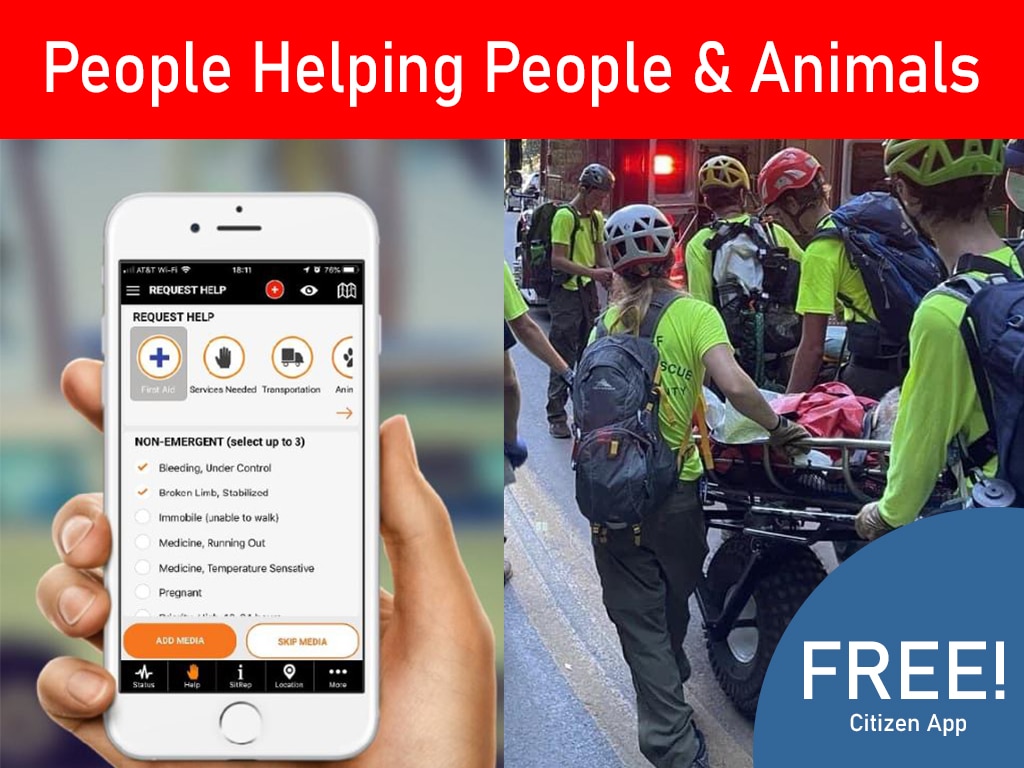
I’m a citizen who wants to help, not part of an official CERT team. Can I still use a platform like this? Yes, absolutely. Modern response platforms are built to connect the entire community. As a citizen, you can use an app like PubSafe to report incidents you see, such as a blocked road or a downed power line, providing real-time information to response teams. This creates a vital link between the public and official responders, helping them understand the situation on the ground and direct help where it’s needed most.
How does this software help my team learn and improve after an incident is over? The work isn’t done when the emergency ends. The software automatically creates a digital record of the entire response, including incident reports, communication logs, and resource deployment timelines. This data provides a clear, factual basis for your after-action reviews. Instead of relying on memory, you can analyze what went well and identify specific bottlenecks or gaps in your process, allowing you to make targeted improvements to your training and plans.