When an emergency call goes out, the last thing you need is to be fumbling with outdated spreadsheets, endless text message threads, and a paper phone tree. The chaos of a crisis demands clarity, not confusion. Your team’s effectiveness hinges on knowing who is available, what skills they have, and how to deploy them instantly. This is where manual methods fail and frustration sets in, wasting precious seconds when they matter most. A dedicated CERT team roster and scheduling management system is the answer. It replaces administrative headaches with streamlined coordination, giving you a real-time command center for your most valuable asset: your people. This article will show you how to leave the chaos behind and build a system for a faster, smarter, and more effective response.
Key Takeaways
- Treat Your Roster as a Command Center: Move beyond simple spreadsheets to a dedicated system that tracks volunteer skills, certifications, and real-time availability. This turns your roster into a strategic tool for rapid deployment.
- Prioritize Emergency-Specific Features: A generic scheduler is not enough; look for a platform with integrated communications, mobile access, and skill-based filtering to coordinate your team effectively during a crisis.
- Make Roster Management a Continuous Habit: Keep your team strong by regularly auditing your list, involving volunteers in the scheduling process, and using a platform that connects your roster data to live incident reporting for smarter decision-making.
What Is a CERT Roster and Scheduling System?
Think of a CERT roster and scheduling system as your team’s command center for people. It’s a specialized tool built to manage your volunteers’ availability, assignments, and training records all in one place. When an emergency strikes, you don’t have time to sift through spreadsheets or send a flurry of texts to see who can respond. This system ensures you know exactly who is available, what their qualifications are, and how to deploy them effectively.
A good system goes beyond just emergencies. It helps you organize volunteers for community events, schedule training sessions, and keep your team connected and prepared. By centralizing all this information, you streamline your operations and make your team more efficient. Instead of juggling multiple tools, you have a single source of truth for your most valuable asset: your people. This allows you to focus less on administrative headaches and more on what matters, which is making a difference in your community. A well-managed roster is the foundation of a ready and resilient disaster response platform.
Core Components of a Roster System
A strong roster system is built on a few key components that work together. First is volunteer management, which lets you track essential details like contact information, skills, certifications, and availability. This means you can quickly find a volunteer with specific medical training or someone who is certified to operate a chainsaw. Next are scheduling tools that make it easy to create and share schedules for shifts or training. Automated notifications help reduce no-shows and keep everyone in the loop. Finally, reporting features help you track volunteer hours and training completion, giving you the data needed to show your team’s impact and find areas for improvement.
How It Differs from General Schedulers
You might be wondering why you can’t just use a standard calendar app. While general schedulers are great for booking appointments, they fall short for the specific needs of an emergency response team. A CERT system is different because it’s built around skills and certifications. It doesn’t just ask “who is free?” but “who is free and qualified?” As FEMA highlights for its CERT programs, effective volunteer management is crucial. These systems also include features for emergency preparedness, like tracking training progress and supporting incident response plans, which you won’t find in a generic tool. They are designed to foster volunteer engagement, a key factor in retention.
Why Roster Management Matters for CERT Teams
A well-managed roster is the backbone of any successful Community Emergency Response Team (CERT). It’s much more than a simple list of names and phone numbers; think of it as your team’s strategic command center. When you know who is on your team, what they can do, and when they are available, you move from being a group of well-meaning volunteers to a coordinated and effective response force. This clarity is what turns good intentions into life-saving action.
Effective roster management gives you a real-time view of your team’s capacity. It’s the key to deploying the right people, keeping everyone engaged, and ensuring your team operates smoothly when your community needs you most. With a platform that supports strong team management, you can turn your roster into a dynamic tool for building a more resilient and prepared team. It’s about having the right information at your fingertips so you can make smart decisions under pressure.
Improve Team Readiness and Response
In an emergency, every second is critical. You don’t have time to scroll through spreadsheets or make dozens of calls to find out who has medical training or who is available to deploy. Effective roster management ensures your CERT team is prepared long before a disaster strikes. By maintaining an up-to-date list of trained volunteers and their specific skills, you can quickly mobilize the right people. This readiness is crucial for a fast and effective response. According to FEMA, this level of organization can significantly improve community safety during a crisis. A clear, accessible roster means you can assemble your team and get to work without delay.
Keep Volunteers Engaged
Volunteers are the heart of your CERT team, and keeping them engaged is essential for long-term success. When volunteers feel their contribution is valued, they remain committed. Regularly updating your roster and using it to schedule training or drills shows them they are an active part of the team. A good system for volunteer coordination helps you track participation and ensure everyone gets opportunities to practice their skills. When people see that their time is respected and their skills are being put to good use, they are more likely to stay involved. This consistent engagement builds a stronger, more reliable team ready to act when called upon.
Ensure Accountability and Smart Resource Use
Accountability helps build a dependable and professional team. By managing your roster effectively, you can track attendance at training sessions and deployments, which helps you assess your team’s overall capability. This isn’t about micromanaging; it’s about understanding your strengths and identifying areas for improvement. Knowing who is available and what skills they bring to the table also allows for smarter resource allocation. You can match the right volunteers to the right tasks, making your response more efficient. Getting your team set up through an official organization registration process is the first step toward creating this structure, ensuring everyone is accounted for and ready to contribute effectively.
Must-Have Features for a CERT Scheduling System
When you’re looking for a scheduling system, it’s easy to think a simple calendar app will do the trick. But for a CERT team, your needs are far more complex. You’re not just scheduling shifts; you’re managing a dynamic group of volunteers who are your community’s first line of support during a crisis. The right platform is a command center, not just a calendar. It should be built to handle the unique pressures of emergency response, helping you deploy the right people with the right skills, instantly.
A good system provides clarity when things are chaotic and gives you the tools to manage your team effectively, from initial training to post-incident reporting. It transforms your roster from a static list of names into a live, searchable database of skills and availability. This allows you to respond to incidents with precision, knowing you have the right people in the right places. Instead of scrambling with spreadsheets and phone trees, you can coordinate with confidence. The goal is to spend less time on administration and more time on what matters: preparing for and responding to emergencies. Let’s walk through the essential features your CERT scheduling system needs to have.
Track Volunteer Availability and Skills
Your team is made up of individuals with a diverse set of abilities, from first aid and light search and rescue to traffic control. A generic scheduler won’t cut it. You need a system that lets you create a detailed profile for each volunteer, tagging them with specific skills, certifications, and experience levels. When an incident occurs, you should be able to quickly filter your roster to find exactly who you need: “Show me all available volunteers with basic medical training within a five-mile radius.” This level of detail is what makes for a swift and effective response. A robust team management system allows you to see your team’s capabilities at a glance, turning your roster into a strategic asset.
Communicate Instantly with Your Team
During an emergency, communication needs to be fast, reliable, and direct. Juggling emails, text message threads, and phone calls is a recipe for confusion. Your scheduling system should have integrated communication tools that can send instant alerts and messages to your entire team or specific groups. Whether it’s a push notification about a new deployment or an SMS update on a developing situation, the information needs to get through. This ensures everyone is on the same page, allowing your team to provide seamless volunteer coordination during emergencies and support professional responders where they’re needed most.
Manage Training and Certifications
A well-trained team is a prepared team. CERT training provides a strong foundation, but skills need to be maintained and updated. Your roster system should double as a training log, keeping track of every volunteer’s completed courses, certifications, and expiration dates. The system can automatically send reminders to volunteers when their certifications are about to lapse, prompting them to sign up for a refresher course. This feature helps you maintain a high standard of readiness across your team and ensures you can confidently report on your team’s qualifications to partner agencies. It takes the administrative headache out of compliance, letting you focus on practical preparedness.
Organize Emergency Contacts
When you need to get in touch with someone, you don’t have time to search through spreadsheets or paper files. A quality scheduling system should serve as a centralized directory for all essential contacts. This includes detailed profiles for your volunteers with their contact information and emergency contacts. It should also house contact details for local emergency services, partner NGOs, and other key stakeholders. By having all this information in one secure, easily accessible place, you ensure that your team leaders can quickly connect with the right person at the right time, which is critical for coordinating a multi-agency response effort.
Send Real-Time Updates and Alerts
Emergencies are fluid, and your team needs information as it happens. A static schedule is useless when a situation on the ground changes. Your system must be able to push out real-time updates and alerts to your team’s mobile devices. This could be a change in assignment, a new safety protocol, or an urgent call for more volunteers at a specific location. The ability to target these alerts to specific groups, like those deployed in the field versus those on standby, is crucial for clear communication. This feature is essential for both real-world incidents and the training drills that keep your team sharp and ready for action.
Access Everything on Mobile
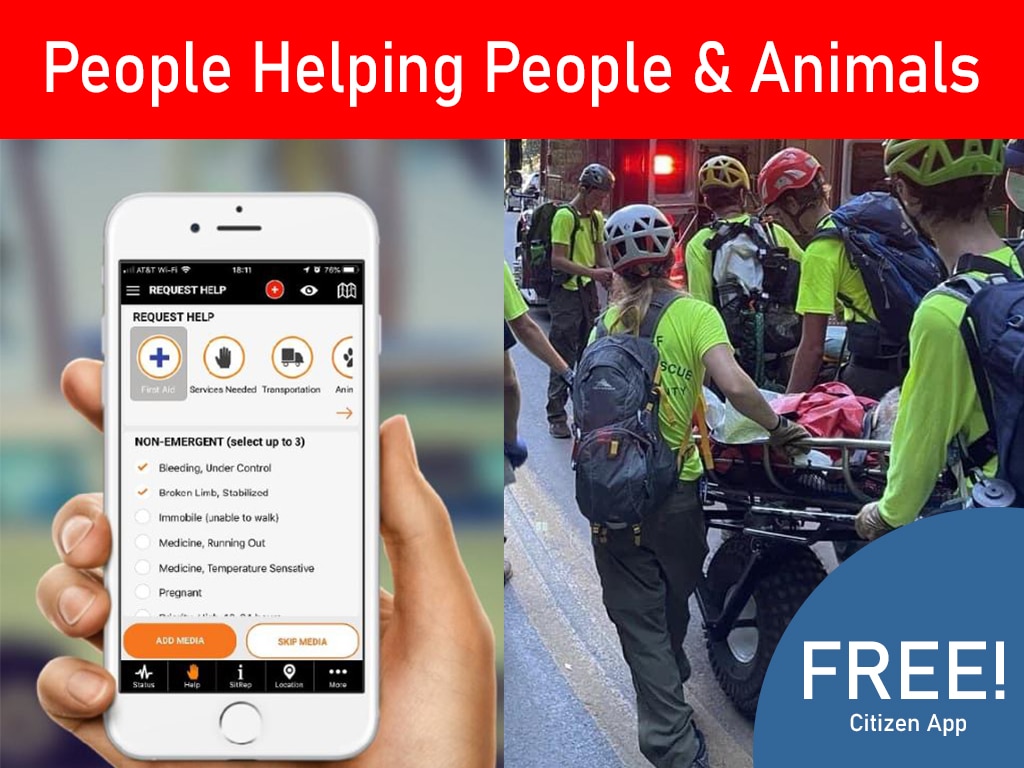
Your volunteers are active and on the move during an incident, not sitting behind a desk. A mobile-first approach isn’t just a nice-to-have; it’s a necessity. Your scheduling platform must have a fully functional and intuitive mobile app for both iOS and Android. From their phones, volunteers should be able to update their availability, view their assignments, communicate with their team leader, and receive critical alerts. Making the system accessible from anywhere empowers your team to be more responsive and engaged. When you can install a free app and manage your entire volunteer experience from your pocket, it removes barriers and makes participation easier for everyone.
Protect Your Team’s Data
Your roster contains sensitive personal information, from phone numbers and addresses to certification details. Protecting this data is a massive responsibility. Your chosen platform must prioritize security with features like two-factor authentication, data encryption, and role-based access controls. This ensures that only authorized individuals, like team leaders, can view and manage sensitive volunteer information. As you formalize your team, you may even need to run background checks for certain roles. A secure system gives your volunteers peace of mind, knowing their personal data is safe, and helps your organization maintain compliance and build trust within the community.
Overcome Common Roster Management Challenges
Managing a volunteer roster is one of those tasks that sounds simple on paper but gets complicated fast. When you’re coordinating a team of dedicated people, you’re also juggling their schedules, skills, and communication preferences. Without a solid system, you can easily find yourself spending more time on administrative work than on preparing for the next emergency. Common hurdles like tracking who’s available, preventing communication gaps, and keeping accurate records can slow your team down when every second counts. These small administrative snags can snowball into major obstacles during a real crisis, undermining the effectiveness of even the most committed team.
The good news is that these challenges are completely solvable. By identifying the friction points in your current process, you can adopt strategies and tools that streamline your workflow. Moving away from manual methods and embracing a more integrated approach helps you build a more resilient, responsive, and engaged team. It’s about putting a system in place that works for you, not against you, so you can focus on leadership and mission-critical tasks. Let’s walk through some of the most frequent roster management headaches and how you can solve them for good.
Managing Volunteer Availability
Knowing who can respond at a moment’s notice is the foundation of effective emergency management. The challenge is that volunteer availability is always changing. A person who was free yesterday might be unavailable today due to work or family commitments. Relying on outdated spreadsheets or memory just doesn’t work in a crisis. This is where a real-time system becomes essential. When volunteers can update their status instantly from their phones, you get a clear, accurate picture of your available resources. This means you can stop wasting precious time calling people who can’t help and instead focus on deploying the right people to the right places. Effective team management starts with knowing who is ready and able to act.
Avoiding Communication Breakdowns
During an emergency, clear communication can make all the difference. When information is scattered across text messages, emails, and phone calls, it’s easy for critical details to get lost. As FEMA notes, CERT volunteers often handle essential tasks to free up professional responders, which requires seamless coordination. A centralized communication platform eliminates the chaos. Instead of juggling multiple apps, your team can use one hub for all updates, assignments, and alerts. This ensures everyone receives the same information at the same time, reducing confusion and enabling your team to work together as a cohesive unit. A single source of truth keeps everyone on the same page, from leadership to every volunteer on the ground.
Keeping Records Consistent
Is everyone’s first aid certification up to date? Who has completed the latest search and rescue drill? Answering these questions quickly is impossible with messy or inconsistent records. CERT programs regularly hold drills and exercises to help volunteers practice their skills, but tracking participation manually is a huge chore. A digital roster system automates this process by logging training hours, tracking certifications, and sending reminders for renewals. This creates a reliable database of your team’s qualifications. When an incident requires a specific skill set, you can instantly identify and dispatch the most qualified volunteers instead of scrambling to find the right person. Consistent records ensure you can deploy your team’s expertise wisely and safely.
Moving Past Manual Scheduling
If you’re still using a whiteboard or a spreadsheet to manage your schedule, you know how frustrating it can be. Manual scheduling is time-consuming, prone to human error, and nearly impossible to update in real time during a fast-moving event. The CERT program has evolved significantly since its early days, and our management tools should too. A modern scheduling system automates assignments based on availability and qualifications, saving team leaders hours of administrative work. It provides a dynamic, accessible schedule that can be adjusted on the fly. By moving past manual methods, you free up your leadership to focus on what truly matters: guiding your team and managing the response effort. It’s time to let technology handle the logistics.
How to Set Up a CERT Roster and Scheduling System
Creating a reliable roster and scheduling system is one of the most impactful steps you can take to prepare your CERT team for action. A well-organized system moves you from a simple list of names to a dynamic, response-ready unit. It’s about knowing who is available, what skills they have, and how to reach them in an instant. By following a few clear steps, you can build a framework that supports your team, simplifies coordination, and ultimately helps you serve your community more effectively when it matters most. Let’s walk through how to get it done.
Step 1: Assess Your Team’s Needs
Before you choose a tool or build a roster, take a moment to look at your team’s unique situation. What are the most likely emergencies your community will face? As FEMA suggests, CERT programs should tailor their drills to match the types of disasters that could happen in their area. Consider your team’s current size, the specific skills your volunteers have, and any gaps you need to fill. Understanding these needs from the start ensures that the system you build is practical, relevant, and truly serves your team’s mission.
Step 2: Choose the Right Platform
With your team’s needs in mind, you can find the right platform to manage your roster. Avoid generic scheduling tools that aren’t built for emergencies. Your team operates using organized methods, so you need a system that supports that structure. Look for a disaster response platform that includes features for tracking volunteer availability, skills, and certifications. The best systems allow for instant communication and are designed to align with the Incident Command System (ICS), ensuring your team can coordinate smoothly with other professional responders during a crisis.
Step 3: Build Your Roster
Now it’s time to populate your roster. This is more than just a contact list; it’s a detailed database of your team’s capabilities. For each volunteer, collect essential information like their name, contact details, specific skills, and any relevant certifications. Organize your team using the Incident Command System (ICS) by assigning roles like Team Leader or Operations Section Chief. Using a dedicated platform for your organization’s registration makes it easy to keep this information secure, centralized, and accessible when you need it most.
Step 4: Set Up Your Scheduling Rules
Clear expectations are key to keeping volunteers active and engaged. Work with your team to define what it means to be an active member, which might include attending a certain number of meetings or training drills per year. Use your chosen platform to schedule regular meetings, training sessions, and community outreach events. Effective volunteer coordination during emergencies relies on everyone knowing the plan. Automating reminders and tracking attendance helps maintain accountability and ensures your team stays prepared and connected.
Step 5: Train Your Team and Get Feedback
Once your system is in place, the final step is to train your team and make adjustments based on their feedback. Make sure every volunteer knows how to update their availability and contact information. Run drills that require your team to use the platform, so they are comfortable with it before a real disaster strikes. The goal is to enable your team to do “the most good for the most people as quickly as possible.” Encourage everyone to install the free app on their phones and ask for their input. This feedback is invaluable for refining your processes and strengthening your team’s overall readiness.
Best Practices for Managing Your CERT Roster
A great CERT roster is more than just a list of names and phone numbers. It’s the foundation of your team’s strength, readiness, and spirit. Managing it well is one of the most important things you can do as a team leader. It’s about creating a system that not only organizes your volunteers but also supports and engages them. When you have a clear, up-to-date picture of your team, you can respond faster and more effectively when your community needs you most. A well-managed roster means you know who is available, what skills they have, and how to contact them without a second thought. This clarity is invaluable during the critical first hours of an emergency.
Putting solid roster management practices in place helps you move from reacting to situations to proactively building a resilient team. It ensures you can quickly mobilize the right people with the right skills for any incident. With a platform designed for team management, you can streamline these tasks, giving you more time to focus on training and supporting your volunteers. Adopting these habits will make your team more organized, engaged, and prepared for whatever comes next. Think of it as building the essential infrastructure for your team’s success.
Involve Volunteers in Scheduling
Your volunteers are your most valuable asset, and respecting their time is key to keeping them engaged. Instead of just assigning shifts, involve them in the scheduling process. Many modern roster systems allow volunteers to mark their own availability, sign up for open slots, and even trade shifts with others. This flexibility shows you value their commitment and understand they have lives outside of CERT.
When volunteers have a sense of ownership over their schedules, they are more likely to be reliable and motivated. As NYC CERT notes, members are vital for supporting first responders by helping with traffic, finding missing people, and staffing aid centers. Giving them control over their availability makes it easier for them to contribute their skills when and where they can, which ultimately strengthens your team’s overall capacity.
Audit Your Roster Regularly
Your roster is a living document, and it needs regular attention to stay accurate. Plan to audit your roster at least twice a year, if not quarterly. This means going through each entry to update contact information, confirm continued interest, and remove members who are no longer active. An outdated roster can create serious problems during an emergency, leading to wasted time trying to contact people who have moved or are no longer available.
Think of a roster audit as a preparedness drill for your administrative systems. According to FEMA, CERT programs hold drills and exercises to help volunteers practice their skills. A clean, current roster ensures that when you need to activate your team for a real event, your communication is swift and effective, and every person you call is ready and able to respond.
Keep Training Records Up-to-Date
Knowing what your volunteers can do is just as important as knowing how to reach them. A critical part of roster management is tracking each member’s training, skills, and certifications. When you know who has advanced first aid training, who is certified in traffic control, or who speaks a second language, you can deploy your team much more strategically.
As PrepareDE points out, the main CERT Basic Training course teaches you what to do before, during, and after disasters. But volunteers often pursue additional training. Keeping these records current allows you to match the right person to the right task with confidence. This not only improves your response effectiveness but also ensures your volunteers are placed in roles where they can succeed and feel valued for their specific expertise.
Recognize and Reward Your Volunteers
Volunteers don’t ask for much, but their time and dedication deserve to be acknowledged. Building a system of recognition is a simple yet powerful way to maintain morale and encourage long-term participation. This doesn’t have to be complicated or expensive. A personal thank you, a shout-out in a team newsletter, a certificate of appreciation, or a social media spotlight can make a huge difference.
CERT provides a consistent framework for training and organizing volunteers, which in turn helps professional responders. By recognizing your volunteers, you reinforce their importance within this larger structure. You’re not just thanking them for their time; you’re celebrating their commitment to community safety and their role in a nationwide effort to build a more resilient public.
Use Data to Make Better Decisions
Your roster and scheduling system is a goldmine of data that can help you lead your team more effectively. By analyzing patterns in volunteer availability, training records, and response participation, you can make informed decisions about your team’s needs. For example, does the data show you have a shortage of volunteers with a specific skill? That’s a sign to organize a new training session. Are certain volunteers consistently signing up for shifts? They might be good candidates for leadership roles.
The CERT program was first established in 1993, and since then, data has become a key part of emergency management. Using the information from your roster helps you move beyond guesswork and manage your team with the same strategic approach used by professional fire, police, and emergency management agencies. This data-driven method of volunteer coordination will help you identify gaps, allocate resources wisely, and build a stronger, more capable team.
Use Technology to Strengthen Your Team
Once you have your roster and scheduling system in place, the right technology can help you take your team’s effectiveness to the next level. A digital platform doesn’t just store information; it connects your team to the mission in real time. By integrating your roster with live incident data and the wider emergency response community, you can create a more agile, informed, and powerful team. This approach moves you from simply managing a list of volunteers to leading a dynamic and coordinated response force. It’s about using tools to make smarter decisions when every second counts, ensuring the right people with the right skills are exactly where they need to be.
Connect Roster Data with Incident Reports
Imagine an incident is reported in your community. Instead of scrambling through spreadsheets or phone trees, you can instantly see which of your team members are available, what their qualifications are, and who is closest to the scene. This is possible when your roster system is directly connected to your incident reporting tools. This integration gives you powerful situational awareness, allowing you to allocate resources with precision and speed. You can report an incident and immediately see which volunteers are best equipped to respond, turning raw data into decisive action. This direct link between people and purpose is fundamental to an effective emergency response.
Link Your Team to the Broader Response Network
Your CERT team is a vital piece of a much larger puzzle. Effective disaster response depends on collaboration between multiple agencies, from local fire departments and NGOs to state and federal organizations. Technology can bridge the communication gaps that often exist between these groups. A unified platform allows your team to share information, receive updates, and coordinate efforts with the entire response network. This interoperability ensures everyone is working from the same playbook. By using a platform that supports this wider network, you can see how PubSafe works to fit your team’s actions into the overall strategy and contribute to a more cohesive community-wide response.
Manage Your CERT Team with PubSafe
PubSafe is designed to bring all these elements together in one intuitive platform. You can manage your roster, track certifications, schedule volunteers, and communicate with your team, all while connected to a live incident map. Our team management tools help you streamline administrative tasks so you can focus on what truly matters: preparing for and responding to emergencies. With PubSafe, your roster isn’t just a static list; it’s a dynamic resource integrated directly into your response operations. This centralized system saves time, reduces confusion, and ultimately enhances your team’s readiness and impact during critical events.
Roster planning works best when it connects to the rest of the CERT response workflow: CERT activation checklist, CERT member accountability, CERT deployment tracking software, and CERT onboarding and compliance software.
Related Articles
- Volunteer Management Software for Nonprofits: FAQs & Guide | PubSafe
- Volunteer Management Software for Nonprofits & CERTs | PubSafe
- Streamline Your NGO Or CERT Daily Operations: Why PubSafe Is The Best Volunteer Management Tool For Nonprofits
Frequently Asked Questions
We already use a mix of spreadsheets and group chats. Why should we switch? While those tools can work for basic organization, they aren’t connected. Your spreadsheet can’t send an alert, and your group chat doesn’t know who has first aid training. A dedicated system combines these functions, so when an incident happens, you can find qualified people, contact them, and schedule them all in one place. It saves critical time by connecting your roster directly to your response needs instead of forcing you to jump between different, disconnected apps.
Our team is small and not very tech-savvy. Will a system like this be too complicated? A good system should simplify your work, not add to it. You don’t have to use every feature from day one. Start with the basics, like building a central contact list that includes each volunteer’s skills. As your team gets comfortable, you can introduce scheduling and communication features. The best platforms are intuitive and have mobile apps that are as easy to use as any other app on your phone, making the transition smooth for everyone.
How can I convince my volunteers to adopt a new system? The key is to show them how it makes their lives easier. Frame it as a benefit to them, not just another administrative task. Explain that it gives them a single place to update their availability, see the schedule, and get clear updates, which means fewer confusing emails and texts. When they see that the system respects their time and simplifies their involvement, they will be much more likely to get on board.
What is the most critical feature for a CERT team just starting out? If you have to pick one place to start, focus on building detailed volunteer profiles. This means creating a single record for each person that tracks their contact information, their specific skills, and their certifications. This is the foundation of everything else. Knowing not just who is on your team but what they can do is the most important piece of information you can have during an emergency, and it’s the problem that a good system solves first.
How does a roster system actually help during a live incident? Think of it this way: a storm hits, and a report of a downed tree blocking a road comes in. Instead of sending a mass text, your system can instantly show you which volunteers with chainsaw certification are available and live nearby. With a few taps, you can dispatch a qualified team and notify them of the exact location and task. This turns a chaotic scramble into a fast, targeted, and effective response.