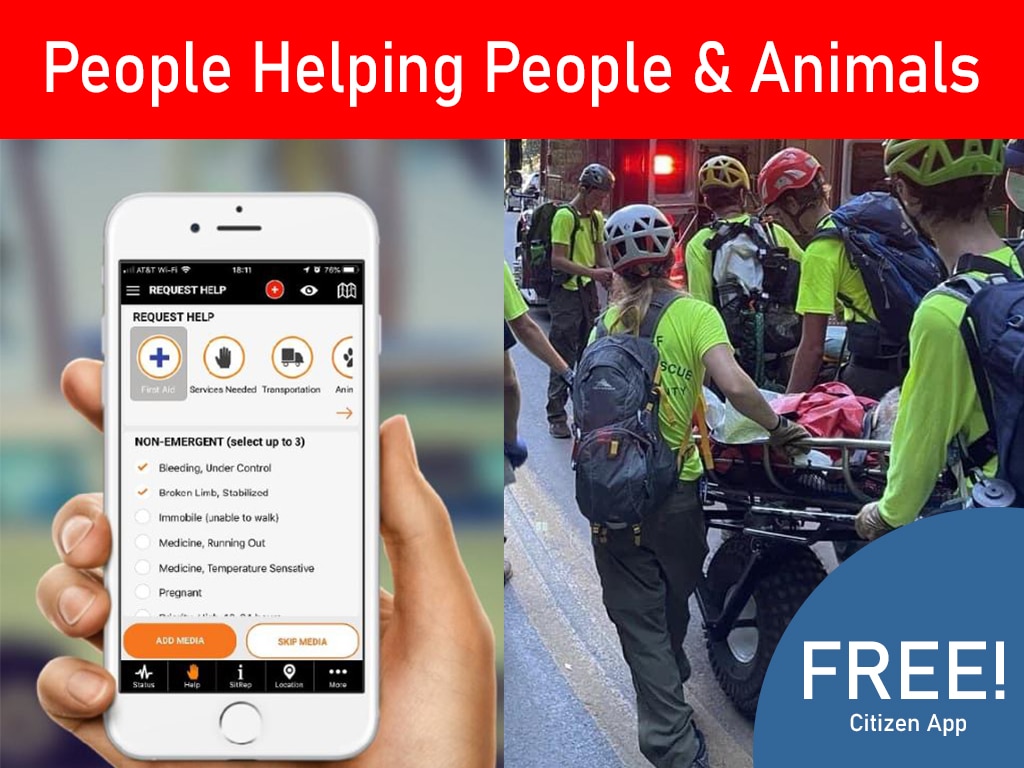
The single biggest danger to a CERT operation isn’t the disaster itself; it’s a breakdown in organization. When volunteers self-deploy or operate outside the chain of command, they become a liability instead of an asset. An unaccounted-for member can quickly become a new victim, diverting precious resources from the primary mission. This is why a formal CERT member accountability and deployment management system is non-negotiable. It provides the essential structure for tracking personnel, managing assignments, and ensuring every volunteer is safe. Without this system, you risk team safety, lose legal protections, and create confusion for the professional agencies you’re there to support.
Key Takeaways
- Formal systems create safety and trust: Following established protocols, like check-ins and the Incident Command System, protects your volunteers and proves your team’s reliability to partner agencies.
- Use technology for real-time coordination: A platform with live tracking and integrated communication gives you a clear operational picture, helping you deploy teams safely and make faster, more informed decisions.
- Accountability extends beyond the incident: True accountability starts with consistent training before an event and ends with a thorough debrief afterward, turning every experience into a lesson for the next deployment.
What is a CERT Accountability and Deployment System?
A Community Emergency Response Team (CERT) Accountability and Deployment System is the framework you use to manage and track your volunteers during an emergency. Think of it as your operational playbook. It covers everything from how you check volunteers in, assign them roles, and ensure everyone is safely accounted for before, during, and after a deployment. This isn’t just about paperwork; it’s a critical safety and efficiency measure. The Federal Emergency Management Agency (FEMA) emphasizes that the accountability of personnel is essential for safe and effective emergency response operations.
Having a structured system means you always know who is on-site, what their assignment is, and that they have the right skills for the job. It prevents volunteers from going rogue and ensures that every action taken is coordinated and purposeful. Modern platforms can help you implement this framework by providing tools for real-time tracking and communication. Ultimately, a solid accountability and deployment system transforms a group of willing volunteers into an organized, effective response force that agencies and the community can rely on.
Why Accountability is Crucial for CERT Operations
Accountability is the bedrock of a safe and successful CERT operation. First and foremost, it protects your team members. In a chaotic environment, knowing where every volunteer is located prevents people from being forgotten or left behind in hazardous situations. As the National Fire Protection Association (NFPA) notes, effective accountability systems are a key factor in preventing responder injuries and fatalities. When you can track your team, you can manage their safety.
Beyond safety, accountability builds trust. It shows your team that their well-being is a priority, which fosters a strong, cohesive unit. It also demonstrates to the community and official agencies that your CERT is professional and reliable. This organized approach is fundamental to effective volunteer coordination, ensuring that the right people are doing the right tasks at the right time, which leads to a much more effective response.
The Dangers of Poor Deployment Management
When deployment management is weak, the consequences can be severe. Without a clear system for accountability, you risk confusion, wasted time, and increased danger for both your volunteers and the public. Imagine sending a team into a damaged building without a check-in process or a clear leader. If something goes wrong, you might not even know who is missing. This kind of disorganization can quickly turn a manageable situation into a catastrophe.
The International Association of Fire Chiefs (IAFC) warns that ineffective deployment can lead to major operational failures, where resources are misallocated and critical needs are ignored. This could mean your team spends hours on a low-priority task while a more urgent situation goes unaddressed. Proper team management isn’t just about efficiency; it’s a fundamental part of keeping people safe and making sure your efforts truly make a difference.
Training CERT Members for Accountability
Accountability isn’t just about knowing where your team members are; it starts with trusting that they are prepared for the job. Effective training is the foundation of a reliable and accountable CERT program. When every volunteer shares a common set of skills and understands their role within a larger structure, they can operate with confidence and discipline. This standardized preparation ensures that when your team deploys, each member is an asset who can perform their duties safely and effectively.
Training builds more than just competence; it builds a culture of responsibility. Volunteers learn not only how to handle specific tasks but also how to work as a cohesive unit, follow a chain of command, and communicate clearly under pressure. This shared knowledge base is what makes systematic deployment and tracking possible. Before you can manage your team in the field, you must first equip them with the skills and mindset needed to be managed. It all begins with a comprehensive training program that sets clear expectations from day one.
Core Training Components
Most CERT programs follow a standardized curriculum developed by FEMA, which can be adapted with additional material for local hazards. The goal is to equip volunteers to do the most good for the most people in the critical hours after a disaster. The core training covers about 20 hours of instruction, giving members a solid, hands-on foundation. Key units include Disaster Preparedness, Fire Safety, Disaster Medical Operations, Light Search and Rescue, and Disaster Psychology.
This basic CERT training ensures every member learns the same essential skills, from extinguishing a small fire to treating life-threatening injuries and performing triage. The program culminates in a disaster simulation where volunteers put their new skills to the test in a realistic scenario. This shared experience is vital for building a team that can count on one another when it matters most.
Using Position Task Books for Role Certification
To take accountability a step further, many CERT programs use Position Task Books (PTBs) to certify members for specific roles like Team Leader or Section Chief. A PTB is essentially a checklist of tasks that a volunteer must demonstrate they can perform to be considered qualified for a certain position. This process moves beyond general training to verify and document role-specific competence.
These FEMA-endorsed task books create a clear and consistent standard for leadership and specialized functions within the team. Typically, members must complete their PTB and get it signed off by a supervisor, with recertification required every couple of years to ensure skills remain sharp. This formal process provides team leadership with a reliable way to confirm that the right people are assigned to the right jobs during a deployment.
Integrating the Incident Command System (ICS)
One of the most critical parts of CERT training is learning the Incident Command System (ICS). This is the same standardized management framework used by professional responders, including fire departments, law enforcement, and emergency medical services across the country. By training in ICS, CERTs learn to speak the same language as their agency partners, allowing for seamless integration into a larger, coordinated response effort.
The Incident Command System provides a clear organizational structure, chain of command, and communication plan that prevents freelancing and confusion. When a CERT team arrives on a scene already organized according to ICS principles, they can be immediately plugged into the official response structure. This not only makes the team more effective but also reinforces accountability by ensuring every action is coordinated within an established and recognized system.
How CERT Activation Works
When a disaster strikes, the impulse to jump in and help is strong. But for a CERT to be effective, activation must be a controlled and orderly process. It’s not a matter of just showing up; it’s about being called upon through official channels. This ensures that every volunteer is accounted for, properly assigned, and integrated into the larger response effort. A structured activation process protects both the volunteers and the community they serve, turning a group of individuals into a coordinated and powerful force for good.
Alert and Notification Protocols
CERT members don’t just head out when they see an emergency on the news. They are activated by their sponsoring agency, like a local emergency management office, through specific protocols. This usually involves a tiered alert system. First, an “Alert” might go out to simply notify members of a potential event, giving them a heads-up. Next, a “Mobilization” notice asks members to gather at a designated staging area with their gear. Finally, “Deployment” is the official order that sends teams into the field. These notifications can come through pagers, phone trees, or modern platforms that streamline communication and ensure the right people get the message instantly.
Following the Chain of Command
To work effectively alongside professional responders, CERTs operate within the Incident Command System (ICS). This is the same standardized management framework used by fire departments, police, and emergency medical services across the country. Following this chain of command is non-negotiable. It means CERT members report to a designated team leader, who in turn reports up the chain. This structure prevents confusion, ensures tasks are assigned efficiently, and allows the CERT to seamlessly plug into the broader emergency response operation without getting in the way or duplicating efforts. It’s what makes true inter-agency collaboration possible.
The Risks of Self-Deployment
One of the most important rules for any CERT member is to never self-deploy. Showing up to an incident scene without being officially activated is not only dangerous but also counterproductive. Self-deployed volunteers operate outside the chain of command, which can create chaos for professional responders and put the volunteer in harm’s way. Furthermore, members who self-deploy are not covered by the legal protections, such as liability insurance, that are afforded to them during an official deployment. This action often results in immediate dismissal from the team. Proper volunteer coordination is critical for safety and effectiveness, and that always begins with official activation.
Common CERT Roles During a Response
When a disaster strikes, CERT members are ready to step into a variety of roles to support their communities. Think of them as the ultimate multi-taskers of emergency response. They aren’t just waiting for instructions; they are trained to take initiative and handle the most immediate needs until professional responders can arrive. The specific roles a CERT member takes on will depend on the situation, their training, and the instructions from their team leader. This is where a solid deployment system becomes so important. It ensures that the right people are assigned to the right tasks, from medical support to damage assessment.
Effective team management is about more than just having a list of volunteers; it’s about understanding each person’s skills and deploying them where they can make the biggest impact. During a chaotic event, CERT members might be called upon to perform light search and rescue, provide first aid, manage small fires, or simply help organize and reassure their neighbors. Each role is a critical piece of the larger response puzzle. By having clearly defined roles and a system to manage them, CERTs can operate safely and efficiently, providing essential support when it’s needed most.
Damage Assessment
After an emergency, one of the first things that needs to happen is figuring out how bad the damage is. This is where CERT members with damage assessment training come in. They act as the eyes and ears on the ground, systematically evaluating buildings, roads, and utilities in their assigned area. Their job is to document the extent of the destruction, noting things like structural instability, blocked roads, or downed power lines. This information is vital for incident commanders to prioritize rescue efforts and allocate resources effectively. A quick and accurate damage report can mean the difference between a swift recovery and a delayed one. By reporting an incident with detailed notes and photos, CERTs provide the critical data that helps everyone from firefighters to city planners make informed decisions.
Light Search and Rescue
When people are potentially trapped or injured after a disaster, CERT members are trained to conduct light search and rescue operations. The key word here is “light.” They aren’t equipped for heavy lifting or complex rescues that require specialized gear. Instead, they methodically search accessible structures, call out for victims, and assist those who can be easily reached. Their training focuses on working safely and systematically, ensuring they don’t become victims themselves. They learn how to recognize and avoid potential hazards, like unstable debris or gas leaks. This initial search is crucial for locating and helping people quickly, and the information they gather helps professional rescue teams pinpoint where their more advanced skills are needed most.
First Aid and Triage
In many emergencies, CERT volunteers are the first to provide medical care. They are trained in basic first aid and, just as importantly, in triage. Triage is the process of quickly sorting injured people based on the severity of their conditions. This allows responders to focus their attention on those with life-threatening injuries first. By treating immediate issues like bleeding and shock, CERT members can stabilize patients until professional medical help arrives. They are a critical force multiplier for paramedics and EMTs, who can become quickly overwhelmed in a mass casualty event. These Community Emergency Response Teams fill the gap, providing essential care during the first few minutes and hours when it matters most.
Fire Suppression and Utility Control
A small problem can quickly become a big one in a disaster. A sparking wire could start a fire, or a broken gas line could lead to an explosion. CERT members are trained to handle these immediate hazards. They learn how to use a fire extinguisher to put out small fires before they can spread and how to safely shut off gas and water utilities to prevent further damage. This isn’t about fighting a blazing building; it’s about mitigating risks and securing an area to make it safer for everyone. Proper volunteer coordination ensures that only those with the right training are assigned to these potentially dangerous tasks, protecting both the volunteer and the community.
How to Track CERT Members in the Field
Once your CERT members are activated and deployed, the real work of accountability begins. Keeping track of everyone in the field is not about micromanagement; it’s about safety, efficiency, and effective resource allocation. A chaotic disaster scene is the last place you want to lose track of a volunteer. Knowing where your teams are, what they are doing, and how they are doing is fundamental to a successful and safe operation. This situational awareness is what separates an organized response from a group of individuals acting alone.
Effective tracking allows you to direct resources where they are needed most, respond immediately if a team member needs help, and ensure that no one is overworked. It transforms a group of well-intentioned volunteers into a coordinated and effective response force. By implementing a few key procedures, you can maintain a clear picture of your field operations. This includes everything from simple sign-in sheets to using modern technology for live location tracking. Good volunteer coordination relies on these systems to keep everyone safe and on task, ensuring the team can make the biggest possible impact in the community. Without it, you risk sending teams into unknown situations without a lifeline back to command.
Implement Check-In and Check-Out Procedures
The simplest yet most critical step in field accountability is a rock-solid check-in and check-out process. This is your official record of who is active, where they are assigned, and when they returned. Before a single volunteer heads into the field, they must check in at the staging area or command post. This process confirms they are present, equipped, and have received their assignment. At the end of their shift, they must check out, confirming they have returned safely. This procedure is a core component of the FEMA CERT Program because it provides a definitive headcount and prevents volunteers from being left behind or unaccounted for when operations cease.
Use Identification and Role Badges
In a crisis, clear identification is essential. It helps the public recognize you as a helper and allows other response agencies to know who you are and what your function is. Providing every CERT member with an ID badge that clearly states their name, team, and role is a simple way to improve safety and organization. According to the CERT National Council, proper identification clarifies responsibilities and builds trust. A volunteer assigned to damage assessment should have a badge that says so. This prevents confusion and ensures that team members are operating within their assigned duties, which is crucial for both legal protection and operational effectiveness.
Track Location and Status in Real Time
Knowing where your teams are at all times dramatically improves safety and coordination. While radios are essential, modern technology offers even more powerful tools. Using a platform with GPS tracking allows the command post to see team locations on a live map. This real-time awareness is invaluable for dispatching the nearest team to a new incident or locating a team that has stopped responding. PubSafe’s team management capabilities allow organizations to view their members in the field, assign tasks, and monitor their status. This technology moves you from guessing where people are to knowing, which is a game-changer for incident command.
Manage Volunteer Fatigue and Rotations
Volunteer fatigue is a serious risk during extended operations. An exhausted volunteer is more likely to make mistakes or get injured. Tracking isn’t just about location; it’s also about time. A good accountability system logs when a volunteer checks in, allowing leaders to monitor how long they have been active. As recommended by organizations like the American Red Cross, implementing a rotation system is key to managing fatigue. By tracking shift lengths, you can ensure that every member gets adequate rest, food, and water. This keeps your team effective for the long haul and, most importantly, keeps them safe.
What Happens When Accountability Fails?
Accountability in a CERT deployment isn’t just about following rules for the sake of it. It’s the bedrock of a safe and effective emergency response. When even one member decides to operate outside the established system, it can create a dangerous ripple effect that undermines the entire operation. Think of it like a well-rehearsed orchestra; if one musician starts playing their own tune, the entire symphony falls apart. In a disaster, the stakes are infinitely higher.
A breakdown in accountability means incident commanders lose track of their most valuable assets: their people. It introduces chaos into an environment that desperately needs order. Instead of being a solution, an unaccounted-for volunteer can quickly become a new problem, diverting critical resources and putting others at risk. This is why having a solid disaster response platform is so important. It provides the structure needed to keep everyone safe, coordinated, and effective when it matters most. Without that structure, the consequences can be severe, impacting everything from a volunteer’s legal standing to the safety of the entire team.
Losing Legal Protections
One of the most immediate consequences of self-deploying or ignoring check-in protocols is the loss of legal protection. CERT volunteers are typically covered by Good Samaritan laws or other legal shields, but these protections only apply when you are an active, official member of a sanctioned deployment. The moment you go off on your own, you are no longer operating as a CERT volunteer in the eyes of the law.
This means you could be held personally liable for any injuries or property damage that occur as a result of your actions. The very framework designed to protect you while you help others disappears. Following deployment protocols isn’t about red tape; it’s about ensuring you and your team are legally covered so you can focus on the mission without putting your personal assets on the line.
Risking Team Safety and Effectiveness
When a volunteer operates independently, they become a ghost in the system. Incident command has no idea where they are, what they’re doing, or what condition they’re in. This immediately jeopardizes the safety of that individual and the effectiveness of the team. A core principle of disaster response is knowing the location and status of all personnel. An unaccounted-for member can easily become a victim themselves, turning a rescue mission into a search for one of its own.
This forces the team to divert precious time and resources away from the primary incident to track down the missing volunteer. Instead of helping professional responders, the team inadvertently adds to their burden. Effective volunteer coordination ensures everyone is accounted for, allowing the team to function as a cohesive unit and a genuine asset to the overall response effort.
Creating Challenges for Agency Coordination
CERT teams are designed to integrate smoothly with professional response agencies like fire, police, and EMS through the Incident Command System (ICS). This shared structure is what allows different groups to work together without getting in each other’s way. A failure in accountability shatters this model. When CERT members self-deploy, they aren’t part of the official command structure, making it impossible for incident commanders to assign them tasks or track their activities.
This creates confusion and mistrust between agencies. Professional responders can’t rely on a team that doesn’t have control over its own members. It disrupts resource allocation, clogs communication channels, and undermines the organized response that ICS is meant to create. For seamless collaboration, every organization registration and deployment must adhere to these shared principles of accountability.
What to Look for in a CERT Deployment System
Choosing the right technology can make a world of difference for your CERT team’s effectiveness and safety. A deployment system isn’t just about having a fancy app; it’s about having a reliable digital partner that works for you when things get chaotic. Think of it as your team’s central nervous system, connecting everyone and everything in a coordinated way. The goal is to find a platform that simplifies accountability, streamlines communication, and gives your leadership a clear picture of the entire operation from a single dashboard.
When you’re evaluating options, don’t get distracted by bells and whistles that you’ll never use. Focus on the core functions that directly support CERT principles. You need a system that is intuitive enough for volunteers to use under stress but powerful enough to handle the complexities of a real-world incident. The best systems are built with an understanding of how emergency response actually works on the ground. They provide tools for team management that help you track, communicate, and coordinate with precision, ensuring your team can make the biggest impact while staying safe.
Real-Time Volunteer Tracking
One of the most critical features of any deployment system is real-time volunteer tracking. During an emergency, knowing where your team members are is fundamental to both their safety and the mission’s success. This isn’t about micromanagement; it’s about accountability and situational awareness. A good system allows you to see volunteer locations on a map, monitor their status, and ensure no one is left unaccounted for. As FEMA notes, this capability is key to enhancing situational awareness and improving the overall response. It allows you to deploy personnel efficiently, redirect teams as conditions change, and confirm that everyone has safely checked out at the end of their shift.
Integrated Communication Tools
Clear, consistent communication is the backbone of any successful disaster response. A deployment system should have integrated communication tools that keep everyone connected without having to juggle multiple apps. This means having access to secure messaging, group channels, and alert systems all in one place. As the National Volunteer Organizations Active in Disaster (NVOAD) points out, effective communication tools are essential for coordinating efforts and keeping all stakeholders informed. This ensures that every team member, from field volunteers to the command post, receives critical updates in real time, reducing confusion and enabling faster, more informed decisions.
Incident and Damage Reporting
Your CERT members are your eyes and ears on the ground. A great deployment system empowers them to become effective data collectors. Look for a system with simple, structured incident and damage reporting features. This allows volunteers to quickly document what they see, such as a downed power line or a flooded street, often with photos and GPS coordinates. According to NIST, accurate reporting is crucial for allocating resources and planning the response. This data flows directly to the command center, providing a real-time map of the situation and helping leaders prioritize tasks and deploy resources where they are needed most.
Coordination with NGOs and Other Teams
Disaster response is a team sport, and your CERT is just one player on the field. An effective deployment system must be able to facilitate coordination with outside partners, including NGOs, public safety agencies, and other volunteer groups. A system that operates in a silo creates barriers when you need collaboration the most. The Center for Disaster Philanthropy emphasizes the importance of coordination for sharing resources and improving overall effectiveness. Your platform should make it easy to share information, see where other teams are working, and deconflict efforts. This collaborative approach ensures a more unified and efficient response for the entire community.
How to Improve NGO and CERT Collaboration
When a disaster strikes, NGOs and CERTs are often on the ground doing incredible work. But are they working together? True collaboration doesn’t happen by accident. It’s built on a foundation of trust, clear communication, and shared goals. When these groups align, they can amplify their impact, reduce duplicated efforts, and serve the community more effectively. The key is to build these bridges long before an emergency happens. Think of it like a sports team; you wouldn’t expect players who have never met to execute a perfect play in a championship game. The same is true for disaster response. The chaos of an emergency is not the time to be exchanging business cards. By intentionally creating systems for working together, you can ensure a more coordinated and powerful response when it matters most. This proactive approach transforms separate efforts into a unified force, ready to face any challenge. Here are four practical steps you can take to strengthen the partnership between your NGO and local CERTs, turning potential friction into seamless cooperation.
Create Shared Communication Channels
If your teams can’t talk to each other, they can’t coordinate. It’s that simple. Too often, NGOs and CERTs operate in silos, using different radio frequencies or messaging apps. This creates confusion and slows down the entire response. The solution is to establish a single, shared communication channel before an incident occurs. According to the National Voluntary Organizations Active in Disaster, clear communication protocols are essential for an effective response. Using a unified platform like PubSafe allows everyone, from field volunteers to command staff, to share real-time updates, report needs, and see the same operational picture. This eliminates information gaps and ensures everyone is working from the same playbook.
Conduct Joint Training Exercises
An emergency is the worst possible time for first introductions. Building trust and understanding between different teams happens through practice. Joint training exercises allow NGOs and CERTs to learn each other’s methods, capabilities, and language in a low-stakes environment. As FEMA emphasizes, these drills are vital for creating a cohesive team. You can run simulations for different scenarios, from setting up a shelter to conducting a search. Using your shared communication platform during these exercises helps everyone get comfortable with the tools they’ll use in a real event. This practice ensures that when a call for help goes out, your combined team can respond with confidence and precision.
Map and Share Resources
One of the biggest inefficiencies in disaster response is the mismatch of resources. One group might have a surplus of medical supplies while another, just a few miles away, is running out. Effective collaboration depends on knowing who has what and where it is. A report from the International Federation of Red Cross and Red Crescent Societies highlights the importance of resource mapping. By creating a shared inventory of personnel, equipment, and supplies, you can deploy assets intelligently. A dynamic platform allows you to see these resources on a live map, track their status, and request them as needed. This prevents waste and ensures that critical aid gets to the people who need it most, fast.
Define Roles with Formal Agreements
To avoid confusion in a crisis, everyone needs to know their role. Formal agreements, like a Memorandum of Understanding (MOU), are essential for clarifying responsibilities between NGOs and CERTs. As the Center for Disaster Philanthropy notes, these agreements help minimize confusion by outlining who is responsible for specific tasks, from volunteer management to public information. This isn’t just about bureaucracy; it’s about creating a clear and predictable structure for teamwork. Once these roles are defined, you can use a team management platform to assign tasks and manage workflows, ensuring that the right people are doing the right jobs at the right time.
The Demobilization Process: Ending a Deployment
When the immediate crisis is over, it’s tempting for everyone to pack up and head home. But the end of a deployment isn’t just a finish line; it’s a critical phase in the response cycle. A formal demobilization process ensures your team members are cared for, your equipment is accounted for, and your organization is better prepared for the next event. It’s a structured wrap-up that closes out the current incident while setting the stage for future success. This process involves two key steps: a thorough debrief and a formal return to standby status.
This structured approach prevents burnout and makes sure valuable lessons aren’t lost in the rush to get back to normal. Think of it as the cool-down after a workout. It helps your team recover properly and strengthens your organization for the long haul. By taking the time to demobilize correctly, you honor your team’s hard work and reinforce the professionalism of your operations. It’s a non-negotiable part of effective emergency management that pays dividends in safety, morale, and readiness. Without it, you risk losing track of volunteers, misplacing expensive gear, and repeating the same mistakes during the next disaster. A thoughtful demobilization turns the chaos of a response into organized, actionable experience.
Conduct a Debrief and Document Lessons
After a deployment, your team needs a chance to process what happened. A debriefing isn’t about assigning blame; it’s a guided conversation to reflect on the operation. This is where you discuss what worked well and what challenges came up. According to FEMA’s CERT program guidelines, this reflection is vital for improving future responses and supporting team morale.
Documenting these lessons learned creates a valuable resource for your entire organization. Think of it as building a playbook from real-world experience. Capturing both successes and struggles helps you refine your procedures, update training materials, and make smarter decisions next time. It ensures that the hard-won knowledge from one deployment isn’t lost when the mission ends.
Return Members to Standby Status
Once the debrief is complete, it’s time to formally transition your members back to standby. This is more than just saying “see you next time.” It involves practical steps like checking in all issued equipment, restocking supplies, and updating each member’s status in your system. A platform that helps with team management can make this process seamless, ensuring you know who is available for the next call.
Just as important is supporting your volunteers as they reintegrate into their daily lives. They are returning to their families, jobs, and communities. Acknowledging their service and ensuring they feel valued is crucial for retention and well-being. This final step closes the loop on the deployment, leaving your team accounted for, appreciated, and ready for what’s next.
How PubSafe Supports CERT Accountability and Deployment
Managing a volunteer team during an emergency is a massive challenge. Keeping track of who is where, what they are doing, and if they are safe is essential for an effective response. This is where a dedicated system for accountability and deployment becomes a game-changer. PubSafe provides a clear, real-time picture of your entire operation, turning chaos into coordination. It’s designed to give CERT leaders the tools they need to manage their teams with confidence, ensuring every member is accounted for from activation to demobilization.
The platform’s team management features are at the heart of its accountability system. With the app, CERT leaders can see where every volunteer is located on a map in real time. This isn’t just about tracking; it’s about safety and smart deployment. You can confirm that no one has gone off-task or wandered into a hazardous area alone. Team members can also update their status to show if they’re available, actively working, or in need of a break. This simple feature is crucial for effective volunteer coordination and helps prevent burnout during long deployments.
Communication and data flow are streamlined through the app. When a CERT member in the field reports an incident, like a blocked road or a request for medical aid, that information instantly populates the shared map for the entire team to see. This data empowers leaders to make informed decisions, sending the right people to the right places based on verified, on-the-ground needs. It eliminates the guesswork and the risks associated with self-deployment.
By integrating tracking, status updates, and incident reporting into one place, PubSafe creates a single source of truth for your team. It simplifies accountability so you can focus on what matters most: helping your community safely and effectively. When your CERT is ready to formalize its operations, you can get started with a free organization registration to access these powerful coordination tools. This unified approach ensures that your team operates as a cohesive, accountable, and impactful force during any crisis.
Accountability is strongest when it is tied to related CERT operating workflows: CERT deployment tracking software, CERT activation checklist, and CERT incident reporting software.
Related Articles
- What Is A CERT Team & How To Contact Yours
- PubSafe Security Features Focus On User Privacy And Flexibility.
- Reliable Emergency Alert System For Communities
Frequently Asked Questions
What’s the single most important rule for a CERT volunteer during an emergency? Never, ever self-deploy. It might feel like the right thing to do, but showing up to an incident without being officially activated is dangerous and counterproductive. You operate outside the chain of command, which creates confusion for professional responders and puts you at risk. To be a true asset, you must wait for the official call and follow your team’s activation and check-in procedures.
My CERT team is small and we just use paper forms. Do we really need a digital system? Starting with paper forms is a great first step toward accountability. However, a digital system gives you a real-time advantage that paper can’t match. Imagine being able to see where all your team members are on a live map, ensuring no one is alone in a risky area. Digital platforms also streamline communication and reporting, so you can make faster, better-informed decisions when every second counts. It makes your job as a leader easier and your team significantly safer.
What happens if I get hurt while volunteering? Am I covered? This is a great question, and the answer depends entirely on following protocol. As a volunteer, you are typically covered by Good Samaritan laws or other legal protections, but only when you are part of an official, sanctioned deployment. If you self-deploy or operate outside your team’s command structure, those protections may no longer apply, and you could be held personally liable. This is why following the check-in process and staying accountable is so critical.
How does using the Incident Command System (ICS) actually help my team on the ground? Think of ICS as the shared language of emergency response. When your CERT team is trained in ICS, you can communicate seamlessly with professional responders like fire departments and law enforcement. They immediately understand your team’s structure, who is in charge, and how you operate. This allows them to integrate your team into the larger response effort quickly and effectively, turning you into a trusted partner instead of an unknown variable.
Our deployments can be long. How do we make sure our volunteers don’t get burned out? Managing volunteer fatigue is a core part of accountability. An exhausted volunteer is a risk to themselves and the mission. A good system involves tracking not just location, but also time. You should log when each member checks in and actively monitor their shift length. Implementing mandatory rotations for rest, food, and water is key. This ensures your team remains effective and safe for the entire duration of the event, not just the first few hours.