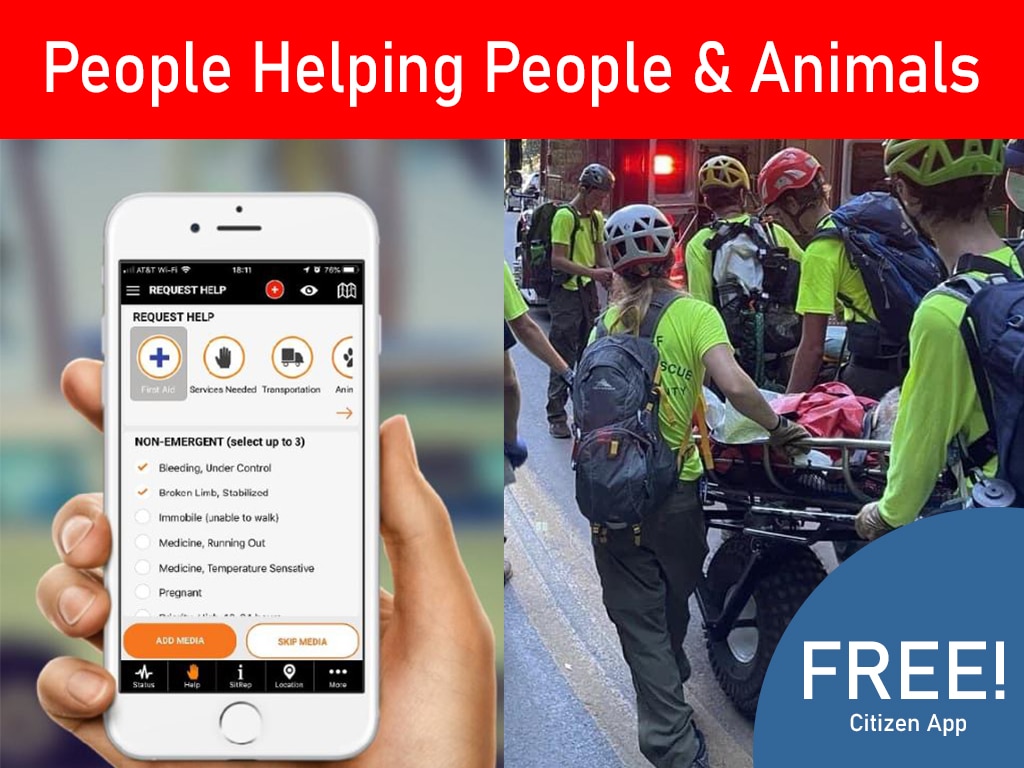
Not long ago, managing a disaster response involved juggling paper maps, messy spreadsheets, and unreliable radio channels. While these tools served a purpose, they often created more confusion than clarity. Today, response teams have access to far more powerful systems designed for the realities of a modern incident. Modern CERT deployment tracking software for emergency operations replaces that analog clutter with a single, real-time source of truth for your entire team. This article will explain what to look for in a platform and how this technology can fundamentally improve how your team prepares for and responds to any crisis.
Key Takeaways
- Unify your communications: Replace confusing texts and radio calls with a single platform. This creates a clear, real-time operational picture that improves team safety and allows for quicker, more organized deployments.
- Focus on core capabilities: The best software provides total situational awareness. Look for essential tools like live personnel tracking for safety, integrated incident reporting for clear communication, and interactive maps to see the full scope of the event.
- Plan your rollout and training: A successful launch is just as important as the software itself. Create a clear training plan and incorporate the tool into regular drills so your team is confident and prepared to use it effectively when it matters most.
What is a CERT Team and Why Track Deployments?
When a disaster strikes, a coordinated response is everything. For community-based volunteer groups, knowing who is doing what and where they are is critical for safety and effectiveness. This is where deployment tracking becomes essential, especially for groups like Community Emergency Response Teams (CERTs). Understanding the role of these teams and the tools that support them is the first step toward a more organized and impactful response effort. By tracking deployments, team leaders can ensure volunteers are sent where they are needed most, avoid duplicating efforts, and maintain accountability throughout an incident.
The Role of CERT in Emergency Response
CERT stands for Community Emergency Response Team, a program that educates volunteers about disaster preparedness for hazards that may impact their area. These dedicated individuals are trained to assist others in their community following an event when professional responders are not immediately available. By handling essential, less complex tasks, CERT volunteers allow firefighters and other emergency workers to focus on the most critical needs.
CERT members are prepared to help before, during, and after emergencies. Their responsibilities might include checking on neighbors, performing light search and rescue, assisting with medical triage, or clearing minor debris. This groundwork helps communities become more resilient by empowering citizens to take an active role in their own safety and the well-being of those around them. The Community Emergency Response Team program is a vital part of a comprehensive national preparedness strategy.
What is CERT Deployment Tracking Software?
CERT deployment tracking software is a tool designed to simplify the complexities of managing volunteer teams during a crisis. Think of it as a digital command center that brings all your essential information and coordination tools into one place. Instead of relying on messy spreadsheets, group texts, and phone calls, this software provides a clear, real-time view of your entire operation. It helps you get your response teams organized, equipped, and deployed more efficiently.
The main goal is to streamline how you manage an incident from start to finish. With a platform like PubSafe, you can see where your team members are, what tasks they’ve been assigned, and the status of their work. This technology is built to bring order to chaotic situations, ensuring that every volunteer’s effort contributes directly to the mission. Understanding how PubSafe works can give you a clear picture of how these systems function in a real-world emergency.
The Risks of Poor Coordination and Communication
During an emergency, information can become scattered across emails, radio channels, text messages, and paper logs. This fragmentation is a significant risk, leading to confusion, delayed response times, and inefficient use of resources. When teams can’t communicate effectively, they may duplicate efforts in one area while another critical zone receives no attention at all. This lack of a common operating picture puts both volunteers and the community they serve in jeopardy.
Poor coordination can also lead to safety issues, as team leaders may lose track of personnel in hazardous environments. Effective volunteer coordination during emergencies depends on a centralized system that allows for clear communication and task assignment. By bringing everything into one platform, you can ensure information is shared securely, tasks are tracked, and everyone is on the same page. This not only improves operational effectiveness but also strengthens accountability and safety for the entire team.
What to Look For in CERT Deployment Software
Choosing the right software for your CERT team isn’t just about getting a new tool; it’s about fundamentally improving how you respond to emergencies. The best platforms are designed with the chaos of a real-world incident in mind. They replace cluttered radio channels, confusing text threads, and paper maps with a single, reliable source of truth. When you’re evaluating your options, you’re looking for a system that can bring order to the confusion, ensuring your team is safe, effective, and fully coordinated.
The goal is to find software that acts as a digital command center for your entire team. It should give you a clear view of your people, your resources, and the situation on the ground, all in real time. This visibility is what allows you to make smart, fast decisions when every second counts. From tracking volunteer locations to managing incoming incident reports, the right software provides the structure you need to operate efficiently. Let’s break down the essential features you should look for to make sure your team is prepared for anything.
Real-Time Personnel and Resource Tracking
During an incident, your most valuable assets are your people and your equipment. You need to know where they are at all times. Real-time tracking isn’t about micromanagement; it’s about safety and efficiency. Imagine being able to see every team member on a live map, ensuring no one is sent into a hazardous area alone or left behind. This feature also helps you deploy the nearest available person to a new task, saving critical time. Effective team management software gives you a clear operational picture, so you can direct your team with confidence and keep everyone accounted for from start to finish.
Centralized Communication and Incident Reporting
When an emergency hits, communication can quickly become fragmented across phone calls, text messages, and radio chatter. This creates confusion and slows down your response. A platform with centralized communication consolidates all updates into a single, organized feed. Team members can report what they see, request assistance, and receive new assignments without clogging up communication channels. This ensures everyone is working from the same information. Having a clear and simple way of reporting an incident directly into the system means vital details are captured accurately and shared instantly with command staff.
Volunteer Management and Role Assignment
Your CERT volunteers come with diverse skills and availability. The right software helps you organize them effectively. Instead of relying on spreadsheets or memory, you can use the platform for volunteer coordination, assigning specific roles and tasks based on qualifications and real-time status. This structure, often based on the Incident Command System (ICS), ensures that every volunteer has a clear purpose. It allows you to deploy a search team, a first aid station, or a traffic control unit with just a few clicks, making your entire operation more organized and letting professional first responders handle the most complex tasks.
Geospatial Mapping for Situational Awareness
A picture is worth a thousand words, especially during a disaster. Geospatial mapping gives you that picture by plotting incidents, resources, personnel, and hazards on a single, interactive map. This shared view provides immediate situational awareness for everyone on the team, from field volunteers to the incident commander. You can instantly see the scope of the event, identify hotspots, and plan routes that avoid blocked roads or dangerous areas. Viewing this information on a public map can also keep the wider community informed, building trust and cooperation. This visual context is critical for making informed, strategic decisions.
Scalability for Any Size Incident
Emergencies are unpredictable. A small, localized incident can quickly escalate into a large-scale disaster. Your software must be able to scale with the event. It should perform just as reliably whether you have ten volunteers in the field or a thousand, without crashing or slowing down. A scalable platform can handle a massive influx of data, from hundreds of incident reports to a surge in new users. This ensures your command and control system remains stable when you need it most. Look for a solution designed to support everything from a neighborhood search to a region-wide response, because you never know what tomorrow will bring.
How Tracking Software Improves Emergency Response
Effective CERT deployment software does much more than just show dots on a map. It fundamentally transforms how your team operates during a crisis by creating a single source of truth for everyone involved. Think of it as the digital command center that connects your field teams, leadership, and even citizen reporters in one cohesive system. When information flows freely and accurately through a platform like this, your team can move faster, make better decisions, and stay safer. This shift from scattered communication methods like radio chatter and phone calls to a unified platform means you can focus on what truly matters: helping people. By centralizing data and communication, you replace confusion with clarity. This allows your team’s skills and dedication to have the greatest possible impact. The right platform provides the framework for a response that is not only faster but also smarter and more accountable from start to finish. It’s about understanding how PubSafe works to connect all the moving parts of an emergency response into a clear, actionable picture. Instead of wasting precious time trying to verify information from multiple sources, you have a reliable, real-time view of the situation. This allows for proactive strategies rather than reactive scrambling, ultimately leading to better outcomes for the community you serve.
Achieve Faster, More Coordinated Deployments
During an emergency, every second counts. Tracking software eliminates the delays caused by confusion and poor communication. Instead of relying on radio check-ins or phone trees, a command center can see where all personnel and resources are in real time. This immediate visibility allows for faster and more effective team management. You can deploy the nearest available unit to a new incident, reroute teams away from a sudden hazard, or guide volunteers to a rendezvous point without missing a beat. This level of coordination ensures that your response is swift, efficient, and adaptable to the fluid nature of a disaster.
Make Smarter Resource Allocation Decisions
Knowing where to send your people and equipment is one of the most critical challenges in any response. Tracking software provides a comprehensive operational picture, consolidating incident reports, team locations, and available resources into a single view. With access to a public map that visualizes the entire situation, leaders can make informed decisions about where assets are needed most. This prevents the misallocation of valuable resources, like sending a team to a resolved incident or leaving a high-priority area understaffed. It ensures that your efforts are directed precisely where they can do the most good.
Strengthen Accountability and Post-Incident Reporting
After an incident is over, the work of learning and improving begins. Tracking software creates an automatic and objective record of the entire operation. Every team movement, status update, and message is time-stamped and logged. This detailed data is invaluable for post-incident analysis, helping you identify what went well and where there are opportunities for improvement. This process of reporting an incident and the actions taken also builds accountability, providing a clear, auditable trail that can be used for reports, funding requests, and compliance documentation.
Integrate with Existing Emergency Management Systems
Adopting new technology shouldn’t mean reinventing your entire workflow. The best CERT software is designed to complement and enhance your existing systems, not replace them. Look for a platform that is flexible and can easily integrate with the processes your team already knows. A smooth organization registration and onboarding process is a good sign that the software is built with user experience in mind. The goal is to add a powerful new capability to your toolkit without creating a steep learning curve, allowing your team to get up and running quickly.
How to Choose and Implement CERT Software
Selecting the right software is a huge step toward improving your team’s effectiveness, but the work doesn’t stop there. A successful rollout is just as important as the tool itself. Think of it as getting a brand-new piece of life-saving equipment; you need to know it works and ensure everyone on your team is confident using it before the pressure is on. A thoughtful implementation process makes the transition smoother and guarantees your team can fully use the software’s capabilities when your community needs you most. Let’s walk through the key steps for choosing your software and getting your team on board.
Prioritize a User-Friendly and Reliable Interface
During an emergency, every second counts. The last thing your team needs is to struggle with confusing software. Your CERT deployment tool should be intuitive enough for any volunteer to use, regardless of their comfort with technology. A clean, simple interface means team members can quickly report an incident, update their status, or access critical information without a steep learning curve. When evaluating options, ask yourself: Can a new volunteer pick this up and use it effectively within minutes? The platform should feel like a natural extension of your response efforts, not another obstacle to manage. Look for clear navigation, straightforward forms, and a design that presents vital data without clutter.
Confirm Data Security and Accuracy
Your team handles sensitive information, from volunteer contact details to the locations of vulnerable residents. The software you choose must protect this data with strong security measures. Look for platforms that are transparent about their security protocols, such as data encryption and secure servers. Just as important is data accuracy. Inaccurate map coordinates or outdated incident reports can lead to wasted resources and put responders at risk. A reliable platform ensures that the information you see is the information you can trust. This builds confidence within your team and with other agencies that rely on your data to make critical, time-sensitive decisions during a response.
Create a Training Plan for Your Team
Even the most intuitive software requires training to ensure everyone uses it correctly and consistently. Before you roll out a new platform, develop a clear training plan for your entire team. This plan should cover all the essential functions, from initial setup to advanced features like creating custom reports. You can run your own training sessions or see if the software provider offers resources. The goal is to make using the software second nature, so it’s one less thing to think about during a real event. Effective volunteer coordination starts with making sure everyone is on the same page and comfortable with the tools at their disposal. Practice makes perfect, so incorporate the software into your regular drills and exercises.
Follow Best Practices for a Smooth Rollout
Introducing a new tool can be disruptive if not handled carefully. For a smooth transition, start with a phased rollout. Begin with a small group of team leaders or tech-savvy volunteers who can test the software and provide feedback. This pilot group can help identify any potential issues before you introduce the platform to the entire team. Appoint a point person or a small committee to lead the implementation, answer questions, and serve as the main contact with the software provider. When you’re ready to get started, a clear first step like an organization registration process helps get everyone set up for success from day one.
Deployment tracking should connect directly with adjacent CERT coordination workflows: CERT activation checklist, CERT team roster and scheduling, CERT member accountability system, and CERT incident reporting software.
Related Articles
- Best Incident Management Software for Disaster Response | PubSafe
- 4 Best Search And Rescue Dispatch Software (2026)
Frequently Asked questions
Why can’t my CERT team just use group texts and phone calls to coordinate? While texts and calls feel familiar, they create information silos during a crisis. When one person has a key update on their phone, the rest of the team is left in the dark. This fragmentation leads to confusion, duplicated efforts, and a lack of a single, shared view of the situation. A dedicated platform brings all communication and incident data into one place, so everyone from the field to the command post is working with the same real-time information.
My team is small and mostly handles local incidents. Do we really need this kind of software? Absolutely. The principles of good coordination are just as important for a team of ten as they are for a team of one hundred. This kind of software gives a small team the organizational power to operate with the efficiency of a much larger group. Plus, emergencies are unpredictable. A platform built to scale ensures that if a small incident suddenly grows, your communication and management system can handle the increased pressure without breaking down.
How does tracking software actually improve volunteer safety? It’s about having a digital safety net for your team. Real-time location tracking allows a team leader to see every member on a map, ensuring no one is working alone in a potentially hazardous area. If a new danger appears, like a flash flood or a downed power line, command can instantly see who is nearby and reroute them to safety. It provides a constant, reliable way to account for every person from deployment to demobilization.
We’re all volunteers with different levels of tech skills. Will this be too complicated for my team to learn? This is a common and valid concern. The best software is designed with this in mind, prioritizing a simple and intuitive interface that anyone can learn quickly. The goal is for the tool to feel helpful, not frustrating. A great way to get started is with a phased rollout. You can begin with a small pilot group to test it out and then create a simple training plan for the rest of the team, incorporating the software into your regular drills so it becomes second nature.
Besides managing the response, what other benefits does this software offer after an incident is over? After the immediate crisis passes, the work of analysis and reporting begins. The software automatically creates a detailed, time-stamped log of the entire operation, including every message, status update, and team movement. This data is incredibly valuable for creating accurate after-action reports, identifying what went well, and pinpointing areas for improvement in your training. It provides a clear, objective record that strengthens accountability and can support requests for funding or resources.