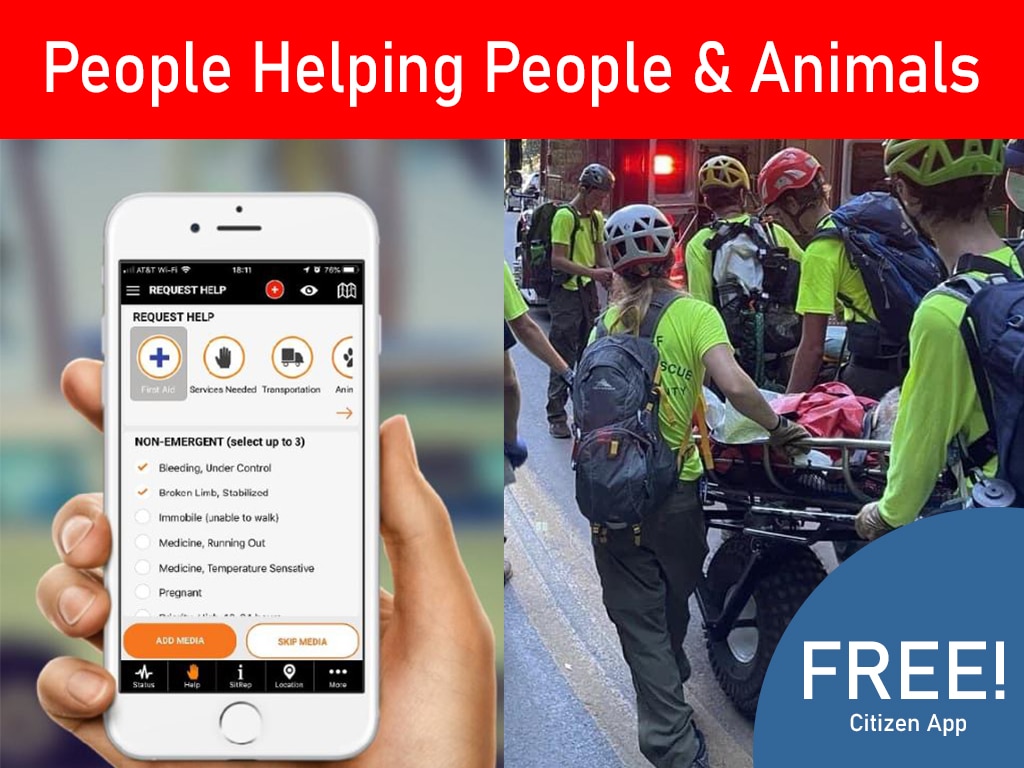
During a large-scale emergency, the response involves many players: public safety agencies, NGOs, corporate volunteer groups, and citizen-led CERTs. Traditionally, these groups operate in their own silos, using different communication methods and lacking a shared view of the situation. This creates gaps in coverage and slows down the delivery of aid. Modern community response team software for disaster recovery operations is designed to break down these barriers. It creates a common operational picture, allowing every organization to see the same real-time map, incident reports, and resource locations. This unified approach ensures that all teams, regardless of their affiliation, can work together seamlessly as a single, coordinated force for the community.
Key Takeaways
- Connect your entire community: The most effective software breaks down communication silos by uniting citizens, volunteers, and official agencies on one platform. This creates a single, shared view of an emergency, ensuring everyone works together.
- Focus on essential features, not just flash: The best platform is one that is easy for volunteers to use and can scale to any incident size. Prioritize core functions like real-time mapping, resource management, and mobile access over a long list of complicated tools.
- Make the software work through practice: A tool is only useful if your team knows how to use it under pressure. Solidify your investment by conducting regular training drills, setting clear communication protocols, and creating a feedback loop for continuous improvement.
What is Community Response Team Software?
At its heart, Community Response Team (CERT) software is a digital command center for organizing local volunteers. Think of it as the tool that connects people who are trained and ready to help with the situations where they’re needed most. A CERT is a group of volunteers skilled in emergency preparedness who can respond to disasters in their own neighborhoods. These teams are essential, not just for providing hands-on help during a crisis, but also for educating their communities about safety long before an emergency happens.
This type of software provides the structure for managing these incredible volunteers. It helps leaders dispatch teams, share critical information, and track activities on the ground. Instead of relying on messy phone trees or scattered group chats, the software creates a single, reliable channel for communication and coordination. Platforms like PubSafe show how this works by creating a unified network where citizens, volunteer teams, and official agencies can all work together. It’s about turning good intentions into organized, effective action when every second counts.
How It Works During a Disaster
When a large-scale emergency hits, professional first responders like police and firefighters can quickly become overwhelmed or delayed. This is the critical window where CERT volunteers shine. With the help of response software, these teams can step in to provide immediate assistance. They can perform light search and rescue, administer first aid, and help manage shelters until professional help arrives. The software acts as their guide, allowing team leaders to assign tasks and receive real-time updates from the field.
This technology also empowers volunteers to be proactive. CERT members are encouraged to know their neighborhoods inside and out, identifying potential hazards and planning evacuation routes. During an incident, they can use the software to report what they see, giving official responders a clearer picture of the situation as it develops. This organized flow of information is key to a faster, more effective response for the entire community.
Who Uses This Software?
You might be surprised by the wide range of groups that rely on community response software. It’s not just for government agencies. Police and fire departments, hospitals, and even large corporations use these platforms to manage their emergency preparedness plans. The goal is to create a resilient community, and that requires participation from every sector. For example, a corporation might use it to coordinate its employee volunteer program, while a hospital can manage its response to a mass casualty event.
The true power of this software is its ability to bring diverse groups together. In Dallas, the CERT program includes everyone from Volunteers in Policing and Crime Watch groups to members of the NAACP. This shows that effective disaster response is a team sport. By providing a common platform, the software makes it possible for any group to get involved. If you lead a community organization, you can see how simple it is to get your team connected through an organization registration process.
Essential Features of Disaster Recovery Software
When you’re evaluating different platforms, it’s easy to get lost in a long list of features. But during a real crisis, only a few core capabilities truly matter. The right software doesn’t just add more tools; it simplifies complexity and connects your most important assets: your people. A solid platform should feel like a natural extension of your team, helping everyone work together more effectively when every second counts. Look for software built around these essential functions to ensure your community has a reliable digital backbone during an emergency.
Think of it this way: the goal isn’t to find the software with the most buttons, but the one that makes critical tasks intuitive and fast. During a flood or wildfire, your team won’t have time to consult a manual. They need a tool that guides them through the necessary steps seamlessly. That’s why focusing on the essentials is so important. These core features are the building blocks of an effective, coordinated response. They empower everyone, from professional first responders to citizen volunteers, to contribute meaningfully without getting bogged down by complicated technology. This section will walk through the must-have features that make a real difference.
Real-Time Communication & Alerts
In a disaster, information is everything. The ability to send and receive instant updates can be the difference between a coordinated response and chaos. Your software must provide a central channel for real-time communication, connecting field teams, command centers, and even the public. This means sending out critical alerts via text or app notifications that cut through the noise. When a road is blocked or a new shelter opens, your team needs to know immediately. This constant flow of information ensures everyone is operating with the most current intelligence, allowing for faster, smarter decisions on the ground.
Volunteer & Resource Management
A crisis often brings out the best in people, with many citizens eager to help. But without organization, that goodwill can be difficult to channel effectively. Effective software gives you a clear view of your available personnel and assets. You can see which volunteers are checked in, what skills they have, and where they are located. This allows you to efficiently manage your team and assign tasks to the right people. It also helps you track physical resources, like medical supplies or equipment, ensuring they get to where they’re needed most without delay.
Mapping & Situational Awareness
Understanding the full scope of an emergency is critical for an effective response. A key feature of modern disaster software is interactive mapping, which provides a shared, real-time view of the situation. This isn’t just a static map; it’s a dynamic dashboard showing incident reports, volunteer locations, and areas of concern. With strong situational awareness, your leadership can identify emerging hotspots, find safe access routes, and direct resources with precision. The ability to see everything on a public map helps every member of the response team understand the bigger picture.
Damage Assessment & Incident Reporting
After a disaster strikes, one of the first priorities is to understand the extent of the damage. Your software should make it simple for teams and even trained citizens to report what they see. Using a mobile app, users can submit photos and details about downed power lines, flooded homes, or blocked roads. This crowdsourced information flows directly into your command center, painting a detailed picture of the impact. This process of reporting an incident is vital for prioritizing response efforts and providing accurate information to government agencies and the public.
Custom Workflows & Automated Documentation
Every organization has its own way of doing things. Good software should adapt to your processes, not the other way around. Look for platforms that allow you to create simple, custom workflows for common tasks, like volunteer intake or supply requests. This automation reduces manual data entry and ensures that important steps aren’t missed during a high-stress event. By standardizing how your organization registers and operates, you create a more efficient and less error-prone response, all while the software automatically documents every action for later review.
Data Collection & Post-Incident Analysis
The response doesn’t end when the immediate danger has passed. The recovery and learning phase is just as important. Your software should capture a complete record of the entire incident, from the first alert to the final damage report. This data provides invaluable insights during post-incident analysis. You can review communication logs, team deployments, and resource allocation to identify what went well and where there are opportunities for improvement. This data-driven approach helps your community become more resilient and better prepared for future events.
How Does This Software Improve Coordination?
During a crisis, effective coordination can be the difference between chaos and a controlled response. The primary strength of community response software is its ability to break down the communication barriers that often separate emergency teams, volunteer groups, and the public. Traditionally, these groups might rely on different systems, leading to information silos where one team doesn’t know what another is doing. This can result in duplicated efforts, wasted resources, and dangerous delays in getting help to where it’s needed most.
Community response software replaces this fragmented approach with a unified platform where everyone operates from a shared playbook. This creates a single source of truth, which is essential when seconds count. By connecting every person and organization involved in a response, from a citizen reporting an issue to a public safety official dispatching a team, the platform builds a resilient and collaborative emergency management ecosystem. This structure mirrors the principles of the Incident Command System by creating a clear, scalable framework for managing any event. It ensures that resources are deployed intelligently, information is accurate and timely, and the community remains safe and informed throughout the incident.
Unite Citizens, NGOs, and Public Safety Teams
A disaster response is a team sport, but the players often wear different uniforms. Public safety agencies, non-governmental organizations (NGOs), and citizen volunteers like Community Emergency Response Teams (CERT) all play vital roles. This software acts as a digital command center, bringing these disparate groups together on one platform. Everyone shares the same real-time map and incident data, creating a common operational picture. This means a volunteer group can see where official responders are working and direct their efforts to underserved areas, preventing duplicated work and filling critical gaps. It allows for seamless team management, so you can assign tasks to different organizations and see progress as it happens, ensuring everyone is working toward the same goal.
Streamline Information During an Incident
The initial moments of an emergency are often filled with confusing and conflicting information. Community response software cuts through this “fog of war” by centralizing all communications. Instead of juggling radio traffic, phone calls, and text messages, team leaders can get updates and send instructions through a single, secure channel. When a citizen or field volunteer reports an incident, the information is instantly available to every relevant user on the network. This streamlined flow of information allows for faster, more accurate decision-making. You can track resources, monitor team locations, and understand the scope of the disaster without waiting for second-hand reports, making your entire response more agile and effective.
Inform the Public in Real Time
Keeping the public informed is just as important as coordinating the response. Panic and misinformation can create new dangers during an already critical event. This software provides a direct line of communication to the community, allowing you to send out verified alerts, evacuation notices, and safety instructions. More importantly, it creates a two-way conversation. Citizens can use a simple app to report what they see on the ground, providing officials with invaluable situational awareness. Features like a public map can show road closures, shelter locations, and hazardous areas, empowering people to make safer decisions for themselves and their families until professional help arrives.
A Look at Community Response Team Software
Choosing the right software can feel overwhelming, but it helps to know what’s out there. Different platforms excel in different areas, so the best choice for your team depends on your specific needs, from volunteer management to large-scale incident coordination. To give you a starting point, here’s a look at five popular options in the disaster response space. Each one offers a unique approach to connecting teams and communities when it matters most. Think about your organization’s primary goals as you review what each platform does best.
PubSafe
PubSafe is built around connecting everyone involved in a disaster, from citizens on the ground to professional response teams. Its strength lies in its user-friendly design and mobile-first approach, which makes it easy for anyone to report an incident or get real-time information. The platform is designed to bridge the communication gap between the public and official organizations like NGOs and CERT teams. This focus on community engagement helps create a more complete operational picture during an emergency. You can see how PubSafe works to unite different groups, ensuring that citizen reports and professional response efforts are part of the same coordinated system. It’s a great tool for organizations that want to empower their community while streamlining their own operations.
D4H
D4H offers a comprehensive suite of tools designed for professional emergency management teams. The platform focuses heavily on internal coordination, providing features for incident reporting, personnel readiness, and equipment tracking. Its main goal is to ensure that every member of a response team has access to the same real-time information, which is critical for making smart decisions during a crisis. With mobile apps that facilitate on-the-ground updates, D4H helps teams maintain situational awareness from anywhere. This makes it a solid choice for established organizations that need a robust system to manage complex logistics and coordinate team activities effectively during an incident.
WebEOC
WebEOC is a well-established incident management software used by many emergency operations centers (EOCs). It’s known for its ability to create a common operating picture through customizable dashboards and detailed reporting tools. This allows different agencies and departments to share information and track resources from a central hub. One of its standout features is its capacity to integrate with other systems, making it a flexible option for complex disaster scenarios where multiple technologies are in play. WebEOC is best suited for large-scale operations that require a powerful, centralized platform to manage the flow of information and resources across various response partners.
Veoci
Veoci is a cloud-based platform that helps organizations manage everything from daily operations to full-blown emergencies. It provides a flexible set of tools for planning, training, and real-time incident response. The platform is designed for collaboration, allowing multiple agencies to work together seamlessly by sharing information and coordinating tasks in one place. Users often point to its intuitive interface and powerful reporting capabilities as key benefits. Because it’s highly configurable, Veoci can be adapted to fit a wide range of emergency management plans and workflows, making it a versatile choice for organizations looking for an all-in-one solution.
GovPilot
As its name suggests, GovPilot is a software platform designed specifically for government agencies. While it offers a broad range of tools for municipal operations, it includes strong features for emergency management. The platform helps local governments streamline incident reporting, manage public assets, and keep residents informed during a crisis. GovPilot places a strong emphasis on transparency and accessibility, providing public-facing portals that allow citizens to report issues and stay updated on response efforts. This makes it a good fit for municipalities that want to integrate their disaster response functions with their other day-to-day government services.
How to Choose the Right Disaster Recovery Software
Selecting the right software is a critical step in preparing your community for an emergency. The best platform is one that fits your team’s specific needs and can grow with you. When you’re comparing options, think about the types of incidents you face, who will be using the software, and how it will fit into your current operations. A thoughtful choice here ensures your team has a reliable tool when it matters most, helping you coordinate efforts and keep your community safe.
Scalability for Different Incidents
Disasters aren’t one-size-fits-all, and your software shouldn’t be either. Whether you’re dealing with a localized flood or a region-wide wildfire, the platform must adapt. Look for a solution that can scale from a small team of volunteers to a multi-agency response involving hundreds of people. A Community Emergency Response Team (CERT) plays a vital role in supporting professional responders, and your software should empower them to manage tasks appropriate for the situation. The right tool allows you to create different teams, assign specific roles, and manage incidents of any size without feeling overwhelmed or limited by the technology.
User-Friendly for Volunteers & Citizens
Your response team includes people with diverse backgrounds and technical skills. Many are volunteers and citizens who need to get up to speed quickly without a steep learning curve. Choose software with a clean, intuitive interface that makes it easy for anyone to participate. Complicated systems can create barriers and slow down your response. The goal is to have a platform where a new volunteer can download a free app and start contributing almost immediately. When the software is easy to use, your team can focus on the mission, not on figuring out how the technology works.
Offline & Mobile Access
During a disaster, you can’t count on having reliable internet or power. That’s why mobile access and offline capabilities are non-negotiable. Your team members in the field need to be able to report observations, update statuses, and access critical information directly from their phones, even without a connection. The software should sync data automatically once connectivity is restored. This ensures that information keeps flowing and that everyone can access a public map or incident data, providing a continuous, real-time view of the situation on the ground, no matter the conditions.
Integration with Your Current Systems
New software should feel like a missing piece of the puzzle, not a whole new puzzle. The platform you choose must integrate smoothly with the systems and communication tools your team already uses. This prevents information from getting stuck in separate systems and ensures a single source of truth for everyone involved. Before you commit, consider how the software will work with your existing communication protocols and data management practices. A platform that allows you to easily register your organization and connect with other agencies ensures that your entire response network can collaborate effectively from day one.
Overcoming Common Implementation Challenges
Adopting new software is a big step, but it doesn’t have to be a difficult one. When you’re introducing a new community response platform, you’re not just changing a tool; you’re improving a process that saves lives. Anticipating a few common hurdles can make the transition smoother for everyone involved, from your core team to community volunteers. By planning for these challenges, you can ensure your organization is ready to get the most out of your new system from day one.
Address Training and Skill Gaps
Bringing in new software means your team will need to learn new skills. It’s important that everyone, especially volunteers like Community Emergency Response Team (CERT) members, feels confident using the platform. Your training should cover the specific disasters your community faces and how the software helps manage them. Focus on practical skills, like how to report an incident or coordinate with other users. The best software is intuitive, but good training closes any gaps and ensures your team can act decisively during an emergency. Look for platforms that offer clear guides and support to get everyone up to speed quickly.
Manage Resistance to New Technology
It’s natural for people to be hesitant about change, especially when they’re used to a certain way of doing things. Some team members might be wary of relying on a new digital tool. The key is to communicate the “why” behind the change. Show them how the new software makes their work easier and more effective. Features like simple volunteer coordination and straightforward sign-up processes can help win over even the most skeptical team members. When people see how the technology directly helps them and the community, they are much more likely to embrace it.
Work Within Funding and Resource Limits
Budget constraints are a reality for most public safety organizations and NGOs. The good news is that you have options. Start by researching financial support opportunities, such as the Listos California Grant Program, which helps organizations prepare for disasters. Many software providers also offer flexible solutions. For example, PubSafe provides a powerful platform for organizations while offering a free app for citizens to report issues and stay informed. This approach allows you to build a comprehensive response network without breaking the bank.
Secure Data During the Transition
When you’re handling sensitive information during a crisis, data security is paramount. As you move to a new platform, you need to be sure that volunteer details, damage assessments, and incident reports are protected. Ask potential providers about their security measures, such as data encryption and secure login options like two-factor authentication. A trustworthy platform will be transparent about how it protects your data. This commitment to security not only protects your organization but also builds trust with the community members who rely on you during an emergency.
Best Practices for Implementing Your Software
Choosing the right software is a great first step, but how you introduce it to your team and community is what truly determines its success. A tool is only as good as the people using it, and a thoughtful implementation plan can make all the difference when a disaster strikes. By focusing on clear goals, thorough training, and continuous improvement, you can ensure your new platform becomes an indispensable asset for community safety and coordination. These practices will help you build a resilient response system from the ground up.
Set Clear Goals Before You Start
Before you roll out any new software, take a moment to define what success looks like for your community. What are the biggest threats you face? Are you in an area prone to wildfires, floods, or winter storms? Answering these questions helps you pinpoint exactly what you need the software to do. Your goals might include reducing incident response times, improving volunteer deployment, or providing clearer public information. Getting specific helps you configure the software effectively and measure its impact later. A clear understanding of your objectives from the start ensures you’re not just adopting new technology, but are using it to solve real-world problems.
Train Your Team Before a Disaster
The middle of an emergency is the worst time to learn a new system. Comprehensive training must happen long before you need to put your skills to the test. This goes beyond basic disaster response skills; your team needs to be completely comfortable with the software you’ve chosen. Everyone, from professional responders to citizen volunteers, should know how to report an incident, request assistance, and communicate with their team through the platform. Effective volunteer coordination starts with making sure every person feels confident and prepared to use the tools at their disposal. Regular, low-pressure training sessions build the muscle memory needed to act decisively when it matters most.
Establish Clear Communication Protocols
A powerful communication tool is only effective if everyone agrees on how to use it. Before an incident occurs, your organization needs to establish clear protocols. Who is responsible for sending out alerts? What is the chain of command for escalating an issue? How will you use the platform to communicate with the public versus internal teams? Defining these roles and workflows prevents confusion and ensures information flows to the right people at the right time. Platforms that allow for detailed team management can help you assign roles and permissions, making it easier to stick to your communication plan during a chaotic event.
Run Regular Drills and Simulations
You can’t prepare for a disaster without practice. Running regular drills is the best way to test your plans, your team, and your software in a controlled environment. Simulate a realistic local disaster scenario and have your team use the platform for every step of the response. Have them report an incident, track resources, and communicate updates just as they would in a real emergency. These simulations will quickly reveal any gaps in your training or weaknesses in your workflow. More importantly, they build confidence and ensure that when a real disaster strikes, your team can operate with speed and precision, because they’ve done it all before.
Create a Feedback Loop for Improvement
After any drill or real-world event, the work isn’t over. The most resilient organizations are the ones that are committed to learning and improving. Your software should help you create a feedback loop by capturing data for post-incident analysis. Review what went well and what could have gone better. Gather feedback from everyone involved, from the command center to volunteers on the ground. This process isn’t about finding fault; it’s about identifying opportunities for growth. By analyzing performance and listening to your team, you can refine your protocols, adjust your training, and make sure you are even better prepared for the next event.
How to Measure Your Software’s Effectiveness
Choosing and implementing community response software is a huge step, but the work doesn’t stop there. To make sure your investment truly pays off during a crisis, you need a clear way to measure its effectiveness. How do you know if your new platform is actually improving coordination and response times? It’s about moving beyond assumptions and using data to see what’s working and where you can improve. By regularly evaluating your software’s performance, you ensure your team, volunteers, and community are as prepared as possible for when it counts the most. This process isn’t about finding fault; it’s about refining your strategy so you can respond faster and more effectively with each incident.
Track Key Performance Metrics
To understand your software’s impact, you need to track the right performance metrics. Think about what success looks like for your organization. Is it faster response times? More efficient resource deployment? Better communication between teams? Your software should provide the data to answer these questions. Look at metrics like the time it takes to assign a volunteer to a task, the number of citizens who receive and act on an alert, or how quickly a reported incident is verified and addressed. Tracking these key indicators helps you see tangible results and pinpoint specific areas where your team can improve its disaster response platform usage.
Gather User Feedback and Conduct Reviews
The people using the software every day are your best source of information. This includes everyone from your core emergency managers to the citizen volunteers who just downloaded the app. Are they finding the interface intuitive? Can they complete tasks without getting stuck? Make it easy for them to share their thoughts through surveys, after-action reviews, or informal check-ins. This feedback is gold. It helps you identify strengths you can lean on and weaknesses you need to address. A platform is only as good as its users’ ability to operate it under pressure, so listening to their experience is essential for continuous improvement and effective volunteer coordination.
Use Simulations to Benchmark Progress
You wouldn’t want the first time you test your new system to be during a real emergency. Running regular drills and simulations is the best way to pressure-test your software and your team in a controlled environment. Create a practice disaster scenario and have your team work through it using the software. This hands-on approach does more than just test the tech; it builds muscle memory and reveals gaps in your workflows. You can see how information flows, how tasks are assigned, and where communication breaks down. Use these drills to benchmark your progress and refine your protocols, ensuring everyone knows exactly how to report an incident and respond accordingly.
Get Your Community Response Team Ready
Having a plan on paper is one thing, but a truly effective response depends on a well-prepared Community Emergency Response Team (CERT). When a disaster strikes, your team becomes the first line of support, stepping in when professional responders are overwhelmed or delayed. Building a capable team requires a deliberate focus on training, consistent community outreach, and using the right tools to bring it all together. By focusing on these key areas, you can build a resilient group of volunteers ready to act confidently and effectively when your community needs them most.
Focus on Training and Organization
A strong team starts with solid training. The goal is to equip everyday people with the skills to help themselves and their neighbors during a crisis. Comprehensive CERT training typically covers essential skills like fire safety, light search and rescue, team organization, and disaster medical operations. It also prepares volunteers for the psychological stress of a disaster, helping them support their community’s emotional well-being. Organizing your team with clear roles and responsibilities before an incident occurs ensures that everyone knows their job, which prevents confusion and allows for a more efficient response.
Engage Your Community
A successful CERT program extends its work beyond the core team. Your team’s role is not just to respond during an emergency but also to be a constant resource for preparedness education. Actively engaging your community builds a culture of resilience from the ground up. You can do this by hosting workshops that teach residents about creating emergency kits, understanding evacuation procedures, and establishing communication plans. When more people are prepared, the entire community is safer and better able to recover. This proactive outreach is a fundamental part of forming a community emergency response team.
Use Technology to Your Advantage
Modern technology can dramatically improve how your team operates. Community response software helps you coordinate volunteers, manage resources, and communicate in real time. Instead of relying on scattered phone calls and text messages, a dedicated platform provides a single source of truth for everyone involved. With the right tools, you can streamline everything from readiness and deployment to post-incident analysis. Using a platform for team management allows you to see where your resources are, assign tasks, and track progress, making your entire operation more efficient and effective.
Related Articles
- What Is A CERT Team & How To Contact Yours
- Best Incident Management Software for Disaster Response | PubSafe
Frequently Asked Questions
Is this software just for professional first responders? Not at all. The real strength of this software is how it connects everyone involved in a response. It creates a shared space where professional teams, like police and fire departments, can work directly with volunteer groups, NGOs, and even individual citizens. Think of it as a bridge that allows a trained volunteer to report an issue that an official dispatcher can then see and act on instantly. It’s designed for the whole community.
My organization is small and mostly volunteer-run. Is this kind of software too complicated or expensive for us? That’s a common concern, but many platforms are designed specifically for groups like yours. The best software is intuitive and doesn’t require a technical background to use. Many providers also offer flexible pricing or even free versions for volunteers and citizens. The goal is to make these powerful tools accessible, so you can focus on organizing your team, not on managing a complex system or a tight budget.
What’s the most important feature I should look for? If I had to pick just one, it would be real-time communication that works on a shared map. Having a single, reliable channel where everyone can see the same information as it happens is a game-changer. This shared view, often called a common operational picture, prevents teams from working in silos and ensures that everyone, from the command center to a volunteer in the field, understands the situation as it develops.
How is this better than just using group texts or social media during a crisis? While group chats are great for casual updates, they create chaos during an emergency. Information gets lost, people miss critical messages, and you can’t track resources or volunteers effectively. Dedicated response software provides structure by organizing incident reports, mapping resources, and creating a clear chain of command. It turns scattered messages into actionable intelligence that everyone can see and use.
How do we get our volunteers to actually use the new software? The key is to make it part of your routine long before an emergency happens. Use the software during regular meetings, training drills, and even for non-emergency community events. When volunteers see how the platform makes coordination simpler and feel confident using it in a low-stress setting, they will be ready and willing to rely on it when it truly matters. Consistent practice builds the confidence needed for a smooth response.