Empowering NGOs with AI:
A New Era in Disaster Preparedness and Response
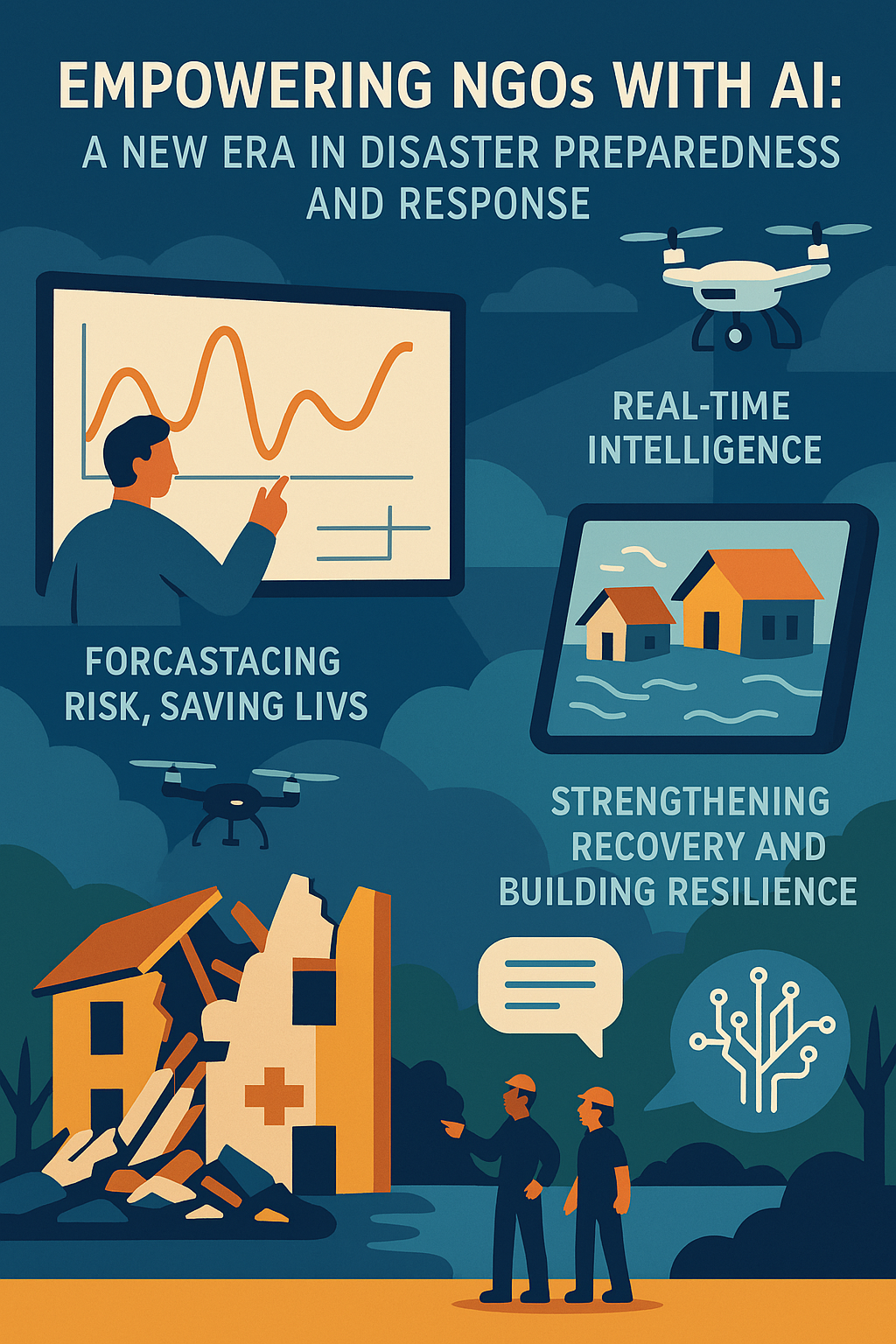
Natural disasters don’t wait. They strike swiftly, often with devastating consequences. On the frontlines, you’ll find non-governmental organizations (NGOs) coordinating aid, saving lives, and rebuilding communities. In this high-stakes landscape, artificial intelligence is becoming an indispensable ally. The use of AI in disaster response allows teams to move beyond reaction and into proactive preparation. It provides the foresight to act with greater speed and precision. From analyzing satellite imagery to coordinating volunteers, AI for disaster response is already making a life-saving difference. Let’s explore the real-world applications that can strengthen your mission.
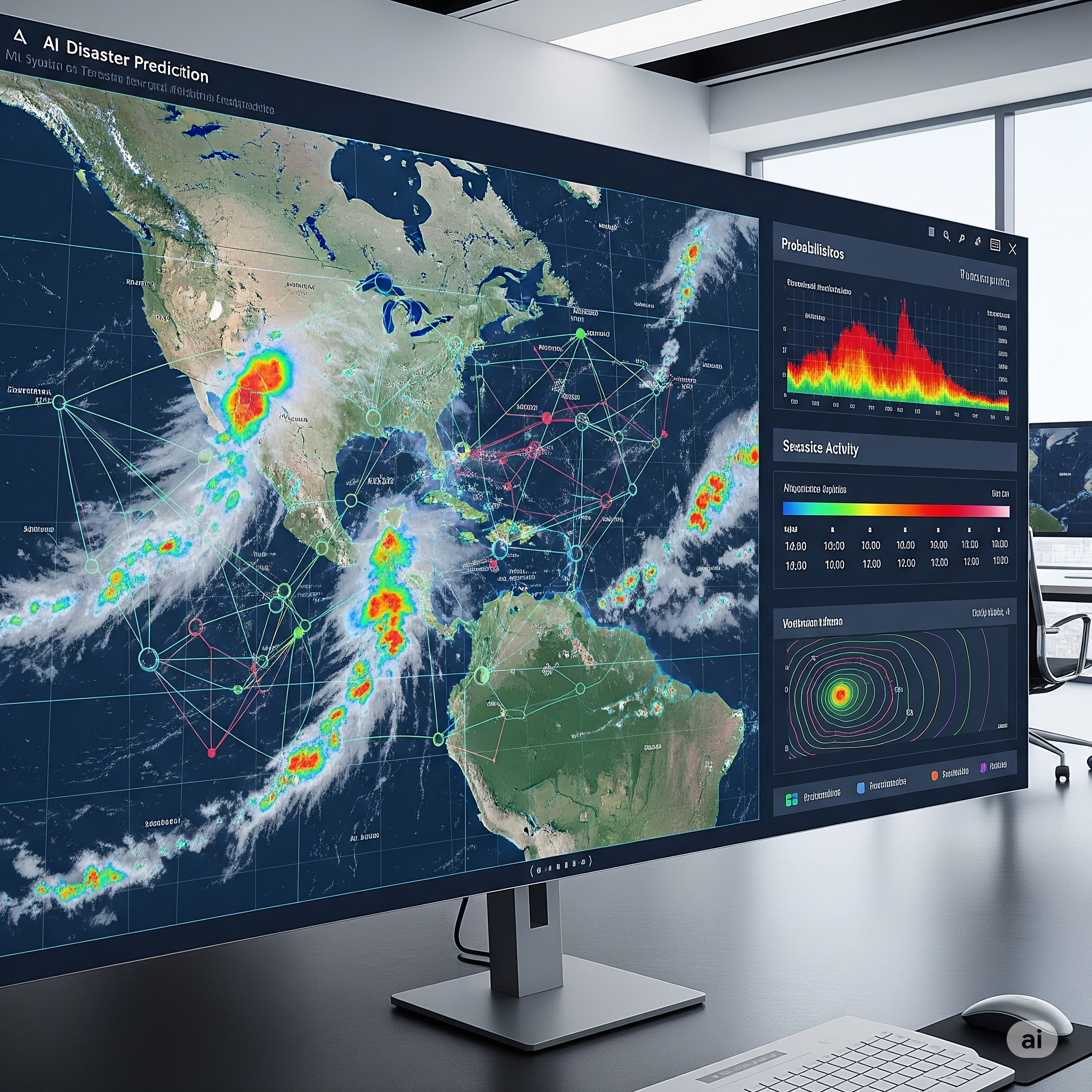
Can AI Predict Disasters Before They Strike?
Predicting disasters before they happen is no longer science fiction. AI systems analyze vast amounts of data—from weather patterns and seismic activity to historical disaster trends and social vulnerability indicators—to flag emerging threats. For instance, advanced models can now forecast the path and intensity of hurricanes with greater accuracy or predict flood risks weeks in advance by integrating satellite imagery, rainfall data, and hydrological models.
For NGOs, these early warnings are critical. With access to real-time, granular insights, organizations can mobilize resources, pre-position supplies, and initiate evacuations before a disaster strikes, ultimately saving lives and reducing humanitarian impact.
Forecasting Beyond Hurricanes and Floods
While we often associate disaster prediction with hurricanes and floods, AI’s capabilities go much further. Today’s advanced systems can forecast the potential impacts of earthquakes, model the spread of wildfires, and identify landslide-prone areas by analyzing complex geological and environmental data. AI can process massive datasets in minutes—a task that would take a human team weeks—to give emergency managers a clearer, more comprehensive view of emerging threats. For your NGO, this means you can move beyond planning for the most common disasters and develop flexible strategies for a wider range of scenarios, ensuring your team is prepared for the unexpected.
The Power of Predictive Accuracy
The real game-changer with AI isn’t just knowing that a disaster is coming, but understanding its specific impact with incredible precision. It’s the difference between a general flood warning and knowing exactly which roads will be impassable in the next hour. As researchers have pointed out, getting an alert about a flooded road just 30 minutes sooner could be the key to saving lives. This level of detail provides your teams with actionable intelligence, not just data. It allows you to direct volunteers and resources to the most critical areas, plan safer evacuation routes, and make smarter, faster decisions when every second counts.
Getting a Clearer View: AI for Real-Time Awareness
Real-Time Situational Awareness
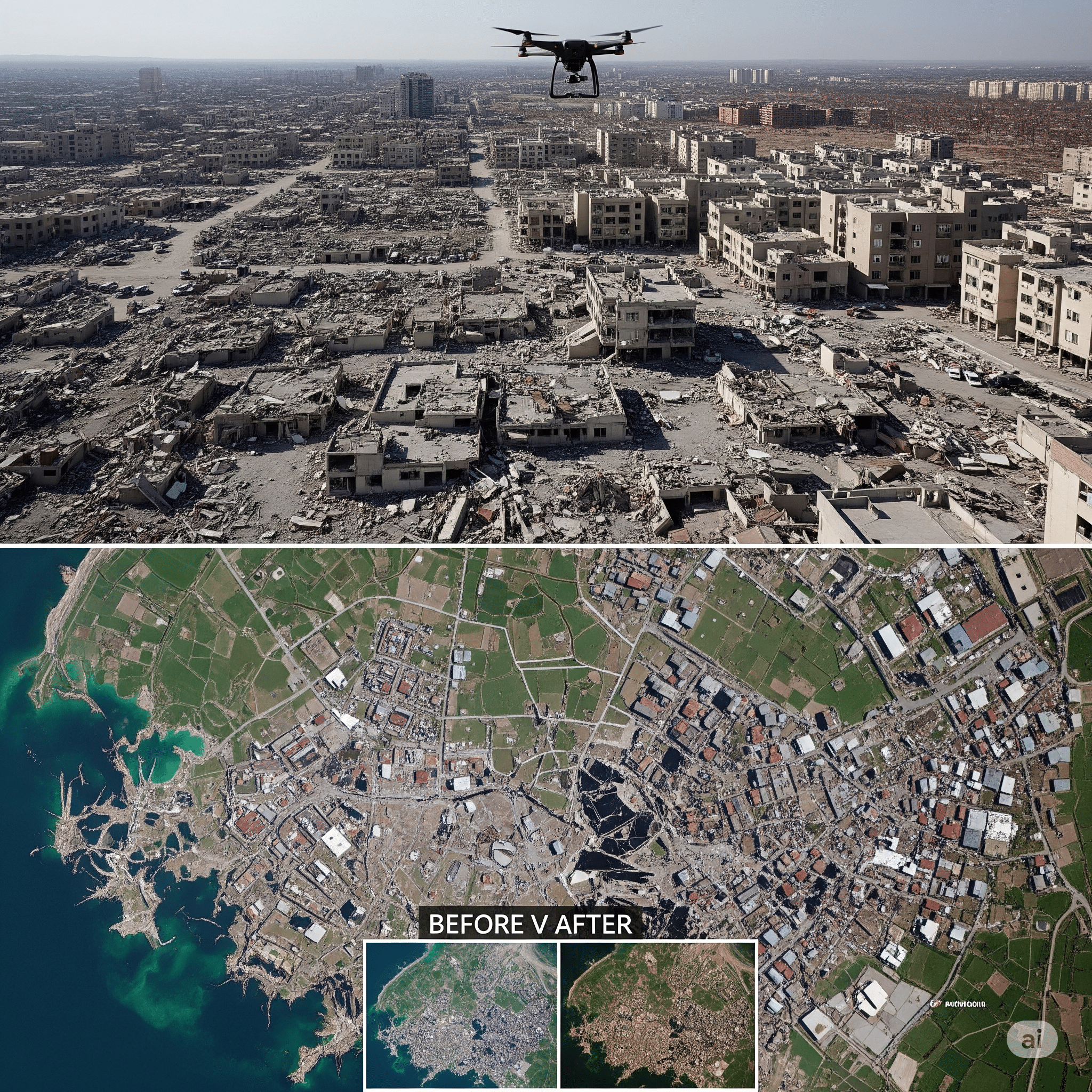
When a disaster unfolds, accurate, real-time information is as critical as medicine or food. AI-powered tools, including drones and satellite imagery, offer NGOs an unparalleled view of the situation on the ground. These tools can rapidly:
-
Assess damage: Automatically detect damaged infrastructure, identify collapsed buildings, and map affected areas.
-
Map accessibility: Pinpoint blocked roads, assess bridge integrity, and identify inaccessible regions, guiding the most efficient routes for aid delivery.
-
Locate vulnerable populations: Identify makeshift settlements or areas where people might be stranded.
After the devastating earthquakes in Turkey and Syria, for example, AI-driven platforms rapidly processed satellite imagery to provide detailed assessments of building damage, allowing NGOs to direct relief efforts strategically and avoid wasting precious time and resources.
How AI Coordinates a More Effective Disaster Response
Many NGOs juggle complex logistics across challenging terrains. AI acts as a sophisticated digital coordinator, optimizing every step of the aid delivery process:
-
Supply chain optimization: AI algorithms can determine the most efficient routes for delivering food, water, and medical supplies, considering factors like road conditions, security risks, and real-time demand.
-
Resource allocation: By analyzing needs assessments and available resources, AI can recommend where to deploy personnel and supplies for maximum impact.
-
Enhanced communication: During Hurricane Harvey, AI analyzed social media posts and crisis hotlines to identify people in distress, enabling NGO-led response teams to reach vulnerable individuals faster. Similarly, AI-driven language tools provide real-time translation, bridging communication gaps in multicultural or multilingual settings and ensuring critical information reaches affected communities without delay.
Automating Critical Tasks with AI Agents
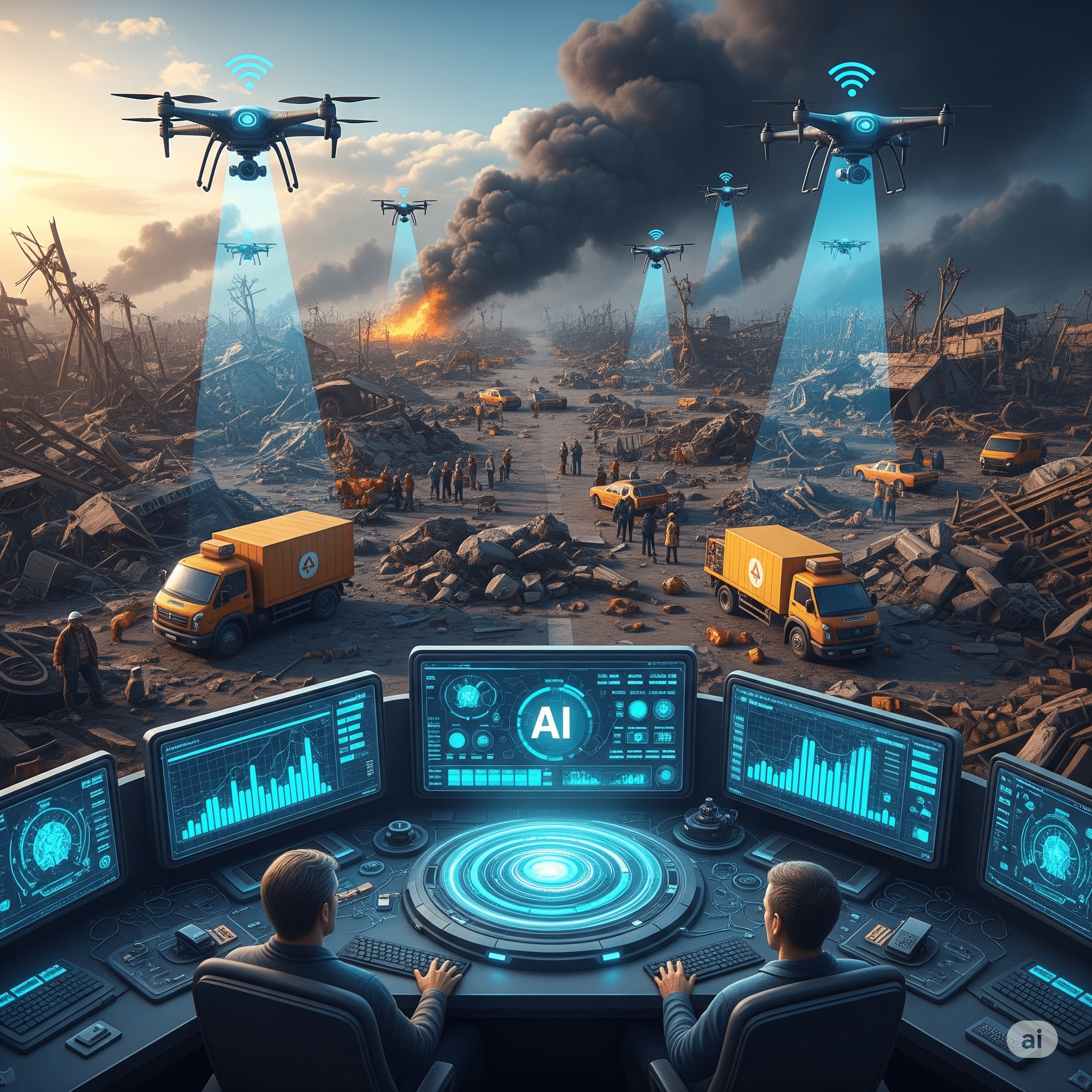
Think of AI agents as highly efficient digital team members who can handle critical, data-heavy tasks in seconds. Instead of having staff manually sift through thousands of damage reports or photos, AI can automate the classification process, freeing up your team to focus on direct intervention. These agents can also optimize resource deployment by analyzing real-time data to determine where personnel, equipment, and supplies are needed most. This level of automation ensures that your response is not only faster but also more precise, allowing you to manage your teams and assets with incredible efficiency when every moment counts.
Keeping Responders Safe
The safety of frontline responders is paramount. AI-powered technology, like drones and robots, can enter hazardous environments that are too dangerous for humans. These tools can survey structurally unsound buildings, measure radiation levels, or assess chemical spills without risking a single life. The data they collect provides a clear, safe view of the situation, allowing teams to plan their approach with a full understanding of the risks involved. This technology doesn’t replace human responders; it protects them, ensuring that your most valuable asset—your people—can do their jobs as safely as possible.
Streamlining Communication with AI Chatbots
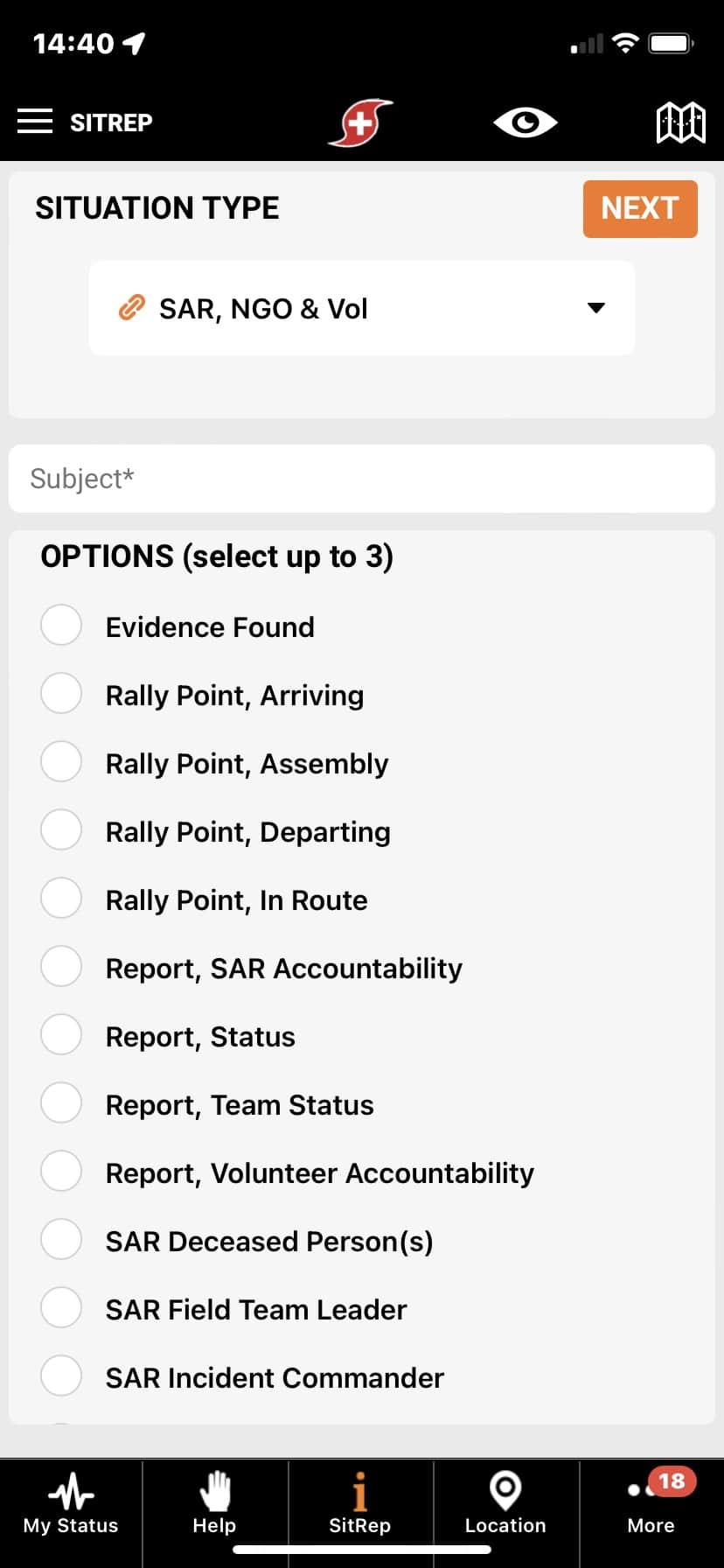
In the chaos of a disaster, communication lines are often one of the first things to fail. AI-powered chatbots are a game-changer, especially in low-bandwidth scenarios where a phone call or video stream is impossible. These bots can use natural language processing to gather critical information from affected individuals via text, providing a structured way to report needs like “water needed at this address” or “family trapped.” This streamlines the flow of information, turning a flood of desperate messages into actionable data that NGOs can use to direct resources effectively.
Delivering Aid Faster with AI Analysis
The sheer volume of information generated during a crisis can be overwhelming. AI excels at rapidly processing massive datasets that would take humans days or weeks to get through. By analyzing everything from satellite imagery to social media updates and weather data, AI helps emergency managers make better, faster decisions. This rapid analysis identifies the most critical needs and logistical bottlenecks in real-time, ensuring that aid is delivered more quickly and to the areas where it will have the greatest impact. This ultimately leads to more effective volunteer coordination and a more impactful response.
Addressing the Challenges and Ethics of AI in Emergencies
As we integrate AI into disaster response, it’s essential to address the ethical questions that come with it. This technology holds immense power, but that power must be wielded responsibly. For NGOs and public safety organizations, this means carefully considering how AI tools are designed, deployed, and monitored. The goal is to ensure these systems enhance humanitarian efforts without inadvertently causing harm, creating inequality, or eroding the trust of the communities we serve. Thinking through these challenges isn’t just a technical exercise; it’s a fundamental part of our duty to the people who depend on us during their most vulnerable moments.
The stakes are incredibly high, and a misstep can have real-world consequences. An AI tool that misinterprets data could send resources to the wrong location, while a system with hidden biases could leave an entire community without aid. That’s why building an ethical framework is not an afterthought—it’s a prerequisite. It involves asking tough questions from the very beginning: Who is this technology serving? How do we protect the privacy of affected individuals? And how can we ensure that human oversight remains central to the decision-making process? By proactively addressing these issues, we can build a future where AI is a reliable and equitable partner in humanitarian work.
Ensuring Fairness and Avoiding Bias
An AI system is only as objective as the data it’s trained on. If the data reflects existing societal biases, the AI will learn and amplify them. For example, if historical response data underrepresents marginalized or low-income communities, an AI model might deprioritize those areas when recommending where to send aid, simply because it has less information about them. This is a critical flaw that can lead to the inequitable distribution of resources, leaving the most vulnerable populations even further behind. To counter this, organizations must demand AI tools built on diverse and inclusive datasets and continuously audit their performance to ensure aid is directed based on need, not historical neglect or demographic data.
Building Trust Through Transparency
In a crisis, responders need to trust their tools completely. When an AI system recommends a specific action—like rerouting a supply convoy or dispatching a search team—the people on the ground need to understand the reasoning behind it. This is where “explainable AI” (XAI) becomes so important. Instead of being a “black box” that spits out answers without context, an explainable AI can show its work, helping human decision-makers validate its suggestions. This transparency is crucial for building confidence and ensuring that responders feel empowered by the technology, not controlled by it. When lives are on the line, clarity and trust are non-negotiable components of any effective disaster response platform.
Protecting Data Privacy
During an emergency, vast amounts of personal data are generated, from social media pleas for help to location data shared through response apps. While this information is invaluable for coordinating aid, it also carries a significant privacy risk. It’s our collective responsibility to protect the data of affected individuals, especially those in vulnerable situations. This means using secure platforms for communication and data management, being transparent about how data is used, and establishing strict protocols to prevent misuse. Effective volunteer coordination and citizen reporting depend on the public’s trust that their sensitive information will be handled with the utmost care and respect.
Using AI to Rebuild and Strengthen Communities
Disaster relief doesn’t end when the immediate crisis subsides. AI plays a crucial role in the long-term recovery and resilience-building phases:
-
Rebuilding strategies: AI can model the impact of different rebuilding approaches, helping communities and NGOs design infrastructure that is more resilient to future shocks. For example, AI can simulate how new construction might withstand various climate hazards.
-
Risk reduction: By analyzing historical data and climate projections, AI can identify areas at high risk for future disasters, informing proactive measures like early warning system improvements, resilient housing initiatives, or reforestation projects.
-
Economic recovery: AI can help identify the most impacted sectors and communities, guiding economic recovery programs and supporting livelihoods.
The Future: Digital Twins for Preparedness
Imagine being able to test your disaster response plan in a virtual world before a real crisis hits. That’s the powerful idea behind “digital twins.” These are detailed, virtual replicas of physical systems—like a city, a power grid, or a community’s communication network. For NGOs, this technology offers a way to simulate different disaster scenarios and see what happens. You could model how a flood might impact evacuation routes or test the effectiveness of your communication strategy during a simulated wildfire, all without any real-world risk. It’s like a flight simulator for disaster planning, allowing you to stress-test your entire strategy in a safe environment.
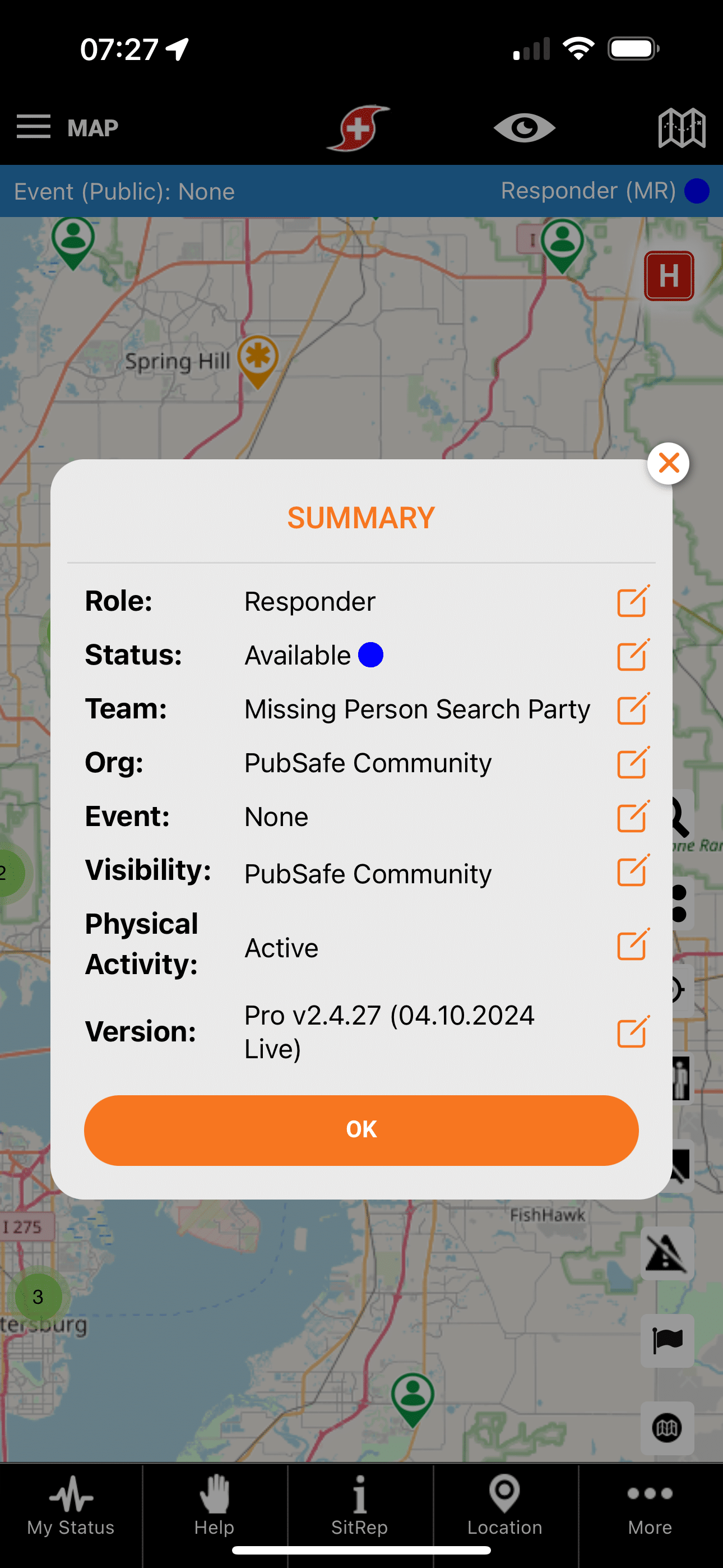
By running these simulations, organizations can identify weaknesses in their plans and make data-driven adjustments. This approach helps teams make informed decisions based on simulated outcomes long before they’re ever needed. It’s about moving from reactive response to proactive, evidence-based planning. When a disaster does occur, your team is ready with a plan that has already been tested and refined, allowing for a more effective real-world response coordinated through platforms like PubSafe.
How Your NGO Can Use AI for Greater Impact
For NGOs, adopting AI doesn’t mean transforming into tech giants. The key lies in strategic partnerships with tech firms, leveraging accessible open-source tools, and participating in collaborative platforms. Whether it’s predicting floods, optimizing supply chains, assessing damage, or planning resilient recovery, AI is here to supercharge your mission—not replace the vital human connection and compassion that define your invaluable work.
How might your organization begin to integrate AI to enhance its disaster preparedness and response efforts?
Get the PubSafe Mobile App
Frequently Asked Questions
My NGO has limited resources. Is AI technology too complex or expensive for us to use? That’s a common and completely valid concern. The good news is that you don’t need a team of data scientists or a massive budget to benefit from AI. Many advanced capabilities are integrated into accessible platforms designed for disaster response. The focus for most organizations should be on partnering with tech firms or using collaborative tools that have already done the heavy lifting, allowing you to use AI for better coordination and planning without building a system from the ground up.
Will AI replace the need for human responders and volunteers? Absolutely not. Think of AI as a powerful assistant, not a replacement. Its greatest strength is handling tasks that are difficult for humans, like analyzing thousands of images or data points in seconds. This frees up your team to focus on what they do best: making critical judgments, providing direct aid, and offering the human compassion that technology can never replicate. AI supports your mission; it doesn’t take it over.
How can we be sure that AI tools are making fair and unbiased decisions during a crisis? This is one of the most important ethical questions we face. An AI is only as good as the data it learns from, so it’s crucial to use systems trained on diverse and inclusive information. The key is to maintain human oversight. AI can provide recommendations, but the final decisions must always rest with experienced responders who can apply context, question the data, and ensure aid is distributed equitably based on real-time needs.
What is a realistic first step for an organization that wants to start using AI in its disaster response strategy? A great first step is to adopt a unified communication and coordination platform that already incorporates some of these smart features. Instead of trying to launch a complex AI project, you can start by using a tool that streamlines incident reporting, volunteer management, and resource tracking. This allows your team to get comfortable with a more data-driven approach and see the benefits firsthand in a practical, manageable way.
Besides logistics, how does AI directly help keep our field teams safer during a response? Responder safety is a top priority, and AI offers significant advantages here. Drones and robots equipped with AI can be sent into hazardous areas, like unstable buildings or contaminated zones, to assess risks without endangering a single person. Furthermore, AI can analyze real-time data to predict flash floods or identify impassable roads, giving your teams the critical information they need to plan safer routes and avoid life-threatening situations.
Key Takeaways
- Get ahead of the crisis with predictive insights: Use AI’s analytical power to receive specific, early warnings about emerging disasters. This gives your team the lead time to preposition supplies, mobilize volunteers, and prepare your response before the situation becomes critical.
- Make smarter, faster decisions during a disaster: AI provides a clear, real-time operational picture by assessing damage, identifying accessible routes, and pinpointing where help is needed most. This allows you to coordinate your teams and resources with greater speed and precision.
- Prioritize ethical AI to build and maintain trust: Adopting technology responsibly is crucial for humanitarian work. Ensure any AI tool you use is transparent, promotes fair aid distribution by avoiding bias, and protects the data privacy of the vulnerable communities you serve.