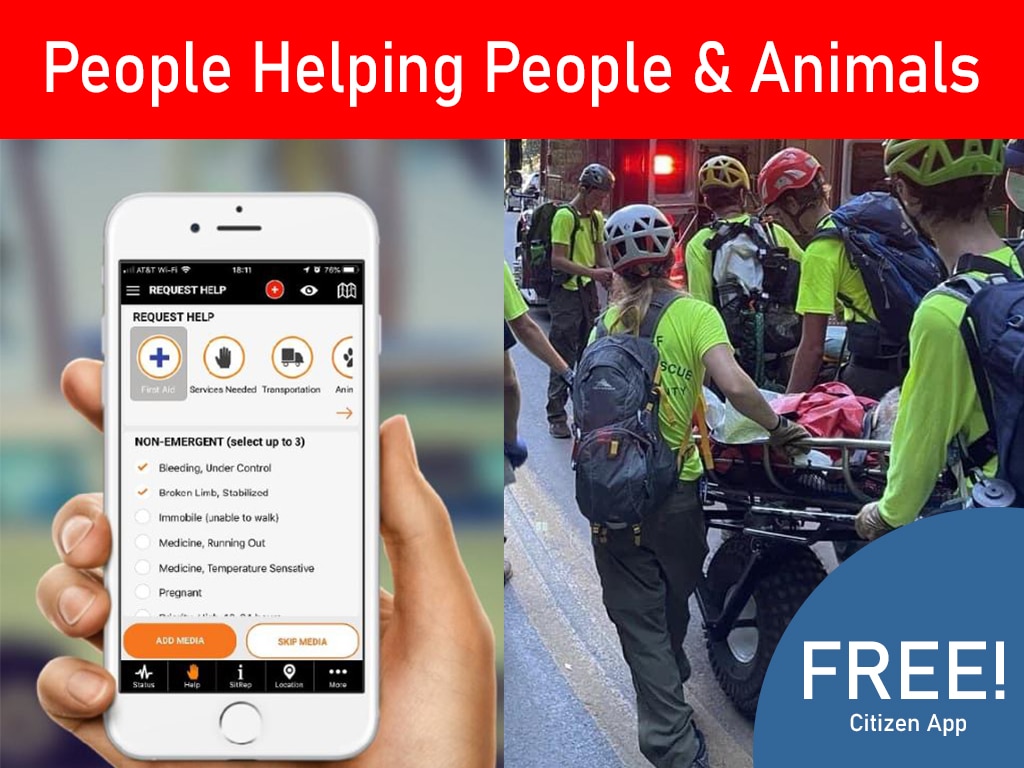
A major disaster response is never a solo act. It’s a complex collaboration between public safety agencies, NGOs, CERT teams, and local community groups, all working toward the same goal. The biggest hurdle is often communication. When teams operate in silos, efforts get duplicated and critical information gets lost. A unified platform is the solution. Volunteer responder management software for emergency preparedness acts as a common operational picture, connecting every organization involved. It breaks down communication barriers and allows different groups to share real-time information, from incident reports to resource deployments. This turns a collection of separate teams into a single, coordinated, and powerful response network.
Key Takeaways
- Centralize your entire volunteer operation: Use a single platform to replace messy spreadsheets and group chats. This allows you to manage everything from volunteer registration and real-time alerts to field deployments, creating one source of truth for your whole team.
- Prepare your team before a disaster strikes: The best time to build your response team is now. Proactively recruit volunteers, streamline their onboarding by verifying credentials digitally, and use the platform to track training and keep them engaged between emergencies.
- Choose the right tool and implement it thoughtfully: Select a user-friendly, secure, and scalable platform that fits your team’s needs. Ensure a successful rollout by involving key people early, training everyone before a crisis, and running practice drills to work out any issues.
What Is Volunteer Responder Management Software?
When a crisis hits, people want to help. But coordinating a sudden influx of volunteers can be chaotic, often involving messy spreadsheets, endless phone calls, and confusing group chats. Volunteer responder management software is the solution to that chaos. Think of it as a digital command center for your entire volunteer operation. It’s a platform designed to streamline how you recruit, organize, and deploy volunteers during an emergency, ensuring that the right people with the right skills are in the right place when it matters most.
This type of software helps you manage the entire volunteer lifecycle, from the moment someone signs up to the post-event reports you generate. It replaces manual, time-consuming processes with an efficient, centralized system. Instead of scrambling to find help, you have a ready-to-go network of responders you can activate with a few clicks. A well-designed platform shows you how PubSafe works by connecting everyone, from individual citizens to large-scale response organizations, on a single, coordinated platform. It’s about turning good intentions into effective, organized action.
How It Helps During an Emergency
During an emergency, time is your most critical resource. You can’t afford to spend hours figuring out who is available or what skills they have. This is where volunteer management software becomes essential. It allows you to create a clear, actionable plan for using volunteers safely and effectively. With a system in place, you can instantly see which volunteers to call on first and match their qualifications to specific tasks. For example, you can quickly find volunteers with medical training for a first aid station or those with logistics experience for a distribution center. This level of volunteer management greatly improves your response capacity, helping you mobilize resources faster and more efficiently when your community needs it most.
Who Uses This Software?
Volunteer responder management software is for any group that organizes people for disaster response or community aid. This includes official public safety agencies, Community Emergency Response Teams (CERT), and non-governmental organizations (NGOs) of all sizes. It’s also incredibly valuable for community-based groups that play a vital role in local response efforts. Think of veterans’ organizations, churches, school clubs, and other local associations that build a strong volunteer base before a disaster strikes. By getting set up on a unified platform, these groups can seamlessly coordinate with larger agencies. If you lead one of these groups, you can complete an organization registration to integrate your team into the broader emergency response network.
What Are the Must-Have Features?
When you’re evaluating different software options, it’s easy to get lost in a long list of features. But during a real emergency, only a few core functions truly matter. The right platform isn’t just a database; it’s a command center that connects your team and streamlines every aspect of your response. From registering volunteers to deploying them in the field, these are the essential features that will make the biggest impact on your organization’s effectiveness and your community’s safety.
Manage Volunteer Registration and Profiles
Your volunteer database is the foundation of your entire operation. The best software makes it simple for people to sign up and create detailed profiles. This isn’t just about collecting names and phone numbers. You need a system that captures crucial information like their specific skills, certifications, and availability. When you can quickly filter your list to find a volunteer with a commercial driver’s license or one who is a certified EMT, you can match the right person to the right role in minutes. This turns your volunteer list from a simple spreadsheet into a dynamic, searchable resource. Centralizing this data ensures you can build and manage your team effectively before an incident ever occurs.
Send Real-Time Communications and Alerts
During a crisis, information changes by the second. A system that relies on phone trees or email chains is too slow and unreliable. Your software must have built-in, real-time communication tools. This allows you to send instant alerts to your entire volunteer pool or to specific groups based on their role or location. Whether you’re announcing a new staging area, warning of an emerging threat, or simply confirming shift changes, the ability to communicate instantly is non-negotiable. This direct line of contact keeps your team informed, safe, and coordinated, which is a core part of effective volunteer management. It ensures everyone is operating with the most current information.
Schedule, Deploy, and Assign Roles
Once you’ve identified the right volunteers, you need an efficient way to get them where they need to go. Look for software with strong scheduling and deployment features. This allows you to create shifts, assign specific roles, and send deployment notifications with just a few clicks. Instead of manually coordinating schedules over the phone, you can see who is available and assign them to tasks that fit their skills. This is especially important for managing large-scale events or long-term disaster responses where you need to rotate personnel and avoid burnout. A good system provides a clear, centralized view of how your platform works to show who is doing what, where they are, and when they are working.
Track Training and Certifications
Not all volunteer tasks are created equal. Some roles, like search and rescue or medical support, require specific training and credentials. Your management software should have a dedicated feature for tracking these qualifications. This allows you to maintain a clear record of each volunteer’s training history, certifications, and expiration dates. When an incident requires specialized skills, you can confidently deploy qualified individuals without wasting time verifying their credentials. This is critical for both operational effectiveness and liability. It ensures you are putting capable, prepared volunteers in situations where they can succeed safely and make a real difference.
Use Geolocation and Situational Awareness Tools
Knowing where your resources are is fundamental to emergency response. Modern volunteer management software should include geolocation features that let you see your volunteers’ locations on a live map. This provides incredible situational awareness for your command staff, allowing you to direct teams more effectively and ensure their safety. For example, you can guide a team around a flooded road or dispatch the closest group to a new incident. This shared, real-time view, often called a common operational picture, helps everyone from field volunteers to incident commanders make smarter, faster decisions. A public map can also keep the wider community informed about ongoing operations.
Generate Reports and Damage Assessments
Your work doesn’t end when the immediate crisis is over. Capturing data from the field is essential for generating reports, conducting damage assessments, and securing funding for recovery. Your software should make it easy for volunteers to report an incident or submit information directly from their phones. This data can then be compiled into comprehensive reports that show the scope of your operations, the hours your volunteers worked, and the impact they had. These reports are invaluable for after-action reviews, improving future responses, and demonstrating your organization’s value to stakeholders and grant providers. It turns anecdotal evidence of your hard work into concrete, measurable results.
Integrate with Your Existing Systems
No software exists in a vacuum. Your organization likely already uses other tools for communication, record-keeping, or emergency management. A volunteer management platform that can integrate with your existing systems will save you countless hours and headaches. Integration prevents you from having to enter the same data in multiple places and ensures all your platforms are working from the same set of information. Whether it’s connecting to your CRM, GIS mapping software, or a government reporting system, this capability creates a more seamless and efficient workflow. It allows you to add powerful volunteer management features without disrupting the processes your team already has in place.
What Challenges Does This Software Solve?
Volunteer management software does more than just organize contact lists. It provides a clear, centralized system to solve some of the most persistent and chaotic problems in disaster response. When you have a single source of truth, you can move past logistical headaches and focus on what truly matters: helping people. This software addresses the core operational gaps that can slow down or even derail a response effort, turning a tangled web of communication into a coordinated, effective force for good.
Handle Both Spontaneous and Pre-Registered Volunteers
When a crisis hits, people with good intentions show up wanting to help. While amazing, these spontaneous volunteers can create a logistical puzzle for coordinators who are already stretched thin. You have to quickly vet them, identify their skills, and assign them tasks without disrupting the flow of your pre-registered, trained responders. This software creates a simple process for both. You can maintain a database of your credentialed team members while also using a mobile-friendly interface to quickly register, screen, and deploy spontaneous helpers on the spot. This ensures everyone who wants to contribute can do so safely and effectively, making volunteer coordination much smoother.
Coordinate Across Multiple Agencies
An effective disaster response is rarely a solo mission. It’s a massive collaboration between public safety agencies, CERT teams, NGOs, and local community groups. The biggest challenge is getting everyone to communicate and work together without duplicating efforts or leaving critical gaps. Volunteer management software acts as a shared command center. It allows different organizations to see the same real-time information, from incident reports to resource deployments. When each organization can register and operate within one unified platform, you eliminate confusion. Everyone knows who is doing what and where, turning siloed teams into a powerful, coordinated network.
Allocate Resources in Real Time
In an emergency, every minute counts. You don’t have time to dig through spreadsheets or make endless phone calls to find a volunteer with a specific skill. The challenge is matching the right people to the right needs, right now. A strong software platform gives you a real-time view of both incoming incident reports and your available volunteers, complete with their skills and location. This allows you to make smart, data-driven assignments instantly. Instead of guessing, you can use the platform for effective team management, deploying a certified medic or a volunteer with a chainsaw exactly where they are needed most.
Overcome Budget and Adoption Hurdles
Let’s be honest: budgets are often tight, and getting your team to adopt a new tool can be a challenge. Many traditional software solutions are expensive and complicated, creating a high barrier to entry for non-profits and community teams. Modern, cloud-based platforms solve this by being more accessible and user-friendly. For instance, offering a free app for individuals encourages widespread adoption from the ground up. For organizations, the value is clear: a streamlined system saves precious time and resources during a crisis, making the investment pay for itself through greater efficiency and a more effective response.
How to Recruit, Onboard, and Retain Volunteers
A strong volunteer corps is the backbone of any successful disaster response operation. But you can’t just expect trained, dedicated people to show up when a crisis hits. Building a reliable team requires a thoughtful strategy for finding, preparing, and supporting your volunteers. It’s about creating a system that works for both your organization and the people who give their time. When you have a clear process, you can manage your team effectively, ensuring everyone is safe, prepared, and able to make a real difference. Let’s walk through how to build that process from the ground up.
Build Your Volunteer Database Before a Disaster
The best time to find your volunteers is before you need them. When you recruit proactively, you build a pool of people who are already familiar with your mission and ready to act. Start by connecting with local community groups, such as veterans’ organizations, churches, and school clubs. These groups often have members who are eager to help. By establishing these relationships during “blue sky” days, you create a network you can rely on when an emergency occurs. Using a central platform allows you to begin your organization registration and easily manage these contacts, so you’re not scrambling to build a list from scratch when every second counts.
Streamline Onboarding and Credentialing
Once you have interested volunteers, you need an efficient way to bring them on board. A complicated or slow process can deter even the most enthusiastic people. It’s essential to verify identities, licenses, and skills before an emergency to ensure everyone is qualified for their assigned roles. A digital platform can streamline this by allowing volunteers to create profiles and upload their credentials from their phones. This saves your team from manual data entry and paperwork. With a system for team management, you can quickly approve new members and have a clear, searchable record of everyone’s qualifications, making deployment faster and safer.
Manage Volunteers with Different Skill Levels
Not all volunteers have the same skills, and that’s a good thing. A diverse team is a strong team. The key is having a plan to use everyone effectively. Your system should help you categorize volunteers by their abilities, such as medical training, logistics experience, or language skills. This allows you to assign tasks that match their qualifications, which is crucial for both safety and mission success. Having a clear plan for volunteer management also means you can identify training gaps and provide resources to help volunteers expand their skill sets, making your entire team more capable and confident.
Keep Volunteers Engaged Between Emergencies
Your work doesn’t stop once a volunteer is in your database. Keeping them engaged between events is the secret to retention. People want to feel like they are part of a community and that their contributions matter. Use your platform to communicate regularly, share updates about your organization, and offer ongoing training opportunities. A simple thank you message or a story highlighting a volunteer’s impact can go a long way. Fostering this sense of connection and appreciation is a core part of effective volunteer coordination. When volunteers feel valued, they are more likely to stay involved and be ready to respond when the call comes.
How to Train Responders and Keep Them Ready
Having a list of volunteers is one thing; having a team of trained, prepared responders is another. When a crisis hits, you won’t have time to figure out who is qualified to do what. Preparation is everything. A well-trained volunteer is more confident, effective, and safer in the field. They’re also more likely to stay engaged with your organization for the long haul. Using a central platform to manage training ensures that when you need to deploy people, you can do it with confidence, knowing they have the right skills and up-to-date knowledge for the mission.
Track Responder Credentials and Skills
Knowing exactly what skills your volunteers bring to the table is critical. You need a reliable way to verify and track their identities, licenses, and qualifications before an emergency happens. This means knowing who is a registered nurse, who is certified in search and rescue, and who can operate a forklift. A robust team management system allows you to build detailed profiles for each volunteer, logging their specific skills and certifications. When a flood requires medical support or a tornado leaves behind heavy debris, you can instantly filter your list to find and dispatch the people with the right expertise, saving precious time and ensuring tasks are handled by qualified individuals.
Deliver Online Training Through the Platform
Effective training gives volunteers the confidence they need to act decisively during a chaotic event. The great news is that you can facilitate this directly through your management platform. By providing access to online courses, you empower volunteers to learn on their own schedule. These can range from FEMA’s introductory courses to specialized training on your organization’s specific protocols. Centralizing these resources ensures everyone is working from the same playbook, which is essential for smooth volunteer coordination during emergencies. It’s a simple way to keep your team sharp and ready for anything, and as research shows, it also increases the likelihood they’ll continue to volunteer.
Keep Training Records Up-to-Date
Training isn’t a one-time event. Certifications expire, and skills need to be refreshed. Manually tracking renewal dates for an entire team is a recipe for things to fall through the cracks. Volunteer management software automates this process, sending reminders to both you and the volunteer when a certification is about to lapse. This ensures your team remains compliant and genuinely ready to respond. Beyond technical skills, it’s also vital to train volunteers on local cultural norms, especially if they are from outside the community. This helps them collaborate effectively with residents. Starting with a proper organization registration process sets the foundation for maintaining these crucial records from day one.
How Does This Software Improve Emergency Coordination?
Effective emergency coordination is the difference between a chaotic response and a life-saving one. When every second counts, you can’t afford to waste time untangling communication lines or figuring out who should go where. This is where volunteer responder management software becomes a game-changer. It provides a single source of truth that streamlines operations and connects every person involved, leading to a faster, more organized response. By bringing structure to the inherent chaos of a crisis, this software empowers your team to work together seamlessly.
Centralize Communication for Everyone Involved
During an emergency, information flies around through phone calls, texts, and radio chatter, making it easy for critical details to get lost. Volunteer management software solves this by creating one central hub for all communications. Everyone from field volunteers to the incident commander can send and receive updates on the same platform. This ensures your entire team has access to the same real-time information, which is critical for maintaining situational awareness. A unified system for team management reduces confusion and helps everyone make better, more informed decisions when it matters.
Deploy Volunteers Faster and More Accurately
Getting the right people to the right place quickly is a huge challenge in any disaster. This software helps you move past manual spreadsheets and phone trees by automating deployment. You can filter volunteers by their skills, certifications, and current location to instantly find the best person for a specific task. This allows you to assign roles and dispatch responders with just a few clicks. As the International Federation of Red Cross and Red Crescent Societies notes, the rapid deployment of trained volunteers significantly improves the effectiveness of emergency responses. This level of volunteer coordination ensures that help arrives faster and is better suited to the needs on the ground.
Enable Real-Time Feedback and Incident Reporting
Emergencies are fluid situations, and your response plan needs to adapt just as quickly. Volunteer management software gives you eyes and ears on the ground by allowing responders to provide instant updates. Volunteers can report their status, share observations, and log new incidents directly from their phones. This creates a live feedback loop that gives coordinators a clear, up-to-the-minute picture of what’s happening. Having a simple way of reporting an incident means you can immediately adjust strategies, reallocate resources, and respond to new developments without delay, improving overall operational efficiency.
How to Implement Your New Software Successfully
Choosing a new software platform is a big step, but the real work begins with implementation. A thoughtful rollout can make the difference between a tool that gathers digital dust and one that becomes the backbone of your emergency response efforts. Successfully integrating a new system isn’t just about technology; it’s about people and processes. When you bring a new platform into your organization, you’re asking people to change how they work, communicate, and respond during high-stress situations. That’s why a human-centered approach is so important. By focusing on a clear, step-by-step plan, you can set your team up for success long before a crisis occurs.
A successful implementation ensures that when an emergency does happen, your team can act with confidence, knowing the tool in their hands is one they can rely on. It builds trust not only in the software but also in the leadership that introduced it. The goal is to make the technology feel like a natural extension of your team’s capabilities, not another hurdle to overcome. The following steps will guide you through building a solid foundation for your new volunteer management software, turning a powerful tool into a life-saving asset.
Involve Key People from the Start
Before you even configure your first setting, bring your key players to the table. This includes your volunteer coordinators, team leaders, IT staff, and even a few of your most engaged volunteers. Each person brings a unique perspective on what’s needed during an emergency. Getting their input early helps you define your operational needs, like what kinds of volunteers are required for different scenarios and how they will be deployed. This collaborative approach ensures your software setup reflects how your team actually works on the ground. By involving stakeholders from day one, you build buy-in and create a system that truly supports your organization’s team management structure.
Train Your Team Before a Crisis Hits
The middle of an emergency is the worst time to learn a new tool. Proactive training is non-negotiable. Develop a simple, clear training plan for everyone, from administrators to field volunteers. According to FEMA, effective volunteer management includes making sure everyone knows what to expect and how to perform their roles. Walk them through the entire process: how to create a profile, respond to an alert, communicate with their team, and report updates from the field. Keep sessions short, focused, and hands-on. The goal is to build muscle memory so that using the software becomes second nature. When your team is confident with the technology, they can focus their energy on the mission, not the screen.
Run Drills to Test Your System
Once your team has been trained, it’s time to put your system to the test with practice drills. Drills are invaluable for revealing gaps in your plan and building your team’s confidence. Simulate a realistic emergency scenario, whether it’s a sudden flood, a missing person search, or a wildfire response. Have your team practice every step, from receiving the initial alert to reporting an incident with photos and location data. These exercises allow you to see how your workflows and communication channels hold up under pressure. Use what you learn to refine your processes, adjust software settings, and identify areas where your team might need more training.
Analyze and Improve After Every Event
Your work isn’t done when the emergency is over or the drill is complete. The most resilient organizations are committed to continuous improvement. After every event, hold an after-action review to discuss what went well and what could be done better next time. Ask for honest feedback from everyone involved. Was the communication clear? Did volunteers get the information they needed? Were resources deployed effectively? Use these insights to refine your strategies for volunteer coordination and update your operational plans. This feedback loop turns every experience into a learning opportunity, ensuring your team and your technology get stronger with each response.
How to Choose the Right Platform for Your Team
Selecting the right software is a big decision, but it doesn’t have to be overwhelming. Your goal is to find a platform that supports your team during the chaos of an emergency, not one that adds to it. Think about your organization’s specific needs, from the number of volunteers you manage to the types of disasters you respond to. The best tool will feel like a natural extension of your team, simplifying your processes and letting you focus on the mission. When you’re comparing options, keep these four key areas in mind to ensure you pick a platform that will serve you well now and in the future.
Look for Scalability and Flexibility
Your organization’s needs will change over time, and your software should be able to keep up. A disaster can cause your volunteer numbers to swell overnight, and your platform needs to handle that surge without crashing. A scalable solution allows you to grow without needing a complete system overhaul down the road. Look for a platform that can adapt as your team expands, your missions become more complex, or your operational area grows. This flexibility ensures your investment continues to pay off, providing a reliable foundation for your response efforts no matter how much your organization evolves.
Prioritize a Simple, User-Friendly Interface
During an emergency, time is a luxury you don’t have. Volunteers and team leaders need to get up to speed quickly, without getting bogged down by a complicated system. A simple, intuitive interface is essential because it lowers the learning curve and helps everyone engage effectively from the start. If your volunteers find the software frustrating to use, they’re less likely to stick around. A clean design and straightforward workflows mean your team can focus on the task at hand, not on figuring out how to use the tool. This focus on user experience is critical for both volunteer satisfaction and operational speed.
Check for Critical Integration Capabilities
Your volunteer management software won’t be the only tool in your digital toolbox. To work efficiently, it needs to connect seamlessly with the other systems you already rely on. The ability to have integration with other tools like your CRM, communication platforms, or mapping software is a game-changer. This interconnectedness streamlines data management, prevents you from having to enter the same information in multiple places, and ensures all your systems are working from the same set of data. It creates a more unified and efficient operational environment, saving your team valuable time and reducing the chance of errors.
Confirm Strong Data Security and Privacy
You are responsible for protecting the personal information of your volunteers. Trust is the bedrock of your relationship with them, and a data breach can shatter it instantly. When evaluating platforms, ask pointed questions about their security protocols. Robust security measures, including data encryption and compliance with privacy regulations, are non-negotiable. Your chosen platform must be committed to safeguarding sensitive information against unauthorized access. Ensuring the software follows best practices for data security protects your volunteers, your organization’s reputation, and the integrity of your entire operation.
Related Articles
- Volunteer Management Software for Nonprofits: FAQs & Guide | PubSafe
- Volunteer Management Software for Nonprofits & CERTs | PubSafe
- Streamline Your NGO Or CERT Daily Operations: Why PubSafe Is The Best Volunteer Management Tool For Nonprofits
- 4 Best Search And Rescue Dispatch Software
Frequently Asked Questions
I’m just one person, not part of a big organization. Can I still use this kind of software to help? Absolutely. In fact, individual citizens are a crucial part of a community-wide response. Many platforms, including PubSafe, offer a free app you can download to create a profile. You can list your skills, certifications, and availability. When a registered organization in your area needs help, they can see your profile and send you a request. It’s a direct way to connect your willingness to help with a verified need, ensuring your efforts are part of a coordinated and safe response.
Our community group has a very small budget. Are these platforms affordable? This is a really common and valid concern. The good news is that modern, cloud-based software is often much more accessible than older, more complex systems. Many platforms are designed with non-profits and community teams in mind. Instead of a huge upfront cost, they might offer subscription models. The real value comes from the time and resources you save during an actual emergency. By streamlining your operations, the software helps you do more with the team you have, making it a smart investment in your community’s safety.
Why can’t I just use spreadsheets and group chats to manage my volunteers? While spreadsheets and group chats can work for planning a small event, they often create more chaos during a real emergency. Information gets buried in chat threads, spreadsheets become outdated the moment they are saved, and you have no way of knowing who has seen the latest update. A dedicated platform provides a single source of truth. It gives you a live, shared view of your people, their skills, and the situation on the ground, allowing you to make fast, informed decisions instead of sorting through conflicting information.
How much time does it really take to get my team trained and ready to use a new platform? The time commitment depends on your team, but it’s more manageable than you might think if you have a plan. The key is to train before a crisis. Start by getting your core leadership comfortable with the system. Then, run short, hands-on training sessions and practice drills with your volunteers. A well-designed platform should be intuitive, so the goal is to build muscle memory. When people are confident with the tool on a “blue sky” day, they’ll be able to use it effectively when it counts.
What’s the best way to handle volunteers who show up on-site without pre-registering? Spontaneous volunteers are a sign of a strong community, but they can create a logistical challenge. The right software helps you turn that goodwill into organized action. Instead of a paper sign-up sheet, you can have a designated person use a tablet or phone to register walk-up volunteers directly into the system. This allows you to quickly capture their information, identify any useful skills, and assign them to appropriate, low-risk tasks. It brings them into your coordinated system right away, ensuring everyone’s safety and effectiveness.