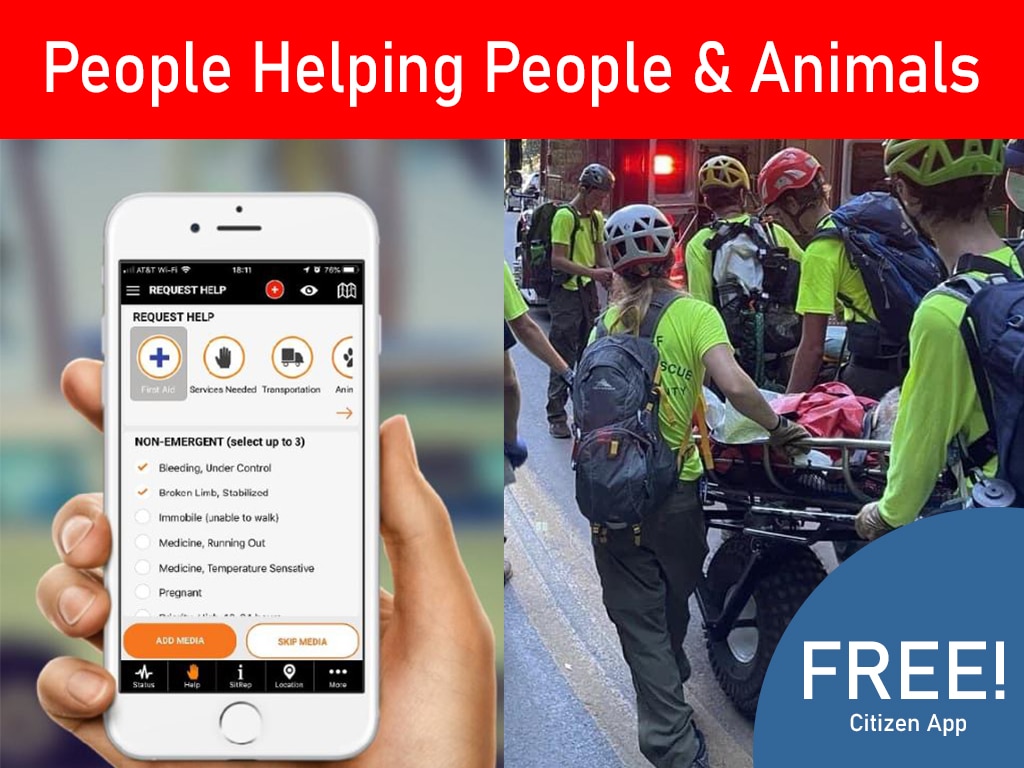
Effective disaster response is a team sport. It requires seamless collaboration between public safety agencies, NGOs, CERT teams, and citizen volunteers. Yet, too often, these groups operate in silos, unable to share information or coordinate efforts efficiently. Breaking down these barriers is essential for building a truly resilient community. A unified platform is the connective tissue that brings all these moving parts together into one cohesive network. By adopting a shared community preparedness software for volunteer emergency organizations, you create a common operational picture. This allows everyone to communicate, share resources, and work from the same playbook, turning a fragmented response into a powerful, unified force.
Key Takeaways
- Unify Your Response Network: Preparedness software brings everyone, from official agencies to citizen volunteers, onto a single platform, replacing confusing communication channels with one source of real-time information.
- Focus on Actionable Features: The right tool should have strong volunteer management to organize your people and simple incident reporting that empowers the community to share valuable, on-the-ground intelligence.
- Implement with Intention: A successful rollout involves your team from the start and integrates the software into regular training drills, building the confidence and muscle memory needed to act decisively during a crisis.
What Is Community Preparedness Software?
When an emergency strikes, a coordinated response can make all the difference. Community preparedness software is a digital platform designed to help your team get ready for and respond to crises. Think of it as a central hub for everything related to disaster response, from initial planning to post-event recovery. These tools help you manage planning, training, communication, and resources, so you can work together effectively before, during, and after an event. Instead of relying on scattered spreadsheets, phone trees, and paper maps that quickly become outdated, your team gets a single, reliable source of truth.
The core purpose of this software is to connect all the moving parts of a response effort. According to FEMA, a key part of community preparedness is ensuring that all stakeholders are informed and engaged. The right platform does just that, bringing together public safety agencies, NGOs, CERT teams, and even citizen volunteers into one cohesive system. It allows everyone to share information and resources seamlessly, breaking down the communication silos that often hinder emergency operations. This creates a unified network where your team can report incidents, manage volunteers, and assess damage in real time, turning chaos into a structured, efficient operation.
How It Helps Volunteer Teams
Volunteers are the heart of any community response, and preparedness software gives them the structure they need to be effective. These platforms provide a centralized place for communication, so volunteers can receive instant updates, assignments, and instructions without confusion. This is crucial for volunteer coordination during emergencies, as it leads to quicker response times and better resource allocation. Instead of waiting for a call, a volunteer can get an alert on their phone and know exactly where to go and what to do. Many platforms also include training modules, helping you equip your team with the skills they need to respond safely and confidently when it matters most.
Why Real-Time Coordination Is Crucial
In an emergency, the situation on the ground can change in a matter of seconds. That’s why real-time coordination isn’t just a nice-to-have feature; it’s essential. As organizations like the IFRC emphasize, timely information sharing during a disaster and crisis management effort can save lives. Preparedness software makes this possible with tools like instant messaging, live status updates, and interactive maps. When everyone on your team sees the same information at the same time, you can adapt quickly, make smarter decisions, and deploy resources where they are needed most. This prevents the dangerous delays that could have serious consequences in a fast-moving crisis.
Common Challenges for Volunteer Response Teams
Volunteer response teams are the heart of community resilience. When disaster strikes, you’re the ones on the ground making a difference. But passion and dedication can get bogged down by logistical hurdles. Without the right systems in place, even the most organized teams can face significant challenges that slow down response times and put people at risk. Let’s look at some of the most common obstacles teams like yours encounter.
Communication Gaps in a Crisis
In a crisis, clear communication is everything, but it’s often the first thing to break down. Different teams might be using different channels, from radios to personal cell phones, creating information silos. Messages get lost, updates are delayed, and coordinating efforts becomes a frustrating guessing game. As agencies like NYC Emergency Management work to connect local groups with central command, the need for a single, reliable channel is clear. Getting everyone on the same page ensures that help is directed where it’s needed most, without critical delays.
Managing Resources and People
You have a team of dedicated volunteers, but who is available right now? What specific skills do they have, and where are they located? Answering these questions in the middle of an emergency is a massive challenge. It’s why organizations recommend you sign up with a group and get trained beforehand. Without a central system, matching the right person to the right task is nearly impossible. Effective volunteer coordination means knowing your team’s capabilities and availability in real-time, so you can deploy them efficiently instead of scrambling to figure out who can do what.
Keeping Volunteers Trained and Ready
A ready volunteer is a trained volunteer. Programs like the Community Emergency Response Team (CERT) teach essential skills for disaster response, but the challenge doesn’t end there. Team leaders need to track who has completed which training, when certifications expire, and who is prepared for specific types of incidents. When an emergency happens, you don’t have time to check spreadsheets or paper files. Maintaining an up-to-date, easily accessible record of your team’s qualifications is crucial for deploying them safely and effectively, ensuring they are an asset and not a liability in a high-stakes environment.
Engaging the Community and Gathering Data
Effective disaster response isn’t a one-way street. Your team needs a reliable way to receive information from the community, such as damage reports or requests for assistance. At the same time, you need to push out critical updates and instructions to the public. Gathering accurate, location-specific data from the field is often chaotic, relying on scattered social media posts or inbound calls. A streamlined process for reporting an incident allows citizens to become a valuable source of real-time intelligence, helping your team see the bigger picture and respond more strategically.
What to Look For: Key Software Features
Choosing the right software is about finding a tool that fits your team’s unique needs. The best platform will feel like a natural extension of your team, simplifying complex tasks so you can focus on what truly matters: helping people. As you evaluate your options, think about how each feature will support your operations on the ground. Look for a solution that is comprehensive yet intuitive, powerful yet easy to use. Here are the essential features that can make a significant difference in your team’s effectiveness during an emergency.
Volunteer Management and Scheduling
Your volunteers are the lifeblood of your organization, and managing them effectively is critical. Look for software with strong volunteer coordination tools that simplify everything from initial registration to day-of scheduling. The right platform will allow you to assign tasks, create shifts, and track volunteer hours all in one place. According to the National Voluntary Organizations Active in Disaster, software with robust volunteer management features significantly improves efficiency. This means less time spent on administrative work and more time dedicated to your mission. Centralized management ensures you can quickly mobilize the right people with the right skills when every second counts.
Incident Reporting and Damage Assessment
During a crisis, clear and immediate information is your most valuable asset. Your software should empower everyone, from professional responders to citizen volunteers, to contribute to the common operational picture. An effective platform allows users to submit field observations and report an incident with photos, videos, and precise locations. As FEMA notes, real-time incident reporting is key to improving response times and resource allocation. When this information is plotted on a shared map, it gives command staff a clear, visual understanding of the situation as it unfolds, enabling faster and more informed decision-making.
Real-Time Communication Tools
When a disaster strikes, communication breakdowns can have serious consequences. Your software must provide reliable, real-time communication channels to keep your entire team connected. Look for features like secure group messaging, push notifications, and instant alerts that can cut through the noise. The International Federation of Red Cross and Red Crescent Societies emphasizes that effective communication tools are essential for sharing timely information among team members and stakeholders. This ensures that everyone from field volunteers to the emergency operations center is working with the same information, which is fundamental to a coordinated and successful response.
Resource Tracking and Deployment
Getting the right supplies to the right people at the right time is a core challenge in any disaster response. Your software should offer robust tools for resource management. This includes tracking inventory levels, managing requests, and monitoring the deployment of assets like vehicles, equipment, and supplies. A study by the Center for Disaster Philanthropy found that real-time tracking of resources can dramatically improve logistical operations. With a clear view of what you have and where it’s going, you can prevent shortages, avoid duplication of effort, and ensure that aid is distributed efficiently and equitably.
Integration With Your Existing Systems
New software shouldn’t create more work for your team. The ideal platform will seamlessly integrate with the tools you already use, such as GIS mapping or CRM systems. This prevents data silos and ensures that information flows smoothly across your entire operation. The National Institute of Standards and Technology highlights that the ability to integrate with existing systems reduces redundant data entry and improves overall accuracy. By connecting your new software with your current technology stack, you create a more unified and powerful ecosystem for managing your response efforts without disrupting established workflows.
Data Security and Compliance
In emergency management, you often handle sensitive personal information, from volunteer details to data on affected populations. Protecting this information is not just a best practice; it’s a critical responsibility. Your software must have strong security measures in place, including data encryption, secure logins, and user access controls. The Cybersecurity and Infrastructure Security Agency (CISA) makes it clear that data security is a top priority. Ensure any platform you consider complies with relevant standards like GDPR or HIPAA, giving you and the people you serve peace of mind that your data is safe.
How Software Improves Disaster Response
When a disaster strikes, the difference between chaos and control often comes down to one thing: information. Getting the right information to the right people at the right time is the core challenge of any emergency response. This is where community preparedness software completely changes the game. Instead of relying on fragmented radio calls, phone trees, and paper maps, teams can use a single, unified platform to see what’s happening and coordinate their next move. It’s about turning a scattered group of well-intentioned individuals into a cohesive and effective response force.
Modern software platforms are designed to connect everyone involved, from official agencies and NGOs to CERT teams and citizen volunteers. This shared operational picture means less time spent trying to figure out who is doing what and more time spent taking decisive action. By centralizing communication, resource tracking, and incident reporting, these tools help teams work smarter, not just harder. The goal is to streamline the entire process, from the initial alert to the final damage assessment. Understanding how PubSafe works can show you how these pieces fit together to create a more organized and efficient response effort.
Achieve Faster, More Organized Coordination
In the critical first hours of an emergency, confusion is the enemy. When teams can’t communicate effectively, response times lag, efforts are duplicated, and people in need are left waiting. Disaster response software cuts through the noise by creating a single source of truth. Research from the National Institute of Standards and Technology confirms that effective communication and coordination are critical for a successful response, and the right tools can significantly reduce delays.
Instead of wondering who is available or where they are, a team leader can see everything on a live map. You can assign tasks, share updates, and manage personnel from one dashboard. This level of organization is essential for effective volunteer coordination during emergencies, ensuring that every volunteer’s time and skills are put to the best possible use. When everyone is on the same page, your team can mobilize faster and operate with greater precision.
Build Stronger Community Engagement
Your community is your greatest asset in a crisis. Residents are the first on the scene and have invaluable local knowledge. Community preparedness software builds a bridge between your organization and the public, turning passive bystanders into active participants. According to a report from FEMA, software platforms that allow for community input can enhance trust and collaboration between emergency services and the public. This two-way communication is key to building a resilient community.
When citizens can easily share information, your team gains a real-time view of what’s happening on the ground. For example, allowing people to report an incident like a downed tree or localized flooding provides your team with critical intelligence that might otherwise be missed. This not only helps you respond more effectively but also empowers residents by giving them a direct role in their own safety, fostering a stronger, more prepared community.
Allocate Resources Effectively Under Pressure
During an emergency, resources like personnel, equipment, and supplies are always limited. Making sure they get to where they’re needed most is a constant challenge. Guesswork can lead to critical shortages in one area while resources sit unused in another. Software with data integration capabilities helps you make smarter, evidence-based decisions under pressure.
By consolidating incident reports, team locations, and resource availability, you get a clear picture of the entire operational area. Research highlights that data analytics can help emergency managers make informed decisions, ensuring that aid reaches the most affected areas promptly. A comprehensive disaster response platform allows you to see needs as they emerge and deploy assets strategically. This means you can direct medical teams to injury hotspots, send cleanup crews to the hardest-hit neighborhoods, and distribute supplies with confidence.
How to Choose the Right Software for Your Team
Selecting the right software is one of the most important decisions your response team will make. The platform you choose becomes the central hub for your operations, communication, and coordination. It’s more than just a tool; it’s the digital backbone that supports your mission. While the number of options can feel overwhelming, focusing on a few key areas will help you find a solution that fits your team’s unique needs. Think of this as an investment in your team’s effectiveness and your community’s safety. The right software empowers your volunteers to respond faster and more efficiently when it matters most. Before you commit, take the time to evaluate each option against the following questions.
Is It Easy to Use and Access?
In an emergency, simplicity is everything. Your team needs software that is intuitive and straightforward, without a steep learning curve. A complicated platform can slow down your response and cause confusion when every second counts. Look for a clean interface and a user experience that feels natural to people with varying levels of technical skill. The software should be just as easy to use for a new volunteer in the field as it is for an administrator at headquarters. Consider how your team will access the platform; mobile-first design is essential for on-the-ground operations, allowing volunteers to report incidents and receive updates directly from their phones.
Can It Scale and Adapt with You?
Your team’s needs will change over time. You might grow your volunteer base, expand to new regions, or take on different types of missions. Your software should be flexible enough to grow with you. A scalable platform can handle an increase in users and data without a drop in performance. It should also be adaptable, allowing you to customize features to fit your specific workflows. As your community’s needs evolve, your software must be able to keep up. A rigid system will only hold you back, so prioritize solutions that offer flexible team management and can adapt to the dynamic nature of emergency response.
Understanding the True Cost
When you’re evaluating software, it’s easy to focus on the initial price tag, but that’s rarely the full story. To make an informed decision, you need to understand the total cost of ownership. Ask about fees for additional users, data storage, software updates, and technical support. Some platforms have hidden costs that can add up quickly. Look for transparent pricing models that align with your budget and operational scale. It’s also helpful to consider the cost of not having the right tool, which can include wasted resources and less effective coordination. A platform that offers a free version for individuals and clear pricing for organizations can be a great way to get started without a huge upfront investment.
What Support and Training Are Included?
Even the most intuitive software requires some training to use effectively. A vendor that invests in your success will provide comprehensive support and educational resources. Before you choose a platform, find out what their onboarding process looks like. Do they offer live training, video tutorials, or a detailed knowledge base? Responsive customer support is also critical. When you have a question or run into an issue during a live event, you need to know that help is available. Strong training and support ensure your team can use the software to its full potential, which directly translates to better outcomes in the field. Look for clear guides on core functions, like how to report an incident, to gauge the quality of their resources.
Best Practices for Implementing New Software
Choosing the right software is a great first step, but how you introduce it to your team makes all the difference. A thoughtful rollout can turn a new tool into an indispensable asset, while a rushed one can lead to confusion and frustration. Getting your team on board isn’t just about training; it’s about making them part of the process from day one. By focusing on your team’s needs, involving them early, and practicing regularly, you can ensure the software becomes a natural extension of your response efforts. Here are a few key practices to follow for a smooth and successful implementation.
Start by Assessing Your Team’s Needs
Before you commit to any platform, take a close look at your organization’s unique structure and challenges. A disaster response involves a wide range of groups, from government agencies to neighborhood teams and faith-based organizations. Each has different responsibilities and communication styles. Map out your current workflows. Where are the communication breakdowns? What tasks take up the most time? Getting clear on these points will help you identify the features that are non-negotiable. A solid platform should offer flexible team management tools that can adapt to your specific operational needs, whether you’re coordinating a small local team or a large, multi-agency effort.
Involve Your Volunteers from the Start
Your volunteers are the heart of your operation, so they should be part of the software selection process. After all, they’re the ones who will be using it in the field. Involving them early creates a sense of ownership and helps ensure the tool you choose is practical and user-friendly. You can form a small committee of volunteers to help review options and provide feedback. As FEMA’s CERT program shows, trained and engaged volunteers are your greatest asset. When they feel heard, they are more likely to embrace new technology and champion it to their peers, which is essential for effective volunteer coordination when a crisis hits.
Practice with Drills and Simulations
You wouldn’t send a team into the field without a plan, and the same goes for your software. Once you’ve chosen a platform, integrate it into your regular drills and simulations. The goal is to make using the software second nature so that no one is fumbling with logins or features during a real emergency. Use these practice runs to test every function, from reporting an incident to assigning tasks and tracking resources. These drills will reveal any gaps in your training or workflows, giving you a chance to fix them before they become critical problems. Consistent practice builds the muscle memory your team needs to act quickly and confidently under pressure.
Keep Your Software Updated
Implementing software isn’t a one-time task; it’s an ongoing commitment. First, make sure you install updates from the software provider to get the latest features, bug fixes, and security patches. Second, and just as important, is keeping your own team’s information current. Volunteer needs can change over time, and people may join or leave your organization. Regularly updating your member roster, contact details, and certifications ensures you can deploy the right people with the right skills when needed. Keeping your organization registration details accurate means your team is always ready to respond effectively, no matter when the call comes.
Ready to Respond When It Matters Most?
When a crisis hits, no one person or group can handle it alone. True resilience is built together, through a network of prepared and connected teams. FEMA champions this idea with its Whole Community Approach, which emphasizes that effective response involves everyone, from government agencies to non-profits, faith-based groups, and local neighborhood organizations. It’s about recognizing that we are all part of the solution. This collaborative spirit is the foundation of a community that can stand strong during an emergency.
Building this strength starts long before a disaster. It’s about being proactive. As NYC Emergency Management explains, the goal is to help communities get ready for emergencies so they can recover more quickly afterward. This means creating plans, running drills, and ensuring everyone knows their role. By fostering a culture of preparedness, you create a community that doesn’t just react to crises but actively builds its capacity to withstand them.
For individuals looking to make a tangible difference, joining an established group is a powerful step. Community Emergency Response Teams (CERT) offer training in essential skills like fire safety, search and rescue, and medical response. Programs like these empower you to not only protect yourself and your family but also to effectively get involved and assist your neighbors when they need it most.
Having trained volunteers and a community-wide plan is crucial. The final piece is connecting all these moving parts in real time. This is where the right technology acts as the central nervous system for your response efforts. A platform that brings together CERT teams, NGOs, and citizen volunteers ensures that information flows freely, resources are deployed intelligently, and everyone is working from the same playbook. When your organization registers with a shared platform, you are not just adopting a tool; you are joining a coordinated network ready to act when it matters most.
Related Articles
- 4 Best Search And Rescue Dispatch Software (2026)
- Disaster Response Platform | Community‑Driven Emergency Coordination | PubSafe
- Best Incident Management Software for Disaster Response | PubSafe
Frequently Asked Questions
Our team already uses group texts and shared documents. Why do we need special software? While group chats and spreadsheets are familiar, they often create more confusion in a crisis. Information gets buried in long threads, documents become outdated, and there’s no single view of the situation. Community preparedness software brings everything into one central hub. It gives you a live map, real-time status updates, and integrated tools for managing volunteers and resources, which prevents the dangerous information gaps that happen when you’re juggling multiple, disconnected apps.
I’m an individual who wants to help, not part of an official team. How can this software benefit me? This kind of platform is designed to connect everyone, including engaged citizens like you. As an individual, you can use the software to report incidents you see in your neighborhood, like a downed power line or a flooded street, providing critical information to response teams. You can also receive verified alerts and instructions directly from coordinating agencies, helping you stay safe and informed. It’s a way to become an active, helpful part of the community response.
How can we ensure our older or less tech-comfortable volunteers will adopt a new platform? This is a common and important concern. The key is to choose software that is genuinely easy to use and to make training a hands-on, supportive process. Involve a diverse group of volunteers in the selection process to get their feedback on usability. Then, integrate the software into your regular drills. Practicing in a low-stress environment helps build confidence and makes using the tool feel like second nature long before an actual emergency happens.
Does using this software mean we don’t need to do as much in-person training or drills? Not at all. Think of the software as a powerful amplifier for your team’s skills, not a replacement for them. In-person training like CERT programs provides the essential hands-on knowledge needed to respond safely and effectively. The software is the tool that allows your well-trained team to communicate, coordinate, and put those skills into action with greater speed and precision during a chaotic event.
What’s the first step our organization should take if we’re interested in this kind of software? Before you start looking at specific products, the best first step is to look inward. Gather your team leaders and key volunteers to map out your current response process. Talk honestly about your biggest challenges, whether they are in communication, volunteer scheduling, or tracking resources. Creating this list of pain points will give you a clear set of requirements to guide your search and help you choose a platform that solves your actual problems.