We all want our communities to feel safe, and that security really starts with us. When you witness an emergency, you are the first line of defense for your neighbors. Taking action is powerful, but it requires knowing the right steps. Your phone is your connection to help, but the options go far beyond a simple phone call. Knowing how to report a local emergency effectively—whether by call, text, or app—is a crucial skill. It empowers you to act with confidence and be a more active, reliable part of your community’s safety net.
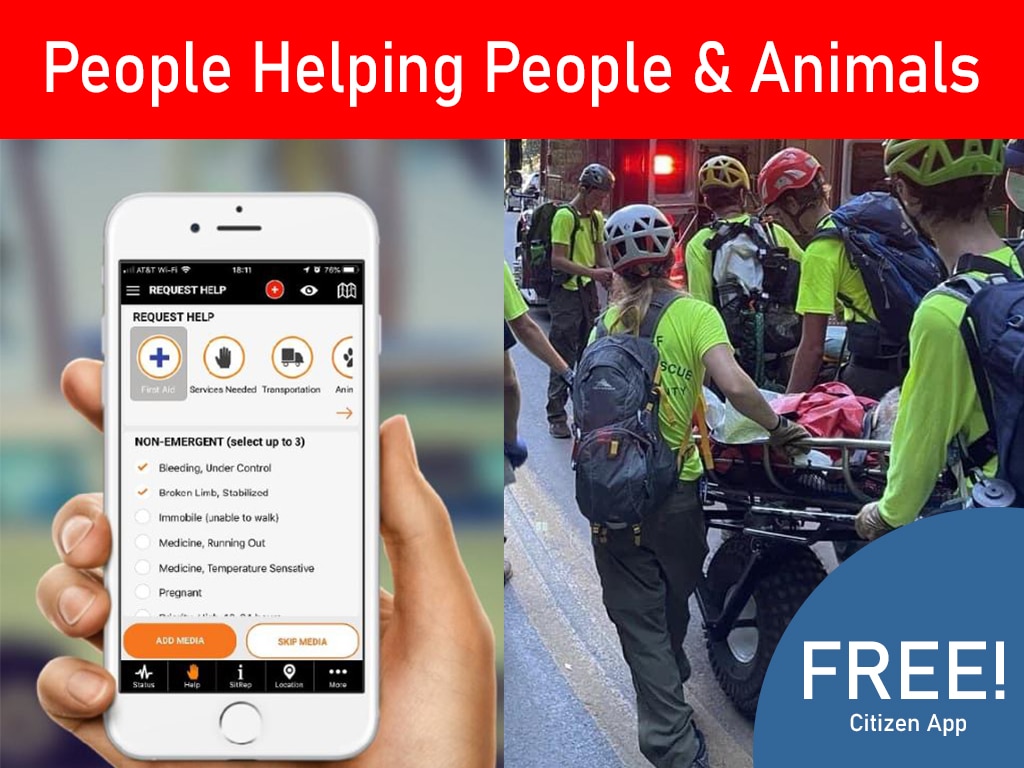
A help request app can help residents share location, status, and assistance needs when a phone call is not enough.
A community alert app can also keep neighbors informed about nearby hazards and response activity.
Residents should combine incident reporting with local emergency alerts so they receive updates from trusted local sources.
Key Takeaways
- Choose the right number for the right help: Use 911 for immediate threats to life or property, 311 for non-emergency city issues, and 988 for mental health crises. Directing your call correctly gets the appropriate response faster and keeps emergency lines free.
- Provide clear details for a faster response: The most important information you can give is your exact location, followed by a clear, factual description of what is happening. Staying calm and answering the dispatcher’s questions helps them send the right resources without delay.
- Use community safety apps for enhanced reporting: Tools like PubSafe allow you to add photos and precise location data to an incident report, giving first responders critical context. This also helps create a public map of events, improving situational awareness for the entire community.
What Counts as a Local Emergency?
Knowing what counts as a local emergency can help you act quickly and get the right help on the way. In short, an emergency is any situation that poses an immediate risk to health, life, property, or the environment. These are the moments when you need to contact first responders like the police, fire department, or emergency medical services right away. While every situation is unique, most local emergencies fall into a few key categories. Understanding them is the first step in knowing how to respond effectively and keep your community safe.
Recognizing Medical Crises and Health Threats
When someone’s life or immediate health is at risk, it’s a clear signal to call for help. This includes situations like a heart attack, stroke, severe allergic reaction, or a serious injury from a fall or accident. Look for signs like difficulty breathing, chest pain, uncontrollable bleeding, sudden dizziness or confusion, or loss of consciousness. In these moments, every second counts. Don’t hesitate to dial 911. You aren’t expected to be a medical expert, but your quick action to call for professional help can make all the difference for the person in distress.
Spotting Fires, Leaks, and Other Safety Hazards
Some emergencies threaten more than just one person and can put an entire neighborhood at risk. If you see smoke or flames, smell gas, or notice downed power lines, treat it as an urgent situation. These hazards can escalate quickly and require a professional response from the fire department or utility companies. Your first priority should be your own safety. If you’re in immediate danger, get to a safe location before you make the call. Reporting these issues promptly helps protect property and prevent injuries, ensuring the safety of the broader community.
Identifying Crimes and Suspicious Activity
If you witness a crime happening or see activity that feels dangerously out of place, it’s time to alert the authorities. This could be anything from a break-in or assault to someone tampering with vehicles or acting aggressively. Trust your instincts. Reporting a crime in progress helps law enforcement respond quickly, prevent further harm, and keep your community secure. In addition to calling 911, you can use community safety platforms to report an incident directly from your phone, often with the ability to add photos and precise location details to aid the response.
Who Responds to a Local Emergency?
When an emergency strikes, a coordinated network of professionals and volunteers springs into action. It’s not just one group, but a team of teams working together to protect the community. Understanding who these responders are helps you know what to expect and how your report contributes to the larger effort. From the sirens you hear down the street to the neighbors who show up to help, each plays a vital role. Knowing who is coming to help makes the situation a little less chaotic and empowers you to provide the best possible information to the right people.
First Responders Like Police, Fire, and EMS
When you dial 911, you’re activating the most visible part of the emergency response system: police officers, firefighters, and emergency medical services (EMS). These are the professionals trained to handle immediate threats to life and property. Police secure the scene and manage public safety, firefighters tackle blazes and hazardous materials, and EMS personnel provide critical medical care on the spot. When you witness an emergency, you become the first link in this chain of response. Taking action by providing clear, calm, and accurate information is the most important thing you can do to help them work effectively and save precious time.
The Role of Public Works Departments
You might not immediately think of them, but Public Works departments are essential first responders, especially during large-scale events like floods, earthquakes, or severe winter storms. Since 2002, the U.S. government has recognized them as such because they manage the infrastructure that keeps our communities running. When a disaster hits, these are the crews clearing debris from roads so ambulances can get through, managing flood control systems, and working to restore critical utilities. Their efforts are foundational to any successful recovery, ensuring that other emergency services can do their jobs and the community can get back on its feet.
Community Emergency Response Teams (CERT)
In a major disaster, professional responders can quickly become overwhelmed. That’s where Community Emergency Response Teams (CERT) come in. The CERT program trains everyday citizens in basic disaster response skills, such as fire safety, light search and rescue, and medical triage. These dedicated volunteers provide immediate assistance to their neighbors, helping to bridge the gap until professional help arrives. They are a powerful example of community resilience in action. Effective volunteer coordination is critical in these moments, and platforms like PubSafe are designed to help organizations manage these teams and deploy them where they are needed most.
911 or 311: Which Number Should You Call?
When you see something wrong in your community, your first instinct is to reach for your phone. But which number should you dial? Knowing the difference between 911 and 311 is key to getting the right help fast while keeping emergency lines open for those who need them most. It’s a simple distinction that can make a huge impact. Think of it this way: 911 is for emergencies happening right now, while 311 is for city issues that need attention but aren’t immediate threats.
When to Call 911 for Life-Threatening Emergencies
When in doubt, remember this simple rule: call 911 for emergencies where life, safety, or health is at risk. This is your direct line for immediate police, fire, or medical assistance. If you witness a crime in progress, a serious car accident, a fire, or a medical crisis like a heart attack or someone having trouble breathing, don’t hesitate to dial 911. These situations require an urgent response, and dispatchers are trained to get first responders to the scene as quickly as possible. Using 911 correctly ensures that critical resources are available for true emergencies.
When to Use 311 for Non-Emergency Help
So, what about problems that aren’t life-threatening? That’s where 311 comes in. This number connects you to your city for non-emergency services and information. Think of it as your go-to for quality-of-life issues. You can use 311 to report things like potholes, broken streetlights, noise complaints, or illegal dumping. It’s also the right number to call if you have questions about city services, like trash collection schedules or local events. By directing these calls to 311, you help reduce non-emergency calls to 911, freeing up dispatchers to handle urgent situations.
What About Mental Health Crises?
It’s important to know that there are specific resources for certain crises. For mental health emergencies, the number to call is 988. The 988 Suicide & Crisis Lifeline connects you with trained counselors who can provide free, confidential support. You should call 988 if you or someone you know is experiencing emotional distress or a suicidal crisis. However, if a mental health situation involves an immediate threat to someone’s life or safety, 911 is still the right number to call. Never use 311 for these urgent situations; always choose 911 for immediate danger or 988 for mental health support.
Beyond 911: Other Important Local Numbers
While 911 is the universal number for immediate, life-threatening emergencies in the U.S., it’s not the only number you should have saved in your phone. For a community to respond effectively to all types of situations, we need to use our resources wisely. Calling 911 for a non-emergency issue, like a noise complaint or a fallen tree branch that isn’t blocking traffic, can tie up dispatchers and delay help for someone facing a true crisis. That’s why most cities and counties have a whole network of other important numbers for specific, less urgent needs. Knowing these contacts is a key part of being a prepared and responsible citizen.
These other numbers connect you to departments like public works, animal control, or your local emergency management office. Having these contacts ready means you can report issues efficiently without overwhelming the 911 system. For community leaders and organizations, disseminating this information is crucial. A platform designed for team management during a crisis can also serve as a central hub for this information, ensuring volunteers and residents have a complete list of local contacts. Being prepared isn’t just about knowing what to do in a disaster; it’s about knowing who to call for the small things, too.
Finding Your Local Non-Emergency Contacts
So where do you find these numbers? Your best bet is to start with your local government’s official website. Look for pages related to public safety, emergency management, or the police department. These sites often have a dedicated contact page listing numbers for non-urgent matters. For example, the Southern Nevada Health District provides a comprehensive list of emergency contacts that goes beyond 911, including non-emergency lines for fire departments and specific city management offices. Taking a few minutes to look up and save these numbers for your area can make a big difference when a non-critical situation arises.
Examples from Southern Nevada
The City of Las Vegas, for instance, encourages residents to be prepared by providing easy access to these contacts. While 911 is for immediate threats, they list (702) 383-2888 as the non-emergency number for the fire department headquarters. They also provide direct lines for the emergency management offices in the City of Las Vegas, Clark County, and Henderson. In addition to providing numbers, the city encourages residents to sign up for emergency alerts to receive important messages directly on their phones, creating another layer of community-wide preparedness.
Emergency Numbers Around the World
If you travel internationally or live abroad, it’s critical to remember that 911 is not a universal emergency number. Each country has its own system, and dialing the wrong number in a crisis can waste precious time. Before you travel, make it a habit to look up the local emergency numbers for your destination. This includes the equivalent of 911 for police, fire, and medical services, as well as any non-emergency contacts. Knowing these numbers is just as important as knowing how to say “hello” or “thank you” in the local language—it’s a fundamental part of staying safe in an unfamiliar place.
This patchwork of different emergency systems highlights the need for globally accessible safety tools. When a disaster strikes, language and logistical barriers can complicate response efforts. Platforms that allow users to report an incident with geolocation data can help bridge these gaps, providing clear, actionable information to local response teams regardless of where the user is from. This kind of technology helps create a universal language for safety, ensuring that a call for help is understood anywhere in the world, connecting citizens with the right local responders who know the correct procedures.
United Kingdom
In the United Kingdom, which includes England, Scotland, Wales, and Northern Ireland, the primary emergency number is 999. You can also dial 112, which works in the UK and across all of the European Union. Both numbers connect you to an operator who will ask which service you need—police, fire, or ambulance. For situations that don’t require an immediate response, you should use 101. This is the nationwide non-emergency police number for reporting less urgent crimes, such as a stolen car or property damage, or to give police information about a crime in your area. Using 101 helps keep the 999 lines free for genuine emergencies.
South Africa
In South Africa, there are two main national emergency numbers to know. For police or general emergencies, you should dial 10111. This number connects you to a central call center that will dispatch the police or direct your call to the appropriate local station. For medical emergencies requiring an ambulance, the number to call is 10177. According to Santam Insurance, you can also use this number if there are injuries resulting from a fire or crime. Knowing the distinction ensures you get the right type of help as quickly as possible, whether you need law enforcement or medical assistance.
What to Tell the Dispatcher
When you call for help, the dispatcher on the other end of the line is your first point of contact with emergency services. The information you give them is a lifeline that guides responders to the right place with the right equipment. Staying calm and providing clear, accurate details can make a huge difference in the outcome of a situation. Focus on giving them the following three pieces of information to ensure the fastest and most effective response.
Share Your Exact Location
The first and most important thing a dispatcher needs is your exact location. Help can’t be sent if they don’t know where to go. If you’re at home or a business, provide the street address. If you’re outside or in an unfamiliar area, look for cross streets, mile markers, or prominent landmarks. You can also open a map app on your phone to get your precise coordinates. While technology helps dispatchers find you, it’s not always foolproof. Verbally confirming your location ensures there’s no confusion and that responders are sent to the right place without delay. This is why seeing incidents on a Public Map can be so critical for community awareness.
Explain What’s Happening
Once the dispatcher knows where you are, they need to know what is happening. State the problem as clearly as you can. For example, say “There’s a house fire,” or “Someone has collapsed and isn’t breathing.” This helps them dispatch the correct team, whether it’s the fire department, police, or paramedics. A situation where life or safety is at risk requires a different response than a non-emergency issue. The dispatcher will ask you questions to get more details. Answer them as best you can, but stick to the facts. Efficiently reporting an incident with clear information helps the dispatcher prioritize and act fast.
Share Key Details and Descriptions
After you’ve shared your location and the type of emergency, the dispatcher will need more specific details. This could include the number of people involved, descriptions of individuals or vehicles, or any visible injuries or weapons. For example, in a car accident, mention how many cars are involved and if anyone appears trapped. This kind of real-time data collection is invaluable for first responders, as it helps them prepare while they are on their way. Try to be a good witness by noting details about your surroundings. Every piece of information you can safely provide helps create a clearer picture of the situation for the response team.
How to Report a Local Emergency from Your Phone
Your phone is one of the most powerful tools you have during an emergency. Knowing how to use it effectively can make all the difference when every second counts. While calling 911 is the most common method, it’s not your only option. You can also text for help in certain situations or use your phone’s built-in safety features to quickly alert authorities and emergency contacts.
The best method depends entirely on your situation. If you can speak freely and have a clear connection, a voice call is usually the fastest way to communicate complex information. However, if making noise could put you in danger, or if you have a speech or hearing impairment, texting may be a safer choice. It’s a great idea to familiarize yourself with all these options before you ever need them. Taking a few minutes now to understand how each one works can help you stay calm and act decisively when it matters most.
Calling 911: What to Expect
When you call 911, a trained dispatcher will answer and ask for essential information to send help. The most critical piece of information is your exact location. Be prepared to provide an address, cross-streets, or any nearby landmarks. Next, you’ll need to describe the nature of the emergency, whether it’s a medical issue, a fire, or a crime.
Try to stay as calm as possible and speak clearly. The dispatcher is your direct line to first responders, and they will guide you through the call. They may ask you to stay on the line until help arrives or give you instructions on what to do. It’s important to listen carefully and follow the operator’s instructions to keep yourself and others safe while you wait.
How to Text 911 When You Can’t Speak
If you’re in a situation where it’s not safe to make a voice call, like during a home invasion or an active shooter event, you may be able to text 911. This service is also a vital option for individuals who are deaf, hard of hearing, or have a speech disability. To use it, open your phone’s messaging app, type 911 in the recipient field, and send a short message with your location and the type of emergency.
Keep in mind that Text-to-911 is not available everywhere, so it’s a good idea to check with your local emergency services ahead of time. The FCC provides helpful guidance on what you need to know about Text-to-911, including how it works and its limitations.
Use Your Phone’s Built-In Emergency Tools
Most modern smartphones come with built-in emergency features designed to get you help quickly. For example, iPhones and many Android devices have an Emergency SOS function that can automatically call 911 and send a text with your location to your emergency contacts after you press a sequence of buttons. These tools are incredibly useful, but they only work if you set them up beforehand.
Take a few minutes to explore your phone’s settings and find these features. You can add emergency contacts and review how to activate the SOS signal. Familiarizing yourself with your phone’s emergency accessibility features now ensures you won’t be fumbling through menus during a real crisis. It’s a simple step that can provide peace of mind.
Using Community Safety Apps to Report Incidents
Beyond calling or texting 911, community safety apps offer another powerful way to report emergencies and coordinate with others. These tools are designed to connect you with a network of first responders, volunteer groups, and neighbors, creating a more comprehensive and collaborative response effort. When you need to share detailed information quickly or understand what’s happening around you, an app like PubSafe can be an invaluable resource. It’s built to help teams, NGOs, and citizens work together and act fast during a crisis.
Real-Time Reporting with PubSafe
When an emergency affects a whole community, like a wildfire or a flood, coordinated action is everything. PubSafe is designed for exactly these moments. Instead of just sending a one-way alert, you’re sharing information with a network that includes official organizations and local volunteers. This system helps everyone understand the scope of the situation and direct help where it’s needed most. You can report an incident to alert your community, request assistance for yourself or others, and share critical updates as a situation develops. It’s a way to actively participate in your community’s safety and response.
Add Photos and Location to Your Report
A picture can communicate the urgency of a situation far better than words alone. When you report an incident through PubSafe, you can include photos, videos, and precise location data. This gives first responders a clear view of what’s happening before they even arrive. Imagine being able to show them the downed power line blocking a road or the exact location of a car accident. This real-time data collection is incredibly valuable for law enforcement and emergency teams, helping them prepare the right equipment and personnel. It removes the guesswork and allows for a faster, more effective response.
Check the Map for Nearby Incidents
Situational awareness is key to staying safe during an emergency. When you submit a report, it appears on the PubSafe public map, creating a live view of what’s happening in your area. This allows you, your neighbors, and nearby response organizations to see and react to the emergency. You can identify which areas to avoid, check on neighbors who might be in a high-risk zone, and see where volunteers are needed. This shared visibility transforms individual reports into a powerful tool for community-wide coordination, ensuring that everyone has the information they need to stay safe and help one another.
How PubSafe Protects Your Privacy
When you’re reporting an emergency, the last thing you should worry about is your personal privacy. Feeling safe and in control of your information is essential, especially in a stressful situation. That’s why PubSafe is built with your privacy at its core. You get to decide what information you share and who sees it, ensuring you can report incidents or coordinate with your team confidently and securely. This focus on user control helps create a safer environment for everyone, encouraging more people to share vital information without hesitation.
Your Option to Report Anonymously
Sometimes, the most critical information comes from those who wish to remain anonymous. Whether you’re reporting suspicious activity or a sensitive incident, you might not want your name attached. PubSafe allows you to report an incident with complete anonymity. This encourages more people to speak up without fear of exposure or retaliation, which gives first responders and community organizations a more complete picture of what’s happening on the ground. By removing the barrier of identification, the platform empowers everyone to contribute to community safety, ensuring that important details don’t go unreported simply because someone was afraid to share.
You Control Your Data and Who Sees It
Your data and your location are yours to control. With PubSafe, you have flexible security settings that put you in charge of your own visibility. You can choose to be visible to the public, just to members of your organization, or only to a specific team you’re working with. This is perfect for volunteer teams and official responders who need to coordinate without broadcasting their location to everyone. This level of control ensures that your information is only shared with the people who need it, allowing for effective team management while respecting individual privacy preferences.
Keep Your Team Communication Secure
Effective disaster response relies on clear, secure communication. When you’re coordinating with your team, you need a reliable channel where you can share sensitive information without worrying about it being intercepted. PubSafe provides a secure web portal for responders to manage communications in real time. This allows citizens to request help and teams to coordinate their efforts efficiently. For NGOs, CERT teams, and other response groups, this means you can discuss logistics, share updates, and deploy resources with confidence. Your organization can register to create a private, secure space for all your emergency communications.
What to Do While You Wait for Help
After you’ve reported an emergency, the minutes can feel like hours. But what you do next is just as important as the initial call. Staying calm and taking a few key steps can protect you and others, and it helps first responders do their jobs more effectively when they arrive. Think of this time not as waiting, but as preparing. Your actions can make a significant difference in the outcome of the situation. Here’s a clear guide on what to focus on while help is on the way.
Focus on Safety First
Your top priority is to secure the immediate area and ensure everyone’s safety. If you are in danger, move to a safer location if possible. This might mean evacuating a building during a fire or moving away from an unstable structure. If someone is injured, provide first aid only if you are trained to do so, without putting yourself at risk. Stay aware of your surroundings and listen for updates. Community safety platforms like PubSafe allow organizations to send critical alerts to their teams, ensuring you get crucial information even if your phone is in sleep mode. This real-time emergency coordination keeps everyone informed and safer.
Don’t Hang Up: Stay on the Line
Unless the dispatcher tells you it’s okay to hang up, stay on the line. The situation can change quickly, and they may need more information from you. The dispatcher is your direct link to emergency services and can provide life-saving instructions, like how to perform CPR or control bleeding, until help arrives. Answer their questions as clearly and calmly as you can. They are trained to gather specific details that will help police, firefighters, or paramedics prepare. Following their instructions is one of the most important things you can do to manage the emergency effectively.
Get Ready for First Responders to Arrive
You can help first responders reach you faster by making your location as accessible as possible. If you’re in a building, unlock the door, turn on the porch light, and clear a path to the person or area that needs attention. If you’re outside, make yourself visible. When you report an incident through an app like PubSafe, you provide real-time data that is invaluable for law enforcement and rescue teams. This information gives them a head start, allowing them to understand the situation before they even arrive on the scene. Your clear report helps them deploy the right resources and personnel.
Local Preparedness and Alert Systems
Knowing how to report an emergency is a critical skill, but it’s only one part of building a resilient community. True preparedness also means understanding the local systems and resources designed to help you before, during, and after a crisis. Your city and local organizations are actively working to keep you safe, offering everything from hands-on training to life-saving alerts. Tapping into these programs ensures you’re not just reacting to emergencies but are proactively part of the solution. It’s about shifting from being a bystander to being an informed and prepared participant in your community’s safety net.
Local Preparedness Programs and Resources
You don’t have to figure out emergency preparedness on your own. Many communities, like the City of Las Vegas, offer a wealth of tools and training to help residents get ready for the unexpected. These programs are designed to empower you with practical skills and give you access to essential resources when you need them most. From learning basic first aid to knowing where to pick up sandbags before a flood, these local initiatives are your first line of defense. Taking the time to learn about what’s available in your area can make a world of difference when a disaster strikes.
Community Training and Education
Local governments and organizations frequently offer free or low-cost training to help you and your family prepare for emergencies. These programs teach you how to create a family emergency plan, build a disaster kit, and perform basic first aid. They empower you with the confidence and skills to act effectively in a crisis. Engaging with these educational opportunities is also a great way to connect with your neighbors and build a stronger, more resilient community network. Effective volunteer coordination during emergencies often starts with a foundation of shared knowledge and training, ensuring everyone is on the same page when it matters.
Accessing Emergency Supplies like Sandbags
When a specific threat like a flood is on the horizon, local authorities often provide essential supplies to help residents protect their property. For example, in areas prone to flooding, public works departments may set up distribution centers where you can get sandbags. Knowing where these centers are and when they are open is a crucial piece of your preparedness plan. This information is usually shared through local news, city websites, and official social media channels. Staying informed allows you to take proactive steps, giving you time to secure your home before the situation becomes critical.
Special Assistance Programs
Many communities have special programs that organize trained citizens to assist in a disaster. A great example is the Community Emergency Response Team (CERT) program, which educates volunteers about disaster preparedness and trains them in basic response skills. These teams provide vital support to first responders and can help with tasks like light search and rescue or medical triage. Platforms like PubSafe are designed to support these efforts by providing powerful team management tools that help CERT teams and other NGOs coordinate their actions, manage volunteers, and communicate securely with official agencies during a response.
Understanding Local Emergency Alerts
Once you have a plan and your supplies are ready, the next step is knowing how to stay informed when an emergency is happening. Local authorities use a variety of systems to send out timely and accurate alerts to the public. These messages provide critical information, from evacuation orders to shelter-in-place warnings, and are designed to keep you safe. Understanding how these alerts are sent and what they mean is essential for making smart decisions during a fast-moving event. Paying attention to these official communications can be the most important action you take in a crisis.
How Alerts are Communicated
Emergency alerts come through multiple channels to reach as many people as possible. You might see warnings on electronic freeway signs, hear them on the radio or TV through the Emergency Alert System, or receive a text message on your phone via Wireless Emergency Alerts (WEA). Some communities also use a “reverse 911” system to call landlines in a specific area. Additionally, community safety platforms show how PubSafe works to create another layer of communication, allowing registered organizations to send targeted alerts to their teams and the public, ensuring information gets to the right people quickly.
Specific Safety Advice for Common Emergencies
When you receive an emergency alert, it will often include specific safety instructions. It is vital to follow this advice. For example, an alert during a heavy storm might warn you to “never drive through floodwater.” This isn’t just a suggestion; it’s a life-saving directive based on the fact that it only takes a few inches of moving water to sweep a car away. Similarly, you might be told to evacuate for a wildfire or shelter in place for a hazardous material spill. These instructions are provided by experts who are monitoring the situation and are your best guide to staying safe.
Common Mistakes to Avoid When Reporting
When you’re in the middle of an emergency, your adrenaline is pumping, and it’s easy to forget the basics. But how you report an incident can dramatically affect the outcome. Knowing what not to do is just as important as knowing what to do. A clear, accurate report helps first responders understand the situation and get to you faster. Let’s walk through a few common mistakes to avoid so you can be prepared to communicate effectively when it matters most.
Mistake: Guessing Your Location
If you’re unsure of your exact location, don’t guess. Sending responders to the wrong address, even if it’s just a block away, can waste critical minutes. Instead, look for street signs, landmarks, or business names. If you’re using an app like PubSafe, it uses your phone’s GPS to pinpoint your location automatically. This removes any guesswork and ensures help is dispatched to the right place. When you report an incident, the app shares your precise coordinates, providing responders with the accuracy they need to find you quickly.
Mistake: Giving Vague Details
When you connect with a dispatcher or report an incident, stick to the facts. It’s natural to feel panicked, but providing vague information like “something bad is happening” isn’t helpful. Be specific. Describe what you see, who is involved, and what kind of help is needed. For example, instead of saying someone is hurt, say “a man fell and is bleeding from his head.” This kind of clear, real-time data is invaluable for first responders. Platforms that facilitate team management rely on precise details to coordinate an effective response and deploy the right resources.
Mistake: Hanging Up Too Soon
Never hang up on a dispatcher until they tell you it’s okay. The dispatcher is your lifeline and may need to ask you more questions as the situation develops. They might also give you life-saving instructions, like how to perform CPR or control bleeding, while you wait for help to arrive. Staying on the line ensures that first responders have the most current information right up until they get to you. Keeping your communication lines open is essential, which is why it’s helpful to have a reliable app you can install for free before an emergency ever happens.
Related Articles
- How To Report An Incident | PubSafe Community Safety App
- Report Incidents Easily with the PubSafe App | Step-by-Step Guide
- Emergencies & Community Response: How PubSafe Supports 911 Calls
- PubSafe Can Be Used For Emergencies But Call 911 First
- Improve Emergency Response in Local Government: Practical Strategies | PubSafe
Frequently Asked Questions
What if I’m not sure if a situation is a true emergency? I don’t want to waste anyone’s time. It’s always better to be safe and make the call. Dispatchers are trained professionals who can quickly determine the urgency of a situation. If you believe there’s an immediate risk to someone’s health, safety, or property, that’s your cue to dial 911. Your quick action could be critical, so trust your judgment and let the experts sort out the next steps.
Should I call 911 or use an app like PubSafe to report an incident? Think of them as two different tools for different, but sometimes overlapping, jobs. Calling 911 is your direct line for immediate police, fire, or medical help in a life-threatening situation. An app like PubSafe is designed for community-wide awareness and coordination. It’s perfect for sharing detailed reports with photos and precise locations, which helps a network of responders and your neighbors understand what’s happening, especially during larger events like a storm or wildfire.
Why is adding a photo to my report so helpful for first responders? A picture provides instant context that words often can’t capture. It can show the scale of a fire, the severity of a car accident, or the exact location of a downed power line. This visual information helps emergency teams understand what they are heading into, allowing them to prepare the right equipment and personnel while they are on their way. It removes the guesswork and helps them act more quickly and effectively upon arrival.
What if I see something dangerous but can’t talk on the phone? Your safety comes first. If making a voice call would put you in danger, you have other options. You can use the Text-to-911 service where it’s available, sending a message with your location and the type of emergency. You can also use a community safety app to report the incident silently, adding details and your location without making a sound.
Can I still report something I witnessed even if I’m no longer at the scene? Yes, your report is still valuable. When you provide the information, just be clear that you are no longer at the location. State where and when the incident occurred as accurately as you can. This information can help authorities identify a pattern of activity, confirm other reports, or alert the community to a potential hazard in that area.