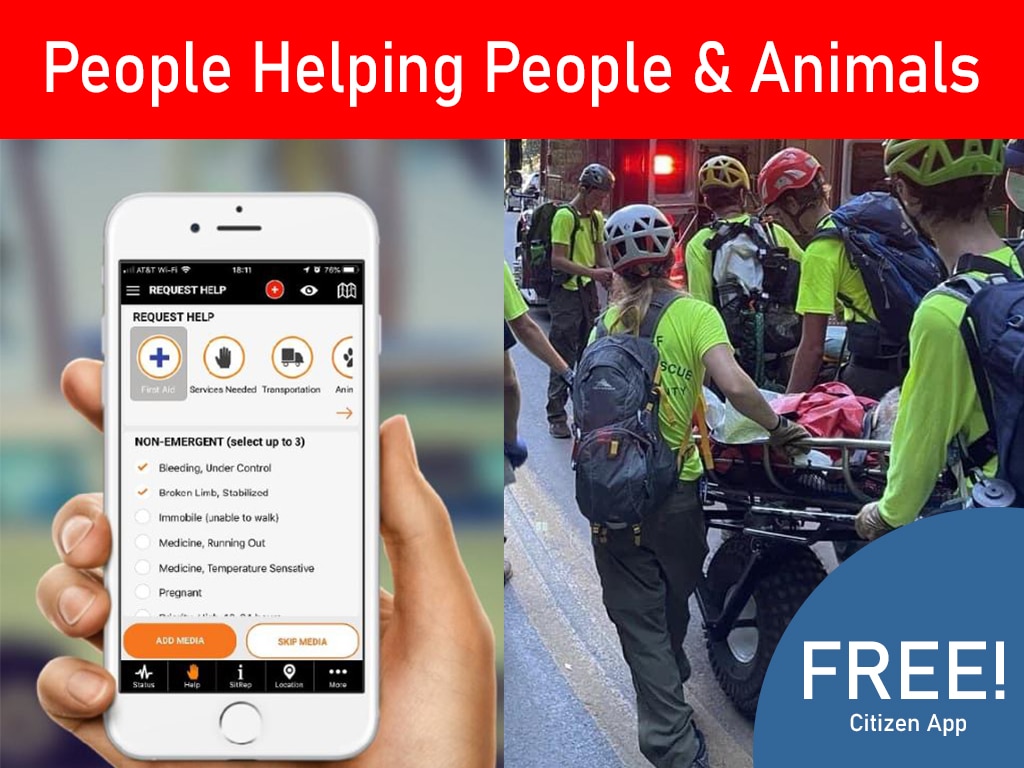
In a crisis, the desire to help is strong, but it’s often hard to know where to start. A modern community alert app is changing that. It’s more than just a one-way community alert system; it’s a two-way street for communication. These platforms empower you to report incidents, request assistance, or volunteer your skills, turning you from a bystander into an active participant. This guide explores how the right community alert software connects your goodwill with the coordinated efforts of professional response teams, building a more resilient community for everyone.
If you are comparing tools, start with PubSafe’s best community alert app breakdown for a practical look at safety app options.
Community apps work best when residents also know how to receive local emergency alerts from official and local sources.
A useful alert app should also help residents understand when and how to report a local emergency with the right level of urgency.
Key Takeaways
- Look for a coordination platform, not just an alert app: The best systems do more than send notifications; they connect your entire community with tools for interactive mapping, two-way communication, and team management.
- Define your community’s specific needs first: Before comparing apps, create a clear list of your essential requirements, considering your geographic area and the communication tools that will actually reach your members.
- Understand the real cost and privacy implications: Be wary of freemium models that lock critical features behind a paywall, and always choose a platform with strong security protocols to protect your community’s data.
What Is a Community Alert App?
A community alert system app is your direct line to important, real-time information about what’s happening in your local area. Think of it as a digital neighborhood watch, but for everything from severe weather warnings and public safety incidents to road closures and community events. Instead of having to seek out information from multiple sources, these apps deliver critical notifications straight to your phone, giving you the heads-up you need to stay safe and prepared. The goal is simple: to make sure you’re aware of potential dangers or disruptions so you can take the right action.
Many of these platforms go beyond simple one-way alerts. Modern systems often include features for two-way communication, allowing you to report incidents or request assistance. This creates a more connected and responsive community, where citizens and first responders can work together. For example, a platform like PubSafe provides a public map that shows real-time incidents, resources, and alerts, giving everyone a shared view of the situation. This level of shared awareness is what transforms a simple alert app into a powerful tool for community resilience. It’s about getting the right information to the right people at the right time, which can make all the difference during an emergency.
How These Apps Work and Who They Protect
At their core, these apps work by sending location-based notifications directly to your smartphone. When an official organization identifies a threat or needs to share important information, they can push an alert to everyone within a specific geographic area. This ensures the messages are relevant to you. These tools are designed to help you prepare before an emergency, stay informed while it’s happening, and find the help you need afterward. Getting a real-time alert about a flash flood or a nearby wildfire gives you precious time to act. Many apps also empower you to contribute by making it simple to report an incident you witness, turning every user into a potential source of valuable information for first responders.
Who Uses These Community Alert Systems?
A wide range of groups and individuals rely on community alert apps. Public safety organizations, like fire departments, police, and emergency management agencies, use them to send out official warnings, evacuation orders, and health alerts to residents and visitors. But it’s not just for government agencies. Non-governmental organizations (NGOs) and Community Emergency Response Teams (CERT) use these platforms for volunteer coordination and to manage resources during a crisis. Many platforms also offer a way for an organization registration to get set up and start communicating with its members and the public. On a more local level, neighborhood groups and even individual citizens use them to report incidents and stay connected with what’s happening on their street.
Top Community Alert Apps to Know
Choosing a community alert app can feel overwhelming, but it helps to know that different apps are built for different jobs. Some act like a digital neighborhood watch, connecting you with your immediate neighbors. Others are official channels run by local governments to push out emergency information. Then there are comprehensive platforms designed not just to alert people, but to connect and coordinate the entire community response, from individual volunteers to established organizations.
The right app for you or your organization depends entirely on your goals. Are you looking for simple weather alerts? Do you want to report local incidents? Or do you need a robust tool for managing teams and resources during a crisis? Understanding what each app does best is the first step toward making a smart choice. Let’s walk through some of the most popular options available so you can see how they stack up and find the one that fits your community’s needs.
PubSafe
PubSafe is more than just an alert system; it’s a full-scale coordination platform. It’s designed to connect citizens, non-governmental organizations (NGOs), Community Emergency Response Teams (CERT), and public safety agencies on a single network. This allows for real-time communication and collaboration during an emergency. Instead of just receiving a one-way alert, users can report incidents, request assistance, and share information. For organizations, PubSafe offers powerful tools for volunteer and team management, helping to deploy resources where they’re needed most. It’s built to create a unified, community-wide response effort.
Citizen
Citizen focuses on real-time safety alerts for incidents happening nearby. It notifies users about a wide range of events, including crimes, fires, natural disasters, and local protests, often including live video feeds from the scene. This gives you a direct view of what’s happening in your area as it unfolds. The app is free to download, which makes it accessible for anyone to get started. However, many of its more advanced features are only available through a paid subscription. With a high rating of 4.7 stars on the App Store, it’s a popular choice for personal safety awareness.
Key Features and Functionality
Citizen is all about providing real-time safety alerts for incidents happening in your immediate vicinity. The app notifies users about a wide range of events, from crimes and fires to local protests, and often includes live video feeds from people on the scene. This focus on live, user-generated content gives you a ground-level view of an incident as it happens. While it’s great for immediate awareness, its primary function is to inform you about what’s going on, rather than to coordinate a response. It’s a tool for knowing, which is the first step in personal safety.
User Ratings and Statistics
There’s no denying Citizen’s popularity. It’s one of the most well-known apps in the personal safety space, and for good reason. It holds a high rating of 4.7 stars on the App Store, with millions of downloads. This shows that many people find value in its real-time alert system for staying aware of nearby incidents. Its large user base also means there are more people on the ground who can potentially report an event, which contributes to the app’s constant stream of updates in active areas.
Common Complaints and Privacy Concerns
Despite its popularity, some users have pointed out significant drawbacks. A common complaint is that free alerts might not show full details, and videos or audio clips often stop midway, prompting you to pay to continue. Because the app relies heavily on user reports, some people mention receiving false alerts. Another concern is the app’s data collection practices; it gathers a lot of personal information, including your exact location and contact info. This is a critical point to consider when deciding if an app’s benefits outweigh its privacy implications for you or your community.
Citizen Premium and Safety Agents
To access its more advanced features, Citizen offers a subscription called Citizen Premium. This paid tier gives you 24/7 access to Safety Agents through video, voice, or text. According to their page on the Google Play store, these agents can monitor your location and audio if you feel unsafe, acting as a virtual companion. This feature positions Citizen as a personal security service for individuals, which is a different approach from platforms designed for broad community and organizational collaboration during a large-scale emergency.
Nextdoor
Nextdoor is a neighborhood-centric social network that also functions as a community alert system. It’s designed to connect you with people in your immediate vicinity, making it a great tool for sharing information about local safety concerns, power outages, or approaching storms. Because it’s built on community interaction, you can get real-time updates directly from your neighbors. The app is widely used, with over 10 million downloads and a solid 4.6-star rating on the Google Play store. It’s a good option for fostering local connections and staying informed about hyper-local issues.
Core Features for Neighborhoods
Nextdoor is a neighborhood-centric social network that also functions as a community alert system. It’s designed to connect you with people in your immediate vicinity, making it a great tool for sharing information about local safety concerns, power outages, or approaching storms. Think of it as a digital bulletin board for your block. You can ask for recommendations for a local plumber, post about a lost pet, or organize a neighborhood garage sale. While it’s excellent for this kind of neighbor-to-neighbor communication, it isn’t built for structured emergency response. Unlike a dedicated platform like PubSafe, it lacks the tools for large-scale volunteer management or direct coordination with official public safety agencies during a crisis.
Usage Statistics and Reach
Nextdoor is widely used, with over 10 million downloads and a solid 4.6-star rating on the Google Play store. Its main strength is its hyper-local reach, but its effectiveness is entirely dependent on user adoption in your specific area. If your neighborhood has a lot of active members, it can be an invaluable source of real-time information. However, if your neighbors aren’t on the platform, you might find it quiet. Because it’s a social network first, important safety alerts can sometimes get lost among posts about local events or for-sale items. It’s a powerful tool for community building, but may not be the most reliable channel for urgent, life-saving information.
Alert San Diego
Alert San Diego is a perfect example of a government-run emergency notification system. As the official app for San Diego County, it provides authoritative information during critical events. You can register to receive alerts via call, text, or email for specific addresses, like your home, workplace, or a family member’s house. This ensures you get targeted, relevant information when it matters most. Beyond initial alerts, the SD Emergency App also provides resources to help residents recover after a major disaster, making it a vital tool for those living in the county.
myAlerts
The myAlerts app delivers notifications across three main categories: Severe Weather Alerts, Public Safety Alerts, and Community Notifications. This allows you to get a broad spectrum of information, from tornado warnings issued by the National Weather Service to local announcements from public officials. It aims to be an all-in-one source for important updates that can affect your safety and daily life. The app has been downloaded over 100,000 times and holds a 3.7-star rating on Google Play, serving as a straightforward tool for staying informed.
CodeRED Mobile Alert
CodeRED is designed to keep you safe no matter where you are. Its key feature is delivering location-based alerts directly to your mobile device, whether you’re at home, driving across town, or traveling in another state. This is especially useful for people who are frequently on the move. You have control over the types of notifications you receive and can choose between text and audio alerts to suit your preferences. The CodeRED Mobile Alert app ensures that critical information from public safety officials finds you when you need it.
Heads Up! Community
Heads Up! Community is a mobile notification app trusted by official emergency services, including 911 and EMS centers, municipalities, and universities. This backing by professional organizations speaks to its reliability as a source for critical alerts. It’s geared toward providing timely and accurate information during emergencies. For organizations considering this platform, Heads Up! Community offers a significant 45% discount for the first year, making it an accessible option for groups looking to implement a professional-grade alert system for their community members.
Police and Speed Camera Detectors
Some apps, like “Police Detector,” function as community alert systems with a very specific focus: traffic. These tools rely on users to report the locations of police patrols, speed cameras, and traffic jams. The main draw is that they are often free and don’t require registration to use. They operate on a radar detector model, showing speed limits and flagging potential speed traps based on crowdsourced information. While they fall under the umbrella of community reporting, their purpose is less about broad public safety and more about helping drivers avoid tickets. This narrow focus makes them useful for commuters but limited in a true emergency situation where comprehensive information is critical.
User-Reported Issues and Data Privacy
The crowdsourced model used by many free alert apps comes with significant drawbacks. A common complaint is that the information is unreliable or outdated, showing old satellite views instead of live conditions. When you’re trying to get accurate, real-time information, this can be a major problem. Users also report difficulty contacting developers for support. More importantly, many of these free apps have concerning privacy policies. They often collect a large amount of personal data, some of which can be used to track you or is linked directly to your identity. In a crisis, you need a platform you can trust, one that prioritizes both your safety and your data security.
Official Police-Run Alert Services
Many local governments and police departments offer their own official alert services, like the “Community Alerts” system from Avon and Somerset Police. These platforms are designed to send authoritative messages directly to residents about local crimes, public safety incidents, and other important events. The primary goals are to help prevent crime, keep the community informed, and foster better collaboration between law enforcement and the public. Because the information comes from an official source, it’s highly reliable. These systems are an excellent way to receive credible warnings, but they are often designed for one-way communication—from the agency to you—without features for community-wide volunteer coordination or resource management.
The Community Watch Model
Apps like Nextdoor have popularized the digital community watch model. As a neighborhood-focused social network, Nextdoor allows you to connect directly with people living in your immediate area. It’s a powerful tool for sharing hyper-local information, from reporting a suspicious vehicle to asking for recommendations or organizing a neighborhood cleanup. The platform is built on the idea that connected neighbors create stronger, safer communities. While it excels at fostering local conversations and sharing informal updates, it isn’t structured for a formal, large-scale emergency response. It’s more about building community ties than providing a platform for managing a disaster response with multiple organizations.
What to Look For in a Community Alert App
When you’re comparing community alert apps, it’s easy to get lost in the details. But a few core features separate the truly effective platforms from the simple notification services. The best apps don’t just push out information; they create a dynamic environment for communication and coordination. Think of it as a digital command center that connects everyone, from residents to first responders. A platform with a comprehensive approach will include tools for every stage of an emergency, from the initial alert to the coordinated response. It’s about creating a single source of truth where information flows freely and securely between all stakeholders. This integration is what transforms a simple app into a powerful response tool. As you evaluate your options, look for a system that shows you how it all works together, not just a list of standalone features. The goal is to find a tool that builds a more resilient and informed community by empowering individuals and equipping organizations with the capabilities they need to manage a crisis effectively. A truly great platform will offer a seamless experience for everyone, whether you’re a citizen reporting an issue or an agency managing a large-scale event.
Instant Emergency Notifications
In any crisis, speed is everything. The most fundamental feature of any alert app is its ability to deliver real-time emergency notifications. These alerts should arrive instantly as push notifications on your mobile device, ensuring you get critical information whether you’re at home, at work, or on the road. A delay of even a few minutes can make a significant difference. Look for an app that has a proven track record of sending timely and reliable alerts for various situations, like severe weather, road closures, or active threats. Having a dependable app on your phone means you’re always connected to a lifeline of crucial information when you need it most.
Interactive Maps to See What’s Happening
A simple text alert can tell you what’s happening, but an interactive map shows you. Situational awareness is about understanding the complete picture of an emergency, and visual context is key. The best apps provide interactive maps that display incident locations, evacuation routes, emergency shelters, and other critical resources in real time. This allows you and your team to see exactly where help is needed and where it’s safe to go. For organizations, this feature is invaluable for deploying resources effectively and keeping team members out of harm’s way. For residents, it provides clear, actionable guidance at a glance, turning confusion into clarity during a stressful event.
Easy Ways to Report an Incident
Your community members are your eyes and ears on the ground. A great alert app empowers them to be active participants in public safety by offering simple incident reporting. This feature allows users to quickly report issues like downed power lines, localized flooding, or traffic accidents directly from their phones, often with the ability to attach photos and precise location data. This crowdsourced information provides first responders with invaluable, real-time intelligence they can’t get from anywhere else. Making the reporting process intuitive ensures more people will use it, creating a richer, more detailed picture of the situation as it unfolds.
Features for Coordinating Your Team
For public safety agencies, NGOs, and CERT teams, an alert app must do more than just inform; it must facilitate action. Look for robust tools for team management that allow you to organize responders, assign tasks, and track progress in one place. The ability to create specific groups for different functions or geographic areas ensures that the right people get the right instructions without unnecessary noise. This turns the app from a simple broadcast tool into a powerful platform for managing a coordinated and effective emergency response, ensuring everyone is on the same page when it matters most.
Direct Two-Way Communication
Emergency communication shouldn’t be a one-way street. While receiving alerts is critical, the ability to respond is just as important. Two-way communication allows users to reply to notifications, request assistance, or simply mark themselves as “safe.” This feedback is a game-changer for emergency managers, helping them understand the scope of the situation and prioritize resources for those in immediate need. It also transforms the app into a collaborative tool where volunteer coordination becomes more efficient, as teams can confirm assignments and report back on their status directly through the platform, closing the communication loop.
Alerts Based on Your Current Location
Relevance is key to keeping people engaged and preventing “alert fatigue.” No one wants to be woken up by an alert for an incident happening 50 miles away. Location-based alerts use geofencing technology to send notifications only to people within a specific, affected area. This ensures that every message is timely, relevant, and actionable for the person receiving it. For organizations, this means you can target your communications with precision, whether you’re warning a single neighborhood or an entire county. When users trust that every alert they receive matters, they are far more likely to pay attention and take action when it counts.
What Do Real Users Say?
When you’re choosing an app that could make a difference in an emergency, hearing from people who have actually used it is invaluable. I spent some time digging through user reviews for several popular community alert apps to get a sense of what works and what doesn’t. While experiences vary, a few key themes pop up again and again. These common threads can help you spot potential red flags and identify what truly matters in a safety app.
Understanding these real-world experiences gives you a clearer picture of what to expect. It’s not just about the features listed on a website; it’s about how those features perform when it counts. From spotty notifications to confusing privacy policies, user feedback highlights the gap that often exists between what an app promises and what it delivers. This insight is crucial for anyone, whether you’re an individual looking to stay informed or an organization responsible for community-wide safety. By learning from others, you can make a more informed choice for yourself or your team.
How Reliable Are These Apps?
One of the most common points of feedback revolves around reliability. For an alert app to be effective, it has to work every single time. Some users report that their apps are great for major weather events but fall short on other types of notifications. Many express frustration with apps that fail to send alerts for active situations nearby or are generally inconsistent. In a critical moment, you can’t afford to wonder if your app is working. This is why a platform’s ability to provide consistent, comprehensive information is so important for true situational awareness. When an emergency happens, you need a tool you can depend on without a second thought.
The Problem of Unverified User Reports
While empowering citizens to report incidents is a great idea in theory, it can create a major headache in practice: unverified information. Many apps that rely heavily on user-generated content struggle with false alerts, which can cause unnecessary panic or, even worse, lead people to ignore real warnings. User reviews for popular apps often mention this exact problem, alongside complaints about rude or unhelpful comments that clutter up incident reports. This highlights a critical need for a system that does more than just collect reports. A truly effective platform must have a way to vet information, which is often best achieved when citizens are connected within a network that includes verified groups. Having a clear process for organization registration allows official teams to provide context and confirmation, turning a chaotic stream of user reports into reliable, actionable intelligence.
What About Your Privacy and Data?
In an age where data is currency, users are rightfully concerned about their privacy. Reviews often mention unease about how personal information, especially location data, is collected and shared. Some apps don’t give users the option to delete their data, which can feel like a major loss of control. When you’re using an app for safety, you shouldn’t have to trade your personal security for your digital privacy. It’s essential to understand an app’s data policies before you sign up. Trust is the foundation of any safety tool, and that starts with knowing your information is handled responsibly by the platform you choose.
Location Tracking and Data Collection Policies
Location tracking is a core function of many alert apps, enabling powerful features like location-based alerts that ensure you only receive relevant information. But it’s also one of the biggest sources of user concern, and for good reason. Some apps collect a surprising amount of data that can be linked directly to your identity, and their policies on data sharing and deletion can be vague or nonexistent. You shouldn’t have to sacrifice your digital privacy to feel physically secure. Before committing to an app, take a moment to read its privacy policy. A trustworthy platform will be transparent about what data it collects, why it needs it, and how it protects your information. This transparency is the foundation of a tool you can truly depend on in a crisis.
Are the Alerts Fast and Accurate?
When an app works as intended, users praise its ability to deliver fast and accurate alerts. Getting a timely notification based on your current location can be a lifesaver, especially when you’re traveling or unfamiliar with an area. The speed of an alert can mean the difference between getting to safety and being caught unaware. Users value apps that provide precise, actionable information without delay. Features like a public map that shows real-time incidents are often highlighted as incredibly useful because they provide immediate context and help people make smarter decisions in evolving situations. Accuracy isn’t just a convenience; it’s a necessity.
What Users Are Saying Most Often
A major source of frustration for many users is the “freemium” model. People often download a free safety app expecting access to basic alerts, only to find that critical information is locked behind a paywall. Reviews are filled with comments from users who feel tricked or let down when they’re prompted to pay for details during an active incident. This business model can feel exploitative, especially when it comes to community safety. The consensus is clear: essential safety features should be accessible to everyone, which is why many people seek out genuinely free tools that prioritize public well-being over profits. You can install the PubSafe app for free to see the difference.
How Much Do Community Alert Apps Cost?
When you’re choosing a community alert app, the price tag is often a major factor. The costs can range from completely free to thousands of dollars a year, so it’s important to understand what you’re paying for. Some apps are designed for individual users and rely on in-app purchases, while others are built for large organizations with enterprise-level subscription fees. Finding the right fit means looking past the initial price and digging into the features, subscription models, and potential hidden costs to see what truly provides the best value for your community’s safety.
Free Plans vs. Premium Features
Many community alert apps operate on a “freemium” model. They offer a free version with basic functionality to get you on board, but reserve their most powerful tools for paying subscribers. For example, the Citizen app gives you real-time alerts about nearby incidents for free, but many of its most helpful features require a paid subscription. This is a common approach for consumer-facing apps.
On the other hand, platforms like PubSafe are built differently, offering a robust set of features for free to all users, including citizens, volunteers, and official agencies. This approach removes cost barriers and encourages widespread adoption, which is critical during an emergency. Before committing, always clarify which features are included in the free version versus the premium one. You can often install the free app to see exactly what you get without paying.
How Do Subscription Models Work?
For organizations, pricing is rarely a simple one-size-fits-all number. Many advanced systems use custom quote-based pricing that can start anywhere from $3,000 to $10,000 annually for a base plan. On top of that, you might see per-message fees, which can add up quickly during a large-scale event.
These subscription models are often tiered based on the number of users, the size of your community, or the specific features you need. For instance, a small nonprofit might pay for a basic package, while a city government would need an enterprise plan with advanced analytics and integration capabilities. When evaluating options, ask for a detailed price breakdown to understand the total cost of ownership and avoid any surprises down the road.
Government-Funded vs. User-Paid Apps
The way an alert system is funded often tells you a lot about its primary purpose. Many official public safety alert systems are government-funded. These are the tools municipalities and counties use to send out critical information about threats like severe weather or active emergencies. Their goal is mass dissemination, and the cost is covered by public funds.
In contrast, user-paid apps are funded directly by individual subscribers. These often provide more personalized alerts but can create an information gap between those who can afford to pay and those who can’t. A third model is a platform like PubSafe, which is free for everyone. It’s designed to bridge the gap between official agencies and the public, creating a unified network where everyone can share information and coordinate efforts without a paywall.
Are There Any Discounts Available?
Don’t hesitate to look for deals, especially if you represent a nonprofit, educational institution, or public safety agency. Many companies offer special pricing to support community-focused organizations. For example, some services advertise significant first-year discounts to get you started. You might see offers like “First year 45% off” to make the initial investment more manageable.
The best way to find these opportunities is to ask. When you’re talking to a sales representative, inquire about any available discounts for nonprofits, multi-year contracts, or bundled services. Some providers also offer extended trial periods or pilot programs, which allow you to test their platform thoroughly before making a long-term financial commitment.
Common Roadblocks for Organizations
Implementing a community alert system is a major step toward improving public safety, but it’s not without its hurdles. Even the most advanced app can fall short if it isn’t rolled out thoughtfully. For organizations leading the charge, success often comes down to anticipating and addressing a few key challenges. From getting residents on board to making sure the technology fits your existing workflow, here are the common obstacles you might face and how to approach them.
Getting Your Community to Actually Use the App
An alert system is only as strong as the number of people who use it. If residents don’t download the app or sign up for notifications, your ability to communicate during a crisis is severely limited. Building trust is the first step. People need to understand why the app is important and how it will keep them safer. You can achieve this through clear, consistent messaging at community events, on social media, and through local partnerships. The easier you make it for people to install the free app, the more likely they are to do it. Ultimately, the effectiveness of your alerts depends entirely on whether the community is there to receive them.
Connecting with Your Existing Systems
A new app shouldn’t create data silos or disrupt the systems your team already relies on. Before committing to a platform, it’s essential to consider how it will connect with your existing software and protocols. Will it work with your current dispatch system? Can it import data from your volunteer database? A seamless integration is crucial for efficient communication, especially when administrators and first responders are trying to coordinate a response. The right platform should feel like a natural extension of your operations, simplifying team management rather than complicating it. Look for flexible systems designed to work with, not against, your established workflows.
How to Prevent Alert Fatigue
In an effort to keep everyone informed, it’s easy to over-communicate. But sending too many notifications, especially for minor issues, can lead to alert fatigue. When people are bombarded with constant updates, they start to tune them out, which is dangerous when a truly critical message comes through. To prevent this, your communication strategy should prioritize relevance and clarity. Use a system that allows for targeted, location-based alerts so residents only receive information that directly affects them. Giving users some control over the types of notifications they get can also help. The goal is to ensure that when your organization sends an alert, the community pays attention.
Making Sure the App Is Accessible to All
Emergency alerts must reach every single member of your community, including those with disabilities, senior citizens, and non-native English speakers. True public safety is inclusive. When choosing an app, look for features that support accessibility, such as multilingual translations, text-to-speech capabilities, and compatibility with assistive technologies. Visual tools like a public map can also help convey critical information to those who may have difficulty with text-based alerts. By prioritizing accessibility from the start, you ensure that your safety net covers the entire community, leaving no one behind during an emergency.
How to Find the Best Value for Your Community
Choosing a community alert system is a big decision, and it’s about more than just finding the lowest price. The best value comes from a platform that meets your specific needs without forcing you to pay for features you’ll never use. It’s a balance between cost, security, and functionality. When you’re comparing options, think about how each platform will serve your community in a real crisis. A system that is powerful yet easy to use, secure, and integrates with your existing tools will always provide the most value in the long run. By focusing on a few key areas, you can confidently select an app that truly fits your organization and helps keep everyone safe and informed.
Weighing Features Against the Price Tag
When you start looking at alert systems, you’ll find that pricing can vary quite a bit. Some platforms have annual fees ranging from $3,000 to $10,000, often with additional per-message costs. Instead of just looking at the sticker price, focus on what features are included. Many services offer tiered subscriptions with different levels of functionality. Make a list of your must-have features, like interactive maps or volunteer coordination, and see which plans include them. The goal is to find a plan that covers your essential needs without paying a premium for extras your community won’t use. This approach ensures your investment directly supports your safety goals.
Prioritizing Security and Privacy
In any emergency, trust is everything. Your community members are counting on you to handle their information responsibly, so the security of your alert app is non-negotiable. A trustworthy platform must protect data with features like full SSL and encryption for information both in transit and at rest. Look for vendors that clearly outline their security protocols and have strong identity and access management. These measures safeguard personal data and ensure that your communication channels remain secure, preventing misinformation from spreading during a critical event. A secure system is the foundation of an effective community alert strategy.
Does It Work with Your Other Tools?
Your community alert app shouldn’t operate in a vacuum. To be truly effective, it needs to connect with the other tools and systems your organization already uses. The best platforms are designed for interoperability, allowing for seamless communication between first responders, government agencies, NGOs, and citizens. This means the system can push alerts through multiple channels like SMS, email, and in-app notifications. A platform with strong team management features ensures that everyone stays on the same page, which is critical for coordinating a fast and effective response. This integrated approach breaks down communication silos when it matters most.
Can You Customize the Experience?
Every community faces unique challenges, so a one-size-fits-all alert system rarely works. The ability to customize your platform is key to making it effective for your specific area. Look for an app that allows administrators to create and save message templates for different scenarios, whether it’s a wildfire evacuation or a severe weather warning. You should also be able to target alerts to specific geographic zones or groups of people. This level of customization ensures that residents receive relevant, actionable information, which helps prevent the alert fatigue that can happen when people get messages that don’t apply to them.
How to Choose the Right App for Your Community
Selecting the right alert app is about finding the perfect fit for your group’s unique mission. With so many options available, it’s easy to get overwhelmed by feature lists and pricing tiers. The best approach is to step back and think about what your community truly needs to stay safe and connected. An app that works wonders for a large city’s emergency management office might be overly complex for a local CERT team, and vice versa. The goal isn’t just to find an app; it’s to find a partner in your community’s safety plan.
To make a confident choice, focus on three core areas: your community’s specific needs, its geographic layout, and the communication channels that will work best for your members. By evaluating each app against these benchmarks, you can cut through the noise and identify a platform that not only sends alerts but also strengthens your community’s resilience. This process ensures you get a tool that people will actually use, one that integrates smoothly into your existing operations and helps you coordinate effectively when it matters most. For organizations ready to get started, you can begin by completing an organization registration to see how a dedicated platform works.
Start by Defining Your Community’s Needs
Before you even look at an app, take some time to outline your specific goals. Every community’s emergency response requirements are different, so what works for one group might not work for another. Are you a formal NGO that needs robust team management and resource tracking? Or are you a neighborhood group that just needs a simple way to report local issues like fallen trees or flooding? Make a list of your must-have features. Consider whether you need tools for volunteer check-ins, damage assessment reports, or secure internal communication. Understanding these core requirements will give you a clear checklist to measure each app against.
Factor in Your Geographic Area
The size and type of area you serve play a huge role in choosing the right app. A platform designed for a dense urban center might focus on traffic alerts and building-specific emergencies, while one for a rural community needs to handle challenges like wildfire tracking or storm warnings over a wide, sparsely populated region. Look for apps that offer location-based alerts and interactive maps. The ability to see incidents plotted on a public map provides critical situational awareness for everyone. Geo-fencing, which sends alerts to users within a specific zone, is another powerful feature that ensures messages are relevant and don’t contribute to alert fatigue.
Review All Communication Channels
An alert is only effective if it reaches its intended audience. That’s why it’s so important to evaluate how an app communicates. Does it rely solely on push notifications, which can be easily missed? Or does it offer a multi-channel approach with options for in-app messages, text alerts, or even emails? The best systems provide flexibility. Also, consider if you need one-way communication (just sending alerts out) or two-way communication that allows members to respond, ask questions, and share information. A platform that facilitates a real-time conversation can dramatically improve coordination and give you a clearer picture of how PubSafe works on the ground.
How to Set Up Your New Alert App
Once you’ve chosen a community alert app, the next step is getting it set up so it works for you. Taking a few minutes to configure the settings properly can make all the difference when an emergency strikes. A well-configured app delivers relevant, timely information without overwhelming you with notifications that don’t apply to your situation. For organizations, proper setup ensures your teams are connected and your messages reach the right people instantly.
Think of this process as creating a personalized safety net. You’ll define the areas you care about most, decide what kind of information you need to receive, and connect with the broader safety network in your community. These initial steps are straightforward and will help you get the most value out of the platform, whether you’re using it as an individual citizen or as part of a response team. Let’s walk through the key steps to get your new alert app ready for action.
Your First Steps for Setting Up
After you install the free app, the first thing you should do is pinpoint the locations that matter most to you. Most alert apps allow you to add multiple addresses, such as your home, your workplace, or your child’s school. This is a critical step because it enables location-based alerts, ensuring you only receive notifications relevant to those specific areas. Instead of getting a flood of alerts for an entire county, you’ll get targeted information about what’s happening right where it counts. This simple configuration makes the app a powerful tool for personal and family safety, keeping you informed about the places you care about, even when you aren’t there.
How to Customize Your Notifications
Next, take a look at the notification settings. The best alert systems give you control over what kinds of alerts you receive and how you get them. You can often choose between different types of emergencies, like severe weather, traffic incidents, or public safety announcements. For organizations, this is where you can set up message templates for various scenarios, which saves precious time during a real event. Customizing your notifications helps prevent alert fatigue, that feeling of being so overwhelmed by pings that you start ignoring them. By tailoring the settings, you ensure that when your phone buzzes, it’s for something that truly requires your attention. This is a key part of effective volunteer coordination and team management.
Link Up with Local Organizations
A community alert app is most powerful when it’s widely used. Check to see if your local public safety offices, NGOs, or CERT teams are already on the platform. Connecting with these official groups ensures you receive verified, real-time information directly from the source. If you find your local agencies aren’t using the app, consider reaching out and encouraging them to join. For response organizations, getting set up on a platform like PubSafe allows you to manage incidents, coordinate with other agencies, and communicate directly with the public. Getting your whole community on one platform creates a seamless network for sharing information and resources when they’re needed most. You can get started with organization registration to become a trusted source of information in your area.
Related Articles
- Reliable Emergency Alert System For Communities
- PubSafe: Enhance Community Safety When It Matters Most
- PubSafe: Public Safety App & Portal
- IPAWS, Provided By FEMA Is Our National Alerting System
Frequently Asked Questions
What’s the real difference between a neighborhood app and a full coordination platform? Think of it this way: a neighborhood app is great for sharing information about a lost dog or a local power outage. It connects you with your immediate neighbors. A full coordination platform, however, is built for managing an actual emergency. It connects citizens, volunteer groups, and official first responders on one unified system, allowing everyone to share information, manage resources, and see the same real-time map of the situation. It’s the difference between a community bulletin board and a community command center.
Many “free” apps have hidden costs. How can I spot them? This is a common and frustrating problem. The biggest red flag is when an app gives you a vague alert for free but then requires you to pay for critical details during an active incident. A truly free safety tool will provide all its core features, like incident reporting and real-time alerts, to everyone without a paywall. Before you commit, read user reviews and see if people complain about being prompted to upgrade when they needed information the most.
How can I be sure my location data is being used responsibly? This is a completely valid concern. A trustworthy platform will be transparent about its privacy policy and use your location for one reason only: to provide you with relevant, life-saving alerts for your immediate area. Your data should be protected, and you should have control over it. Look for apps that prioritize user security and clearly state that your information will not be sold or shared. Your personal safety should never require you to sacrifice your digital privacy.
As an organization, what’s the best way to get our community to actually use an alert app? An alert system is useless if no one is on it, so adoption is key. The best strategy is to build trust and show clear value. Explain exactly how the app will keep people safer and make it incredibly easy for them to sign up. Partner with local leaders and hold informal Q&A sessions to answer questions. Above all, choose a platform that is completely free for individuals to use. When you remove the cost barrier, you remove the biggest obstacle to community-wide adoption.
What if my local emergency services don’t use a specific alert app? Is it still useful for me? Yes, it absolutely can be. Even if official agencies aren’t active on a particular platform, you can still use it to report incidents you witness, from downed power lines to localized flooding. This creates a valuable, crowdsourced picture of what’s happening on the ground that can help your neighbors stay informed. You become an active participant in your community’s safety, providing real-time information that can make a real difference.