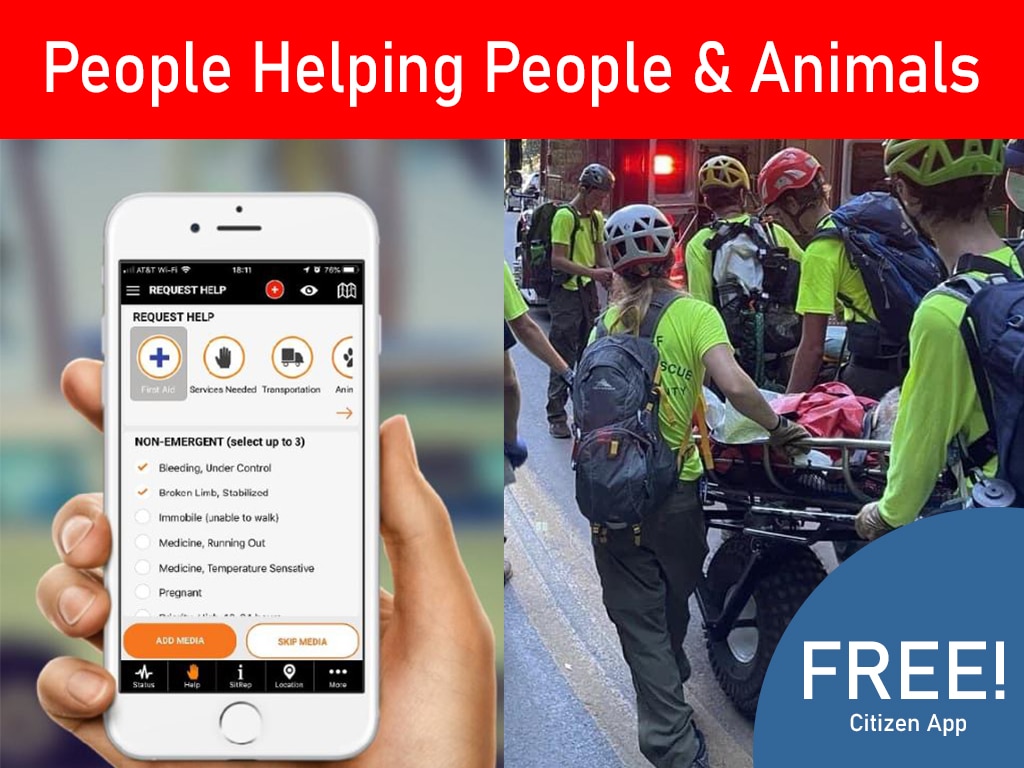
When a storm hits, local Community Emergency Response Teams often waste critical time using paper logs. Volunteer coordinators need a clear way to track members and map active incidents in real time.
How can emergency coordinators simplify volunteer management and keep teams organized during a high-stakes crisis? Modern mobile software replaces scattered paper logs with live maps, urgent incident reports, and fast member check-ins. Mobile apps for CERT emergency response team coordination keep volunteer teams on the same page from the first call to the final sweep.
How Mobile Apps Help CERT Teams Coordinate Response
Community Emergency Response Teams, also known as CERTs, play a key role in public safety. In this context, we mean the Community Emergency Response Team made of local volunteers, not a cybersecurity computer emergency response team. When a disaster hits, these groups need to act fast. Today, mobile software helps volunteers stay in touch and work as a team. Using modern tools, team leaders can assign tasks in seconds and keep everyone safe in the field.
See how a unified mobile coordination platform can keep your CERT volunteers safe and organized. Contact PubSafe to get the PubSafe app for your team.
Modern mobile apps for CERT emergency response team coordination give volunteer teams a live map and hub for deployments. With urgent incident reports, live mapping, and fast member check-ins. These tools serve as an offline-resilient layer that bridges the gap between alerts and real-world response.
Real-time field reporting and map sharing
In the field, things change fast. Volunteers need to share what they see right away. A good disaster response platform helps them report hazards or blocked roads. Mobile apps allow for real-time reporting, mapping, and member check-ins. Responders can drop pins on a shared map to show where help is needed. This lets the whole team see the full picture instantly.
Sharing map data prevents double work. It also ensures that volunteers go where they can do the most good. Federal agencies have shown that smart phone apps improve communication during disasters. These tools help block leaders, neighborhoods, and local emergency offices share reports and sort them by priority. You can learn more about these efforts on the official ready.gov disaster updates site.
Volunteer tracking and safety checks
Safety is the top concern when a team goes into a disaster zone. Volunteer coordinators must know where each member is at all times. With mobile apps, volunteers can check in with one tap. This simple act keeps the command post updated without the need for constant radio chat. It lets teams track who is active and who needs rest.
Many groups now use custom apps to handle these tasks. For example, Community Emergency Response Team programs and NGOs use PubSafe for team management and coordination during disasters. By tracking locations on a live map, coordinators can see if a volunteer is in a dangerous area. They can also send quick alerts to pull people back when a hazard arises.
Bridging the gap between alerts and response
Disaster response often fails when communication breaks down. Standard alerts tell people that a crisis is happening, but they do not help teams manage the actual work. Mobile tools solve this problem by connecting alerts to real actions. The platform bridges the gap between emergency alerts and real-world response. It does this by giving teams a unified space for incident reports and volunteer coordination.
By acting as a resilient coordination layer, this software ties different communication tools together. It ensures that radio calls, text messages, and app updates all flow into one place. This unified view makes it much easier to organize volunteers and dispatch help where it is most urgent. To see how these tools work in real life, you can read about how PubSafe works on their website.
What Features Should a CERT Coordination App Have?
Essential Field Tools for Volunteers
When a disaster hits, volunteer groups need tools that help them work as one. Many volunteer groups now use mobile apps for CERT emergency response team coordination to plan field work. These digital tools must offer a few main features. They need to help volunteers track safety, share reports, and talk in real time.
Without a unified app, team leaders must use paper maps and manual roll calls. This slow process wastes much time during the first hours of a crisis. Modern apps solve this by putting all key tools on a single mobile screen. This lets leaders assign tasks to volunteers in seconds rather than minutes.
Advanced Offline and Mapping Support
A good app lets local teams talk with city offices and neighbors during a crisis. According to ready.gov, mobile tools help block leaders and CERT teams send incident reports directly to city staff. These tools sort reports by priority so help goes where it is needed first. This system makes team response much faster and keeps volunteers safe.
But a key feature for any rescue team is how the app works when cell towers fall. A strong digital system serves as an offline-resilient layer. It ties together old tools like ham radios, mesh networks, and satellite gear. This layer keeps team links open when the internet goes dark.
Other tools in the market, such as DeployPro, show how some features help teams in the field. These tools often include GPS tracking to find team members on a live map. They also use map waypoints to mark hazards or search zones. Volunteers can use a triage counter to track victims and panic buttons to call for help. Some tools even store guide sheets to help volunteers remember their first training.
Having a shared map prevents teams from searching the same area twice. It also ensures that command staff know where every volunteer is at all times. If a team member gets hurt, leaders can find their exact spot instantly. This level of tracking is crucial for volunteer safety in dangerous environments.
Comparing App Features for Emergency Work
Choosing the right tool is vital for team success. Different apps offer many levels of safety, mapping, and offline use. Standard tools often fail during big crises because they need active cell towers. Dedicated tools keep your team connected even in the worst conditions.
| Capability Category | Standard Consumer Apps | Dedicated Rescue Apps |
|---|---|---|
| Communication | Basic chat and group texts | Priority reports and official alerts |
| Field Reporting | No structured forms | Priority-sorted hazard reports |
| Mapping | Simple street navigation | Live GPS and search waypoints |
| Member Check-In | Manual roll calls | One-tap safety status check |
| Offline Resilience | Fails completely without cell service | Ties into radio and mesh networks |
As shown above, basic tools do not offer the safety features that rescue teams need. A dedicated platform keeps teams on track when lives are on the line. Choosing a system with the right features ensures your team is ready for any challenge.
Key Takeaway: A dedicated CERT app needs tools for clear mapping, fast reporting, and team safety check-ins. Crucially, the app must have offline features to connect radios and mesh networks when cell service fails.
Real-Time Field Reporting and Mapping for CERT Teams
Sharing Incident Reports Instantly
During a crisis, Community Emergency Response Team volunteers must send updates from the field. This is hard with paper logs. Now, mobile apps for CERT emergency response team coordination change how squads share field updates. These tools link each squad in the field to a central command post. This makes it easy for leaders to track the status of safety tasks.
With a smart app, field teams can send incident reports fast. These go to a central dashboard. As shown on Ready.gov, these mobile tools help block leaders and city officials coordinate during a crisis. The team can then sort reports by priority. This helps search squads find and help those in need first. Leaders can see the exact spot of each report on their screen.
Mapping Waypoints on a Shared Screen
Field teams must know where to go. New mapping tools let team leaders see the GPS location of every member on a map. They can mark map waypoints. This shows teams which paths are safe. All members on the squad see the same map in real time. Map markers show hazards like down wires or blocked roads. This helps teams avoid danger in the field.
A custom disaster response platform brings these tools into one place. It is easy to use. PubSafe’s mobile app allows for real-time reporting, mapping, and member check-ins. When a team starts a search, the app shows just where volunteers are in the field. This stops people from searching the same spot twice and keeps all squads safe. Team leaders can check on volunteer status with one tap.
Tracking Resources and Public Offers
Teams must also manage tools and goods. When a crisis hits, local people want to help. They often offer food, water, or trucks. Modern apps help squads track these offers on a shared map. This means no help goes to waste. This helps leaders plan how to use their resources.
According to FEMA’s National Response Framework, web and mobile apps let the general public register their offers of donated goods and services. This gives the local volunteer team a real-time view of what is on hand. Leaders can match these offers to active needs in seconds. When teams map both incidents and resources, they can respond much faster. This dual view of help and need speeds up disaster relief.
Why Offline Resilience Matters When Networks Fail
Local network failures in disasters
Extreme weather and major accidents can quickly destroy local power lines. When these utilities fail, cellular towers stop working and leave entire neighborhoods without phone signals. During these severe events, local volunteer groups need to step in to keep people safe. For this reason, CERT programs and NGOs use PubSafe for team management and coordination during disasters.
Standard mobile tools fail the moment they lose their connection to the cloud. But emergency work does not pause when the internet goes away. Responders need tools that can store data locally on their phones. Local teams can improve safety when their software allows them to write reports and mark maps offline. According to Ready.gov, mobile tools help local teams coordinate with city officials during disasters. But these apps must work even when local networks fail.
Unifying radio and mesh systems
When phone networks fail, volunteers must rely on other communication paths. Many teams use two-way radios, satellite messengers, or local mesh networks to send vital notes. These tools keep field units in touch, but they often operate in separate silos. A team leader might have to monitor four different screens or devices at the same time to get a clear picture of the situation. This split focus makes it hard to coordinate emergency response efforts quickly.
This is where a unified platform becomes vital for field teams. The PubSafe platform provides an offline-resilient coordination layer for disparate communication tools, such as radio and mesh networks. Instead of tracking multiple systems, coordinators can view all incoming data in one place. This unified setup bridges the gap between different teams and ensures no emergency call is missed. Using the right cert digital tools helps teams centralize their operations even in remote or heavily damaged areas.
Keeping volunteers connected safely
Field operations can become dangerous when teams lose contact with their command post. If a volunteer gets hurt in an offline zone, they need a way to signal for help. Offline-capable apps can save lives by keeping track of the last known GPS location of each member. By saving location data on the phone, the system can broadcast the team’s status the moment a connection is found. This safety feature is a key part of emergency communications interoperability during complex search and rescue missions.
When cell towers and power grids go down, Community Emergency Response Team (CERT) units lose contact. Mobile apps for CERT emergency response team coordination need offline resilience to keep teams working. A central coordination layer helps tie together radio, mesh, and satellite systems during full network blackouts.
Can Mobile Apps Improve Member Check-Ins and Volunteer Safety?
Local leaders often struggle to track volunteers during active crisis events. Using mobile apps for CERT emergency response team coordination solves this problem by showing where each member is in real time. This keeps everyone on the same page and helps teams work as one unit.
Importance of Member Tracking in the Field
When a disaster hits, volunteer safety depends on quick and clear communication. Team leaders must know who is in the field and if they are safe. Using a mobile app allows for real-time reporting, mapping, and member check-ins on a single map. This tool takes away the guesswork of where team members are.
In heavy rain, dark nights, or deep woods, a lost volunteer is a serious threat. A simple tap on a phone screen can be the link that saves a life. With real-time status updates, team leaders can react before a small issue becomes a real emergency.
If a storm or flood cuts off a team, a quick check-in tells the base they are okay. It also helps dispatchers send help to the exact spot if a volunteer is hurt. This level of tracking turns a chaotic search into a safe, planned operation. When every second counts, knowing that the team is safe brings peace of mind to leaders.
Meeting Volunteer Safety and Security Standards
Managing volunteer groups is about more than just giving out tasks. Under federal guidelines, effective volunteer management procedures should include communications, facilities management, safety, and security. Mobile apps make it simple to meet these safety and security rules. They build safety directly into the daily work of the team.
With a mobile tool, safety rules are not just text on a page. They become active features that teams use in the field. When volunteers can check in with one tap, they stay in touch without extra gear or radio noise. This reduces the work for team leaders and keeps radio lines free for major alerts.
Coordinating Large-Scale Community Teams
Some events are small, but major crises need massive help. Large Community Emergency Response Teams must manage hundreds of volunteers across wide areas. To manage this scale, coordinators can use team manager features to handle big rosters. They can group volunteers by skill or location with a few clicks.
For large teams, the PubSafe Pro tier is built for large-scale coordination, letting coordinators group volunteers by skill or location and track them from a single dashboard. No matter how big the team grows, no member gets left behind or lost in the field.
Choosing Mobile Apps for CERT Emergency Response Team Coordination
The value of a single operating picture
Community Emergency Response Teams, or CERTs, must act fast when a disaster hits. In the past, leaders had to use paper maps and radios to track their people in the field. This slow process can lead to mistakes when time is short. Now, PubSafe’s mobile app allows for real-time reporting, mapping, and member check-ins. This gives directors a clear view of where help is needed most.
Having one screen for all tasks makes a big difference. For instance, federal disaster preparedness resources show that mobile tools let local volunteers and block leaders share reports and sort them by priority. This means teams do not waste time on duplicate work. With everyone on the same page, the group can deploy assets where they will do the most good.
Closing the gap between alerts and real-world response
When a major crisis occurs, getting an alert is only the first step. The real challenge is organizing the actual response on the ground. The PubSafe platform bridges the gap between emergency alerts and real-world response by providing a unified platform for incident reporting and volunteer coordination. This keeps volunteer coordinators in touch with their teams during critical moments.
To make sure everyone knows what to do, leaders can run regular drills before a crisis begins. Using mobile apps for CERT emergency response team coordination during these practice runs helps members learn the software in a low-stress setting. A team that practices together will perform better when a real emergency strikes.
Scalable volunteer dispatch for large areas
Large events need tools that can grow with the crisis. Whether searching a wide grid or managing a local shelter, coordinators need to scale up their response. For large-scale disasters, PubSafe’s Pro tier is designed to handle large-scale coordination, helping regional leaders manage large numbers of volunteers across county lines from a single dashboard.
Using specialized mobile apps for team coordination during emergency activations ensures that no volunteer is left behind. Field teams can log their status and share their live location with the command post. This tracking keeps volunteers safe while they work to save lives and protect their community.
A unified digital platform helps Community Emergency Response Teams manage alerts and field tasks in one place. By using mobile apps for coordination, teams can track members, map incidents, and scale their response during large operations.
Ready to give your CERT team a single, offline-resilient hub for every activation? Contact PubSafe to get the PubSafe app for your organization today.
Frequently Asked Questions
What mobile apps are best for CERT team coordination?
The best mobile apps for Community Emergency Response Team (CERT) coordination are those that combine messaging, mapping, and member tracking in one interface. Popular choices include generic team managers and specialized tools like the PubSafe disaster response platform. This application provides real-time volunteer coordination, incident reporting, and safety check-ins. It is designed to work on standard mobile devices, helping volunteer teams organize and respond quickly to disasters.
What features should a CERT coordination app have?
A capable coordination app must have real-time GPS mapping, member status updates, and group text messaging. According to Ready.gov, these applications should also support direct sharing of incident reports sorted by priority level. Having these tools in a single app allows volunteer coordinators to track where personnel are located and assign tasks based on immediate community needs in the field.
How do mobile apps improve volunteer safety during operations?
Mobile apps improve volunteer safety by providing real-time tracking and instant communication in hazardous areas. Coordinators can use these tools to monitor team locations on a map and receive fast check-ins from members. A FEMA guide notes that volunteer management plans must prioritize communications, safety, and security. Digital tools help meet this standard by letting responders report immediate danger and request help with one touch.
Are there apps specifically designed for CERT members?
Yes, some applications are specifically built for Community Emergency Response Team (CERT) activities. Many groups use the PubSafe app because it is tailored for volunteer management and field coordination. According to how PubSafe works, the platform serves as an offline-resilient layer that helps teams coordinate even when normal communication tools fail.
Ready to coordinate your emergency response team?
When a major disaster strikes, your Community Emergency Response Team cannot afford to waste vital time on slow, old ways of tracking field volunteers. Delaying your setup risks volunteer safety, slows down search tasks, and leaves response leaders without the live data they need to make plans. Using a central, resilient coordination tool now ensures your team is ready to respond the moment the next emergency call comes.
Are you ready to improve your local responder network, secure volunteer check-ins, and keep your community safe during the next crisis? You can start organizing your field members and coordinating operations today. Please contact the PubSafe team online today to get the PubSafe app for your team.