A resilient community isn’t built during a crisis—it’s built in the quiet moments beforehand. Knowing your neighbors and having clear lines of communication are your greatest assets when things go wrong. This is where a great community alert app can make all the difference. But it’s not just about emergency features. The best apps create a digital town square where you can share information, look out for one another, and build real trust long before a crisis hits. Think of it as a tool for building a stronger, more connected neighborhood every day, with the added security of critical alerts when you need them most.
For a broader feature checklist, see PubSafe’s community alert app guide before choosing a resident safety tool.
The best apps should support a reliable emergency alert system by keeping messages timely, local, and easy to act on.
Even the best community apps should complement official local emergency alerts, not replace them.
Key Takeaways
- Look for coordination over simple alerts: The best safety apps are more than just notification systems; they provide practical tools for incident reporting, volunteer management, and resource deployment that help organize a real community response.
- Match the app to your community’s risks: Before choosing, identify your area’s specific challenges, whether it’s severe weather, wildfires, or local crime, then select a platform with features designed to solve those exact problems.
- Insist on transparency and trust: A reliable safety app is upfront about its privacy policy, gives you control over your personal data, and keeps critical safety features free, so avoid apps that hide essential functions behind a paywall.
What Should a Community Alert App Actually Do?
With so many community safety apps out there, it can be tough to tell which ones are genuinely useful in a crisis and which are just creating noise. A truly effective app does more than send alerts; it connects people and gives them the tools to respond together. The difference often comes down to a few key elements: a solid set of features designed for real emergencies, alerts that are both fast and precise, and a user-friendly interface that anyone can use under pressure. When these three things come together, an app transforms from a simple notification system into a powerful platform for community-led action.
Features That Perform Under Pressure
In a real emergency, you need more than just a digital panic button. The most effective apps function like a central hub for community safety, allowing you to do more than just receive information. They let you actively participate. This means having the ability to report an incident with specific details, communicate directly with neighbors or response teams, and get real-time updates as a situation unfolds. Think of it as a digital neighborhood watch that equips you with practical tools. The goal is to create a network where everyone can share what they see, ensuring that help is directed where it’s needed most and that no one is left in the dark.
Why Speed and Accuracy Are Everything
When a crisis hits, every second counts. An alert that arrives too late is just news, not a warning. That’s why the best safety apps deliver instant notifications based on your precise location. This effectiveness of alert systems is critical for everything from wildfires to medical emergencies. Apps like PulsePoint even connect to 911 to alert nearby CPR-trained citizens when someone is in cardiac arrest. By using accurate location tracking, these platforms ensure the information you receive is relevant to you. This allows you to see what’s happening on a public map and make informed decisions to keep yourself and your loved ones safe.
Connecting Your Community Without Confusion
The most powerful features in the world are useless if the app is too complicated to use during a stressful event. A simple, intuitive design is essential. The best platforms are often built with direct user feedback, making them easy to use without a steep learning curve. The interface should make it simple to find information, send a report, or connect with your team. Ultimately, a great safety app should feel like a natural extension of your community’s efforts. It should bring people together and make coordination seamless, whether you’re a citizen volunteer or part of an organized response team.
How PubSafe Creates a Connected Community
When an emergency hits, communication can get messy. Different groups use different tools, and vital information gets lost in the shuffle. PubSafe is designed to solve this by creating a single, shared space where everyone can connect. It’s not just an alert app; it’s a coordination platform that brings citizens, volunteer teams like CERT, NGOs, and official public safety agencies together. Think of it as a digital command center where everyone involved in a response effort can see the same map, share updates, and work together. This unified approach means help can be organized and deployed more effectively, turning chaos into a coordinated response.
Get Everyone on the Same Page, Fast
The real power of a community safety app is its ability to get everyone on the same page, fast. PubSafe creates a common operating picture by allowing every user, from a concerned neighbor to a fire chief, to see real-time information on a shared map. When everyone sees the same road closures, reported incidents, and resource locations, it eliminates confusion. This instant, shared awareness helps your community act as a single, cohesive unit. Instead of relying on fragmented updates from different sources, your entire response network can see what’s happening as it unfolds, making smarter, faster decisions when every second counts.
Report Incidents & Mobilize Volunteers
Getting accurate information from the ground is critical during an emergency. PubSafe allows community members to report an incident directly from their phones, complete with photos and location data. This user-generated information provides invaluable insight for response teams, showing them exactly where help is needed. For organizations, this real-time data is a game-changer for managing volunteers. Team leaders can see incoming reports, assess needs, and direct volunteers to the right locations with precision. This streamlined process ensures that your community’s willingness to help is channeled effectively, matching the right skills to the right tasks without delay.
Assess Damage and Send Help Where It’s Needed
After an event like a storm or flood, understanding the extent of the damage is the first step toward recovery. With PubSafe, incident reports from across the community create a detailed damage map, giving officials a clear view of the hardest-hit areas. This location-based information is crucial for deploying resources where they’ll have the greatest impact. Instead of guessing, response teams can use the data to send personnel, equipment, and aid with confidence. This level of precision helps ensure that team management is efficient and that no area is overlooked, speeding up the entire response and recovery process for everyone.
Comparing the Best Community Alert Apps
When you’re looking for the right tool to keep your community safe and informed, it helps to know what’s out there. Different apps focus on different needs, from neighborhood chatter to life-saving medical alerts. While some platforms, like PubSafe, are built to manage a full disaster response, others specialize in specific types of information. Let’s look at a few popular options and what they do best, so you can see how they might fit into your community’s safety plan. Each one offers a unique approach to connecting people and sharing critical updates when it matters most.
Citizen: Real-Time Crime and Safety Alerts
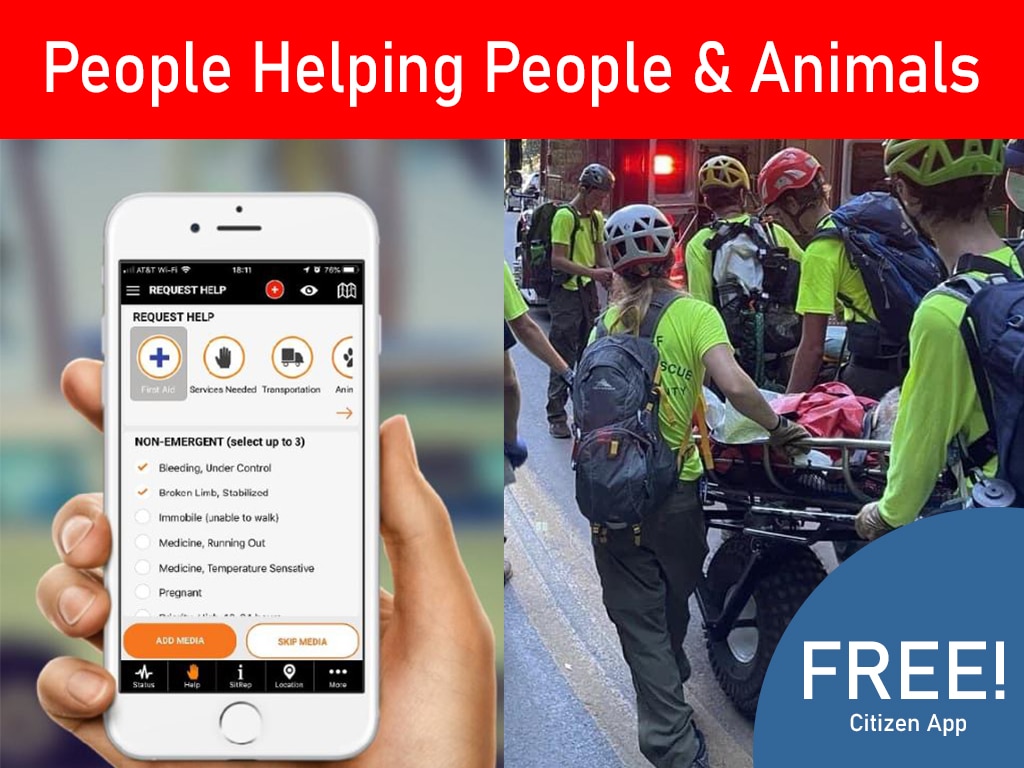
If your main concern is staying aware of crime and active incidents in your immediate area, Citizen is a name you’ll hear often. The app is designed to keep you safe by providing instant notifications and live broadcasts of reported events near you. The idea is to give you a real-time map of what’s happening so you can avoid potentially dangerous situations. The Citizen app sends alerts directly to your phone with live updates, helping you make informed decisions on the go. It’s focused on personal safety by delivering timely, location-based information about public safety incidents as they unfold.
From Vigilante to Citizen: A Controversial History
The Citizen app didn’t start with its current name. It first launched as “Vigilante,” with the ambitious goal of making the 911 system transparent to the public. The app displayed real-time crime locations on a map, but it quickly ran into trouble. Critics argued that its marketing encouraged users to take matters into their own hands, and concerns about racial profiling grew. The controversy led Apple to remove Vigilante from its App Store just days after its release. After a rebrand, it returned in 2017 as Citizen, shifting its focus from intervention to awareness. This history is important because it highlights the fine line safety apps must walk between informing the public and unintentionally causing harm.
How Citizen Gathers Its Information
So, how does Citizen get its information so quickly? The app relies on a combination of technology and human oversight. In the cities it covers, Citizen uses specialized radio equipment to monitor public emergency communication channels—the same frequencies used by police, fire, and ambulance services. This is similar to how people have historically used police scanners to stay informed. Citizen’s own team of analysts then listens to these raw transmissions, filters out non-critical information, and writes up concise alerts. If an incident is happening near you, the app pushes a notification to your phone with a brief description and its location, often before official news sources can report on it.
Major Incidents and Criticisms
Despite its popularity, Citizen continues to face challenges. The app’s core function—providing real-time alerts—walks a tightrope between public service and potential panic. Critics worry that a constant stream of incident notifications can create unnecessary fear or, worse, tempt people to approach dangerous situations. These concerns became reality during the 2021 Palisades Fire in Los Angeles, when the app offered a $30,000 reward and broadcasted a photo of a man it wrongly identified as an arson suspect. This incident highlighted the serious risks of misinformation and demonstrated the app’s powerful influence on public perception. It serves as a reminder that while information is valuable, its accuracy and context are everything.
PulsePoint: Connecting CPR-Trained Responders
PulsePoint serves a very specific and critical mission: it connects CPR-trained individuals with nearby cardiac emergencies. The free PulsePoint app integrates with local 911 dispatch centers to alert users when someone nearby is having a sudden cardiac arrest. The alert happens at the same time emergency responders are dispatched. It also shows you where to find the closest Automated External Defibrillators (AEDs). This app turns everyday citizens into potential lifesavers by closing the gap between the moment a person collapses and when professional help arrives. It’s a powerful tool for communities looking to improve their cardiac arrest survival rates.
Nextdoor: Your Digital Neighborhood Watch
Nextdoor is all about connecting you with the people right in your neighborhood. While it’s often used for finding a good babysitter or selling a couch, it has a strong safety component. You can use the app to get real-time updates on local issues like power outages, severe weather, or suspicious activity. Think of it as a digital neighborhood watch. According to Nextdoor, it helps you connect with your neighbors and community to stay informed about important local happenings. It’s great for building a network of trusted contacts who can share information and look out for one another.
More Than Alerts: Building Local Connections
True community resilience starts with knowing the people who live next door. Apps like Nextdoor create a digital town square, a space where you can build those connections long before an emergency strikes. It’s where you can ask for a ladder, recommend a plumber, or share a heads-up about a lost pet. These small, everyday interactions build a foundation of trust and familiarity. When a crisis does occur, you’re not turning to strangers for help; you’re reaching out to a network you already know. This social fabric is invaluable, turning a group of houses into a connected neighborhood ready to look out for one another.
Nextdoor’s Reach and Public Agency Use
Because of its hyper-local focus, many public safety agencies use Nextdoor to share targeted information with specific neighborhoods. They might post updates about road closures, planned power outages, or crime trends. This makes the platform a useful channel for official, non-emergency communication that keeps residents in the loop. While it’s an excellent tool for broadcasting information and fostering discussion, it’s not designed for the complex logistics of a real-time response. For that, you need a platform built for action, one that supports organized volunteer coordination and detailed incident reporting to manage a dynamic situation effectively.
Red Cross Emergency: Your Go-To for Disaster Prep
When it comes to preparing for large-scale events, the American Red Cross is a trusted authority. Their Red Cross Emergency app is a fantastic resource for both preparation and response. The app delivers timely alerts for everything from severe weather like hurricanes and tornadoes to other emergencies. More than just an alert system, it provides actionable preparedness tips and resources to help you and your family stay safe. It’s a practical tool that puts expert guidance right in your pocket, helping you build a solid plan before a disaster strikes and stay updated during one.
Official Sources: Police and Government Alerts
While community-driven apps are fantastic for on-the-ground coordination, it’s also smart to plug into official channels for verified information. Many police departments and government agencies offer their own alert services to keep residents in the loop. For example, some police forces, like the Avon and Somerset Police in the UK, have a Community Alerts service that sends messages about local crimes and safety events directly to residents. The goal is to foster better communication and help everyone work together to make public spaces safer. These official sources provide an authoritative layer of information that complements the real-time, user-generated reports you might see on other platforms, giving you a more complete picture of what’s happening in your area.
Key Features to Look for in a Community Alert App
With so many community safety apps available, it can be tough to figure out which ones are genuinely useful and which are just digital noise. The best apps do more than just send out alerts; they act as a central hub for communication and coordination when it matters most. A flashy interface means nothing if the app fails during a real emergency. The goal is to find a tool that connects people, provides clear information, and empowers your community to act decisively.
When you’re evaluating your options, think beyond the basic features. A truly effective platform is built for the chaos of a crisis. It should work for everyone, from a concerned citizen reporting an issue to an NGO organizing a large-scale response. The right app will help you manage teams, share critical updates, and see the bigger picture without adding complexity to an already stressful situation. As you compare different apps, focus on the core functions that facilitate clear communication and organized action. These are the features that transform an app from a simple notification system into a powerful tool for community resilience. Below are the three non-negotiable features you should always look for.
Easily Add Contacts and Customize Your Alerts
During an emergency, you don’t have time to scroll through your phone or manually build contact lists. A great safety app should make it simple to connect with your team, whether it’s your family, your neighborhood watch, or a formal response unit. Look for apps that allow for easy team management and can integrate with your existing contacts. The ability to create specific groups ensures the right message gets to the right people instantly.
Equally important are custom alerts. Generic, one-size-fits-all notifications can lead to alert fatigue, causing people to ignore important updates. The best platforms let you tailor alerts based on location, severity, or the type of event. This way, users receive information that is directly relevant to them, which keeps them engaged and ready to act when needed.
Does It Work When the Power Is Out?
Disasters don’t wait for a good internet connection. Power outages and overloaded cell networks are common during emergencies, which can render many apps useless. That’s why offline access is a critical feature. An effective app should provide essential functions, like access to maps and emergency plans, even when you’re disconnected. This ensures you have the information you need, no matter the circumstances.
Beyond just providing information, a great app empowers you to take action. It should include tools that help with volunteer coordination and allow users to report what they’re seeing on the ground. These features turn passive observers into active participants, creating a network of helpers who can share real-time data and support official response efforts.
Can You Trust the Information?
In a crisis, misinformation can spread quickly and cause serious harm. Trust is everything, so it’s essential to choose an app that prioritizes verified information. Look for platforms that clearly distinguish between official alerts from agencies and user-submitted reports. A good system will have a process for vetting crowd-sourced information to ensure its accuracy before it’s shared widely.
This builds a foundation of trust, making the app a reliable source for everyone. When users feel confident in the information they receive, they are more likely to take it seriously and act appropriately. An app that allows users to easily report an incident while also maintaining a high standard for data quality is a powerful asset for any community.
More Than an App: Building a Stronger Community
Community safety apps do more than just send alerts to your phone. They are powerful tools for connection, turning a group of neighbors into a coordinated network. When people feel connected and informed, they are more prepared to look out for one another and act together during a crisis. These platforms create a shared space for communication and collaboration, which is the foundation of a truly resilient community. By giving everyone a role to play, from reporting an issue to offering help, these apps empower individuals to contribute to the collective safety and well-being of their neighborhood. They help shift the mindset from “what can I do?” to “here’s how I can help,” fostering a sense of shared responsibility that strengthens community bonds long after an immediate threat has passed.
Get to Know Your Neighbors (for Real)
A strong community starts with knowing your neighbors. Safety apps create a digital version of the neighborhood block party, offering a space to connect and share local information. Apps like Nextdoor are built around this idea, creating a social network just for your area. This digital connection makes it easier to organize a neighborhood watch, find a lost pet, or check on an elderly neighbor during a storm. When you have an established network before an emergency happens, you’re better prepared to work together. This foundation of trust and communication is exactly what helps communities stay strong and support each other when it matters most.
Get Help Faster in an Emergency
When an emergency strikes, every second counts. Community safety apps can dramatically shorten the time it takes to get critical information to the people who need it. Citizen-powered alerts are often faster than official channels, giving you a head start to take protective action. For example, an app like PulsePoint connects CPR-trained citizens to nearby cardiac emergencies, bridging the gap until paramedics arrive. Similarly, when you report an incident on a platform like PubSafe, you’re not just calling for help; you’re creating instant situational awareness for your neighbors and official response teams, allowing for a faster, more coordinated effort.
Make It Easy to Help Out and Share
After a disaster, many people want to help, but chaos can make it difficult to contribute effectively. This is where safety apps shine. They provide a structured way to organize volunteers and manage resources, turning good intentions into meaningful action. Instead of guessing what’s needed, you can see specific requests for supplies or assistance. Platforms with dedicated volunteer coordination tools allow organizations to manage teams and deploy help where it’s needed most. This transforms a crowd of well-meaning individuals into an organized and effective response force, ensuring that the right help gets to the right people at the right time.
What Are Real Users Saying?
When you’re looking for a safety app, reviews and user feedback are your best friend. They cut through the marketing and tell you what it’s really like to use an app when it matters most. Looking at what people say about popular community alert apps reveals a few clear patterns, showing what features truly help and which ones cause major frustration. Understanding these common experiences can help you find a tool that genuinely serves your community’s needs without adding extra stress.
The Features That Get Rave Reviews
People get excited when an app helps them feel genuinely connected and empowered. Users of apps like PulsePoint love getting alerts that let them use their CPR skills to help someone before paramedics even arrive. It’s about making a real, tangible difference. Similarly, people appreciate the instant notifications from apps like Citizen, which provide live updates on nearby incidents. On a more local level, apps such as Nextdoor help people feel more connected to their immediate neighborhood, creating a sense of belonging and shared responsibility. At their best, these tools make people feel safer, more informed, and more capable of helping others.
Where These Apps Fall Short
Of course, it’s not always a perfect experience. A common frustration is spotty or incomplete information. Some users of the SpotCrime app, for example, report that data is missing for their town, making the tool less reliable. Another frequent complaint is the aggressive push toward paid subscriptions. Many Citizen app users express frustration when features that were once free suddenly require a subscription. These limitations can make an app feel less like a public service and more like just another business, which can be a real letdown when you’re counting on it for safety.
Common Complaints: Irrelevant Alerts and Unmonitored Comments
Two of the biggest complaints about community safety apps boil down to noise and negativity. Some users report getting a stream of alerts for “trending incidents” happening in cities far from them, which makes the app feel less like a local safety tool and more like a national news feed. This flood of irrelevant information can lead to alert fatigue, causing people to tune out notifications altogether. Even worse, the social features on some platforms can backfire. Without active moderation, comment sections can become toxic spaces filled with rude remarks and victim-blaming, which completely undermines the goal of building a supportive community.
Watch Out for Paywalls and Hidden Costs
Then there are the issues that can be a real deal-breaker. The biggest one is hiding critical safety information behind a paywall. When alerts are incomplete or videos of an incident stop midway unless you pay, it undermines the app’s entire purpose. Users rightly question the value of a “free” safety app if the most important details are locked away. Privacy is another major concern. While connecting with neighbors is great, some people worry about how their data is used or the presence of ads on platforms like Nextdoor. When safety and personal information are on the line, trust is everything, and these issues can quickly erode it.
Understanding Citizen’s Subscription Tiers
While the Citizen app is free to download, it operates on a subscription model that places some of its most powerful tools behind a paywall. For example, the Citizen Premium plan offers 24/7 access to live Safety Agents who can provide support during an emergency. Other paid features include access to police scanner audio and a more detailed history of incidents in your area. This structure has led to frustration among some users who feel that essential safety details are now restricted. When you’re evaluating the app, it’s worth considering that while you can receive basic alerts for free, accessing the full suite of features requires a monthly subscription, which can be a significant drawback when you need complete information in a crisis.
Let’s Talk About Privacy
When you’re using an app for safety, you’re often sharing sensitive information, like your exact location. It’s a trade-off: the app needs this data to provide timely alerts and coordinate help. But it’s completely fair to ask where that data is going and how it’s being used. Before you download any safety app, it’s smart to get a clear picture of its privacy policy. Understanding how an app handles your information helps you make an informed choice and feel confident that your data is being used to keep you and your community safe, not for something else.
What Happens to Your Location Data?
Most community safety apps need to know your location to work properly. Some, like the Citizen app, may even track your location when the app isn’t open to provide constant monitoring. They might also ask for access to your contacts or other personal information to connect you with your network quickly. This data is what powers features like real-time incident alerts and helps first responders find you. The key is to understand how an app uses this information. For example, a platform might use your location to place you on a public map during a widespread event so coordinators can see where help is needed most.
The Citizen App’s Data Collection Practices
The Citizen app has faced some heat for its data collection policies. To function, the app collects a lot of your personal data, including your precise location, contact information, and usage data. In the past, an update that required constant location tracking, even when the app was closed, caused controversy among users concerned about privacy and battery drain. While the company later allowed users to adjust these settings, it highlights a crucial point. According to its Google Play listing, Citizen says it encrypts your data and doesn’t share it with other companies. Still, the best approach is to choose a platform that is transparent from the start and gives you control over your personal data, ensuring you know exactly how your information is being used to keep you safe.
Who Else Sees Your Information?
It’s not just about what data an app collects, but who it shares it with. Some apps may share your personal information and activity with third-party companies for advertising or analytics. A good privacy policy will be transparent about this. Look for apps that state your data is encrypted during transfer, which means it’s scrambled and kept safe from prying eyes as it moves across the internet. This is a standard security measure that shows the company takes your privacy seriously. Always take a moment to read the fine print to see if your information stays within the app or gets passed along.
Data Sharing with Private Security and Law Enforcement
This is a big one. Some safety apps have formal partnerships with private security firms or law enforcement agencies. For instance, the Citizen app has worked with public safety tech companies to share live videos and user reports directly with police. On the surface, this sounds great—it could help responders get information faster. However, it also means your data, including your location and what you report, might be shared with groups you didn’t explicitly choose. A trustworthy platform is transparent about these relationships and gives you control over what you share. The goal should be to create a collaborative environment where information is available to all verified response partners, not just funneled to one specific group. This ensures that everyone, from a CERT team to an NGO, can work from the same information, which is key to a truly coordinated community effort.
How to Protect Your Privacy in the App
You have more control than you might think. Most phones allow you to manage app permissions, letting you decide if an app can access your location “always,” “only while using the app,” or “never.” Many apps also have their own internal privacy settings you can adjust. For instance, some apps use your address just once to place you in the correct neighborhood group. The best platforms are designed to give you control over what you share. You should be able to report an incident without feeling like you’re giving away your life story. Check the settings menu and make choices that feel right for you.
How to Choose the Right Community Alert App
Picking a community safety app isn’t just about finding the one with the most downloads. It’s about finding the right tool that fits your community’s specific needs like a glove. The best app for a small neighborhood watch focused on local crime will be very different from one designed for a county-wide disaster response team. The goal is to find a platform that feels intuitive, provides the right information, and actually helps people connect when it matters most.
Think of it as building a digital headquarters for your community’s safety efforts. You need a solid foundation that everyone can rely on, whether you’re tracking a lost pet, organizing a search party, or responding to a natural disaster. A great app brings everyone together, from individual citizens to organized teams, creating a single, clear channel for communication and action. Before you ask your community to download anything, walk through these steps to make sure you’re choosing a platform that will truly serve them.
What Are Your Neighborhood’s Biggest Risks?
Every community faces a different set of challenges. A coastal town might prioritize hurricane tracking and flood alerts, while a neighborhood in a dense city could be more concerned with crime reports and public safety notices. Before you even start looking at apps, take a moment to identify what your community is up against. A great first step is to create a community risk assessment to pinpoint your area’s specific vulnerabilities.
Is your primary concern severe weather? Do you need a way to quickly check on elderly neighbors during a heatwave? Are you organizing volunteers for local events? Make a list of your top three to five risks. This list becomes your guide for evaluating features. An app that excels at real-time crime alerts might not be the best for coordinating a large-scale volunteer response after a tornado. Understanding your unique risks ensures you choose an app that solves your actual problems.
Does Your Group Size Matter? (Yes)
The scale of your group dramatically changes what you need from a safety app. A small group of neighbors might just need a simple way to send alerts and share updates. But for larger organizations like CERT teams or NGOs, you’ll need more robust tools. Look for features that can handle complex logistics, like volunteer check-ins, resource requests, and detailed damage assessments.
Think about how your group operates. Do you need to manage different teams with specific roles? PubSafe’s team management capabilities, for example, are built for organizations that need to coordinate multiple moving parts during an emergency. Consider both your current size and where you see your group in the future. Choosing an app that can grow with you will save you the headache of switching platforms down the road.
Take a Few Apps for a Spin
You wouldn’t buy a car without a test drive, and the same logic applies here. The best way to know if an app will work for your community is to try it out. Gather a small, dedicated group of people to act as your pilot team and have them test your top two or three choices in a simulated scenario. This process isn’t just about kicking the tires; it’s about building buy-in from the start.
During the trial, ask for honest feedback. Was it easy to sign up and get started? Could everyone figure out how to report an incident? Did the alerts come through clearly and quickly? User feedback is incredibly valuable because the most feature-rich app is useless if people find it confusing or frustrating. An app that your community genuinely enjoys using is one they’ll turn to when an emergency strikes.
Related Articles
- PubSafe: Enhance Community Safety When It Matters Most
- PubSafe: Public Safety App & Portal
- How Community Emergency Response Works | PubSafe Disaster Coordination Platform
- PubSafe Mobile App – Key Tool For Your Emergency Action Plan
Frequently Asked Questions
My community already uses an app for neighborhood updates. Why would we need something else? It’s great that your neighborhood is already connected. Many apps are fantastic for sharing local news or finding a lost dog, but they often lack the specific tools needed for a real emergency. A dedicated disaster response platform is different because it’s built for coordination under pressure. It allows you to report incidents on a shared map, manage volunteers, and communicate with official response teams, creating a single, clear picture for everyone involved. Think of it as the difference between a community bulletin board and a full command center.
With all the location tracking, how can I be sure my privacy is protected? That’s a completely valid concern. Reputable safety apps should be transparent about how they use your data. Your location is necessary for receiving accurate alerts and letting responders know where help is needed. However, you should always have control. Look for apps that let you adjust your location permissions in the settings and have a clear privacy policy that explains who sees your information. The goal is to use data to keep you safe, not to sell it, so a trustworthy app will prioritize your security and give you control over what you share.
Do I need to download multiple safety apps, or can one app do everything? Different apps are designed for different jobs. An app like PulsePoint is highly specialized for cardiac emergencies, while the Red Cross app is a great resource for disaster preparedness tips. A comprehensive platform like PubSafe aims to be an all-in-one tool for coordinating a response during an event. The best approach is to identify your community’s biggest risks and choose a primary app that addresses those, then supplement it with specialized apps if they fill a specific need that your main platform doesn’t cover.
What’s the best way to introduce a new safety app to my organization or neighborhood without it feeling like another chore? The key is to start small and show its value. Instead of asking everyone to download it at once, form a small pilot team to test it out. Use it for a non-emergency event, like a community cleanup or a local festival, to get everyone comfortable with the features. When people see firsthand how easy it is to communicate and organize, they’ll be more excited to adopt it. Sharing a few success stories from your trial run can build momentum and get the rest of the community on board naturally.
I’m part of a response team. How does a platform like this help us coordinate better than just using group texts? Group texts are great for quick messages, but they can become chaotic during an emergency with missed information and no central source of truth. A dedicated platform provides a common operating picture, which means everyone sees the same live map with incident reports, resource locations, and team member positions. This allows you to manage tasks, track progress, and deploy personnel with precision instead of trying to piece together information from a messy text thread. It turns confusion into a clear, organized response.