A factory fire in one country can halt a supply chain on another continent. A regional drought can cause food prices to spike thousands of miles away. It’s a stark reminder: no crisis stays local for long. This interconnectedness is what turns emergencies into global disasters, creating ripple effects that touch us all. But we aren’t helpless. To build resilient communities, we first need to understand these complex events. Here, we’ll explore the main types of disasters, their impact on our lives, and the coordinated efforts required to manage them effectively in our increasingly linked world.
Key Takeaways
- Modern disasters are more complex: A combination of climate change, population growth in at-risk areas, and interconnected global systems means that local events can quickly escalate into widespread crises with cascading failures.
- A coordinated response is non-negotiable: Successful relief efforts depend on seamless communication among all players, including international agencies, government responders, NGOs, and citizen volunteers, to ensure aid gets where it’s needed most.
- Preparation starts at the community level: True resilience is built before a crisis hits through proactive steps like creating a shared emergency plan, training volunteers, and adopting technology that provides real-time situational awareness for everyone.
What Makes a Disaster “Global”?
When we hear the term “global disaster,” it’s easy to picture a single, massive event that affects the entire planet at once. But the reality is often more complex. A global disaster is any large-scale emergency that has consequences reaching far beyond its point of origin, impacting multiple countries and populations. These events can disrupt supply chains, trigger economic instability, and create widespread humanitarian crises that require an international response.
Understanding these events starts with knowing their source and how a local problem can quickly spiral into a worldwide challenge.
Are Disasters Natural or Man-Made?
Disasters generally fall into two main categories. The first is natural disasters, which are sudden, destructive events caused by the earth’s own processes. Think of earthquakes, floods, volcanic eruptions, and hurricanes. These are powerful forces of nature that can cause immense damage and loss of life, and while we can often predict them, we can’t prevent them. The historical list of natural disasters by death toll shows just how powerful these events can be.
On the other side are human-made disasters. As the name suggests, these are crises that result from our own actions, errors, or negligence. This category includes events like large-scale industrial accidents, chemical spills, transportation crashes, and nuclear incidents. These disasters highlight the risks associated with our technology and infrastructure, reminding us of the profound responsibility we have to manage them safely.
When a Local Crisis Goes Global
A disaster rarely stays contained. In our interconnected world, a localized event can set off a chain reaction with global consequences. A factory fire in one country can halt a global supply chain, while a regional drought can lead to food shortages and price hikes thousands of miles away. The global risk landscape is constantly shifting, with threats becoming more complex and intertwined than ever before.
This ripple effect is amplified by technology. Social media, for instance, can be one of the fastest ways to get real-time updates during a crisis, turning a local incident into a global conversation in minutes. Understanding how a single event can cascade is the first step in building resilience and developing response plans that account for these widespread impacts.
What Kinds of Global Disasters Do We Face?
Disasters come in many forms, and knowing what we’re up against is the first step toward building resilient communities. While every event is unique, most global disasters fall into a few main categories. Understanding these types helps everyone, from first responders to community volunteers, prepare for the specific challenges each one presents. Let’s break down the primary kinds of disasters that impact communities around the world.
When the Earth Moves: Quakes, Volcanoes, and Tsunamis
Geological disasters originate from the Earth’s natural processes. These events, like earthquakes, volcanic eruptions, and tsunamis, can strike with little warning and have devastating power. The 2004 Indian Ocean tsunami, for instance, was triggered by a massive earthquake and led to over 227,000 deaths across 14 countries. The 1976 Tangshan earthquake in China is considered the deadliest earthquake in history, with casualties estimated in the hundreds of thousands. These events remind us of the immense power beneath our feet and the critical need for early warning systems and solid infrastructure.
Extreme Weather: Storms, Floods, and Droughts
Weather-related disasters are tied to atmospheric conditions and include events like hurricanes, floods, tornadoes, and droughts. These are often the most common and widespread disasters. The 1931 China floods stand out as the deadliest natural disaster of the last century, with a death toll estimated in the millions. More recently, tropical cyclones like the 1970 Bhola cyclone have caused immense loss of life. Heavy rains and flooding continue to be a persistent threat globally, displacing families and destroying livelihoods in communities from Brazil to Afghanistan.
Tornadoes, Hailstorms, and Winter Storms
While hurricanes and floods often get the most attention, severe localized storms like tornadoes, hailstorms, and winter storms can be just as destructive. Tornadoes are incredibly violent, with some of the deadliest in history, like the 1989 Daulatpur–Saturia tornado, causing immense loss of life in a very short time. Similarly, winter storms can paralyze entire regions, as seen in the 1972 Iran blizzard that resulted in thousands of fatalities. These events knock out power, block roads, and create dangerous conditions that require a rapid, coordinated response. Having real-time information is key to staying safe, which is why tools that allow neighbors to share updates on a public map can make all the difference in getting help where it’s needed most.
Human-Caused Crises: Accidents and Environmental Damage
Not all disasters are natural. Human-made disasters are the result of human error or intent, including industrial accidents, technological failures, and environmental crises. The 1986 Chernobyl disaster, for example, was the largest accidental release of radioactive material in history, with long-lasting health and environmental consequences. These events cause immediate harm through injuries and loss of life, but they also destroy homes and displace entire populations. They highlight the immense responsibility that comes with technological advancement and the need for strict safety protocols to protect communities.
Public Health Emergencies: From Epidemic to Pandemic
Health crises are another major category of disaster, where diseases spread rapidly through populations. The Black Death in the 14th century is the most fatal pandemic in recorded history, with an estimated 75 to 200 million deaths. More recently, the COVID-19 pandemic showed how quickly a new virus can impact the entire world, disrupting daily life and straining healthcare systems. These events aren’t limited to the past; ongoing disease outbreaks continue to pose serious health emergencies, requiring swift public health responses and strong community cooperation to contain their spread.
Beyond Weather: Wildfires, Landslides, and Famines
The landscape of global disasters is broader than just what we see on the weather map. We’re facing more frequent and intense wildfires, driven by hotter, drier conditions that can force entire communities to evacuate on a moment’s notice. Landslides, often triggered by heavy rain or earthquakes, can wipe out infrastructure and have caused some of the deadliest events in history. Then there are famines—complex crises resulting from drought, conflict, and economic collapse—that demand a massive, coordinated effort to deliver aid. Each of these events highlights the urgent need for real-time information and seamless communication between official responders, volunteer groups, and the public to save lives.
Rare but Deadly Events: Heat Waves and Limnic Eruptions
Some of the most dangerous disasters are the ones we hear about less often. Heat waves are becoming a more common and severe public health threat, posing a silent but deadly risk to vulnerable populations. Then there are exceptionally rare but catastrophic events like limnic eruptions, where dissolved gas suddenly erupts from a deep lake. The 1986 Lake Nyos disaster is a chilling example, where a cloud of CO2 suffocated nearly 1,800 people and thousands of livestock overnight. These less-common disasters, from widespread health emergencies to sudden geological phenomena, prove that true preparedness means having a plan for the unexpected and a reliable way to share critical alerts.
Learning From History’s Worst Global Disasters
To understand why effective disaster response is so critical, it helps to look back at historical events that have shaped our world. These catastrophes, from natural upheavals to human-made crises, serve as powerful reminders of our vulnerabilities and the incredible resilience of the human spirit. They highlight the lessons we’ve learned and underscore the need for better preparation and coordination, which is the core mission of platforms like PubSafe. By studying the past, we can build a safer future for communities everywhere.
Revisiting the Deadliest Natural Disasters
History is filled with examples of nature’s immense power. The 1931 China floods, for instance, are often cited as the deadliest natural disaster of the 20th century, claiming up to four million lives after heavy rains caused the Yangtze River to overflow. More recently, the 2004 Indian Ocean tsunami, triggered by a massive 9.1-magnitude earthquake, resulted in over 227,000 deaths across 14 countries. This event showed how quickly a local disaster can have far-reaching international consequences. Similarly, the 2010 Haiti earthquake was devastating, not just because of its strength but because it struck a region with vulnerable infrastructure, leading to an estimated 316,000 fatalities. These catastrophic events show why resilient infrastructure and rapid response are so important.
The 1931 China Floods and 1970 Bhola Cyclone
Water-related disasters have historically been some of the most lethal. The 1931 China floods are a staggering example, often cited as the deadliest natural disaster of the 20th century. After a long drought was followed by record-breaking rainfall, the Yangtze and other major rivers overflowed, creating a catastrophe that claimed up to four million lives through drowning, disease, and starvation. Decades later, the 1970 Bhola cyclone struck East Pakistan (now Bangladesh), becoming one of the deadliest tropical cyclones ever recorded. The storm surge wiped out entire villages and resulted in an estimated 300,000 to 500,000 fatalities. These events serve as a stark reminder of the vulnerability of coastal and riverside populations and the absolute necessity of early warning systems and evacuation plans.
The 2010 Haiti Earthquake
The 2010 Haiti earthquake was a tragedy magnified by circumstance. While the 7.0 magnitude quake was powerful, its catastrophic impact was largely due to its proximity to the densely populated capital of Port-au-Prince, where poor construction and a lack of building codes led to widespread structural collapse. The aftermath was chaotic, with critical infrastructure destroyed and communication lines severed, severely hampering the international relief effort. Aid organizations struggled to coordinate, leading to delays in delivering food, water, and medical care. This event became a defining case study in disaster response, highlighting how a lack of real-time information and a unified command structure can be as deadly as the disaster itself. It underscores the need for modern platforms that enable seamless volunteer coordination and resource management.
Deadliest by Type: Volcanoes, Wildfires, and More
While floods and earthquakes often dominate headlines, other types of disasters carry their own unique and devastating threats. The 1985 eruption of the Nevado del Ruiz volcano in Colombia, for example, triggered massive mudflows that buried the town of Armero, killing over 23,000 people. More recently, increasingly intense wildfires, like those seen in Australia and California, have destroyed vast ecosystems and communities, displacing thousands. These catastrophic events show why resilient infrastructure and rapid response are so important. Each disaster type requires a specialized approach, but they all share a common need for clear communication and situational awareness. An all-hazards platform like PubSafe helps bridge this gap, allowing teams to manage everything from volcanic alerts to wildfire containment from a single, unified interface.
When Technology Fails: Industrial & Nuclear Accidents
Human-made disasters carry their own set of devastating consequences. The 1986 Chernobyl disaster is a chilling example of the risks associated with technology when safety fails. The explosion at the nuclear power plant caused the largest accidental release of radioactive material in history, leading to immediate deaths, long-term health crises like cancer, and the contamination of vast areas of land. The event forced the evacuation of hundreds of thousands of people and created an exclusion zone that remains largely uninhabitable today. Chernobyl serves as a stark reminder of the need for strict safety protocols and transparent emergency coordination when managing powerful technologies that can impact millions of lives and the environment.
Pandemics That Changed the World
Health crises have a unique way of altering the course of history. The Black Death swept across continents from 1346 to 1353, killing an estimated 75 to 200 million people and causing profound social and economic shifts that reshaped medieval society. Centuries later, the Spanish flu of 1918 infected about a third of the world’s population and caused over 50 million deaths. More recently, the COVID-19 pandemic demonstrated how interconnected our world has become, spreading rapidly across the globe and resulting in millions of deaths. These widespread pandemics highlight the critical importance of public health infrastructure, global cooperation, and clear communication during a crisis.
The Far-Reaching Impact of Global Disasters
When a disaster strikes, the effects ripple outward, touching every aspect of life long after the initial event has passed. The true impact isn’t just in the collapsed buildings or flooded streets; it’s in the disrupted lives, the strained social ties, and the altered landscapes left behind. Understanding these far-reaching consequences is the first step toward building stronger, more resilient communities. It requires looking beyond the immediate headlines of destruction to see the complex, interconnected ways a crisis unfolds.
The aftermath of a disaster is a layered experience. On the surface, there is the physical toll on infrastructure and the environment. But beneath that lies a deep social and economic upheaval that can reshape a community for generations. Livelihoods are lost, local economies falter, and the very social fabric that holds people together is tested. Furthermore, the natural world bears its own scars, with ecosystems facing long-term damage that affects everything from water quality to biodiversity. Finally, and perhaps most importantly, there is the human cost. The psychological trauma of surviving a disaster can linger for years, creating invisible wounds that are just as real as any physical injury. By looking at the full picture, from immediate damage to long-term mental health, we can better prepare for and respond to the challenges that follow any major crisis. This holistic view is essential for effective disaster response, ensuring that aid and support address the complete range of needs within an affected population.
The Aftermath: Immediate vs. Long-Term Effects
The initial moments of a disaster are often defined by physical destruction. We see the loss of life, homes, and critical infrastructure like roads, hospitals, and power grids. These immediate impacts are devastating and demand an urgent response. However, the path to recovery is a marathon, not a sprint. Restoring essential services can take weeks or months, and rebuilding a community can take years. The initial chaos gives way to a prolonged period of managing insurance claims, finding temporary housing, and slowly piecing life back together. This is why tools for reporting an incident in real-time are so vital for kicking off a coordinated and effective long-term recovery effort.
Common Consequences: Health, Food, and Water Crises
The initial destruction is just the beginning. In the aftermath of a disaster, a series of secondary crises often unfolds, posing threats that are just as severe as the event itself. Damage to basic services frequently leads to contaminated water sources, which can quickly cause outbreaks of waterborne diseases. At the same time, food security becomes a major concern as disasters destroy crops and livestock, leading to shortages and faltering local economies. Beyond the physical challenges, the psychological trauma of survival can leave deep, invisible wounds. Addressing these interconnected health, food, and water crises requires a comprehensive response that supports both the immediate and long-term well-being of the community, a task where coordinated disaster response is essential.
How Disasters Disrupt Society and Economies
Beyond the physical damage, disasters create deep social and economic fractures. Businesses shut down, jobs are lost, and local economies can be crippled for years. This financial strain puts immense pressure on families and individuals. At the same time, the disaster can test the very fabric of a community. While crises often bring people together, the prolonged stress of recovery can also lead to social fragmentation. Effective volunteer coordination becomes essential, not just for the practical help it provides, but for rebuilding the sense of connection and shared purpose that holds a community together through tough times.
The Staggering Economic Costs
The economic toll of a disaster goes way beyond the initial repair bills for homes and roads. While those direct costs can run into the billions, the indirect costs often hit even harder. When businesses shut down and jobs are lost, the local economy can be crippled for years, creating a ripple effect of financial hardship. This immense strain puts pressure on families already struggling to find housing and piece their lives back together. Using a comprehensive disaster response platform allows communities to assess this widespread economic damage, helping leaders direct aid effectively and speed up the long road to recovery.
The Toll on Our Planet: Environmental Damage
Disasters leave a lasting mark on the natural world. Floods can contaminate water supplies with chemicals and debris, wildfires destroy vital habitats, and oil spills can poison entire marine ecosystems. This environmental damage has cascading effects, disrupting local wildlife and impacting the natural resources communities rely on for things like clean air, water, and food. The harm isn’t always visible right away; it can take years for an ecosystem to recover, if it ever fully does. Monitoring these changes is a critical part of understanding a disaster’s full scope and planning for a healthier environmental future.
The Hidden Scars: Mental Health After a Disaster
The invisible wounds of a disaster are often the ones that take the longest to heal. The trauma of living through a life-threatening event, losing a home, or seeing your community destroyed can have profound and lasting psychological effects. Survivors often experience heightened rates of anxiety, depression, and post-traumatic stress disorder (PTSD). This collective trauma affects everyone, from children to first responders. Providing access to mental health support is a crucial part of any comprehensive disaster response, ensuring that people have the resources they need to process their experiences and begin to heal.
Why Are Global Disasters on the Rise?
It seems like every time we turn on the news, there’s another story about a devastating flood, a massive wildfire, or a powerful hurricane. If you feel like these events are happening more often, you’re right. The frequency and intensity of global disasters are increasing, and it’s not due to a single cause. Instead, a combination of environmental shifts, human development patterns, and the way our world is connected are creating a perfect storm. Understanding these key drivers is the first step toward building more resilient communities and improving how we respond when disaster strikes.
Why Are Global Disasters on the Rise?
It seems like every time we turn on the news, there’s another story about a devastating flood, a massive wildfire, or a powerful hurricane. If you feel like these events are happening more often, you’re right. The frequency and intensity of global disasters are increasing, and it’s not due to a single cause. Instead, a combination of environmental shifts, human development patterns, and the way our world is connected are creating a perfect storm. Understanding these key drivers is the first step toward building more resilient communities and improving how we respond when disaster strikes.
Trends, Statistics, and a Surprising Reality
It’s a paradox that can be tough to process: while the number of reported natural disasters is climbing, the human cost is actually falling. It feels counterintuitive, especially with our 24/7 news cycle, but the data tells a surprisingly optimistic story. In the 20th century, natural disasters claimed over a million lives each year on average. Today, that number has dropped significantly, with an annual average of around 40,000 to 50,000 deaths. This dramatic decrease isn’t because disasters have become less powerful. It’s because we’ve gotten smarter and more prepared, proving that while we can’t stop a hurricane, we absolutely have the power to reduce its deadly impact.
How Better Technology and Preparation Save Lives
This incredible progress comes down to two key factors: better technology and smarter preparation. For example, today’s four-day weather forecast is as accurate as a one-day forecast was just 30 years ago, giving communities precious time to act. But early warnings are only effective when paired with a solid plan. The drop in deaths is also thanks to stronger buildings, improved infrastructure, and highly organized response efforts. A successful response hinges on seamless communication, which is where platforms like PubSafe come in, connecting government agencies, NGOs, and citizen volunteers. When everyone can share real-time information and coordinate their actions, aid gets where it’s needed faster, and more lives are saved. It’s a powerful testament to what we can achieve when we work together.
How Climate Change Fuels More Extreme Events
One of the biggest factors is our changing climate. A warmer planet supercharges the water cycle, leading to more extreme weather events. Warmer ocean temperatures fuel more powerful hurricanes, while hotter, drier conditions create a tinderbox for wildfires that burn longer and more intensely. Disasters are also becoming more complex and unpredictable, with devastating impacts on communities.
This isn’t just about stronger storms or bigger fires. It’s about the ripple effects. A single event can trigger landslides, floods, and power outages simultaneously, overwhelming traditional response systems. As these climate-related events become the new normal, the need for robust, real-time emergency coordination becomes more critical than ever.
More People, More Risk: Population and Vulnerability
At the same time, more people are living in harm’s way. Urban expansion has pushed communities into areas that are naturally vulnerable to disasters, such as coastlines susceptible to storm surges, river valleys prone to flooding, and wildland areas at high risk of fire. When you have a higher concentration of people and infrastructure in these zones, a natural event can quickly become a large-scale catastrophe.
This growth exacerbates existing vulnerabilities. A hurricane hitting a densely populated coastal city today will affect far more people and cause significantly more damage than the same storm would have 50 years ago. This puts incredible strain on emergency responders and highlights the importance of community-led initiatives and organized volunteer management to support official efforts.
How Interconnected Systems Create Cascading Failures
Our modern world is deeply interconnected. Global supply chains, communication networks, energy grids, and financial markets are all linked. While this connectivity has many benefits, it also creates new vulnerabilities. A disaster in one part of the world can trigger a chain reaction, causing what experts call “cascading failures.”
For example, a major earthquake could damage a manufacturing hub, leading to supply shortages for businesses thousands of miles away. A cyberattack on a power grid could shut down hospitals, communication systems, and water treatment facilities all at once. The global risk landscape is constantly shifting, with threats becoming more complex and intertwined. This is why a unified platform where citizens, NGOs, and public safety agencies can share information and report incidents is so vital for managing today’s multifaceted crises.
Who’s in Charge When Disaster Strikes?
When a disaster strikes, the response isn’t led by a single person or group. Instead, it’s a coordinated effort involving a wide range of players, from global organizations to local volunteers. Think of it as a layered system where international agencies, national governments, non-profits, and community members all have a critical role to play. Each group brings unique resources and expertise to the table.
The biggest challenge is often getting these different groups to communicate and work together effectively. A successful response depends on seamless coordination, ensuring that aid gets where it’s needed most and that efforts aren’t duplicated. This is where clear communication channels and shared information become the backbone of any relief operation, connecting everyone from a UN official to a neighborhood volunteer.
The Global First Responders: UN and International Agencies
On the global stage, large international bodies are often the first to act. Organizations like the United Nations and the European Commission collaborate through the Global Disaster Awareness and Coordination System (GDACS). This system acts as a worldwide alert network, providing early information and analysis on major disasters like earthquakes, tsunamis, and cyclones. Their goal is to quickly assess the scale of a crisis and help coordinate the international response, ensuring that countries can send the right kind of aid and personnel to the affected region. These agencies provide high-level support, from funding and logistics to deploying specialized search-and-rescue teams.
GDACS: The Global Disaster Alert System
GDACS, which stands for the Global Disaster Awareness and Coordination System, is a crucial partnership between the United Nations and the European Commission. Think of it as the world’s emergency broadcast system for major natural disasters. When a significant event like an earthquake or a tropical cyclone occurs, GDACS springs into action, providing near real-time alerts and impact estimations. This isn’t just about sending out a warning; it’s about giving international responders the critical information they need to make smart decisions quickly. By facilitating information sharing, the system helps ensure that the right aid and teams are deployed efficiently, preventing duplicated efforts and filling critical gaps in the initial response.
ReliefWeb: The Humanitarian Information Hub
While GDACS is the initial alert system, ReliefWeb acts as the comprehensive library for humanitarian crises. Run by the UN Office for the Coordination of Humanitarian Affairs (OCHA), it’s the go-to source for in-depth information once a response is underway. On ReliefWeb, you’ll find everything from detailed situation reports and damage assessments to maps and analysis from hundreds of humanitarian organizations. It also maintains a massive historical archive of disasters dating back decades, making it an invaluable tool for researchers, journalists, and response planners who want to understand trends and learn from past events. It’s a central hub for data, ensuring everyone involved has access to the same reliable information.
The Role of National and Local Governments
At the national and local levels, government agencies are the primary responders. These are the organizations responsible for declaring states of emergency, issuing public warnings, and deploying first responders like firefighters, police, and medical teams. They manage everything from evacuations to setting up public shelters and distributing essential supplies. Agencies like the UN’s ReliefWeb help governments and international partners track natural disasters and their humanitarian impact, providing crucial data that informs response strategies. Their work is essential for maintaining order and delivering immediate, life-saving assistance to their citizens.
Grassroots Support: NGOs and Community Action
Non-governmental organizations (NGOs) and local community groups are the heart of disaster response. This includes large, well-known organizations like the Red Cross and Doctors Without Borders, as well as smaller, local faith-based groups, CERT teams, and neighborhood associations. These groups are often deeply embedded in the communities they serve, allowing them to respond quickly and adapt to changing needs on the ground. Effective volunteer coordination is what allows these networks to mobilize people and resources efficiently, filling critical gaps that government or international agencies might not be able to address right away.
How Tech Connects Response Teams
Technology is the thread that ties all these efforts together. Modern disaster response relies on platforms that enable real-time emergency coordination among all stakeholders. These tools use cloud solutions, mapping technology, and mobile communication to create a common operational picture. They allow citizens to report incidents, volunteers to find assignments, and organizations to manage resources and share critical updates instantly. By connecting public safety agencies, NGOs, and citizens on a single platform, technology helps break down communication silos and makes the entire response effort faster, smarter, and more effective.
Platforms for Community Coordination
To make this level of coordination possible, specialized platforms have become essential tools. Think of them as a digital command center that everyone can access, creating a shared, real-time view of the situation—often called a common operational picture—using live maps and mobile updates. This allows a citizen to report a blocked road, a CERT team to see where volunteers are needed most, and an NGO to direct supplies to the right shelter without delay. By bringing public safety, NGOs, and community members together in one place, these systems break down communication barriers. This unified approach is exactly what platforms like PubSafe are designed for, providing a space for seamless team management and ensuring everyone is working from the same playbook.
How Can Your Community Prepare for a Disaster?
While having a personal emergency kit is a great first step, true resilience is built at the community level. When neighbors, local organizations, and first responders can work together, the entire community is safer. Effective disaster response requires connected communities that can communicate and adapt to rapidly changing needs. A coordinated effort ensures that resources get where they’re needed most and that no one is left behind. This preparation happens long before a storm makes landfall or the ground begins to shake, and it starts with a clear plan.
Create Your Community’s Emergency Plan
A solid emergency response plan is the bedrock of community preparedness. This is a shared strategy that outlines roles, communication channels, and procedures for everyone from public safety officials to local NGOs. The plan should identify key resources, evacuation routes, and shelter locations. Understanding how PubSafe works can show you how technology creates a common operational picture, allowing different teams to coordinate their actions instead of working in silos. A well-communicated plan ensures everyone knows their part when it matters most, turning chaos into a structured response.
Train and Mobilize Local Volunteers
A plan is only as good as the people who execute it. That’s why regular training and drills are so important. These exercises help identify gaps in your plan and give everyone the confidence to act decisively during a real crisis. This is also the time to organize your volunteers. A coordinated approach to volunteer management ensures that people with the right skills are deployed effectively, whether they’re part of a CERT team or a citizen offering help. By establishing a system for communicating with volunteers ahead of time, you can mobilize this powerful resource quickly and efficiently.
Using Technology for Volunteer Management
Once you have a team of trained volunteers, the next challenge is managing them effectively when a crisis hits. This is where technology becomes a game-changer. Instead of relying on phone trees and spreadsheets, modern platforms create a central hub for communication and coordination. Tools like PubSafe allow organizations to manage their teams, assign tasks, and track progress in real-time. This breaks down the communication silos that often slow down response efforts. By connecting everyone on a single platform, you can ensure that volunteers are deployed where they are needed most, making the entire response faster and more effective. This approach to volunteer coordination transforms a group of willing individuals into a powerful, organized force for good.
Strengthen Infrastructure and Early Warning Systems
Modern disaster preparedness relies on strong infrastructure and clear communication. This includes physical structures that can withstand extreme weather, but it also means having robust technological systems in place. Early warning systems that reach everyone are essential for giving people time to prepare or evacuate. Technology also provides tools for real-time situational awareness, like a public map showing reported incidents and available resources. When everyone has access to the same reliable information, from first responders to the public, it reduces confusion and helps people make safer decisions.
The Tech Revolution in Disaster Response
When a disaster strikes, every second counts. In the past, response efforts were often slowed by fragmented communication and a lack of real-time information. Today, technology is completely changing how we prepare for and respond to crises. It’s helping us move from a reactive approach to a proactive one, creating connected communities that can adapt to rapidly changing needs.
Modern tools are making disaster management smarter, faster, and more collaborative. Instead of working in silos, government agencies, NGOs, and citizen volunteers can now work together on a unified front. From advanced warning systems that predict a storm’s path to mobile apps that guide volunteers, technology gives us the ability to see the bigger picture and act decisively. This integration allows everyone, from a trained first responder to a concerned neighbor, to play a role in building a safer, more resilient community. By harnessing the power of data and communication, we can better protect lives, minimize damage, and speed up the recovery process for everyone involved.
Connecting in a Crisis: Real-Time Communication Tools
Effective disaster response depends on clear, immediate communication. When phone lines are down and different teams can’t talk to each other, chaos can quickly take over. Technology breaks down these barriers by creating a single, shared space for information. A unified disaster response platform allows public safety agencies, NGOs, and volunteers to see the same information at the same time.
This means an incident reported by a citizen can instantly appear on a map for all responders to see. Team leaders can assign tasks, track progress, and deploy resources where they are needed most, all in real time. This level of coordination ensures that help arrives faster and that efforts aren’t duplicated, making the entire response more efficient and effective.
How PubSafe Connects Citizens, NGOs, and Public Safety
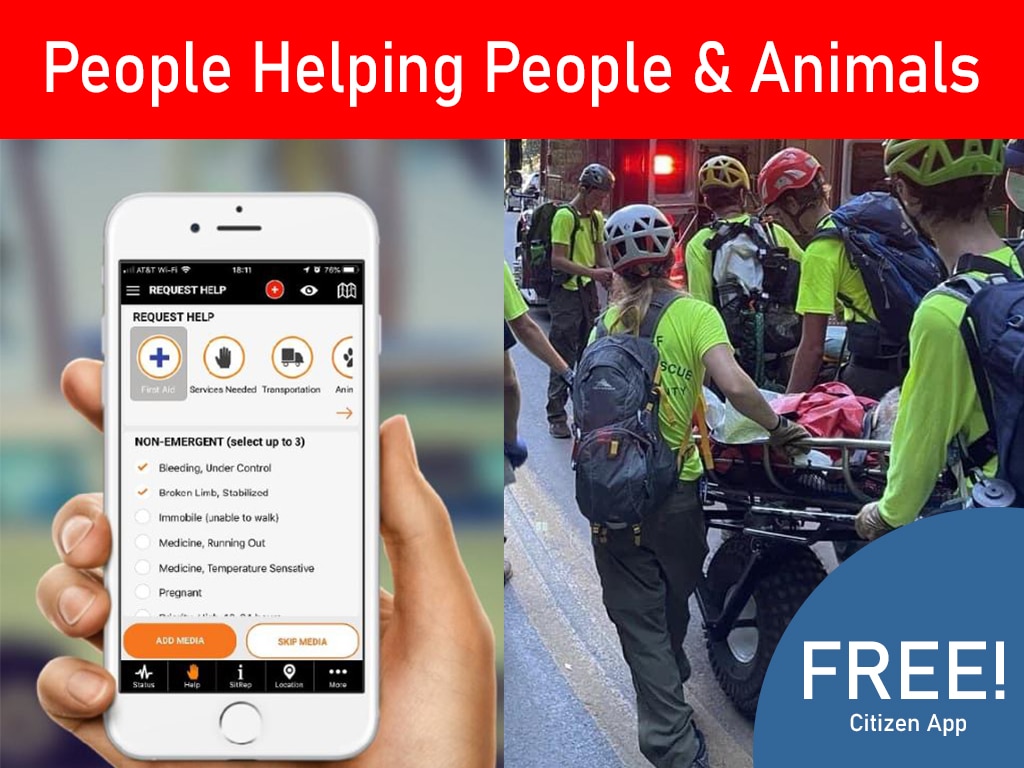
PubSafe was designed to solve this exact problem by creating a single, unified platform where everyone can connect. It acts as a bridge between citizens on the ground, NGOs providing aid, and official public safety agencies. When a citizen uses the app to report an incident, like a flooded road or a fallen tree, that information instantly populates on a shared map. This allows an NGO or a CERT team to see the need in real-time and deploy volunteers, while public safety can monitor the situation and allocate official resources without getting bogged down by duplicate reports. This shared awareness breaks down the communication silos that often hinder relief efforts, ensuring a faster, more coordinated response for the entire community.
Seeing It Coming: Predictive Tech for Early Warnings
One of the biggest shifts in disaster management is the ability to anticipate events before they happen. Using predictive analytics, experts can analyze vast amounts of data, including weather patterns, historical trends, and geospatial information, to forecast a disaster’s potential impact. This allows authorities to issue more accurate and timely alerts, giving communities precious time to prepare, evacuate, or shelter in place.
These early warning systems are critical for mitigating risk. By understanding where a hurricane is likely to make landfall or which areas are most vulnerable to flooding, emergency managers can pre-position supplies, stage rescue teams, and make informed operational decisions. This data-driven approach helps save lives by turning forecasts into actionable plans.
Using Social Media to Spread Critical Alerts
Social media has become an indispensable tool in disaster management. Emergency agencies use platforms like X (formerly Twitter) and Facebook to broadcast official updates, safety instructions, and evacuation notices to a wide audience instantly. This allows them to share critical information directly with the public, bypassing potential delays with traditional media.
At the same time, these platforms provide a valuable stream of on-the-ground intelligence. People in affected areas can use social media in disasters to report their status, request help, and share photos or videos of damage. Responders can monitor this user-generated content to identify emerging needs and direct resources more effectively. While it’s important to verify information, social media offers a powerful way to listen to and engage with communities during a crisis.
Related Articles
- Top Challenges In Disaster Response – Overcoming & Preparing
- Natural Disasters – Citizen Public Safety Platform
- NGO Disaster Response: Key Challenges & Solutions | PubSafe
- NGO Disaster Response Faces Extraordinary Challenges
Frequently Asked Questions
Are all “global disasters” planet-wide events? Not necessarily. The term “global” usually refers to the disaster’s impact rather than its physical footprint. A localized event, like an earthquake that damages a major manufacturing hub, can disrupt supply chains and cause economic problems for countries thousands of miles away. Similarly, a regional conflict can create a refugee crisis with international consequences. The key is that its effects ripple outward, crossing borders and requiring a coordinated international response.
What’s the difference between an epidemic and a pandemic? Think of it in terms of scale. An epidemic is a disease that spreads rapidly and unexpectedly through a specific population or region. A pandemic is what happens when that epidemic crosses international boundaries and spreads across multiple countries or continents, affecting a much larger number of people. Both are serious health crises, but a pandemic signifies a widespread, global health emergency.
Why is communication so difficult during a disaster, and how does technology help? During a crisis, normal communication channels often fail. Cell towers can be damaged, power grids can go down, and the sheer volume of calls can overload systems. On top of that, you have dozens of different response groups, from government agencies to small volunteer teams, who may not have a way to talk to each other. Technology helps by creating a single, unified platform where everyone can share information in real time. This allows a citizen’s report, a team leader’s assignment, and a resource update to all appear on the same map, giving everyone a clear picture of what’s happening.
What’s the first thing my community should do to prepare? Before you do anything else, work together to create a shared emergency response plan. This goes beyond individual household kits. A community plan outlines who is responsible for what, establishes clear communication channels, and identifies key resources like shelters and medical aid stations. Getting everyone on the same page, from first responders to local volunteer groups, is the foundational step that makes every other part of the response more effective.
How can I help as an individual if a disaster happens? The most effective way to help is to connect with an established organization. While the instinct to rush to the scene is understandable, showing up unannounced can sometimes complicate relief efforts. Instead, find your local CERT team, Red Cross chapter, or other community-based organizations ahead of time. They provide training and can deploy you safely and effectively when the time comes. Using a coordination platform can also help match your skills with specific needs in the community.