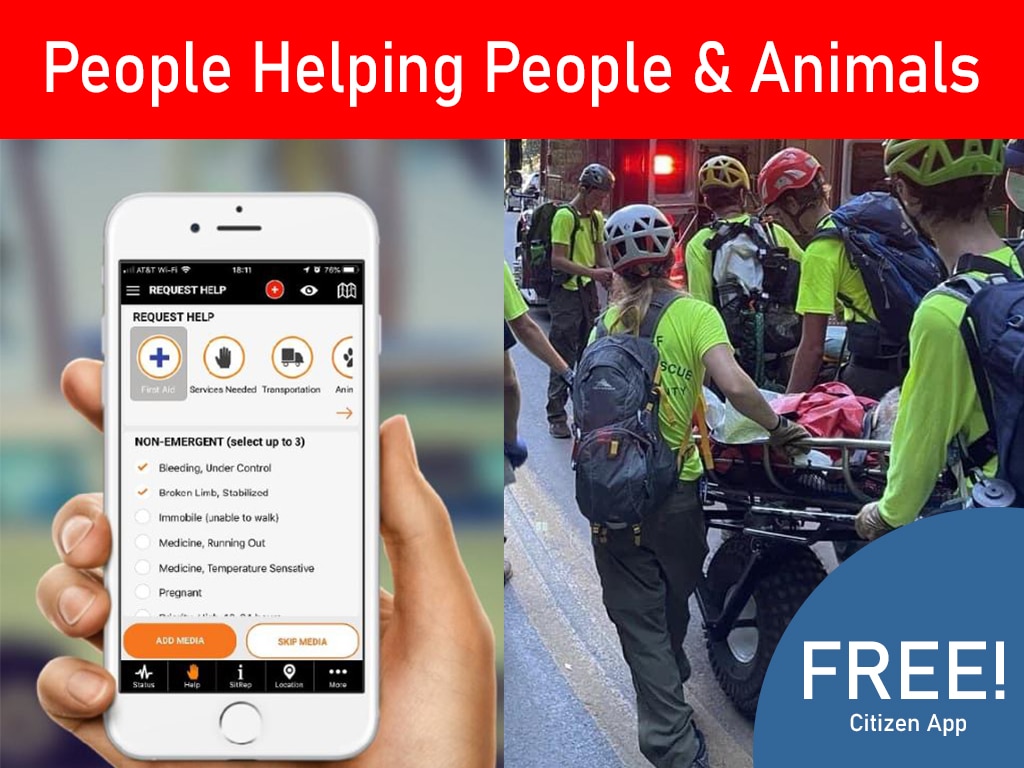
In any emergency, effective teamwork is the difference between chaos and control. No single agency, no matter how well-equipped, can manage a crisis alone. This is where non-governmental organizations (NGOs) become such critical partners. They bring specialized skills, dedicated volunteers, and deep community connections to the table. To work with them effectively, you first need to understand the various ways NGOs respond to different concerns. This guide explores their structure, their role in disaster relief, and provides emergency response NGO solutions for building strong partnerships and creating a more powerful, unified effort.
Key Takeaways
- NGOs are independent and mission-driven: Operating separately from the government, they fill critical societal gaps and vary widely in scope, from local community groups providing direct aid to international bodies focused on policy change.
- They are vital throughout a crisis: NGOs provide immediate life-saving aid, support long-term recovery efforts, and empower communities by involving local residents directly in the response.
- Technology and partnerships overcome major hurdles: NGOs can solve common challenges like funding gaps and poor coordination by using unified platforms to prove their impact, streamline communication, and build trust with the public.
What is an NGO and Why Do They Matter?
You’ve probably heard the term NGO, especially in news stories about disaster relief or humanitarian efforts. But what exactly are they, and what role do they play? For anyone involved in community safety, understanding NGOs is crucial. They are often the first on the ground and the last to leave during a crisis, acting as essential partners for public safety agencies, CERT teams, and citizen volunteers. Their work is all about building resilient communities, and knowing how they operate can make collaboration during an emergency much smoother. Let’s break down what an NGO is and why their work is so important.
What Makes an Organization an NGO?
At its core, an NGO is a Non-Governmental Organization. As the name suggests, these groups operate independently of any government. While some NGOs might receive government funding, they aren’t part of the government structure, which gives them the freedom to work across political lines and focus entirely on their mission. Most are non-profits dedicated to tackling social or humanitarian issues, from environmental protection to public health. Their independence allows them to respond with flexibility where help is needed most, making them a vital part of civil society by filling needs that governments or for-profit businesses may not be able to address.
The History and Scale of NGOs
From the UN Charter to a Global Movement
The term “NGO” really entered the mainstream after the United Nations was established in 1945. The UN defines a non-governmental organization as a “not-for-profit, voluntary citizen’s group that is organized… to address issues in support of the public good.” This definition perfectly captures their spirit—they are driven by a mission to help, not by profit. The movement has grown exponentially since then. Today, there are an estimated 3.7 million NGOs operating worldwide, with a significant number in countries like India. This incredible number shows just how many dedicated groups are working on the ground, making a difference in their communities. With so many organizations involved, effective coordination is key to maximizing their impact during a crisis.
Celebrating World NGO Day
To honor the incredible impact of these organizations, World NGO Day is celebrated every year on February 27th. It’s a day dedicated to recognizing and appreciating the tireless work of NGO staff and volunteers around the world. These groups are active in so many critical areas, from providing life-saving aid during disasters to advancing education and healthcare in underserved communities. For those of us in public safety or community response, this day is a great reminder of the powerful allies we have in NGOs. Taking a moment to acknowledge their contributions can strengthen partnerships and foster the collaborative spirit we all need when an emergency strikes.
How Are NGOs Different from Other Organizations?
What truly sets NGOs apart is their ability to mobilize quickly and act as a powerful force for good, especially during emergencies. When a disaster strikes, NGOs are often on the front lines providing essential aid like food, clean water, shelter, and medical care. They are experts at gathering resources, from fundraising to organizing teams of dedicated volunteers. This agility allows them to fill critical gaps in official response efforts. Beyond immediate relief, they also advocate for policies that protect vulnerable communities and support long-term recovery. Their unique position helps ensure community needs are met with compassion and efficiency, making effective volunteer coordination a cornerstone of their impact.
A Guide to the Different Types of NGOs
The term “NGO” covers a huge variety of organizations, each with a different structure and purpose. To really understand their role, especially in a crisis, it helps to break them down into a few key categories. While many NGOs wear multiple hats, thinking about them by their primary action, scope, and focus can clarify who does what and how they can best work together when disaster strikes.
Operational vs. Advocacy: NGOs in Action
One of the most common ways to classify NGOs is by what they do. Think of it as “hands-on” versus “minds-on.” Operational NGOs are the hands-on groups that plan and carry out projects directly. They’re the ones on the ground building shelters, distributing food and water, or running medical clinics after an emergency.
In contrast, advocacy NGOs focus on influencing policy and public opinion to advance a specific cause. They campaign for changes in laws, raise awareness about human rights, or push for stronger environmental protections. Many organizations do both; they might provide immediate aid while also advocating for policies that could prevent future crises.
From Local to Global: Understanding NGO Scope
NGOs also vary greatly in their geographic reach. Local, or community-based, organizations operate in a specific town or neighborhood. Their deep connection to the community is a massive asset during an emergency. National NGOs work within the borders of a single country, while international NGOs operate across the globe.
Understanding an NGO’s scope is critical for effective volunteer coordination and resource deployment. An international organization might bring in significant resources, but they often rely on the local knowledge of community-based groups to deliver aid effectively. This partnership between different scopes is often what makes a disaster response successful.
Classifications by Approach
Beyond their scope and function, NGOs can also be understood by their core philosophy for helping people. This approach shapes how they interact with the communities they serve and what their ultimate goals are. Some focus on providing immediate, direct assistance, while others work to build long-term self-sufficiency. Recognizing these different approaches is key to finding the right partner for a specific phase of a disaster response, as each one brings a unique strength to the table. Let’s look at three common approaches: charitable, participatory, and empowerment.
Charitable NGOs
Charitable NGOs often operate with a top-down model, providing direct aid to those in need. Think of organizations that distribute food, water, and blankets in the immediate aftermath of a hurricane or earthquake. Their primary goal is to deliver essential resources quickly and efficiently to alleviate suffering. While this approach may involve less direct input from the people receiving aid, it is incredibly effective and necessary during the acute phase of an emergency when survival is the top priority. They are masters of logistics and resource distribution, filling a critical gap when communities are overwhelmed and unable to organize on their own.
Participatory NGOs
Taking a more collaborative route, participatory NGOs involve local communities directly in the recovery process. Instead of simply providing aid, they work alongside residents on self-help projects. This could mean organizing community clean-up days where locals contribute their labor, or setting up workshops to rebuild homes using shared tools and resources. This approach fosters a sense of ownership and dignity, as community members become active participants in their own recovery. It helps ensure that projects meet actual needs and builds stronger community bonds that last long after the immediate crisis has passed.
Empowerment NGOs
Empowerment NGOs take the participatory model a step further by focusing on long-term capacity building. Their goal is to help people gain the knowledge and skills to manage the social, economic, and political factors that affect their lives. In a disaster context, this might involve training local leaders in emergency preparedness, helping communities establish their own early warning systems, or providing resources for residents to advocate for more resilient infrastructure. By focusing on empowerment, these NGOs help communities not just recover from a disaster, but also become better prepared to face future challenges on their own terms.
Conceptual Roles: Implementers, Catalysts, and Partners
Another useful way to think about NGOs is by the conceptual role they play within the broader ecosystem of disaster response. An NGO might act as an implementer, a catalyst, or a partner—and many will shift between these roles depending on the situation. As an implementer, an NGO is the “doer,” directly carrying out projects like setting up temporary shelters or running mobile medical clinics. As a catalyst, they work to spark change, perhaps by introducing a new technology or starting a public awareness campaign that inspires others to act. Finally, as a partner, an NGO collaborates with government agencies, other non-profits, and community groups to achieve a common goal. This partnership role is where a unified platform becomes essential, allowing different organizations to coordinate efforts and share information seamlessly for a more effective response.
Finding Their Focus: Sector-Specific Missions
Many NGOs concentrate their efforts on a specific sector. You’ll find organizations dedicated to everything from health and education to environmental protection and human rights. This specialization allows them to develop deep expertise and deliver highly effective programs. During a crisis, knowing an NGO’s focus is key. A health-focused NGO will be your go-to for medical support, while an environmental group can lead the response to a chemical spill.
These specialized teams can use platforms to manage their disaster response efforts, ensuring their unique skills are applied where they’re needed most. By working together, these sector-specific groups form a comprehensive support network for affected communities.
How Do NGOs Operate and Get Funding?
To effectively respond to crises, NGOs rely on specific operational frameworks and diverse funding streams. Understanding how they are structured, funded, and staffed gives us a clearer picture of how they make an impact on the ground. From securing donations to managing teams during an emergency, every step is part of a larger strategy to serve communities in need. Let’s look at the key components that keep these vital organizations running.
A Look Inside an NGO’s Structure
At their core, NGOs are mission-driven groups that work independently from any government. They are typically non-profit, meaning their main goal isn’t to make money but to advance a specific cause. This structure allows them to focus entirely on their objectives, whether that’s providing clean water, offering medical aid, or protecting human rights. During a disaster, this independence allows them to act quickly, delivering essential goods and services to affected populations without getting tied up in governmental red tape. Their size can range from small, community-based groups to large international organizations with a global presence.
Following the Money: How NGOs Are Funded
NGOs fuel their work through a mix of funding sources. Many rely heavily on private donations from individuals and corporations who believe in their mission. Other common sources include membership fees, revenue from selling goods or services, and grants from foundations or international bodies. While some NGOs receive government funding, they still operate independently to maintain their autonomy and credibility. This diverse funding model helps ensure they can continue their work even if one source of income changes, providing the stability needed to plan long-term projects and respond immediately when a crisis hits.
The Overhead Myth: Understanding Operational Costs
Let’s talk about a term that often gets a bad rap: overhead. This is simply the money an NGO needs to run itself—think salaries, office space, and the technology that keeps everything moving. Donors sometimes judge an organization’s worth by how low its overhead percentage is, believing that a lower number means more money goes directly to the cause. While this comes from a good place, focusing too heavily on low overhead can actually backfire. When an NGO is starved of operational funds, it can’t invest in critical areas like staff training, proper equipment, or effective management systems. This ultimately weakens their ability to respond effectively during a crisis, proving that a smart investment in operations is an investment in the mission itself.
Creating Self-Generated Income Streams
Relying solely on donations and grants can leave an NGO vulnerable to funding gaps, which is risky when you need to be ready to act at a moment’s notice. To build more financial stability, many organizations are developing their own income streams. This can look like many different things, from renting out unused building space to offering specialized training or consulting services based on their expertise. Some even sell products or merchandise that align with their mission. By creating these self-generated revenue sources, an NGO can build a more resilient financial foundation, giving them the freedom to plan for the long term and invest in their capacity to serve the community, independent of unpredictable fundraising cycles.
Managing Teams of Staff and Volunteers
The lifeblood of any NGO is its people, a dedicated mix of paid staff and volunteers. Some organizations run with a small, professional staff, while others depend on a large network of volunteers to carry out their fieldwork. These teams can include both local community members and international experts who bring specialized skills to the response effort. Managing these diverse teams, especially during a chaotic event, is a major logistical challenge. Effective volunteer coordination is critical for success, ensuring that the right people are in the right place at the right time with the resources they need to make a difference.
How NGOs Respond to Disasters and Emergencies
When a crisis hits, non-governmental organizations are often among the first on the scene and the last to leave. They are a critical piece of the disaster response puzzle, operating with a flexibility that allows them to fill gaps where government agencies may be stretched thin. Because they are often embedded within communities, NGOs can act quickly, leveraging local knowledge and trust to deliver aid where it’s needed most. Their role extends far beyond handing out supplies; they are instrumental in every phase of a disaster, from the initial shock to the long, difficult road of recovery. Effective emergency coordination between NGOs, public safety, and citizens is what creates a truly resilient response effort.
Delivering Critical Humanitarian Aid
In the chaotic hours and days following a disaster, speed is everything. NGOs excel at mobilizing quickly to provide immediate, life-saving assistance. This includes everything from search and rescue operations to distributing food, clean water, and essential medical supplies. Because they aren’t bound by the same bureaucratic red tape as government bodies, they can often get aid on the ground faster. Many NGOs are key to community response because they also focus on disaster preparedness, helping to strengthen community resilience and improve early warning systems long before a crisis occurs. This proactive work ensures that when disaster does strike, communities are better equipped to handle the initial impact.
Maintaining Essential Services During a Crisis
After the initial wave of life-saving aid, the focus shifts to sustaining the community through the ongoing crisis. This is where NGOs are instrumental in maintaining essential services. When local infrastructure fails, they step in to create temporary solutions, like makeshift medical clinics, community kitchens, and safe shelters. They also provide crucial psychological first aid and emotional support, services that are just as vital as physical supplies for a community in shock. By filling these gaps, NGOs help establish a new normal, creating a stable foundation that allows residents to begin processing what happened and start the long journey toward recovery. This comprehensive support is a hallmark of how NGOs respond to disasters.
How They Engage and Empower Local Communities
One of the most powerful aspects of NGO disaster response is their commitment to working with affected communities, not just for them. Instead of taking a top-down approach, they involve local residents in planning and implementing relief efforts. This community-centric model is incredibly effective. Local people have invaluable knowledge about their own environment, needs, and vulnerabilities. By empowering them to be part of the solution, NGOs help ensure that aid is distributed effectively and equitably. This collaborative approach also builds local capacity, helping communities become more self-sufficient and better prepared to withstand future disasters.
Paving the Way for Long-Term Recovery
An NGO’s work doesn’t stop when the news cameras leave. They are a vital source of support during the long-term recovery phase, which can last for months or even years. While immediate aid is about survival, long-term recovery is about rebuilding lives and livelihoods. This can involve everything from reconstructing homes and schools to providing mental health services, offering job training, and helping restore local economies. According to research from the RAND Corporation, these organizations are an important source of aid for communities long after a disaster. This sustained presence provides stability and hope, ensuring that communities don’t just survive the crisis but emerge stronger.
Driving Policy Change and Social Impact
NGOs do more than just respond to crises; they create lasting change. By advocating for new policies, delivering essential services directly to people, and empowering local communities, they address both immediate needs and the root causes of problems. This multi-faceted approach is what makes their social impact so powerful and sustainable. Their work ensures that communities not only recover from disasters but also become stronger and more resilient for the future.
Using Advocacy to Influence Policy
NGOs act as a powerful voice for communities, working to change laws and policies on critical issues like human rights and environmental protection. They bring important topics to the public’s attention and hold governments accountable. Some even participate in unofficial diplomatic talks to influence global affairs from behind the scenes. This advocacy work ensures that the needs of vulnerable populations are heard and addressed at the highest levels, creating systemic change that lasts long after a crisis has passed.
Using Research and Monitoring to Drive Change
To make a real difference, good intentions aren’t enough—NGOs need proof. This is where research and monitoring come in. By systematically tracking their projects and the conditions on the ground, NGOs gather the hard data needed to show what’s working and what isn’t. They conduct needs assessments, collect feedback from community members, and measure the long-term impact of their interventions. This evidence-based approach does more than just improve their own programs; it builds a compelling case for policy change. When an NGO can present data showing a specific need or a successful solution, they are better equipped to influence government action and secure funding. This commitment to data ensures their efforts are not only compassionate but also highly effective, turning observations into actionable change and helping communities manage their response with proven strategies.
Delivering Direct Services Where They’re Needed Most
When a disaster strikes, NGOs are often the first on the ground, providing life-saving assistance. They mobilize volunteers and resources to deliver immediate aid, from search and rescue operations to distributing food, water, and medical supplies. Because they work so closely with local populations, they can quickly understand and adapt to the specific needs of a community. This direct support is crucial for helping people survive the immediate aftermath of an emergency. The ability of NGOs to respond to natural disasters is a cornerstone of community resilience.
Why Building Local Partnerships is Key
A key part of an NGO’s mission is to build strength within the communities they serve. Instead of just providing aid, they focus on building local capacity so people are better prepared for future challenges. This involves training local volunteers, helping to create better early warning systems, and including community members in disaster response planning. By fostering these partnerships and sharing knowledge, NGOs help create a foundation of resilience. This approach ensures that communities can not only withstand future disasters but also lead their own recovery and development efforts long-term. Effective NGO disaster response always prioritizes local empowerment.
Common NGO Challenges (and How to Overcome Them)
Even the most mission-driven NGOs run into roadblocks that can slow down their impact. From securing funds to coordinating with other groups on the ground, these hurdles are a normal part of the work. The good news is that many of these common issues have practical solutions, especially with the right strategies and technology in place. By tackling these challenges head-on, your organization can become more efficient, resilient, and effective in serving your community, particularly during a crisis.
The key is to identify the specific pain points your team faces and proactively seek out tools and methods to address them. Whether it’s streamlining your internal processes or improving how you connect with the public, small changes can make a huge difference in your ability to deliver aid and support when it matters most.
The Challenge of Securing Sustainable Funding
Let’s be honest: funding is a constant concern for most NGOs. The cycle of grant writing, fundraising campaigns, and donor relations can feel endless, taking valuable time away from your core mission. This pressure is even greater in disaster response, where you need resources available at a moment’s notice. Proving your impact to donors is crucial, but it can be difficult to quantify your efforts with messy spreadsheets and scattered reports.
This is where technology can be a game-changer. A centralized platform helps you track everything from volunteer hours to resource distribution in real time. This data provides clear, compelling evidence of your work, making it easier to demonstrate your value to funders. When you can show exactly how their contributions are making a difference, you build the trust needed for long-term financial support and overcome common disaster response challenges.
Breaking Down Communication and Coordination Barriers
During an emergency, a lack of communication between different response teams can lead to chaos. When NGOs, government agencies, and citizen volunteers all work in separate silos, efforts get duplicated, and critical needs are missed. As researchers have noted, this is often due to the “lack of a technology platform” that allows everyone to share information and see the same big picture. Without a common operating view, it’s nearly impossible to coordinate effectively.
A unified platform for team management solves this by creating a single source of truth. Everyone involved in the response, from field volunteers to command center staff, can communicate, share updates, and track resources in one place. This ensures that aid is directed where it’s needed most, volunteers are deployed efficiently, and no community is overlooked.
The Importance of a Clear Strategic Plan
Let’s be real: funding is a constant worry for most NGOs. Many organizations struggle to find donors or raise money, and relying on inconsistent support makes planning for the future tough. This is where a clear strategic plan becomes your best friend. It’s more than just a document; it’s a roadmap that defines your mission, sets clear goals, and outlines exactly how you’ll achieve them. This transforms your work from a series of well-intentioned actions into a focused, impactful strategy. That kind of clarity is exactly what donors want to see. When you can back up your plan with real data on your progress, you build the credibility needed to secure stable, long-term funding.
Navigating Complex Government Relations
During a crisis, NGOs are critical partners for government agencies. Research shows that NGOs are vital for helping governments manage large-scale emergencies because they can often reach people and act faster. But let’s face it, working together can be tricky when everyone uses different systems and speaks a different operational language. The key is to build trust before a disaster by creating shared communication channels. A unified platform like PubSafe, where government agencies and NGOs can see the same public map and operational picture, breaks down those silos. When you can seamlessly share incident reports and resource needs, you become an integrated part of the official response, not just an outside group trying to help.
Addressing Staff and Volunteer Shortages
Your people are your greatest asset, but managing teams of staff and volunteers during a chaotic event is a massive logistical challenge. Burnout is a real risk, and trying to coordinate everyone with different skills and schedules can feel impossible, often leading to shortages right when you need help the most. The solution is smarter volunteer coordination. Ditching the phone trees and messy spreadsheets for a dedicated platform lets you manage your team efficiently. You can assign tasks based on location and skills, track hours, and send real-time updates from one central hub. This not only makes your response more effective but also shows your volunteers their time is valued—a crucial step in keeping them engaged for the long haul.
How to Build Trust and Accountability with Communities
Your relationship with the community you serve is everything. Without trust, people may be hesitant to accept aid or participate in your programs. This trust isn’t just given; it’s earned through transparency and accountability. Communities want to know that your organization is making good on its promises and using its resources wisely to support recovery and build resilience.
Technology can help you foster this trust by making your operations more transparent. For instance, using a platform with a public map allows citizens to see active incidents, find nearby shelters, and view where aid is being distributed. When people can see the direct impact of your work in their own neighborhood, it reinforces their confidence in your mission. This open approach not only builds goodwill but also empowers community members to become active partners in the response effort.
Collaborating for Greater Impact: How NGOs Work Together
When a crisis hits, no single organization has all the answers or resources. The most effective response efforts happen when NGOs join forces with each other and with other groups. This spirit of collaboration turns separate actions into a unified, powerful force for good. By working together, organizations can cover more ground, share vital information, and make sure help gets to where it’s needed most, without duplicating efforts or leaving critical gaps. This teamwork is the key to making a truly significant difference for communities in need.
Emergency Response: Coordinating with Other Agencies
During an emergency, coordination is everything. NGOs often work alongside a wide network of partners, including other non-profits, community groups, and local emergency management agencies. This teamwork is essential for both immediate relief and long-term recovery. For example, one group might focus on setting up temporary shelters while another distributes food and water, ensuring a more efficient and comprehensive response. By coordinating their efforts, these agencies help communities not just survive the initial crisis but also build the resilience to better withstand future events. This shared approach ensures that resources are used effectively and that support is continuous.
How Technology Enables Real-Time Communication
Effective collaboration hinges on clear and constant communication. In the past, different teams using separate, incompatible systems often led to confusion and delays. A major challenge in disaster management has been the lack of a shared technology platform to create a common view of the situation. Modern solutions are changing that. A unified platform allows everyone, from volunteers on the ground to coordinators at headquarters, to share real-time updates. This is how PubSafe works, by creating a single operational picture so teams can make faster, more informed decisions and direct resources precisely where they are needed most.
Leveraging Integrated Platforms for Coordination
When every group—NGOs, public safety, and citizen volunteers—operates in its own bubble, the response becomes fragmented, leading to duplicated efforts and missed needs. An integrated platform breaks down these barriers by creating a single source of truth where everyone can share information. This gives all stakeholders, from a volunteer in the field to a manager at the command center, access to the same real-time updates on a shared map. With this unified view, you can see exactly where help is needed, deploy teams more effectively, and ensure resources are directed efficiently. This level of streamlined team management transforms a disjointed effort into a cohesive, powerful response, making sure no community is left behind.
Building Bridges with Government and Private Sector Partners
Collaboration extends beyond the non-profit world. Strategic partnerships with government agencies and private companies can dramatically amplify an NGO’s impact. Government bodies can provide large-scale logistical support and access to official resources, while private sector partners can contribute specialized expertise, such as supply chain management or technology. These cross-sector alliances allow NGOs to tap into a wider pool of skills and resources, creating a more robust response network. Getting your organization registered on a shared platform is a great first step to building these vital connections before a disaster strikes.
How Do You Measure an NGO’s Impact?
Measuring impact is about more than just counting dollars raised or supplies distributed. For an NGO, success is measured by the real, tangible change they create in people’s lives. It’s about answering the big questions: Are we truly helping? Is our work creating lasting, positive outcomes? To do this, NGOs rely on a mix of data, community feedback, and long-term goals to understand their effectiveness and demonstrate their value to donors, partners, and the communities they support. This process ensures they are not only doing good work but also learning and improving every step of the way.
The Importance of Transparency and Accountability
Because NGOs often run on donations and grants, showing where that money goes is critical. Transparency isn’t just about publishing financial reports; it’s about building trust. Donors and government partners want to see that their contributions are making a real difference. NGOs achieve this by tracking key performance indicators, sharing success stories, and being open about their operational costs. This accountability extends to the communities they serve, ensuring that the mission remains the top priority. For organizations looking to join a larger response network, becoming a verified partner through platforms like PubSafe’s organization registration is a great first step in demonstrating credibility and a commitment to coordinated, transparent action.
Addressing Criticisms and Legitimacy Concerns
While NGOs are a powerful force for good, they aren’t immune to criticism. It’s important to acknowledge these concerns because addressing them head-on is what separates a good organization from a great one. Questions about their impact on local systems, funding sources, and overall transparency are valid and deserve thoughtful answers. By understanding these challenges, we can better identify the credible, effective partners who are truly committed to making a positive difference. Let’s explore some of the most common criticisms and how responsible NGOs work to overcome them.
Avoiding Local System Disruption
One of the most significant criticisms is that well-meaning NGOs can sometimes disrupt local systems. As some critics point out, uncoordinated projects can fragment essential services, like healthcare, rather than strengthen them. The most effective organizations avoid this by prioritizing partnership over paternalism. They listen to community leaders, integrate their efforts into existing local structures, and work to build capacity from within. This approach ensures that their work supports, rather than supplants, local expertise. A shared platform for emergency coordination is crucial here, as it prevents different groups from working in silos and duplicating efforts, ensuring a truly collaborative response.
Maintaining Independence from Funders
Another common question revolves around funding. If an NGO accepts money from a government, does that compromise its independence? It’s a fair point, but credible NGOs guard their autonomy fiercely. While some do receive government grants, they typically operate independently to maintain their mission focus and credibility. The key is a diverse funding model. By relying on a mix of private donations, foundation grants, and membership fees, organizations avoid becoming too dependent on any single source. This financial independence allows them to stay true to their cause and make decisions based on community needs, not a funder’s agenda.
Ensuring Ethical and Factual Campaigning
Trust is the foundation of any successful NGO, and it’s built through unwavering transparency and accountability. It’s not enough to just do good work; organizations must be able to prove their impact. This means going beyond simple financial reports. Responsible NGOs track key performance indicators, share compelling success stories, and are open about their operational costs to show donors how their contributions are making a difference. This commitment to ethical and factual reporting ensures that their campaigns are grounded in reality and that their promises are backed by measurable results, reinforcing the trust they have with both the public and the communities they serve.
Listening to Communities to Measure Success
The most important measure of an NGO’s success comes directly from the people it aims to help. Are the services offered actually what the community needs? True impact happens when an organization listens and responds. NGOs gather this vital information through surveys, town hall meetings, and one-on-one conversations. This feedback loop is essential for shaping effective programs. In a crisis, this becomes even more critical. Tools that allow citizens to submit real-time information, like an app for reporting an incident, give NGOs a direct line to the ground, helping them assess needs and measure the effectiveness of their immediate response.
Staying Agile and Adapting to Global Needs
Many NGOs align their work with large-scale international objectives, such as the UN’s Sustainable Development Goals. These goals tackle huge challenges like ending poverty, improving health, and protecting the environment. By framing their work within these global targets, NGOs can measure their contribution to a much larger movement. This helps them track progress on long-term change, not just short-term wins. As global crises evolve, from natural disasters to public health emergencies, the ability to adapt is key. Modern technology platforms show how PubSafe works to connect different groups, allowing NGOs to stay agile and collaborate effectively to meet the world’s most pressing needs.
Related Articles
- NGO Technology Improves Operational Efficiency
- NGO Disaster Response Faces Extraordinary Challenges
- NGOs Are Key To Community Natural Disaster Response
Frequently Asked Questions
What’s the real difference between an NGO and a government agency in a crisis? The main difference comes down to independence and flexibility. Government agencies operate within official structures and protocols, which is essential for large-scale, organized response. NGOs, however, work outside of that government framework. This independence allows them to act very quickly, often filling gaps where official aid hasn’t yet reached. They can cross administrative lines and focus entirely on their mission, making them incredibly agile partners on the ground.
My organization is small. How can we collaborate with larger groups without getting lost in the shuffle? This is a common concern, but your local knowledge is your greatest asset. Larger organizations often need partners with deep community roots to be effective. The key is to make your group visible and your capabilities clear before a crisis hits. Registering your organization on a shared communication platform allows you to be part of the broader response network. This way, when an emergency happens, larger agencies can see exactly who you are, where you operate, and how your team can help.
How can technology actually help my NGO with funding challenges? Technology helps by making it easier to prove your impact. Instead of relying on scattered notes and spreadsheets, a central platform allows you to track your activities, resources, and volunteer hours in real time. This gives you solid data to present to donors and grant providers. When you can clearly show exactly how their support translates into tangible results for the community, you build the trust and credibility needed to secure stable, long-term funding.
As a citizen, how can I tell if an NGO is trustworthy and effective before I donate or volunteer? Look for transparency and a focus on community feedback. A trustworthy NGO will be open about its mission, its operations, and how it uses its funds. Check their website for clear reports on their activities and outcomes. It’s also a great sign when an organization actively involves the community it serves, listening to their needs and empowering local people. An organization that is accountable to its community is one you can feel confident supporting.
Besides providing aid like food and water, what other roles do NGOs play after a disaster? Immediate aid is crucial, but an NGO’s work goes much deeper. They are vital for long-term recovery, helping to rebuild homes, schools, and local economies. They also provide essential services like mental health support to help people process trauma. Furthermore, many NGOs advocate for policy changes that can prevent future disasters or better protect vulnerable populations, creating a lasting impact that strengthens the entire community for years to come.