
Natural Disasters & the Key Role of NGOs
NGOs are a permanent part of natural disaster response Get Free Org AccountSchedule Web DemoNGOs Responding to Natural Disasters
When natural disasters strike, the immediate response is critical to saving lives and providing relief to those affected. Non-governmental organizations (NGOs) play a vital role in these efforts, often being among the first to arrive and the last to leave, ensuring communities have the support they need to recover and rebuild. Let’s explore how NGOs like the Cajun Navy, Samaritans Purse, and many others, are crucial in providing humanitarian aid following natural disasters and how PubSafe can help them be more efficient.
Immediate Crisis Intervention
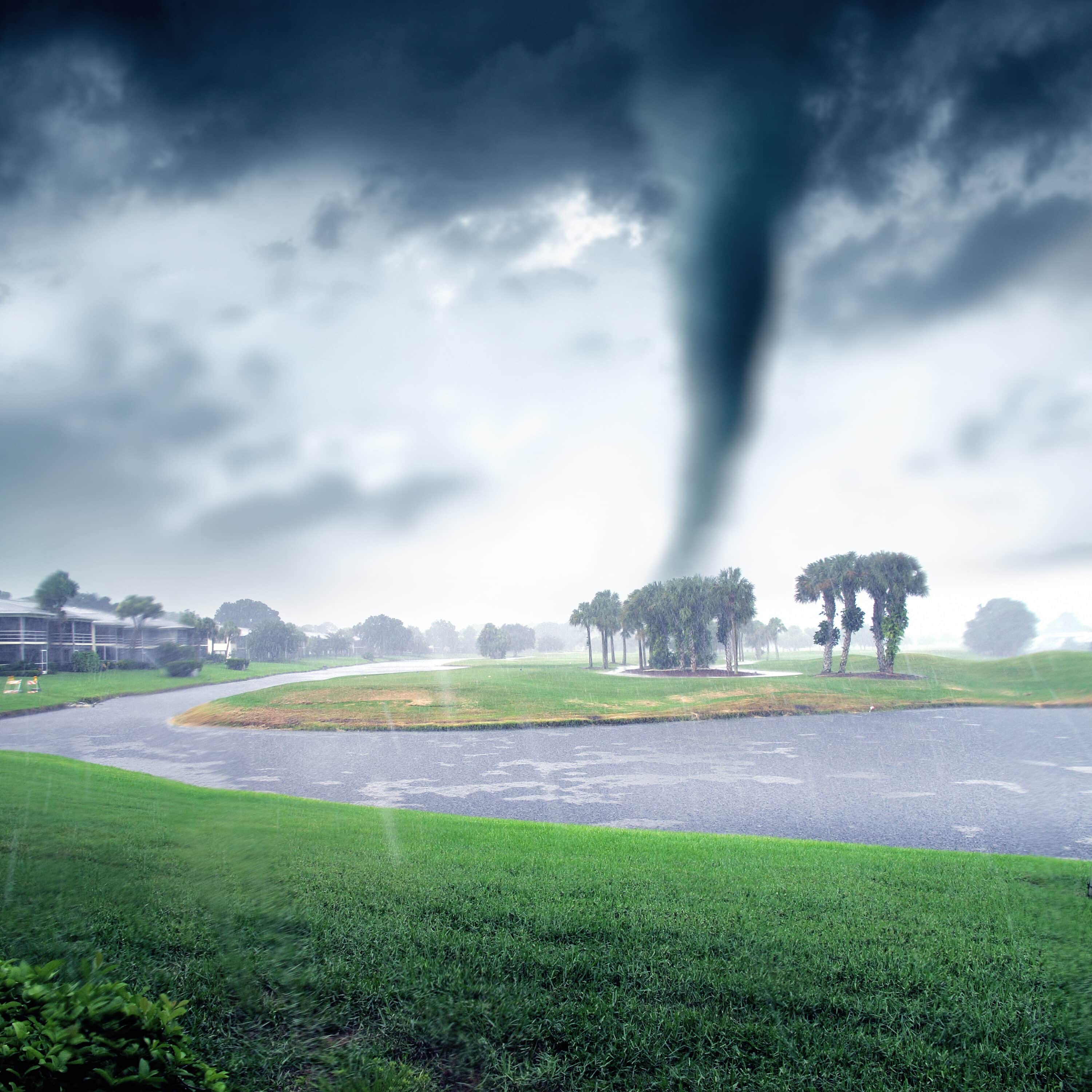
In the wake of a disaster, NGOs quickly mobilize to provide immediate assistance, including search and rescue and the distribution of medical supplies. Understanding how NGOs coordinate disaster response is key to their success, as these teams must navigate chaotic environments with precision. Real-time information from people in the area using the PubSafe platform, increases situational awareness and decrease the time to make decisions.
Search and Rescue Efforts
Many NGOs have specialized search and rescue units that work tirelessly to locate and save individuals trapped in the aftermath of natural disasters. These brave teams navigate dangerous conditions, often risking their own lives to save others. It is essential the information they receive on victims is timely and accurate. A key element is having accurate GPS location. When a citizen requests help using the free PubSafe mobile app, it uses the phones location to give the rescuer the exact location. Street signs may be gone, landmarks no longer recognizable.
Medical Assistance
Healthcare becomes a critical need following a disaster. NGOs set up field hospitals and clinics to treat injuries, prevent disease outbreaks, and provide psychological support to those traumatized by their experiences. Communicating with citizens on the location and resources available in real-time means more people can be helped. If a hospital if full, they can post this to the PubSafe mobile app under the Location menu so everyone in the area receives an alert and the latest information. If a hospital can handle trauma cases or pediatrics, people can go to the right facility and not waste time driving to multiple medical centers.
Supply Distribution
Ensuring survivors have access to life-sustaining resources is a top priority for NGOs after a natural disaster. They coordinate the logistics of receiving, sorting, and distributing supplies, making sure aid reaches those in desperate need. Like hospitals, it is vital the community knows where the relief sites are located, hours of operation, supplies available, etc.
Long-Term Recovery and Rebuilding
NGOs are not just there for the immediate aftermath; they also commit to long-term recovery efforts. This can involve rebuilding infrastructure, such as homes, schools, and hospitals, and restoring vital services like electricity and clean water. They work alongside local communities to develop sustainable solutions that will make them more resilient to future disasters. The PubSafe app provides two types of assistance requests, routine and priority. Routine assistance can be requested at any time, not just during a natural disaster. PubSafe users can request a ride to a store, help removing a tree from a home, changing a tire, mucking a flooded home, or just about anything. Other PubSafe users are alerted to request and can render assistance. NGOs can which have an on the PubSafe web portal can monitor assistance requests globally and dispatch teams to the area to work an incident.
Infrastructure Development
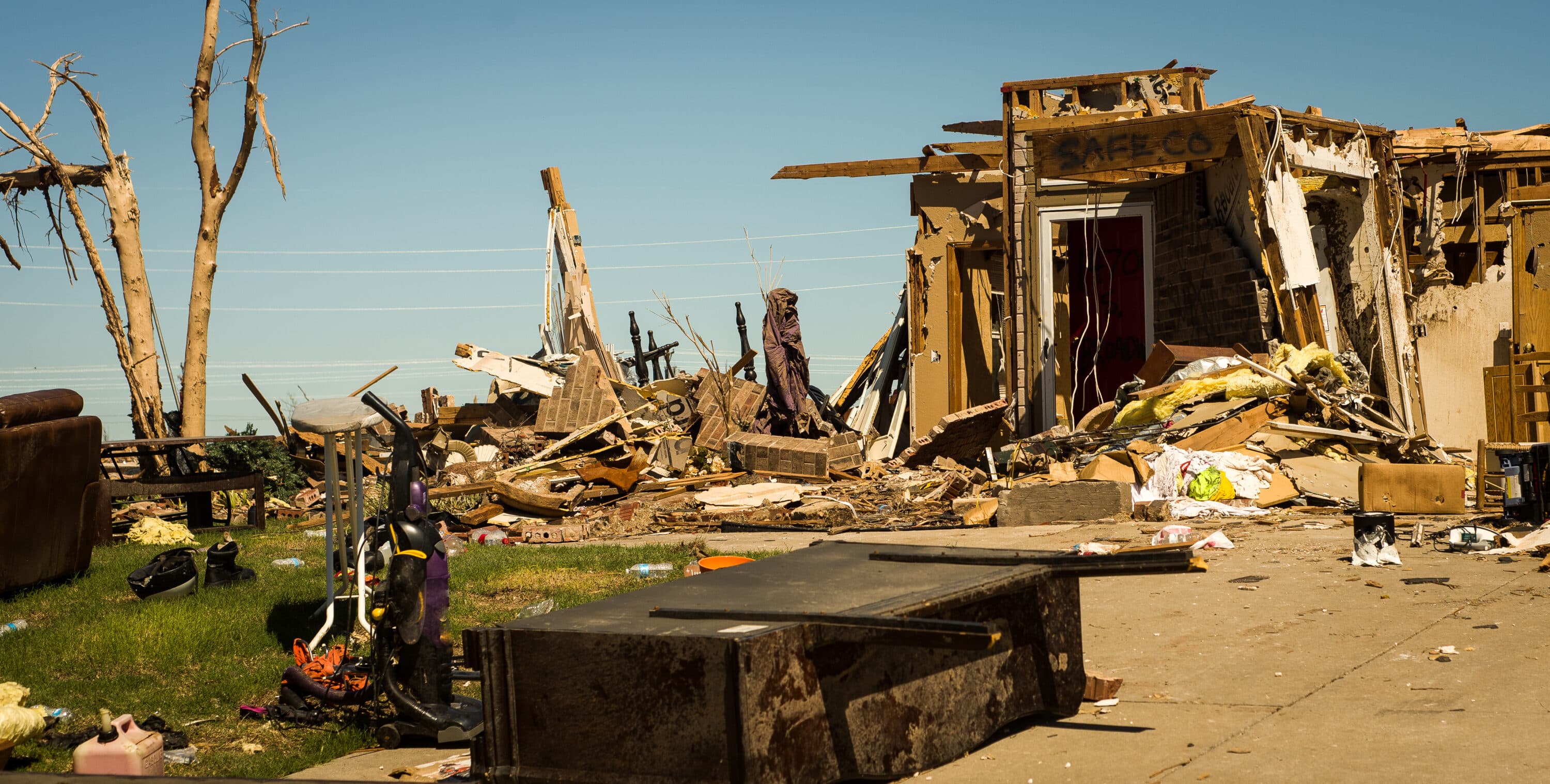
Reconstructing the physical framework of affected areas is a massive undertaking. NGOs collaborate with experts and local authorities to ensure that new structures are safe and resilient. PubSafe offers every citizen the ability to do a Preliminary Damage Assessment. The PDA is standardized with images to make it easier for emergency managers to understand the situation in any area. The more PDAs that are completed, the better resources can be allocated equitably.
Community Engagement
It’s crucial for NGOs to engage with local populations to understand their specific needs and to empower them to take an active role in their own recovery. This fosters a sense of ownership and helps to ensure the sustainability of rebuilding efforts. The free PubSafe mobile app get stronger with the more users in an area and the more posts created. Posts are put into a database and made available to members and decision makers. Analytics is used to help identify specific needs, in specific areas, in real-time.
Advocacy and Preparedness
Disaster relief NGOs also play a pivotal role in advocating for better preparedness measures by analyzing the response to past events. Data collection is key to improving a future response to a natural disaster, which is why many organizations are now utilizing free incident management tools for nonprofits. These platforms allow teams to track and archive every move they make during a crisis, providing the evidence needed to advise on effective mitigation strategies. In areas like New Orleans, which are routinely impacted by hurricanes, having this digital trail of data helps build sophisticated, long-term disaster response strategies that can save lives in future seasons.
Risk Reduction Strategies
NGOs work to educate communities on how to prepare for and respond to natural disasters, from developing evacuation plans to promoting resilient construction. To put these plans into action, we encourage you to sign up your NGO for the PubSafe platform, which bridges the communication gap between responders and the public. Through the PubSafe mobile app, government users can message any citizen member—a unique and powerful tool for near real-time alerts. By joining this network, your organization ensures that the community members you’ve trained can be alerted anywhere they travel, turning educational efforts into a live safety net.
Policy Influence
By sharing their on-the-ground experience, NGOs can influence local and international policies to prioritize disaster risk reduction and ensure that communities are better protected.
Conclusion
In the face of natural disasters, NGOs are an indispensable part of the humanitarian aid landscape. Their swift action during crises and commitment to long-term recovery make a profound difference in the lives of those affected. As the frequency and intensity of natural disasters continue to rise, the role of disaster relief NGOs becomes ever more critical in our global efforts to respond, recover, and rebuild. From the founders of the Cajun Navy, to the newest community CERT, NGOs are here to stay because they get things done!
If you’re interested in supporting or volunteering with an NGO that specializes in disaster relief, research organizations working in areas prone to natural disasters and see where your help could have the most impact. Your involvement could be the lifeline someone needs in their darkest hour.
After learning how a disaster response NGO supports a community, teams can plan how to coordinate volunteers during a hurricane, see how community emergency response works, or request a demo for their organization.