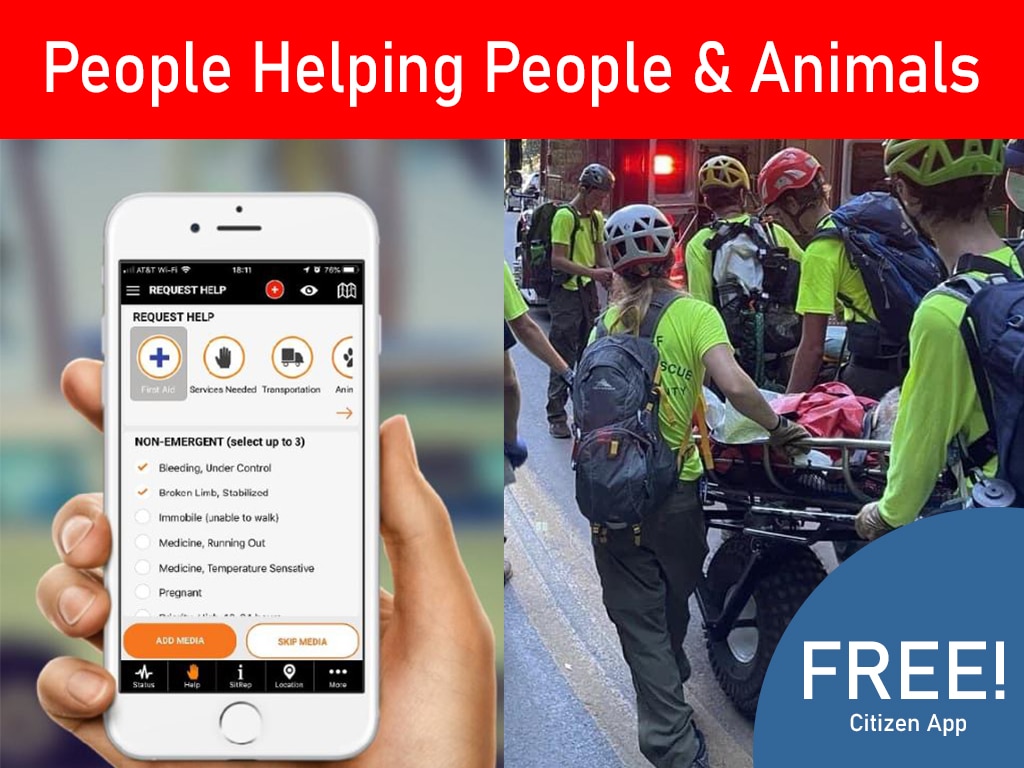
Disaster response is a team sport, and the “whole community” is on the roster. This is the core philosophy behind the National Response Framework. But what is the National Response Framework, exactly? In short, the National Response Framework is a guide to how the nation responds to all types of disasters and emergencies. It moves beyond a top-down, government-only approach and provides a structure for collaboration. Public agencies, private partners, non-profits, and citizen volunteers all have a role. When we build these partnerships before a crisis, our response becomes exponentially more powerful. This guide explains how the NRF organizes this massive team effort.
Key Takeaways
- The NRF is a flexible guide, not a rigid plan: It provides a common structure for everyone involved in a disaster, from federal agencies to local volunteers, ensuring a coordinated response that can adapt to any situation.
- Response is a team sport: The framework’s principles, like Engaged Partnership and Unity of Effort, emphasize collaboration and shared goals, allowing diverse groups to work together effectively even without a single command structure.
- Preparedness starts with you and your community: You can put the NRF’s ideas into practice by building local partnerships, participating in training, and ensuring your own family is prepared, which strengthens the entire response effort.
So, What is the National Response Framework?
When a disaster strikes, a coordinated response is critical. But how do you get different groups, from federal agencies to local volunteers, to work together effectively? That’s where the National Response Framework (NRF) comes in. Think of it as the nation’s playbook for managing emergencies of all kinds. It provides a structured, unified approach so that everyone involved in a response effort understands their role and can collaborate seamlessly. The NRF isn’t just a document for government officials; it’s a guide for the entire community, ensuring we can all contribute to a faster, more effective response when it matters most.
The Foundation: NIMS and the Stafford Act
To make sure this massive, nationwide collaboration works smoothly, the NRF is built on two key pillars. The first is the Robert T. Stafford Disaster Relief and Emergency Assistance Act. This is the law that gives the federal government the authority to step in and provide assistance when a disaster is too overwhelming for state and local resources to handle alone. The second pillar is the National Incident Management System (NIMS). Think of NIMS as the shared playbook that allows all the different teams—from federal agencies to local CERT volunteers—to speak the same language. It provides a consistent framework and standardized structures, like the Incident Command System (ICS), ensuring that everyone can coordinate their efforts effectively, regardless of the incident’s size or complexity.
What Does the NRF Actually Do?
At its core, the National Response Framework is a guide to how the nation responds to all types of disasters and emergencies. It’s not a specific plan for a single hazard but a comprehensive structure that can be applied to anything from a localized flood to a major terrorist attack. The main goal is to create a single, unified approach for domestic incident management. This ensures that when an emergency happens, response efforts are organized and efficient from the start. It covers the full spectrum of incident management, including prevention, preparedness, response, and recovery, making sure all phases are connected.
The Core Goals of Disaster Response
The NRF provides the “how” of disaster response, but it’s all in service of the “why.” At the end of the day, every framework, every meeting, and every action taken during a crisis is driven by a clear set of universal goals. These objectives are the moral compass for responders, guiding decisions when time is short and stakes are incredibly high. They ensure that our collective efforts are focused on what truly matters: protecting our communities and the people within them. This focus helps everyone, from federal agencies to individual volunteers, work toward a common purpose, making the entire response more cohesive and effective.
Saving Lives and Reducing Suffering
The first and most immediate priority in any disaster is to save and protect lives. This is the non-negotiable, primary mission that drives the initial response. It’s about getting medical attention to the injured, rescuing those who are trapped, and evacuating people from dangerous areas. Beyond the immediate rescue, the goal is to reduce suffering by providing essentials like shelter, food, and water to those who have been displaced. Getting accurate, real-time information from the affected area is critical for this effort. When citizens can effectively report an incident or a need, it allows rescue teams to direct resources where they are most effective, turning chaos into a coordinated life-saving operation.
Protecting Property, the Environment, and Responders
While saving lives is the top priority, response efforts also focus on minimizing the disaster’s long-term impact. This includes protecting property and critical infrastructure, which gives the community a foundation to rebuild upon. It also means safeguarding the environment by containing spills or preventing the spread of fires, which protects public health for years to come. Most importantly, a successful response protects the responders themselves. Without effective volunteer coordination and team management, responders can become exhausted, injured, or worse. Ensuring their safety with clear communication and organization is essential, because a response is only as strong as the people carrying it out.
Who Puts the NRF into Action?
A common question is who actually uses the NRF. The answer is simple: everyone. The framework is built on the concept of the “whole community,” which means it provides context for how all parts of society work together during a crisis. This includes emergency managers, government agencies at the federal, state, local, and tribal levels, and first responders. But it also extends to non-governmental organizations (NGOs), private sector businesses, and even individual citizens. By establishing common principles and language, the NRF helps these diverse groups coordinate their actions, share resources, and communicate clearly, which is essential for a successful response.
The Role of Key Partner Organizations like the CDC and Red Cross
The NRF’s strength comes from its “whole community” approach, which relies on key partners with specialized skills. Organizations like the Centers for Disease Control and Prevention (CDC) and the American Red Cross are perfect examples of this in action. They aren’t just auxiliary players; they are integral to the national response structure. The CDC provides critical public health guidance, tracks disease outbreaks, and ensures health safety measures are part of the response. Meanwhile, the Red Cross focuses on the immediate humanitarian needs of those affected, offering shelter, food, and emotional support. These organizations operate under the NRF’s principle of Engaged Partnership, coordinating their efforts with federal, state, and local agencies to ensure a comprehensive and unified response. This collaboration is vital for covering all bases, from public health to individual welfare, during a crisis.
Clearing Up Common NRF Myths
One of the biggest misconceptions about the NRF is that it’s a rigid, one-size-fits-all plan. In reality, the opposite is true. The framework’s greatest strength is that it’s designed to be scalable and flexible. It’s not a strict set of rules that must be followed to the letter, but rather an adaptable structure that can be tailored to the specific needs of an incident. This means it works just as well for a small, localized event as it does for a large-scale disaster affecting multiple states. This comprehensive approach ensures that the response can grow or shrink as the situation evolves.
The 5 Guiding Principles of the National Response Framework
The National Response Framework is built on five core principles that guide how we, as a nation, approach disaster response. Think of them not as rigid rules, but as a shared philosophy that ensures everyone works together effectively when it matters most. These principles create a common playbook for a wide range of partners, from federal agencies and local first responders to non-profits and community volunteers. By understanding them, you can see how your own role fits into the larger picture of keeping your community safe.
These guiding principles are what transform a chaotic collection of well-meaning efforts into a coordinated, effective response. They help ensure that resources are deployed intelligently, communication flows smoothly, and help gets to where it’s needed most. The principles are:
- Engaged Partnership
- Tiered Response
- Scalable and Flexible Operations
- Unity of Effort
- Readiness to Act
Let’s look at what each of these means in practice and how they shape the way we prepare for and respond to emergencies. Understanding how PubSafe works can also show you how these principles are applied through technology.
Fostering Engaged Partnerships
The principle of Engaged Partnership is simple: no one goes it alone. It means that leaders at all levels, from federal to local, work together to set goals and share resources. This collaboration includes government agencies, non-governmental organizations (NGOs), the private sector, and even individual citizens. The goal is to build a team approach where everyone contributes their strengths. This prevents any single group from becoming overwhelmed during a crisis. By fostering these relationships before a disaster strikes, we create a network of trust and cooperation that is ready to activate at a moment’s notice. Platforms that allow different groups to register their organization and coordinate efforts are key to making this partnership a reality.
Implementing a Tiered Response
Tiered Response is all about handling emergencies at the most local level possible, first. Think of it like this: a small house fire is managed by the local fire department, not the federal government. State and federal assistance are only called in when an incident grows beyond what local teams can handle. This approach keeps the response efficient and empowers communities to manage their own incidents whenever possible. It ensures that help is close by and understands the local context. When you report an incident through an app, for example, that information first goes to local responders who can act immediately, with the ability to request more help if the situation escalates.
The Role of Mutual Aid Agreements
The tiered response model starts with a simple but powerful idea: neighbors helping neighbors. When a disaster overwhelms a city or county’s resources, they don’t immediately call the federal government. Instead, they turn to their neighbors through mutual aid agreements. These are pre-established pacts between jurisdictions that allow them to share personnel, equipment, and supplies when one of them is in crisis. It’s a formal way of ensuring the next town over can send their firefighters or public works crews to help. This system keeps the response local and agile. Effective volunteer coordination and resource sharing across agencies during these moments are critical, and modern platforms can help manage the logistics of deploying and tracking this mutual aid in real time.
Requesting Federal Assistance and Presidential Declarations
What happens when a disaster is so massive that it exhausts local, regional, and even state-level resources? This is when the governor steps in to formally request federal help. This process is guided by the Robert T. Stafford Act, the key piece of legislation that allows the President to issue a disaster declaration and release federal aid. This isn’t a step taken lightly; it’s reserved for catastrophic events that are clearly beyond the state’s capacity to handle alone. To make their case, state officials need to provide extensive documentation of the damage and the resources they’ve already committed. This is where accurate, on-the-ground reporting from citizens and local teams becomes invaluable, providing the evidence needed to justify the request for federal intervention.
Understanding Declaration Types and Financial Thresholds
Not all federal declarations are the same. The President can issue an “Emergency Declaration” for a specific, limited need, or a “Major Disaster Declaration” for catastrophic events, which unlocks a much wider range of federal programs and funding. To receive a Major Disaster Declaration for public infrastructure damage, states often have to prove the event caused a certain amount of financial loss. For example, the threshold is often calculated on a per-capita basis for the state and affected counties. This makes accurate and timely damage assessment absolutely critical. Aggregating reports from the field to demonstrate that these financial thresholds have been met is a key step in securing the necessary federal support for recovery.
Keeping Operations Scalable and Flexible
Disasters are unpredictable. They can grow, shrink, and change direction without warning. The principle of Scalable and Flexible Operations means our response must be able to adapt right along with it. This involves having the ability to mobilize the right resources at the right time and demobilize them when they are no longer needed. It’s about being agile, not rigid. For instance, a response might start small with a few teams and then quickly expand to include hundreds of personnel if a hurricane intensifies. Effective team management systems allow incident commanders to scale their volunteer and professional teams up or down in real-time based on the evolving needs of the mission.
Achieving Unity of Effort
When multiple organizations respond to a disaster, they may not all be under one person’s command. Unity of Effort ensures that despite this, everyone is working toward the same objectives. This principle promotes coordination and collaboration over a strict top-down hierarchy. It’s achieved through clear communication, mutual respect for different leadership structures, and a shared understanding of the overall goals. Using plain language, not jargon, is critical so that everyone from a CERT volunteer to a state official is on the same page. This collaborative spirit is essential for effective volunteer coordination, ensuring all efforts are aligned and productive.
Maintaining a Readiness to Act
Readiness to Act is a call to action for all of us. It emphasizes that preparedness is a shared responsibility. It’s not just up to the government or first responders; individuals, families, and entire communities have a role to play. This principle reminds us that being ready to respond starts long before a disaster hits. It involves having a family plan, building a kit, and staying informed about risks in your area. By taking these steps, you reduce the burden on emergency services and become part of the solution. You can start today when you install the free app to stay aware and connect with your community’s safety network.
How the NRF Structures a Disaster Response
The National Response Framework (NRF) isn’t just a document of principles; it’s a practical guide that organizes a massive, multi-agency effort into a coordinated system. Think of it as the operational playbook that ensures everyone, from federal agencies to local volunteer groups, knows their role when a disaster strikes. This structure is designed to deliver the right support to the right people at the right time. It moves beyond theory and provides a clear architecture for action, helping to manage the chaos of an emergency.
At its core, the NRF organizes response efforts by grouping capabilities and resources logically. This prevents duplicated efforts and fills critical gaps. For example, instead of multiple agencies trying to handle transportation logistics independently, the framework assigns a lead coordinator for that function. This clarity allows organizations like yours to understand where you fit into the bigger picture and how to request or offer resources effectively. By using this established structure, response efforts become more efficient, and communities get the help they need faster.
Core Response Actions in Practice
So, what does this structured approach look like when boots are on the ground? The NRF translates its principles into concrete actions focused on a few critical priorities. The main goals are always to save lives, protect health and safety, and meet the basic needs of those affected. These core actions are the tangible outcomes of a well-coordinated response, ensuring that efforts are directed where they can have the greatest impact. Whether it’s a hurricane, wildfire, or flood, you will see these key activities unfold as teams work together under the NRF’s guidance.
Public Warnings and Evacuations
One of the first and most critical actions is getting timely and accurate information to the public. This includes issuing clear warnings, providing safety instructions, and, when necessary, coordinating evacuations. The goal is to give people the information they need to make safe decisions for themselves and their families. Modern response efforts use every tool available, from emergency broadcasts to social media and mobile alerts. Technology that provides a public map with real-time incident data allows citizens to see affected areas and safe zones, making it easier to understand the direct risk and follow evacuation orders effectively.
Search, Rescue, and Immediate Aid
Immediately following a disaster, the focus shifts to finding and helping those in immediate danger. This involves deploying search and rescue teams to locate missing or trapped individuals. At the same time, other teams work to provide essential aid like first aid, food, water, and temporary shelter. This phase is a massive logistical undertaking that relies on seamless volunteer coordination and resource management. Having a unified system where different organizations can share information on cleared areas, resource needs, and volunteer assignments is crucial to ensuring that help is distributed efficiently and no one is overlooked.
Rapidly Restoring Critical Infrastructure
A community can’t begin to recover without its essential services. Rapidly restoring critical infrastructure—like power, water, communication lines, and transportation routes—is a top priority. The NRF helps organize this complex effort by preventing different groups from working at cross-purposes. For example, it ensures utility companies, public works departments, and transportation agencies are all communicating and coordinating their repairs. A platform that provides a common operational picture allows all these different partners to see the same map and data, helping them prioritize repairs that will have the biggest impact on the community’s recovery.
The Building Blocks: NRF Annexes
If the main NRF document is the playbook, the Annexes are the detailed play diagrams. They provide the specific “how-to” guidance that different organizations need to execute their roles. These annexes are what make the framework so practical, as they break down the massive job of disaster response into manageable pieces. They are divided into two main categories: Support Annexes, which describe how everyone works together, and Incident Annexes, which provide tailored strategies for specific types of emergencies. Understanding these building blocks helps clarify how your organization can plug into the national response effort.
Support Annexes
Support Annexes are the “who does what” guides for essential response functions. They detail how different partners—including federal agencies, local governments, non-profits, and private companies—collaborate on critical tasks like transportation, communication, logistics, and public information. For example, the Logistics Management Annex outlines how resources are sourced and delivered to an affected area. These annexes are crucial because they formalize the concept of Engaged Partnership, ensuring that everyone understands their responsibilities. They provide a clear path for organizations to join a response network and contribute their unique capabilities in a coordinated way.
Incident Annexes
While Support Annexes focus on functions, Incident Annexes provide specific strategies for different types of hazards. Disasters are not one-size-fits-all, and the response to a hurricane looks very different from the response to a cyberattack or a biological threat. These annexes outline the unique considerations, specialized resources, and expert agencies needed for specific scenarios. For instance, the NRF includes Incident Annexes for everything from oil spills to terrorist attacks. This level of detail ensures that the response is not only coordinated but also tailored to the unique challenges of the event at hand.
What Are Emergency Support Functions (ESFs)
The NRF uses a system called Emergency Support Functions (ESFs) to organize federal response efforts. In simple terms, ESFs are categories of resources and capabilities that are commonly needed in a disaster. There are 15 ESFs in total, covering everything from Transportation and Communications to Public Health and Search and Rescue. Each ESF has a designated federal agency that takes the lead in coordinating that specific function. This structure ensures that there’s a clear point of contact for every major need, making the federal response much more organized and efficient. It’s the government’s way of making sure all the essential bases are covered during a crisis.
The 15 ESFs Explained
So, what are these 15 areas of support? Think of them as the essential services needed to stabilize a community after a disaster. Each ESF is led by a primary federal agency, but they rely on a deep bench of support from state, local, and non-profit partners. The list covers the full spectrum of response needs, from immediate life-saving actions to long-term recovery support. Knowing these categories helps organizations understand where their unique skills fit in. For example, a food bank would coordinate with ESF #6, while a construction company might support ESF #3. This structure ensures that every critical function has a team dedicated to it.
The 15 Emergency Support Functions are:
- ESF #1: Transportation
- ESF #2: Communications
- ESF #3: Public Works and Engineering
- ESF #4: Firefighting
- ESF #5: Information and Planning
- ESF #6: Mass Care, Emergency Assistance, Housing, and Human Services
- ESF #7: Logistics and Supply Chain Management
- ESF #8: Public Health and Medical Services
- ESF #9: Search and Rescue
- ESF #10: Oil and Hazardous Materials Response
- ESF #11: Agriculture and Natural Resources
- ESF #12: Energy
- ESF #13: Public Safety and Security
- ESF #14: Cross-Sector Business and Infrastructure
- ESF #15: External Affairs
ESF in Action: Logistics and Search & Rescue
Let’s make this real. Imagine a major flood hits a coastal community. Immediately, ESF #9 (Search and Rescue) activates. Federal USAR teams deploy, but they need to work hand-in-hand with local fire departments, CERT teams, and citizen volunteers who are already on the scene. This is where effective volunteer coordination becomes critical, using shared information to direct rescuers to high-priority areas. Simultaneously, ESF #7 (Logistics) is tackling the massive challenge of getting resources into the disaster zone. They coordinate the delivery of food, water, and medical supplies, working with everyone from military transport units to private trucking companies to ensure aid gets where it’s needed most, overcoming damaged roads and infrastructure.
Breaking Down the Coordination Structure
The ESF structure creates a clear pathway for coordination. It’s how federal agencies provide support to states and also how they support each other during a response. This system applies to major disasters declared under the Stafford Act as well as other incidents that might not require a federal declaration but still need coordinated support. For your organization, this means there’s a predictable structure for how federal assistance is managed. Whether you’re a CERT team needing communications equipment or an NGO coordinating shelter, understanding the ESF structure helps you know which “door” to knock on for support and how to integrate your own team’s efforts into the larger response.
Deploying Federal Urban Search & Rescue (US&R) Teams
When a disaster like a building collapse or a major hurricane overwhelms local first responders, federal Urban Search & Rescue (US&R) teams are called in. These highly specialized teams are a critical part of the national response system. FEMA coordinates 28 of these teams across the country, ready to deploy at a moment’s notice. Their deployment isn’t random; it’s a carefully managed process under the NRF’s Emergency Support Function #9 (Search and Rescue). This ensures that these valuable resources are sent exactly where they’re needed most, integrating seamlessly with state and local efforts. This structured approach, guided by the National Response Framework, prevents duplicated efforts and allows the response to scale up effectively to meet the demands of the crisis.
Why Community Lifelines Are So Important
To help prioritize response efforts, FEMA introduced the concept of community lifelines within the NRF. Lifelines are the most fundamental services in a community that, when stable, allow everything else to function. There are seven lifelines: Safety and Security; Food, Water, Shelter; Health and Medical; Energy; Communications; Transportation; and Hazardous Materials. By focusing on these critical services, responders can quickly identify what is broken, assess the impact on the community, and prioritize actions to get things running again. This approach helps everyone focus on what matters most to save lives and protect property, which is a core part of effective disaster response.
How the NRF Works with Other Frameworks
The NRF is specifically focused on the response phase of an emergency, but it doesn’t operate in a vacuum. It’s designed to work hand-in-hand with other parts of the National Preparedness System, which includes frameworks for Prevention, Protection, Mitigation, and Recovery. The NRF provides the context for how the whole community pulls together during an incident and how those immediate actions connect to longer-term recovery goals. This integration ensures a seamless transition from one phase of emergency management to the next. For your team, it means the life-saving work you do during a response is part of a larger, unified strategy for community resilience.
Beyond Response: The Role of Disaster Risk Reduction (DRR)
While the National Response Framework is our guide for what to do during an emergency, a huge part of community resilience happens long before a disaster strikes. This is where Disaster Risk Reduction (DRR) comes in. DRR is the proactive work of identifying our risks and taking smart, deliberate steps to reduce their potential impact. It’s the “ounce of prevention” that makes the NRF’s “pound of cure” more effective. This concept is built on the same principle of shared responsibility that the NRF champions, recognizing that building safer communities is a job for everyone, not just emergency managers.
DRR isn’t a separate, isolated activity; it’s deeply connected to the NRF’s goals. The framework’s emphasis on engaged partnerships and understanding community lifelines is a perfect example. When we work together to map our vulnerabilities and strengthen our critical services before a crisis, we are actively practicing DRR. This proactive planning means that when a response is needed, the systems and relationships are already in place. The NRF provides the structure for the response, but DRR is what makes that response manageable by reducing the scale of the disaster from the outset.
Mitigation: The Foundation of DRR
Mitigation is the cornerstone of Disaster Risk Reduction. It refers to the actions we take to prevent a hazard from becoming a full-blown disaster or to lessen its effects. Think of it as the long-term investment in our community’s safety. This includes things like enforcing stronger building codes in earthquake-prone areas, creating defensible space to slow wildfires, or elevating homes in floodplains. These are not response activities; they are permanent solutions that reduce risk. As part of the larger National Preparedness System, mitigation efforts directly support the NRF by ensuring our infrastructure and communities can better withstand an initial impact, reducing the overall need for response resources.
Preparedness: Putting Plans into Action
If mitigation is about changing our environment, preparedness is about changing our behavior. This is the human side of DRR, focusing on our readiness to act. Preparedness involves creating emergency plans, conducting drills and exercises, and assembling kits with essential supplies. For organizations, it means training your members and ensuring you have the right tools for effective team management so you can mobilize quickly and efficiently. When individuals and teams are prepared, they are more self-sufficient, which frees up professional responders to focus on the most critical, life-threatening situations during an NRF-guided response.
How DRR Strengthens the NRF Response
Ultimately, DRR and the NRF are two sides of the same coin. A community that invests in risk reduction will have a more effective and less chaotic emergency response. When mitigation efforts successfully protect community lifelines—like the power grid or transportation routes—the response guided by the NRF can focus on other priorities. When citizens are prepared, the demand for emergency shelter and resources decreases. The NRF doesn’t operate in a vacuum; it’s designed to work hand-in-hand with the frameworks for Mitigation, Protection, and Recovery. By reducing the initial damage and chaos, DRR sets the stage for a successful response and a faster path to recovery.
How the NRF Evolves to Meet New Challenges
The National Response Framework isn’t a static document. It’s a living guide that is constantly updated to meet the demands of new and complex disasters. This commitment to adaptation is one of its greatest strengths, ensuring our national response strategy remains relevant and effective. The framework evolves by learning from the past, embracing a wider community of partners, and integrating new technologies to better serve communities in crisis.
Learning from Past Disasters
The NRF was created to be the nation’s guide for managing all-hazards response, directly incorporating lessons learned from Hurricanes Katrina and Rita. These major events highlighted critical gaps in coordination, leading to a new framework with a stronger focus on supporting local, state, and tribal governments. Instead of a purely top-down approach, the NRF was designed to empower the communities closest to the disaster. This evolution reflects a fundamental understanding that every incident provides an opportunity to improve, ensuring future response efforts are more efficient and better prepared for unexpected challenges.
What is the “Whole Community” Approach?
A key evolution in the NRF is its emphasis on the “whole community.” This means recognizing that effective disaster response involves everyone, not just government agencies. The framework provides a structure for integrating capabilities across the whole community, including non-profits, the private sector, and citizens. This collaborative model is essential for building true community resilience. When organizations and volunteers can easily register their skills and resources, the entire response becomes more powerful, ensuring that when a disaster strikes, everyone can work together seamlessly toward a common goal.
Turning Lessons Learned into Improvements
The NRF’s evolution is built into its DNA. Federal law mandates that the national response strategy be subject to clear and quantifiable performance measures to ensure it is continuously updated. This means after-action reports and performance data from real-world incidents are used to make tangible improvements. This cycle of feedback and revision keeps the framework from becoming outdated and creates a system that is always learning. This commitment to data-driven improvement helps responders refine their strategies, identify gaps, and ultimately provide better support to affected populations in the next crisis.
Addressing Human Factors in Disasters
Even with the best plans and frameworks, disaster response ultimately comes down to people. Human behavior is a critical variable that can either accelerate or hinder a response effort. Understanding the psychological factors at play, like how people perceive warnings or the information they trust, is essential for any organization involved in public safety. By acknowledging these human elements and building strategies around them, we can create more effective communication, foster greater community trust, and ultimately ensure that help reaches those who need it most, faster.
Overcoming Warning Fatigue and False Alarms
We’ve all experienced the “boy who cried wolf” effect. When people are exposed to repeated warnings that don’t result in a direct threat, they can develop warning fatigue. This leads them to downplay or even ignore future alerts, a tendency that can have devastating consequences. It’s not that people panic; in fact, research shows the opposite is often true. People may ignore clear danger signs at first, especially if past alarms proved false. To counter this, warnings must be credible, specific, and actionable. Instead of a generic alert, provide information that is localized and verified. When people can see real-time, confirmed reports from trusted sources in their immediate area, the threat becomes tangible and the call to action is much more likely to be heard and followed.
Combating Misinformation on Social Media
During a crisis, social media can be both a powerful tool and a dangerous source of confusion. While it can spread official information quickly, it can also become a breeding ground for rumors and falsehoods that can slow down necessary actions like evacuations. The key to cutting through this digital noise is to establish a single, trusted source of truth. By creating a unified platform where official agencies, NGOs, and trained volunteers share verified information, you create a reliable channel that the public can turn to. When citizens know where to find accurate, up-to-the-minute data—like a public map showing confirmed incident reports and available resources—they are less likely to be swayed by misinformation. This builds community trust and ensures everyone is operating from the same, accurate playbook.
Using New Tech for a Smarter Response
As technology advances, so does the NRF. The framework is designed to incorporate new tools that can make response efforts faster and smarter. A great example is FEMA’s introduction of community lifelines in a recent edition. These seven lifelines, like communications and energy, help responders quickly identify critical service disruptions and prioritize action. Modern technology is key to monitoring these lifelines. Platforms that enable real-time incident reporting and coordination are a perfect example of how the NRF’s principles are put into action, giving emergency managers the situational awareness they need to make life-saving decisions.
Restoring Connectivity with Wireless Mesh Networks
When a disaster strikes, one of the first and most critical failures is often communication. Cell towers go down, and power outages silence landlines, leaving both citizens and responders in the dark. This is where wireless mesh networks become a game-changer. These networks can be rapidly deployed to create a local, self-healing web of connectivity. Each device, or node, in the network talks to the others, creating redundant pathways for data to travel. This means if one node goes down, the network automatically reroutes the information. This technology provides a vital lifeline, restoring internet and phone service so teams can coordinate and people can let loved ones know they are safe, perfectly embodying the NRF’s principle of a scalable and flexible response.
Leveraging Drones, Robots, and Smart Emergency Response Systems (SERS)
The days of relying solely on boots on the ground are evolving. Today, technology like drones and robots acts as a force multiplier for response teams. Drones provide an immediate bird’s-eye view of a disaster zone, helping with damage assessment and locating survivors in areas too dangerous for humans to enter. Robots can be sent into collapsed structures or hazardous material spills to gather information without risking a responder’s life. Systems like the Smart Emergency Response System (SERS) take this a step further by integrating these tools into a single platform. This allows responders to manage resources and share data from various technologies, helping survivors and rescue teams find each other more efficiently.
Using Satellite Data and Mobile Health (mHealth)
In the initial chaos of a disaster, accurate information is as valuable as any physical resource. This is why satellite data is so critical. Organizations like the International Charter Space and Major Disasters provide satellite imagery to give emergency managers a clear, wide-area view of the impact, helping them plan logistics and deploy resources effectively. On a more personal level, mobile health, or mHealth, uses the smartphones already in our pockets to deliver care. In areas where clinics are damaged or inaccessible, mobile apps can help collect patient data, track medical supplies, and connect people with health professionals, ensuring the Health and Medical lifeline remains intact even when traditional infrastructure fails.
How Platforms like PubSafe Streamline Coordination
All this incredible technology—drones, mesh networks, and satellite data—generates a massive amount of information. The challenge, then, is to manage it all without creating more confusion. This is where modern coordination platforms become essential, serving as the digital hub that brings together the people, resources, and data for an effective response. By providing a common operational picture, these platforms help achieve the NRF’s goal of Unity of Effort. For this partnership to become a reality, it’s crucial for platforms to allow different groups to register their organization and coordinate their efforts. This is exactly what PubSafe is designed to do: connect the whole community and turn complex data into clear, life-saving action.
Putting NRF Principles to Work in Your Community
The National Response Framework isn’t just a document for federal agencies; its principles are designed to be put into practice at every level, right down to your own neighborhood. Understanding the NRF is the first step, but applying its concepts is what truly builds a resilient community. Whether you’re part of an official response team, a local NGO, or a concerned citizen, you have a role to play.
Putting these principles into action means moving from theory to practical, on-the-ground preparedness. It’s about building relationships, clarifying communication, and practicing your response long before an emergency strikes. By taking these concrete steps, you can help ensure your community is ready to act as a cohesive unit when it matters most. Here’s how you can start applying the core ideas of the NRF in your area.
Build Strong Local Partnerships
The NRF emphasizes that no single agency or group can handle a disaster alone. It’s all about teamwork. The framework itself is designed to integrate capabilities across the whole community to deliver an effective response. This starts with building partnerships before an incident occurs. Get to know your local CERT teams, non-profits, faith-based groups, and public safety officials. Understand what resources and skills each group brings to the table.
Platforms like PubSafe are built on this very principle, connecting diverse organizations and volunteers into a single, coordinated network. By having these relationships and systems in place ahead of time, you create a powerful, unified force. Encourage local organizations to register on a shared platform so that when an emergency happens, the lines of communication and collaboration are already open.
Establish Clear Communication Plans
During a crisis, confusion is the enemy. The NRF highlights the importance of stabilizing community lifelines, which are the essential services the public relies on daily. A breakdown in communication can disrupt every other aspect of a response. That’s why establishing clear, reliable communication channels is a top priority. Everyone needs to know where to get accurate information and how to report what’s happening around them.
This is where technology can make a huge difference. A centralized platform allows citizens to share real-time updates from the ground, helping officials identify and address service disruptions quickly. When individuals can easily report an incident, they become an active part of the solution, providing critical information that helps responders prioritize their efforts and direct resources where they are needed most.
Get Involved in Training and Exercises
A plan is only as good as your ability to execute it. The NRF is designed to be scalable and flexible, but that adaptability only comes with practice. Regular training and exercises are essential for testing your community’s plans and identifying gaps. These drills allow different groups to work together, refine their roles, and build the muscle memory needed to act decisively under pressure.
These exercises aren’t just for first responders. Community volunteers, CERT members, and NGO staff should all participate to understand their roles within the larger response structure. This hands-on preparation is invaluable for improving volunteer coordination during emergencies. When everyone has practiced their part, the entire community can operate with greater unity and efficiency, saving precious time and resources when lives are on the line.
Support Individual and Family Preparedness
Community resilience starts at home. While large-scale coordination is vital, the NRF’s “whole community” approach recognizes that preparedness is a personal responsibility, too. When individuals and families are prepared, they are less likely to need urgent assistance, which frees up emergency resources for those with critical needs. A community-centered planning approach supports residents in becoming self-sufficient.
Encourage your neighbors to create a family emergency plan, build a disaster kit, and know their evacuation routes. Prepared individuals are also better equipped to help those around them. By using a tool like the PubSafe app, prepared citizens can check in as “safe,” report their status, or offer assistance to others, creating a grassroots network of support that strengthens the entire community from the ground up.
Engage Your Community and Promote Equity
A truly effective response plan serves everyone, not just some. This means actively engaging all members of your community, with a special focus on those who are most vulnerable. As preparedness guides point out, equity-focused planning involves centering the community in the process and creating adaptive tools that address systemic disparities. This requires reaching out to different populations to understand their unique needs, communication barriers, and concerns.
Make sure emergency alerts are available in multiple languages and accessible to people with disabilities. Work with community leaders to build trust and ensure that aid is distributed fairly. Using tools like a public map can help visualize where needs are greatest, allowing for a more equitable deployment of resources. A community that prioritizes equity in its planning is stronger, more connected, and better prepared to face any challenge together.
Addressing Gender-Specific Needs in Disasters
A truly effective response plan acknowledges that disasters do not affect everyone equally. As the United Nations has highlighted, women, children, and other groups often face heightened vulnerabilities during emergencies. For example, women may have different health and safety needs in shelters, or they may be the primary caregivers for children and elderly family members, making evacuation more complex. Recognizing these differences is not just about fairness; it’s about effectiveness. By integrating gender perspectives into our planning and response, we ensure that aid reaches everyone and that our strategies enhance the resilience of the entire community, leaving no one behind.
The Economic Impact and “Double Burden” on Women
The economic fallout from a disaster often hits women the hardest. Due to existing social and economic roles, women frequently bear a “double burden” of both professional work and unpaid caregiving, which intensifies during a crisis. According to the World Bank, this can severely hinder their ability to recover and contribute to community resilience. In the aftermath, women are often more likely to lose their jobs and face significant barriers when trying to re-enter the workforce, which deepens existing inequalities. To counter this, recovery policies should include targeted support for women-owned businesses and ensure equitable access to financial resources, helping to rebuild a stronger and more balanced local economy.
Related Articles
- Disaster Response Platform | Community‑Driven Emergency Coordination | PubSafe
- Why Community Driven Disaster Response Matters | PubSafe
- Community Disaster Response & Emergency Coordination Platform | PubSafe
Frequently Asked Questions
Why should I care about a federal framework if I’m just a citizen or part of a small local group? Think of the National Response Framework as the playbook that helps all the different teams in a response speak the same language. While it is a national guide, its principles are what allow your local efforts to connect smoothly with the larger, official response. By understanding how it works, you ensure that your skills and contributions don’t get lost in the chaos. It helps you and your group become a valuable, integrated part of the solution instead of an outlier trying to help on your own.
Does the NRF only apply to massive disasters like a major hurricane or earthquake? Not at all. The framework is intentionally designed to be scalable. This means its principles apply to everything from a localized flood to a multi-state catastrophe. The idea of a “tiered response” means that emergencies are handled at the most local level possible. The NRF simply provides the structure to bring in more state or federal resources if an incident grows beyond what local teams can manage on their own.
How can my volunteer group actually work within this framework during an emergency? The best way to integrate your group is to build relationships before a disaster strikes. Connect with your local emergency management agency and get your organization registered on shared coordination platforms. The NRF’s principle of “Engaged Partnership” relies on these pre-existing networks. When you’re already part of the system, it’s much easier for incident commanders to see your capabilities and assign your team to tasks where you’re needed most, ensuring your efforts are coordinated and effective.
What’s the difference between the National Response Framework and my city’s own emergency plan? Your city’s plan is the specific, on-the-ground game plan for your community, detailing evacuation routes, local shelters, and specific agency responsibilities. The NRF is the broader, national strategy that ensures if your city needs help from the state or federal government, everyone can work together seamlessly. The NRF provides the common principles and structure so that outside help can integrate with your local responders without confusion.
What is the most important thing I can do to put these principles into action? The single most important action you can take is to embrace the “Readiness to Act” principle on a personal level. This means preparing yourself and your family first. Create a household plan, build a kit, and stay informed about local risks. When you are self-sufficient, you reduce the immediate burden on emergency services. This frees up responders to help those with the most critical needs and puts you in a position to safely assist your neighbors, which is the very foundation of a resilient community.