The strongest communities are the most connected ones, especially during an emergency. When neighbors get the same reliable information, they can check on each other and make smarter decisions together. This shared awareness starts with you. By signing up for local location and emergency alerts, you’re not just protecting your own family. You’re strengthening the safety net for your entire neighborhood. We’ll show you how to connect to these official channels for community alerting and become an active part of the response, turning information into action when it matters most.
Key Takeaways
- Use multiple alert sources: Don’t rely on a single channel for emergency news. Combine automatic Wireless Emergency Alerts (WEA) with your local opt-in system and community platforms like PubSafe to ensure you receive critical information.
- Personalize your notifications: Make alerts work for you by choosing how you get them (text, call, or email), adding important locations like home and work, and selecting only the alert types you need. This keeps you focused on what matters without the noise.
- Turn information into action: An alert is a signal to act. Integrate these warnings into your family’s emergency plan, encourage neighbors to sign up, and use tools like PubSafe to report local incidents and help coordinate a community response.
What Exactly Are Local Emergency Alerts?
When an emergency strikes, getting timely and accurate information is one of the most important things you can do to stay safe. That’s where local emergency alerts come in. Simply put, local emergency alerts are official notifications sent by your city or county officials to inform you about immediate threats. These could be anything from severe weather like tornadoes or floods to other public safety issues, such as a chemical spill or a missing person report.
These alerts aren’t just random messages; they are targeted communications designed to give you critical instructions when you need them most. You can receive them in several ways, including automated phone calls, text messages, emails, and through dedicated mobile apps. The goal is to reach as many people as possible, as quickly as possible. Think of it as your local emergency management team having a direct line to you. Platforms like PubSafe build on this by creating a network where citizens and first responders can share real-time information, helping everyone coordinate a response more effectively. Signing up for these alerts is a simple, proactive step you can take to protect yourself and your loved ones.
Breaking Down the Different Alert Types
It helps to know the different channels that officials use to send out warnings. There are several ways you can get these important alerts, including Wireless Emergency Alerts (WEAs), the Emergency Alert System (EAS), NOAA Weather Radio, and local notification systems. WEAs are short emergency messages sent directly to your cell phone in a specific area, so you don’t need to sign up for them, but you do need to make sure they’re enabled on your phone. The EAS is the national system you hear on TV and radio. Meanwhile, local systems are opt-in services that your town or county uses to send more specific updates. You can find more details on the main types of emergency alerts on the Ready.gov website.
How Early Warnings Protect Your Family
Getting a heads-up, even if it’s just a few minutes, can make all the difference in an emergency. Signing up for local emergency alerts means you get important messages quickly, which helps you know what to do to protect yourself and your family. An early warning gives you time to take shelter, grab your emergency kit, or evacuate if needed. It turns uncertainty into actionable steps. This is especially crucial during fast-moving events like flash floods or wildfires. When you’re informed, you can make smarter decisions instead of reacting in the moment. This is also where community comes in; when everyone is informed, neighbors can check on each other and coordinate help for those who need it most.
Local vs. National Alerts: What’s the Difference?
You might wonder how a local flood warning differs from a national alert you see on TV. The main difference is scope and origin. Local alerts are specific to your area and are sent by local officials who are managing the situation on the ground. They provide targeted information relevant to your neighborhood or county. National alerts, such as those from the President or FEMA, are broader and can affect multiple states or the entire country. The Emergency Alert System (EAS) is a powerful tool that can be used for both. While the President can use it to address the public during a national emergency, your local officials also use it for things like weather warnings and AMBER alerts. You can see local incidents as they happen on the PubSafe public map, which highlights the importance of localized information.
The Role of IPAWS: The National System for Local Alerts
Behind many of the local alerts you receive is a powerful national framework called the Integrated Public Alert and Warning System, or IPAWS. Managed by FEMA, IPAWS is the backbone that helps your local officials send critical information quickly and effectively during an emergency. Its entire purpose is to ensure that vital, life-saving messages reach the public when every second counts. According to FEMA, IPAWS is the national system that empowers local groups to send out emergency alerts, connecting you directly to the authorities managing the situation on the ground.
So, how does it work? Your local officials, known as “Alerting Authorities,” use IPAWS to create and send messages through multiple channels at once. One of the most important is the Wireless Emergency Alerts (WEA) system, which pushes notifications directly to cell phones in a specific geographic area. This means you can receive an alert even if you’re just passing through an affected zone, and it works even when cell networks are congested. With over 2,000 federal, state, and local entities using IPAWS, it’s a trusted tool for community safety.
Receiving an official alert through a system like IPAWS is your signal to pay attention and prepare to act. It provides the official “what” and “where,” but the next step is turning that information into a coordinated community effort. This is where platforms that facilitate real-time communication come into play. By using a tool like PubSafe, you can share on-the-ground observations, report incidents, and see what your neighbors are experiencing. This combination of official alerts and community-driven information creates a complete picture, helping everyone respond more effectively together.
Which Emergency Alert System Is Right for You?
When an emergency strikes, getting information quickly is critical. But with so many different alert systems out there, it can be tough to know which ones to use. Think of this as your personal guide. We’ll walk through the main types of emergency alerts, from national broadcasts to hyper-local community networks, so you can build a safety net that keeps you and your loved ones informed.
PubSafe: Your Tool for Real-Time Community Alerting
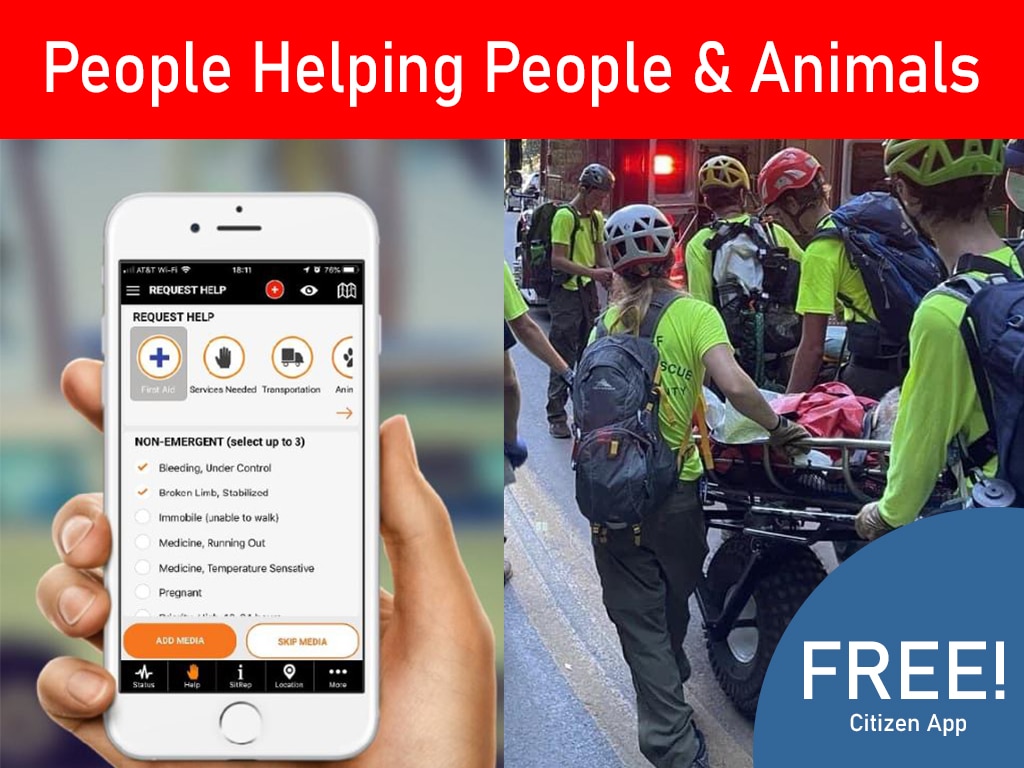
While traditional alerts send one-way messages, PubSafe creates a two-way street for communication. It’s a platform that connects you directly with your community, including public safety agencies, NGOs, and volunteer teams like CERT. You can report an incident as it happens, request assistance, or offer help to your neighbors. This real-time coordination means that during a disaster, everyone can share information and resources efficiently. It’s more than just an alert; it’s a collaborative tool that empowers communities to work together when it matters most. By joining, you become an active part of your area’s response effort.
How Wireless Emergency Alerts (WEA) Work on Your Phone
You’ve probably received these before. Wireless Emergency Alerts, or WEAs, are the urgent text-like messages that pop up on your phone for things like AMBER Alerts or extreme weather warnings. You don’t need to sign up or download an app to get them. They are sent automatically to any capable phone in a specific geographic area where there’s an imminent threat. Think of it as a safety broadcast from the country’s wireless providers, designed to reach as many people as possible in a crisis. These alerts are a crucial first line of defense, giving you a heads-up to take immediate action.
What a WEA Message Looks and Sounds Like
A Wireless Emergency Alert is designed to be impossible to miss. These alerts look like text messages, but they come with a unique, loud sound and a special vibration pattern that repeats twice. This is done intentionally to make sure you notice it immediately, distinguishing it from a regular notification. You don’t have to sign up for them; they are broadcast to all capable phones within a targeted geographic area. The goal is to provide a clear, concise warning about an imminent threat, giving you just the essential information you need to take action. You can learn more about the different types of emergency alerts and what they mean directly from the federal government’s preparedness site.
Troubleshooting: Why You Might Not Be Receiving Alerts
If you’re not getting WEAs when others around you are, there are a few things you can check. First, look in your phone’s settings. The alerts might be turned off. Search for “Emergency Alerts” or “Government Alerts” in your notification settings and make sure they are enabled. Also, keep in mind that older phones may not be WEA-compatible, and your device needs to be connected to a 4G or 5G network to receive them. It’s also a good idea to ensure your phone’s software is up to date. Since WEAs are just one part of a good safety plan, consider adding a community-based tool like the PubSafe app to get more localized reports and stay connected with your neighbors.
A Closer Look at Local Systems: CodeRED and Smart911
While WEAs are automatic, many local communities offer their own opt-in alert systems for more specific information. Services like CodeRED and Smart911 are used by local officials to send targeted messages about situations that might not trigger a national WEA, such as a water main break, road closure, or a localized evacuation order. To receive these alerts, you typically need to sign up online and provide your contact information. This allows you to get updates via phone call, text, or email. Taking a few minutes to sign up for alerts from your local municipality ensures you receive the detailed, neighborhood-specific information you need to stay safe.
Nixle, CodeRED, and Other Opt-In Services
While WEAs are automatic, many local communities offer their own opt-in alert systems for more specific information. Services like CodeRED, Nixle, and Smart911 are used by local officials to send targeted messages about situations that might not trigger a national WEA, such as a water main break, road closure, or a localized evacuation order. To receive these alerts, you typically need to sign up online and provide your contact information. This allows you to get updates via phone call, text, or email. Taking a few minutes to register with your local municipality ensures you receive the detailed, neighborhood-specific information you need to stay safe. These systems are a key part of a comprehensive emergency management platform that keeps communities connected.
What Kind of Information Do Local Alerts Provide?
When an emergency strikes, getting timely and accurate information is one of the most important things you can do to stay safe. That’s where local emergency alerts come in. Simply put, local emergency alerts are official notifications sent by your city or county officials to inform you about immediate threats. These could be anything from severe weather like tornadoes or floods to other public safety issues, such as a chemical spill or a missing person report. This information is critical because it comes directly from the authorities managing the response. It provides actionable instructions, like “evacuate now” or “shelter in place,” that are specific to your location. This official guidance, combined with real-time community updates, helps everyone work together effectively during a crisis.
Authoritative Weather Alerts from FEMA and NOAA
For broader coverage, national platforms offer reliable information directly from federal agencies. The official FEMA app is a great tool to have on your phone. It lets you receive real-time weather and emergency alerts from the National Weather Service for up to five different locations, which is perfect for keeping an eye on family members in other areas. It can also help you find nearby emergency shelters. For a more traditional approach, the NOAA Weather Radio is a nationwide network of radio stations broadcasting continuous weather information. Having a special receiver for these broadcasts ensures you can get warnings even if cell service or power goes out.
NOAA Weather Radio: A Dedicated Alert Device
Think of the NOAA Weather Radio All Hazards (NWR) as a dedicated hotline for emergency information. It’s a network of radio stations across the country that constantly broadcasts weather information, like warnings and forecasts, directly from your nearest National Weather Service office. Because it requires a special receiver, it’s a reliable backup when power outages or cell service disruptions knock out other communication lines. Many of these radios are battery-operated, making them an essential part of any emergency kit. The system also shares alerts for non-weather emergencies, like national security threats, through the EAS, giving you a broad spectrum of warnings from a single, dependable source.
The FEMA App: Preparedness in Your Pocket
For a powerful preparedness tool that fits in your pocket, the official FEMA app is an excellent choice. It allows you to receive real-time weather and emergency alerts from the National Weather Service for up to five different locations. This feature is perfect for keeping tabs on the safety of family and friends who live in other areas. Beyond alerts, the app is packed with useful resources. It can help you find nearby emergency shelters and provides safety tips for various disasters. While the FEMA app provides official top-down information, it works well alongside community platforms that allow for two-way communication and real-time coordination among neighbors.
The Emergency Alert System (EAS): Beyond Your Phone
You’re likely already familiar with the Emergency Alert System (EAS)—it’s the national warning system that interrupts TV and radio programs with that distinct, attention-grabbing tone. While it’s designed to let the President speak to the entire country within 10 minutes during a national emergency, its use is much broader. Federal, state, and local officials use it to issue warnings for everything from severe weather and AMBER alerts to local, non-weather emergencies. The EAS is built to be resilient, serving as a critical communication channel even when other systems might be down. It’s a fundamental part of the nation’s alert infrastructure, ensuring that life-saving information can be broadcast widely.
How to Sign Up for Local Emergency Alerts
Getting timely information during an emergency is critical. Signing up for local alerts is a straightforward process that ensures you receive official updates directly from your community leaders and first responders. Here’s how to get it done in three simple steps.
Step 1: Find Your Community’s Alert System
First, you need to figure out which alert system your community uses. Most towns and counties have an official system to send out critical information. A quick search on your local government or emergency management agency’s website should point you in the right direction. You’ll often find a dedicated page with a name like “Emergency Alerts” or “Community Notifications.” Many areas use platforms like CodeRED, but your community might have a different provider. Taking a few minutes to identify your local system is the essential first step to staying informed when it matters most.
Step 2: Register Online or With an App
Once you’ve found your local system, it’s time to sign up. Most services let you register directly on their website or by downloading a mobile app. You’ll need to provide your contact information, including your address, phone number, and email. This allows the system to send you location-specific alerts. You can usually choose how you want to receive notifications, whether by phone call, text message, or email. While you’re setting up alerts, consider how your organization can also contribute to community safety. Platforms like PubSafe allow organizations to register and coordinate response efforts, creating a more connected and resilient community.
Step 3: Turn On Wireless Emergency Alerts on Your Phone
In addition to your local opt-in system, make sure Wireless Emergency Alerts (WEA) are turned on for your mobile phone. You don’t need to sign up or download anything to receive these. WEA messages are sent automatically by authorized government agencies to all capable phones in a specific geographic area during an emergency. They provide an important safety net, especially if you’re traveling or away from home. You can usually find the WEA settings under “Notifications” on your smartphone to confirm they are enabled. These alerts cover imminent threats like extreme weather, AMBER Alerts, and presidential alerts during a national emergency.
How to Find Past Alerts on Your Phone
It’s easy to accidentally dismiss an alert before you’ve fully read it. Thankfully, you can usually find it again. Reviewing past notifications is a great way to double-check instructions or get a better sense of the warnings your area receives. On an iPhone, just swipe up from the middle of your lock screen or swipe down from the top center of any other screen to see your notification history. For Android users, the process is a little different. Open your phone’s settings and search for ‘Emergency alerts,’ then select ‘Wireless emergency alerts’ to find a list of recent messages. Knowing how to access this history ensures you never miss critical information, even after the initial notification is gone.
How to Customize Your Alert Preferences
Signing up for local alerts is a great first step, but tailoring them to fit your life is what makes them truly effective. When you customize your preferences, you get the information you need without the extra noise. This helps you stay aware and prepared, ready to act for yourself, your family, and your community. By choosing how and when you’re notified, you can turn a flood of information into a manageable stream of actionable advice.
Text, Email, or Call? Pick Your Notification Style
Most alert systems let you choose how you receive important news. You can typically select text messages, phone calls, emails, or mobile app notifications. Think about which method you’re most likely to see immediately. If you often ignore unknown callers, a text message might be a better option. If you prefer a detailed record of alerts, email can be a great choice. Modern platforms like the PubSafe app use app notifications for instant updates, which is perfect for sharing real-time information. The key is to pick the channel that works best for you.
Set Your Location and Choose Your Alert Types
To make your alerts as relevant as possible, be specific about the locations you care about. Most systems allow you to register multiple addresses, so you can get notifications for your home, workplace, and your children’s school. This is incredibly helpful for coordinating with family when an emergency occurs. You can also fine-tune the types of alerts you receive, like severe weather or road closures, while opting out of others. This control helps you focus on what directly impacts your safety and make better decisions when it matters most.
How to Avoid Alert Fatigue
It’s easy to feel overwhelmed if your phone is buzzing constantly. This “alert fatigue” can cause people to start ignoring important messages. To avoid this, check if your alert system lets you set your notification frequency. You might be able to choose immediate alerts for life-threatening situations and less frequent updates for general advisories. For a broader view without constant pings, you can also use tools like PubSafe’s public map. This lets you check on local incidents on your own time, giving you more control over how you receive information.
Accessibility Features for Emergency Alerts
Ensuring that emergency alerts reach everyone is a top priority for public safety officials. Many systems are designed with accessibility in mind, offering features for individuals with disabilities or specific needs. This can include text-based alerts for those who are deaf or hard of hearing, or high-contrast visuals and audio descriptions in mobile apps. But accessibility goes beyond just technology; it’s about community. A truly inclusive system recognizes that some neighbors may need extra help. This is where a connected community becomes a powerful safety tool. When you’re part of a network, you can coordinate help for elderly residents, check on those with mobility challenges, or simply make sure the family next door got the message, creating a safety net that covers everyone.
Making Your Emergency Alerts Work for You
Signing up for alerts is a fantastic first step, but a little maintenance goes a long way in making sure these systems work for you when it matters most. Once you’re registered, you can fine-tune your settings and adopt a few simple habits to stay informed without feeling overwhelmed. Think of it as a quick check-up for your safety plan. These tips will help you manage your alerts effectively so you get the right information at the right time, every time.
Don’t Miss an Alert: Keep Your Info Up to Date
This might seem obvious, but it’s one of the most common reasons people miss critical alerts. If you move, change your phone number, or start using a new email address, your old contact information won’t do you any good. Signing up ensures you get important messages quickly, which helps you know what to do to protect yourself and your family. I recommend setting a recurring calendar reminder every six months to a year. Just take five minutes to log into your alert systems and confirm your details are correct. This simple step ensures that when an alert goes out, it actually reaches you.
Layer Your Alerts for Maximum Safety
Technology is great, but it’s never foolproof. That’s why experts suggest using several tools together. Relying on a single source for information leaves you vulnerable if that system goes down or you miss the notification. It’s good to have other ways to get emergency alerts, such as a NOAA Weather Radio, local news, or other emergency apps. A layered approach is your best bet. For example, you might have WEA enabled on your phone, be signed up for your city’s text alerts, and use the PubSafe app to connect with your community and get real-time incident reports. This way, if the power goes out and you can’t watch the news, your phone will still buzz with the information you need.
Are Emergency Alerts Private? A Look at Your Data
It’s completely normal to wonder where your information is going. When it comes to privacy, it helps to know how different systems work. For instance, Wireless Emergency Alerts (WEA) are broadcast from cell towers to all phones in a specific area, much like a radio signal. The system doesn’t know who you are or track your exact location. Plus, you won’t be charged for WEA messages, and they don’t count against your text message limits. For opt-in systems and community platforms, your information helps deliver alerts relevant to your location and allows for better volunteer coordination during a crisis. Reputable platforms are designed to protect your privacy while keeping you safe.
How Alert Systems Handle Your Personal Information
When you sign up for an official alert system, your information is used for one reason: to keep you safe. These platforms, especially those that are part of FEMA’s Integrated Public Alert & Warning System (IPAWS), follow strict privacy guidelines. Your data won’t be sold to third parties or used for marketing. The address you provide ensures you get warnings relevant to your home, and your phone number ensures you get the message. On community platforms like PubSafe, this information is also vital for coordinating response teams and volunteers effectively, connecting help to where it’s needed most. It’s a secure way to turn your personal information into a life-saving tool for your entire community.
Making Alerts a Core Part of Your Safety Plan
Signing up for alerts is a great first step, but integrating them into a solid plan is what truly makes a difference. When an emergency message arrives, you want your next steps to be automatic, not panicked. This is where planning comes in. By discussing potential scenarios and actions with your family and neighbors ahead of time, you turn information into a coordinated response. Think of alerts as the starting gun for a race you’ve already practiced for. They give you the critical head start you need to get to safety, check on others, and contribute to your community’s resilience.
Create an Action Plan for Your Family
Receiving an alert is only half the battle; knowing what to do next is what keeps everyone safe. Make alerts a central part of your family’s emergency plan. When you sign up, sit down with your household to discuss what each alert means and how you will respond. For a tornado warning, does everyone know the safest room? For a flood watch, have you reviewed your evacuation route? Signing up means you get these important messages quickly, which helps you protect your family. Practice your plan so a moment of crisis becomes a series of clear, manageable steps.
Spread the Word: Get Your Neighbors to Sign Up
A prepared community is a strong one. Once your household is set, talk to your neighbors about signing up for local alerts. Not everyone knows these services exist, and a friendly reminder can make a huge difference. You could bring it up at a block party, share a link in a neighborhood group, or help an older resident register on their phone. When more people get timely warnings, the entire area is safer. You can also use the PubSafe Public Map to see what’s happening nearby, creating a shared awareness that strengthens your community’s response.
Go a Step Further: Report Incidents with PubSafe
Official alerts cover large-scale threats, but what about a downed power line on your street or a neighbor who needs help? This is where you can shift from receiving information to sharing it. With the PubSafe app, you become an active part of the solution by reporting an incident in real time. Your report alerts neighbors and official teams to localized issues they might not see yet. Beyond reporting, PubSafe connects you with volunteer organizations and CERT teams for real-time coordination. By adding PubSafe to your emergency toolkit, you’re not just waiting for instructions; you’re helping create a safer outcome for everyone.
Related Articles
- Reliable Emergency Alert System For Communities
- Emergency Communication Solutions for Local Government | PubSafe
- Improve Emergency Response in Local Government: Practical Strategies | PubSafe
Frequently Asked Questions
What’s the difference between the alerts I get automatically and the ones I have to sign up for? The alerts that appear on your phone automatically, known as Wireless Emergency Alerts (WEA), are sent to everyone in a specific geographic area for major threats like a hurricane or an AMBER Alert. The alerts you sign up for come directly from your local city or county. These are often more specific, giving you details about things like road closures, boil water advisories, or localized evacuation notices that are relevant to your specific neighborhood.
How is a platform like PubSafe different from a standard emergency alert system? Think of standard alerts as a one-way announcement from officials to you. PubSafe, on the other hand, creates a two-way street for communication. It connects you with your neighbors, volunteer teams, and public safety agencies in real time. Instead of just receiving a warning, you can report an incident, request assistance, or see where help is needed nearby, making you an active part of the community’s response.
I’m worried about getting too many notifications. Can I control what alerts I receive? Yes, absolutely. This is a common concern, and most local opt-in systems are designed to give you control. When you register, you can typically choose the types of alerts you want to receive, such as severe weather warnings but not traffic updates. You can also select how you get them, whether by text, email, or phone call, so you only get the information that is most important to you.
Is my personal information safe when I sign up for these alert systems? Reputable alert systems are designed with privacy in mind. Your information is used to ensure you receive alerts that are relevant to your location, like your home or office. It’s important to know that WEAs, the automatic alerts, are anonymous and don’t track you at all. For local systems you sign up for, your data is used by emergency officials to keep you safe and coordinate help effectively.
Why should I sign up if I can just check the news or social media during an emergency? While news and social media can be useful, official alerts are faster, more direct, and more reliable. They come straight from the emergency management officials who are handling the situation on the ground. This means you get verified, actionable information without the delay or potential misinformation that can spread online. During a crisis, getting accurate instructions immediately can make all the difference.