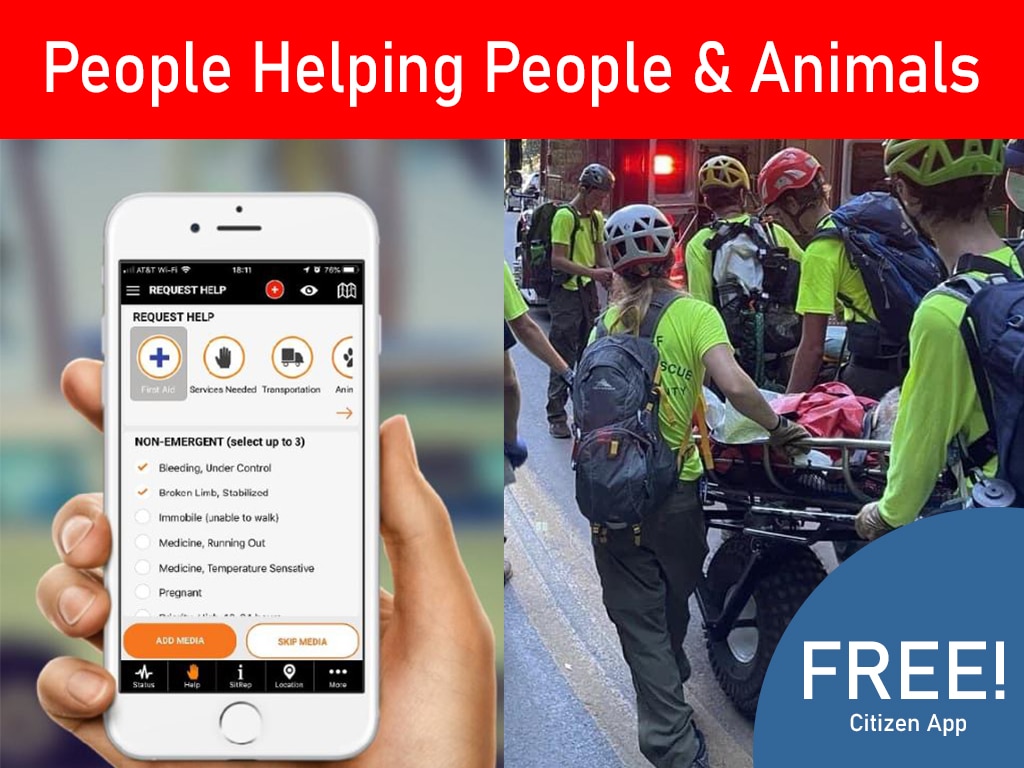
Volunteer responders lose precious time when field reports, team locations, and needs updates live in separate message threads. A shared field view turns scattered updates into decisions.
Prepare your organization for coordinated response: register your organization with PubSafe.
A common operating picture for NGOs and CERT teams is a shared, current view of incidents, people, resources, risks, and actions. It pulls mobile incident reports, status checks, location updates, and assignments into one picture volunteers and coordinators can use together. During daily readiness and emergency operations, that view helps a team verify needs, deploy available help, track unresolved reports, and hand off clear updates. Research on emergency operations notes that response assets across agencies can complicate synchronization and communication during lifesaving work (PubMed). For volunteer-led groups, a useful picture is timely, trusted information showing who needs help, who can respond, and what changed. It supports briefings and shift changes.
The practical question is how a small volunteer-led group builds that view without burying people in extra reporting. The starting point is a clear field definition, followed by simple data, status and reporting habits that responders can use under pressure.
Common operating picture for NGOs and CERT teams: the field definition
For volunteer-led operations, a common operating picture for NGOs and CERT teams is not just a map or dashboard. It is the shared, current view of needs, hazards, people, assignments, and open requests used during a response. This guide focuses on building that workflow, rather than repeating the basic definition.
A working field record
A COP begins when field reports follow one intake path. An NGO lead may see shelter needs, donated supplies, and partner requests. A CERT coordinator may track welfare checks, blocked roads, team locations, and urgent hazards. Both need the same verified entries, not separate message threads or private notes.
Each entry should answer simple questions: what happened, where, when, who reported it, and what action is pending? Use clear status labels, such as new, assigned, verified, resolved, or closed. If details change, update the record while preserving what was first reported.
One view for different roles
A shared view does not mean every team does the same job. The NGO lead can match needs with supplies or partner support. The CERT coordinator can assign local checks and flag hazards. Their decisions stay aligned because both roles see the same verified reports and status changes.
This matters when more response assets enter an incident. A published emergency management review notes that more assets across agencies make synchronization and communication harder during lifesaving operations. It also examines ways to maintain a common picture when communications fail. Read the emergency communications review for that field context.
From reports to action
In practice, a field COP needs a short cycle: collect a report, check key details, assign action, update status, and share changes. A report is useful only when the next person can act on it. Keep ownership clear, and mark unknown details for follow-up instead of treating them as confirmed.
The workflow should work during planned events and active emergencies. Teams can practice with routine service requests, then use the same habits when the pace rises. A platform for volunteer-led disaster response can support this process when it keeps field reporting, task updates, and shared awareness connected.
What information belongs in a volunteer response COP?
Minimum incident picture
A common operating picture for NGOs and CERT teams should answer a short set of field questions. Where is the incident, what happened, how serious is it, and what help remains unmet? Log people needing help and animals needing care when the mission includes them. Add hazards, access limits, photos, and the time of each report.
This shared view should also show who can act. Record team availability, responder check-ins, current assignments, needed resources, and any status change. Research on disaster communications states that emergency managers need a common picture for safe, coordinated operations.
Decision-useful fields
Each field should help a lead assign work, reduce risk, or confirm progress. A map pin without a time or status can mislead the team. A photo without a location or hazard note may add clutter. PubSafe supports incident monitoring, volunteer coordination, and SITREP creation in its web portal. Its mobile app supports real-time status updates and location sharing for incident reports.
| COP field | Decision it supports | Keep it concise |
|---|---|---|
| Location and incident type. | Route the right team. | Pin, address, category. |
| Severity and unmet need. | Set priority. | Urgency and requested help. |
| People or animals affected. | Match aid safely. | Count only when needed. |
| Responder status and assignment. | Avoid gaps or overlap. | Available, assigned, complete. |
| Hazards and access. | Protect responders. | Clear warning and route note. |
| Photos, time, and changes. | Verify current conditions. | Timestamp every update. |
For a volunteer workflow, see PubSafe’s platform for volunteer-led disaster response. The useful screen is not the fullest screen. It lets a coordinator see new needs, available help, open hazards, and completed work.
Privacy and update discipline
Use only information needed for the response. Avoid public notes with full names, health details, contact details, or exact household details unless approved procedures require access. Use a case reference or general need label when that is enough. Set viewing rules before an incident, then keep sensitive data away from public map layers.
Agree on a few status labels, such as new, assigned, in progress, resolved, and unable to reach. Give each report an owner and a timestamp. When conditions change, update the first record instead of starting a second thread. Teams using mobile incident reporting and volunteer coordination can focus their COP on updates that drive the next safe action.
How should teams share status without creating noise?
A common operating picture for NGOs and CERT teams stays useful when updates answer key questions. What changed, who owns it, and what happens next? A set reporting pattern keeps volunteers informed without filling the feed with repeats.
Reporting roles and update triggers
Start each shift with one operations lead and one reporting lead. The operations lead assigns field work. The reporting lead checks new reports and posts the shared status. Volunteers should report changes, not routine activity that is already visible.
- Assign owners at the start. Name a lead, reporting contact, and backup for each operating period. Give each field assignment one accountable owner.
- Set simple status labels. Use assigned, en route, on scene, needs support, complete, and unable to complete. A short note can add the need or outcome.
- Post on a clear trigger. Update when a task changes status, safety conditions change, a new need appears, or support is needed. Do not post again with no new information.
- Run scheduled check-ins. Ask active teams to check in at an interval chosen by the incident lead. Missed check-ins should prompt a direct follow-up.
- Publish a brief SITREP. At each handoff, summarize open needs, completed assignments, safety issues, and next priorities. Keep detail in incident records, not in group chat.
Check-in rhythm and escalation
Shared reporting works best when teams use the same terms and record the same basic fields. Research on emergency preparedness data exchange describes the need for standard information sharing. A simple template can include location, need, team, status, time, and next action.
Escalation rules should be set before deployment. Escalate at once for threats to life, responder safety issues, missing teams, blocked access, or unmet resource needs. A platform for volunteer-led disaster response gives teams one place to track incident reports, assignments, and SITREPs.
Clear updates for every shift
During a busy response, the feed should support decisions, not demand constant reading. Use direct messages for small corrections. Use the shared view for changes that affect assignments, safety, or resource needs. Mark completed work so incoming volunteers do not repeat it.
Organizations planning a common reporting process can see how PubSafe works for incident reporting, volunteer coordination, and status tracking. A short practice exercise can test labels, check-in times, escalation routes, and the handoff SITREP before a real event.
Why do mobile incident reports change decisions?
From field observation to usable record
For a volunteer team, a mobile report is more than a message saying help is needed. A structured report can place the incident on a map, mark the time, and show its type and severity. A photo, when safe and useful, can show blocked access, damage, or unmet needs.
That structure gives leaders the same basic facts at the same time. Instead of sorting separate texts and calls, they can review reports in one queue. Teams can set a shared routine with PubSafe’s incident reporting guidance before an activation begins.
A useful field report starts with what the team can verify on scene. It records a location, report time, category, severity level, and a short plain-language note. When photos add context, responders should capture them without delaying care or putting people at risk.
Priorities based on current field details
A common operating picture for NGOs and CERT teams depends on reports that can be compared. A high-severity welfare check can appear beside debris, supply, and shelter reports. This view does not replace human judgment. It gives coordinators a clearer basis for assignments and follow-up calls.
Routing matters after a report arrives. The lead needs to know who received it, whether action started, and whether the need is closed. This view helps the team focus on unresolved urgent work. It also reduces confusion when several volunteers report the same event.
Good practice starts before a storm, event, or search. During an exercise, teams can agree on categories and what each severity level means. They can also decide who reviews new reports and who confirms resolution. A shared method keeps field details easier to scan when pressure rises.
Reporting when networks are strained
Mobile tools support prompt reporting when data service is available. Yet disaster communications cannot rely on one connection path. Research indexed by the National Library of Medicine notes communication gaps during disaster response. It also discusses satellite technology as one way to support coordination.
Teams should plan for lost or limited data networks before deployment. Keep radio or other backup communications ready. Maintain paper report procedures for outages, with space for time, location, severity, and action taken. When service returns, staff can enter key paper reports and mark the original source.
Field staff also need access to the reporting tool during drills and real events. PubSafe provides an app download page for teams preparing mobile workflows. Practice should cover categories, photo safety, backup steps, routing, and how resolved items are recorded.
How can NGOs and CERT teams implement a COP?
Roles and information needs
A common operating picture for NGOs and CERT teams starts with decisions, not screens. During blue skies, list routine information needs: volunteer availability, training needs, partner contacts, and open requests. During gray skies, add hazards, urgent needs, locations, and next actions.
Name a role for every data handoff. Field volunteers may submit observations; a duty lead verifies reports before a shared map or SITREP changes. Set access rules for personal data and sensitive locations before activation.
Create a role card for the coordinator, report reviewer, field lead, and partner liaison. Each card should define access, backup cover, and the trigger for escalation. New volunteers can then see where facts go and who approves action.
Reporting and verification standards
Use one short template across web forms, calls, and messages. Capture what happened, where, when, who reported it, current needs, hazards, and verification state. Keep the terms clear enough for a new volunteer to use.
Partners need the same meaning for the same report fields. Research on emergency preparedness data exchange treats semantic interoperability as a key part of shared emergency information. Define location formats, status terms, and resource names before information begins to move.
Use simple labels such as new, pending review, verified, assigned, resolved, and closed. Require a source, time stamp, and owner before a report reaches verified status. Review a platform for volunteer-led disaster response against this workflow, instead of adapting the process after launch.
Do not hide doubt or missing details. A visible pending status lets leaders judge a report’s limits, while reviewers seek a second source. That practice protects the shared picture from unchecked updates.
Exercises and improvement cycles
Test the COP during outreach days, trainings, and planned events. These blue-sky uses let volunteers practice check-ins, map reading, shift changes, and handoffs without incident pressure. Assign an evaluator to note unclear roles and reports that cannot be confirmed.
During gray-sky incidents, keep the same fields and role names. Add short briefings at set times to check safety issues, resource gaps, priorities, and stale reports. Familiar steps make fast coordination easier when volunteers are under stress.
After each activation, compare reports with messages, calls, and partner records. Record items that were late, unclear, repeated, or never verified. Then update access, training, or reporting rules and test each change during the next drill.
Start with one team and one reporting flow. An organization ready to set roles and test a shared workflow can register an organization and plan its first exercise. Scale after team leads can verify reports and explain the current picture during a handoff.
From blue skies to gray skies: keep the picture current
Blue-sky readiness routines
A common operating picture for NGOs and CERT teams starts before weather worsens or calls for help arrive. Use calm periods to train team leads on reporting, map review, task assignment, and handoffs. Each drill should test who updates status, who checks reports, and who resolves gaps.
Build onboarding around the information a new volunteer will share and receive. Cover reporting rules, check-in steps, location sharing choices, safety limits, and the route for urgent issues. PubSafe supports incident reporting, volunteer coordination, and situational awareness. Practice should mirror the same workflow used during response.
Resource checks keep the picture useful. Review volunteer availability, team roles, kits, charging plans, contact methods, staging points, and known access limits on a set schedule. A short readiness review can reveal old records before an incident makes them harder to correct.
Gray-sky operating habits
During an incident, set a steady reporting rhythm. Ask field teams for brief updates on needs, hazards, assigned work, and completed tasks. Keep unconfirmed reports marked as pending until a lead reviews them. This keeps decisions tied to current information, rather than chat threads or old notes.
Communication can fail when conditions are hardest. Research on emergency management describes wireless and satellite communication gaps in maintaining a shared picture during disasters. Response leads should prepare backup reporting paths and check-in rules before they are needed. See the emergency communications research for context.
Mobile field reports can help teams update incidents and volunteer status while work is underway. For teams building this routine, PubSafe supports mobile incident reporting and volunteer coordination. Set rules for brief updates that a coordinator can review fast.
After-action updates
The operating picture should improve after each exercise or incident. Hold an after-action review while details are fresh. Ask what information arrived late, which resource records were wrong, and where volunteers lacked clear direction. Then update forms, role lists, training notes, and reporting rules before the next activation.
Organizations planning a repeatable readiness and response workflow can register an organization with PubSafe. Use setup time to define roles, train volunteers, and test reporting habits. Establish review steps for both blue-sky drills and gray-sky operations.
Frequently Asked Questions
How can NGOs and CERT teams implement a common operating picture?
Start with a short list of shared fields: incident type, location, time, needs, resources, status, and assigned lead. Choose one reporting channel and set update intervals for routine and urgent events. Train volunteers to submit mobile reports using the same terms. Assign one coordinator to confirm updates, remove duplicates, and publish the current view for the whole team.
What information is typically included in a common operating picture?
A common operating picture usually shows confirmed incidents, affected locations, hazards, responder availability, resource requests, open assignments, and priority changes. For volunteer-led groups, it should also track check-ins, welfare needs, shelters, road access, and report timestamps. Each item needs a source and verification status, so responders can distinguish observed facts from requests, estimates, or unconfirmed updates.
What role does GIS play in a common operating picture?
GIS places reports on a map so teams can see where incidents, hazards, shelters, blocked routes, and available volunteers overlap. A map can reveal coverage gaps faster than a message thread alone. Location data still requires careful verification and privacy controls. Teams should share only the location detail needed for response tasks, especially when reports involve homes or vulnerable people.
How does a common operating picture improve emergency response times?
A common operating picture reduces time spent reconciling separate texts, forms, maps, and spreadsheets. Responders can see priorities, task ownership, and recent changes in one current view. It also supports coordination among several response groups, a challenge identified in research on disaster communications and lifesaving operations by PubMed. Faster decisions still depend on timely, accurate field reporting.
Ready to coordinate every volunteer response?
When status updates stay scattered across texts, calls, paper notes, and mobile apps, leaders lose time confirming needs, assignments, locations, and changing field conditions. Waiting until an activation begins may leave volunteers learning reporting steps during a live response, while coordinators are already handling choices and incoming requests. Starting now gives your organization time to set update routines, assign reporting responsibilities, practice mobile submissions, and correct key workflow gaps before the next incident.
Do not let the first field report reveal missing visibility when volunteers and leaders need a clear way to share status quickly. Ready to contact PubSafe? Register your organization with PubSafe to coordinate volunteers and incident reporting with PubSafe.
A common operating picture depends on connected deployment and reporting workflows: CERT deployment tracking, and CERT incident reporting software.