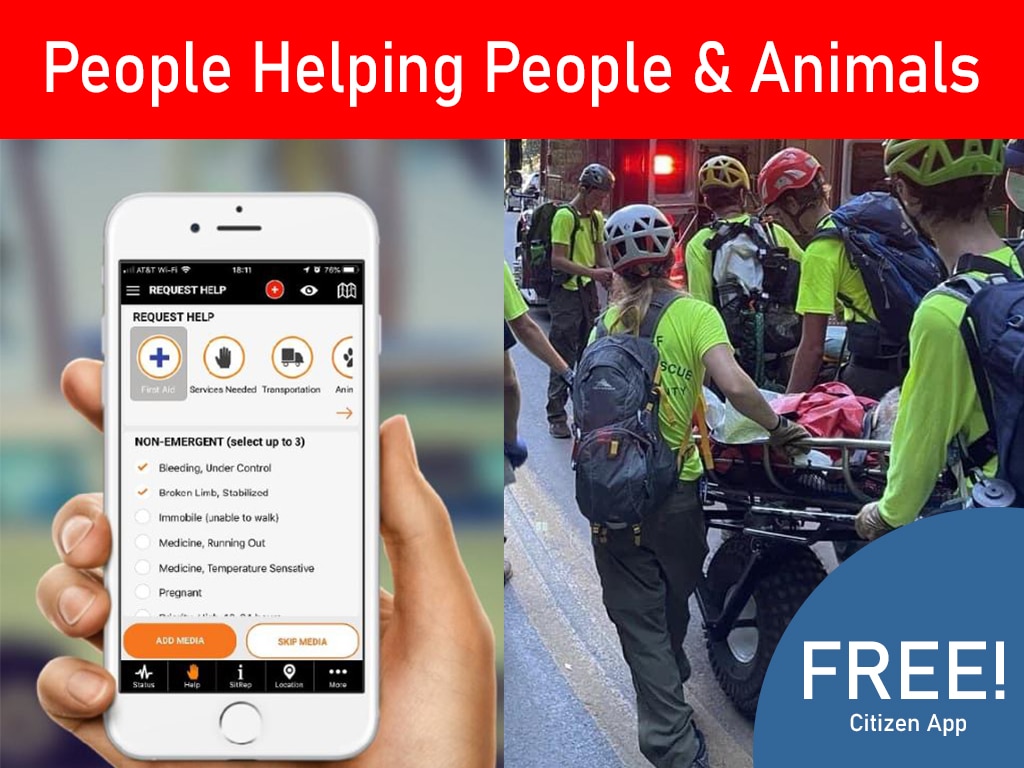
A disaster response is a team sport, often involving public safety agencies, NGOs, and community volunteer teams working side-by-side. The biggest challenge is often keeping all these different groups synchronized. A Common Operating Picture (COP) is the solution that bridges these communication gaps. It creates a shared space where every organization can see the same information, share updates, and coordinate their actions seamlessly. So, what is a common operating picture in a multi-agency context? It’s the foundational tool that turns a collection of separate efforts into a single, unified force, ensuring everyone is working together toward the same goals.
For CERT teams, local NGOs, and community-based response organizations, a COP is also a practical way to coordinate volunteers without losing sight of the wider emergency. The same shared map that helps an emergency manager assign resources can help a CERT coordinator confirm member availability, track field assignments, document damage reports, and keep partner agencies informed.
Key Takeaways
- Establish a single source of truth: A Common Operating Picture combines all critical data, like incident reports and team locations, into one shared, live map. This ensures everyone from command staff to volunteers is working from the same information, which eliminates confusion and conflicting reports.
- Improve resource and team coordination: With a clear, visual overview of the entire situation, you can make smarter decisions about where to send people and supplies. This visibility helps you manage resources effectively, prevent duplicated efforts, and streamline collaboration between different agencies.
- Prioritize training and collaboration: The most effective COP is one your team actually uses. Success depends on consistent training, realistic simulations, and clear data-sharing agreements with partner organizations to ensure everyone is prepared to work together before a crisis occurs.
What is a Common Operating Picture (COP)?
Imagine you’re in the middle of a crisis response. Your team is on the ground, another is managing resources, and community volunteers are reporting in. How do you make sure everyone is looking at the same map and working from the same information? That’s where a Common Operating Picture, or COP, comes in. A COP is a single, shared view of an event that everyone involved can see in real time. Think of it as a live dashboard for an emergency. It pulls together all the critical information like maps, team locations, incident reports, and available resources into one easy-to-understand display.
This isn’t a static map you print out; it’s a dynamic tool that updates continuously as the situation changes. The main purpose of a COP is to give leaders and responders a complete and accurate understanding of what’s happening, so they can make quick, effective decisions. By creating a shared reality, a COP ensures that every action taken is coordinated and based on the most current data available. It breaks down the communication silos that can form between different agencies or teams during a chaotic event. Everyone, from the incident commander to the volunteer on the street, can access the same core information tailored to their role. PubSafe’s own public map is a great example of how this information can be visualized for everyone from professional responders to the general public, creating a true community-wide operating picture.
Why You Need a Single Source of Truth
During an emergency, confusion is the enemy. When teams operate with different or outdated information, efforts get duplicated, resources are wasted, and response times slow down. This is why having a single source of truth is so critical. The primary goal of a COP is to establish what experts call “situational awareness,” which is simply a clear, real-time understanding of the entire situation. Without a central hub for information, organizations can easily lose track of assets and personnel. A COP eliminates this guesswork by ensuring everyone, from command staff to field teams, is looking at the same facts. This alignment makes planning more effective and keeps the entire response effort synchronized.
The Goal of a Unified View
A unified view takes the single source of truth a step further. It’s not just about having all the data in one place; it’s about integrating it to reveal the bigger picture. A COP pulls information from many different sources, like citizen reports submitted through an app, GPS locations of your teams, and status updates on shelters or supply depots. It then presents this information in a cohesive way, often on a map. This allows you to see how different pieces of the puzzle fit together. For example, you can see where incidents are clustered, where your teams are in relation to those incidents, and where resources are most needed. This strategic overview has completely changed how disaster response is coordinated, turning fragmented data into actionable intelligence.
How a COP Improves Situational Awareness
Situational awareness is just a formal way of saying you know what’s going on around you. During an emergency, having a clear and accurate understanding of the situation is everything. It’s the difference between a coordinated, effective response and a chaotic one. A Common Operating Picture (COP) is the tool that provides this clarity. It pulls together all the moving parts of an incident into a single, shared view so everyone involved, from command staff to teams in the field, can see the same information at the same time.
Think of it as the ultimate team dashboard for disaster response. Instead of relying on fragmented radio updates, conflicting text messages, or outdated paper maps, a COP gives you a live, comprehensive view of the entire operational environment. This includes the location of reported incidents, the status of your resources, and the precise positions of your team members. By creating this single source of truth, a COP helps teams understand the big picture, anticipate what might happen next, and make smarter, more informed decisions when every second counts. This is the core of how PubSafe works to connect communities and first responders during a crisis.
Unify Fragmented Data
In any crisis, information comes from dozens of different places. You might have official reports from first responders, damage assessments from field teams, requests for help from citizens, and updates from neighboring agencies. Without a COP, this data lives in separate silos, making it nearly impossible to see the full picture. One team might know about a blocked road, while another only knows about a medical emergency a block away, without realizing the two are connected. For a look at how a shared COP translates into real coordination during a disaster, this piece on getting agencies on the same page covers the public-sector use case in more detail.
A COP breaks down these silos. It collects data from multiple sources and merges them into one cohesive and easy-to-understand display. This means a citizen’s incident report can appear on the same map as a fire department’s resource location. This unified view provides immediate access to the facts, giving command staff an integrated understanding of the evolving situation so they can make effective decisions.
Share Information in Real Time
An emergency is a fluid situation. Conditions can change in an instant, and information that’s even a few minutes old can be dangerously out of date. The goal of a COP is to provide real-time situational awareness across all levels of incident management. It’s a continuously updated overview that reflects the reality on the ground as it happens.
This live, shared view ensures that everyone is operating with the most current information available. When a field team marks a hazard on their device, it instantly appears for everyone else using the platform. This eliminates confusion and prevents teams from acting on old intelligence. Whether you’re in a command center or providing aid in the field, you can trust that the information you see on the public map is accurate and up to the minute, allowing for true collaboration.
Speed Up Your Response
When you unify data and share it in real time, the natural result is a much faster response. A COP eliminates the dangerous delays that come from sharing information back and forth between different teams and agencies. There’s no need to spend precious time on the phone or radio trying to explain a location or describe a situation when everyone can see it for themselves on a shared map.
This streamlined communication allows for a rapid, coordinated response when it matters most. Resources can be deployed more efficiently, teams can be rerouted around new hazards, and volunteer coordination becomes much simpler. By removing communication bottlenecks, a COP gives your team the ability to act decisively, saving time, resources, and ultimately, lives.
Key Components of an Effective COP
A truly effective Common Operating Picture is more than just a digital map. It’s a dynamic system built on several core components that work together to create a single, reliable source of truth. When these elements are combined, they transform scattered pieces of information into a clear, actionable view of an emergency. Think of it as the essential toolkit for your command center. Each component plays a specific role, from gathering raw data to enabling seamless teamwork. Understanding these key parts will help you see what makes a COP such a powerful tool for disaster response and coordination.
PubSafe’s emergency management platform brings these components together for teams that need incident reporting, mapping, volunteer coordination, and operational visibility in one place.
Data Integration
The foundation of any good COP is its ability to pull information from many different sources and merge it into one cohesive display. During an emergency, data comes from everywhere: field reports, sensor feeds, weather updates, and citizen alerts. A COP acts as a central hub, collecting this disparate data and presenting it in a unified way. This process gives you immediate access to facts about the operational status, available resources, and evolving threats. Instead of juggling multiple systems, your team can make effective decisions based on a complete and integrated understanding of the situation as it unfolds.
Visualization and Mapping Tools
Raw data is just a collection of facts and figures. To be useful, it needs to be presented in a format that people can understand quickly. This is where visualization and mapping tools come in. An effective COP displays information visually, often on a dynamic map, allowing you to see the location of incidents, resources, and personnel at a glance. The goal is to provide the right information in the right format, matching the workflow of your team. A well-designed public map can instantly show where help is needed most, turning complex data into clear, actionable insights for everyone involved.
Communication and Collaboration Tools
A COP isn’t just a screen for one person to watch; it’s a shared workspace that connects your entire team. That’s why integrated communication tools are essential. These features allow different agencies, volunteer groups, and public safety officials to share information and coordinate their efforts in real time. By having communication built directly into the platform, you can reduce confusion and ensure everyone is working from the same playbook. This seamless flow of information is critical for effective volunteer coordination and helps teams stay aligned, even when they are miles apart.
GIS Integration
Geographic Information Systems (GIS) take mapping to the next level by adding layers of contextual data. Think of it as a smart map. GIS integration allows you to overlay crucial information like infrastructure layouts, demographic data, flood zones, or wildfire risk areas onto your operational map. This provides a much deeper understanding of the environment you’re working in. By integrating GIS, you can see not just what is happening, but why it’s happening in a specific location. This added context helps you anticipate challenges and deploy resources more strategically for a more effective response.
Need a COP your field teams can actually use? PubSafe helps emergency managers, CERT programs, NGOs, and public safety partners collect reports, view incidents on a shared map, and coordinate response activity from one platform. Explore PubSafe for disaster response.
What Software Do You Need for a Common Operating Picture?
The right COP software should do more than display a map. It should collect field reports, show resource locations, support team communication, and make the same operational data available to command staff and field users. For emergency managers and CERT leaders, the most useful platforms are simple enough for volunteers to use but structured enough for multi-agency coordination.
- Incident reporting: Field users need a fast way to submit reports, photos, status updates, and requests for help.
- Shared mapping: Teams need a live map that shows incidents, hazards, available resources, and response activity.
- Team and volunteer management: Coordinators need to know who is available, where they are assigned, and what work has been completed.
- Interoperability: A COP should support collaboration with partner agencies, NGOs, and community organizations without forcing every group into a separate workflow.
- Mobile access: Field teams need access from phones and tablets, not only from a desktop command center.
PubSafe supports this model by combining incident reporting, public mapping, team coordination, and community participation in a platform built for real response environments.
The Technology Behind a Modern COP
A modern Common Operating Picture is much more than a digital map. It’s a living, breathing ecosystem of information powered by sophisticated technology. These tools work together to gather, process, and display critical data, giving your team the clarity needed to act decisively. Understanding the tech that makes this possible helps you appreciate just how powerful a unified view can be. From military-grade awareness kits to artificial intelligence, these components are what transform a simple map into a dynamic command center for any operation.
ATAK and WINTAK
Originally from the military, tools like ATAK (Android Tactical Assault Kit) are specialized apps that create a shared, real-time map for everyone on a team. They show the location of personnel, known hazards, and key assets on one screen. This core idea of a shared tactical map is now essential for disaster response. Modern platforms use these same principles for clear volunteer coordination, ensuring first responders and community teams are all working from the same playbook. This unified view prevents confusion and helps direct efforts where they’re needed most.
AI and Machine Learning
The amount of data during a crisis can be overwhelming. That’s where artificial intelligence (AI) comes in. Instead of just showing what’s happening, AI analyzes data to predict what might happen next. It can process thousands of reports and sensor readings to identify potential supply shortages or forecast where resources will be needed most. This allows your organization to shift from reacting to events to proactively managing them. AI acts as a powerful analyst, helping you spot critical patterns and make smarter, forward-thinking decisions that can save time, resources, and lives.
Mobile and Cloud Solutions
A COP is only effective if your team can access it anywhere. Modern platforms use mobile and cloud technology to put the COP directly into the hands of people in the field. With a simple mobile app, team members can view the shared map, file incident reports, and get updates from any location. This technology also integrates countless data sources, like GIS mapping and weather alerts. By making the COP accessible on the go, you empower every individual to both see the big picture and contribute their piece of it, creating a more complete and accurate operational view for everyone.
Live Video and Surveillance Feeds
Sometimes, a map marker isn’t enough to understand a situation. Live video feeds from drones, traffic cameras, or even a volunteer’s smartphone provide an unfiltered, real-time view of what’s happening on the ground. This visual intelligence is crucial for confirming reports, assessing damage, and planning safe routes for response teams. Integrating live video into your COP adds a layer of undeniable ground truth to the public map, helping commanders make critical decisions with greater confidence. It turns abstract data points into a clear, observable reality, which is vital when every second counts.
Who Uses a COP?
A Common Operating Picture isn’t just for one type of organization. It’s a versatile tool used by any group that needs to make sense of a complex, fast-moving situation. From local emergency crews to international aid organizations, a COP provides the shared understanding necessary for effective, coordinated action. When everyone sees the same map and has access to the same information, teams can work together seamlessly, no matter their specific role or location. This unified view is critical for anyone involved in response efforts where time and accuracy are paramount.
Public Safety and Emergency Management
For public safety and emergency management agencies, a COP is the backbone of their response. Think of police departments, fire services, and emergency medical teams all working from the same playbook during a crisis. A COP gives them a continuously updated overview of an incident, pulling in data from multiple sources to create a single, reliable picture of what’s happening on the ground. This real-time situational awareness allows commanders to make informed decisions, allocate resources where they’re needed most, and ensure every team member, regardless of their jurisdiction, is on the same page. It transforms a chaotic event into a manageable operation.
NGOs and CERT Teams
Non-governmental organizations (NGOs) and Community Emergency Response Teams (CERT) rely on accurate information to deliver aid effectively. For these groups, a COP is the lifeblood of their operations. It answers the critical questions: What is happening, where is it happening, and how is the situation changing? By providing a clear and current picture, a COP helps teams understand the scope of a disaster and the immediate needs of the community. This allows for better volunteer coordination and ensures that resources like food, water, and medical supplies get to the right people at the right time, maximizing their impact.
CERT Deployment and Damage Reporting
For CERT programs, a COP turns volunteer activity into an organized response. Coordinators can see which members are available, assign teams to neighborhoods, track task status, and route damage observations back to the command structure. A tool like PubSafe’s CERT deployment tracking software helps local teams move from informal check-ins to a documented operating picture that emergency managers can use.
Military Operations
The concept of a COP has deep roots in military operations, where it’s used to coordinate complex actions across different commands. A Common Operational Picture provides a single, shared display of critical battlefield information. This includes the locations of friendly and hostile forces, the status of infrastructure like roads and bridges, and other key intelligence. By having this unified view, commanders can synchronize movements, avoid friendly fire incidents, and execute strategies with precision. The same principles that make a COP effective in military settings apply directly to civilian disaster response, where coordinating multiple teams is just as crucial.
Coordinated Disaster Response
Ultimately, the greatest strength of a COP is its ability to support a truly coordinated disaster response. When every organization, from government agencies to local volunteer groups, uses a shared platform, they can collaborate instead of just coexisting. Case studies from major incidents consistently show that a unified view allows all stakeholders to contribute to a more effective response. Everyone is working with the same information, which streamlines communication and supports better collective decision-making. This is how you move from fragmented efforts to a powerful, unified force for good, ensuring a faster and more organized recovery for the entire community.
How Does a COP Help CERT Teams During a Disaster?
A COP helps CERT teams translate local knowledge into coordinated action. During a disaster, volunteers may be checking on neighbors, reporting blocked roads, supporting shelters, documenting damage, or helping with basic logistics. Without a shared operating picture, those updates can scatter across text threads, radio calls, spreadsheets, and handwritten notes.
With a COP, a CERT coordinator can assign teams to priority areas, confirm when tasks are complete, identify where help is still needed, and share verified information with emergency management partners. This improves accountability without slowing volunteers down. It also helps CERT programs show the value of their work after the incident by preserving reports, locations, assignments, and outcomes in one operational record.
The Benefits of Using a COP
Adopting a Common Operating Picture (COP) is about more than just new technology; it’s about fundamentally changing how your team responds to a crisis. When everyone sees the same information, you move from a state of organized chaos to one of coordinated, effective action. A COP provides the clarity needed to protect communities and save lives. Instead of reacting to outdated reports, your team can anticipate needs and respond proactively. This shared view empowers every person, from field volunteers to command staff, to contribute meaningfully to the mission.
Make Faster, Better Decisions
During an emergency, every second counts. A COP gives command staff a single, continuously updated display of tactical and strategic information. This means you no longer have to piece together conflicting reports from different sources. With a clear, integrated understanding of how a situation is evolving, you can make critical decisions with confidence and speed. This unified view is the foundation of an agile response, showing you exactly how PubSafe works to bring all the moving parts of an operation into one clear picture. It transforms raw data into actionable intelligence, allowing you to see the entire field of play at once.
Manage Resources More Effectively
Knowing what resources you have and where they are is crucial. A COP gives you immediate, real-time access to the status and location of your critical assets, personnel, and supplies. This visibility prevents the misallocation of resources and ensures that help is sent where it’s needed most. You can track volunteer teams, emergency vehicles, and equipment on a single map, eliminating guesswork and redundant efforts. This level of coordination allows you to effectively manage your teams and deploy them with precision, making sure no one is left behind and no effort is wasted.
Improve Team and Agency Collaboration
Disaster response often involves multiple agencies and volunteer groups, each with its own way of communicating. A COP breaks down these silos by creating a shared space for information. It eliminates the endless back-and-forth of emails and phone calls, streamlining operations so everyone can work together seamlessly. When different organizations, from local CERT teams to national NGOs, can see the same map and data, collaboration becomes intuitive. This unified platform allows you to register your organization and immediately begin coordinating with other responders, building a powerful, multi-agency front.
Increase Efficiency and Save Costs
Without a unified view, organizations often waste time, lose track of assets, and struggle to respond quickly. A COP addresses these challenges by ensuring everyone is on the same page, which leads to better planning and execution. This heightened efficiency naturally translates into cost savings. When resources are deployed accurately the first time and teams aren’t duplicating efforts, you reduce operational waste. By looking at a public map, everyone from citizens to emergency managers can see the same facts, which streamlines the entire response process and makes every dollar and every minute count.
Common Implementation Challenges
Putting a Common Operating Picture into practice is a game-changer, but it’s not always a simple plug-and-play process. Getting everyone and every system on the same page comes with a few common hurdles. Thinking through these potential roadblocks ahead of time will help you create a smoother rollout and ensure your COP delivers on its promise when you need it most. Let’s walk through the main challenges you might face and how to approach them.
Data and System Compatibility
One of the biggest technical hurdles is getting different systems to talk to each other. Your team might use one software, while a partner agency uses something completely different. When these systems can’t share data, you end up with information silos, which is the exact problem a COP is meant to solve. The goal is to create a single, unified view, but achieving an integrated defense of various networks can be an ongoing effort. This is why choosing a platform built for interoperability, like PubSafe, is so important. It acts as a central hub where data from different sources can come together seamlessly.
User Adoption and Tech Reliability
A COP is only effective if people actually use it. If the technology is clunky, unreliable, or crashes during a critical moment, your team will quickly go back to their old methods. The system must be dependable and easy to use, even under pressure. It’s also crucial that users are trained and comfortable with the platform before an incident occurs. As one report on situational awareness notes, technology must be “familiar” to be effective. Regular drills and simulations can build the confidence and muscle memory needed for your team to rely on the COP when it counts.
Security and Information Sharing
In any multi-agency operation, there’s a natural tension between the need to share information and the need to keep it secure. Some organizations may be hesitant to share threat data externally due to security protocols or privacy concerns. This can create critical gaps in your shared view. A successful COP implementation requires clear data-sharing agreements and a platform with robust security features. This allows you to control who sees what, ensuring sensitive information is protected while still giving every stakeholder the intelligence they need to do their job effectively.
Overcoming Resistance to Change
Finally, there’s the human element. People often get comfortable with the tools and processes they already know, and introducing a new system can be met with resistance. If stakeholders feel the new technology is being forced on them or if they don’t understand its value, they won’t embrace it. Research has shown that a lack of access or training for key partners can be a major roadblock. The key is to involve everyone from the start. Demonstrate how the COP makes their jobs easier and the entire operation more effective, and ensure everyone receives the training and support they need to feel confident using the new platform.
How to Train Your Team on a COP
Having a powerful Common Operating Picture is one thing, but ensuring your team can use it effectively under pressure is another. Technology is only as good as the people operating it, especially when every second counts. Effective training turns a COP from a complex dashboard into an intuitive command center that everyone can rely on. The goal is to move beyond a single orientation session and build ongoing confidence and competence. By integrating structured training, collaborative exercises, and regular drills into your operational rhythm, you can ensure your team is always prepared to leverage the full power of your COP. Let’s walk through how you can get your team up to speed and ready for any situation.
Use Structured Training and Simulations
The middle of an emergency is the worst time to learn new software. That’s why structured training is so important. Think of it as building muscle memory for your response team. These sessions should go beyond just clicking buttons; they need to focus on how the COP fits into your specific workflows. After all, information is the lifeblood of an emergency response, and your team needs to know exactly how to access, interpret, and share it.
Simulations are your best friend here. They create a controlled, low-stakes environment where your team can practice using the COP to manage a fictional crisis. This allows them to make mistakes, ask questions, and build confidence without real-world consequences. A well-designed simulation will test your team’s ability to manage resources, track assets, and communicate critical updates, ensuring your team management is seamless when it matters most.
Run Collaborative Exercises
A COP is a shared resource, so it’s crucial to train on it as a unified team. Collaborative exercises bring together all the different players who will be involved in a real response, from internal departments to external agencies and volunteer groups. These drills are designed to test how well everyone works together within the same digital environment. It’s a chance to see who is responsible for updating what information and how data flows between different groups.
These exercises help you iron out communication protocols and clarify roles before a crisis hits. By practicing together, you ensure that everyone understands how their actions impact the bigger picture. This is essential for effective volunteer coordination, as it aligns independent teams under a single, unified view of the incident. When everyone is on the same page, your collective response becomes faster and more effective.
Conduct Regular Drills and Updates
Training isn’t a one-time event; it’s an ongoing process. Regular drills are essential for keeping your team’s skills sharp and ensuring that your COP procedures remain second nature. These don’t have to be large-scale simulations every time. Short, frequent drills focused on specific tasks, like reporting an incident or requesting resources, can be incredibly effective. They also provide a great opportunity to onboard new team members and get them comfortable with the platform.
Technology and operational needs change, so your training must adapt as well. As you update your response plans or as new features are added to your COP, hold refresher sessions to keep everyone current. The goal is to ensure the technology always matches your team’s workflow. By making training a continuous part of your operations, you guarantee your team always knows how PubSafe works and is ready to respond at a moment’s notice.
Best Practices for a Successful COP
Implementing a Common Operating Picture is more than just rolling out new software. It’s a strategic shift that requires careful planning and a commitment to collaboration. A truly effective COP is built on a foundation of clear agreements, flexible technology, and well-trained teams who are all bought into the mission. By focusing on these core principles, you can create a system that provides genuine clarity during a crisis, helping your teams respond faster and more effectively. These best practices will help you move beyond simply having a tool to creating a fully integrated operational environment.
Establish Data-Sharing Agreements
A COP is only as good as the data flowing into it. Before an emergency strikes, it’s essential to have formal data-sharing agreements in place with all participating agencies and organizations. These agreements act as the rulebook for your information ecosystem. They should clearly define what data will be shared, who has access to it, and how it will be protected. By setting these expectations upfront, you build trust and eliminate confusion during a high-stress response. A solid agreement ensures that every stakeholder, from local CERT teams to government agencies, can contribute to and benefit from a truly common operating picture.
Prioritize Scalable, Interoperable Systems
The right technology is crucial, but a standalone tool isn’t enough. Your COP platform must be able to connect with the various systems your partners already use. This is called interoperability, and it’s what allows data from different sources to merge into a single, unified view. Your system also needs to be scalable, meaning it can handle a sudden surge in data and users during a large-scale disaster without crashing. Choosing a flexible platform like PubSafe ensures you can integrate diverse stakeholders and manage everything from a small local incident to a major regional crisis. This adaptability is key to maintaining situational awareness as an event evolves.
Invest in Comprehensive Training
Even the most advanced platform is ineffective if your team doesn’t know how to use it properly. Consistent and comprehensive training is non-negotiable. Go beyond simple software tutorials and run realistic simulations and collaborative drills. These exercises help your team build muscle memory and work out any process issues before they face a real emergency. Regular training ensures everyone, from command staff to volunteers in the field, is confident in their role and understands how their actions contribute to the overall picture. This preparation is what turns a good tool into a life-saving asset for volunteer coordination and official response.
Build Stakeholder Buy-In
For a COP to become the single source of truth, everyone has to use it. Building buy-in across all levels and agencies is critical for successful adoption. Start by involving key stakeholders in the selection and implementation process. When people have a voice in building the system, they feel a sense of ownership. Clearly communicate the benefits, showing teams how the COP makes their jobs safer and their efforts more impactful. When every user understands the “why” behind the platform, they are more likely to contribute timely and accurate information, strengthening the operational picture for everyone involved and improving team management during critical events.
How to Build Your Own COP
Creating a Common Operating Picture from the ground up might seem like a huge undertaking, but it’s a manageable process when you break it down into clear steps. It’s less about buying a single piece of software and more about building a system that fits how your team works. A successful COP is built on a solid foundation of understanding your needs, choosing the right tools, and planning for long-term success. The ultimate goal is to get everyone on the same page, so they can make faster, more informed decisions when it matters most. This shared view helps eliminate confusion, reduces response times, and ensures resources are deployed where they are needed most.
Think of it as a three-phase project. First, you’ll define what you need the COP to do. Next, you’ll find the technology that meets those requirements. Finally, you’ll create a plan to introduce the system to your team and keep it running smoothly. By focusing on these core areas, you can develop a powerful tool that gives everyone a shared perspective during critical events. This isn’t just about technology; it’s about changing how your organization communicates and collaborates during a crisis. Platforms like PubSafe are designed to provide this unified view, showing how a COP works in a real-world context.
A 5-Step COP Implementation Checklist
- Assess your current tools and workflows. List how your team currently receives reports, tracks volunteers, shares maps, and briefs leadership. Note where information is duplicated or lost.
- Identify interoperability requirements. Decide what information must be shared with partner agencies, NGOs, CERT teams, public safety officials, and community leaders. Define what each group should be able to view or update.
- Pilot the COP during a tabletop exercise. Start with a realistic scenario such as severe weather, wildfire evacuation support, shelter operations, or neighborhood damage assessment. Use the exercise to test reporting, mapping, assignment, and escalation workflows.
- Train stakeholders by role. Command staff, field volunteers, dispatch support, and partner organizations do not all need the same training. Focus each session on the actions that role must perform during an incident.
- Review results and improve the process. After each drill or real incident, compare what the COP showed against what actually happened. Use those lessons to strengthen your community resilience planning and update standard operating procedures.
Build a COP around real response workflows. PubSafe gives community organizations and emergency managers a practical way to connect reporting, mapping, teams, and public information. Learn how PubSafe supports emergency response coordination.
Assess Your Operational Needs
Before you look at any technology, you need to understand what your team truly needs. A COP is essentially a single, updated overview of an incident that everyone can see. To build one, start by asking some fundamental questions. What are the most critical pieces of information your team needs during an emergency? Who needs access to this information, from field volunteers to command staff? Map out your entire incident lifecycle, from the initial report to the final resolution, and identify the key data points required at each stage. This initial assessment is the blueprint for your entire system and ensures you build something that solves your specific challenges. Thinking about your team management structure will help clarify who needs what information.
Select the Right Technology
Once you know what you need, you can start looking for the right tools. An effective COP platform gathers information from many sources, including GIS maps, drone feeds, sensor data, and reports from people on the ground. The technology you choose must be able to integrate these different data streams into one clear, easy-to-understand view. When evaluating your options, look for tools that are reliable, consistently available, and trusted by other organizations. The best technology feels familiar and informative, not like a distraction. It should present complex information in a simple format, like a public map that visualizes incident locations and resource deployments in real time.
Plan for Implementation and Maintenance
A powerful tool is only effective if people use it correctly. A successful rollout requires more than just installing software; it requires a thoughtful implementation plan. This includes training your team, establishing clear protocols for how and when to use the COP, and getting buy-in from every stakeholder. Remember that a COP is a living system. You’ll need a plan for ongoing maintenance and updates to ensure it continues to meet your organization’s evolving needs. The goal is to make the COP an indispensable part of your daily operations, helping your team work together more effectively. A great first step is getting your organization registered on a platform that supports your goals.
Related Articles
- Volunteer Coordination During Emergencies: How Communities, NGOs, And Responders Work Together
- Government Emergency Management & Citizen Communication | PubSafe
- 4 Best Search And Rescue Dispatch Software (2026)
Frequently Asked Questions
What’s the real difference between a COP and a standard digital map? Think of a standard digital map as a static picture, even if you can zoom in and out. A Common Operating Picture, or COP, is more like a live video feed of your entire operation. It doesn’t just show locations; it integrates layers of real-time information, like team member positions, incoming incident reports, resource availability, and live video. It’s an interactive workspace where everyone can see the same dynamic information as it changes, which is what makes it a powerful tool for coordination.
Is a COP only for large government agencies, or can smaller teams use one too? Not at all. While COPs are essential for large-scale government operations, the principles are just as valuable for smaller groups. Community Emergency Response Teams (CERT), local NGOs, and volunteer organizations can benefit immensely from having a shared, real-time view of their situation. Modern platforms make this technology accessible to teams of any size, helping them coordinate efforts, track volunteers, and manage resources far more effectively than with traditional methods.
How can different organizations with their own software all work together on one COP? This is one of the most important challenges a good COP platform solves. The key is a feature called interoperability, which is the ability for different systems to communicate and share data. A platform like PubSafe acts as a central hub, pulling information from various sources into one unified view. This allows partner agencies to keep using their preferred tools while still contributing to and viewing the same shared operational picture, breaking down the communication barriers that often exist between different groups.
Can individual volunteers or citizens contribute to a COP? Absolutely, and this is what makes a modern COP so powerful. Platforms with mobile apps allow citizens and unaffiliated volunteers to report incidents, request assistance, or share critical information directly from their phones. This information can then appear on the COP for official responders and organizations to see. This creates a true community-wide picture of the situation, giving professional teams invaluable ground-level intelligence they wouldn’t have otherwise.
What’s the most important first step if we want to start using a COP? The most critical first step has nothing to do with technology. It’s about clearly defining your team’s needs. Before you look at any software, sit down with your team and map out what information is most vital during an emergency. Ask questions like: What do we need to see? Who needs to see it? And how do we currently share this information? Answering these questions first will give you a clear blueprint for what you need, ensuring you choose a tool that actually solves your problems.
Is a COP the same as situational awareness? They are closely related, but they are not the same thing. Situational awareness is the understanding of what is happening, where it is happening, and what may happen next. A COP is the shared tool or view that helps create that understanding across teams and agencies.
Can small volunteer groups use a COP? Yes. Small volunteer groups often benefit from a COP because they need simple coordination more than complex command software. A shared map, clear assignments, and documented reports can help a CERT team or local NGO operate with the same discipline as a larger response organization.
What is the difference between a COP and GIS mapping? GIS mapping is one component of a COP. GIS adds geographic layers such as roads, flood zones, parcels, infrastructure, or risk areas. A COP uses mapping plus reports, resources, assignments, communications, and status updates to create a broader operational view.