Last reviewed: June 2026
When a crisis unfolds, communication is the first casualty. Conflicting reports spread on social media, phone lines jam, and people are left wondering what to do and who to trust. Cutting through that noise with a single, authoritative voice is the most critical part of any response. This is the core job of an emergency mass notification system. It’s more than just a tool for sending alerts; it’s a lifeline. It connects officials and the community with clear, actionable information you can trust, helping to prevent false alarms and ensuring everyone gets the right message instantly.
Residents still need clear instructions on how to sign up for local emergency alerts so messages reach the people most likely to be affected.
A strong notification strategy can also include a community alert app for neighborhood updates, incident reports, and two-way communication.
Public agencies should understand where IPAWS public alerting fits alongside local notification software and community response tools.
Key Takeaways
- Prioritize two-way communication: The best systems do more than just send alerts; they create a feedback loop. Look for a platform that allows recipients to respond, report incidents, and confirm their safety, turning your community into an active part of the response effort.
- Focus on essential, practical features: Your system must be able to send targeted messages to specific groups across multiple channels like SMS and app notifications. It should also be intuitive enough for anyone on your team to use under pressure, so always request a demo or free trial before committing.
- A successful system needs a solid rollout plan: Choosing the software is only the first step. A smooth implementation requires training your team, running regular drills to build confidence, and consistently maintaining your contact lists to ensure your alerts are always trusted and effective.
What Is an Emergency Mass Notification System?
At its core, a mass emergency notification system is a platform designed to send a single message to many people at once, quickly and reliably. Think of it as a digital megaphone for critical information. When a crisis hits, whether it’s a natural disaster or a public safety threat, the main goal is to warn people about the danger and give them clear instructions. This is where a mass notification system steps in, cutting through the noise to deliver urgent alerts.
But it’s more than just a simple alert tool. A truly effective system is a comprehensive communication hub that connects different groups. It ensures that first responders, government agencies, volunteer teams, and the public are all on the same page. This coordinated approach is essential for a swift and organized response. The platform facilitates the rapid spread of emergency messages to specific groups through various channels, making sure the right information gets to the right people without delay. By understanding how PubSafe works, you can see how these systems bring everyone together, from official organizations to individual citizens, creating a unified network for emergency management.
From Sirens to Smart Alerts: The Evolution of Emergency Communication
Emergency communication wasn’t always so instant. For generations, warnings came as loud, physical signals—think air raid sirens wailing across a city or a volunteer riding through town shouting instructions. These methods were simple and reached anyone within earshot, but they lacked detail and couldn’t be targeted. As technology advanced, we moved toward broadcasting messages over radio and television. This was a huge leap forward, but it was still a one-way street. Information flowed out, but there was no way for people to respond or for officials to know if the message was received. Today, we’ve moved into the era of smart alerts, where communication is a dynamic, two-way conversation that keeps everyone connected and informed.
The Legacy of the Emergency Broadcast System (EBS)
Many of us remember the jarring sound of the Emergency Broadcast System (EBS) test, followed by that long, piercing tone on the radio or TV. Launched during the Cold War, its primary function was to allow the President to address the nation during a national emergency. While groundbreaking for its time, the EBS was a blunt instrument. It was a one-way, all-or-nothing broadcast that couldn’t be tailored to specific locations or threats. If you weren’t watching TV or listening to the radio, you missed the alert entirely. This system highlights how far we’ve come. Modern platforms now use a multichannel approach, sending targeted alerts via text, app notifications, and email to ensure critical information reaches the right people, right where they are.
How Do Mass Notification Systems Work?
The mechanics behind a mass notification system are straightforward. An authorized user, like an emergency manager or team lead, drafts a critical message. They then select the specific group of people who need to receive it, which could be an entire community, a specific neighborhood, or a dedicated response team. With a few clicks, the system sends that message out across multiple channels simultaneously. The system is built for speed and reliability, ensuring that alerts are delivered in moments, not hours.
The real power, however, comes from two-way communication. This isn’t just about broadcasting information; it’s about creating a feedback loop. Modern systems allow recipients to respond to alerts, confirming they are safe or providing critical on-the-ground information. This feature is invaluable for team management during a crisis, as it helps leaders account for their people and gather real-time intelligence to make better decisions.
Multi-Channel Alerts: Reaching People Where They Are
During an emergency, you can’t assume everyone will receive a message the same way. Power outages can knock out Wi-Fi, and cell networks can become congested. That’s why a strong emergency notification system uses a multi-channel approach to reach people wherever they are. It can send alerts through a variety of methods all at once, including SMS text messages, emails, automated voice calls, and push notifications through a mobile app.
This flexibility is key to ensuring maximum reach. Some systems can even post updates to social media feeds or digital signs. The goal is to meet people on the channels they already use and trust. By delivering information across different platforms, from a simple text to a notification from an installed free app, organizations can overcome communication barriers and make sure their critical messages are seen by as many people as possible.
Beyond SMS: Desktop Pop-ups and Workplace Integrations
While mobile alerts are essential, they aren’t the only way to reach people. During a workday, many professionals are focused on their computers, not their phones. This is where desktop notifications and workplace integrations become so valuable. A robust system can push alerts directly to computer screens or send messages through platforms like Microsoft Teams or Slack. This ensures that critical information reaches your staff and volunteers right where they are working, allowing for better team management. The idea is to build a communication net so wide that no one slips through, creating a more resilient and informed organization that’s ready to act when it matters most.
Automated Website and Social Media Updates
During an emergency, your website and social media pages become a primary source of truth for the public. Manually updating these channels while also managing a crisis is a recipe for delays and mistakes. Modern notification systems solve this by automating public-facing updates. With pre-built templates, you can instantly publish alerts to a banner on your website or post them directly to your official social media accounts. This not only saves your team critical time but also ensures your messaging is consistent and authoritative. It establishes a single, reliable source of information, which helps reduce public panic and counters the spread of misinformation. This automation allows your team to focus on response efforts, knowing the public is receiving timely and accurate guidance.
Why Do Organizations Need an Emergency Notification System?
When a crisis hits, clear and immediate communication is your most valuable asset. An emergency notification system isn’t just a tool for sending out alerts; it’s the central nervous system of your entire response strategy. It connects your team, volunteers, and the public, ensuring everyone has the right information when they need it most. Whether you’re dealing with a natural disaster, a public health crisis, or a local emergency, a dedicated system moves you from a reactive position to a proactive one.
Think of it as the difference between shouting into the wind and having a direct line to every person you need to reach. Instead of relying on manual phone trees or fragmented social media updates, you can send targeted, reliable messages across multiple channels at once. This capability is fundamental for any organization responsible for public safety, from government agencies and NGOs to community response teams. It helps you manage resources effectively, coordinate action on the ground, and ultimately, keep people safer. Adopting a robust notification system is a foundational step in building a resilient community prepared to face any challenge.
Speed Up Your Emergency Response Time
In any emergency, every second counts. A mass notification system drastically cuts down the time it takes to get critical information from your command center to the people who need it. Instead of making dozens of individual calls or sending emails that might go unread, you can send a single message that reaches everyone simultaneously via text, email, and voice call. This speed is crucial for actions like issuing evacuation orders, warning of immediate threats, or mobilizing response teams. Effective volunteer coordination during a crisis depends on this ability to communicate instructions clearly and instantly, ensuring help gets where it’s needed without delay.
Meet Critical Safety and Legal Standards
For many organizations, implementing an emergency notification system is a matter of compliance. Industries like healthcare, education, and public infrastructure often have regulatory requirements or a duty of care that mandates a reliable method for communicating during emergencies. Meeting these standards isn’t just about checking a box; it’s about demonstrating a serious commitment to safety and preparedness. A formal system provides a clear, auditable trail of your communications, which can be vital for post-incident reviews and legal protection. Getting your organization registered with a platform is the first step toward building a compliant and effective response plan.
Official Guidance from DHS and FEMA
Federal agencies like the Department of Homeland Security (DHS) and FEMA consider mass notification systems a cornerstone of national preparedness. Their official guidance is clear: the primary job of these systems is to broadcast real-time alerts to large groups, warning them of potential threats and giving them direct instructions on how to respond. This isn’t just about sending a quick text; it’s about establishing a single, authoritative voice that cuts through confusion and directs public action during a crisis. By ensuring information is both fast and trusted, these platforms help manage the public response, reduce panic, and ultimately save lives. This top-down endorsement from federal experts underscores why a reliable system is non-negotiable for any organization serious about community safety.
Understanding FCC Regulations on Alert Tones
You know those distinct, jarring sounds that precede an emergency alert on your phone or TV? Those are the Emergency Alert System (EAS) and Wireless Emergency Alerts (WEA) attention signals, and they are protected by federal law for a very good reason. The Federal Communications Commission (FCC) strictly regulates their use to prevent “alert fatigue.” If these tones were used for anything other than true emergencies, people would quickly learn to ignore them, defeating their entire purpose. In fact, the FCC warns that misusing these tones can be considered a ‘false distress signal,’ which is prohibited and carries legal consequences. This is why it’s so important to use a professional notification system that understands and respects these boundaries, ensuring your alerts are both effective and compliant.
Protect Your People and Reduce Risk
At its core, an emergency notification system is about one thing: protecting people. By providing timely and accurate warnings, you empower individuals to make safer decisions, whether that means taking shelter, avoiding a hazardous area, or evacuating. During a chaotic event, a single, authoritative source of information can cut through the noise and confusion, reducing panic and preventing the spread of misinformation. This direct line of communication helps protect not only lives but also property and infrastructure by enabling a more organized and efficient response. Understanding how PubSafe works shows how integrated communication can directly minimize risk and lead to better outcomes for everyone involved.
Safeguard Your Brand, Operations, and Supply Chains
A crisis doesn’t just threaten safety; it puts your organization’s reputation and continuity at risk. When communication fails, your brand can suffer from misinformation and a perceived lack of control. An emergency notification system allows you to become the authoritative source of information, building trust with the public and stakeholders. Internally, it acts as the central nervous system for your operations, keeping your staff informed about safety protocols, facility closures, and work schedules. This level of coordination is crucial for effective team management and minimizing downtime. By extending these communications to key suppliers and partners, you can also proactively address supply chain disruptions, creating a more resilient operation from top to bottom.
What Should Emergency Notification Software Include?
Emergency notification software should deliver targeted alerts quickly, confirm who received them, and turn replies into useful response information. The strongest platforms combine multi-channel delivery, two-way reporting, location-aware targeting, automation, incident-management tools, accessibility, and simple administration so teams can act on a shared operating picture.
Send Targeted Alerts to the Right People
In an emergency, you need to reach people wherever they are, and a one-size-fits-all message rarely works. The best systems let you send alerts through multiple channels at once, like SMS, email, and push notifications. This ensures your message gets through, even if one channel is down. More importantly, you need the ability to send targeted alerts. Instead of blasting a message to everyone, you can direct it to specific groups, like volunteers in a certain zone or residents on a particular street. This precision prevents alert fatigue and makes sure people only receive information that’s relevant to them, which is a core part of how PubSafe works.
Geo-Targeting: Reaching People in a Specific Area
Geo-targeting takes this precision a step further by allowing you to send alerts based on a person’s real-time physical location. Instead of messaging a static list of contacts, you can draw a virtual boundary—or geofence—around a specific area on a map and send an alert to every user inside it. This is incredibly powerful for warning people about localized threats like a chemical spill, an active shooter, or a flash flood. It ensures that you reach everyone in the immediate danger zone, including visitors or commuters who aren’t on your resident lists. This location-based approach is fundamental to modern response, as it allows you to visualize where help is needed on a public map and communicate directly with those affected.
How Does Two-Way Reporting Improve Emergency Notification Software?
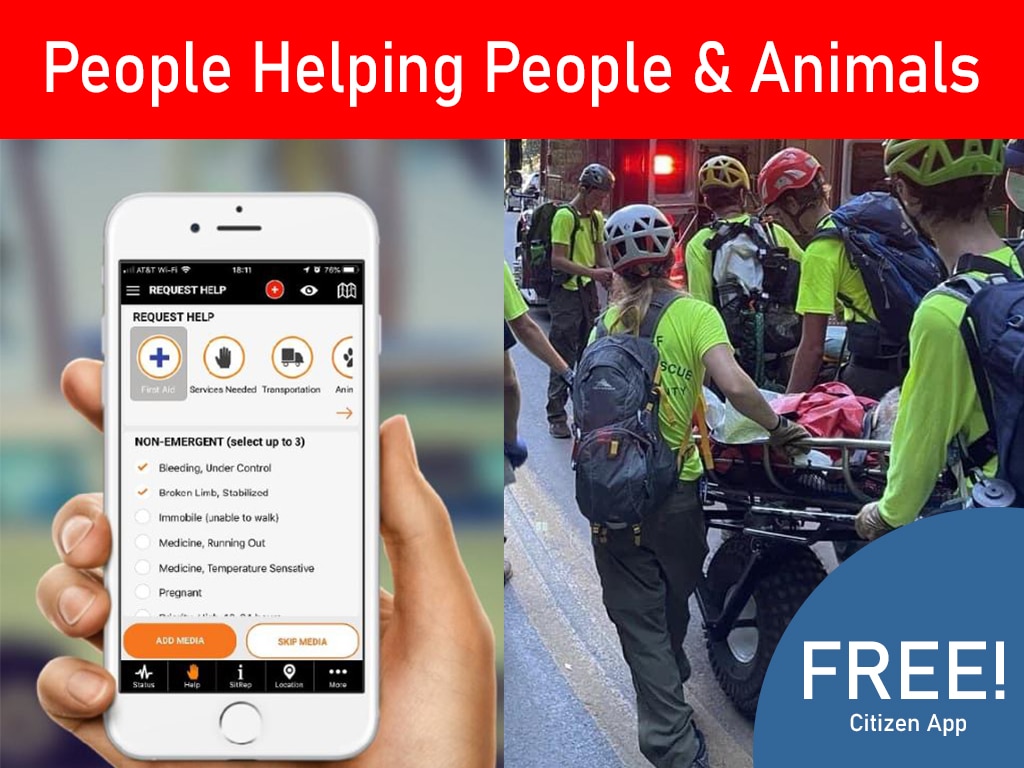
Basic two-way tools let recipients acknowledge a message or confirm they are safe. PubSafe extends that feedback loop by allowing people to report incidents, request help, share their location, and add on-the-ground details. Those structured reports help organizations identify needs, prioritize resources, and coordinate a response from a clearer operating picture.
Integrate and Automate for a Smarter Response
Your emergency notification system shouldn’t operate in a silo. To be truly effective, it needs to integrate smoothly with the other tools and workflows your organization already uses. This could mean connecting with your contact databases, volunteer management software, or GIS mapping tools. A platform built for strong team management allows you to automate routine tasks, like sending weather warnings or follow-up messages, freeing up your team to focus on more complex decisions. A secure infrastructure with proper data encryption is also essential to protect sensitive information and maintain trust with your community.
Automated Triggers for Faster Response
The best systems use automation to kickstart your response. Automated triggers are pre-built rules that send specific messages when certain conditions are met, drastically reducing response times during critical events. For example, you can set up a trigger that automatically sends a shelter-in-place alert to a specific neighborhood the moment the National Weather Service issues a tornado warning for that area. This removes the need for manual intervention, saving precious seconds when they matter most. Using pre-built templates and automated workflows means your team isn’t starting from scratch in a crisis, ensuring clear and consistent communication is sent out instantly.
Beyond Alerts: Integrated Incident Management
A top-tier system is much more than a glorified messaging service. It’s a comprehensive communication hub that connects different groups and serves as a single source of truth. Instead of just sending alerts out into the void, an integrated platform ensures that first responders, government agencies, volunteer teams, and the public are all on the same page. It creates a common operational picture where everyone has access to the same real-time information, from incident reports to resource locations. This level of coordination is what separates a chaotic response from an effective one.
This approach transforms your notification system into a full-fledged incident management tool. It allows you to not only warn people of danger but also to manage the entire lifecycle of the event. You can track resources, assign tasks to response teams, and monitor the situation as it develops, all from one central dashboard. A platform designed as a complete disaster response platform brings all these moving parts together, enabling seamless communication and resource deployment during critical events. It’s about building a connected ecosystem where information flows freely between all stakeholders, from citizens to government agencies.
Custom Workflows to Manage a Crisis from Start to Finish
Integrated platforms allow you to build custom workflows that guide your team through a crisis from start to finish. These are step-by-step action plans tailored to specific types of incidents. For example, a workflow for a flash flood could start with an automated evacuation alert, followed by a message asking residents to confirm their safety. It could then automatically notify CERT teams of households that need assistance and send regular status updates to all stakeholders. These custom workflows ensure that procedures are followed consistently, even under pressure, and that no critical step is missed in the chaos of an emergency.
Ensure Accessibility and Easy User Management
The most powerful features in the world are useless if the system is too complicated to use during a crisis. A great emergency notification platform must be intuitive for everyone, from the administrator sending the alert to the resident receiving it. The interface should be clean, straightforward, and reliable, allowing your team to send messages quickly without fumbling through complex menus. Under pressure, simplicity is key. The system should feel like a natural extension of your team’s workflow, not another obstacle to overcome.
This focus on accessibility extends to the public as well. For community members, signing up for alerts and using the system should be effortless. A platform that offers a simple, user-friendly mobile app encourages widespread adoption and ensures more people are connected when an emergency strikes. The goal is to remove every possible barrier to communication. When you register your organization, look for a platform that prioritizes a seamless user experience for both your internal team and the community you serve, ensuring the technology empowers people instead of frustrating them.
Multi-Language Support for Diverse Communities
To be truly effective, your emergency messages must be understood by everyone. In communities with diverse populations, providing multi-language support is not just a helpful feature—it’s essential for equitable public safety. A quality system should allow you to send alerts in multiple languages, ensuring that non-native English speakers receive the same critical information as everyone else. This capability helps bridge communication gaps and ensures that your warnings and instructions are clear and actionable for every single resident, regardless of the language they speak. It’s a fundamental part of building a resilient and inclusive community.
Simple Sign-Ups with Text-to-Join Options
Building a comprehensive contact list is the foundation of any successful notification strategy, and the easier you make it for people to sign up, the faster that list will grow. Look for a system that offers simple opt-in methods, like a “text-to-join” feature where residents can subscribe to alerts by texting a keyword to a specific number. Other user-friendly options include a straightforward sign-up form on your website or a QR code on public flyers. By removing friction from the registration process, you encourage more people to get connected and dramatically expand the reach of your emergency communications.
Flexible User Groups and Permission Levels
Not everyone on your team needs the same level of access or information. A robust system allows you to create an unlimited number of user groups and assign specific permission levels to each one. For example, you can create separate groups for CERT teams, public works staff, and local government officials, and then send messages targeted specifically to them. You can also set permissions so that a volunteer team lead can communicate with their own group but can’t send an alert to the entire community. This granular control is vital for organized team management, as it prevents confusion and ensures the right people have the right access to get their jobs done.
Is the System User-Friendly and Testable?
During a high-stress event, the last thing you need is a complicated interface. The system you choose should be intuitive and straightforward, allowing your team to send alerts in minutes with minimal training. A clean dashboard and simple, step-by-step processes are key. You should also be able to test the system regularly and easily. Running drills helps you identify and fix potential issues before a real emergency strikes. A platform with a free and accessible app to install makes it simple for both your team and the public to get onboard and comfortable with the technology ahead of time.
How Much Does an Emergency Notification System Cost?
Choosing an emergency notification system means you’ll also need to figure out its pricing. The costs can seem complicated at first, but they usually fall into a few main categories. Understanding these structures is one of the most important steps, as it helps you find a solution that fits your budget without sacrificing the features your community depends on. The right model ensures your program is sustainable for the long haul, which is especially critical for public agencies, CERT teams, and NGOs working with tight budgets.
The key is to match the pricing model to how your organization operates. Do you need to send alerts daily for routine updates, or only during major, infrequent events? Is your contact list a fixed size, like the number of residents in a town, or does it change often as new volunteers join your efforts? Answering these questions will point you toward the most cost-effective plan for your team. Let’s look at the most common ways these systems are priced so you can make a confident choice.
Subscription vs. Pay-As-You-Go: Which Is Better?
Most providers offer one of two main options: subscription or pay-as-you-go. A subscription model involves a recurring fee, usually monthly or annually, that gives you access to the platform and a set number of messages or contacts. This is a great option if you plan to use the system regularly for both emergencies and non-critical updates, as it makes budgeting predictable. You know exactly what you’ll spend, which simplifies financial planning.
On the other hand, a pay-as-you-go model lets you pay only for what you use. This can be ideal for organizations that only need to send out alerts sporadically. While it offers flexibility, costs can add up quickly during a prolonged event. Some platforms offer hybrid common pricing models that combine a small base fee with usage-based charges, giving you a middle ground.
Per-User vs. Per-Message Pricing Explained
Within subscription or pay-as-you-go plans, you’ll often see costs broken down by either the number of users or the number of messages. A per-user model charges based on how many people are in your contact database. This is often the most straightforward option if you have a defined community. It allows you to send unlimited messages to your list without worrying about overage fees, which is perfect for situations that require frequent updates.
A per-message model charges you for each text, email, or voice call you send. This can be more economical if you have a very large audience but only need to contact them a few times a year. When considering this model, think about your need for multi-channel delivery, as sending an alert across SMS, email, and voice to one person could count as three separate messages.
How to Measure the ROI of Your System
While the sticker price is important, the true value of an emergency notification system comes from its impact. When you evaluate your ROI, think beyond the initial cost. Consider the potential savings from preventing property damage, the value of a faster, more coordinated response, and the priceless benefit of keeping people safe. A system that streamlines communication and mobilizes volunteers effectively provides a return that far exceeds its price tag.
Think about how a platform like PubSafe, which integrates citizens, NGOs, and official agencies, creates value. By connecting every part of the response effort, it reduces duplicated work and gets help where it’s needed faster. That efficiency is a powerful return on investment.
Improving Day-to-Day Operations and Saving Money
An emergency notification system does more than just sit on standby for a crisis; it can become a powerful tool for improving your daily operations and saving money. Think about all the time your team spends on manual communication—making phone calls, sending individual emails, or trying to coordinate schedules. A good system automates these tasks, allowing you to send routine updates, schedule volunteer training, or organize community events with a single message. This efficiency directly translates into cost savings by freeing up your staff and volunteers to focus on more important work. By using a platform to manage your teams more effectively day-to-day, you build familiarity with the system, ensuring that when a real emergency does happen, everyone knows exactly how to use it. This proactive use turns a reactive tool into a daily operational asset.
A Realistic Look at the Pros and Cons
Choosing a mass notification system is a big decision, and it helps to look at it from all angles. Like any tool, these systems come with incredible benefits and a few potential hurdles. Understanding both sides will help you find a platform that truly serves your community and team when it matters most. Let’s walk through what you can expect, what to watch out for, and how to make sure your alerts are always effective.
The Benefits: What You Stand to Gain
At its core, a mass notification system is about one thing: keeping people safe. When an emergency hits, your top priority is making sure everyone has the information they need to protect themselves. These systems provide a direct line to your community, allowing you to send out timely warnings about severe weather, active threats, or urgent operational changes. This rapid communication doesn’t just protect people; it also helps safeguard your operations and supply chains. By getting the right message to the right people instantly, you can coordinate a faster, more effective response, minimizing disruption and ensuring everyone from your internal team to community volunteers knows exactly what to do.
Proven Reliability and Scalability
One of the biggest advantages of a dedicated system is its reliability. When you’re responsible for sending a critical alert, you need to know—without a doubt—that it will get through. These platforms are built specifically for speed and dependability, making sure your messages are delivered in moments, not hours. This reliability comes from a multi-channel approach. By sending alerts through SMS, email, and app notifications all at once, the system ensures your message finds a way through, even if one channel is congested or down. It’s not just about sending a single message, either. It’s about having a system that can scale to handle thousands of alerts during a major event. This scalability is a crucial part of how these systems work to support a large-scale response without failing under pressure.
Potential Drawbacks and How to Address Them
While the benefits are clear, there are a few common challenges to keep in mind. One of the biggest issues is the risk of false alarms. If a system sends too many non-critical alerts, people can start to tune them out, which is dangerous when a real emergency occurs. This is often called “alert fatigue.” Another area to watch is cost. Some providers have complex pricing structures with hidden fees for setup or extra contacts, which can make budgeting tricky. It’s important to find a system with transparent pricing and features that match your actual needs, so you aren’t paying for things you’ll never use.
How to Avoid Alert Fatigue
The best way to prevent alert fatigue is to be strategic with your messaging. A system that allows you to create specific groups and target your alerts is key. Instead of sending every message to every person, you can direct information only to those who are affected. This ensures your alerts are always relevant and urgent. It’s also helpful to choose a platform that integrates with your other tools, like security or HR systems. A well-integrated system makes it easier to manage your contacts and automate certain alerts, reducing the chance of human error. By focusing on targeted, meaningful communication, you can build trust and ensure your messages are taken seriously every time.
Emergency Notification Software Evaluation Checklist
When comparing mass notification software, test the complete response workflow, not just message delivery. Ask each vendor to demonstrate:
- Targeted alerts by role, group, or location
- Delivery and acknowledgement reporting
- Two-way incident reports with location and status details
- Message templates, automation, and integration options
- Accessible mobile and administrator experiences
- Training, testing, support, and predictable pricing
Run a realistic drill during the trial. Confirm that administrators can send an alert, recipients can respond, and the response team can turn incoming reports into clear priorities.
What Information Should an Emergency Alert Include?
FEMA recommends that public alerts clearly identify the sender, describe the incident and location, state the protective action and timing, and provide a path to more information. Teams should also document alerting protocols, prepare message templates, and practice through routine training and exercises.
Source: FEMA alerting best practices
See two-way reporting in action. Download the free PubSafe app and run a test with your team.
How Do You Choose Emergency Notification Software?
Choosing the right emergency notification system doesn’t have to be overwhelming. By focusing on a few key steps, you can find a platform that fits your organization’s specific needs. It’s about knowing what you need to accomplish, what your current tech can handle, and seeing the software in action before you commit. This guide will walk you through how to make a confident choice for your team.
First, Define Your Communication Needs
Before comparing systems, map out exactly what you need to communicate and who you need to reach. Are you coordinating with first responders, updating community volunteers, or sending alerts to residents in a specific area? A clear understanding of your goals will help you identify essential features.
Look for a platform that offers multi-channel delivery, including SMS, email, and app push notifications, to ensure your messages get through. Two-way communication is also critical. It allows people to confirm they are safe or provide on-the-ground updates, turning a simple alert into a dynamic conversation.
Develop a Clear Escalation Plan
Your emergency notification system is only as good as the plan behind it. Before a crisis, you need to develop a clear escalation plan that outlines who has the authority to send messages, what events trigger an alert, and which groups receive them. This isn’t just about top-down communication; it’s about creating a complete communication workflow. For example, your plan should define the process for when a citizen reports a downed power line versus a major structure fire. Who verifies the report? Who gets notified first? A strong plan answers these questions ahead of time, removing guesswork during a high-stress event.
A modern escalation plan must also account for two-way communication. It should detail how your team will manage and respond to incoming information from the community, whether it’s a confirmation of safety or a new incident report. This turns your notification system from a simple megaphone into a dynamic response tool. By defining these protocols and running regular drills, you ensure your team can act decisively and effectively. Understanding how PubSafe works can help you visualize how to build a plan that integrates this critical feedback loop, connecting your team with the public for a more coordinated effort.
Next, Assess Your Current Tech Stack
Your new system needs to work with the tools you already use. Take stock of your current technical environment to avoid implementation headaches. Does the platform need to integrate with your existing contact databases or incident management software? A smooth integration process saves time and reduces errors when a crisis hits.
Security is another major factor. Your organization handles sensitive information, so any system you choose must protect that data. Look for vendors that provide robust security measures like full SSL and data encryption. A secure infrastructure is non-negotiable for ensuring your disaster response platform is always ready.
Evaluating Vendors and the Market Landscape
Once you have a clear picture of your needs and technical setup, it’s time to explore the market. The world of emergency notification is filled with options, each with its own strengths. Your goal is to find a partner, not just a product. You need a vendor that understands the unique pressures of emergency response and offers a reliable platform that can grow with you. Taking the time to research vendors thoroughly will help you see past the marketing claims and find a system that truly fits your operational needs and budget. This process is about more than just comparing feature lists; it’s about ensuring the technology aligns with your mission to keep people safe.
Key Players in the Notification Market
The field is primarily made up of companies that provide Emergency Mass Notification Systems (EMNS). The Department of Homeland Security defines these as critical platforms built to broadcast real-time alerts to many people at once during a crisis. Their core function is to deliver urgent instructions quickly across multiple channels when events like natural disasters or active threats occur. While this is the baseline, look for platforms that go beyond simple one-way alerts by integrating two-way communication and incident reporting, which transforms the public from passive recipients into active participants in the response effort.
Using Resources like the Gartner Market Guide
Before you start scheduling demos, do your homework. Independent research can give you an unbiased view of the top vendors and industry trends. A great place to start is with resources like the Gartner® Market Guide for Emergency and Mass Notification Systems. As industry experts at Everbridge suggest, reading these guides helps you see how leading organizations approach emergency communication and identify potential weaknesses in your own strategy. This research equips you with the right questions to ask and helps you zero in on the vendors that are truly innovating in the space.
Look for a Suite of Products for Future Growth
Your immediate need might be for a simple alerting tool, but it’s wise to think about the future. The most effective platforms are more than just notification systems; they are comprehensive solutions that help you prepare for and respond to critical events from start to finish. Look for a vendor that offers a suite of integrated tools for incident management, team coordination, and public reporting. A platform like PubSafe, which unifies citizens, NGOs, and official agencies, creates a more efficient response and ensures your investment continues to provide value as your organization’s needs evolve.
Consider Long-Term Support and Training
The relationship with your vendor shouldn’t end the moment you sign the contract. In fact, that’s just the beginning. The quality of a company’s customer support and training resources is just as important as the technology itself. When an emergency is unfolding, you need absolute confidence that your team can use the system effectively and that help is available if you run into an issue. A system is only as good as the people using it, and proper training and reliable support are what empower your team to act decisively under pressure.
The Importance of 24/7 Live Support and Unlimited Training
Imagine it’s the middle of the night, a crisis is escalating, and you can’t get an alert to send. An email to a support desk won’t cut it. This is why 24/7 live support is a non-negotiable feature. As providers like Regroup emphasize, you should look for vendors that offer help from real people around the clock at no extra cost. Equally important is unlimited training. A great vendor will provide a dedicated team to get you started and offer ongoing training to ensure your entire team, including new members and volunteers, is always prepared to use the system effectively.
Always Ask for a Demo or Free Trial
The best way to know if a system is right for your team is to try it yourself. Don’t just rely on feature lists; request a live demo or a free trial to get a feel for the user interface. Is it easy for your team to create and send messages? Can you quickly pull reports and see who received an alert?
During the trial, pay attention to the support and training the company offers. A system is only effective if your team knows how to use it properly under pressure. Look for an intuitive platform for everyone, from administrators to volunteers. Seeing how the system works in real-time will give you the confidence to make the right decision.
Common Implementation Challenges (and How to Solve Them)
Adopting any new technology comes with a few challenges, and an emergency notification system is no exception. Anticipating these potential roadblocks is the best way to ensure a smooth rollout for your organization. The most common issues aren’t usually with the technology itself, but with how it’s introduced and integrated into your existing operations.
From ensuring your community trusts the alerts they receive to getting your internal team comfortable with a new platform, a little planning goes a long way. The goal is to make the system a natural extension of your emergency response efforts, not another complicated tool to manage. By focusing on clear communication, team training, and smart integration, you can sidestep these common hurdles and build a more resilient and connected community. Let’s walk through how to handle the most frequent challenges you might face.
How to Bridge Gaps in Tech and Communication
One of the biggest hurdles is building trust in the system. If people don’t have confidence in the alerts they receive, they’re less likely to act. This often happens when a system sends out false alarms or if users are simply unaware of how it works. To build that trust, you need a reliable platform that minimizes errors. It’s also vital to educate your community and team members on how the system operates and what to expect. A transparent process helps everyone feel more confident. When users understand the technology, they are more likely to engage with it during a real emergency, which is exactly what you need for an effective disaster response.
Tips for Getting Your Whole Team Onboard
A new notification system can fail if your team isn’t prepared to use it. Simply introducing the software without proper training or context is a recipe for low adoption. Your team needs to understand why the new system is necessary and how it makes their jobs easier and more effective. Start by involving them in the selection process and provide hands-on training sessions. Show them how the platform simplifies volunteer coordination and streamlines communication. When your team sees the system as a valuable asset rather than another task, they’ll be more invested in its success. A smooth internal rollout is the first step toward effective community-wide implementation.
How to Integrate With Your Existing Tools
Your emergency notification system shouldn’t operate in a vacuum. To be truly effective, it needs to connect with the tools and workflows you already use. A system that doesn’t integrate with your existing software can create data silos and complicate your response efforts. Look for a platform that can work alongside your current setup, whether it’s your HR software or security systems. The ability to segment your audience and send targeted messages through multiple channels is also key, especially if you manage a dispersed team or community. The right system should enhance your current capabilities and provide a unified platform for team management during a crisis.
How to Find Demos, Trials, and Discounts
Once you’ve narrowed down your list of potential systems, the next step is to see how they perform in the real world and what they actually cost. This is where you get to peek behind the curtain. Don’t just rely on marketing materials; getting a hands-on feel for a platform is crucial. Many providers understand this and offer demos or trial periods. At the same time, pricing isn’t always set in stone. It never hurts to ask about special rates or discounts, especially if you’re a non-profit or public safety organization. Let’s walk through how to approach both.
Where to Look for Demos and Trials
Think of this as a test drive. You need to know if a system is intuitive for your team and powerful enough for your needs. Most providers offer a live demo or a free trial period, giving you the chance to explore the platform’s features firsthand. Use this time to send test alerts, check out the reporting tools, and see how easy it is to manage contacts. A good system should be straightforward enough for your team to learn quickly. The best way to see if a platform works for you is to actually use it, so be sure to install the free app and get your team involved in the evaluation process.
Don’t Be Afraid to Ask for a Discount
Emergency notification system pricing can feel complex, but don’t let the sticker price deter you. Many companies, especially those serving the public good, have flexible options. When you connect with a sales representative, be direct and ask if they offer special pricing for non-profits, government agencies, or educational institutions. You might be surprised by the available discounts. It’s also a good time to clarify their pricing model. Are you paying per user, per message, or a flat subscription fee? Understanding these details will help you find a plan that fits your budget. When you’re ready, you can start the conversation by completing an organization registration to see what options are available for your team.
A Step-by-Step Guide to a Smooth Rollout
Setting up a new notification system is a big step. A successful launch goes beyond just choosing the right software; it’s about creating a solid plan to integrate it into your operations. When you roll out your system thoughtfully, you build trust and ensure everyone knows what to do when an alert comes through. This process involves careful planning, thorough team training, and consistent upkeep. By focusing on these three areas, you can make sure your emergency notification system is a reliable asset for your community or organization from day one.
Step 1: Plan and Test Your System Thoroughly
Don’t wait for a real emergency to see if your system works. Implementing a mass notification system requires proper planning and testing to work out any kinks ahead of time. Start by running drills for different scenarios, like a severe weather warning or a local hazard. These tests help you identify potential gaps in your communication plan and give your team hands-on experience. They also help your community become familiar with the types of messages they’ll receive. When people recognize and trust the alerts, they are more likely to take action, which is the ultimate goal of any emergency notification system.
Step 2: Train Your Team for Confident Use
While most modern notification systems are designed to be user-friendly, your team still needs training to use them effectively under pressure. Establish clear protocols for who has the authority to send messages, what situations require an alert, and what the content of those alerts should be. Make sure everyone with access feels confident using the platform. You can create simple checklists and templates to guide them during a crisis. When your team is well-prepared, they can act quickly and decisively, ensuring that critical information gets to the right people without delay. Good team management features can make this process much easier.
Step 3: Maintain and Update Your System Regularly
Once your system is live, the work isn’t over. Regular maintenance is key to its long-term success. One of the biggest risks is avoiding false alarms, which can cause people to ignore future messages. Schedule routine checks to confirm the system is working correctly and, most importantly, keep your contact lists current. After any real event or drill, take time to review what went well and what could be improved. This continuous cycle of testing, learning, and updating ensures your system remains a trustworthy and effective tool for protecting your community.
Related Articles
- Emergency Alert System for Communities: Fast, Accurate, Trusted | PubSafe
- Government Emergency Management & Citizen Communication | PubSafe
- Emergency Management Organizations in the US & Globally | PubSafe
Frequently Asked Questions
What is emergency notification software? Emergency notification software sends urgent instructions to groups through channels such as mobile apps, text, email, or voice. Strong platforms also collect acknowledgements, status updates, and incident reports so response teams can see what is happening after an alert is sent.
What should teams compare when choosing emergency notification software? Compare delivery channels, targeted alerting, two-way reporting, location features, templates, integrations, accessibility, training, support, and pricing. During a trial, test whether the team can send an alert, collect useful responses, and turn those responses into clear response priorities.
What is the benefit of two-way emergency communication? Two-way communication gives teams more than delivery confirmation. People can report their status, request help, share a location, or describe hazards. Organized responses improve situational awareness and help coordinators direct resources toward the most urgent needs.
Can emergency notification software send non-emergency updates? Yes. Teams can use targeted groups for road closures, community events, training, or operational notices. Separating routine updates from urgent alerts helps keep messages relevant and reduces the risk that recipients ignore critical notifications.
How can teams reduce alert fatigue? Send alerts only to affected people, use clear severity levels, keep instructions specific, and establish rules for which situations justify an alert. Regular testing also helps recipients recognize trusted messages and understand what action to take.