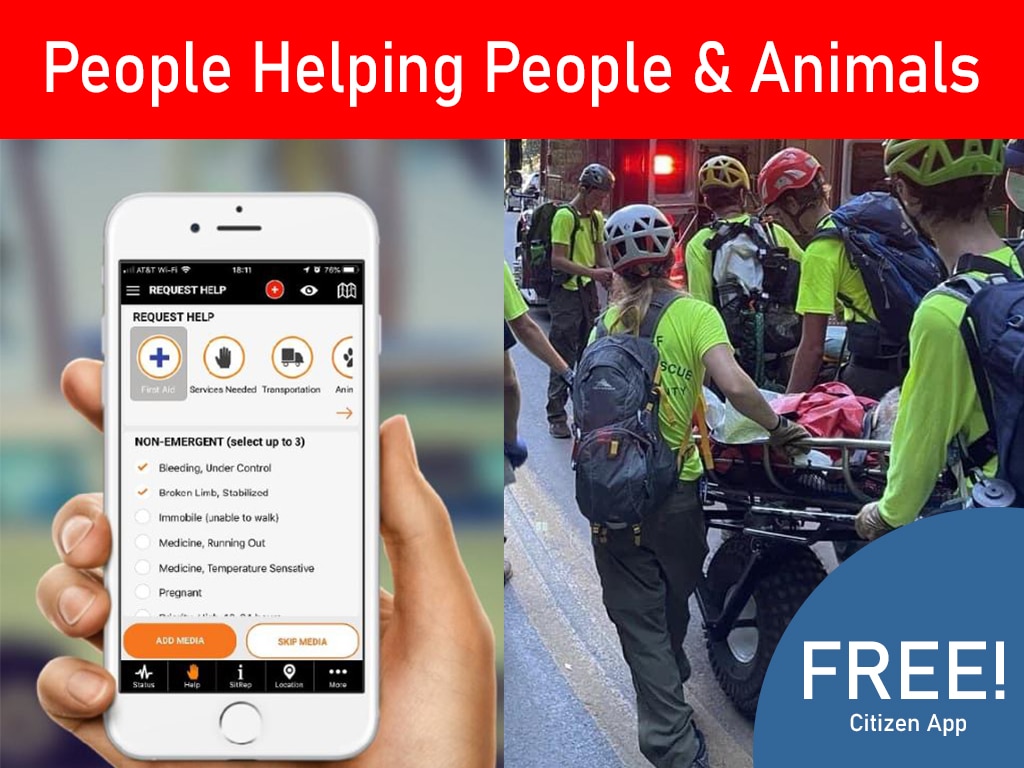
You see a crisis unfolding and want to help. But it’s hard to know where to start. How can your skills make a real difference without getting in the way? This is where the National Response Framework (NRF) provides clarity. So, what is the National Response Framework? Simply put, the National Response Framework is our nation’s guide for a unified response to emergencies. It defines roles and responsibilities, creating a clear structure for everyone from federal agencies to citizen volunteers. This guide will show you how to find your place and contribute effectively.
Key Takeaways
- The NRF unifies everyone into a single team: Its main purpose is to get all groups, from federal agencies to individual citizens, working together. This “whole community” approach ensures a collaborative response instead of a rigid, top-down plan.
- It organizes the chaos with a scalable plan: The framework uses core components like Community Lifelines and Emergency Support Functions to prioritize actions and assign clear roles. This structure is designed to adapt to any incident, ensuring the response always fits the specific situation.
- Your community’s role is essential for success: The NRF’s principles are most effective when put into practice locally. You can contribute by coordinating with volunteer groups, using technology for real-time communication, and aligning your personal preparedness with your community’s larger strategy.
What Is the National Response Framework (NRF)?
When a disaster strikes, a coordinated response is everything. But how do you get federal agencies, local first responders, non-profits, and even everyday citizens to work together effectively? That’s where the National Response Framework (NRF) comes in. It’s the nation’s blueprint for unified emergency response, and understanding it is the first step toward building a more resilient community.
Defining the NRF’s Purpose and Scope
Think of the NRF as a national playbook for responding to emergencies of all kinds, from hurricanes to wildfires. It’s not a rigid, step-by-step manual. Instead, it’s a guide that outlines principles, roles, and structures for a coordinated effort. The main goal is to ensure that everyone involved in a response, no matter their role, can work together seamlessly. The National Response Framework is designed to be flexible, scaling up or down to fit the specific needs of a disaster. It helps answer the critical questions: Who does what? How do we work together? And how can we best serve the communities that need our help? It’s all about creating a unified and effective team when it matters most.
Connecting Prevention, Protection, Mitigation, and Recovery
While the NRF’s name highlights “response,” it’s actually the critical link that ties all phases of emergency management together. A successful response doesn’t happen in a bubble; it’s built on prior mitigation and protection efforts. Likewise, the actions taken during a response directly shape the long-term recovery process. The NRF provides the structure for this collaboration, ensuring that information flows between the different stages. For instance, real-time data gathered during an incident is invaluable not just for immediate action but also for planning future mitigation projects. This is where a unified platform becomes so important. When teams can report an incident and coordinate volunteers in one place, the data collected can seamlessly inform every stage of the cycle, from immediate action to long-term resilience. The framework ensures the response phase isn’t just an endpoint but a bridge that helps communities learn, adapt, and build back stronger.
Who Uses the National Response Framework?
The short answer is: everyone. The NRF is built on a “whole community” approach, which means it’s for more than just government agencies. Of course, local, state, and federal emergency managers use it to structure their response. But it also provides guidance for non-governmental organizations (NGOs), private sector businesses, and even individual citizens. The framework helps all these different groups understand how they fit into the bigger picture. It encourages organizations to create their own emergency plans that align with the national effort. This collaborative spirit is exactly why platforms like PubSafe exist, helping different groups work together by providing a shared space for communication and coordination during a crisis.
The Role of Local, State, and Tribal Governments
Response always starts at the local level. Your city, county, and tribal governments are the first on the scene, responsible for the immediate safety and welfare of their communities. They are the foundation of the NRF, putting its principles into action by organizing the initial response and managing on-the-ground efforts. When an incident grows beyond their capacity, they turn to the state for support. State governments coordinate resources from across their jurisdiction and act as the primary liaison for requesting federal aid. This tiered structure ensures that support is scalable, but it also highlights the need for seamless collaboration. To truly embrace the “whole community” approach, these government entities must effectively manage their teams and integrate the efforts of NGOs, private businesses, and citizen volunteers into the official response, which is where a shared communication platform becomes invaluable.
What the NRF Is (and Isn’t)
Let’s clear up a couple of common myths about the NRF. First, many people think it’s a rigid, top-down plan that dictates every action. In reality, the framework emphasizes flexibility. It’s designed to support local responders, not replace them, allowing the response to be tailored to the specific needs of the community. Another misconception is that the NRF is only for huge, catastrophic events like major earthquakes or hurricanes. The truth is, it’s an “all-hazards” framework. This means its principles can be applied to a wide range of incidents, including floods, tornadoes, and winter storms. The goal is to have a consistent and scalable approach for any situation that requires coordinated volunteer efforts and professional response.
What Are the Core Components of the NRF?
To understand how the National Response Framework brings order to the chaos of a crisis, it helps to look at its core components. These aren’t just abstract ideas in a government document; they are the foundational concepts and structures that allow thousands of people across different organizations to work together effectively. Think of them as the NRF’s playbook for a coordinated, successful response, turning a jumble of good intentions into a focused, life-saving effort. By breaking the framework down, you can see how each piece contributes to a unified mission, from high-level principles to on-the-ground actions.
These components are the gears that make the entire machine run. They provide a common language and a shared set of expectations for everyone, whether you’re part of a federal agency, a local CERT team, or an NGO managing volunteers. Understanding these building blocks, like the guiding principles and the concept of community lifelines, is essential for seeing your own role within the bigger picture. They explain how a tiered response ensures local teams are empowered first and how a unified command structure prevents agencies from working at cross-purposes. This section will walk you through these key elements, showing you the logic behind the NRF’s approach to managing emergencies.
The 5 Principles That Guide Every Response
The NRF is built on five key principles that act as a compass for everyone involved in a disaster response. They ensure that no matter the crisis, the response is consistent and collaborative.
- Engaged Partnership: This means leaders at all levels, from local to federal, actively work together. They share resources and set common goals, ensuring that no single community or agency is left to handle a crisis alone.
- Tiered Response: Emergencies are best handled at the lowest, most local level possible. Your local fire and police departments are the first on the scene. State and federal help is only called in when the situation is more than local teams can handle.
- Scalable, Flexible, and Adaptable Operations: A response shouldn’t be one-size-fits-all. It must be able to grow or shrink as the situation changes, using specific, targeted resources as they are needed.
- Unity of Effort through Unified Command: This ensures all the different groups involved are working toward the same objectives. It’s about clear communication and respecting each organization’s role while maintaining a shared mission.
- Readiness to Act: Everyone has a role in preparedness. From individuals and families to government agencies, being ready to act is a shared responsibility.
What Are Emergency Support Functions (ESFs)?
When a major disaster strikes, the federal government doesn’t just show up and hope for the best. The response is organized through Emergency Support Functions, or ESFs. You can think of ESFs as different departments, each responsible for a critical area of the response, such as transportation, communications, and public health. This structure groups together agencies and resources by function, providing a clear system for coordinating federal support to states. By defining who does what ahead of time, the National Response Framework ensures that support is delivered efficiently and without confusion, whether it’s a presidentially declared disaster or another type of incident.
The 15 ESFs and Their Functions
There are 15 ESFs in total, and each one is led by a specific federal agency. For example, the Department of Transportation heads up ESF #1 (Transportation), the Department of Health and Human Services leads ESF #8 (Public Health and Medical Services), and the American Red Cross, a key non-governmental partner, leads ESF #6 (Mass Care, Emergency Assistance, Housing, and Human Services). This structure ensures that when a local government requests help with sheltering, the right experts and resources are mobilized. It creates clear lanes for communication and resource requests, preventing confusion and making it easier for organizations to manage their teams and plug into the larger effort where they can be most effective.
ESF #7: The GSA’s Role in Logistics
Let’s zoom in on a specific example to see how this works. ESF #7 is all about Logistics, and it’s largely managed by the General Services Administration (GSA). Think of ESF #7 as the support engine for the entire response. When first responders need anything from emergency supplies and office space to phone service and transportation, the GSA helps make it happen. This function is the backbone of a successful operation, ensuring that teams on the ground have the physical resources they need to do their jobs. For NGOs and local teams, understanding this function is key to knowing how to request and receive critical supplies during an incident, turning needs identified on a public map into tangible aid.
Beyond ESFs: Support and Incident Annexes
The NRF is more than just the core components and ESFs. It also includes detailed sections called “Annexes” that provide a deeper level of guidance. Support Annexes describe how to handle common challenges that apply to almost any emergency, like managing volunteers, handling donations, or communicating with the public. These annexes are where the “whole community” approach really comes to life, explaining how private companies, non-profit organizations, and federal partners can work together. For any group that relies on volunteers, the Volunteer and Donations Management Annex is essential reading. It provides a nationally recognized framework for how to best coordinate volunteer efforts, ensuring everyone’s generosity is put to good use.
Understanding Community Lifelines
During an emergency, the first question is always: what essential services are down? The NRF uses the concept of “Community Lifelines” to quickly assess the situation. These are the seven fundamental services that a community needs to function: Safety and Security; Food, Water, Shelter; Health and Medical; Energy; Communications; Transportation; and Hazardous Materials. By viewing a disaster through the lens of these lifelines, response leaders can immediately identify the most critical breakdowns. This approach helps prioritize actions and resources to stabilize the community. When you report an incident through an app, you’re often providing real-time data on the status of these very lifelines.
Unified Command: Leading a Cohesive Response
You might wonder how hundreds of different agencies can work together without getting in each other’s way. The answer is Unified Command. This principle doesn’t put a single person in charge of everything. Instead, it creates a structure where leaders from all major responding organizations (like fire, police, NGOs, and public works) make decisions together. This collaborative approach ensures that everyone is working from the same playbook and toward the same goals. It fosters clear communication and prevents conflicting efforts, creating a true sense of unity. This is the core of how PubSafe works too, by creating a common platform for all stakeholders to share information and coordinate their actions effectively.
How the NRF Creates a Unified Emergency Response
The National Response Framework (NRF) is more than just a government document; it’s a blueprint for teamwork during a crisis. Its real strength lies in how it brings together diverse groups, ensuring a coordinated and effective response. By establishing clear roles and promoting collaboration, the NRF transforms a potentially chaotic situation into a structured, unified effort. This framework ensures that from the moment an incident occurs, everyone involved is working from the same playbook, moving toward the same goal: protecting communities and saving lives.
How Federal, State, and Local Teams Work Together
When a disaster strikes, you need all levels of government working in sync. The NRF acts as the definitive guide to how the nation responds to emergencies, preventing confusion and jurisdictional arguments. It clearly outlines the roles and responsibilities for local, state, tribal, and federal agencies. Think of it as a relay race where each runner knows exactly when to take the baton. This structure ensures that local responders, who are always first on the scene, can seamlessly request and receive support from state and federal partners as an incident grows in scale or complexity. This integration is critical for deploying resources efficiently and getting help to where it’s needed most, without delay.
Deploying Federal Resources like US&R Task Forces
When a disaster causes catastrophic damage, like a building collapse after a hurricane, local teams may need specialized support. This is when federal resources, such as an Urban Search & Rescue (US&R) Task Force, are deployed. It’s not a chaotic scramble; it’s a highly coordinated process. FEMA manages 28 of these elite teams across the country, ready to be sent wherever they are needed. Their deployment is managed within the National Response Framework, often falling under a specific Emergency Support Function (ESF #9 for Search and Rescue). These teams don’t just show up and take over. They integrate directly into the local response structure through Unified Command, working alongside—not in place of—local first responders to stabilize critical community lifelines.
Why the “Whole Community” Approach Matters
Effective disaster response isn’t just the job of uniformed personnel. The NRF champions a “whole community” philosophy, recognizing that a successful response involves everyone. This includes individual citizens, community organizations, faith-based groups, and the private sector. The framework understands that local residents and groups have invaluable knowledge and capabilities that can strengthen response efforts. By empowering all parts of a community to participate, the response becomes more resilient and tailored to specific local needs. Platforms like PubSafe put this principle into action, providing the tools for citizens and organizations to actively contribute to the response during an emergency.
The Critical Role of NGOs and the Private Sector
Non-governmental organizations (NGOs) and private companies possess specialized skills, resources, and volunteers that are vital during a crisis. The NRF formally integrates these partners into the national response structure through a system called Emergency Support Functions (ESFs). These ESFs are categories of response activities, like transportation, communications, and mass care. For example, an NGO might lead feeding operations under the Mass Care ESF, while a private logistics company assists with the Transportation ESF. This ensures that the unique expertise of non-governmental partners is woven directly into the official response, creating a more robust and capable force. Organizations can register their capabilities on platforms that facilitate this coordination, making their resources visible to incident commanders.
Creating a Scalable and Tiered Response
No two disasters are the same, and the NRF is designed with this reality in mind. The framework is both scalable and flexible, allowing officials to tailor the response to the specific size and nature of the incident. It’s designed to handle all hazards, meaning its core principles apply to everything from a localized flash flood to a multi-state hurricane or a widespread power outage. This adaptability ensures that the response can expand or contract as needed. It avoids a one-size-fits-all approach, instead providing a structure that supports leaders in making the right decisions based on the real-time, evolving needs of the situation on the ground.
How the National Response Framework Has Evolved
The National Response Framework (NRF) didn’t just appear overnight. It was carefully developed and refined based on decades of experience with real-world emergencies. Understanding its history helps clarify why it’s structured the way it is and how it continues to adapt to meet the challenges of today’s incidents. It’s a story of learning from the past to build a more resilient future for everyone.
Where Did the NRF Come From? A Brief History
The NRF was officially approved in 2008, but its roots go back further. It was created to replace its predecessor, the National Response Plan (NRP). After the massive response challenges during Hurricanes Katrina and Rita, it became clear that a new approach was needed. The NRP had its strengths, but it wasn’t effective enough for a catastrophic event. The NRF was designed to be more direct, incorporating key lessons learned to create a unified and scalable guide for managing all types of incidents. It serves as the nation’s core document for how we handle emergencies, ensuring everyone is working from the same foundational strategy.
From the Homeland Security Act to the 2008 Release
The creation of the NRF was a direct response to one of the most challenging periods in modern U.S. history. Following the events of 9/11, the Homeland Security Act of 2002 set the stage for a new national approach to emergency management, leading to the National Response Plan (NRP). However, the devastating impact of Hurricanes Katrina and Rita in 2005 exposed critical weaknesses in the NRP. The response was fragmented, communication broke down, and coordination was a massive struggle. It became painfully clear that a more flexible and inclusive framework was needed. The NRF, released in 2008, was the answer. It wasn’t just a revision; it was a complete rethinking of how the nation should prepare for and respond to disasters, emphasizing a unified command and a whole community approach.
Replacing the Federal Response Plan (FRP)
Before the NRF and even the NRP, the guiding document was the Federal Response Plan (FRP). The FRP was primarily focused on how the federal government would deliver assistance to states after a disaster declaration. It was a solid plan for its time but was seen as too rigid and government-centric. The shift to the National Response Plan (NRP) was an attempt to create a broader, all-hazards document that integrated more partners. But as we learned from catastrophic events, even the NRP fell short. It was often viewed as overly complex and didn’t fully empower local action. The NRF was designed to fix this by being more direct and action-oriented, creating a truly scalable guide that supports, rather than directs, local response efforts. This evolution shows a consistent effort to improve how we manage response teams and resources.
How the NRF Integrates with NIMS
It’s helpful to think of the NRF and the National Incident Management System (NIMS) as two sides of the same coin. They are designed to work together seamlessly. NIMS provides the template, the “how-to” for managing incidents. It gives us the shared vocabulary, systems, and processes like the Incident Command System (ICS). The NRF is built upon NIMS and provides the “what.” It defines the roles, responsibilities, and structures that guide our national response. Essentially, NIMS provides the tools, and the NRF provides the architectural plan for building a coordinated response.
Why an “All-Hazards” Approach Is Key
One of the most significant aspects of the NRF is its “all-hazards” approach. This means the framework isn’t just for hurricanes or earthquakes. It’s designed to be flexible enough to be applied to any incident, regardless of cause, size, or complexity. This could be a natural disaster like a wildfire, a technological accident, or a planned event like a large public gathering. This flexibility is crucial because it allows responders from different agencies and communities to use a familiar structure every time. This approach ensures a more efficient and predictable response, which is exactly what’s needed when lives are on the line and you need to report an incident quickly.
Preparing for Cascading Failures
A major power outage can quickly become much more. It can knock out communication networks, disrupt transportation, and impact medical services. This domino effect is known as a cascading failure, and it’s a key reason the NRF is structured around the seven Community Lifelines. By organizing the response around essential services like energy, communications, and transportation, leaders can better anticipate how the failure of one system will affect others. This is where the “whole community” approach is so critical. When citizens and local groups can share real-time information about what’s happening on the ground, it helps emergency managers see the full scope of the crisis. This is why tools that facilitate real-time emergency coordination are so valuable; they allow everyone to see the dominoes falling and work together to stabilize the situation before it gets worse.
How Past Disasters Shaped Today’s NRF
The NRF is not a static document set in stone. It is designed to be a living framework that evolves as we learn. The very creation of the NRF is a testament to this, as the Post-Katrina Emergency Management Reform Act mandated a clearer chain of command and a better way to handle catastrophic events. This commitment to continuous improvement is built into its DNA. Every incident offers lessons that can be used to refine our strategies. This process of review and adaptation ensures that our national response capability doesn’t grow stale, but instead becomes stronger and more effective with each challenge we face.
The Fourth Edition and the “Community Lifelines” Update
The Fourth Edition of the NRF marked a significant shift by placing the “Community Lifelines” concept front and center. While the idea wasn’t new, this update made it the primary way to frame response operations. Instead of just focusing on internal processes, the goal became stabilizing the seven essential services a community needs to function: Safety and Security; Food, Water, Shelter; Health and Medical; Energy; Communications; Transportation; and Hazardous Materials. This change provides a more intuitive and outcome-driven approach. It helps leaders quickly assess the most severe impacts of a disaster and prioritize actions that will do the most good, making the entire response more effective and easier to communicate to the public.
How to Use NRF Principles in Your Community
The National Response Framework’s “Whole Community” approach is more than just a guiding principle; it’s a practical call to action. It marks a fundamental shift away from a purely top-down response model, recognizing that the most effective disaster response is a collaborative effort. This means everyone has a role to play: first responders, local organizations, businesses, and individual citizens like you. When a crisis occurs, the people already on the ground are the first to act. Building a truly resilient community means creating a system where all these moving parts can work together seamlessly, especially in those critical first hours and days.
So, how do you translate this powerful idea into concrete steps for your own neighborhood? It starts with being proactive long before an emergency is on the horizon. The goal is to create a local ecosystem of preparedness where information flows freely and actions are coordinated. By building local capabilities, engaging citizens, using smart technology, and aligning individual preparedness with community-wide plans, you can create a unified response network. This framework ensures that when an emergency happens, your community isn’t just waiting for help; it’s ready to act as a cohesive team. Platforms like PubSafe are designed to be the connective tissue for this effort, providing the tools needed to turn good intentions into organized, effective action.
How to Build Your Local Response Capabilities
Every community is a reservoir of talent and resources. You have neighbors with medical training, retired engineers, skilled tradespeople, and organized groups like CERT teams or local clubs. The key is to identify and organize these assets before a disaster strikes. Building local response capabilities means knowing who has what skills and equipment and how to mobilize them. This proactive inventory allows you to leverage the unique strengths of your community, turning a collection of individuals into a capable response force.
A great first step is to map out these resources. Connect with local organizations and volunteer groups to understand their capacities. By using a platform that supports team management, you can organize these groups into a coordinated network, ready to be deployed for specific tasks like search and rescue, debris clearance, or running a shelter.
Using Official FEMA Training Materials
The National Response Framework can feel a bit abstract, but you don’t have to read the entire document to find your place. FEMA offers a wealth of free training materials designed to make these concepts clear and actionable for everyone. These resources break down the “whole community” approach, explaining how individual citizens, volunteer groups, and private organizations fit into the larger response structure. By taking a little time to understand the framework, you’ll learn the official language and principles, like Unified Command and Emergency Support Functions. This foundational knowledge is invaluable, ensuring that when you join a local effort or use a coordination tool like PubSafe, your actions align with the national strategy, making your contribution that much more effective.
Tips for Engaging Citizens and Coordinating Volunteers
When a crisis hits, people’s first instinct is often to help. But without a system to guide them, this surge of goodwill can lead to confusion. Effective community engagement channels this energy into productive action. Instead of having volunteers self-deploy, you can direct them to where they are needed most, whether it’s for damage assessment, distributing supplies, or checking on vulnerable neighbors. This is where a unified platform becomes essential for effective volunteer coordination.
By giving citizens a clear and simple way to get involved, you empower them to become part of the solution. Ongoing dialogue between residents and local officials helps identify needs, track progress, and plan for future events. This collaborative approach not only improves response outcomes but also strengthens community bonds long after the immediate crisis has passed.
Using Technology for Better Emergency Communication
In an emergency, clear and timely information is your most valuable asset. Disjointed communication, where different agencies and groups operate in separate silos, can slow down response and put people at risk. Modern technology offers a solution by creating a common operational picture for everyone involved. A shared platform allows all stakeholders, from emergency managers to individual citizens, to report and view information in real time.
Imagine a single public map where anyone can see reported incidents, road closures, and the locations of shelters or aid stations. This level of shared situational awareness is a game-changer. It helps officials make better decisions, allows response teams to coordinate their efforts, and gives the public the critical information they need to stay safe. Using technology this way breaks down barriers and ensures everyone is working from the same playbook.
How Platforms Like PubSafe Bridge Communication Gaps
This is exactly where a platform like PubSafe makes a difference. It translates the NRF’s “whole community” principle into a practical tool by creating a single, shared space for communication. Instead of agencies, NGOs, and citizens operating on separate channels, everyone connects through one system, effectively breaking down the silos that can slow down a response. When a citizen reports a blocked road or an NGO updates its shelter capacity, that information becomes instantly available to incident command and other responders. This is how PubSafe works to build a unified command environment, ensuring everyone is operating from the same real-time information and moving toward the same goals.
How to Sync Individual and Community Preparedness
Your personal preparedness plan, like having an emergency kit and a family communication strategy, is the foundation of resilience. But its power is multiplied when it’s connected to a larger community effort. When individuals know how their personal actions fit into the bigger picture, they become more effective. This alignment means ensuring residents know how to get official alerts, where to find reliable information, and how to contribute to the response in a safe and organized way.
For example, teaching citizens how to report an incident accurately using a shared platform provides invaluable, real-time intelligence to first responders. This synergy between individual readiness and community systems makes your neighborhood the true first line of defense. It transforms residents from passive bystanders into active participants, creating a culture of preparedness that makes the entire community stronger and more self-sufficient.
Related Articles
- Disaster Response Platform | Community‑Driven Emergency Coordination | PubSafe
- Community Disaster Response & Emergency Coordination Platform | PubSafe
- Volunteer Coordination During Emergencies: How Communities, NGOs, And Responders Work Together
Frequently Asked Questions
How does the National Response Framework affect me if I’m not a first responder? The framework is built on a “whole community” approach, which means it creates a role for everyone. It establishes a system where your personal preparedness, like having an emergency kit, directly supports the larger community effort. It also provides structure for how citizens can safely volunteer or share information during a crisis. Think of it as the playbook that helps connect your actions to the official response, ensuring that when you’re ready to help, there’s an organized way to do it.
What’s the simplest way to understand the difference between the NRF and NIMS? It’s helpful to think of it with an analogy. The National Incident Management System (NIMS) is like the toolbox. It provides the standard tools, shared language, and common procedures that everyone uses on the scene of an incident. The National Response Framework (NRF) is the architectural blueprint. It explains who is responsible for what, how different groups work together, and what the overall strategy is. You need both the blueprint (NRF) and the toolbox (NIMS) to build a successful response.
Does the NRF mean the federal government automatically takes over during a local disaster? Not at all. In fact, it’s designed to do the opposite. The framework is based on a “tiered response,” which means every incident is managed at the lowest possible level first. Your local fire and police departments are always the first to respond. State and federal resources are only brought in when local leaders determine the situation is beyond their capabilities and they formally request help. The NRF is about supporting local control, not replacing it.
My organization wants to help in an emergency. How does the NRF make that possible? The NRF provides a formal structure for non-governmental organizations (NGOs) and private businesses to integrate into the official response. It does this through the Emergency Support Functions (ESFs), which group resources by capability, like mass care or transportation. This ensures your organization’s unique skills are used effectively. The best first step is to connect with your local emergency management agency ahead of time and register your capabilities on a shared platform so incident commanders know you’re ready to assist.
How can one framework apply to so many different types of disasters? The NRF’s strength is its flexibility. It isn’t a rigid, step-by-step instruction manual for every possible scenario. Instead, it provides a set of core principles and scalable structures that can be adapted to any situation. Concepts like Unified Command and focusing on Community Lifelines give leaders a consistent way to assess damage and organize a response, whether they are dealing with a tornado, a flood, or a wildfire. The principles stay the same, even when the specific actions change.