A powerful storm is a weather event; a community overwhelmed by it is a disaster. The real difference lies in our preparation. This guide focuses on protecting people by building a strong, connected community before a crisis hits. We’ll explore effective natural disasters solutions and show you how communities can prepare for natural disasters. We will provide clear, actionable steps for creating a response plan tailored to your needs, including strategies for local flooding and how to manage natural weather disasters in your area, like floods and droughts. It’s about turning vulnerability into strength, together.
Key Takeaways
- Understand your local risks to build a smarter plan: The most effective emergency plans are tailored to specific threats like floods, wildfires, or hurricanes. Identifying your community’s unique vulnerabilities is the first step toward creating a relevant strategy and assembling the right supplies.
- A unified response is a faster response: When public safety, NGOs, and citizen volunteers all work from the same playbook, help gets delivered more efficiently. Using a central coordination platform prevents duplicated efforts and ensures everyone is working toward the same goal.
- Use technology to share real-time information: Modern tools empower everyone to be part of the solution. Mobile apps and shared maps allow citizens to report incidents instantly and give leaders the live data they need to make quick, informed decisions that save lives.
What Makes a Storm a “Natural Disaster”?
Before we can prepare for something, we need to understand it. The term “natural disaster” gets used a lot, but what does it actually mean for our communities? It’s more than just bad weather. It’s about the moment when a natural event becomes so powerful that it overwhelms our ability to cope, causing widespread harm. Understanding this distinction is the first step in building a community that can stand strong when faced with a crisis. Let’s break down what defines a natural weather disaster and how it differs from other emergencies.
When Does Bad Weather Become a Disaster?
So, what turns a powerful storm or a heavy rainfall into a disaster? The key is the impact on people. A natural disaster is what happens when a natural event, like a hurricane or a wildfire, causes significant harm to a community. This isn’t just about property damage, though that’s a huge part of it. It’s about the loss of life, the disruption to the economy, and the deep, lasting effects on the people who live there. A blizzard in an unpopulated area is just a weather event. That same blizzard hitting a major city and shutting down power, transportation, and essential services is a disaster. It’s the human element that defines it.
How Are They Different from Other Emergencies?
It’s important to distinguish natural weather disasters from other crises. Emergencies can be man-made, like industrial accidents, or acts of terror. While response organizations like FEMA are equipped to handle all declared domestic disasters, the challenges posed by weather events are unique. They often affect vast geographic areas, making coordination difficult, and can be predicted with some warning, which allows for preparation. The sheer scale also sets them apart. Every year, natural disasters like storms, floods, and droughts force millions from their homes and cause immense economic damage. This widespread impact requires a coordinated response that involves everyone, from government agencies to local volunteer groups.
Know the Most Common Weather Disasters
From coast to coast, communities face a wide range of natural weather disasters. Each type of event brings its own set of challenges, from the sudden, violent force of a tornado to the slow, creeping damage of a drought. Understanding the specific threats your area might encounter is the first step toward building a solid preparedness plan. Knowing what to expect helps everyone, from first responders to individual citizens, make smarter decisions when seconds count.
Different disasters require different responses. A plan for a hurricane won’t be much help during a wildfire, and preparing for a blizzard looks very different from getting ready for a flash flood. By learning about the most common types of weather disasters, you can tailor your community’s emergency strategies, assemble the right supplies, and organize training that addresses the most likely risks. This knowledge empowers your community to act effectively, ensuring a more coordinated and resilient response when a disaster strikes. With a clear picture of these events, you can better manage your teams and resources.
From Hurricanes to Tropical Storms
Hurricanes and tropical storms are massive, powerful storm systems that form over warm ocean waters. They are defined by their sustained high-speed winds and the immense amount of rainfall they carry. These storms can cause destruction on a massive scale, with dangers extending far beyond the coastline. The primary threats include destructive winds that can damage buildings and infrastructure, storm surges that cause catastrophic coastal flooding, and widespread inland flooding from heavy rains. As weather patterns shift, many experts believe the intensity of these tropical cyclones is increasing, making preparation more critical than ever for coastal and inland communities alike.
The Dangers of Local Flooding and Flash Floods
Floods happen when an overflow of water covers land that is typically dry. They can develop slowly over several days as rivers or lakes overflow, or they can strike with terrifying speed. These sudden events, known as flash floods, can occur within minutes of intense rainfall, a dam failure, or a levee break. Both types of floods pose a significant threat to life and property, capable of sweeping away vehicles, destroying homes, and contaminating water supplies. Because they can happen in any region, understanding your local flood risk and having an evacuation plan is a crucial part of community safety.
Understanding Floodwater Risks
It’s easy to underestimate the power of moving water, but floodwater is a destructive force. Even a few inches can knock you off your feet, and just a foot of water can sweep a vehicle away. Whether a flood develops slowly from overflowing rivers or strikes suddenly as a flash flood, the risk is severe. This water doesn’t just rise; it carries immense force, capable of destroying building foundations and washing away roads. Understanding the specific flood risks in your area is not just a good idea—it’s a critical part of keeping your community safe. By knowing which areas are most vulnerable, you can create better evacuation routes and response strategies. You can even use tools like a public map to see real-time reports and get a clearer picture of the landscape during an event.
Hidden Dangers: Contamination and Electricity
What you can’t see in floodwater is often what’s most dangerous. That murky water is a hazardous mixture of everything it has picked up along its path, including sewage, chemicals from farms and industrial sites, and sharp debris. Wading through it exposes you to waterborne diseases and the risk of serious injury. An even more immediate threat is electricity. Downed power lines can energize standing water, creating a lethal and invisible hazard. This is why the most important rule during a flood is to stay out of the water. If you see a downed power line or another immediate danger, reporting the incident through a platform like PubSafe can alert response teams and help keep others in your community safe.
Tornadoes and Destructive Thunderstorms
A tornado is a violently rotating column of air that touches the ground, often descending from a severe thunderstorm. These storms are some of nature’s most destructive events, with winds that can exceed 200 miles per hour. They can destroy well-built structures, uproot trees, and turn everyday objects into deadly projectiles. The thunderstorms that produce tornadoes also bring their own dangers, including large hail, damaging straight-line winds, and flash flooding. The rapid formation of tornadoes makes early warnings and immediate shelter essential for saving lives.
The Growing Threat of Wildfires
Wildfires are uncontrolled fires that burn through forests, grasslands, and other natural areas. They often start small but can spread with incredible speed, especially when fueled by dry conditions, high temperatures, and strong winds. A wildfire can devastate huge swaths of land, destroy entire neighborhoods, and pose a serious threat to air quality over a wide region. For communities in or near wildland areas, creating defensible space around homes, having a clear evacuation route, and staying informed through official channels are key components of staying safe during fire season.
Surviving Winter Storms and Blizzards
Severe winter storms can bring life to a standstill. A blizzard, one of the most dangerous types, is characterized by a combination of heavy snowfall, strong winds, and extremely low visibility. These conditions make travel incredibly hazardous, if not impossible, and can lead to widespread power outages that leave people without heat in freezing temperatures. Other winter hazards include ice storms that coat surfaces in thick, heavy ice, causing trees and power lines to fall. Preparing for these events means having an emergency kit with food, water, and alternative heat sources, and being ready to shelter in place for several days.
The Silent Danger: Droughts and Heat Waves
Unlike sudden disasters, a drought is a slow-moving event marked by a prolonged period of abnormally low rainfall. This lack of water can have far-reaching consequences, leading to crop failure, water shortages for communities, and an increased risk of wildfires. A drought can severely impact local economies that depend on agriculture. Often accompanying droughts are heat waves, which are extended periods of excessively hot weather. Heat waves pose a direct threat to public health, especially for vulnerable populations like the elderly and young children, and can put a major strain on infrastructure like the power grid.
Strategies for Drought Preparedness
Preparing for a drought is a marathon, not a sprint. Since they develop slowly, communities have time to put smart, long-term strategies in place. The cornerstone of any drought plan is water conservation, which means encouraging everyone—from households to businesses—to use less. Communities can also promote drought-resistant crops and set up systems for rainwater harvesting to capture every drop. Creating clear plans for water rationing before a crisis hits ensures fair distribution when supplies are low. Coordinating these efforts across an entire community, from sharing conservation tips to announcing water restrictions, is where a unified platform can make a huge difference, ensuring everyone is informed and working together toward a common goal.
What Causes These Weather Disasters?
Understanding what causes weather disasters isn’t always straightforward. While the initial trigger is often a force of nature, the scale of the impact is frequently shaped by human decisions. It’s a combination of the planet’s powerful systems and our own preparedness, or lack thereof, that determines how a community weathers the storm. Let’s look at both sides of the coin.
The Role of Natural Climate Cycles
At their core, weather disasters are driven by the Earth’s natural cycles. Events like hurricanes, floods, and droughts are part of complex climate and weather systems that have existed for millennia. These natural disasters can displace families, cause significant economic damage, and tragically, lead to loss of life. While these hazards are a natural part of our world, many are becoming more intense and frequent. Shifting climate patterns are amplifying the power of these events, making it even more critical for communities to understand the risks they face and prepare accordingly.
How Human Activity Influences Weather Events
Many experts argue that the term “natural disaster” can be misleading. While a hurricane or a flood is a natural event, the “disaster” part is often magnified by human choices. Things like outdated building codes, poor land-use planning, and a lack of support for vulnerable populations can turn a severe storm into a catastrophe. The good news is that we can also make choices that reduce a disaster’s impact. Better warning systems, stronger infrastructure, and effective volunteer coordination have dramatically reduced fatalities over the last century. Our actions, both before and during an event, play a huge role in community safety.
How Do Weather Disasters Affect Our Communities?
When a major weather event strikes, its impact radiates far beyond the initial storm. The effects are layered, touching every aspect of community life, from the immediate safety of residents to the long-term economic and social fabric of the area. Understanding these wide-ranging consequences is the first step in building a truly effective response and recovery plan. It helps teams anticipate needs, allocate resources, and support residents not just in the first few hours, but for months and years to come.
Your Immediate Health and Safety Risks
The most immediate threat from any weather disaster is to people’s physical safety. Injuries from flying debris, flooding, and fires are common, and damaged infrastructure can cut off access to emergency medical services when they are needed most. However, the health impacts aren’t just physical. The stress and trauma of living through a disaster can have profound psychological effects, even for those who weren’t in the direct path of danger. Simply watching the news or hearing stories from neighbors can be deeply upsetting. It’s crucial for response teams to recognize these invisible wounds and provide access to mental health support alongside physical first aid.
The Toll on Our Towns and Economy
The financial toll of a weather disaster can be staggering, setting a community back for years. Homes, businesses, and farms can be completely destroyed, erasing livelihoods and personal savings in an instant. Public infrastructure, including roads, bridges, communication towers, and power grids, often suffers immense damage, paralyzing the local economy. These economic losses have climbed dramatically over the past few decades, disrupting supply chains and shuttering local businesses. For a community to recover, it needs a clear and accurate picture of the damage, which is essential for securing federal aid, deploying resources, and starting the rebuilding process.
The Lasting Effects on People and Places
After the initial crisis passes, communities face a long road to recovery marked by significant social and environmental challenges. Many residents may be displaced from their homes, sometimes permanently, which can fracture social networks and community bonds. The disaster also leaves behind a massive environmental footprint, from hazardous material spills to mountains of debris that can overwhelm local waste management systems. Furthermore, these events often expose and worsen existing social inequalities, as lower-income households typically have fewer resources to rebuild and recover. A truly resilient community plans not just for the storm, but for the complex and lasting aftermath.
How to Spot the Warning Signs of a Disaster
Recognizing the early signs of a weather disaster can make all the difference in your community’s safety and response time. These warnings come in two main forms: clues from the natural world around you and official alerts from authorities. Paying attention to both gives you the most complete picture of a developing situation, allowing you and your team to act quickly and effectively. When you know what to look for and where to listen, you can get a critical head start on preparations, from securing property to coordinating volunteers.
Reading the Sky: Natural Warning Signs
Long before a formal alert is issued, the environment often provides its own warnings. You might notice sudden changes in the sky, like unusual cloud formations or a strange color on the horizon. Animals may also behave erratically, a phenomenon often reported before major weather events. Paying attention to these subtle shifts can be your first indication that something is wrong. The scale of Natural Disasters is immense, affecting millions of people and causing significant economic damage each year. By learning to read these environmental signs, you can give your community precious extra time to prepare for what’s coming.
Where to Find Official Alerts and Updates
While natural clues are helpful, your most reliable information will come from official sources. Agencies like the Federal Emergency Management Agency (FEMA) are dedicated to helping communities through all types of emergencies. Make sure you know how your local authorities disseminate information, whether it’s through text alerts, social media, or local news. FEMA recommends that everyone prepare for bad weather by having a plan and staying informed. You can also use platforms like the PubSafe public map to see real-time incident reports from your area, giving you a direct line of sight into what’s happening on the ground.
How to Prepare Your Community for a Natural Disaster
When a disaster strikes, a prepared community is a resilient one. Taking proactive steps before an emergency happens can dramatically reduce its impact and help everyone recover faster. It’s about creating a shared sense of responsibility and having clear systems in place. By working together, you can build a network of support that protects your neighbors, family, and friends. Here’s how you can get started.
Create Your Community’s Emergency Plan
A solid emergency plan is the foundation of community preparedness. It’s a roadmap that guides actions before, during, and after a disaster. A good plan covers four key stages: mitigation (reducing the potential impact), preparedness (getting ready), response (acting during the event), and recovery (rebuilding afterward). Your plan should identify potential hazards specific to your area, establish clear communication channels, and define roles for community leaders and volunteers. This ensures that when an emergency occurs, everyone knows what to do, creating an organized and effective response instead of a chaotic one.
Making a Detailed Family Plan
A community plan is only as strong as the individual plans within it. Start by creating a detailed plan for your own household. This means figuring out how you’ll communicate if you get separated. Choose an out-of-state friend or family member as a central contact person everyone can check in with, since local lines might be down. Practice your evacuation route together, so it becomes second nature. It’s also vital to know your risk by finding out if your home is in a flood-prone area and learning your community’s specific emergency signals and evacuation routes. A well-practiced plan removes panic from the equation and replaces it with confident action.
Protecting Your Home from Flood Damage
Protecting your home starts with understanding its specific vulnerabilities. The first step is to check FEMA’s Flood Map Service Center to see if your property is in a high-risk area. If it is, you can take proactive steps to minimize potential damage. Move valuable documents and sentimental items to higher floors. Keep your gutters and drains clear to help water flow away from your house, and consider installing a sump pump in your basement. It’s also crucial to remember that standard homeowner’s insurance doesn’t cover flooding; you’ll need to secure a separate policy through the National Flood Insurance Program. Finally, know how to safely turn off your home’s electricity, gas, and water mains if you need to evacuate.
What to Pack in Your Emergency Supply Kit
Every household should have an emergency supply kit ready to go. According to resources like Ready.gov, your kit should contain enough food, water, and medical supplies to last for at least 72 hours. Don’t forget essentials like flashlights, batteries, a hand-crank radio, and any personal medications. It’s also a great idea to have a digital toolkit. You can install the PubSafe app to stay informed about local incidents and connect with response teams. Encouraging everyone in your neighborhood to build a kit ensures that individuals can take care of themselves, which frees up emergency responders to help those with the most critical needs.
Essential Supplies for Your Home Kit
Think of your home kit as your 72-hour lifeline. The goal is to have everything you and your family need to be self-sufficient for at least three days, which is often how long it can take for help to arrive. Start with the basics: one gallon of water per person, per day, and a supply of non-perishable food. From there, add the essentials for safety and communication, like a flashlight with extra batteries, a first-aid kit, and a hand-crank or battery-powered radio to receive official updates when the power is out. Don’t forget personal items like prescription medications, glasses, and hygiene products. Having these supplies on hand means you can stay safe while emergency crews focus on the most critical situations.
Building a Car-Specific Emergency Kit
Disasters don’t always happen when you’re safely at home. You could be commuting, running errands, or even evacuating when a situation develops. That’s why a dedicated car emergency kit is a non-negotiable part of any good plan. In addition to a basic first-aid kit, stock your vehicle with items specific to roadside emergencies, like jumper cables, flares, and basic tools. Since you might be stranded, include high-energy snacks, extra water, and warm sleeping bags or blankets for everyone in your family. The CDC also recommends keeping sturdy shoes, waterproof boots, and gloves in your car. Finally, get in the habit of keeping your gas tank at least half-full so you’re always ready to go.
Build a Team of Trained Volunteers
Volunteers are the heart of any community response. When neighbors help neighbors, the entire community becomes stronger. Establishing organized volunteer networks before a disaster makes a huge difference. You can organize training sessions on first aid, search and rescue, or how to use communication tools. Platforms like PubSafe help organizations with team management, allowing them to coordinate volunteers efficiently and assign tasks based on skills and availability. This structured approach ensures that the goodwill of volunteers is channeled effectively, providing critical support where it’s needed most.
Preparing for the Financial Impact of Floods
Floods are more than just a physical threat; they carry a massive financial punch that can be just as devastating as the water itself. When floodwaters recede, they often reveal a landscape of economic ruin, affecting homes, businesses, and entire local economies. The cost of rebuilding can be overwhelming, and without a solid financial plan, recovery can feel impossible. Preparing for this impact is a critical part of your community’s overall resilience strategy. It involves understanding the risks, exploring insurance options, and knowing what resources are available after a flood. This financial preparedness ensures that your community can not only survive the immediate event but also has the foundation to rebuild and thrive afterward.
Why You Need Flood Insurance
Here’s a hard truth many people learn too late: your standard homeowner’s or renter’s insurance policy almost certainly does not cover damage from flooding. This is a crucial gap in coverage that can leave families and businesses financially exposed. To protect your property, you need a separate policy, which you can typically get through the National Flood Insurance Program (NFIP). It’s essential to plan ahead, as most new flood insurance policies have a 30-day waiting period before they take effect. You can’t wait until a storm is on the horizon to get covered. Securing flood insurance is one of the most important steps you can take to safeguard your financial future against the most common and costly natural disaster in the U.S.
Using Technology to Stay Safe in a Disaster
When a disaster strikes, technology is one of our most powerful allies. It’s not just about advanced equipment; it’s about connection and information. Modern tools have completely changed how we prepare for, respond to, and recover from severe weather events. From getting a heads-up days in advance to coordinating a complex, multi-agency response, technology helps us work smarter and faster. It bridges the gap between official responders and the community, creating a network where everyone can play a part in keeping each other safe. By putting the right information into the right hands at the right time, we can make better decisions, deploy resources more effectively, and ultimately, save lives.
Tech for Early Warnings and Monitoring
One of the biggest game-changers in disaster preparedness is our ability to see what’s coming. Thanks to incredible advances in meteorology, a four-day weather forecast today is as accurate as a one-day forecast was just a few decades ago. This isn’t magic; it’s the result of sophisticated satellites, powerful computer models, and a global network of sensors. These early warning systems give communities precious time to prepare. That extra time means families can secure their homes, authorities can organize evacuations, and emergency services can get their teams and equipment ready. It transforms our response from reactive to proactive, giving everyone a critical head start.
Tools for Better Communication and Coordination
During a crisis, clear communication is everything. In the past, different agencies and volunteer groups often worked in silos, leading to confusion and duplicated efforts. Today, centralized platforms create a common operational picture for everyone involved. A dedicated disaster response platform allows public safety officials, NGOs, and community teams to share real-time updates, manage resources, and coordinate tasks from one place. This seamless flow of information helps leaders make informed decisions quickly, ensuring that help gets to where it’s needed most without delay. It turns a chaotic situation into a structured, collaborative response effort.
The Best Apps and Digital Tools for Emergencies
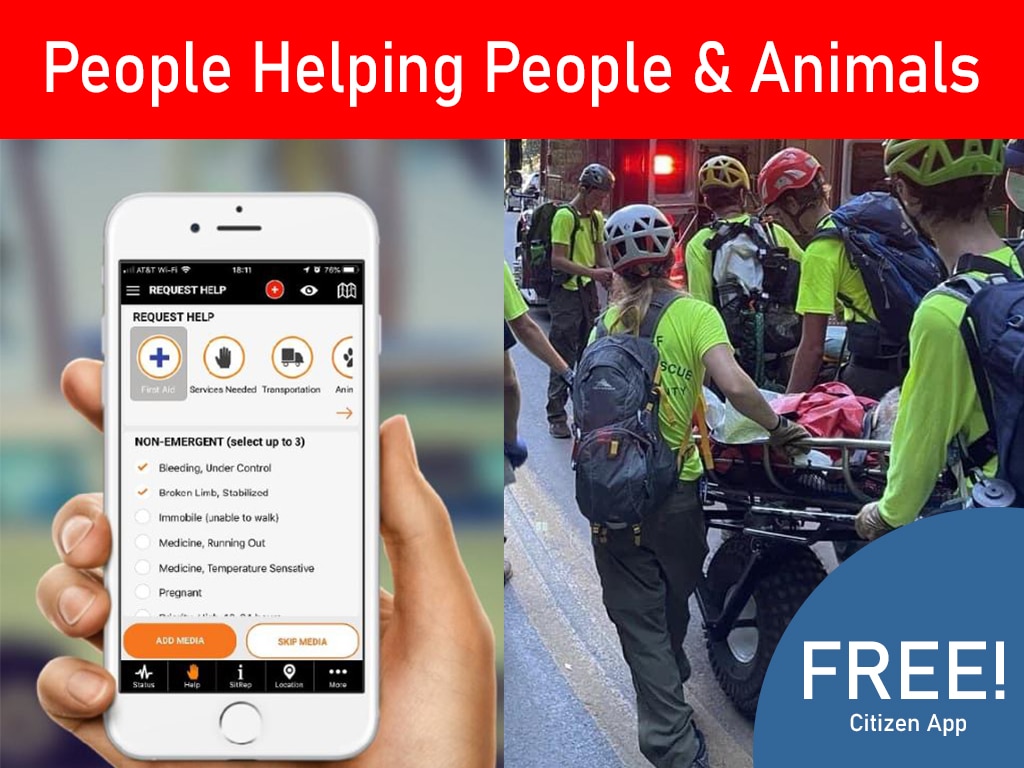
Technology also empowers every single person in the community to be an active participant in the response. With a simple mobile app, you can report damage, request assistance for yourself or a neighbor, and find critical information about shelters or aid distribution points. These tools make it easier than ever to get involved, creating new ways for spontaneous volunteerism to support official efforts. By allowing people to offer their skills and time effectively, technology turns bystanders into active helpers. When you can install a free app to connect with response efforts, you become a vital part of your community’s resilience.
How to Coordinate an Effective Emergency Response
When a natural weather disaster strikes, a community’s strength is measured by how well it works together. An effective response isn’t just about having resources; it’s about coordinating them efficiently. This means breaking down the barriers that often exist between different emergency services, non-profits, and government agencies. Each group has its own way of operating, which can create confusion and delays when every second counts.
The key is to create a single, clear picture of the situation that everyone can see and act on. This involves bringing professional first responders and citizen volunteers into the same system, ensuring everyone is working toward the same goals. When information flows freely and tasks are assigned clearly, the entire response becomes faster and more effective. Technology plays a huge role here, providing the platform needed for this level of collaboration. By connecting all the moving parts, from official agencies to individual citizens, a community can mount a truly unified and powerful response to any disaster.
Getting Different Agencies to Work Together
One of the biggest hurdles in any large-scale emergency is getting different organizations to work together seamlessly. Think about it: you have fire departments, police, public works, and various NGOs all arriving on the scene. Each one has its own protocols, communication systems, and leadership structure. This can lead to what’s called a “silo effect,” where groups work in parallel but not necessarily in sync. To be truly effective, these agencies need a shared space to communicate and coordinate. A unified platform allows for better team management, letting leaders from different groups share updates, assign tasks, and deploy resources without confusion or overlap. This collaborative approach ensures that everyone is pulling in the same direction.
Clarifying Roles in Flood Management
In the chaos of a flood, knowing who is supposed to do what is a game-changer. Floods can be unpredictable; some develop slowly, while others, like flash floods, strike in minutes. This is why a solid emergency plan must clearly define roles for everyone involved. It’s not just about what the fire department or public safety does. It’s also about clarifying tasks for NGOs, CERT teams, and even citizen volunteers. When roles are clear, you avoid situations where two teams are sent to the same house while another area gets no help. Effective volunteer coordination ensures that everyone, from professionals to neighbors helping neighbors, is working together efficiently toward the same goal.
How to Organize Volunteers and Get Citizens Involved
During a disaster, some of the first people to help are often neighbors and community members. This spontaneous volunteerism is an incredible asset, but it can also be chaotic if not managed properly. The challenge is to channel this goodwill into productive, safe, and organized action. An effective response system provides a way to manage and direct these efforts. It allows official organizations to post needs, vet volunteers, and assign tasks based on skill and location. This structured approach to volunteer coordination turns a crowd of willing helpers into an organized force for good, ensuring that their energy is used where it’s needed most and that everyone stays safe in the process.
Using Real-Time Info for Smarter Decisions
In a fast-moving disaster, information is everything. Decisions made on outdated reports can waste precious time and resources, or even put lives at risk. The ability to share real-time information is what separates a reactive response from a proactive one. When citizens can instantly report an incident from their phones and first responders can update a shared map with on-the-ground conditions, command centers get a live, accurate view of the entire situation. This constant flow of data feeds the decision-making process, helping leaders allocate resources, issue timely warnings, and adapt their strategy as the event unfolds. It creates a common operational picture that keeps every person, from the public to the professionals, informed.
What to Do During and After a Weather Disaster
When a disaster strikes, knowing what to do can make all the difference. The moments during and immediately after an event are chaotic, but having a clear plan helps protect lives and kickstart recovery. The key is to prioritize safety first, then move toward assessing the situation and organizing a response. Effective communication and coordination are the threads that run through every phase, from taking shelter to rebuilding. By working together, communities can face these challenges with strength and resilience.
Your First Steps to Stay Safe During the Event
When a weather disaster is happening, your first priority is to stay safe and help others do the same. Follow the guidance from local emergency services immediately. This means seeking appropriate shelter, whether it’s in a basement for a tornado or on high ground during a flood. Stay off the roads unless you are evacuating. Efficient communication is critical for saving lives, so keep your phone charged and tune into official alerts. If you witness an urgent situation, like a downed power line or a person in need of rescue, you can use a tool for reporting an incident to alert response teams with a precise location.
Safety Rules if You Are Caught in a Flood
Floods are deceptive. What looks like a shallow puddle can be a powerful current capable of sweeping a person or vehicle away. Flash floods are especially dangerous, striking with little warning after intense rain or a dam failure. The most important rule is to never walk, swim, or drive through floodwater. It’s impossible to know the depth of the water or the condition of the ground underneath. As emergency services always say, “Turn Around, Don’t Drown.” Understanding the dangers of local flooding is the first step in making safe decisions for yourself and your family when waters rise.
What to Do if Trapped in a Building or Car
If you find yourself trapped, your next move is critical. If your vehicle is caught in rising water, stay inside. If the water level continues to rise, get on the roof of the car and signal for help. Do not attempt to swim away unless you are in immediate danger of being submerged. If you are trapped in a building, move to the highest possible floor. Do not go into a closed attic, as you can become trapped by rising water. If necessary, go onto the roof to signal for help. Following these flood safety rules can significantly increase your chances of being rescued safely.
After the Storm: Assessing Damage Safely
Once the immediate danger has passed and authorities give the all-clear, the focus shifts to safety and assessment. Check on your family and neighbors, and provide first aid for minor injuries if you are trained. Be extremely cautious of hazards like unstable structures, gas leaks, and contaminated water. Local nonprofits and volunteer groups are essential during this time, as they understand the community’s needs and can organize aid effectively. Documenting damage with photos and notes is also a crucial step for insurance and aid applications. This information helps create a clear picture of the event’s impact, which is vital for coordinating a larger response.
Safety Precautions for Post-Flood Cleanup
When you get the green light from officials to return home, the cleanup process begins, and it comes with its own set of risks. Before you start, it’s crucial to gear up properly. This means wearing heavy gloves, waterproof boots, and protective clothing to shield yourself from sharp debris and contaminated materials. A mask is also essential, especially when dealing with the inevitable mold that grows in damp conditions. Some people should stay away from the cleanup area altogether. According to Ready.gov, individuals with breathing problems or compromised immune systems should avoid entering buildings with mold. It’s also important to remember that children should not participate in cleanup efforts to protect their health.
Dealing with Hidden Hazards After a Flood
After a flood, some of the biggest dangers are the ones you can’t see. Electricity is a major one. Never touch electrical equipment if it’s wet or if you’re standing in water. If you can safely reach your main breaker or fuse box, turn off the power to your home before you begin any work. The floodwater itself is another hidden hazard. It’s tempting to wade in to assess damage, but you should avoid contact as much as possible. Floodwater can be contaminated with sewage, chemicals, and have dangerous debris lurking beneath the surface. It can even be electrically charged from downed power lines. Finally, be aware that you might not be the only one seeking shelter. Snakes and other animals may have found their way into your house to escape the water, so be cautious as you move through your home.
How to Plan Your Recovery and Find Help
Recovery is a marathon, not a sprint, and it relies on strong collaboration between community groups and public agencies. Many people will want to help, so having a plan for volunteer coordination is essential to make sure their efforts are effective. This is where organized response teams and platforms come in. By connecting citizens, NGOs, and government agencies, communities can manage donations, deploy volunteers, and share resources without creating more confusion. If you are part of an organization, getting registered with a response network ahead of time ensures you are ready to help when your community needs you most.
Building Long-Term Resilience in Your Community
After the immediate danger passes, the work isn’t over. The real goal is to build communities that are strong enough to withstand future events and bounce back even faster. This long-term resilience doesn’t happen by accident; it’s the result of intentional planning, smart adaptation, and creating systems that connect people when it matters most. By focusing on what we can do before a storm ever forms, we can create a safer future for everyone. It’s about moving beyond a single response plan and embracing a continuous cycle of strengthening our foundations, both physically and socially.
Strengthening Your Town’s Infrastructure
Building resilience starts with the ground beneath our feet. This means taking practical steps to make our homes, businesses, and public spaces less vulnerable to damage. On a community level, this could involve updating building codes to withstand higher winds or improving drainage systems to handle heavy rainfall. For individuals, it includes actions like securing heavy furniture, reinforcing windows, or clearing flammable brush from around your property. These mitigation efforts are proactive measures that can significantly reduce the impact of a disaster, saving lives and property down the line. It’s about shifting from a reactive mindset to one of prevention and preparedness.
Creating Smart Climate Adaptation Strategies
As weather patterns change, our approach to disaster preparedness must evolve too. Climate adaptation means looking ahead and making smart adjustments to prepare for future conditions. This involves understanding how your specific region is likely to be affected, whether by more intense heat waves, rising sea levels, or stronger storms. Communities can implement strategies like creating more green spaces to absorb floodwaters or developing new water conservation plans for drought-prone areas. Acknowledging these changing climate trends allows us to build a more forward-thinking and effective defense, ensuring our preparedness plans remain relevant and effective for years to come.
Modern Flood Management Strategies for Municipalities
When it comes to flooding, communities are realizing that simply building higher walls isn’t always the answer. Modern flood management is about playing both offense and defense. It involves a smarter, more holistic approach that combines the power of nature with stronger, better-planned physical infrastructure. Instead of just trying to fight the water, the goal is to guide it, slow it down, and give it safe places to go. This two-pronged strategy helps protect homes and businesses today while building a more flood-resistant community for the future. It’s about creating a system where green solutions and traditional engineering work together to keep everyone safer.
Using Green Infrastructure and Natural Solutions
One of the most effective modern strategies is to work with nature, not against it. This is the idea behind green infrastructure. Instead of just concrete and pipes, this approach uses natural systems to manage stormwater. Think of things like rain gardens, permeable pavements that let water soak through, and protecting natural floodplains and wetlands that act like giant sponges. According to the U.S. EPA, these solutions help by slowing down runoff and reducing the amount of water that pools in streets. The benefits are huge: green infrastructure makes communities more resilient, helps filter pollutants from the water, and can often be more cost-effective than traditional “gray” infrastructure alone.
Improving Physical Infrastructure and Zoning
Working with nature doesn’t mean we abandon traditional engineering; it means we make it smarter. Improving physical infrastructure is still a critical piece of the puzzle. This starts with a detailed flood risk assessment to understand exactly where the vulnerabilities are. As experts at SRK Consulting point out, this information is the foundation for any good flood protection plan. Based on that data, communities can implement targeted strategies like building stronger levees or improving drainage systems. This detailed risk assessment not only guides long-term construction but also provides critical data for real-time response, helping teams understand which areas to monitor closely on a public map during an event. It’s about building a stronger defense based on solid information.
Building a Response Network That Lasts
One of the biggest challenges during a crisis is getting everyone to work together. Public safety agencies, NGOs, and citizen volunteers often operate in silos, which can slow down response times. A sustainable network breaks down these barriers by creating a coordinated plan where every group knows its role. Technology is the key to making this happen, offering a disaster response platform for real-time communication and resource management. By effectively managing volunteer coordination, communities can integrate spontaneous helpers into the official response, creating a powerful and unified force. This connected approach builds a more resilient team that can adapt to any challenge.
Related Articles
- How Communities Can Respond To Hurricanes: A Complete Preparedness & Recovery Guide
- Top Challenges In Disaster Response – Overcoming & Preparing
- Natural Disasters – Citizen Public Safety Platform
Frequently Asked Questions
What’s the real difference between a severe storm and a natural disaster? The key distinction is the human impact. A powerful storm happening in an unpopulated area is just a weather event. It becomes a disaster when that same storm hits a community and overwhelms its ability to cope, causing significant harm to people, property, and the local economy. It’s the moment when nature’s power exceeds our community’s capacity to handle it.
It feels like the term “natural disaster” is misleading. How much of the damage is actually our fault? That’s a great point, and many experts agree. While the initial event, like a hurricane or wildfire, is natural, the scale of the disaster is often shaped by human decisions. Factors like where we build our homes, how strong our building codes are, and how we support our most vulnerable neighbors can turn a manageable event into a catastrophe. Our choices before a storm arrives play a huge role in the outcome.
I’m just one person. What’s the most effective thing I can do to help my community prepare? Start by preparing yourself and your household. Having your own emergency kit and plan means you won’t need to rely on first responders for basic needs, freeing them up to help those in critical danger. The next step is to connect with your neighbors or a local volunteer group. An organized, trained, and connected community is the most powerful asset in any emergency.
Why is it so difficult for different response teams to work together during a crisis? In a large-scale emergency, you have multiple agencies like fire, police, and public works, plus various nonprofit groups and citizen volunteers all trying to help at once. Each group often has its own communication system, leadership, and procedures. Without a central platform to connect them, they can end up working in silos, which leads to confusion, duplicated efforts, and delays.
Beyond having a supply kit, what does long-term resilience actually look like for a community? Long-term resilience is about making proactive choices that reduce the impact of future events. This includes practical steps like strengthening infrastructure and updating building codes to better withstand severe weather. It also involves creating a sustainable response network where public agencies, nonprofits, and citizen volunteers are already connected and have a plan to work together before a disaster ever strikes.