5 Common Failures in Emergency Communications (And How to Avoid Them)
When disasters strike, clear and timely communication saves lives. Yet again and again, emergency response efforts are slowed—or completely derailed—by preventable emergency communications failures.
From natural disasters to public safety incidents, communication breakdowns create confusion, delay response, and put both responders and citizens at risk. Understanding where emergency communications fail is the first step toward building a more resilient, coordinated response.
Below are five of the most common emergency communications failures, and how modern, community-driven platforms like PubSafe help prevent them.
1. Information Silos Between Agencies and Communities
One of the most damaging emergency communications failures is when critical information is trapped in silos. Emergency services, NGOs, local authorities, and communities often operate on disconnected systems, resulting in incomplete situational awareness.
Why this fails
-
Agencies cannot see citizen-reported incidents
-
Communities don’t receive verified updates
-
Decision-makers lack a shared operating picture
How to avoid it
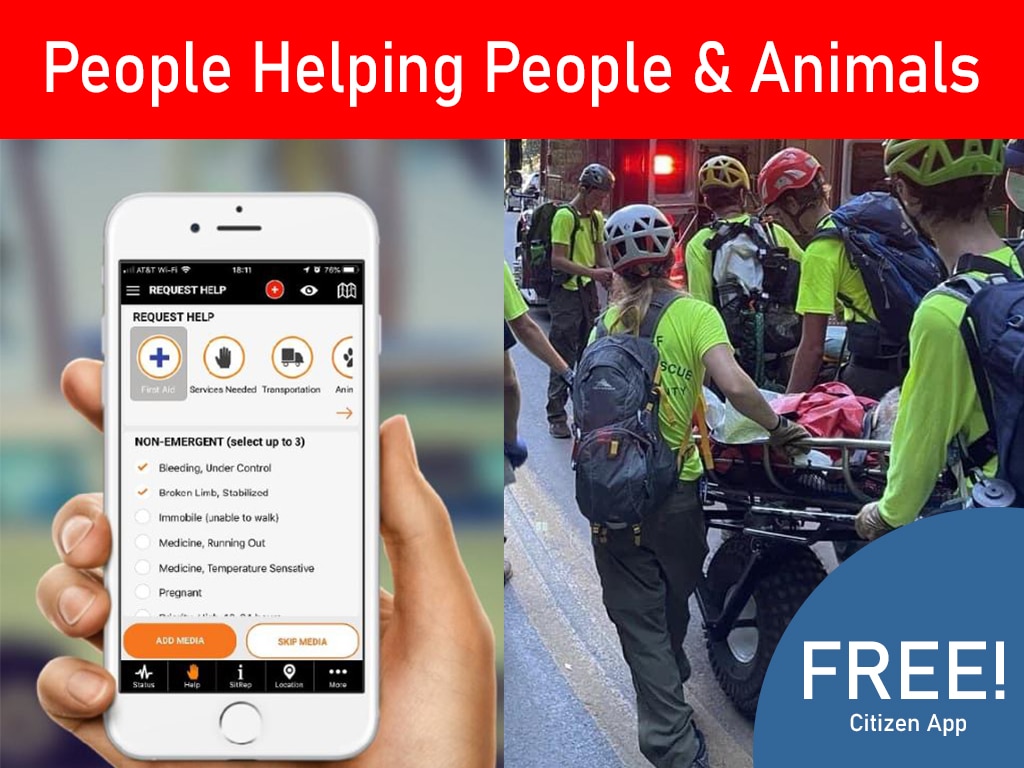
A unified communication platform enables two-way information flow between agencies and the public. PubSafe connects citizens, volunteers, NGOs, and responders in one shared system, breaking down silos and improving coordination during emergencies.
2. Delayed or Outdated Information
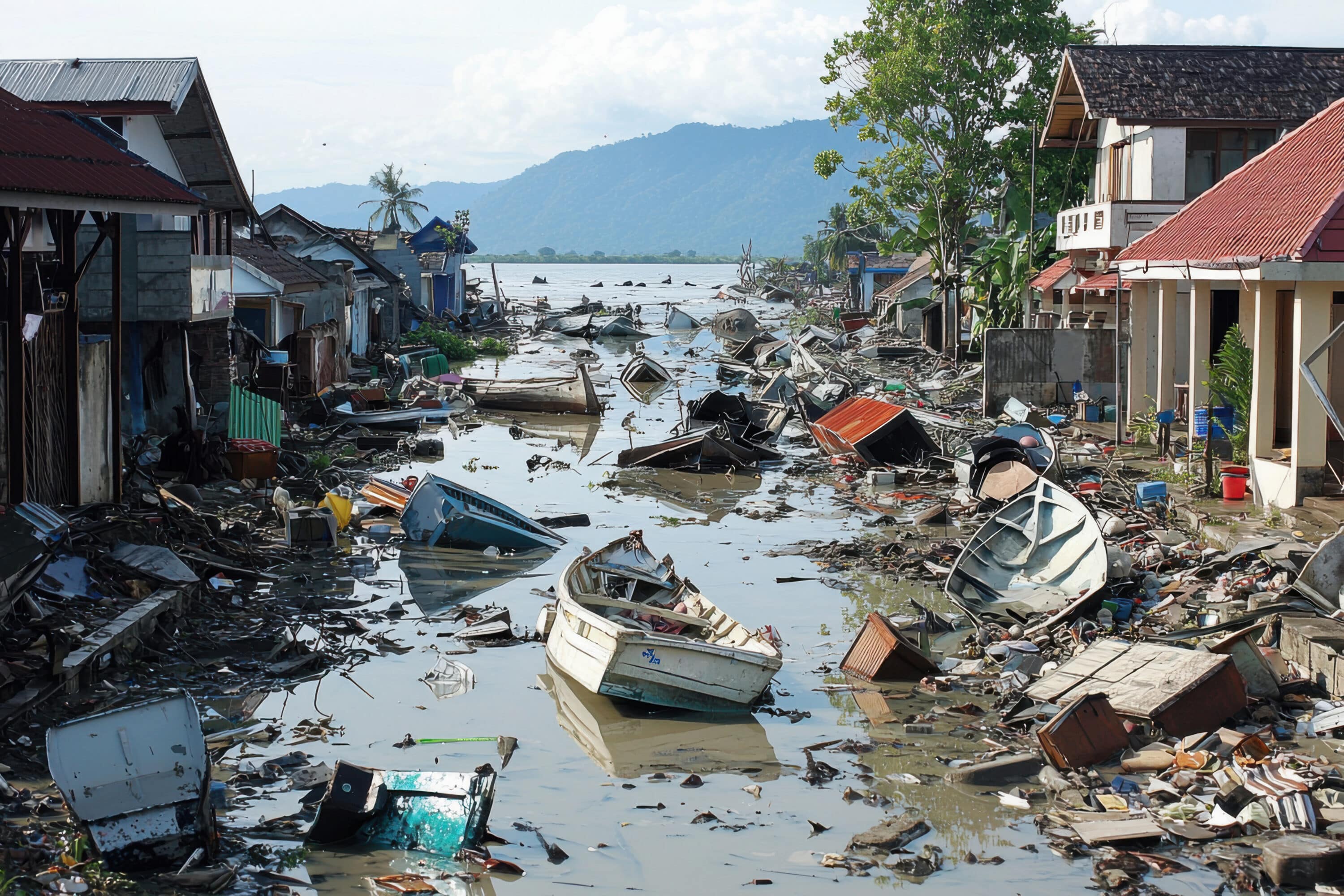
In emergencies, minutes matter. Yet many emergency communications failures occur because information is delayed, manually relayed, or outdated by the time it reaches responders.
Why this fails
-
Manual reporting processes slow response
-
Call centres become overwhelmed
-
Situation updates lag behind reality
How to avoid it
Real-time, mobile-based incident reporting allows citizens and volunteers to share updates instantly. With PubSafe, verified reports are timestamped, geolocated, and visible to responders—helping teams act on current, accurate information.
3. One-Way Communication with the Public
Traditional emergency communications often rely on one-way alerts: sirens, radio broadcasts, or SMS messages. While useful, this approach ignores valuable on-the-ground intelligence from the community.
Why this fails
-
Citizens cannot report evolving conditions
-
Authorities miss localised hazards
-
Trust erodes when communities feel unheard
How to avoid it
Modern emergency response requires two-way communication. Platforms like PubSafe allow citizens to report incidents, upload photos, and share situational updates—turning the public into active participants rather than passive recipients.
4. Lack of Verification and Information Overload
Another common emergency communications failure occurs when responders are flooded with unverified or duplicated reports, making it difficult to identify what’s real and what requires immediate action.
Why this fails
-
No validation process for incoming data
-
Multiple reports of the same incident
-
Misinformation spreads rapidly
How to avoid it
Structured reporting workflows and verification layers help filter noise from signal. PubSafe supports incident categorisation, validation by trusted organisations, and visibility controls—ensuring responders focus on credible, actionable intelligence.
5. Systems That Fail Under Pressure
Many emergency communications systems work well—until they are needed most. High call volumes, power outages, or network congestion often cause systems to fail at scale.
Why this fails
-
Centralised systems become overloaded
-
Limited redundancy and resilience
-
Poor mobile accessibility
How to avoid it
Resilient, cloud-based platforms designed for scale perform better during crisis surges. PubSafe is built to support distributed communication, mobile access, and community reporting—even when traditional systems are under strain.
Building Stronger Emergency Communications Together
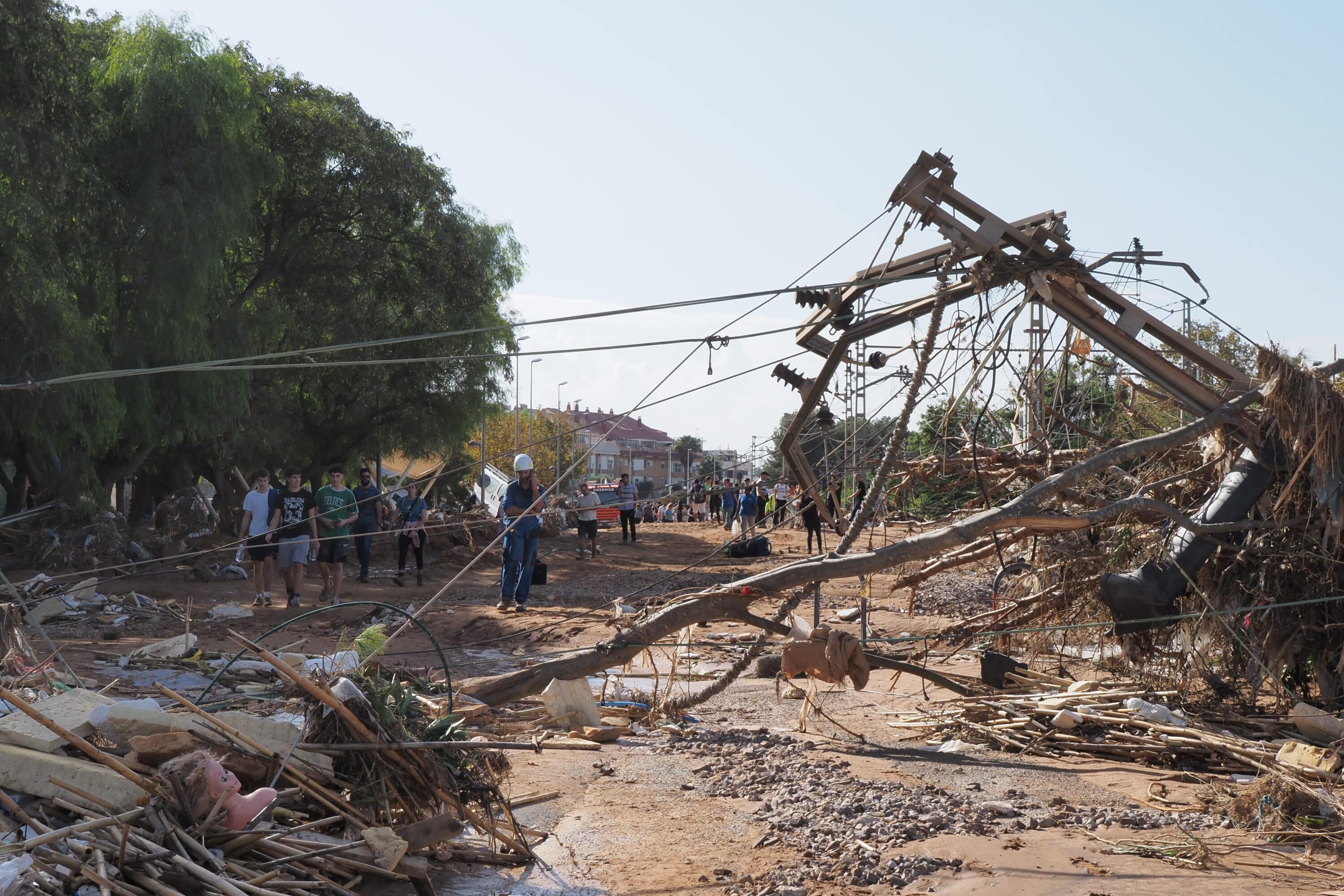
Emergency communications failures are not just technical problems—they are coordination problems. The future of emergency response depends on inclusive, real-time, and community-driven communication.
By empowering citizens, volunteers, NGOs, and agencies to share information through a single platform, PubSafe helps communities respond faster, coordinate better, and save lives.