
What to Do After an Earthquake, Community Response Guide
An earthquake can strike without warning, leaving communities shaken and often in distress. Knowing what to do after an earthquake is essential, not just for your personal safety but for helping neighbors, supporting recovery, and aiding first responders.
This comprehensive guide equips you with practical steps, recovery strategies, local and national resources, and tools, like the PubSafe Mobile communication platform, to support you and your community after a seismic event.
Whether you’re a concerned citizen, community leader, or organization, this guide helps you respond with confidence and preparedness.
Earthquake Disasters
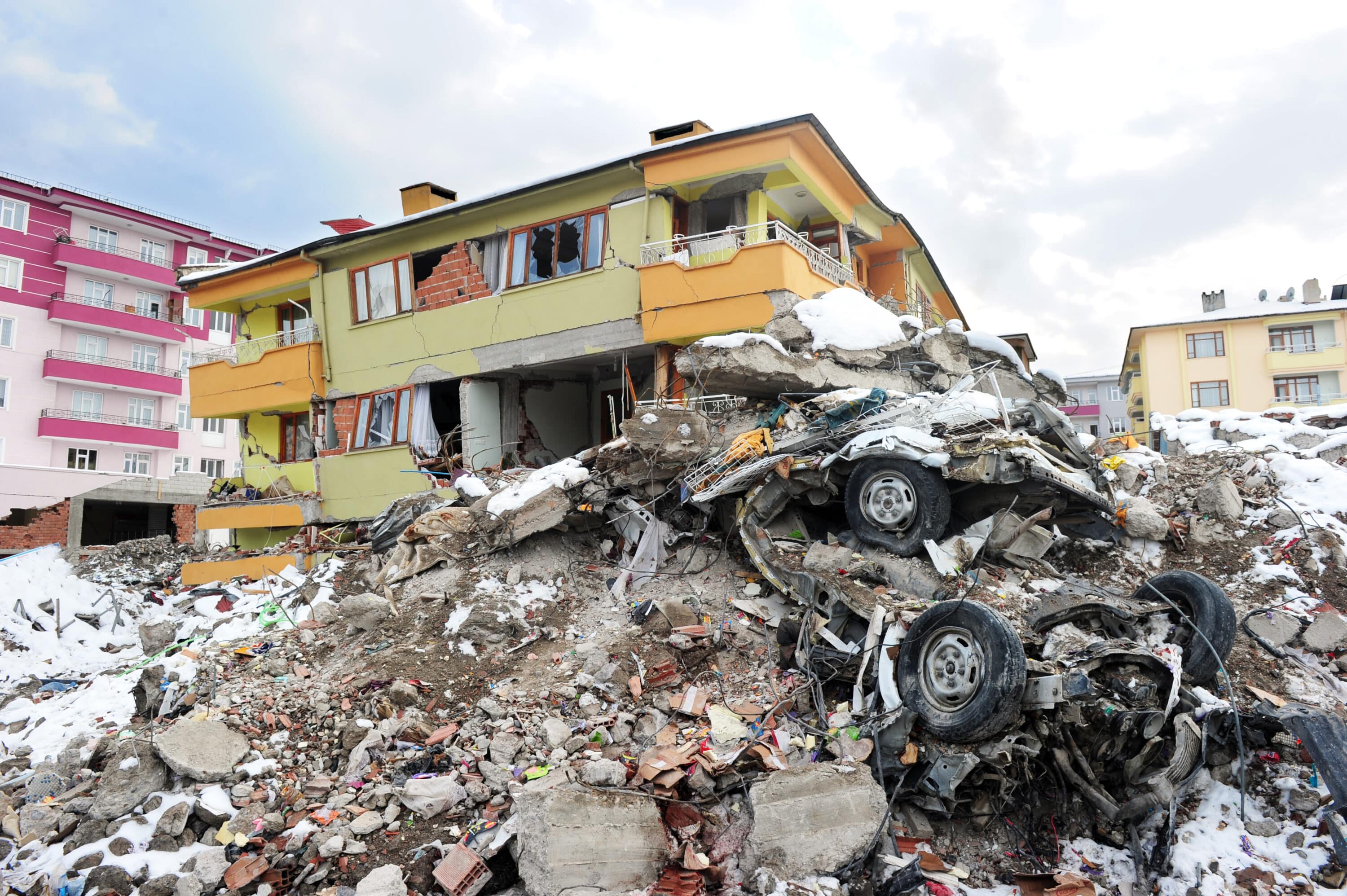
It represents one the most potentially deadly natural disasters encountered. Fortunately large one’s are relatively rare. When a large earthquake takes place it is measured around the world. The impact on community or region can be significant. In many countries with few, or no, building codes, a mid-level one’s can have the same impact as a large earthquake in other areas.
The US Geological Service (USGS) is responsible for monitoring earthquakes in the USA and contributes globally. They are exceptionally dangerous because they can produce not only building destruction but also tsunamis and landslides. Fires can erupt from broken gas lines. Traffic and the economy can be impacted by ruined roads and the repair process for months or years.
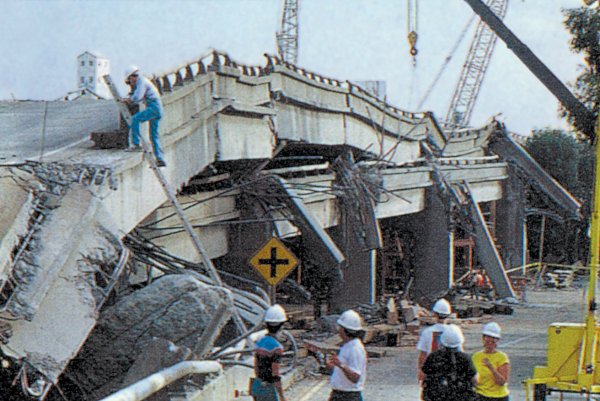
“The Northridge earthquake in California in 1994, caused $20,000,000,000 in damages and another 40,000,000,000 in economic loss in just a few seconds.”


1. Immediate Actions After an Earthquake
In the first few minutes and hours after an earthquake, your safety and that of those around you is the priority. Here’s what to do:
Check for Injuries
-
Assess yourself and others for injuries.
-
Apply first aid as needed.
-
Call emergency services for serious injuries.
Assess Your Environment
-
Look for structural damage (cracks in walls, broken glass, fallen objects).
-
Be ready for aftershocks, which can be as dangerous as the initial quake.
-
If you’re indoors and the building is unsafe, exit calmly if possible.
Shut Off Hazards
-
If safe, turn off:
-
Gas lines (if you smell gas)
-
Electrical circuits (if there are sparks or exposed wires)
-
Water sources to prevent flooding
-
Stay Informed
-
Use local broadcasts, official social media channels, and emergency alerts.
-
Access PubSafe Mobile for real-time updates, alerts, and safety information.
👉 Download PubSafe Mobile now — your essential guide in dangerous moments.
2. Ensuring Personal and Family Safety
Restoring a sense of safety is critical after the shaking stops.
Confirm Everyone Is Safe
-
Locate family members or roommates.
-
Establish a meeting point if you’re separated.
Check Emergency Kits
-
Use your home or car emergency kit.
-
Restock supplies if possible:
-
Water (1 gal per person per day)
-
Non-perishable food
-
First-aid supplies and medicines
-
Flashlight and batteries
-

3. Helping Your Community Respond
Earthquake recovery is a collective effort. Here are ways you can support your community:
Connect with Neighbors
-
Check on elderly or disabled neighbors.
-
Share information from reliable sources.
-
Form support groups to assist the most vulnerable.
Volunteer with Local Response Teams
Get involved with:
-
Community Emergency Response Teams (CERT)
-
Local disaster relief volunteer groups
-
Red Cross and other aid organizations

4. Communicating Effectively in the Aftermath
Communication is often disrupted after a major earthquake due to overloaded networks and power outages.
Use PubSafe Mobile
PubSafe Mobile is designed to:
-
Deliver real-time alerts even with limited connectivity
-
Allow communities to share verified updates
-
Enable emergency notifications for organizations and households
-
Provide geo-targeted safety instructions
Alternative Communication Strategies
-
Use SMS instead of voice calls to reduce network strain.
-
Listen to battery-powered or hand-crank radios.
-
Establish check-in times with loved ones.

5. Supporting Vulnerable Populations
Disasters impact some groups more severely than others. Assistance may be needed for:
Infants and Children
-
Ensure access to formula, diapers, and safe water
-
Provide reassurance and comfort
Elderly and Disabled Individuals
-
Assist with mobility, medication, and basic needs
-
Register with local authorities if specialized support is needed
Pets and Service Animals
-
Ensure pets have food, water, and secure shelter
-
Follow local guidelines for service animals
Reach out to organizations like the American Red Cross for guidance on supporting vulnerable groups after an earthquake.
➤ https://www.redcross.org/get-help/disaster-relief-and-recovery.html

6. Assessing Damage and Reporting Hazards
After ensuring personal and community safety, begin assessing structural and environmental hazards.
Home and Building Inspections
Look for:
-
Cracks in foundations and walls
-
Water or gas leaks
-
Damaged electrical systems
Professional inspection is recommended before re-entering severely damaged structures.
Report Hazards
Report:
-
Downed power lines
-
Gas smells
-
Blocked roads
-
Water main breaks
Use emergency management contacts or post alerts via PubSafe Mobile to report and track hazards efficiently.

7. Mental Health and Emotional Recovery
The aftermath of an earthquake can be emotionally challenging. Taking care of mental health is as important as physical recovery.
Common Reactions
-
Anxiety and fear of aftershocks
-
Stress and irritability
-
Sleep disturbances
Ways to Cope
-
Talk with friends, family, or counselors
-
Establish routines where possible
-
Take breaks from news and social media
➤ Federal Emergency Management Agency (FEMA) mental health support — https://www.fema.gov/assistance/individual
8. Rebuilding and Long-Term Recovery
Community recovery doesn’t end when the immediate danger passes. Planning and long-term rebuilding take time and effort.
Prioritize Safety
Ensure buildings are structurally sound before reconstruction.
Partner with Local Authorities
Work with city planners, volunteer organizations, and relief agencies.
Access Financial Assistance
Seek grants and loans for rebuilding affected homes and businesses.
➤ U.S. Small Business Administration Disaster Assistance — https://www.sba.gov/funding-programs/disaster-assistance
How PubSafe Mobile Supports Earthquake Response
Real-Time Alerts
Get verified alerts based on your location to guide your next steps.
Geo-Targeted Safety Messages
Receive up-to-date instructions tailored to your exact community.
Community Reports
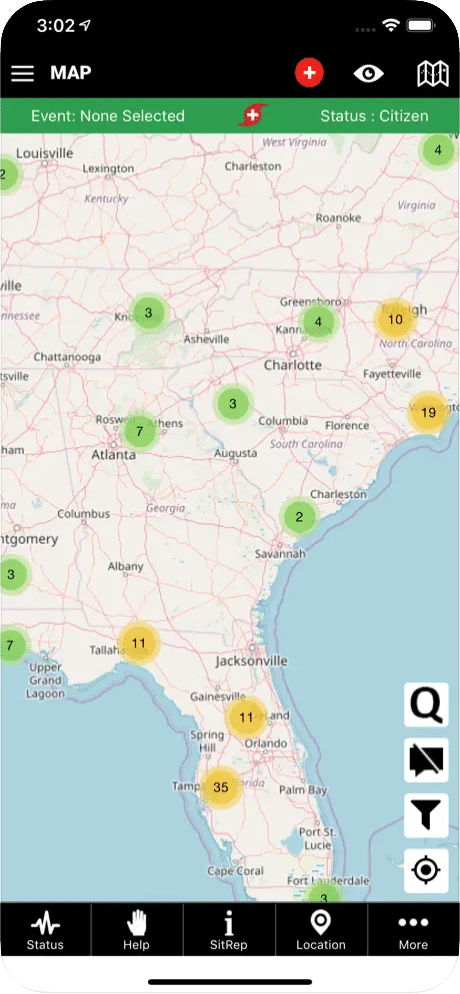
Share and view safety reports from neighbors and local authorities.
Offline Functionality
Critical safety updates continue even when networks are overloaded.
Take Action: What You Can Do Now
Stay connected with real-time alerts and community updates.