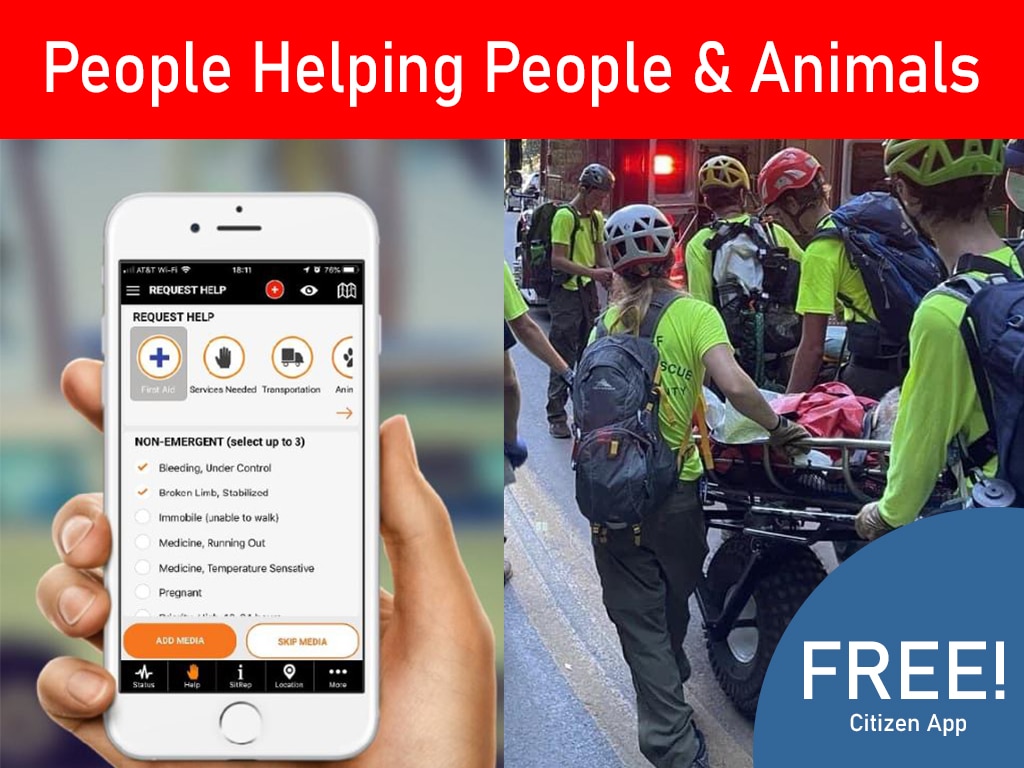
Building a resilient community goes beyond just having an emergency kit. It’s about creating a network of prepared neighbors who can rely on each other when it matters most. This is the true power of a Community Emergency Response Team (CERT). These teams not only train volunteers for disaster response but also foster a culture of preparedness and connection long before an emergency happens. By joining, you’re not just learning skills; you’re investing in a stronger, safer neighborhood for everyone. If you’re ready to get involved, the first step is understanding what is a CERT team and how to contact them.
Thank you for reading this post, don't forget to install the free PubSafe mobile app and subscribe!
Key Takeaways
- CERT empowers you to be an immediate responder. The program provides the training to help your family and neighbors safely during the critical first hours of an emergency, filling the gap before professional services can arrive.
- You don’t need prior experience to join. CERT training is designed for everyone, teaching practical skills like basic first aid, fire safety, and search and rescue to give you the confidence to act effectively and safely.
- A structured approach makes CERT effective. Teams operate within a clear system that integrates with professional responders, and modern tools for communication and volunteer management ensure their efforts are coordinated and impactful.
What is a Community Emergency Response Team (CERT)?
Have you ever wondered how you could help your neighbors during an emergency? That’s exactly what a Community Emergency Response Team, or CERT, is all about. It’s a program that gives everyday people the training they need to prepare for and respond to disasters in their own communities. Think of it as neighbors helping neighbors, but with a solid foundation of skills and organization.
These teams are made up of volunteers who learn how to take care of themselves, their families, and their communities when professional responders are delayed or overwhelmed. It’s a powerful way to build local resilience and make a real difference when it matters most.
What CERT teams do
CERT volunteers are trained in a variety of essential disaster response skills. Their main goal is to provide immediate assistance and support in the critical hours after an emergency. This includes tasks like basic fire safety, light search and rescue, and first aid. They learn how to work together as a team to assess situations, triage injuries, and provide support until professional help arrives. Teams that want to stay useful after activation also need clear operating habits for CERT relevance during a disaster.
A huge part of their role is also helping to organize other volunteers who show up at a disaster site wanting to help. By providing structure and direction, CERT members ensure that everyone’s efforts are safe, effective, and truly beneficial to the community.
How CERT supports professional responders
CERT teams don’t replace professional first responders like firefighters, police, or paramedics. Instead, they act as a crucial support system. When a major disaster strikes, emergency services can be stretched thin. CERT volunteers step in to handle important tasks that don’t require advanced training, like setting up a medical treatment area or checking on neighbors.
This allows professional responders to focus on the most complex and life-threatening situations. By taking on these initial responsibilities, CERTs act as a force multiplier, helping the entire community response run more smoothly. Platforms that allow teams to coordinate their efforts in real time make this partnership even more effective.
Common CERT myths, busted
One common myth that holds people back from joining is the fear of being put in dangerous situations without support. For example, some worry that community responders are at high risk of injury.
The reality is that CERT training heavily emphasizes safety and working within your limits. Volunteers are taught to always prioritize their own safety first. Data from existing community responder programs shows that the need for police backup is rare. The focus is on providing aid and support, not law enforcement. CERT is about empowering you to help safely, not putting you in harm’s way.
What Training Do CERT Volunteers Get?
If you’re thinking about joining a CERT team, you might be wondering what kind of training is involved. The good news is you don’t need any prior experience in emergency services. The entire program is designed to teach you practical skills from the ground up, giving you the confidence to help your community safely and effectively when a disaster strikes. The standardized curriculum ensures that volunteers across the country learn a core set of skills, making CERT a reliable and consistent resource nationwide. This training empowers you to be a capable first point of assistance for your family and neighbors while supporting professional responders when they arrive. The program typically involves about 20 hours of instruction, combining classroom learning with hands-on exercises, so you get to practice what you learn in a controlled environment. The goal isn’t to turn you into a professional firefighter or paramedic, but to equip you with the knowledge to make safe, effective decisions in the critical hours after an emergency. Let’s walk through the main areas your training will cover.
Disaster response basics
The first thing you’ll learn is the foundation of disaster preparedness. This part of the training educates you on the specific hazards that could impact your area, whether it’s hurricanes, wildfires, or winter storms. Pair that training with a practical disaster response communication plan before activation. You’ll cover essential response skills that form the building blocks for everything else you do as a CERT volunteer. This includes an introduction to fire safety, light search and rescue techniques, the importance of teamwork, and how to provide basic medical assistance. Think of it as your orientation to becoming a reliable and helpful presence in an emergency.
Fire safety and suppression
While CERT volunteers are not firefighters, they do learn critical skills for managing small fires and reducing potential hazards. Your training will cover how to use a fire extinguisher properly and techniques for extinguishing small fires before they get out of control. A major focus is on safety and recognizing when a situation is too dangerous to handle without professional help. This knowledge is vital for protecting yourself and others in the immediate aftermath of a disaster when the fire department might be overwhelmed with calls and unable to respond right away.
Search and rescue fundamentals
When a disaster hits, locating and helping people who are trapped or injured is a top priority. CERT training equips you with the basics of light search and rescue operations. The term “light” is key here; it means you’ll learn how to safely search for and rescue victims in minimally damaged structures. You’ll practice systematic search patterns, lifting and cribbing techniques to move heavy objects, and how to organize as a team to conduct a search safely and efficiently. This training always prioritizes the rescuer’s safety above all else.
Medical operations and triage
In a large-scale emergency, professional medical services can be delayed. CERT training prepares you to provide immediate and life-sustaining care until help arrives. The curriculum covers essential medical operations, including how to recognize and treat life-threatening conditions like bleeding and shock. You’ll also learn the basics of triage, which is a method for quickly assessing patients to determine who needs help most urgently. This allows you to do the greatest good for the greatest number of people in a chaotic situation.
Why Are CERT Teams So Important?
When an emergency strikes, the first few hours are the most critical. Professional responders are often stretched thin, and that’s where CERT teams make a huge difference. They are a trained, organized force providing essential support when it’s needed most, acting as a bridge between the moment a disaster hits and when professional help is fully available. Their presence strengthens a community’s ability to handle a crisis, making everyone safer. By preparing for local hazards, CERT volunteers build a foundation of resilience that benefits the entire neighborhood.
Filling critical gaps in emergency response
In a large-scale disaster, emergency services can be delayed or overwhelmed. CERT volunteers are trained to step into this gap. Because they live in the community, they can respond immediately to check on neighbors, provide basic medical aid, and report critical information to authorities. The CERT program educates volunteers on the specific hazards that might affect their area, from hurricanes to wildfires. This local knowledge is invaluable. They are the first line of defense, providing organized assistance that can save lives while professional teams are on their way. This community-led disaster preparedness is what makes CERT so effective.
Supporting first responders when it matters most
CERT teams act as a force multiplier for professional responders. They don’t replace firefighters or paramedics; they provide critical support that allows professionals to focus on the most urgent tasks. CERT members can handle things like light search and rescue, managing spontaneous volunteers, and performing initial damage assessments. By taking on these responsibilities, they free up highly trained personnel to handle complex rescues or severe medical emergencies. This partnership ensures a more efficient response for the whole community. Platforms that facilitate clear team management are key to making this collaboration seamless during a chaotic event.
Building a network of prepared neighbors
Beyond disaster response, CERT builds a stronger, more connected community. The program creates a network of trained individuals who know their neighbors and understand their neighborhood’s unique needs. This fosters a culture of preparedness where people are empowered to take care of themselves and each other. When residents have basic safety and survival skills, the entire community becomes more resilient. CERT teams also know how to organize volunteers who show up wanting to help but lack formal training. This turns good intentions into coordinated action, creating a powerful, community-wide safety net.
Who Can Join a CERT Team?
Thinking about joining a CERT team but not sure if you have what it takes? You might be surprised. CERT programs are designed for everyday people who want to make a difference in their communities. The requirements are more about your willingness to learn and help than any specific background. Let’s break down what you can expect when it comes to age, time, and the skills you’ll need (or rather, the skills you’ll gain). The goal is to build a team of prepared neighbors, and that means bringing together people with diverse abilities and experiences.
Age and physical requirements
One of the best things about the CERT program is how inclusive it is. Generally, you need to be 18 years or older to join. There isn’t a strict fitness test, but you should be in good enough health to handle the hands-on training and potential physical demands of a real emergency. This could include things like lifting light debris or walking over uneven ground. The focus is on what you can do. The goal is to have a wide range of community members involved, because every person brings a unique ability to the team. If you’re ready to contribute, there’s likely a role for you.
The time commitment involved
Jumping into a new volunteer role can feel like a big commitment, but the CERT program is structured to fit into a busy schedule. The initial training usually involves about 17.5 hours, often broken up into one session a week for seven weeks. After you’re certified, you’ll be encouraged to attend refresher trainings a couple of times a year to keep your skills sharp. This manageable schedule makes it possible for people from all walks of life to get involved. Effective volunteer coordination is key to a successful team, and that starts with respecting everyone’s time and creating a sustainable plan for participation.
Skills and background needed
You don’t need any prior emergency response experience to become a valuable CERT member. In fact, that’s the whole point of the program. The training is designed to give you all the foundational skills you’ll need to help your neighbors safely. You’ll learn everything from basic fire safety and how to use a fire extinguisher to light search and rescue techniques. The curriculum also covers disaster medical operations, like treating shock and performing triage. The Community Emergency Response Team program is built on the idea that with the right training, anyone can be prepared to act effectively when it matters most.
How to Find Your Local CERT Program
Ready to join your local CERT team? Finding the right group is the first step, and it’s easier than you might think. There are several straightforward ways to locate the program in your community and get connected with fellow volunteers. Whether you start with a local government office or a quick online search, you can find the information you need to get involved and start making a difference.
Check with your emergency management office
Your first and best stop is often your local emergency management office. Every town or county has a designated coordinator responsible for disaster preparedness and response plans. They are the go-to source for official information and can tell you if a CERT program exists in your area, if one is being formed, or how to get started. A quick call or visit to their office can give you all the details you need, from training schedules to application requirements. They have the most up-to-date information on how volunteers are organized in your specific community.
Use FEMA and state-level resources
The CERT program is a national initiative, which means you can find a wealth of information from federal and state sources. The Federal Emergency Management Agency (FEMA) officially administers the program and offers a directory of CERT programs across the country. This is a great starting point if you’re unsure where to begin your local search. Your state’s emergency management agency website will also likely have a dedicated page with a list of active programs, contact information, and resources specific to your region. These official sites provide reliable information directly from the source.
Ask your local fire or police department
Don’t hesitate to reach out to your local fire or police department. First responders work closely with CERT volunteers during emergencies, so they are usually well-informed about the local program. They can point you to the right contact person or provide details on how to sign up. Since CERT members are trained to support these professional agencies, the fire and police departments often play a role in training and recruitment. Stopping by your local station or calling their non-emergency line is a simple way to get connected with the people you’ll be working alongside.
Try an online CERT locator tool
A quick online search can also lead you directly to your local CERT program. Use search terms like “[Your Town/County] CERT program” or “Community Emergency Response Team near me.” Many local CERT websites have online applications and detailed information about their activities. Beyond a simple search, platforms designed for community safety can help you see how different groups coordinate. For example, the PubSafe public map shows real-time incidents and can help you understand the emergency landscape in your area, which is exactly where CERT teams make an impact.
What to Expect When You Join a CERT Team
Joining a CERT team is a rewarding way to serve your community, and the process is designed to be accessible and thorough. From the moment you apply to your final certification, every step prepares you to respond effectively when your neighbors need you most. You’ll gain practical skills, connect with like-minded volunteers, and build the confidence to act calmly and decisively during a crisis. The journey involves a mix of classroom learning and practical exercises, ensuring you’re not just learning theory but also applying it in realistic scenarios. Let’s walk through what you can expect when you sign up.
The application process
Getting started with your local CERT program is usually a straightforward process. Your first step is to connect with your town or county’s emergency management office. They can tell you if a program already exists and guide you through the application. The application itself typically involves providing some basic personal information and acknowledging the volunteer commitment. This initial step ensures that program coordinators can maintain a clear roster and communicate effectively with all members. Once your application is accepted, you’ll be officially welcomed into the program and receive information about the next steps, including the training schedule and any orientation meetings.
Training schedule and duration
CERT training is comprehensive but designed to fit into a busy schedule. The standard basic training course covers about 20 hours of instruction. Most programs spread this out over several weeks, with one class per week in the evening or on a weekend. This format makes it manageable for volunteers with full-time jobs and other commitments. After completing the initial course, you’ll be encouraged to participate in refresher trainings and drills throughout the year to keep your skills sharp. This ongoing education ensures that you and your team are always ready to respond and familiar with the latest protocols for volunteer coordination.
Hands-on exercises and simulations
CERT training isn’t just about sitting in a classroom. A major component of the program involves hands-on exercises and disaster simulations. These drills are designed to let you practice your new skills in a controlled, safe environment. You might participate in a mock search and rescue operation, practice extinguishing a small fire, or learn how to triage simulated victims based on their injuries. These practical sessions are vital for building muscle memory and confidence. They help bridge the gap between knowing what to do and being able to do it under pressure, ensuring you’re prepared for the realities of an emergency.
Certification requirements
To become a certified CERT volunteer, you’ll need to complete the basic training course. In many communities, this training is offered free of charge to anyone 18 or older who lives or works in the area. A key principle of the CERT program is safety, both for the volunteers and the people they help. You will never be asked to perform a task that puts you in unnecessary danger. The goal is to equip you to be a safe, effective resource for your community. Upon completion, you’ll receive a certificate and be added to the roster of deployable volunteers, ready to assist when an emergency strikes.
How Are CERT Teams Activated During an Emergency?
When a disaster strikes, CERT teams don’t just show up randomly. Their activation is a structured process, though it can look different depending on the scale of the emergency. Sometimes, a local government agency will officially call on the team to respond. In other situations, especially when communication systems are down, team members are trained to self-activate and begin helping their immediate community.
The key is that CERT volunteers are prepared to act as an organized force when professional first responders are overwhelmed or delayed. They become the eyes and ears on the ground, providing critical early assistance and information. This organized approach ensures their efforts are effective and integrated into the broader emergency response, making them a crucial part of a community’s resilience.
Understanding when CERT is deployed
CERT teams are typically activated by their sponsoring organization, like a local fire department or office of emergency management. This official deployment often happens during large-scale events where the number of incidents exceeds what professional responders can handle alone. For example, after a major storm, CERT volunteers might be tasked with conducting initial damage assessments. They can check on neighbors and report incidents like downed power lines, localized flooding, or blocked roads back to an emergency operations center.
However, a core part of CERT training is learning to take initiative. If a major earthquake hits and phone lines are dead, members won’t wait for a call. They are trained to check on their families first, then team up with nearby CERT members to start helping their neighborhood safely and systematically.
Communication protocols in a crisis
In a major disaster, you can’t count on your cell phone working. That’s why CERT programs emphasize resilient communication methods. Teams often rely on two-way radios, runners, or pre-determined neighborhood meeting points to coordinate their actions when traditional networks fail. Having a clear communication plan is essential for CERT members to organize themselves and pass along vital information without waiting for official direction.
This is where modern tools can make a huge difference. Platforms designed for disaster response provide a reliable way for teams to stay connected. Using an app for real-time emergency coordination allows volunteers to share updates, report needs, and manage tasks efficiently, even when conditions are chaotic. This ensures everyone is on the same page and efforts aren’t duplicated.
How CERT fits into the incident command system
CERT teams don’t operate in a vacuum. They are designed to plug directly into the local emergency response framework using the Incident Command System (ICS). This is the same standardized management system used by firefighters, police, and other professional responders across the country. By using ICS, CERTs can communicate effectively with officials and integrate their operations smoothly. They become a valuable force multiplier, handling immediate, on-the-ground tasks that free up professional responders for more complex or hazardous situations.
As trained civilians, CERT members are often the first to respond in their own neighborhoods. Their ability to organize and manage themselves under a recognized structure makes their contributions safe and effective, helping bridge the critical gap until professional help arrives.
How to Promote Your Local CERT Program
A strong CERT program is built on the strength of its volunteers. But how do you attract dedicated members and keep the community engaged? Promoting your program is about more than just recruitment; it’s about building awareness and fostering a culture of preparedness. When your neighbors understand what CERT does and why it matters, they’re more likely to get involved and support your efforts. Here are a few practical ways to spread the word and grow your local CERT team.
Host community outreach events
Get out into the community and show people what CERT is all about. Instead of just talking about preparedness, demonstrate it. Host workshops where community members can practice skills like using a fire extinguisher or building a disaster kit. You can also run drills and exercises that reflect real-life events, giving potential volunteers a taste of the training. Set up a booth at local festivals or farmers markets to answer questions and hand out information. The more visible and accessible your team is, the more you’ll build trust and interest from your neighbors.
Use social media to engage neighbors
Your social media channels are powerful tools for connecting with your community. Use platforms like Facebook or Nextdoor to share information about upcoming training, safety tips, and success stories from your team. Post photos and videos from drills to show CERT in action and feature a “Volunteer of the Month” to highlight your members. Engaging with neighbors online fosters a sense of community and makes your program feel more approachable. Remember to be responsive, answer questions, and encourage conversation to keep your audience connected and informed about your mission.
Partner with local organizations
You don’t have to do it all alone. Collaborating with local organizations can extend your reach and bring in new resources. Connect with schools, libraries, and businesses to co-host events or share information. A hardware store might offer discounts on emergency supplies for CERT graduates, or a community center could provide a free space for meetings. When you register your organization and build these relationships, you weave your CERT program into the fabric of the community. This not only helps with recruitment but also strengthens your town’s overall resilience when everyone works together.
Show appreciation for your volunteers
Your volunteers are your program’s most valuable asset, so make sure they feel appreciated. Recognition doesn’t have to be expensive; a simple thank you goes a long way. Create a culture of appreciation by hosting an annual volunteer dinner, presenting awards, or giving shout-outs on social media. Providing continuous training also shows you’re invested in their growth. When volunteers feel valued and see their time is making a difference, they’re more likely to stay engaged. Good volunteer coordination is another way to show you respect their commitment.
How Technology Improves CERT Coordination
In a disaster, clear communication and organization can make all the difference. While the core mission of CERT remains the same, the tools volunteers use have evolved significantly. Gone are the days of relying solely on phone trees and paper maps. Today, technology provides powerful ways to streamline operations, ensuring that CERT teams can respond faster and more effectively when their community needs them most. These tools help teams stay connected, manage volunteers efficiently, and share critical information with professional responders.
Platforms like PubSafe are designed to bring all these functions together, creating a unified system for disaster response. By integrating communication, volunteer management, and reporting, these technologies help CERTs operate with a higher level of precision and coordination. This means less time spent on logistics and more time spent helping people. When every second counts, having the right technology in place allows volunteers to focus on the hands-on work that saves lives and protects property. Understanding how PubSafe works can give you a clearer picture of how these systems support emergency efforts from the ground up.
Real-time communication platforms
During an emergency, situations can change in an instant. Real-time communication platforms are essential for keeping every team member informed and on the same page. These tools allow for instant updates and information sharing, which is crucial in fast-paced disaster situations. Instead of relying on individual calls or texts that can get lost in the chaos, teams can use a central channel to share information. This might include updates on hazards, requests for assistance, or changes in deployment plans. Features like group messaging and a public map ensure that everyone has access to the same information at the same time, reducing confusion and enabling a more coordinated response.
Digital volunteer management systems
Effectively managing volunteers is vital for any CERT operation. Volunteer management software for CERTs helps leaders track volunteer availability, certifications, and special skills, ensuring that the right people are assigned to the right tasks. This is a huge step up from manual spreadsheets or paper records, which can be difficult to access and update during a crisis. With a digital platform, you can quickly see who is available to deploy and what qualifications they have. This organized approach to team management means that teams are well-prepared and can be mobilized quickly and efficiently, maximizing their impact in the field while ensuring volunteer safety.
Modern incident reporting tools
Accurate and timely information from the field is critical for both CERT teams and professional first responders. Modern incident reporting tools allow volunteers to document and report what they see directly from their smartphones. This streamlines the process of gathering data on emergencies, which can then be shared with local emergency management agencies for better resource allocation. Instead of waiting to relay information over the radio or fill out a paper form later, a volunteer can submit a report with photos and precise GPS coordinates in seconds. This process of reporting an incident creates a clear, real-time picture of the situation on the ground, helping officials make better-informed decisions.
Related Articles
- Disaster Response Platform | Community‑Driven Emergency Coordination | PubSafe
- About PubSafe | Community Disaster Response & Emergency Coordination
- Community Disaster Response Platform | PubSafe
- Why Community Driven Disaster Response Matters | PubSafe
Frequently Asked Questions
Do I need any special skills, like a medical background, to join a CERT team? Not at all. The CERT program is designed for everyone, regardless of your professional background. The training starts from square one and teaches you all the foundational skills you’ll need, from basic first aid and fire safety to light search and rescue. Your willingness to learn and help your community is far more important than any prior experience.
Is the CERT training expensive or difficult to schedule? Most CERT programs are sponsored by local government agencies, so the basic training is often offered completely free of charge to residents. The course is also structured to fit into a busy life. It’s typically broken up into weekly sessions held on evenings or weekends, making it manageable for people with full-time jobs and family commitments.
What if I’m not able to do physically demanding tasks like lifting heavy objects? That’s perfectly fine. An effective emergency response requires people with all kinds of abilities. While some CERT roles involve physical activity, many others are just as critical. You could contribute by helping with communications, documenting damage, managing supplies, or organizing other volunteers. There is a valuable role for anyone who wants to help.
Will I be expected to respond to every single emergency once I’m certified? No, your first priority is always your own safety and the safety of your family. CERT training teaches you to take care of yourself first so you can then help others. Activation protocols vary, but you are a volunteer, and your participation depends on your availability and the specific needs of the situation. You won’t be on call like a professional first responder.
How does a CERT team work with professional responders like firefighters? CERT volunteers act as a support system, not a replacement, for professional responders. During a large-scale disaster, emergency services can be stretched thin. CERT teams step in to handle immediate, on-the-ground tasks like checking on neighbors, performing initial damage assessments, and providing basic medical aid. This allows firefighters and paramedics to focus their advanced skills on the most complex and life-threatening situations.