A disaster response is never a one-person show. It’s a massive, coordinated effort that involves everyone from state officials to local first responders, aid organizations, and citizen volunteers. When the governor declares a Pennsylvania state of emergency, it’s the official starting gun that mobilizes this entire network. This declaration is the key that allows different groups to work together seamlessly, sharing information and resources to protect communities. In this interconnected system, every person has a role to play. We’ll explore how this top-down declaration empowers bottom-up community action, and how modern technology helps bridge the gap between neighbors who need help and those who can provide it.
Key Takeaways
- It’s a Procedural Green Light: A state of emergency is the government’s official signal to speed up disaster response. It cuts through red tape to get resources, personnel, and aid moving quickly, ensuring a more organized effort to protect public safety.
- Anticipate Disruptions and Aid Opportunities: While you might see temporary changes like road closures, a declaration is also the key to unlocking state and federal financial assistance. Stay informed through official channels to know how your routine is affected and how to access support if you need it.
- Take Control with a Personal Plan: You can create security by preparing ahead of time. Assemble a go-kit, map your evacuation routes, and use technology like the PubSafe app to stay connected with your community and local responders for real-time information and support.
What a Pennsylvania State of Emergency Really Means
When you hear “state of emergency” on the news, it can sound alarming. But what does it actually mean for you and your community? Think of it as the government’s official signal to switch into high gear. It’s a formal declaration that allows state agencies to coordinate more effectively, access special resources, and take necessary actions to protect public safety during a crisis. This isn’t about causing panic; it’s about enabling a faster, more organized response that gets ahead of a developing situation. The declaration essentially cuts through red tape, allowing for quicker deployment of personnel, equipment, and financial aid that might otherwise be delayed by bureaucracy.
Understanding this process helps you know what to expect and how to prepare. It’s the green light for emergency responders, aid organizations, and even citizen volunteers to start working together under a unified plan. When everyone is on the same page, from government officials to your local CERT team, the entire community is safer. This coordinated effort is exactly what platforms like PubSafe are built to support. By connecting all the moving parts of a disaster response, the platform helps ensure that help can get where it’s needed most. This is a core part of how PubSafe works to unite communities during a crisis.
The Official Purpose and Definition
So, what exactly is a state of emergency? At its core, it’s a formal declaration made by the government when a situation poses a significant threat to public safety and well-being. This could be a natural disaster like a flood or blizzard, a public health crisis, or another major event that overwhelms local resources. The declaration isn’t meant to be a scare tactic. Instead, it’s a procedural step that gives authorities the flexibility and power to respond quickly. It allows them to bypass certain regulations to speed up aid, deploy personnel and equipment, and coordinate a large-scale response to keep people safe.
Who Makes the Call?
In Pennsylvania, the authority to declare a statewide emergency rests with the Governor. When a disaster or crisis is big enough to require a state-level response, the Governor issues official statements called emergency proclamations. This proclamation formally announces the state of emergency and outlines the initial response. It’s the official starting gun that mobilizes the Pennsylvania Emergency Management Agency (PEMA) and other state resources. This centralized decision-making ensures a clear chain of command and helps prevent confusion, allowing for a more efficient and effective response across multiple counties or the entire commonwealth.
How Long Does It Last?
A state of emergency isn’t indefinite. Each proclamation has a set duration, though it can be extended if the crisis continues. The official record of Pennsylvania’s emergency proclamations shows a history of these events, ranging from short-term weather emergencies to longer-term public health situations. Because you never know how long a crisis will last, it’s crucial for response organizations to be prepared for anything. Having a solid system for team management ensures that volunteer groups, NGOs, and public safety agencies can maintain operations and coordinate efforts seamlessly for the entire duration of an emergency.
What Prompts a State of Emergency in PA?
A state of emergency isn’t a term to be taken lightly. In Pennsylvania, it’s the state’s official way of saying, “We have a major problem that needs immediate, coordinated action.” While many of us immediately think of blizzards or floods, the triggers are actually much broader. Understanding what prompts these declarations can help you recognize the seriousness of a situation and know when to activate your own preparedness plan. The Governor issues these formal statements, known as emergency proclamations, to mobilize resources and protect public safety across the Commonwealth. This official step allows the state to bypass certain procedures to deliver aid faster, deploy the National Guard if needed, and coordinate a multi-agency response. It’s a signal that the event has exceeded the capabilities of local responders and requires a higher level of intervention.
From Severe Weather to Natural Disasters
Pennsylvania sees its fair share of intense weather, and it’s the most common reason for an emergency declaration. Think of heavy snow and ice from a major winter storm that shuts down roads and causes widespread power outages. We also face threats from tropical storms and hurricanes, like the devastating flooding caused by the remnants of Hurricane Ida. When conditions like these become too dangerous or destructive for local municipalities to handle alone, the governor can declare a state of emergency. This action frees up state resources and personnel to help with response and recovery, ensuring communities get the support they need when it matters most.
When Public Health Is at Risk
Emergencies aren’t always something you can see from your window. Significant public health crises can also prompt a state of emergency. The COVID-19 pandemic is a powerful example, requiring a massive, coordinated response to protect residents and manage healthcare resources. Pennsylvania has also used emergency declarations to address the ongoing opioid crisis, treating it as the public health disaster it is. These situations show that an emergency can be a long-term battle, not just a single event. They often rely heavily on community support and highlight the importance of volunteer coordination to distribute supplies and support vulnerable neighbors.
Responding to Infrastructure and Civil Issues
Sometimes, an emergency arises from the failure of the critical infrastructure we use every day. The sudden collapse of the I-95 bridge in Philadelphia or the Forbes Avenue Bridge in Pittsburgh are stark reminders of this vulnerability. These events require an immediate, large-scale response to manage traffic, ensure public safety, and begin the long process of rebuilding. In other cases, civil disturbances that threaten public order can also lead to an emergency declaration. In any of these scenarios, being able to report an incident accurately helps first responders get a clear picture of what’s happening on the ground, making your observations a valuable part of the solution.
How a State of Emergency Affects Your Daily Life
The phrase “state of emergency” can sound pretty intense, but it’s important to understand what it actually means for you and your community. It’s not about causing panic; it’s a formal government process designed to get help moving quickly when a major crisis, like a hurricane or a widespread power outage, threatens public safety. Think of it as the government’s way of cutting through red tape to deploy resources, personnel, and funding where they’re needed most. This declaration is a critical tool that allows for a faster, more coordinated response, ensuring your community can prepare for, and recover from, a disaster more effectively.
Clearing Up Common Misconceptions
First things first, let’s clear the air. A state of emergency is a formal announcement from the government that a major threat requires a swift and significant response. It’s a procedural step, not a signal for widespread panic or a declaration of martial law. The primary goal is to protect public safety by unlocking special powers and resources that aren’t available during normal day-to-day operations. This allows officials to bypass slower, traditional processes to deliver aid and manage the crisis efficiently. So, when you hear that a state of emergency has been declared, see it as a sign that officials are taking the situation seriously and mobilizing to help.
Potential Travel and Daily Disruptions
When a state of emergency is in effect, you can expect some changes to your daily routine. To keep people safe, officials might implement travel restrictions, close certain roads or bridges, or issue evacuation orders for high-risk areas. For example, ahead of a major winter storm, a disaster emergency proclamation allows the state to get equipment and crews ready to keep essential routes clear. You might also see closures for schools, government offices, and non-essential businesses. The best thing you can do is stay tuned to official news sources for specific guidance that affects your neighborhood.
Understanding Government Actions and Resources
A state of emergency gives the government the authority to take decisive action. The Governor of Pennsylvania can issue emergency proclamations that cover everything from severe weather to public health crises. This declaration allows the state to mobilize resources like the National Guard, coordinate directly with federal agencies for support, and reallocate funds to cover emergency-related costs. It’s all about ensuring that first responders and community organizations have the backup they need. This centralized coordination helps streamline the efforts of everyone involved, from state agencies down to local volunteer teams.
How to Access State and Federal Aid
One of the most important functions of a state of emergency is that it opens the door for financial assistance. Normal government channels can be too slow when a disaster strikes, and this declaration is the first step in expediting aid. It allows the state to request a federal disaster declaration from the President, which can unlock funding and resources from agencies like FEMA for communities and individuals. If you need assistance, keep an eye on official state and local emergency management websites for information on how to apply for aid. You can also report an incident or a need directly through platforms like PubSafe to connect with nearby help.
Your Action Plan for Staying Safe
When you hear that a state of emergency has been declared, it’s natural to feel a surge of uncertainty. But feeling prepared can make all the difference. Instead of worrying, you can focus on a clear, simple plan to keep yourself and your loved ones safe. It’s about taking small, manageable steps before a crisis hits, so you can act confidently when it matters most. This plan isn’t about expecting the worst; it’s about creating peace of mind. By thinking through your supplies, routes, and communication methods now, you’re building a foundation of resilience that will serve you well in any situation. Let’s walk through the key actions you can take to be ready.
Assemble Your Go-Kit and Family Plan
First things first: get your essentials in order. A “go-kit” is simply a bag packed with items you’d need if you had to leave your home quickly. Think about including bottled water, non-perishable food, a first-aid kit, flashlights, batteries, and copies of important documents. Just as important is your family plan. Decide on a meeting spot outside your neighborhood in case you get separated. Make sure everyone, including kids, has a list of emergency contacts saved in their phones and written down. The governor issues official emergency proclamations to mobilize a swift response, and having your own plan ready helps you stay ahead of the curve and act with confidence rather than panic.
Map Your Evacuation Routes and Local Resources
Do you know the best way out of your neighborhood? Take some time to map at least two different evacuation routes from your home. During a storm or other emergency, state agencies like PEMA and PennDOT work together to keep major roads clear, but local streets can become blocked. Knowing an alternate path is critical. You can check for real-time road conditions on the 511PA website. Also, identify your local resources ahead of time. Find the locations of nearby emergency shelters, hospitals, and community centers. Having this information handy means you won’t be scrambling to find it during a stressful event. It’s a simple step that can save you precious time.
Follow Trusted Information Sources
During an emergency, rumors can spread faster than the actual threat. It’s essential to rely only on official, trusted sources for information. The Commonwealth of Pennsylvania provides a central hub for updates at pa.gov/storm. Bookmark this site on your phone and computer. You should also follow your county’s emergency management agency and local news outlets on social media. These official channels provide accurate, timely details on evacuation orders, shelter locations, and safety instructions. Tuning out the noise and focusing on verified information will help you make calm, clear-headed decisions for your family when it counts.
Review Your Insurance Before a Crisis
Insurance is probably the last thing on your mind during an emergency, which is why you should review it now. Take a look at your homeowner’s or renter’s insurance policy to understand what’s covered. Do you have flood insurance? It’s often a separate policy. The main goal of an emergency declaration is to enable a response that is faster than normal procedures allow, especially when lives are at risk. Being financially prepared is a key part of your personal safety net. Take photos or videos of your property and belongings, and store them in the cloud. This simple step can make the claims process much smoother if you ever need it.
Using Tech for Real-Time Coordination
Technology has changed how we handle emergencies. Your smartphone is a powerful tool for staying safe and connected. Pennsylvania uses its Emergency Management Network to send out alerts, but you can also use apps to get help or offer it to others. These platforms allow for real-time communication between you, your neighbors, and first responders. Instead of waiting for information to trickle down, you can see what’s happening on the ground and find out where help is needed most. This is especially useful for volunteer coordination during emergencies, as it connects people who want to help with organizations that need them.
How PubSafe Unites Citizens, Responders, and Aid Groups
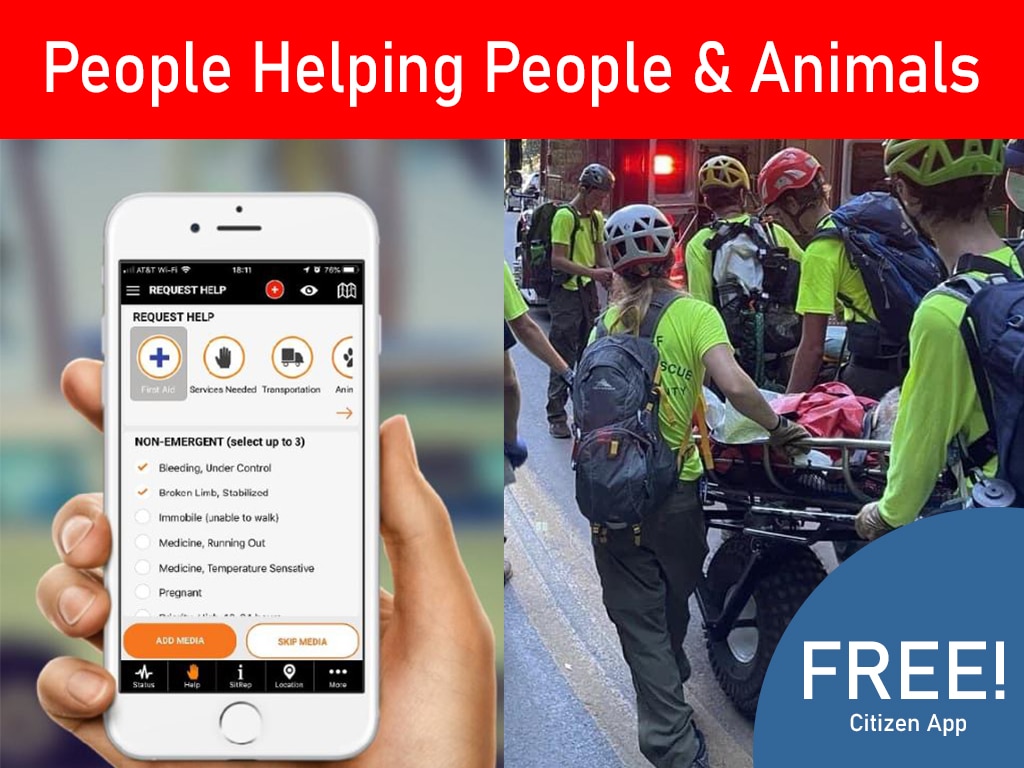
This is where community-powered technology like PubSafe comes in. PubSafe is a platform designed to connect everyone during a crisis: citizens, volunteer teams like CERT, NGOs, and official public safety agencies. If you need help, you can report an incident directly through the app, and your request appears on a map for responders to see. If you’re safe and able to help, you can see what your neighbors need and coordinate with local aid groups. The platform creates a seamless flow of information, ensuring that resources get deployed where they’re needed most. By installing the free app, you become an active part of your community’s safety network.
Related Articles
- Emergencies & Community Response: How PubSafe Supports 911 Calls
- PubSafe Can Be Used For Emergencies But Call 911 First
- Emergency Management Organizations in the US & Globally | PubSafe
- Community Disaster Response & Emergency Coordination Platform | PubSafe
Frequently Asked Questions
Is a state of emergency the same as martial law? Not at all. A state of emergency is a civil process that helps the government organize a faster, more effective response to a disaster. It’s about cutting red tape to get aid and resources moving quickly. Martial law is an entirely different and extremely rare situation where military authority temporarily replaces civilian government. The goal of an emergency declaration is to support and protect communities, not to control them.
Will I be forced to evacuate my home? An evacuation order is a serious measure taken to protect lives in immediate danger. While a state of emergency gives officials the authority to issue these orders, the decision is typically made by your local emergency managers based on specific threats, like rising floodwaters or an approaching wildfire. Always follow the guidance from your local officials, as they have the most accurate information for your specific neighborhood.
How can I find out if my road is closed? The best tool for checking road conditions in Pennsylvania is the 511PA website and mobile app. During a major event, state agencies work to keep major highways clear, but local roads can become impassable without warning. 511PA provides live traffic information, travel alerts, and closure details, helping you make safe travel decisions from your phone or computer.
What’s the difference between a state and a federal disaster declaration? Think of it as two levels of response. The governor first declares a state of emergency to mobilize Pennsylvania’s own resources and personnel. If the disaster is so large that it overwhelms the state’s ability to cope, the governor can then request a major disaster declaration from the President. This second step is what unlocks access to significant federal resources, including financial assistance from FEMA for individuals and communities.
How can I help my community during a crisis? Once you and your family are safe, you can be a huge asset to your community. Start by checking on your immediate neighbors, particularly the elderly or those with mobility challenges. To make a broader impact, you can use platforms like PubSafe to connect with organized efforts. The app allows you to see reported needs nearby and coordinate with volunteer teams and aid groups, making sure your help is directed where it’s needed most.