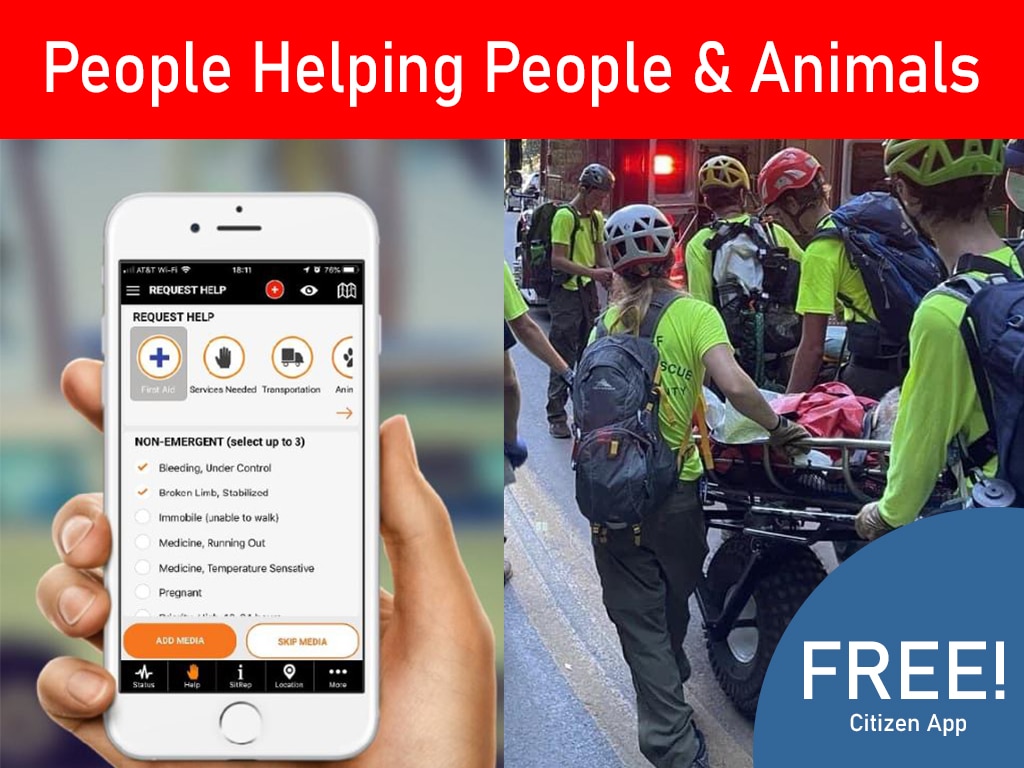
Leading a CERT team means you’re the person everyone looks to when things go wrong. But what happens when your own systems are a source of chaos? Juggling volunteer schedules in a spreadsheet, tracking certifications in a binder, and trying to coordinate a response across three different group chats is a recipe for burnout. You spend more time on administrative work than on actual training and preparation. This is a common struggle, but it doesn’t have to be your reality. The right CERT team management software for volunteer emergency responders is designed to replace that chaos with clarity, giving you a single command center to organize your people and lead with confidence when your community needs you most.
Key Takeaways
- Solve operational hurdles with a dedicated platform: Most CERT teams struggle with disconnected communication and tracking volunteer skills. A specialized platform replaces messy spreadsheets and group chats, creating a single, organized system for managing your team and response efforts.
- Centralize communication for a faster response: The right software provides a single source of truth for your entire team. It allows for real-time coordination, clear task assignments, and direct incident reporting, which is essential for making quick, informed decisions during a crisis.
- Focus on people to ensure successful adoption: A new tool is only effective if people use it. A successful rollout involves training your team before a crisis, protecting their data, and listening to their feedback. This approach builds trust and ensures the software becomes an indispensable asset.
What is a CERT Team and Why Do They Matter?
When a disaster strikes, the first people on the scene are often not professional responders, but neighbors helping neighbors. This is the core idea behind Community Emergency Response Teams (CERTs). These teams are essential for building resilient communities, but leading them requires a unique approach to organization and communication.
What Community Emergency Response Teams do
A Community Emergency Response Team, or CERT, is a group of volunteers trained to help their communities prepare for and respond to disasters. Think of them as your highly-prepared neighbors. The official CERT program educates people on how to handle local emergencies until professional help can arrive. Volunteers learn essential skills like fire safety, light search and rescue, team organization, and basic medical operations. By equipping everyday citizens with this training, CERTs build a foundation of resilience right where it’s needed most: at the neighborhood level. They are the first line of support, ready to step in and make a real difference for their families and neighbors during a crisis.
How CERT teams organize and respond
When a major disaster strikes, professional first responders are often stretched thin. This is where CERTs become invaluable. They act as a critical bridge, providing immediate assistance to their communities while emergency services focus on the most urgent incidents. Trained volunteers can check on neighbors, conduct initial damage assessments, and manage spontaneous volunteers, which helps create a more organized and effective response. This system of volunteer coordination allows firefighters and paramedics to direct their efforts toward life-threatening situations. Essentially, CERTs help manage the chaos, ensuring that more people get the help they need, faster. They are a vital part of a layered, community-wide response strategy.
The unique challenges of managing volunteers
While CERTs are incredibly powerful, managing a team of volunteers comes with its own set of hurdles. Unlike a paid staff, volunteers have varying schedules, skill levels, and availability. Keeping track of who is certified in first aid, who can be deployed on short notice, and who is available for a community event requires serious organization. Effective communication is another major challenge, especially during a chaotic event. How do you quickly alert the right people and assign tasks without creating confusion? Building a cohesive and ready team requires more than just initial training; it demands ongoing engagement and a solid system for team management. Without the right tools, leaders can spend more time on administrative work than on preparing their team for action.
Top Operational Challenges for CERT Teams
Managing a team of volunteers during a crisis is one of the most challenging leadership roles imaginable. You’re working with dedicated people who are giving their time freely, often under intense pressure and with limited resources. While every team is unique, most CERT leaders run into the same operational hurdles. From communication breakdowns in the heat of the moment to keeping volunteers connected between events, these challenges are a shared experience.
Recognizing these common pain points is the first step toward solving them. When you can name the problem, you can start looking for a solution. Many teams try to patch these issues with a mix of spreadsheets, group chats, and email chains, but this often creates more work and confusion. The good news is that you’re not alone, and there are better ways to organize your team for success. Let’s look at the four most common operational challenges CERT teams face and why they can have such a big impact on your ability to respond when your community needs you most. Addressing these issues head-on will make your team more efficient, effective, and resilient.
Disconnected communication during a crisis
When an emergency strikes, clear and rapid communication is everything. Unfortunately, this is often the first thing to break down. Team members might be using a mix of personal cell phones for texts, different radio channels, and maybe a social media group. This creates information silos where critical updates get lost. One person has the latest report, but another is acting on old information. This isn’t just frustrating; it’s dangerous. Research highlights how the lack of a unified communication platform can lead to confusion and delays, which can have serious consequences during a fast-moving event.
Tracking volunteer skills and availability
Your team is full of talented people with diverse skills, from medical training and search and rescue certifications to fluency in other languages. But how do you access that information quickly? When you’re trying to deploy teams, you don’t have time to dig through a spreadsheet or a binder to find out who is available and has the right qualifications. A FEMA guide on volunteer management stresses how vital it is to understand these details for effective deployment. Without a central, easily searchable system, you risk sending the wrong person for the job or, worse, not being able to find the right person at all.
Assigning roles and managing resources
Chaos is the enemy of an effective emergency response. To minimize it, everyone needs to know their role and what they are responsible for. When roles are unclear, tasks get missed, or two people end up doing the same job, wasting precious time and energy. The same goes for physical resources like equipment and supplies. As one study in the Journal of Emergency Management points out, clear role assignments and resource management are essential for a coordinated effort. You need a simple way to assign tasks, track their progress, and see who has what equipment, ensuring accountability and a clear picture of the entire operation.
Keeping volunteers engaged and active
Some of the most important work in CERT management happens between emergencies. Keeping your volunteers trained, connected, and motivated during “blue sky” days is a persistent challenge. If volunteers only hear from you when there’s a crisis, they can feel disconnected and unappreciated, leading to high turnover. Research on volunteer retention confirms that engagement is directly tied to training and feeling like part of a team. When you lose experienced volunteers, you lose institutional knowledge and capability, forcing you to constantly recruit and train new people. Building a strong, engaged community is critical for long-term success.
What is CERT Team Management Software?
If you’re leading a CERT team, you know that organization is everything. CERT team management software is a digital toolkit designed specifically to help you organize, train, and deploy your volunteer team. Think of it as your command center for everything from managing member availability to coordinating actions during an emergency. This software helps streamline communication, track resources, and monitor volunteer activities, ensuring your team is prepared and effective when your community needs you most. It replaces scattered spreadsheets, group texts, and email chains with a single, reliable system.
How it helps volunteer response teams
This type of software enhances your team’s efficiency by providing practical tools for scheduling, managing training records, and reporting incidents from the field. Instead of guessing who is certified for what, you have a clear, up-to-date database at your fingertips. According to FEMA, which oversees the national Community Emergency Response Team program, using effective management software can significantly improve a team’s readiness and response capabilities. This allows for much better coordination and communication among team members, which is absolutely critical when every second counts. It helps you move from simply having a list of volunteers to managing a capable, mission-ready team.
General volunteer software vs. CERT-specific platforms
While general volunteer management software can help with basic organizing, CERT-specific platforms offer features tailored to the unique demands of emergency response. General tools are great for scheduling soup kitchen volunteers, but they often lack modules for incident command, tracking for specialized emergency training, and the real-time communication tools that are vital during a crisis. Research from groups like the National Voluntary Organizations Active in Disaster (NVOAD) shows that specialized software leads to improved operational efficiency and keeps volunteers more engaged. Choosing a CERT-specific platform means you’re getting a tool built for your exact needs, not a generic one you have to adapt.
Clearing up common misconceptions
A common myth is that CERT management software is only for large, government-funded organizations. The truth is, even small, community-based teams can see huge benefits from better organization and clearer communication. Another misconception is that all volunteer management platforms are the same. As we’ve covered, they aren’t. The features in a CERT-specific platform are designed for the complexities of disaster response. Experts in the field consistently highlight the importance of CERT training and management tools that are built for the unique pressures of a crisis. Using the right software can make a significant difference in your team’s effectiveness and safety.
Essential Features of CERT Management Software
When you’re looking for the right software, it’s easy to get lost in a long list of features. The key is to focus on the tools that solve your biggest operational headaches. The best CERT management software isn’t just a digital filing cabinet; it’s a command center that streamlines your efforts before, during, and after an incident. It should help you manage your people, your resources, and your information all in one place. Let’s walk through the essential features that can make a real difference for your team’s effectiveness and safety.
A central hub for real-time communication
Effective communication is the backbone of any successful emergency response. When a crisis hits, you can’t afford to have your team scattered across different text threads, email chains, and social media groups. CERT management software acts as a central hub for real-time communication. It allows your team members to share critical updates, coordinate their actions, and get information out quickly and reliably. This single source of truth ensures everyone is on the same page, which is vital when every second counts. A platform that shows how PubSafe works can demonstrate how this centralized communication flows.
Easy scheduling and task assignment
Managing a team of volunteers comes with its own set of challenges, especially when it comes to scheduling and delegating. Good software brings order to this process. Features for scheduling and task assignment let you see who is available and assign roles and responsibilities with just a few clicks. This clarity ensures that every team member knows exactly what their job is, where they need to be, and what they need to do. It removes ambiguity and empowers volunteers to act confidently. Effective team management tools are designed to streamline these logistics so you can focus on the mission.
Tracking for training and certifications
A prepared CERT is a well-trained one. Keeping track of every volunteer’s training history, skills, and certifications can be a major administrative task. Management software can automate this for you. It helps you monitor the training status of your entire team, sends reminders for expiring certifications, and ensures that you are deploying people with the right qualifications for the job. This not only improves your team’s performance but also helps maintain safety and compliance standards. Proper volunteer coordination starts with knowing your team’s capabilities inside and out.
Tools for incident and damage reporting
During and after an event, gathering accurate information from the field is crucial. Software with built-in tools for incident and damage reporting allows your team to document what’s happening on the ground. Volunteers can submit reports, photos, and location data directly from their phones. This information is vital for situational awareness, resource allocation, and post-incident analysis. Having a clear process for reporting an incident helps you build a comprehensive picture of the impact, which is essential for coordinating with other agencies and planning future response efforts.
Integration with other emergency systems
Your CERT doesn’t operate in a silo. The ability to connect and share information with other groups is a game-changer. Look for software with integration capabilities that allow for seamless data sharing with local emergency services, NGOs, and other response organizations. An emergency management platform brings all of these groups together in a shared operational space. This creates a common operational picture, reduces redundant efforts, and improves overall response effectiveness. When different organizations can see the same information, it fosters better collaboration. Platforms that support organization registration are built to connect these different pillars of a community response network.
Automated alerts and notifications
When you need to get information out fast, manual phone trees are slow and unreliable. Automated alerts and notifications are critical for keeping your team informed about developing situations and new assignments. With this feature, you can send instant messages to your entire team or specific groups based on their role or location. This ensures that every member receives timely information, which is essential for a rapid and coordinated response. Seeing updates appear on a public map in real time shows just how powerful instant communication can be.
How Software Improves CERT Emergency Response
When a crisis hits, your team’s effectiveness comes down to three things: speed, clarity, and connection. This is where the right technology moves from a simple tool to a critical asset. Using software designed for emergency response helps you overcome common operational hurdles, allowing your team to act with greater confidence and precision. It transforms how you manage information, people, and resources when every second counts. Instead of getting bogged down by logistics, you can focus on what your community needs most.
Think of it as the digital backbone for your entire operation. These platforms provide the structure needed to turn good intentions into coordinated action, making a tangible difference on the ground. They help you see the full picture of an incident as it unfolds, direct volunteers to where they can have the most impact, and ensure that no piece of critical information gets lost in the chaos. By centralizing communication and streamlining workflows, this software ensures that your volunteers are not just active, but truly effective. Let’s look at how this works in practice.
Coordinate faster during incidents
During an emergency, a scattered response is an ineffective one. Software provides a central command center that replaces confusing radio chatter, endless group texts, and outdated phone trees. According to FEMA, effective communication is critical to the success of any emergency response effort. A good platform gives you a way to achieve that by enabling real-time communication and data sharing.
Imagine being able to see incident reports, volunteer locations, and resource needs on a single map. This shared view allows you to deploy your team members to the right places with the right information, drastically cutting down your response time. You can send out mass alerts, share updates instantly, and ensure everyone is operating from the same playbook, which is essential for making smart, fast decisions under pressure.
Clarify roles and improve accountability
Confusion is the enemy of an effective response. When team members are unsure of their roles, tasks get missed and efforts are duplicated. As research in the Journal of Emergency Management points out, clear role definitions are vital for ensuring team members understand their responsibilities. CERT management software brings this clarity by allowing you to assign specific tasks and track their progress from start to finish.
This isn’t about micromanaging your volunteers; it’s about empowering them. When a volunteer receives a clear assignment through an app, they know exactly what to do and can report back when it’s done. This creates a seamless loop of accountability. As a leader, you can see at a glance who is doing what and where gaps might be forming, allowing you to manage your teams more effectively and ensure no critical task falls through the cracks.
Connect volunteers, NGOs, and public safety
Your CERT team is a crucial part of a much larger response ecosystem. A government emergency communication system ensures your team can share critical information with official agencies during large-scale incidents. True community resilience happens when everyone works together, from individual volunteers to established NGOs and official public safety agencies. The challenge has always been bridging the communication gaps between these different groups. Technology is the key to creating a unified and collaborative environment where information flows freely.
Platforms that allow different groups to connect with other organizations break down these silos. As the National Volunteer Organizations Active in Disaster (NVOAD) highlights, integrated systems lead to a more unified response. When your CERT team can easily share information with a local NGO that has shelters, or receive updates from the fire department, the entire community response becomes more powerful and efficient. This creates a network of helpers, all working together for a common cause.
Can the Right Software Improve Volunteer Engagement?
Keeping dedicated volunteers active and engaged is one of the biggest challenges for any CERT leader. People are busy, and if they feel their time isn’t being used well or their contribution isn’t valued, they’ll eventually drift away. This is where the right technology can make a world of difference. It’s not just about logistics; it’s about people. Good software can transform the volunteer experience, making your team members feel more connected, capable, and appreciated. When you invest in the right platform, you’re investing in the long-term health and effectiveness of your team. Let’s look at how a dedicated platform can help you build a more committed and resilient volunteer force.
Simplify onboarding and training
Getting a new volunteer started shouldn’t feel like a mountain of paperwork and confusing emails. A streamlined onboarding process sets the tone for a positive experience. Using a central software platform, you can create a clear, simple path for new members. Imagine a single place where they can access welcome packets, fill out forms, and find training schedules. You can even house resources from programs like the Community Emergency Response Team (CERT) to help them learn essential skills. This organized approach makes your team look professional and shows new volunteers that you value their time, helping them feel confident and ready to contribute from day one.
Recognize and value your volunteers
Volunteers don’t show up for a paycheck; they show up to make a difference. One of the most powerful ways to keep them engaged is to show them the impact they’re having. The right software makes this easy by tracking volunteer hours, completed tasks, and certifications. This isn’t just for your own records. It’s data you can use to publicly recognize hard work, celebrate milestones, and identify volunteers who are ready for more responsibility. Effective volunteer coordination means more than just assigning tasks; it means creating a system where every contribution is seen and valued. This fosters a deep sense of appreciation and motivates your team to stay involved.
Build a stronger team community
A CERT team is more than a group of individuals; it’s a community. The bonds between your members are what carry you through a crisis. Software can be the digital hub that strengthens those connections. When your team has a dedicated space to communicate, they can easily coordinate for drills, share successes from community events, and support one another. This builds the trust and camaraderie that are essential for effective teamwork during a real emergency. By using a platform that facilitates easy communication and collaboration, you help your volunteers build relationships, not just respond to incidents. This sense of belonging is a powerful force for retention.
A Closer Look at PubSafe for CERT Management
When you start looking at specific software, you’ll find that many platforms are built for general volunteerism, not the high-stakes environment of emergency response. PubSafe is different. It was designed from the ground up with the unique needs of CERTs, public safety agencies, and community organizations in mind. Think of it less as a simple management tool and more as a complete operational platform that connects every part of a disaster response effort.
Instead of patching together different apps for communication, scheduling, and mapping, PubSafe brings everything into a single, cohesive system. This integrated approach is what helps you move past the common operational hurdles that can slow down a response. It’s about creating a shared space where your team, other local organizations, and even individual citizens can work together seamlessly. Understanding how PubSafe works reveals a system built to create clarity in the middle of chaos. It connects the dots between incident reports, available resources, and volunteer teams on the ground, giving you a clear picture of the entire operation. This allows you to lead your team with confidence, knowing your decisions are based on real-time, accurate information from the field.
Centralized command for real-time coordination
During a crisis, information is everything. When communication is scattered across text threads, emails, and radio calls, it’s nearly impossible to maintain situational awareness. PubSafe provides a centralized platform that gives you a single source of truth. This allows you as a leader to see what’s happening, where your teams are, and what needs attention right now. With a clear view of the situation on a public map, you can make informed decisions quickly and ensure every team member is operating with the same information. This real-time coordination is crucial for deploying your volunteers effectively and keeping them safe while they work. It transforms a scattered response into a focused, synchronized effort.
Simplified volunteer and team management
Juggling volunteer availability, skills, and assignments on a spreadsheet is stressful enough on a good day, let alone during an emergency. With PubSafe, your team management becomes a much smoother process. The platform helps you track who is available, what certifications they hold, and where they are assigned. You can communicate updates and new tasks directly through the system, eliminating confusion and ensuring everyone gets the message. This level of organization is essential for maintaining an effective response. It frees you from administrative headaches so you can focus on leading the mission, not just managing the roster. It also makes the experience better for your volunteers, who feel more connected and valued.
Seamless incident reporting and assessment
Effective response relies on accurate information from the field. PubSafe makes reporting an incident simple, allowing your team members to log issues like downed trees, flooded roads, or welfare check requests directly from their phones. This data feeds into your central command view in real time, helping you allocate resources where they are needed most. Beyond the immediate response, this feature creates an invaluable record of events. After the incident, you can use this data to conduct after-action reviews, identify gaps in your response, and provide concrete examples for future training exercises. It builds a foundation of knowledge that makes your team stronger and more prepared for the next event.
Connecting the entire community response network
No single team can handle a large-scale disaster alone. True community resilience comes from collaboration. One of PubSafe’s most powerful features is its ability to connect different organizations into one unified network. By allowing for easy organization registration, the platform breaks down the silos that often exist between CERTs, NGOs, public safety agencies, and other volunteer groups. When everyone is on the same system, you can share information, coordinate resource deployment, and avoid duplicating efforts. This fosters a truly collaborative environment, enhancing the overall effectiveness of the entire community’s emergency response and ensuring help gets to where it’s needed faster.
How to Successfully Implement Your New Software
Choosing the right software is a huge step, but the work doesn’t stop there. A successful rollout is what turns a promising platform into an indispensable tool for your CERT team. It’s about more than just installing an app; it’s about integrating a new way of working into your team’s DNA. When you bring a new system into your operations, you’re asking volunteers to change their habits and learn new processes, often under pressure. A thoughtful implementation plan respects their time and sets them up for success.
This process is your chance to build buy-in from the very beginning. By involving your team, setting clear expectations, and providing the right support, you transform the software from a top-down mandate into a shared tool that everyone feels ownership of. This not only helps with adoption but also strengthens your team’s cohesion. A smooth implementation can make the difference between a tool that gathers digital dust and one that becomes the central nervous system of your emergency response efforts. By focusing on a clear strategy, you can make sure your new software is adopted smoothly and used effectively when it counts. Here are four key steps to guide your implementation process.
Define your goals first
Before you start onboarding your team, take a step back and define what success looks like. What specific problems are you trying to solve with this software? Are you aiming for faster response times, better volunteer tracking, or clearer communication during an incident? Write these goals down. This initial step is critical because it gives you a benchmark for success and helps you configure the software to meet your specific needs. This isn’t just good advice; it’s a foundational principle that helps ensure your tools align with your mission, a best practice highlighted by the National Institute of Standards and Technology. Having clear objectives will guide your entire implementation process and help you show your team the value of the new system.
Train your team before a crisis hits
The middle of an emergency is the worst time to learn a new tool. Effective software use comes from practice and familiarity. You need to build that muscle memory long before you’re in a high-stress situation. Schedule dedicated training sessions and run drills that require your team to use the software for tasks like reporting incidents, communicating updates, and tracking assignments. As FEMA consistently emphasizes, regular training is what makes a team effective and confident under pressure. When your volunteers feel comfortable with the software in a calm environment, they’ll be able to rely on it instinctively when a real crisis hits, making your entire operation run more smoothly.
Protect volunteer data and privacy
Your volunteers place a great deal of trust in you, and that includes trusting you with their personal information. Protecting this data is a critical responsibility. When you implement new software, you must ensure it has robust security features and complies with all relevant data protection regulations. Make sure your team understands the importance of data privacy and follows best practices for handling sensitive information. The International Association of Emergency Managers stresses how vital it is to safeguard volunteer data. Maintaining this trust is essential for retaining dedicated volunteers and upholding your organization’s integrity within the community.
Listen to feedback and adapt
Implementation isn’t a one-and-done event; it’s an ongoing process. Once your team starts using the software, they will be your best source of information on what’s working and what isn’t. Create a simple way for them to provide feedback, whether it’s through regular check-ins, a suggestion box, or a dedicated chat channel. Actively listen to their experiences and be willing to make adjustments. As research in the Journal of Emergency Management shows, gathering user feedback is essential for refining functionality and ensuring the software continues to meet your team’s evolving needs. This collaborative approach not only improves the tool but also makes your volunteers feel heard and valued.
How to Choose the Right Platform for Your Team
With so many options out there, picking the right management platform for your CERT team can feel overwhelming. But it doesn’t have to be. By focusing on a few key areas, you can confidently select a tool that truly supports your team and mission. Think of this as a practical checklist to guide your decision and ensure you invest in a platform that makes your job easier, not harder. A great platform should feel like a natural extension of your team, helping you coordinate efforts seamlessly when it matters most.
Evaluate your team’s size and needs
Before you look at a single feature, take a moment to map out what your team actually needs. How many volunteers are you managing? What are the most common incidents you respond to? Make a list of your core operational tasks, like tracking volunteer certifications, communicating during an event, and reporting damage. This initial evaluation helps you create a clear picture of your must-haves. For example, a small team might just need basic communication, while a larger, regional team will require advanced features for managing multiple squads and complex incidents. Getting this clarity first will save you from being distracted by flashy features you’ll never use.
Prioritize scalability and ease of use
Your CERT team’s needs will change over time. You might experience rapid growth during a major disaster or expand your operations into new neighborhoods. That’s why scalability is so important. You need a platform that can grow with you without needing a complete overhaul. Just as crucial is ease of use. Remember, your volunteers are giving their time. If a platform is clunky or confusing, they won’t use it. Look for an intuitive interface that simplifies tasks, not complicates them. A user-friendly platform is one of the hallmarks of the best project management software because it encourages everyone to stay engaged and informed.
Weigh the cost against the value
Of course, budget is always a factor. While it’s tempting to go for the cheapest or even a free option, it’s important to think about the total value, not just the price tag. A free tool that causes communication breakdowns during a crisis isn’t really free, is it? Instead, consider the return on your investment. How much time will this software save you in administrative tasks? How will it improve your team’s response time and effectiveness? When you choose project management software, focus on the long-term benefits. Investing in a robust platform that meets your specific needs can lead to safer communities and a more resilient team, which is a value you can’t put a price on.
Related Articles
- What Is A CERT Team & How To Contact Yours
- Volunteer Management Software for Nonprofits & CERTs | PubSafe
Frequently Asked Questions
My CERT team gets by with group texts and spreadsheets. Why do we really need special software? I completely get it. Many teams start that way, and it works fine when things are calm. The problem is that during a real crisis, those systems break down fast. Spreadsheets become outdated the moment they’re saved, and group texts create confusing, separate conversations where critical information gets lost. A dedicated platform gives you a single source of truth. Everyone sees the same real-time map, gets the same updates, and knows their assignment, which makes your response safer and far more effective.
Is this kind of software only for large, government-funded CERT teams? Not at all. The core challenges of organizing people, tracking skills, and communicating clearly exist whether you have a team of 15 or 150. In fact, smaller teams can benefit hugely by establishing good organizational habits from the start. The right software helps you look professional, operate efficiently, and build a solid foundation that allows your team to grow without becoming chaotic.
What is the single most important feature I should look for? If you have to prioritize one thing, focus on a central hub for real-time communication. This is the foundation for everything else. When your entire team can communicate and see incident updates in one place, you eliminate the most dangerous part of a crisis: confusion. This shared awareness allows you to make faster, smarter decisions, deploy volunteers to the right places, and ensure everyone is operating with the most current information.
How can I get my volunteers to actually learn and use a new platform? This is a huge and very valid concern. The key is to introduce it before you need it. Start by explaining why you’re making the change and how it will help the team be more effective and safe. Then, make training a hands-on part of your regular drills. Have them practice reporting a mock incident or updating their availability in the app. When they feel comfortable with the tool in a low-stress setting, they’ll be able to rely on it instinctively when it really counts.
What’s the real difference between CERT software and a general volunteer management tool? Think of it like using a family car versus an ambulance. Both can get you from one place to another, but only one is designed for an emergency. General volunteer software is great for scheduling shifts at a bake sale. CERT-specific software is built for the unique pressures of disaster response, with features like live incident mapping, field damage reporting, and tracking for specialized certifications that you just won’t find in a generic platform.