You could try to run your CERT program with generic spreadsheets and scheduling apps, but it often feels like fitting a square peg in a round hole. These tools weren’t built for the unique demands of emergency response. They don’t understand FEMA certifications, sudden deployment needs, or the importance of real-time communication during a crisis. Choosing a specialized platform is about getting the right tool for a critical job. Effective CERT training management software for emergency volunteers is designed with your specific challenges in mind, offering features that streamline everything from scheduling to certification tracking, ultimately making your team more capable and resilient.
Key Takeaways
- Centralize Your Operations: Good CERT software acts as a single command center for your program. It replaces messy spreadsheets and email chains by bringing scheduling, certification tracking, and team communication into one place, giving you more time to focus on effective training.
- Focus on the Volunteer Experience: Make participation easy and rewarding with software that offers mobile access, flexible scheduling, and progress tracking. When you show volunteers you respect their time and recognize their achievements, you build a dedicated team that is more likely to stay active for the long term.
- Bridge the Gap Between Training and Response: The ultimate goal is effective field deployment, so choose a platform that integrates your training data with live response tools. This allows you to instantly see who is qualified and available during an emergency, ensuring your team’s preparation leads to coordinated action.
What Is CERT Training Management Software?
If you’re managing a Community Emergency Response Team, you know that keeping track of volunteer training can feel like a full-time job. Between scheduling drills, tracking certifications, and communicating updates, it’s easy to get buried in spreadsheets and email chains. CERT training management software is a tool designed to take that administrative weight off your shoulders. Think of it as a central command center for your entire training program. It’s a digital hub for organizing your volunteers, from their first training session to their active deployment, giving you a single place for team management.
According to FEMA, which oversees the national program, Community Emergency Response Team (CERT) programs are vital for preparing the public to handle local emergencies. Effective management is what makes these programs work. This software provides the structure you need to run your program smoothly, ensuring your team is well-trained, compliant, and ready to act when your community needs them most. It replaces scattered files and manual tracking with a streamlined system, freeing you up to focus on what really matters: building a capable and confident team of responders.
How It Supports Your CERT Program
CERT training management software directly supports your program by centralizing all your training-related activities. Instead of juggling multiple documents, you can use one platform to schedule courses, send automated reminders to volunteers, and monitor attendance. It allows you to see at a glance who has completed required training and whose certifications are about to expire. This level of organization helps you maintain consistent standards and ensures every team member has the right skills. It simplifies the process of proving compliance with local or national guidelines, making audits and reporting much less stressful. Ultimately, it gives you a clear, real-time view of your team’s readiness.
Why CERT-Specific Software Matters
While you could try to use generic scheduling tools or spreadsheets, CERT-specific software is built with your unique challenges in mind. These specialized platforms understand the world of emergency response. They include features for tracking specific FEMA certifications, managing volunteer availability for sudden deployments, and integrating with other emergency protocols. Generic software simply can’t match this level of detail. Research highlights that the role of technology in emergency training is most effective when the tools are tailored to the job. Using software designed for CERT means you’re not trying to fit a square peg in a round hole; you’re using a tool that supports your workflow and improves your team’s overall effectiveness.
Must-Have Features for CERT Software
Choosing the right software for your CERT program can feel like a huge task, but it really comes down to finding a tool with the right features to support your team. Think of it as building a house: you need a solid foundation before you can start decorating. The features below are that foundation. They aren’t just bells and whistles; they are the essential components that streamline your administrative work, keep your volunteers engaged, and ensure your team is truly prepared when disaster strikes. When you have the right system in place, you spend less time buried in spreadsheets and more time empowering your people.
From managing complex training schedules to tracking every volunteer’s certification status, the right software automates the tedious tasks so you can focus on what matters most: building a capable and resilient community response team. It helps you maintain high standards, communicate effectively, and prove your program’s impact with hard data. As you compare your options, make sure these core functionalities are at the top of your checklist. They are the difference between a program that just gets by and one that truly thrives, ready to act when your community needs it most.
Session Scheduling and Management
Your training schedule is the backbone of your CERT program. Without an organized way to manage sessions, you can quickly get lost in a sea of spreadsheets, emails, and phone calls. Look for software that simplifies this entire process. A great platform will let you easily create and publish training calendars, manage multiple sessions across different locations, and set registration caps.
This isn’t just about making your life easier as an administrator; it’s about creating a better experience for your volunteers. When they can see all available sessions at a glance and register with a few clicks, they are more likely to participate. The importance of scheduling in training management can’t be overstated, as it directly impacts volunteer engagement and overall program readiness.
Volunteer and Certification Tracking
When an emergency happens, you need to know exactly who is qualified to respond. Manually tracking volunteer certifications is not only time-consuming but also risky. A simple mistake could mean sending an underqualified volunteer into a dangerous situation. Your software should serve as a central database for all volunteer information, including their training history, certifications, and expiration dates.
The best platforms automatically flag expiring certifications and send reminders to both the volunteer and the administrator. This ensures no one’s qualifications lapse. Having a clear, up-to-date view of your team’s skills is one of the most critical volunteer management software features for any response organization. It’s the key to deploying the right people with the right skills at the right time.
Automated Alerts and Real-Time Updates
Clear and timely communication is vital, especially when plans change. Imagine a training location is moved at the last minute or an urgent deployment opportunity arises. How quickly can you get the word out to everyone? Your software should include automated alerts via SMS and email to ensure your messages are seen instantly.
This feature is essential for more than just emergencies. Use it to send class reminders, share updates, and keep your volunteers informed about community events. The role of automated alerts is to create a reliable communication channel that keeps your entire team synchronized. It builds confidence that when important information is shared, everyone who needs to know will get the message promptly.
Reporting and Performance Analytics
How do you measure the success of your training program? Gut feelings and anecdotal evidence aren’t enough. You need data to understand what’s working and what isn’t. Look for software with robust reporting and analytics tools that can track key metrics like volunteer attendance, course completion rates, and certification statuses.
These reports help you make informed decisions to improve your program. For example, if you notice low attendance for a particular course, you can investigate why and make adjustments. The importance of analytics also extends to demonstrating your program’s value to stakeholders and funding bodies. With clear data, you can tell a powerful story about your team’s readiness and impact on the community.
Mobile Access for On-the-Go Training
Your volunteers are busy people with jobs, families, and other commitments. Forcing them to be tied to a desktop computer to access training information is a surefire way to decrease engagement. Modern CERT software must be mobile-friendly, allowing volunteers to check schedules, register for sessions, and even access training materials directly from their smartphones.
This flexibility is a game-changer. When a volunteer can manage their training during their lunch break or on the bus ride home, they are more likely to stay active and engaged. As mobile learning becomes essential for all types of training, it’s a non-negotiable feature for any forward-thinking CERT program. It shows you respect your volunteers’ time and are committed to making participation as convenient as possible.
Integration with Emergency Management Systems
Your training program doesn’t operate in a vacuum. During a real emergency, your CERT team will work alongside public safety agencies, NGOs, and other response organizations. Your software should too. Look for a platform that can integrate with other emergency management systems, such as an emergency management platform, allowing for the seamless flow of information between training and active deployment.
This is where a unified platform like PubSafe truly shines. When your training management tool is part of a larger disaster response platform, volunteer data, skills, and availability are instantly accessible during an incident. This breaks down dangerous information silos and ensures that the hard work you put into training translates directly into more effective, coordinated field operations.
Data Security and Privacy
Your software will house a lot of personal information about your volunteers, from their contact details to their certification history. Protecting this data is not just a best practice; it’s a fundamental responsibility. The platform you choose must have strong security measures in place, including data encryption and secure access controls, to prevent unauthorized access and breaches.
Before committing to any software, ask about its security protocols and compliance with privacy regulations. Strong data security in training management is the foundation of trust between you and your volunteers. They are giving you their personal information with the expectation that you will keep it safe. Choosing a secure platform shows that you take that trust seriously.
How Software Improves Volunteer Preparedness
A prepared volunteer is more than just someone with a go-bag and good intentions. True preparedness comes from consistent training, clear communication, and the confidence of knowing exactly what to do when a crisis hits. A government emergency communication system helps ensure your team can coordinate effectively across agencies when it matters most. This is where the right software becomes a game-changer for your CERT program. It acts as the digital backbone for your entire operation, transforming a group of well-meaning individuals into a cohesive and effective response force.
From the moment a new person signs up, software helps guide their journey. It ensures they get the right information, complete the necessary training, and stay engaged for the long haul. Instead of juggling spreadsheets, email chains, and paper forms, you can manage everything in one place. This frees up your program managers to focus on what really matters: leading drills, mentoring volunteers, and building a resilient community. Effective volunteer coordination starts long before a disaster, and the right platform provides the structure you need to build a team that’s always ready to act.
Streamline Onboarding for New Volunteers
A volunteer’s first impression of your organization can make or break their commitment. If the sign-up and onboarding process is confusing or disorganized, you risk losing enthusiastic people before they even start. Software creates a smooth and welcoming entry point. It gives new recruits a single place to access welcome packets, fill out forms, and view their initial training schedule.
This structured approach ensures every volunteer receives the same foundational knowledge about their role and your team’s procedures. By automating these initial steps, you can get volunteers oriented and ready for their first training session faster. It sets a professional tone from day one and shows new members that your organization is serious about its mission. Platforms that support organization registration help you build this streamlined process from the ground up.
Maintain Consistent Training Standards
During an emergency, there’s no time to second-guess whether a team member has the right skills. Consistency is key. Every volunteer needs the same core competencies, from fire safety and light search and rescue to basic medical aid. Software helps you standardize your entire training program by acting as a central repository for all materials.
You can host training manuals, instructional videos, and course schedules in one accessible location. This ensures that whether a volunteer is training in person or reviewing materials online, they are learning from the same playbook. You can also track certifications and send automated reminders when renewals are due, ensuring your team’s qualifications never lapse. This level of team management is critical for maintaining a high state of readiness and complying with national standards.
Offer Flexible Scheduling to Increase Participation
Your volunteers are busy people with jobs, families, and other commitments. One of the biggest hurdles for any CERT program is simply getting people to show up for training. Software makes participation much easier by providing a clear and flexible scheduling system. Instead of relying on email blasts that get lost in crowded inboxes, you can post all upcoming drills and classes on a centralized calendar.
Volunteers can log in, see what’s available, and sign up for sessions that fit their personal schedules. Automated reminders help reduce no-shows and keep training top of mind. This flexibility empowers volunteers to take ownership of their training journey, making them more likely to stay engaged and practice their skills regularly. When everyone can easily see and commit to events, your entire program becomes more active and prepared.
The Best CERT Training Management Software
Choosing the right software can feel like a huge task, but it’s all about finding the platform that fits your team’s unique needs. Let’s look at a powerful option and then break down the key features you should compare across any platform.
PubSafe: A Unified Platform for Training and Response
PubSafe stands out because it brings both training and active response into a single, cohesive system. It’s designed to streamline everything from scheduling training sessions to managing resources and certifications. The platform includes real-time communication tools, which are just as critical during a training exercise as they are in a real emergency. What I appreciate is its user-friendly design; it’s straightforward for both trainers and volunteers to use, which helps keep everyone engaged. Plus, PubSafe’s team management features allow for seamless integration with other systems, creating a unified command center for all your CERT activities. It’s a comprehensive solution built for the realities of emergency response.
What to Look for When Comparing Platforms
When you’re evaluating different software options, it helps to have a clear checklist. First, consider scalability. Will the platform grow with your organization as you add more volunteers and training programs? Next, look at reporting and analytics. You need a system that lets you track progress, measure how effective your training is, and make decisions based on real data. Also, think about customization. Every CERT program is different, so the ability to tailor the software to your specific workflows is a huge plus. Finally, don’t overlook support. A great platform is backed by a team that offers solid training and help when you need it, ensuring you get the most out of your investment.
Common Implementation Pitfalls to Avoid
Switching to a new software platform is a big step, and it’s exciting to think about all the ways it will improve your CERT program. But a smooth transition doesn’t happen by accident. It’s easy to get tripped up by a few common hurdles during the implementation process. By knowing what these pitfalls are ahead of time, you can create a clear plan to sidestep them, ensuring your team and volunteers get the full benefit of your new system from day one. Let’s walk through the four biggest mistakes teams make and how you can steer clear of them.
Skipping a Needs Assessment
It’s tempting to jump straight into software demos, but choosing a platform without first understanding your team’s specific challenges is a recipe for a poor fit. Before you look at any software, you need to conduct a thorough needs assessment to define what success looks like for your organization. What are your biggest training bottlenecks right now? What tasks are eating up your administrative time? What do your volunteers say they need? Answering these questions first ensures you choose a tool that solves your actual problems instead of creating new ones. Without this step, you risk investing in a system that doesn’t align with your operational requirements.
Forgetting to Involve Stakeholders
A successful software rollout depends on the people who will use it every day. If you don’t involve your administrators, trainers, and volunteers in the selection and implementation process, you’ll likely face resistance and low adoption rates. True stakeholder engagement means asking for feedback early and often. Invite key users to participate in demos and share their opinions. When people feel heard and have a hand in the decision, they become advocates for the change rather than obstacles. This collaborative approach helps guarantee the software meets their needs and that they’re ready to embrace it.
Underestimating Data Migration
Moving your existing training records, volunteer information, and certification data into a new system is often the most complex part of the process. Many organizations underestimate the time and effort required for a clean transfer. Data migration isn’t just a simple copy-and-paste job; it involves cleaning, mapping, and validating your data to ensure its integrity in the new platform. Rushing this step can lead to significant delays, lost information, and a frustrating experience for everyone. Plan for data migration carefully, allocate enough resources, and test everything thoroughly before you go live to ensure a seamless transition.
Treating Implementation as a One-Time Project
Getting your new software up and running is a major milestone, but it’s not the finish line. The most effective organizations view implementation as an ongoing process, not a one-time event. Your team’s needs will evolve, and your software should adapt with you. According to McKinsey, successful software implementations require continuous evaluation and improvement. Plan for ongoing training for new volunteers and staff, create a system for collecting user feedback, and stay informed about new features and updates. This approach ensures your CERT training management software remains a powerful and relevant asset for years to come.
How to Successfully Implement Your New Software
Switching to a new software platform can feel like a huge undertaking, but a thoughtful rollout plan makes all the difference. It’s not just about installing the software; it’s about integrating it into the very fabric of your CERT program. A successful implementation means your team feels confident, your volunteers are engaged, and your community is safer as a result. By focusing on people just as much as the technology, you can ensure the transition is smooth and that you get the most out of your new tool from day one. The key is to approach it step-by-step, bringing everyone along with you.
Engage Stakeholders from the Start
Bringing a new system into your organization works best when it’s a team effort. Before you even begin, it’s essential to get everyone on board, from CERT leadership and administrative staff to your most active volunteers. Research shows that involving stakeholders early ensures the final setup meets their needs and makes them more likely to embrace the change. These individuals are on the front lines and can offer priceless insights into what will and won’t work. Start a conversation to understand their daily challenges and how the new software can solve them. This collaborative approach builds a sense of shared ownership and excitement for the new possibilities.
Get Your Staff and Trainers Up to Speed
Your staff and trainers are the champions of your new software. If they’re confident using it, that confidence will trickle down to every volunteer. Set them up for success with dedicated training that goes beyond a quick demo. Studies confirm that comprehensive training programs are critical for helping users become proficient. Offer hands-on sessions where they can practice scheduling classes, managing volunteer data, and pulling reports. Provide them with easy-to-access resources they can refer back to. When your trainers can expertly manage their teams and tasks, they can focus on what they do best: preparing volunteers for emergencies.
Encourage Volunteer Adoption
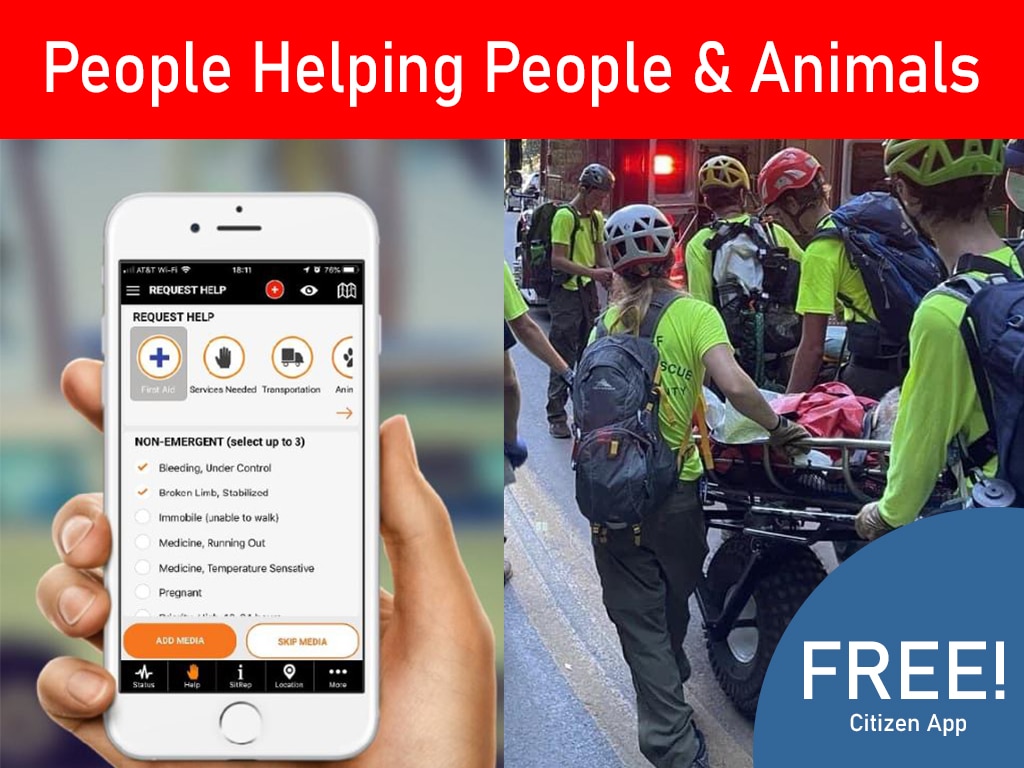
Your volunteers are the heart of your CERT program, and they need to love the new software as much as you do. Since they are giving their time, any tool you introduce should make their experience simpler and more rewarding. To get them on board, focus on the benefits. Show them how easy it is to download the free app to sign up for training, track their certifications, and receive critical alerts. Research on volunteer retention suggests that you can motivate volunteers by using tools that are user-friendly and clearly streamline their efforts. When they see the software as a helpful resource rather than another chore, they’ll be eager to adopt it.
Establish a Feedback Loop
Implementation doesn’t end once the software is up and running. The best programs treat it as an ongoing process of refinement. Create a system for gathering continuous input from everyone using the software. This could be through short surveys, regular check-in meetings, or a dedicated suggestion box. Implementing regular feedback mechanisms allows you to adapt and make improvements based on real-world use. This iterative process helps you fine-tune everything from training schedules to your methods for volunteer coordination. Listening to your users shows them they are valued and ensures your software continues to meet your team’s evolving needs.
Improve Volunteer Engagement and Retention
A successful CERT program runs on the dedication of its volunteers. But keeping those volunteers active and motivated for the long haul can be a real challenge. Burnout is common, and life often gets in the way. This is where your training management software becomes more than just a scheduling tool; it becomes a central part of your volunteer relations strategy. By creating a supportive, organized, and engaging environment, the right software helps you build a resilient team that feels valued and connected to the mission.
When volunteers feel appreciated and empowered, they are far more likely to stick around. A platform that simplifies their experience, recognizes their hard work, and gives them a voice is essential for retention. It shows them you respect their time and are invested in their growth. Ultimately, focusing on the volunteer experience is how you build a sustainable program that can reliably serve your community when it matters most. Using a platform designed for team management ensures you have the tools to support your volunteers from their first training session to their active deployment in the field.
Track Progress and Recognize Achievements
Everyone wants to know their effort makes a difference. CERT software gives you an easy way to show your volunteers exactly that. By automatically tracking training hours, completed certifications, and other key milestones, you can move beyond generic thank-yous to specific, meaningful praise. You can celebrate when a volunteer hits 50 hours of service or completes a specialized certification.
This data-driven approach makes volunteer recognition a natural part of your operations. Acknowledging these achievements validates your team’s hard work and fosters a powerful sense of accomplishment. When volunteers can see their progress and feel their contributions are genuinely appreciated, their morale and commitment to the program grow stronger. This simple act of recognition is one of the most effective ways to keep your team engaged.
Provide Scheduling Flexibility and Autonomy
Your volunteers are generous people with busy lives, juggling jobs, family, and other commitments. Forcing them into a rigid training schedule is a quick way to lose them. CERT management software with flexible scheduling tools puts the power back in their hands. When volunteers can easily view upcoming training sessions and sign up for slots that fit their own availability, participation becomes much easier.
This level of autonomy in volunteer engagement does more than just fill training seats; it shows you trust and respect your volunteers’ time. By empowering them to manage their own schedules, you reduce administrative friction and make it more convenient for them to stay involved. This flexibility is a critical factor in volunteer satisfaction and long-term retention.
Create Channels to Hear Your Volunteers
Your volunteers have a unique, on-the-ground perspective that is incredibly valuable to your program. Creating clear channels for them to share their ideas, questions, and concerns is essential for continuous improvement. The right software can facilitate this two-way communication through integrated messaging, forums, or feedback surveys. It gives you a structured way to listen to what’s working and what isn’t.
When you actively solicit volunteer feedback and act on it, you make your volunteers feel like true partners in the mission. This builds a strong sense of community and ownership, transforming their role from just helping out to being an integral part of the team. An open dialogue ensures your program evolves to meet the needs of both your community and the dedicated people who serve it.
How to Measure Your Software’s Effectiveness
Once your new software is up and running, how do you know it’s actually working? It’s one thing to implement a tool; it’s another to prove its value to your team, your stakeholders, and your community. Measuring the effectiveness of your CERT training software isn’t just about checking boxes. It’s about ensuring your volunteers are truly prepared to act when disaster strikes.
Tracking the right metrics helps you understand what’s working and what isn’t, so you can refine your training, justify your budget, and ultimately build a more resilient team. Instead of guessing, you can use data to tell a clear story about your program’s impact. The key is to focus on a few core areas: training engagement, real-world performance, and overall return on investment. By looking at these pieces together, you get a complete picture of how your software is supporting your mission.
Analyze Training Completion and Retention Rates
The most straightforward way to gauge your training program’s health is by looking at completion and retention rates. Are your volunteers starting the courses you assign? More importantly, are they finishing them? High completion rates are a good sign that your training content is engaging and accessible. Low rates, on the other hand, can signal that a course is too long, too difficult, or not relevant to your team’s needs.
Beyond just finishing, you need to know if the information is sticking. Retention rates show how well volunteers are absorbing the material. According to the Association for Talent Development, tracking these metrics helps you identify gaps in engagement and content delivery. Good software makes this easy by tracking progress automatically, allowing you to spot trends and make adjustments before a volunteer’s knowledge becomes outdated.
Tie Performance Metrics to Real-World Response
The true test of any training program is how well it prepares volunteers for the field. Your software should help you connect the dots between training performance and real-world outcomes. Did the team that completed the advanced search-and-rescue module perform faster and more effectively during the last drill? This is the data that truly matters.
As the National Fire Protection Association highlights, effective training should lead to improved response times and better decision-making during emergencies. You can measure this by analyzing incident data after a deployment. For example, you can use a platform like PubSafe to review how quickly teams using our volunteer coordination tools responded to assignments. By comparing this field data to the training records in your software, you can see a direct link between preparation and performance.
Calculate Your Return on Investment (ROI)
Justifying the cost of your software is essential for securing long-term funding and support. Calculating your return on investment (ROI) gives you the hard numbers to prove the software’s value. While it might seem difficult to put a price on preparedness, you can measure ROI through efficiency gains, cost savings, and improved outcomes.
Think about the time saved on administrative tasks like scheduling and certification tracking. Consider the reduced costs associated with more efficient resource deployment during an incident. The Kirkpatrick Partners offer a well-known framework for evaluating ROI by weighing these benefits against the software’s cost. For a CERT program, the most significant return is in its impact: faster response, better-protected property, and safer communities. Quantifying these benefits helps you build a powerful case for your program’s continued success.
Connect Training to Active Deployment
The real test of any CERT program isn’t in the classroom; it’s on the ground during an emergency. The ultimate goal of your training is to prepare volunteers for active deployment, where they can apply their skills to make a tangible difference. This is where CERT training management software becomes more than just an administrative tool. It acts as the bridge between training and response, transforming your roster of qualified volunteers into an organized, effective force ready to act when your community needs it most.
Good software ensures that the skills learned in fire safety, search and rescue, and medical aid are not just theoretical. It provides the framework to deploy volunteers intelligently, track their activity in the field, and communicate critical information in real time. It’s about making sure every bit of training translates directly into life-saving action.
Unify Citizens, NGOs, and Public Safety Teams
Disasters don’t happen in a vacuum, and neither should the response. A successful emergency operation relies on seamless collaboration between citizens, non-governmental organizations (NGOs), and official public safety teams. According to the California Governor’s Office of Emergency Services, CERT programs help build a “Culture of Preparedness” that unites these different groups. Software is the technology that makes this culture a functional reality.
A unified platform breaks down the communication barriers that can otherwise slow down a response. When everyone from a newly trained volunteer to an established NGO can share information and coordinate tasks, the entire operation becomes more efficient. This is how you get a complete picture of the situation on the ground and ensure everyone is working toward the same goal. Platforms like PubSafe allow different organizations to register and collaborate within a single system, creating a truly integrated response network.
Manage Roles, Skills, and Availability in Real Time
During a crisis, professional first responders are often stretched thin. A well-organized CERT program can relieve some of that pressure by having trained citizens handle specific tasks. This allows professionals to focus on the most complex and dangerous aspects of the emergency. The key to making this work is having instant access to your volunteers’ skills and availability.
CERT management software gives you a real-time dashboard of your team. You can see who is available to deploy, what certifications they hold, and where they are located. This allows you to quickly assign the right person to the right job, whether it’s setting up a shelter, performing light search and rescue, or providing basic first aid. Effective team management means you can deploy your resources with confidence, knowing you have the right skills in the right place at the right time.
Scale Your Program as It Grows
As your CERT program gains momentum, your administrative workload will grow with it. Managing a handful of volunteers with spreadsheets is one thing; managing hundreds is another. The right software provides a scalable framework that can grow with your program, so you can focus on training and community engagement instead of getting lost in paperwork.
As your program expands, you may even have members who want to become instructors or managers themselves. FEMA offers a variety of courses for those looking to take on leadership roles within the Community Emergency Response Team structure. A scalable software solution supports this growth by handling an increasing number of volunteers, training schedules, and deployment scenarios without missing a beat. It ensures your program can continue to expand its positive impact on the community.
Related Articles
- What Is A CERT Team & How To Contact Yours
- Florida CERT Conference 2023: Disaster Response Training | PubSafe
Frequently Asked Questions
My CERT program is small. Is dedicated software really necessary? That’s a great question, and it’s one I hear a lot. Even for smaller teams, the right software can make a huge difference. Think of it less as a requirement and more as a foundation for growth. It saves you, the manager, a significant amount of administrative time by automating scheduling and tracking. This frees you up to focus on recruiting and training. It also establishes professional habits from the start, ensuring that as your team expands, you already have a scalable and organized system in place.
We already use spreadsheets and free scheduling tools. Why should we switch? While generic tools can get the job done in a pinch, they aren’t built for the specific needs of emergency response. CERT-specific software understands your world. It’s designed to track FEMA certifications, manage volunteer availability for sudden deployments, and integrate with emergency communication protocols. Using a dedicated platform means you have a single source of truth for your team’s qualifications and readiness, which is critical when you need to deploy the right people with the right skills in a hurry.
What’s the most important thing to do to make sure the switch to new software is successful? The most critical step is to involve your people from the very beginning. A successful rollout is less about the technology and more about your team’s adoption of it. Before you even look at demos, talk to your trainers, administrators, and key volunteers about their biggest challenges. When they have a voice in choosing and implementing a tool that solves their actual problems, they become your biggest advocates for the change.
How does this kind of software help keep volunteers engaged for the long term? Volunteer burnout is a real challenge, and software can be a powerful tool to combat it. It helps by showing volunteers you respect their time. Features like flexible self-scheduling make it easier for them to participate around their busy lives. The software also makes it simple to track their progress and formally recognize their achievements, which makes them feel valued. It creates a supportive and organized environment where volunteers can clearly see the impact of their commitment, motivating them to stay involved.
How does a platform like PubSafe bridge the gap between training and a real emergency? This is where a unified platform truly shows its value. PubSafe connects your training management directly to your active deployment system. This means a volunteer’s training records, certifications, and real-time availability are instantly accessible when an incident occurs. There are no information silos. During a crisis, a commander can see exactly who is qualified and available to respond, allowing for faster, smarter, and safer deployment of your team into the field.