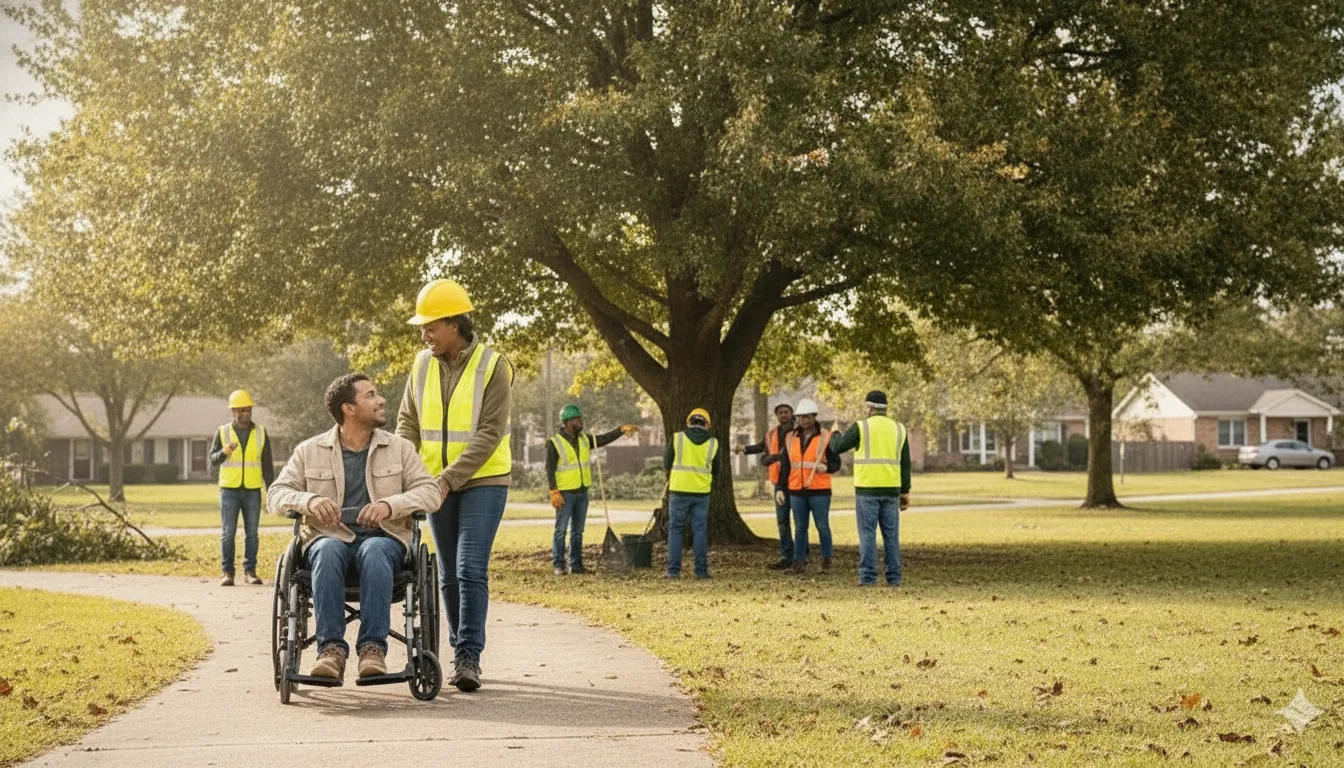
An evacuation plan can fail when it assumes everyone moves, hears, sees, or communicates in the same way. A wheelchair user may need accessible transportation and a clear route. Someone who relies on powered medical equipment may need backup power. A person who is Deaf, hard of hearing, blind, or low vision may need warnings delivered through more than one channel.
Federal guidance emphasizes creating a plan, building a kit, and staying informed. Ready.gov also recommends identifying individual needs, designating support people, and mapping accessible escape routes. The strongest plan is specific enough to guide real decisions, yet practical enough for the people who will use it.
Start by turning those needs into a personal plan that can be shared, practiced, and updated as circumstances change.
Emergency Preparedness for People with Disabilities Starts With a Personal Plan
Effective emergency preparedness for people with disabilities begins with understanding what you need to stay safe, informed, and as independent as possible. A useful plan accounts for your daily routines, communication preferences, mobility, medical care, assistive technology, and the people who may help you. Because disability intersects every demographic group, there is no single profile or universal emergency solution. Ready.gov explains why inclusive planning must account for individual needs.
A one-size-fits-all plan can overlook the details that determine whether an emergency response is practical. A person who uses a wheelchair may need an accessible route and reliable transportation. Someone with a sensory disability may need alerts delivered through more than one format. A person who depends on daily care may need a backup caregiver. Someone using powered medical or communication equipment may need a way to maintain access when electricity fails.
Start by assessing what you need during a normal day and what could change during a disaster. Consider how you receive warnings, move through your home or workplace, manage medications, communicate with responders, and maintain essential personal care. Then document the specific assistance that is helpful, along with instructions for handling any mobility aid, medical device, or communication tool. The goal is not to describe a diagnosis. It is to give supporters and responders clear, usable information.
Plan for sheltering in place and evacuation
Different emergencies call for different actions. Your plan should cover sheltering in place, including where you will stay and how you will access food, water, medication, power, and alerts. It should also cover sudden evacuation, including accessible exits, transportation, meeting locations, and the equipment you must take with you. Ready.gov recommends planning for both possibilities rather than assuming one response will fit every disaster.
Extend the plan beyond home. Learn the emergency procedures and evacuation routes for work, school, places of worship, and other locations you visit regularly. Ask who is responsible for accessibility, where accessible exits are located, and how transportation is arranged. Keep those details with your emergency contacts and review them when routines or locations change.
Practice with the people who may help
Share the plan with trusted family members, caregivers, neighbors, or coworkers. Assign specific responsibilities, such as checking alerts, helping with an exit, contacting emergency services, or confirming your status. Include a backup person in case the primary support person cannot respond. Practice the plan together, then revise it when a route, device, medication, caregiver, or living arrangement changes. Regular practice can reveal barriers that are easy to miss on paper and helps everyone understand their role before pressure is high.
A plan is only protective when it reflects your real life and has been tested with the people who will use it. Treat it as a living document, not a form completed once and forgotten.
What Should Be in an Emergency Kit for Mobility and Medical-Equipment Needs?
A standard emergency kit may not cover the equipment, medication, and information a person needs to stay safe. Build the kit around your specific disability, daily routines, and likely evacuation challenges. The CDC recommends including essential medications, medical device batteries, copies of health records, and specialized food or equipment in an emergency kit. See the CDC guidance for people with disabilities for additional planning considerations.
Keep the most important supplies together in a portable container that you can reach quickly. If evacuation is possible, prepare a smaller go bag as well as a larger supply kit. Your go bag should include critical medical information, spare batteries, chargers, and other accessories for mobility devices. Store it where you can grab it without moving heavy items or navigating an obstructed route.
- Medications and health information: Pack essential medications as advised by your healthcare provider, copies of health records, current contact details, and a simple medical alert card.
- Device accessories: Include chargers, cables, tools, replacement parts, batteries, and any specialized equipment needed for mobility, communication, hearing, vision, or daily care.
- Equipment instructions: Keep a printed, easy-to-read list of every essential medical device, how it operates, and what assistance is safe during an evacuation.
- Backup power: Add a battery pack, extra batteries, or another suitable backup power source for assistive technology that requires electricity.
- Personal necessities: Include water, food that meets your dietary needs, hygiene supplies, protective items, and anything required to maintain your independence.
Documenting your equipment can reduce confusion when family members, caregivers, shelter staff, or first responders need to help. The list should identify the device, its power requirements, essential accessories, and basic operating instructions. Keep one printed copy in the kit and share another with a trusted support person. Update it whenever equipment, prescriptions, or care needs change.
Do not wait for an outage to discover that a battery has failed. Test backup batteries and power sources every six months to confirm they are charged and operational. Check expiration dates, rotate medications and food as appropriate, and practice carrying or accessing the go bag. A kit is only useful when its contents are current, reachable, and compatible with the person who relies on them.
| Standard emergency kit | Disability-specific additions |
|---|---|
| Water and nonperishable food | Food and water that meet dietary and preparation needs |
| Flashlight and basic tools | Spare batteries and chargers for mobility, hearing, vision, and communication devices |
| First-aid supplies | Essential medications plus copies of health records and a medical alert card |
| Home and personal hygiene items | Operating instructions and accessories for medical or assistive equipment |
| Backup power for simplest devices | Tested battery packs and backup power for equipment that requires electricity |
How Do You Stay Alert and Communicating When Standard Warnings Are Inaccessible?
A siren or public announcement is not a complete emergency communication plan. People with visual or hearing disabilities may need alerts delivered through channels they can reliably see, hear, feel, or read. Build redundancy before an incident so one inaccessible warning does not become the only warning.
Choose several alert methods that match your access needs, and test them before an emergency. The goal is not to collect every device. It is to create a dependable chain from official warning to personal action.
Build an alert combination that works for you
Ready.gov recommends multiple ways to receive alerts when standard systems may be inaccessible, including text alerts, email, and visual alarms. Consider adding vibratory alerts through a phone, pager, wearable device, or another accessible system. A flashing light, vibration pattern, or high-contrast notification may be more useful than an audio-only warning for someone who is deaf or hard of hearing. A text-based alert can also provide details that a siren cannot, such as the hazard, location, timing, and recommended action.
Review your local emergency notification options and choose services that provide accessible messages. PubSafe’s mass notification system approach can help communities distribute urgent information across multiple channels, rather than relying on a single warning format. Keep devices charged, enable notifications, and identify a backup source if power or internet access fails.
For people with visual disabilities, combine accessible text or spoken alerts with a support person who can confirm what the message means and what action is required. For people with hearing disabilities, use visual and vibratory alerts, captions, text messaging, or email. Ask your emergency management office which local systems support these formats, then practice responding to an alert when conditions are calm.
Make responder communication immediate and specific
During an evacuation or medical emergency, tell first responders exactly how to assist you. CDC guidance recommends explaining your functional needs and how responders should handle medical or assistive equipment. For example, state whether you need instructions in writing, an interpreter, physical guidance, or help moving a device. Explain which equipment must stay with you and any actions that could damage it or create risk.
Prepare this information in advance rather than relying on memory during a stressful event. Keep a small, easy-to-read medical alert card in your wallet, go bag, or another location you can reach. CDC recommends that the card include medical needs and functional limitations. Add emergency contacts, communication preferences, essential medications, allergies, and instructions for critical equipment when space allows. Update it whenever your needs or contacts change.
How Do Service Animals and Support Networks Fit Into Your Plan?
For many people, preparedness depends on more than supplies and evacuation routes. It also depends on the animals, caregivers, neighbors, friends, and family members who help make daily activities possible. Include those relationships in your emergency plan before a crisis makes communication or travel more difficult.
Plan for your service animal as essential support
A service animal is not a pet or an optional addition to your emergency kit. The animal provides functional support, so the plan should account for both of your needs. The CDC recommends preparing food, water, and essential records for a service animal as part of disability emergency preparedness: review its guidance when building your kit.
Keep the animal’s supplies together in a location you can reach quickly. Depending on your situation, that may include food, water, medication, identification or health records, a leash or harness, waste supplies, and comfort items. Store enough to support an evacuation or an extended period away from home, based on your personal circumstances and advice from your veterinarian. Recheck the supplies when you review your own medications and equipment.
Also plan for conditions that could affect the animal’s work. Identify where the animal can stay with you if you evacuate. How you will move through a shelter or unfamiliar building, and who can help if you are injured or temporarily separated. Keep records in a portable format, and make sure a trusted support person knows where they are stored.
Build a support network with clear, shared roles
Support networks can help with communication, physical assistance during evacuation, and regular check-ins. Start by identifying more than one person who understands your needs. Then explain exactly what help may be useful, such as reading or relaying alerts. Carrying equipment, opening a route, assisting with transportation, or confirming that you have reached a safe location.
A neighbor buddy system can add practical coverage close to home. A buddy can check whether you received an alert, knock or call if conditions change, and help you leave if a primary exit is inaccessible. Share your emergency contacts and plan with the people you designate. Practice the plan together so each person knows what to do without making assumptions during a stressful event.
A reliable support network has both a primary contact and a backup plan. Your primary support person may be unable to reach you, lose power, evacuate, or need assistance themselves. Identify a second person or team, establish how they will contact you, and decide what happens if no one responds. If you rely on personal care, include specific arrangements for receiving essential care when your caregiver is unavailable, as Ready.gov advises: review the planning guidance.
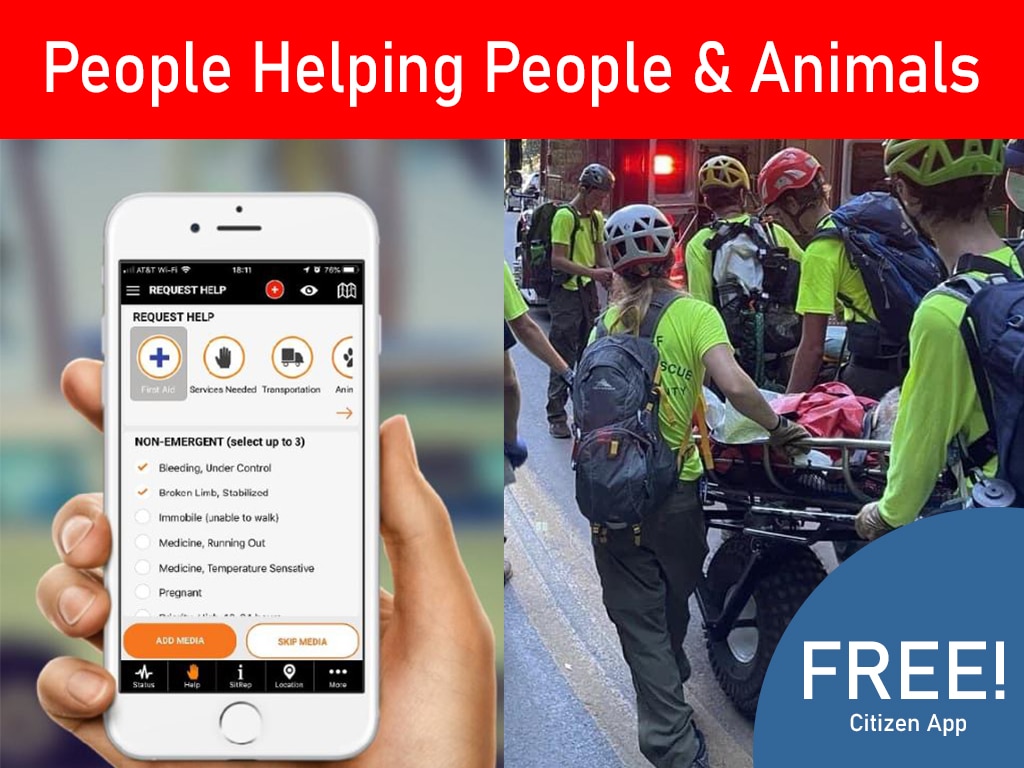
Shared status updates can make this coordination easier. Learn how PubSafe works to see how a connected community can communicate status and needs during an emergency. Choose methods your network can access, and revisit the contacts and responsibilities whenever your routine changes.
How Neighbors and Responders Can Support Inclusive Response
Inclusive response begins before an emergency. Neighbors, emergency managers, shelter staff, transportation providers, and first responders each influence whether a person with a disability can receive timely information, evacuate safely, and access essential support.
Ask what support is useful instead of assuming what someone needs. A practical plan should identify individual needs, trusted support people, and accessible escape routes. The disaster response platform can help communities coordinate status updates, check-ins, and requests for assistance without relying on one person to relay every message.
Make shelters and escape routes usable
Emergency shelters should be physically accessible and prepared to address specific medical or functional needs. That means communities should review entrances, restrooms, sleeping areas, charging access, and routes between those spaces before an event occurs. Accessibility should be part of shelter selection and readiness, not an accommodation considered after residents arrive.
Neighbors can help by learning which exits are accessible and by sharing route information in formats people can use. A route that works for one mobility device may not work for another. Check for stairs, narrow passages, steep grades, blocked sidewalks, and doors that require significant force. Practice the route with the person who may use it, and revise it when construction, weather, or building conditions change.
Plan transportation and local emergency-management support
People with mobility disabilities should identify reliable, accessible transportation and pre-plan evacuation routes. Local officials and community organizations can make this easier by publishing clear instructions, confirming accessible vehicles, and explaining how residents request transportation during an evacuation. Do not assume that a general evacuation notice answers the transportation question. Residents should research local evacuation resources and accessible transportation options in advance, using guidance from the CDC.
Local emergency-management offices may maintain a registry or program for people with functional needs. Residents can ask whether one exists, what information it collects, and how it is used during an emergency. Registration does not replace a personal plan, but it may give officials useful context for coordinated support.
Share plans, communicate clearly, and advocate for access
Designated support people should have current emergency contacts, copies of the plan, and clear instructions for communication and evacuation. Share updates when phone numbers, addresses, medications, equipment, or transportation needs change. Responders should ask how to assist safely and how to handle a person’s medical or assistive equipment rather than moving it without permission or instruction.
Community members can also improve future response by attending local preparedness meetings and advocating for accessible emergency resources. Bring specific requests, such as accessible alert formats, transportation procedures, shelter charging capacity, and route information. Accessibility improves when people with disabilities help shape the plans that affect them.
Frequently Asked Questions
How can people with disabilities prepare for an emergency?
Start by assessing your individual needs, then create a plan, build a tailored emergency kit, and identify accessible ways to receive warnings. Include medications, assistive-technology supplies, medical information, communication preferences, and plans for sheltering in place or evacuating. Practice the plan with your support network and keep copies of key contacts available. The CDC recommends creating a plan, building a kit, and staying informed.
What should be in an emergency kit for someone with a disability?
Include essential medications, copies of health records, medical-equipment instructions, spare batteries or chargers, and any specialized food or equipment you rely on. Keep a ready bag with medical information and device accessories, plus a printed list explaining each piece of equipment. Tailor the kit to your specific needs, and test backup power sources every six months to confirm they remain charged and operational.
How do you create an emergency plan if you have a disability?
List the assistance you may need, designate primary and backup support people, and map accessible exits and transportation options. Ask your support network to review the plan, including how they will communicate with you and provide personal care if a caregiver is unavailable. Share updated contact details and copies of the plan. Also review emergency procedures at work, school, and other places you visit often.
How should people with mobility disabilities prepare for evacuations?
Keep mobility aids accessible, identify reliable accessible transportation, and plan more than one route in case an exit or road is blocked. Confirm which local evacuation resources and shelters can address your functional needs. Tell responders how to assist you safely and how to handle your equipment. Practice the route with your support network so the plan works under realistic conditions, not only on paper.
Contact us to get started with accessible preparedness
A clear way to communicate your status and specific needs can help your community coordinate support during a disaster. Contact PubSafe to try the free PubSafe app and take the next step toward more connected emergency communication.