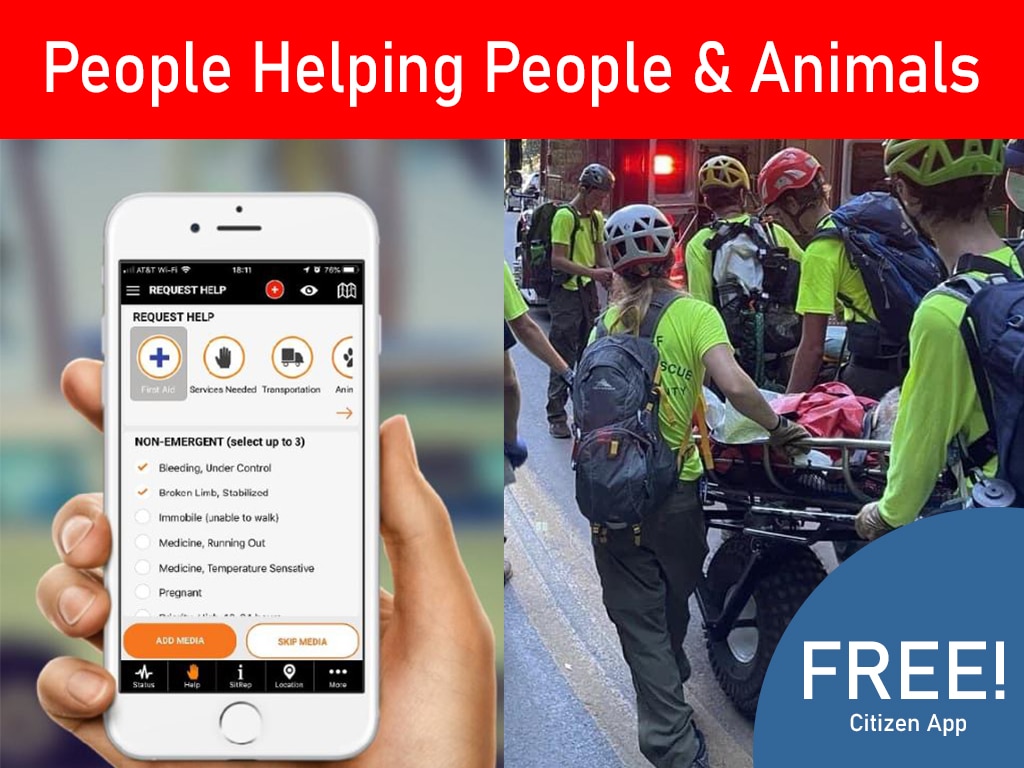
Emergency preparedness for rural communities starts with a practical question: who can act, with what resources, when distance and limited staffing slow the response? When roads are long and several organizations serve the same area, preparedness cannot depend on a single agency or a generic checklist. The strongest plans make local risks visible, assign practical roles, and establish how people will share reliable information before an emergency tests the network.
There is no one-size-fits-all model. Rural communities differ in geography, hazards, available services, transportation, communications, and volunteer capacity. A useful framework therefore starts with the conditions your community actually faces, then builds the relationships and operating habits needed to act with less duplication and greater accountability. The first step is understanding what makes that local context different.
What makes emergency preparedness for rural communities different?
Emergency preparedness for rural communities works best when a locally tailored, all-hazards plan connects realistic capacity, defined partners, verified information, and resource priorities.
Rural preparedness starts with the recognition that geography shapes operations. A county with scattered homes, a remote tribal area, and a small town serving agricultural communities may face very different hazards, travel times, communications conditions, and partner networks. NORC notes that rural communities have unique preparedness, response, and recovery needs, and that there is no one-size-fits-all approach because local characteristics vary. NORC’s Rural Emergency Preparedness and Response Toolkit is built around that local context.
Distance can turn an ordinary response task into a coordination problem. Residents may be far from hospitals, fire stations, shelters, supply points, or government offices. A small number of responders and volunteers may cover a large area, while roads, bridges, power systems, cellular service, and broadband create dependencies that are easy to overlook. Plans should identify not only what could happen, but also which systems and people must remain available for the community to act.
Capacity is another defining concern. Rural organizations may rely on part-time staff, volunteer teams, mutual-aid partners, and people who hold several roles at once. During a major incident, the demand on that network can exceed its ability to support the response, a challenge documented in rural emergency preparedness research indexed by PubMed. That does not mean a rural community lacks capability. It means the plan must make limited capability visible, assign responsibilities realistically, and establish escalation points before an emergency begins.
An all-hazards framework provides the structure. It builds capabilities that can serve across a full spectrum of emergencies while still prioritizing the threat scenarios most likely in a specific location and confirming that appropriate resources are available. For one community, that may mean wildfire and evacuation; for another, flooding, severe winter weather, agricultural incidents, or a prolonged utility disruption. The framework should connect shared capabilities, such as public information, shelter coordination, volunteer management. Medical support, and damage reporting, to the hazards that local leaders and residents actually face.
- Start locally: Rural communities differ in geography, hazards, infrastructure, and partner capacity.
- Plan for constrained capacity: Make distances, dependencies, staffing limits, and escalation paths explicit.
- Use all-hazards capabilities: Build reusable systems, then prioritize the threats most likely in the community.
How does emergency preparedness for rural communities shape a local risk picture?
A useful risk picture turns a broad preparedness plan into decisions people can make before an incident. An all-hazards approach builds capabilities for a full spectrum of emergencies, while still prioritizing the threats most likely in a specific location and matching them to available resources. That balance matters in rural communities, where infrastructure, staffing, transportation, and response capacity can vary significantly from one area to the next.
Use a facilitated meeting with local officials, residents, healthcare leaders, volunteers, and other people who understand the community’s geography and daily operations. Record assumptions, assign owners, and set a review date. The Rural Health Information Hub guidance on emergency preparedness and response is a useful reference for all-hazards planning and resource-aware preparedness.
- List the likely hazards. Start with the events that could reasonably affect the area, such as severe weather, wildfire, flooding, hazardous-material incidents, disease outbreaks, or transportation disruptions. Include hazards that originate nearby and those that could interrupt access to essential services. Rank them by likelihood, potential impact, warning time, and seasonality. Do not let an unusual but dramatic scenario crowd out a common local threat.
- Map vulnerable people and places. Identify residents who may need additional help with evacuation, shelter, medication, transportation, language access, or welfare checks. Mark locations such as care facilities, clinics, schools, farms, group homes, and isolated residences. Protect sensitive personal information, and give each organization a clear responsibility for keeping its own information current.
- Trace infrastructure and dependencies. For every priority hazard, ask what services must continue and what they depend on. Consider roads, bridges, fuel, water, sanitation, healthcare, electricity, communications, suppliers, and staff transportation. Note single points of failure, alternate routes, backup suppliers, and the agencies or businesses that can provide timely status updates.
- Identify resource gaps. Compare expected needs with people, vehicles, equipment, shelter space, medical capacity, food, fuel, water, and sanitation resources. Consider how an evacuation from an urban area could increase rural demand, rather than treating that scenario as a prediction. Document what can be shared locally, what requires mutual aid, and who can authorize or request support.
- Set activation triggers and review points. Define the information that moves the plan from monitoring to action, who validates it, who makes the call, and how the decision reaches each responsible group. Include triggers for opening a coordination channel, requesting mutual aid, checking vulnerable residents, adjusting clinic operations, or issuing a public update. Review the picture after exercises, major incidents, infrastructure changes, and seasonal risk changes.
Which partners should be in the response network?
A rural response network should be broader than the agencies that arrive first. Residents know who may need extra help, community volunteers can extend local capacity. And organizations such as schools, churches, farms, and businesses may provide trusted locations, transportation, supplies, or personnel. Build the network before an incident, then define what each partner can do and who can authorize that work.
Give every partner a defined role
- Residents and neighborhood leaders can report hazards, check on agreed-upon contacts, share verified instructions, and identify accessibility or transportation needs.
- CERT and community volunteers can support basic search and rescue, fire safety, and disaster medical operations within their training. FEMA’s CERT program provides disaster-response education for community volunteers, and Ready.gov provides preparedness and response training resources. Volunteers support official operations; they do not replace professional responders.
- NGOs, schools, churches, and businesses can contribute facilities, food, water, communications support, transportation, childcare, donations management, or trained personnel. Assign a liaison to each organization so requests do not become scattered across informal channels.
- EMS, law enforcement, health departments, and local officials retain responsibility for official warnings, emergency medical care, public safety, public-health decisions, evacuation orders, and coordination with state agencies. FEMA maintains a directory of state emergency management agencies at FEMA locations, which can help local planners confirm escalation contacts.
Use one coordination framework
The National Incident Management System, or NIMS, promotes efficiency, coordination, and effective communication during emergencies. Use its principles to clarify incident leadership, reporting lines, terminology, resource requests, and handoffs. A simple partner roster should record each organization’s primary and backup contact, service area, available resources, operating constraints, and the conditions that trigger escalation.
Healthcare partners deserve specific attention. Rural facilities can prepare with joint drills involving public health, EMS, and law enforcement, while plan reviews and cross-training help staff maintain essential support services during an emergency. Include these partners in exercises rather than inviting them only after a crisis begins. For a practical digital workflow, communities can register an organization and organize cross-group participation through volunteer management for nonprofits and CERTs.
Create a verified communication and reporting workflow
Communication becomes useful during an incident only when people know who owns the information, how it was checked, and what action follows. Start by assigning a source owner for each message category, such as weather conditions, road access, shelter capacity, medical needs, or volunteer requests. Define who can confirm a report, who can authorize a public update, and which situations require immediate escalation to emergency services or local officials.
Use a consistent incident record so responders are not forced to reconstruct the situation from scattered calls and messages. At minimum, capture the location, incident category, severity, time observed, reporting person, available context, and any photo or video that helps verify conditions. Then route the report to the organization or team responsible for the next action. PubSafe supports this structured workflow with location capture, category and severity assessment, media, routing, and status tracking through resolution. Learn more about how to report an incident.
Separate verified facts from assumptions. A report marked “received” is not the same as a report marked “confirmed.” Use clear status labels such as received, under review, assigned, active, monitoring, and resolved. Each update should state what changed, when it changed, who owns the next step, and when the information will be reviewed again. If details remain uncertain, say so directly rather than filling gaps with speculation.
Build communication around roles, not a single channel
Use the channel that matches the audience and urgency. Direct chat can support one-to-one coordination, team messaging can manage an assigned group, and broadcasts can distribute a verified update. Structured situation reports provide a repeatable format for leadership, while priority alerts with geofencing can focus urgent information on a defined area. PubSafe includes these communication capabilities, along with incident reporting and situational awareness, as part of its coordination layer. Its communication and response tools should complement, not replace, 911, official alerts, or emergency management procedures.
Practice the workflow before a real event. Run a drill that tests report intake, verification, escalation, status updates, and handoffs with relevant partners. Rural preparedness guidance recommends drills for continuity of operations and surge-capacity planning, as well as joint exercises with public health, EMS, and law enforcement. Review the plan after each exercise, update contact ownership, and cross-train staff so a process does not depend on one person. The Rural Health Information Hub guidance provides a useful reference for these planning activities.
Set the technology boundary honestly. PubSafe currently requires internet connectivity and does not provide offline functionality. Communities should maintain separate contingencies for connectivity loss, including established local procedures and alternative communication methods. Do not treat an app as the entire emergency communications plan.
Coordinate scarce resources before and during an emergency
Resource coordination starts before an incident, when local leaders can identify what is available, who can use it, and where the gaps are. Build a shared inventory of trained people, vehicles, fuel, water, food, medical supplies, shelters, generators, animal-care resources, and facilities that could support operations. Record the owner, location, access requirements, availability, and backup contact for each item. A simple inventory is more useful when it is reviewed with the people responsible for activating it.
Plan for demand that can change quickly
Rural communities should treat an urban-to-rural evacuation surge as a planning scenario, not a prediction. Increased traffic could create additional demand for food, fuel, water, and sanitation resources in rural areas. At the same time, rural healthcare workers providing emergency care could be overwhelmed, making it harder to maintain routine healthcare access. These risks are identified in the Rural Health Information Hub’s emergency preparedness guidance.
Use that scenario to set practical triggers. For example, decide when to request mutual aid, open an alternate facility, stage transport, redirect supplies, or ask neighboring jurisdictions for staff. Clarify who has authority to make each decision and how requests are acknowledged. Mutual aid agreements should name the resources that can be shared, the expected response process, and the contact method that remains available when normal staffing is strained.
Match people and supplies to the operating picture
Cross-training helps staff cover essential support services when absences or workload changes affect a small team. Pair this with joint exercises involving healthcare facilities, public health, EMS, law enforcement, volunteer groups, and community organizations. Exercises should test more than response actions. Include supply requests, transportation routes, facility capacity, handoffs, resupply timing, and the transition back to routine care.
| Resource area | Prepare before an incident | Coordinate during response |
|---|---|---|
| People | List trained staff, volunteers, backups, and availability. | Assign tasks by training, location, and current capacity. |
| Supplies | Record food, water, fuel, medical supplies, and owners. | Prioritize requests, track distribution, and plan resupply. |
| Facilities | Identify shelters, clinics, staging areas, and access limits. | Match changing needs to open facilities and transport routes. |
| Mutual aid | Name neighboring partners and define request procedures. | Confirm requests, handoffs, arrival times, and accountability. |
A map-based view can make these decisions faster. PubSafe’s community disaster response platform can display member locations, incident reports, weather radar, resource overlays, and public safety alert layers. Teams can use those views to compare needs with available people and assets, while applying appropriate privacy settings to location data. Explore the community disaster response platform and its public safety map to see how shared visibility can support coordination.
Plan recovery, wellbeing, and the next exercise
Recovery planning should begin before an incident ends. Rural communities may need to restore services, support people experiencing trauma, reconnect volunteers with their organizations, and maintain essential operations while staff and facilities remain stretched. Treat recovery as an operational phase with named owners, check-ins, and clear handoffs rather than an informal period after the response.
Psychological needs deserve the same deliberate attention as physical damage. The Rural Health Information Hub notes that most disaster-related injuries and trauma are psychological rather than physical. Medical Reserve Corps members and FEMA Community Emergency Response Teams can help communities plan for post-disaster mental-health needs. SAMHSA’s rural emergency preparedness and response toolkit provides evidence-based and promising models for organizations supporting preparedness, response, and recovery.
Protect continuity while the community recovers
Review which services must continue, which can be paused, and who can perform each essential function if the usual person, building, vehicle, or communication channel is unavailable. Cross-training helps teams cover support services during an emergency. Keep role assignments current, document substitute contacts, and maintain a simple record of equipment, supplies, partner commitments, and unresolved needs.
Volunteer coordination is part of continuity, not an administrative afterthought. A shared system can help nonprofits and CERTs track people, hours, assignments, and organizational relationships before the next activation. PubSafe supports daily volunteer management and hour tracking alongside emergency team coordination. Explore volunteer management for nonprofits and CERTs when designing that workflow.
Turn every exercise into a plan update
After an exercise or real incident, gather participants while details are still fresh. Record what happened, what was expected, where information or resources stalled, and which decisions depended on one person. Assign an owner and due date to each corrective action. Then update contact lists, procedures, training priorities, and resource assumptions. Test the revised plan in a smaller drill so the change becomes a practiced behavior, not just a new document.
Funding and technical assistance may come from multiple public and nonprofit sources, so designate someone to monitor official guidance and confirm requirements. FEMA’s Public Assistance Grant Program may provide assistance to eligible governments and certain private nonprofit organizations, but eligibility, allowable costs, and award decisions depend on the applicable program rules. Treat potential funding as an opportunity to investigate, never as a guaranteed resource in the plan.
Frequently Asked Questions
What should a rural emergency preparedness plan include?
Start with the hazards most likely in your area, then document vulnerable people and facilities, essential services, available resources, partner roles, communication methods, and decision triggers. The plan should match local conditions rather than copy a generic template. Rural communities differ in infrastructure, capacity, and geography, so a one-size-fits-all approach is not reliable. NORC’s rural preparedness guidance supports adapting plans to local needs.
How can rural volunteer groups coordinate with official responders?
Define who activates volunteers, who assigns tasks, how information is escalated, and which agency owns final decisions. Use consistent terminology and reporting fields, and include law enforcement, schools, churches, businesses, health partners, and local officials where appropriate. FEMA’s CERT program provides community volunteers with disaster-response education and training, including basic search and rescue, fire safety, and disaster medical operations. Ready.gov is another training resource.
How do communities verify emergency information before sharing it?
Record the source, location, time, observed conditions, and supporting details for each report. Separate unconfirmed community observations from updates confirmed by an authorized agency or designated coordinator. Assign someone to review incoming reports, resolve conflicting information, and publish status changes with a clear timestamp. This workflow reduces rumor-driven decisions while preserving useful local visibility.
How should rural communities prepare for limited resources?
Make a resource inventory before an incident, including people, vehicles, fuel, water, food, medical capacity, shelters, and sanitation supplies. Identify mutual-aid partners and define how requests are prioritized. Include population-surge scenarios in exercises, since evacuations from urban areas can increase rural demand for food, fuel, water, and sanitation resources. Review the inventory after every drill or response and update gaps, owners, and alternatives.
Contact us about your community’s preparedness
A clear coordination approach can help residents, volunteers, nonprofits, and local officials work from the same priorities when resources are limited. Contact PubSafe to discuss how your community can organize partners, share verified updates, and support a more coordinated response. Contact PubSafe to start the conversation.