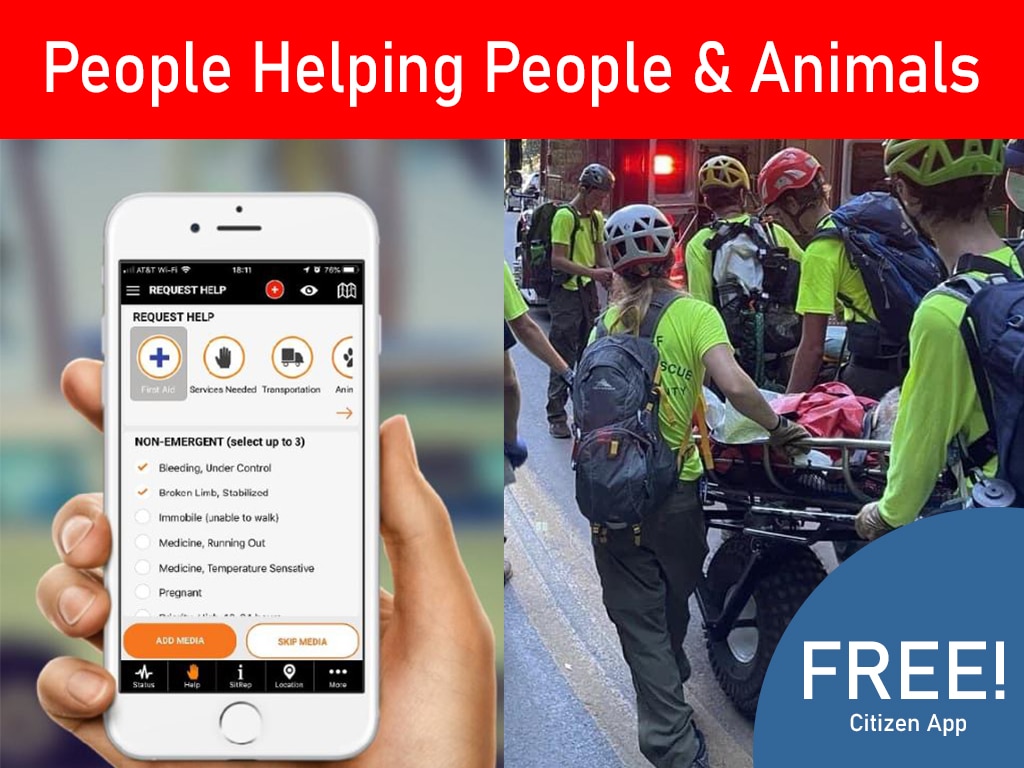
Managing a Community Emergency Response Team often means juggling spreadsheets, endless email chains, and frantic phone calls. When a crisis hits, this manual approach can lead to confusion and delays, right when clear, swift action is most needed. You need to know who is available, what skills they have, and where to send them, all while keeping everyone informed. This is where technology steps in to bring order to the chaos. A dedicated emergency volunteer engagement platform for CERT programs replaces the clutter with a single, reliable command center. It streamlines communication, simplifies scheduling, and gives you a real-time view of your operations, ensuring your team can respond effectively and safely.
Key Takeaways
- Treat a platform as your digital headquarters: A central platform helps you manage everything from volunteer recruitment and training to real-time emergency deployment, ensuring your team is organized and effective when it matters most.
- Focus on the complete volunteer experience: To build a lasting team, use your platform to support volunteers beyond emergencies by simplifying onboarding, managing training, recognizing their work, and offering flexible schedules to keep them engaged.
- Let data guide your program’s growth: Regularly track metrics like participation hours and gather direct feedback from your team to see what’s working, improve your response strategies, and build a more resilient community.
What Is a CERT Program?
When a disaster strikes, professional first responders are often stretched thin. This is where the Community Emergency Response Team, or CERT, comes in. A CERT program is a nationwide initiative that trains everyday people in basic disaster response skills. Think of it as neighbors helping neighbors in a structured, safe, and effective way. These volunteers become a vital extension of official emergency services, providing immediate assistance to their communities until professional help can arrive. The goal isn’t to replace professionals, but to support them by handling immediate needs and creating a more resilient community.
The core idea is to prepare communities from the inside out. By equipping citizens with practical knowledge, CERT programs build local resilience and empower individuals to take an active role in their own safety. Managing these teams effectively is key to their success, and that’s where technology plays a huge role. A dedicated platform helps organize volunteers, share critical information, and coordinate efforts on the ground. This ensures that when an emergency happens, your team is ready to respond as a cohesive unit. With the right tools, you can see how PubSafe works to connect every part of the response effort, from individual volunteers to coordinating agencies, creating a clear and unified picture of the situation.
What Do CERT Volunteers Do?
CERT volunteers are trained to be a capable support system for professional responders. They aren’t expected to perform the same duties as firefighters or paramedics, but they handle essential tasks that make a huge difference in an emergency. Their training covers skills like basic fire safety, light search and rescue, disaster medical operations, and team organization.
For example, after an earthquake, CERT members might check on neighbors, extinguish small fires, or set up a medical triage area. They are also trained to organize other volunteers who show up wanting to help but lack formal training. This volunteer coordination is crucial for preventing chaos and ensuring that spontaneous help is directed where it’s needed most, allowing professional responders to focus on the most life-threatening situations.
The Critical Role of Volunteer Engagement
Engaging volunteers is the lifeblood of any successful CERT program. In many emergencies, especially in rural or widespread disaster zones, volunteers are the first on the scene. They provide immediate aid, assess damage, and relay information back to emergency operations centers. This initial response can save lives and prevent situations from getting worse.
Effective volunteer engagement means more than just having a list of names. It’s about building a prepared and connected team. When volunteers feel valued and are equipped with the right tools, they become a powerful force multiplier for professional services. Strong team management allows you to keep volunteers informed, deploy them strategically, and track their activities. This ensures that every volunteer’s time and skills are used to their fullest potential, strengthening your community’s overall response capability.
Essential Features for a CERT Volunteer Platform
Choosing the right platform is about finding a tool that simplifies your work, not complicates it. When you’re managing a team of volunteers during a crisis, you need technology that is reliable, intuitive, and built for the unique challenges of emergency response. A great CERT platform should feel like an extension of your team, helping you communicate clearly, manage resources wisely, and keep your volunteers engaged and safe. It’s the digital command center that brings your entire operation together. Look for a platform that offers a comprehensive suite of tools designed to support your team at every stage, from pre-disaster planning to post-incident recovery.
Seamless Communication and Reporting
During an emergency, clear and instant communication can make all the difference. Your platform should be the single source of truth for your team. This means having a central place for real-time updates, group messaging, and direct communication channels. Appointing a “volunteer manager” to organize and assign tasks is a great first step, and a platform with strong team management capabilities makes their job much easier. Look for features that allow volunteers to easily report what they’re seeing on the ground. This two-way flow of information ensures that leadership has a clear operational picture while volunteers in the field get the direction they need to stay safe and effective.
Tools for Recruitment, Onboarding, and Training
Building a strong CERT program starts with finding the right people and giving them the skills they need to respond confidently. Your volunteer platform should simplify this entire process. It can help you register your organization and create a straightforward way for new volunteers to sign up. Once they’re on board, the platform can act as a hub for training materials and tracking certifications. As you set up a Community Emergency Response Team, you can use the platform to manage training schedules, share resources based on FEMA’s national plan, and ensure every volunteer has completed the necessary hands-on and classroom lessons before a disaster strikes.
Smart Scheduling and Resource Management
Knowing who is available, what skills they have, and where they are located is crucial for an effective response. A platform with smart scheduling and resource management tools takes the guesswork out of deployment. Instead of scrambling to fill roles during a crisis, you can build a database of volunteers and their qualifications ahead of time. This allows you to work with community groups to find volunteers before an emergency happens. When an incident occurs, you can quickly see who is available, assign them to tasks that match their skills, and manage schedules without the chaos of spreadsheets and phone trees. This level of volunteer coordination ensures you get the right people to the right place at the right time.
Features to Recognize and Retain Volunteers
Your volunteers are your program’s most valuable asset, and making them feel appreciated is key to long-term success. Burnout is a real risk, so it’s important to have systems in place to recognize their hard work. A good volunteer platform can help you track volunteer hours and contributions, making it easy to identify and celebrate your most dedicated members. You can use this data to give out certificates, create social media shout-outs, or plan appreciation events. As one expert suggests, simple acts of recognition help volunteers feel valued and encourage them to stay involved. It’s a small effort that pays huge dividends in morale and retention.
Easy Integration with Your Current Systems
Your CERT doesn’t operate in a silo. You are a critical piece of a much larger community response effort that includes police, fire, and professional emergency managers. Your volunteer platform must support this collaboration, not hinder it. It’s essential that your CERT’s plans support the efforts of local agencies. A platform that integrates with other systems or provides a shared, public-facing map allows for seamless information sharing. This ensures everyone, from a citizen reporting an issue to a government agency official, is working from the same playbook. Understanding how PubSafe works can show you how different stakeholders connect on a single platform, creating a more unified and effective response.
How to Build Your CERT Program with a Volunteer Platform
Building a Community Emergency Response Team (CERT) from the ground up can feel like a huge undertaking, but a dedicated volunteer platform makes the process much more manageable. Think of it as your digital headquarters for organizing, training, and deploying your team. By following a structured approach, you can use a platform to create a resilient and effective CERT program that’s ready to act when your community needs it most.
Here’s a step-by-step guide to get you started.
Step 1: Assess Your Needs and Register Your Team
Before you recruit a single volunteer, it’s important to define what you want to accomplish. Start by outlining clear goals for your CERT program. Consider your community’s specific risks, like floods or wildfires, and decide how your team can best prepare for them. How many volunteers do you realistically want to train in the first year? Answering these questions will give you a solid foundation.
Once you have a plan, the next step is to get your team set up on a central platform. Formally registering your organization creates a dedicated space for your members to gather. This establishes your team’s official presence and gives you the tools to start building your volunteer roster from day one.
Step 2: Recruit and Onboard Volunteers
With your goals in place, it’s time to find your people. Effective recruitment often happens right in your own backyard. Connect with local groups like veterans’ organizations, schools, faith-based communities, and neighborhood associations to find motivated individuals. When you reach out, be clear about what the CERT program involves and the commitment required.
A volunteer platform simplifies how you bring new members on board. Instead of juggling spreadsheets and email chains, you can direct all interested individuals to one place. From there, you can manage their information, share welcome materials, and get them ready for training. This creates a smooth and professional onboarding experience that helps new volunteers feel confident and prepared to contribute to your team management structure.
Step 3: Schedule and Manage Training
Well-trained volunteers are the backbone of any successful CERT program. The curriculum generally follows FEMA’s national standard, which includes a mix of classroom instruction and practical, hands-on skills. This basic training covers topics like fire safety, light search and rescue, and disaster medical operations.
Using a platform for volunteer coordination helps you organize all aspects of training. You can create and share event schedules, send automated reminders, and track who has completed which courses. It also provides a central library for important documents, like participant manuals and presentations, ensuring every member has access to the resources they need to become a capable responder.
Step 4: Assign Roles and Allocate Resources
As your team grows, establishing a clear structure is key to avoiding confusion during a crisis. A great first step is to appoint a dedicated volunteer manager to oversee organization and assignments. From there, you can define specific roles and responsibilities for all your members. This ensures everyone knows their job and who to report to when an emergency occurs.
A platform with strong team management features allows you to build out this structure digitally. You can group volunteers into specialized teams, assign leaders, and document everyone’s skills and certifications. This makes it easy to see who is qualified for what task, helping you allocate your human resources effectively and ensuring your CERT’s efforts are organized and supportive.
Step 5: Deploy and Coordinate Volunteers in an Emergency
When an incident occurs, clear and immediate communication is everything. The goal is to deploy your team quickly without overwhelming official first responders. Having a simple, pre-established plan for how you will activate and assign spontaneous volunteers is critical for an effective response.
This is where a real-time platform truly shines. You can instantly notify volunteers of a need, assign tasks based on their location and skills, and monitor progress through a shared map. Understanding how PubSafe works in an emergency shows how technology can turn a chaotic situation into a coordinated effort. This allows you to direct your team to where they can make the biggest impact, whether it’s staffing a shelter, documenting damage, or assisting with wellness checks.
Common CERT Volunteer Challenges (and How to Solve Them)
Managing a team of volunteers comes with a unique set of hurdles. From keeping people engaged when there isn’t an active emergency to ensuring everyone feels confident with the tools you’re using, these challenges are common. The good news is that with the right approach and a solid platform, you can turn these potential roadblocks into opportunities for building a stronger, more resilient team. A platform like PubSafe is designed to address these issues head-on, helping you support your volunteers so they can effectively support your community.
Address Tech Hesitancy and Build Awareness
Not everyone is a tech whiz, and introducing a new platform can sometimes feel daunting for volunteers. The key is to use a tool that’s intuitive and to pair it with clear training. A user-friendly platform simplifies tasks like reporting incidents and communicating with the team, making it less of a hurdle and more of a helpful tool. At the same time, it’s vital that your volunteers are properly trained for the field. FEMA’s Community Emergency Response Team (CERT) program is the gold standard for disaster volunteer training. A volunteer platform can help you track these certifications, ensuring that everyone on your team has the right qualifications and is ready to respond safely and effectively.
Keep Volunteers Engaged Between Emergencies
One of the biggest challenges for any volunteer organization is keeping the momentum going during quiet periods. When weeks or months pass without a major event, it’s easy for volunteers to become disconnected. To counter this, you need to create a sense of community and purpose that extends beyond emergency response. Use your platform’s team management tools to schedule regular training drills, community outreach events, or even social get-togethers. You can also share educational resources and post updates to keep everyone in the loop. By offering ongoing opportunities for participation and giving experienced volunteers leadership roles, you can maintain engagement and ensure your team is always ready and cohesive.
Offer Flexible Volunteering Options
Today’s volunteers are often juggling busy schedules with work, family, and other commitments. A rigid, one-size-fits-all approach to scheduling can be a major barrier to recruitment and retention. To build a diverse and dedicated team, you need to offer flexibility and make it easy for people to contribute in a way that works for them. A smart volunteer platform is perfect for this. You can post various tasks and shifts, allowing volunteers to sign up for what fits their availability and skill set. Whether it’s a two-hour shift at an event or a full-day deployment, this flexibility makes it possible for more people to get involved. Effective volunteer coordination means meeting people where they are, and a good platform makes that simple.
Prioritize Volunteer Safety and Data Privacy
During an emergency, nothing is more important than the safety and well-being of your volunteers. Chaos and confusion can put people at risk, so having a system to monitor and support your team in the field is essential. This includes everything from tracking their location to ensuring they have access to resources like food, water, and mental health support. A reliable platform allows you to see where your volunteers are, send out mass safety alerts, and conduct wellness checks. It also provides a secure channel for communication, so you can stay connected without relying on unsecured public networks. Just as important is data privacy. A professional platform is designed to protect sensitive volunteer information, building trust and ensuring you’re handling their data responsibly.
How to Measure Your Platform’s Success
Once you have a platform in place, how can you tell if it’s truly making a difference for your CERT program? Measuring success isn’t just about hitting quotas; it’s about understanding what’s working, what isn’t, and how you can better support your volunteers and your community. By focusing on the right areas, you can gather concrete evidence of your program’s impact and find clear paths for improvement.
A successful platform doesn’t just organize volunteers, it strengthens your entire emergency response framework. Tracking progress helps you demonstrate value to stakeholders, justify resource allocation, and build a more resilient and engaged team. It transforms guesswork into a clear strategy, ensuring your efforts are as effective as possible when disaster strikes. Let’s walk through the key ways to measure your platform’s performance and use that information to grow.
Track Key Volunteer Metrics
To get a clear picture of volunteer engagement, you need to look at the data. Start by tracking essential metrics like volunteer participation rates, the number of hours logged, and how many volunteers complete assigned training. These numbers give you a baseline understanding of your team’s activity and readiness. For example, a steady increase in logged hours can indicate high motivation, while low participation in a specific training module might signal that the content needs to be adjusted or promoted differently.
According to the National Volunteer Organizations Active in Disaster (NVOAD), tracking these activities helps organizations understand their capacity and effectiveness. This data isn’t just for reports; it’s a powerful tool for planning. By analyzing these trends, you can identify your most active members, recognize who may need more encouragement, and accurately forecast your team’s ability to respond during a real emergency. PubSafe’s team management tools make it easy to monitor these metrics in real time.
Gather Feedback to Gauge Satisfaction
Numbers only tell part of the story. To truly understand your platform’s success, you need to listen to the people using it: your volunteers. Their satisfaction is a direct indicator of your program’s health. Regularly gathering their feedback helps you identify friction points and discover opportunities for improvement that you might have otherwise missed. Simple tools like anonymous surveys, feedback forms within the platform, or informal check-ins can provide invaluable insights.
Ask them about their experience with the platform’s features, the onboarding process, and the communication channels. The Federal Emergency Management Agency (FEMA) highlights that consistent feedback helps organizations refine their processes and strengthen engagement. When volunteers feel heard and see their suggestions implemented, they become more invested in the program’s success. This creates a positive loop of continuous improvement that benefits everyone.
Use Data to Improve Your Response Efforts
The ultimate goal of measuring success is to enhance your real-world response efforts. The metrics and feedback you collect are the building blocks for smarter, data-driven decisions. By analyzing this information, you can spot trends that inform everything from future training needs to resource allocation. For instance, if incident reports from a specific area consistently show a need for debris removal, you can proactively schedule more training in chainsaw operation for volunteers in that zone.
This approach moves your team from being reactive to proactive. The National Institute of Standards and Technology (NIST) notes that data-driven decision-making is critical for improving emergency management capabilities. When you use data to guide your strategy, you ensure that your team is not only engaged but also prepared with the right skills and resources to make the biggest impact during a crisis.
How PubSafe Empowers CERT Teams
PubSafe is built to help CERT teams put these principles into practice. Our platform provides the integrated tools you need to track metrics, gather feedback, and analyze data all in one place. You can easily monitor volunteer hours, see training completion rates, and communicate directly with your team to get their input. The platform simplifies the entire process, so you can spend less time managing spreadsheets and more time building a strong, effective team.
With PubSafe, you can streamline communication and enhance volunteer coordination, which ultimately improves your community’s resilience. By giving you a clear view of your operations and volunteer engagement, our platform empowers you to make informed decisions that strengthen your response capabilities. When your team is organized and your data is clear, you are better prepared to face any emergency that comes your way.
Related Articles
- Civilian Crisis Response: Empowering Volunteers in Emergencies | PubSafe
- Volunteer Coordination During Emergencies: How Communities, NGOs, And Responders Work Together
- Disaster Response Platform | Community‑Driven Emergency Coordination | PubSafe
Frequently Asked Questions
What if I’m not very tech-savvy? Can I still use a volunteer platform? Absolutely. A well-designed platform should make your life easier, not more complicated. The best tools are intuitive and built for people of all technical skill levels. The goal is to have a system that feels as simple as sending a text message, allowing you to report what you see or sign up for a shift without any frustration. The platform handles the complex parts so you can focus on what really matters: helping your community.
How much time does a CERT volunteer actually have to commit? The time commitment can be very flexible. Most programs start with a standard basic training course, which typically involves about 20 hours of instruction. After that, your level of involvement is largely up to you. A good platform helps by showing you all the available opportunities, from a two-hour community event to ongoing training drills or a full deployment during an emergency. This allows you to find and sign up for tasks that fit your personal schedule.
Our CERT program is small. Do we really need a dedicated platform? Starting with a platform is actually a great idea, especially for a small team. It helps you establish strong organizational habits from day one. Instead of juggling spreadsheets and group chats, you have one central place for everything. This makes it much easier to manage your team as it grows, and you avoid the future headache of trying to move a messy system over to a more professional tool.
What’s the first step to starting a CERT program if my community doesn’t have one? The best place to begin is by contacting your local emergency management agency, fire department, or police department. CERT programs are typically sponsored by a public safety agency, so getting their support is a critical first step. They can provide guidance on the official process, training requirements, and how to get your new program recognized. Once you have that sponsorship, you can then use a platform to start registering your team and recruiting members.
How does a platform like PubSafe keep my personal information safe? Your safety and privacy are top priorities. A professional volunteer platform is built with security in mind to protect your sensitive information, like your phone number and certifications. All communication and data are handled through secure channels, which is much safer than using public social media groups or unsecured messaging apps. This ensures your personal data is handled responsibly, building the trust that is essential for any effective response team.