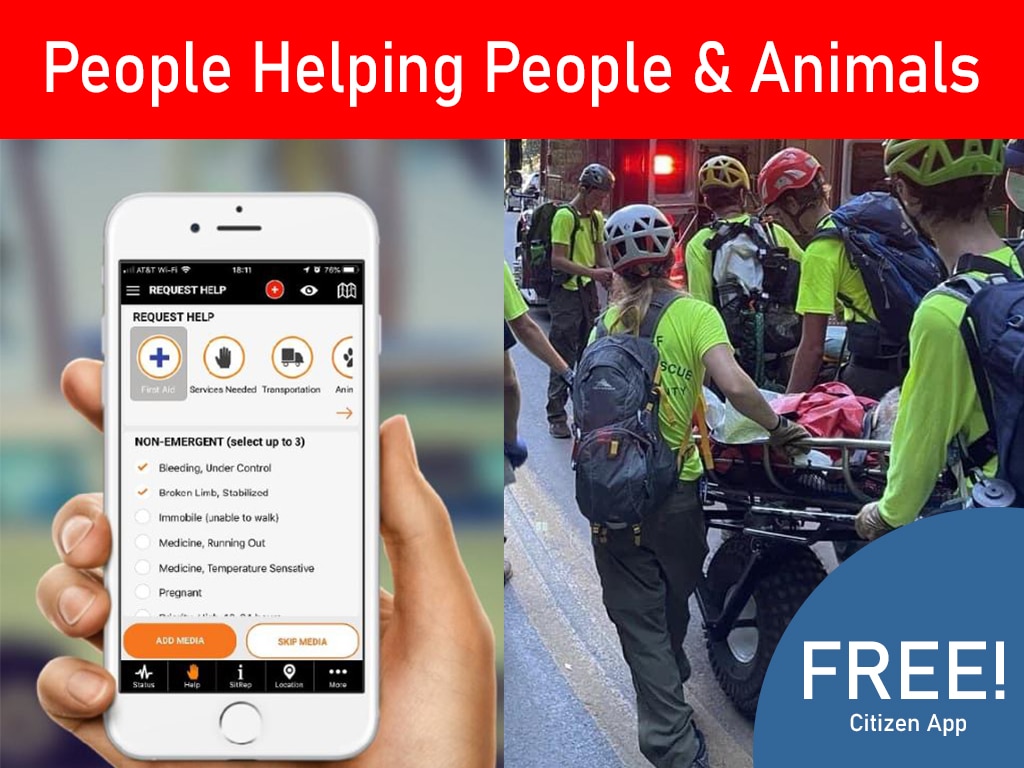
Building furniture with a group is chaos if everyone has a different page of instructions. One person builds the legs while another thinks it’s a shelf. The result is wasted effort and a wobbly final product. Emergency response can feel a lot like that when teams can’t see the full picture. This is where situational awareness platforms come in. True shared situational awareness is made possible by creating a shared, unified view—like one instruction manual everyone sees at once. This ensures every action is coordinated and effective.
Key Takeaways
- Unify your team with a single source of truth: A shared situational awareness platform consolidates scattered data into one clear, real-time view. This breaks down communication silos between agencies and volunteers, allowing everyone to make faster, more coordinated decisions.
- Prioritize features that solve real problems: Look past the flashy extras and focus on core capabilities that truly matter in the field. This includes real-time data analysis, reliable mobile access for teams on the move, and robust security to protect sensitive operational information.
- A successful launch requires a smart plan: Adopting new technology is about people and process, not just software. Ensure a smooth rollout by involving your team from the start, providing role-specific training, and establishing a clear plan for ongoing support and feedback.
What Is a Shared Situational Awareness Platform?
Think of a shared situational awareness platform as a digital command center for emergency response. During a crisis, information comes from everywhere: 911 calls, field reports, weather alerts, social media, and volunteer check-ins. A platform takes all this scattered data, organizes it, and displays it on a single, clear interface, often a map. This gives everyone involved, from first responders to community volunteers, a unified, real-time view of what’s happening on the ground.
The goal is to cut through the chaos. Instead of relying on fragmented radio calls or outdated information, teams can see the complete picture as it unfolds. This shared understanding helps you spot emerging threats, allocate resources effectively, and make faster, smarter decisions when it matters most. It transforms a complex, fast-moving event into a manageable situation where everyone is on the same page. Understanding how PubSafe works can give you a practical look at how these elements come together to support community-wide response efforts. It’s about moving from reacting to isolated pieces of information to responding with a full and accurate perspective.
From Individual to Team Awareness
Situational awareness starts with the individual. It’s your ability to understand what’s happening around you and how it might affect you in the near future. But in an emergency, individual awareness is only the first piece of the puzzle. When you have multiple teams, agencies, and volunteers working together, what one person knows is useless unless the whole team knows it. The goal is to move from individual knowledge to a collective understanding. This is what experts call shared situational awareness, where everyone involved has a common grasp of the situation, the risks, and the plan. It’s about creating a team that can think and act as one cohesive unit.
The Four Steps of Individual Situational Awareness
Before a team can share awareness, each member needs to be aware themselves. This process generally follows four steps. First is observation: simply taking in information from your surroundings. What do you see, hear, and sense? Next comes orientation, which is where you process that information and give it context based on your experience. After you understand the situation, you make a decision about the best course of action. Finally, you take action. As the Maricopa County Attorney’s Office notes, this cycle of observing, orienting, deciding, and acting is a constant loop that helps you stay ahead of developing events, whether you’re a first responder or a concerned citizen reporting an incident.
Beyond Facts: Understanding Shared Perspectives
Achieving shared situational awareness is about more than just broadcasting facts. It’s about creating a common understanding of what those facts mean. As the Joint Emergency Services Interoperability Principles (JESIP) framework explains, it’s a shared appreciation of the “circumstances, immediate consequences and implications of the emergency.” This means everyone, from dispatch to field teams, understands not only what is happening but also the priorities and capabilities of every other group involved. This shared perspective is what allows for effective volunteer coordination and resource management, turning a collection of individuals into a truly synchronized response team that can anticipate needs and act decisively.
What Are Its Core Components?
At its core, a situational awareness platform pulls in live information from many sources, like GPS trackers, drone footage, weather stations, and incident reports from citizens. It then uses smart tools to filter this data, highlighting what’s most critical. Key features you’ll often find include live data feeds for up-to-the-minute information, customizable dashboards to display what’s relevant to your role, and instant alerts for new developments. Mobile access is also essential, allowing teams in the field to report updates and receive instructions. These components work together to provide a comprehensive operational picture for effective team management and seamless coordination.
How Does Real-Time Data Integration Work?
The real power of these platforms lies in their ability to integrate data as events happen. This is often accomplished using Geographic Information Systems (GIS), which provide powerful mapping and analytical tools. By layering different data sources onto a single map, you can see exactly where incidents are occurring, where resources are located, and how the situation is evolving. This visual context is crucial for making sense of complex information quickly. The platform’s effectiveness depends on how well it helps people understand this data, resolve conflicting reports, and make decisions that are relevant to the immediate situation, as seen on PubSafe’s public map.
Why Seamless Communication Between Agencies Is Key
During an emergency, poor communication between different agencies and organizations can create dangerous gaps in the response. A fire department, a police unit, and a non-profit relief group might all be working on the same incident but without a shared view of the situation. A shared platform breaks down these information silos. It creates a common space where every member of the response team, including third-party services and security personnel, can communicate and coordinate their actions. This ensures that everyone is operating from the same information, which is fundamental for effective volunteer coordination and a unified command structure.
Why Shared Situational Awareness Matters
When an emergency strikes, confusion is the enemy. Different teams on the ground, dispatchers in a command center, and volunteers arriving to help all need to see the same picture of what’s happening. Without a unified view, response efforts can become fragmented, slow, and inefficient. This is where shared situational awareness becomes a game-changer. It’s the practice of ensuring every person and organization involved in a response has access to the same real-time information.
A shared situational awareness platform acts as a single source of truth. Instead of relying on disjointed radio calls, conflicting text messages, and outdated maps, everyone can look at one central hub. This common operating picture allows teams to understand the full scope of an event as it unfolds. They can see where incidents are occurring, where resources are deployed, and where help is needed most. This clarity allows for better, faster, and more coordinated decision-making, which can ultimately save time, property, and lives. By bringing all the moving parts of a response together, these platforms transform chaos into a synchronized effort.
The High Cost of Miscommunication: A Look at the Numbers
It’s easy to talk about communication breakdowns in abstract terms, but the consequences are very real and often measurable. In high-stakes situations, a missed message or a piece of conflicting information isn’t just an inconvenience—it can be the difference between a successful outcome and a tragic one. The numbers paint a stark picture of what’s at risk when teams aren’t on the same page. Whether in a hospital operating room or at the scene of a natural disaster, the lack of a unified view can lead to preventable errors, wasted resources, and, most critically, loss of life. These statistics underscore why a commitment to shared situational awareness isn’t just a goal, but a necessity.
Statistics in Healthcare
Nowhere is the need for precise, real-time communication more apparent than in medicine. Think about a surgical team—every member has a specific role, and their actions must be perfectly synchronized. Yet, studies show that communication failures are alarmingly common. According to research published by the National Institutes of Health, poor teamwork and communication cause problems in nearly 4 out of 10 regular surgeries. For emergency surgeries, that number jumps to almost 6 out of 10. When team members fail to convey critical information, it compromises everyone’s understanding of the situation, leading to mistakes that can have severe consequences for the patient. This highlights a fundamental truth: even experts working side-by-side can fail if they don’t share the same real-time information.
Statistics in General Safety
The danger of poor communication extends far beyond the hospital. In the context of general public safety, a lack of situational awareness can be just as devastating. Consider this: accidental injury is the third leading cause of death in the United States. Every ten minutes, three people die from accidents that could have been prevented, and hundreds more are seriously injured. While not every accident is due to a communication failure, a significant number stem from a lack of awareness of the risks involved. When people don’t have the right information at the right time, they can’t make safe decisions. This is why situational awareness is a cornerstone of personal and public safety, helping to turn preventable accidents into prevented ones.
Say Goodbye to Information Silos
In many emergency situations, vital information gets trapped in silos. The fire department has one set of data, the police have another, and a local NGO has its own reports from the field. When these groups can’t easily share what they know, the overall response suffers. A shared platform breaks down these walls by creating a central place for all information. As one expert notes, “Having all threat information in one central place makes it easier to manage and analyze.” This means your team management becomes more effective because everyone is working from the same playbook, with access to the same critical updates and intelligence.
Respond Faster When Every Second Counts
During a crisis, every second counts. The ability to process information and act quickly can make all the difference. A good platform doesn’t just collect data; it turns raw information into clear, actionable insights that help you move faster. Instead of reacting to events after they’ve already happened, real-time data allows for proactive decisions. For example, when citizens can report an incident directly onto a shared map, dispatchers can see it instantly and deploy resources immediately. This immediate awareness allows teams to get ahead of a situation and prevent it from getting worse, rather than just playing catch-up.
Strengthen Multi-Agency Coordination
Effective disaster response almost always involves multiple agencies working together. However, poor information sharing can seriously hinder these efforts. A shared platform connects different organizations, from government agencies to volunteer groups, giving them a complete picture. It allows for seamless volunteer coordination by showing official responders where community teams are active. This prevents duplicated efforts, ensures resources are sent where they are most needed, and helps everyone work together as a cohesive unit. When every organization can see what the others are doing, the entire response becomes more efficient and impactful.
Core Principles for Effective Team Coordination
Building shared situational awareness doesn’t happen by accident. It’s the result of intentional teamwork and a commitment to a few core principles. Think of these as the foundational pillars that support a strong, coordinated response. When every team member and organization understands and practices these principles, you move from a collection of individuals to a truly unified force. These aren’t just abstract ideas; they are practical guidelines that have been proven to work in the most demanding situations. By embedding them into your operational culture, you create an environment where clear communication and effective collaboration become second nature, even under pressure.
Co-locate: Working Together, Physically or Virtually
The simplest way to improve teamwork is to get everyone in the same room. When teams are physically together, communication flows more naturally, and it’s easier to build a shared understanding. However, in large-scale emergencies, getting everyone to one location isn’t always possible. This is where virtual co-location becomes essential. Using a shared digital platform allows teams spread across different locations to work from a single, unified interface. According to the Joint Emergency Services Interoperability Principles (JESIP), working together in the same place—whether physical or virtual—is the first step to better communication and mutual understanding. This digital command center ensures everyone has access to the same map and information, creating a cohesive environment no matter the distance.
Communicate: Establishing Clear and Early Dialogue
Clear communication is the lifeblood of any successful emergency response. It needs to start the moment an incident is reported and continue seamlessly throughout the operation. This means control rooms must share information immediately, and responders on the ground need reliable channels to talk to each other and to command. The goal is to establish an open dialogue where information flows freely in all directions. This prevents misunderstandings and ensures that critical details aren’t lost. A platform that supports real-time messaging and updates is crucial for this, enabling every person, from dispatch to field volunteers, to contribute to and receive from a constant stream of information.
Co-ordinate: Aligning Priorities and Efforts
With multiple agencies and teams involved, it’s easy for efforts to become fragmented. Coordination is the principle of actively aligning everyone’s actions toward a common goal. This involves discussing available resources, defining clear roles, and agreeing on the most critical priorities. When teams coordinate their efforts, they avoid duplicating tasks and ensure that resources are deployed where they will have the greatest impact. This requires a shared space where leaders can make decisions together based on a complete view of the situation. By establishing a unified command structure, you ensure that every action taken is a deliberate step toward resolving the crisis efficiently.
Jointly Understand Risk: Sharing Threat Information
Every organization involved in a response has its own perspective on risk. A fire department might focus on structural dangers, while a public health team is concerned with contamination. The principle of jointly understanding risk means that each group must share its assessment with the others. By pooling this knowledge, the entire response team develops a more comprehensive and accurate picture of the threats they face. This shared understanding allows for better joint planning and helps everyone prepare for potential complications. It transforms risk management from an individual task into a collective responsibility, strengthening the overall safety and effectiveness of the operation.
Create Shared Situational Awareness: The Ultimate Goal
Ultimately, all the other principles lead to this one: creating shared situational awareness. It’s more than just having information; it’s about a collective understanding of “what is going on and what it means.” As one expert puts it, it’s a “team sensemaking process” that is especially vital in fast-moving, high-stakes situations. When everyone from the command center to the field volunteer shares the same mental model of the event, decisions become faster and more intuitive. This is the ultimate goal because it enables a proactive, synchronized response where every team member can anticipate needs and act with confidence, knowing they are all working from the same page.
Human Communication Strategies for Building Awareness
Having the right principles is one thing, but putting them into practice requires specific communication techniques. In the heat of a crisis, how we talk to each other can either build clarity or create confusion. These strategies are simple, practical methods that any team can adopt to ensure information is shared accurately and effectively. They are the human-side of the technology, turning a flow of data into genuine, shared understanding. By focusing on these proven techniques, you can strengthen your team’s ability to maintain awareness, adapt to changing conditions, and work together seamlessly when it matters most.
Closed-Loop Communication: Confirming Every Message
One of the most effective ways to prevent misunderstandings is through closed-loop communication. This simple technique involves the receiver repeating back a message or instruction to confirm they understood it correctly. For example, if a dispatcher tells a unit to go to “123 Main Street,” the unit would respond, “Copy, proceeding to 123 Main Street.” This confirmation closes the loop and ensures the message was received exactly as intended. Research in high-stakes environments like surgery shows this method is critical for preventing errors. It’s a small habit that makes a huge difference in ensuring accuracy and accountability within the team.
The Power of Self-Talk and Overhearing
It might sound strange, but team leaders talking to themselves out loud can be a powerful tool for building shared awareness. When a leader verbalizes their thought process—”Okay, the wind is shifting east, so I’m going to move Team Bravo to the northern perimeter”—it gives the entire team insight into the strategy. This “self-talk” allows others to overhear the plan as it develops, helping them anticipate next steps and understand the reasoning behind decisions. It keeps the leader focused while also broadcasting their intent, ensuring the whole team stays aligned without needing constant direct commands.
Openly Discussing Risks and Changes in Plans
Emergencies are dynamic, and plans often need to change on the fly. When a shift in strategy is necessary, it’s crucial to communicate it clearly and openly. A team leader who explains *why* a plan is changing—for example, “A new report shows the floodwaters are rising faster than expected, so we are pulling back to higher ground”—helps the team adapt quickly and confidently. This transparency builds trust and empowers team members to adjust their own actions accordingly. Openly discussing risks and plan changes ensures that everyone understands the evolving situation and can contribute to finding the best path forward.
Behaviors That Harm Situational Awareness
Just as there are strategies that build awareness, there are also common behaviors that can quickly break it down. These are the pitfalls that can undermine even the most experienced teams, leading to confusion, mistakes, and a fragmented response. Recognizing these harmful habits is the first step toward avoiding them. By being mindful of these common traps, you can create a team culture that actively protects its shared understanding and remains resilient in the face of pressure. These behaviors often emerge under stress, making it even more important to train your team to spot and correct them.
The Danger of Tunnel Vision and Fixation
When under intense pressure, it’s easy to develop tunnel vision. This happens when a team member becomes so focused on one specific task or piece of information that they lose sight of the bigger picture. For example, a responder might fixate on rescuing one person while missing signs that a larger area is becoming unstable. This hyper-focus can cause them to ignore other critical information and changing conditions. To combat this, team members need to be encouraged to periodically step back, scan their surroundings, and communicate with others to ensure they haven’t missed important developments outside their immediate focus.
Information Gating: When Critical Details Get Lost
Information gating occurs when a team member, often with good intentions, decides what information is and isn’t important enough to pass along. A study on surgical teams found that this can lead to critical details being held back, causing serious problems. For instance, a volunteer in the field might see something they think is minor and decide not to report it, not realizing it’s a key piece of a larger puzzle. This is why platforms that allow anyone to report an incident directly are so valuable—they remove the gatekeeper and ensure all information flows to a central point where its importance can be properly assessed.
Shutting Down: How Stress Impacts Communication
The stress of an emergency can be overwhelming, and sometimes team members react by shutting down. This doesn’t always mean they stop working, but their communication may become minimal or stop altogether. They might go silent on the radio or stop providing updates because they feel overloaded. This is a dangerous state, as it creates a black hole of information and can signal that the person is struggling. It’s vital for team leaders and peers to recognize the signs of a team member shutting down and to check in with them, offering support or a chance to step back for a moment to regroup.
What to Look for in a Situational Awareness Platform
When you’re evaluating different platforms, it’s easy to get lost in a sea of features. To cut through the noise, focus on the core capabilities that truly make a difference during a critical event. The right platform isn’t just about having the most features; it’s about having the right ones that work together seamlessly. From real-time data processing to secure mobile access, these are the non-negotiables you should look for to ensure your team is equipped for any situation. A platform should act as a central hub, giving you a clear picture of what’s happening so you can make smart, fast decisions when it matters most.
Access to Real-Time Data and Analysis
In an emergency, information that’s even a few minutes old can be obsolete. That’s why your platform must be able to gather data from multiple sources, like field reports, sensors, and public feeds, and present it in real time. Think of it as a live control center on your screen. It should synthesize all this information into a single, easy-to-understand view, often a map, that shows you exactly what’s happening on the ground. This capability allows you to spot emerging threats and allocate resources effectively without delay. A platform that provides this level of clarity shows you how PubSafe works to turn raw data into actionable intelligence.
Tools for Seamless Team Collaboration
A shared awareness platform is useless if it doesn’t help your team work together. Look for built-in communication tools that allow different agencies, volunteer groups, and field personnel to connect instantly. This means features like secure messaging, task assignment, and shared status boards. The goal is to break down the communication silos that often hinder a coordinated response. When everyone is operating from the same playbook and can communicate effortlessly, you can achieve effective volunteer coordination and ensure that every team member, from command staff to volunteers on the ground, is on the same page.
Customizable Alerts and Instant Notifications
Getting the right information to the right people at the right time can save lives. A key feature to look for is a powerful and customizable alert system. Your platform should be able to send instant notifications based on specific triggers, such as a new incident report, a change in weather conditions, or a team member entering a hazardous area. You should be able to tailor these alerts by role, location, and urgency. This ensures that personnel aren’t overwhelmed with irrelevant information and can react immediately to what matters. The ability for anyone to contribute by reporting an incident makes this feature even more powerful, creating a network of eyes and ears on the ground.
Mobile Access for Teams in the Field
Emergency response doesn’t happen behind a desk. Your teams are out in the field, often in challenging environments with limited resources. Because of this, a robust mobile app is absolutely essential. Field personnel need to access maps, send updates, receive tasks, and communicate with their teams directly from their phones or tablets. The app should be intuitive, reliable even in low-connectivity areas, and provide the same core functionalities as the desktop version. Make sure you can install the free app on any device your team uses, ensuring everyone stays connected and informed, no matter where they are.
Intuitive Dashboards and Clear Visuals
During a high-stress event, no one has time to struggle with a complicated interface. The platform’s dashboard should be clean, intuitive, and, most importantly, customizable. Each user should be able to set up their screen to show only the information that is relevant to their role. A well-designed platform uses clear visuals, like interactive maps and color-coded icons, to convey complex information at a glance. This reduces cognitive load and helps decision-makers quickly understand the situation. A great example is a public map that gives everyone a shared, easy-to-read view of ongoing events and available resources.
Security and Data Protection You Can Trust
Situational awareness platforms handle incredibly sensitive information, from operational plans to personal data of affected individuals. Because of this, security cannot be an afterthought. Ensure the platform you choose has top-notch security features, including end-to-end data encryption, secure user authentication, and clear data privacy policies. It should also comply with relevant industry standards for data protection. Your organization’s credibility, and the safety of your community, depends on the platform’s ability to keep your data secure. A secure organization registration process is a good first indicator of a platform’s commitment to security.
Who Benefits from These Platforms?
Shared situational awareness platforms are incredibly versatile, serving any group that needs a clear, unified picture of a dynamic environment. While they are essential for emergency responders, their benefits extend to a wide range of sectors. The common thread is the need to make smart, fast decisions when the stakes are high. From volunteer teams coordinating relief efforts to hospital administrators managing patient flow during a crisis, these tools break down communication barriers and create a single source of truth.
Think of it as a digital command center accessible to everyone who needs it. Instead of relying on fragmented radio calls, emails, and text messages, organizations can see the whole picture on a live map. This shared view allows different teams, agencies, and even the public to work together seamlessly. Platforms like PubSafe show how this works by connecting citizens, volunteers, and official agencies in real time. This level of coordination helps teams anticipate needs, deploy resources effectively, and ultimately, keep people safe. Whether you’re managing a local incident or a large-scale disaster, having a common operating picture is a game-changer.
For Public Safety and Emergency Services
For public safety and emergency services, these platforms are the modern-day control center. They gather vast amounts of information from different sources, like 911 calls, field reports, and even citizen-submitted data, and display it on a single, easy-to-understand interface. This gives incident commanders a complete view of an ongoing situation, helping them identify dangers and make informed decisions quickly.
Instead of operating with incomplete information, fire departments, police, and EMS teams can see exactly where resources are needed most. This enhanced awareness improves response times and supports safer, more effective operations for everyone involved. With better team management, agencies can coordinate complex, multi-jurisdictional events with far less friction, ensuring every action is based on the most current information available.
For Healthcare and Hospital Systems
In a health crisis, every second counts. Situational awareness platforms are vital for hospitals and healthcare systems to manage emergencies and streamline daily operations. During a mass casualty event or a natural disaster, these tools help administrators track patient intake, monitor bed availability across multiple facilities, and coordinate with ambulance services in real time. This ensures that patients get to the right place for the right care as quickly as possible.
This technology also strengthens patient safety by giving medical staff the information they need to respond effectively. By providing a clear view of available resources and personnel, hospitals can manage staff deployment efficiently and maintain a high standard of care, even under extreme pressure. This proactive approach is a core part of any modern hospital preparedness plan.
For Corporate Security and Manufacturing
Businesses also rely on these platforms to protect their people, property, and operations. Corporate security teams use them to monitor facilities, manage threats, and safeguard employees during emergencies like severe weather or security incidents. Having a real-time view of a corporate campus allows security personnel to respond faster and more effectively, minimizing risk and ensuring business continuity.
In the manufacturing sector, these platforms are key for maintaining smooth and safe production. They can monitor machinery for potential failures, alert staff to safety hazards, and help prevent accidents before they happen. By providing a clear picture of the entire production environment, these tools help companies maintain operational efficiency while creating a safer workplace for everyone.
For Government and National Security
At the state and national levels, situational awareness platforms are critical for managing large-scale events and protecting public safety. Government agencies use these tools to monitor everything from natural disasters and civil unrest to potential cyber threats. By integrating data from multiple sources, they can build a comprehensive understanding of complex, evolving situations.
This unified view is essential for coordinating a multi-agency response. It ensures that local, state, and federal partners are all working from the same playbook, which is crucial for protecting critical infrastructure and deploying resources effectively. As noted by the Department of Homeland Security, this capability is fundamental to national security and resilience, allowing leaders to make strategic decisions based on real-time intelligence.
How PubSafe Delivers Shared Situational Awareness
It’s one thing to understand the theory behind shared situational awareness, but it’s another to see it in action. PubSafe is designed to be the connective tissue during an emergency, bringing together disparate groups into a single, cohesive response network. It moves beyond just displaying data by creating a common operational picture that everyone, from a concerned citizen to an incident commander, can understand and act upon. This shared view is what turns scattered efforts into a coordinated, effective response when it matters most.
Inside the PubSafe Community Response Platform
Think of PubSafe as a digital command center accessible to everyone. The platform gathers information from multiple sources in real time and displays it in a clear, understandable way. It’s designed to help you make sense of what’s happening on the ground, identify potential dangers, and make smart decisions quickly. The core of this is the public map, which visualizes incident reports, team locations, and available resources. This isn’t just a static map; it’s a living document of an unfolding event, giving you the clarity needed to respond effectively without getting overwhelmed by raw data.
Connecting Citizens, Volunteers, and First Responders
A major challenge in any crisis is getting the right information to the right people. PubSafe bridges this gap by creating a direct line of communication between the public, volunteer groups, and official agencies. When a citizen reports an incident through the app, that information doesn’t go into a black hole. It instantly appears on the shared map for vetted organizations to see. This allows for seamless volunteer coordination, as CERT teams or NGOs can see where help is needed and deploy their members efficiently. It connects all the pieces to give everyone the full picture.
Coordinated Response in Action: Real-World Scenarios
Imagine a flash flood scenario. A resident uses the PubSafe app to report a washed-out road, complete with a photo. A nearby volunteer search and rescue team, monitoring the platform, sees the report and reroutes their path. At the same time, the local emergency management agency sees the report and adds it to their official damage assessment, dispatching public works crews. This is how PubSafe works in the real world. It ensures that critical information is shared and acted upon instantly, improving the operational effectiveness of every team on the ground and ultimately leading to faster, more organized disaster response.
Let’s Talk About Pricing and Your Budget
Choosing a new platform is a big decision, and the budget is often the deciding factor. But pricing pages can be confusing, with different models and terms that make it hard to compare apples to apples. Let’s break down the common pricing structures you’ll encounter so you can find a solution that fits your organization’s needs and financial reality. The goal is to understand the total cost of ownership, not just the price on the sticker.
Subscription vs. Licensing: What’s the Difference?
Most modern platforms operate on a subscription basis. Think of it like a membership: you pay a recurring fee, usually monthly or annually, for access to the software and ongoing updates. This model is popular because it offers flexibility and predictable costs. A key benefit of SaaS subscription models is that support and new features are typically included, so your platform stays current.
Less common is the perpetual license model, where you pay a large, one-time fee to own the software. While it might seem cheaper long-term, be sure to ask about extra costs for maintenance, support, and major upgrades, which are often sold separately.
Choosing Between Per-User and Organization-Wide Plans
You’ll also see pricing tied to how many people will use the platform. A per-user model charges a set price for each person with an account. This can be a great way to start small, especially for teams with a specific number of core operators. However, this model can become expensive as your organization grows and might discourage you from giving access to every volunteer.
Alternatively, some platforms offer organization-wide pricing. This is a flat fee that covers everyone in your group, no matter how many users you add. This approach provides cost predictability and encourages widespread adoption, making it a scalable choice for connecting entire communities.
Deployment Options and Potential Hidden Costs
Beyond the subscription fee, it’s critical to uncover any other potential expenses. Start by asking about deployment. Most platforms are cloud-based, meaning you access them online with no hardware to manage. Some may offer on-premise solutions that you host on your own servers, which involves higher costs.
Always ask for a full quote that includes setup, data migration, and integration with your existing tools. Other expenses to watch for include fees for staff training or premium technical support. Understanding the total cost of ownership will give you a true picture of the investment and prevent budget surprises.
Common Implementation Hurdles (and How to Clear Them)
Adopting a new platform is a big step, and it’s smart to go in with your eyes open. Even the best technology comes with a few hurdles to clear during the rollout. Thinking about these potential challenges ahead of time will help you create a smoother transition for your team and community, ensuring everyone can get the most out of your new shared situational awareness platform from day one. Let’s walk through some of the common obstacles and how you can prepare for them.
The Challenge of System Integration
One of the biggest challenges is getting a new platform to work with the systems you already use. When different tools can’t communicate, you end up with information silos, which is exactly what you’re trying to eliminate. Poor information sharing can seriously compromise situational awareness, leaving your team without a complete picture of what’s happening. Before committing to a platform, ask how it integrates with your existing software. A truly effective solution should unify data streams, not create new ones. Platforms designed for collaboration are built to break down these barriers and provide a central hub for team management, ensuring everyone is on the same page.
How to Manage Information Without the Overload
In an emergency, data can come at you from all directions: field reports, sensor data, social media, and citizen alerts. While more information sounds good, it can quickly lead to overload, making it difficult to spot what’s truly important. The key is to find a platform that helps you filter the noise. Look for tools with customizable dashboards and smart notifications that prioritize critical updates. This ensures your team sees the most relevant information without getting overwhelmed. A well-designed public map can also present complex data in a simple, visual format, making it easier to understand the situation at a glance.
Getting Your Team On Board with Training
A platform is only as good as the people using it. If your team finds the new system confusing or difficult, they’ll likely revert to old methods, especially under pressure. Emergency situations demand intuitive responses, so the technology must be easy to learn and use. To get ahead of this, prioritize comprehensive training that goes beyond a one-time demo. Look for a provider that offers ongoing support and resources. Engaging your team early in the selection process can also build buy-in. When people feel involved, they are more likely to embrace the new tool and use it effectively for volunteer coordination and other critical tasks.
Meeting Security and Compliance Requirements
When you’re handling sensitive incident details and personal data, security is paramount. A data breach could not only compromise an operation but also destroy the trust you’ve built with your community and partner agencies. Your chosen platform must have robust security features, including data encryption, secure access controls, and compliance with relevant privacy regulations. Be sure to ask potential providers about their security protocols and how they protect user data. A secure organization registration process is a good first indicator that a platform takes security seriously, giving you and your partners peace of mind.
How to Choose the Right Platform for Your Team
Selecting a shared situational awareness platform is a major step for any organization. It’s about more than just adopting new technology; it’s about finding a solution that fits your team’s unique workflow and mission. The right platform will feel like a natural extension of your operations, helping your team communicate and respond more effectively when it matters most. To find that perfect fit, you’ll want to look at your specific needs, how the tool integrates with your current systems, its potential for growth, and how you’ll demonstrate its value to key decision-makers.
Start by Assessing Your Team’s Needs
Before you even start looking at demos, take some time to look inward. What are you trying to accomplish? Clearly defining your goals is the most important first step. Are you aiming to improve safety for field teams, monitor a specific geographic area, or streamline volunteer coordination? Get specific about your pain points. Maybe your team struggles with radio dead zones or wastes time relaying information manually.
Talk to people at every level of your organization, from dispatchers to field volunteers, to understand their daily challenges. A platform that looks great on paper might miss the mark if it doesn’t solve real-world problems for the people using it. Create a checklist of must-have features versus nice-to-have features. This simple exercise will give you a clear framework for evaluating potential platforms and prevent you from being swayed by flashy but unnecessary tools.
Check for Key Integration Capabilities
A new platform should simplify your workflow, not complicate it. That’s why it’s crucial to choose a system that connects smoothly with the tools you already use. A standalone platform that doesn’t communicate with your existing software can create information silos, which is the exact problem you’re trying to solve. Think about your current technology stack: GIS mapping software, reporting systems, and communication apps. The right platform should be able to integrate with these tools to create a single, unified operational picture.
Ask potential vendors about their API (Application Programming Interface) and what kinds of integrations they support. A flexible platform makes it easier to share data across different systems and departments. This ensures everyone is working with the same up-to-date information, which is essential for effective team management during a critical event.
Make Sure It Can Scale with Your Team
The platform you choose today should be able to support your organization as it grows. Consider both your immediate needs and where you see your team in the next five years. Will you be adding more users, expanding your operational area, or taking on different types of missions? A scalable platform can handle an increase in data and users without a drop in performance. This is especially important during a large-scale disaster when system demand can spike unexpectedly.
Look for a platform that is easy to use and allows you to customize your dashboards and reports. As your needs evolve, your software should be able to adapt. When discussing pricing, think about the total cost of ownership, not just the initial subscription fee. A solution that can grow with you is a much better long-term investment for your organization’s registration and future success.
How to Demonstrate Value to Your Stakeholders
Getting buy-in from leadership, board members, or funding bodies often comes down to demonstrating a clear return on investment. It’s your job to frame the platform not as an expense, but as a critical investment in safety and efficiency. Show how the platform will help protect people and assets while also saving valuable resources. You can do this by creating a business case that outlines specific, measurable benefits.
For example, calculate the time saved by automating manual reporting processes or the cost reduction from more efficient resource deployment. Highlight how real-time data can lead to faster response times and better outcomes for the communities you serve. By focusing on the platform’s impact on your mission, you can show stakeholders that it’s an essential tool for building a more resilient and effective organization.
Your Checklist for a Smooth Rollout
Choosing the right situational awareness platform is a major step, but a successful launch depends on a thoughtful rollout plan. It’s about more than just installing software; it’s about preparing your people and processes for a new way of working. A strategic approach ensures your team not only adopts the new technology but uses it effectively to improve coordination and response. By focusing on clear goals, comprehensive training, and continuous improvement, you can set your organization up for long-term success.
Engage Key Stakeholders from Day One
Before you even look at a demo, you need to define what success looks like for your team. What specific challenge are you trying to solve? Are you aiming to improve safety for field personnel, streamline volunteer coordination, or monitor a specific geographic area? Your goals will guide every decision you make.
Involve everyone who will touch the platform in these early conversations. This includes command staff, field responders, volunteers, and even partner agencies. Getting their input from the start builds a sense of ownership and ensures the platform addresses real-world needs, not just perceived ones. When people feel heard, they are far more likely to embrace the new system when it goes live.
Develop a Training Plan That Sticks
A great platform is useless if your team doesn’t know how to use it effectively. Training shouldn’t be a last-minute checklist item; it should be a core part of your implementation plan. A strong training strategy empowers your team, builds confidence, and drives adoption across your entire organization.
Start by involving your team early, giving them a chance to see the platform and understand how it will make their jobs easier. Develop training materials tailored to different roles, since a dispatcher will use the system differently than a volunteer in the field. Consider a mix of hands-on workshops, quick-start guides, and video tutorials to accommodate different learning styles. The goal is to make everyone feel comfortable and proficient with the new disaster response platform.
Plan Ahead for Support and Maintenance
Implementing a new platform is a process, not a one-time event. For long-term success, you need a plan for what happens after launch day. Think about how the platform will fit into your existing technology ecosystem. It should connect with the tools you already use and be able to grow with your organization as your needs change over time.
Establish a clear channel for users to get help, report issues, and suggest improvements. This feedback is invaluable for optimizing the system. Also, work with your platform provider to understand the schedule for updates and maintenance. Staying on top of these ensures your platform remains secure, reliable, and equipped with the latest features. Understanding how PubSafe works can help you see how a platform is designed for continuous support and evolution.
Continuously Test and Optimize Performance
How will you know if the platform is making a real difference? You need to track its performance. Before a full-scale launch, run a pilot program with a small, dedicated group of users. This allows you to identify and fix any issues in a controlled environment.
Once the platform is live, establish key metrics to monitor. For example, you can track how quickly your team acknowledges and responds to an incident reported through the app. You can also measure the efficiency of resource deployment. Use this data to see what’s working and find areas for improvement. Regularly collecting feedback from your team will also provide qualitative insights to help you refine workflows and get the most out of the platform’s features.
Related Articles
- Disaster Response Platform | Community‑Driven Emergency Coordination | PubSafe
- How Community Emergency Response Works | PubSafe Disaster Coordination Platform
- Community Disaster Response Platform | PubSafe
- Emergency Communication For Local Government | PubSafe
Frequently Asked Questions
How is a shared platform different from just using group chats and radios? While group chats and radios are great for immediate team communication, they often create information silos. A shared platform brings all those separate conversations, along with incident reports, resource locations, and map data, into one central place. Instead of one person having to relay radio traffic to another team via text, everyone sees the same complete, real-time picture. This unified view helps you make more strategic decisions because you’re not just reacting to fragmented pieces of information.
Is a platform like this only useful for large-scale disasters? Not at all. While these platforms are essential during major events like floods or wildfires, they are incredibly valuable for day-to-day operations and smaller incidents. Think of them for managing local events, coordinating a search for a missing person, or even just keeping track of team assets during a community festival. Using the platform regularly for smaller events ensures your team is proficient and ready to go when a large-scale crisis does occur.
Can individual citizens or small volunteer groups use a platform like PubSafe? Absolutely. That’s one of the key benefits. Platforms like PubSafe are designed to connect everyone involved in a response, not just official agencies. An individual can download the app to report an issue in their neighborhood, and a small CERT or volunteer team can register their organization to coordinate their members and see where help is needed. This creates a powerful network where community efforts support the official response.
Our team is worried about information overload. How do these platforms prevent that? That’s a valid concern, since a crisis can generate a huge amount of data. A good platform is designed to help you filter the noise. It uses tools like customizable dashboards and smart alerts so you only see the information that is relevant to your specific role and location. Instead of a constant stream of updates, you get prioritized information presented visually on a map, which helps you quickly understand what’s critical without getting overwhelmed.
What’s the first step my organization should take if we’re interested in adopting a platform? The best place to start is by looking at your own team’s needs. Before you even schedule a demo, get together and identify your biggest communication and coordination challenges. What problems are you trying to solve? Once you have a clear list of your requirements, you can begin evaluating different platforms to see which one offers the right features to address those specific pain points and support your mission.