Before any official alert sounds, nature often provides its own warning. A strong earthquake that makes it hard to stand, a sudden and strange retreat of the ocean from the shore, or a deep roar approaching from the sea are all urgent signals to seek higher ground immediately. These natural cues are your first and fastest line of defense. They work in tandem with the official warning system for a tsunami, which uses a global network of sensors to confirm a threat and broadcast alerts. Understanding both the natural signs and the official systems is critical. It empowers you to act on your own and to be a vital source of information for your community when every second counts.
Key Takeaways
- Warnings Depend on Technology and People: A successful tsunami alert relies on a chain of systems working together, from deep-ocean sensors detecting the wave to the coordinated efforts of global and local agencies communicating the threat.
- Nature’s Warnings Are Your Fastest Alert: Technology has limits, especially for tsunamis that strike quickly. A strong earthquake, a sudden receding of the ocean, or a loud roar are your most immediate signals to get to high ground, often faster than any official alert.
- A Warning Is Useless Without a Plan: Your personal preparation is what turns an alert into a life-saving action. Knowing your evacuation route, having a go-bag ready, and understanding your community’s emergency plan are the most critical steps you can take.
What Is a Tsunami Warning System?
A tsunami warning system is essentially a high-tech watchdog for our coastlines. Its entire purpose is to detect a potential tsunami as early as possible and send out alerts to give people time to get to safety, saving lives and property. You can think of it as a two-part system that has to work in perfect sync. The first part is detection. This involves a sophisticated network of sensors that constantly monitor for the kinds of events that can trigger a tsunami, like powerful underwater earthquakes and sudden changes in sea level. These sensors are our eyes and ears in and around the ocean.
The second, equally important part is communication. Detecting a tsunami is useless if the warning doesn’t reach the people in its path. Once a threat is confirmed, the system is designed to rapidly broadcast that warning to everyone who needs to know, from government agencies and first responders to the general public living in coastal areas. The entire process is built for speed, because when it comes to tsunamis, every single second counts. These systems provide the critical window of time needed for evacuation and for emergency teams to prepare their disaster response platform for what’s to come.
The Technology Behind Detection
So, how does this system actually “see” a tsunami coming? It starts with technology that listens for the earth to move. A network of seismic sensors can detect an earthquake almost instantly. Since most tsunamis are caused by earthquakes under the ocean, this is the first major clue. But not every earthquake creates a tsunami, so the system needs more information. That’s where sea-level sensors come in. These include tide gauges along the coast and special deep-ocean buoys, often called DART buoys. They measure changes in water pressure and sea level to confirm if a tsunami wave has actually formed and is moving across the ocean.
How the System Detects a Tsunami
The detection process is a coordinated effort. When a powerful undersea earthquake is detected, seismic data is immediately sent to a tsunami warning center. At the same time, monitoring stations start looking closely at data from the DART buoys and coastal tide gauges nearest the earthquake’s epicenter. If these sensors detect the tell-tale signs of a tsunami wave, analysts at the warning center verify the threat. Once confirmed, they issue a warning. This alert is rapidly sent to government authorities and emergency services in nearby regions, kicking off the public notification process and allowing organizations to begin volunteer coordination for the response.
What Tech Powers Tsunami Detection?
Detecting a tsunami isn’t the job of a single gadget; it’s a team effort involving a sophisticated network of technologies. Think of it like a multi-layered security system for our coastlines. Each piece of tech has a specific role, and they all work together to provide a clear picture of a potential threat. This system is designed to answer three critical questions, one after the other: Did a tsunami-generating event occur? Was a tsunami actually created? And when and where will it hit the coast?
The process starts deep within the earth, moves to the vast open ocean, and ends right at the shoreline. The first line of defense is a global network of sensors that feel the earth shake. If a significant underwater earthquake is detected, the next layer of technology kicks in to see if that quake displaced enough water to create a tsunami wave. Finally, as the wave approaches land, coastal sensors provide the last, crucial details needed for local communities to act. This layered approach is what makes a modern tsunami warning system so effective, giving people precious time to get to safety.
Seismic Monitoring Networks
Think of seismic monitoring networks as the tripwire for tsunamis. Since the vast majority of tsunamis are triggered by large, underwater earthquakes, these networks are designed to catch the very first sign of trouble: the shaking of the earth. Using instruments called seismographs, these networks can detect earthquakes almost instantly, pinpointing their location, depth, and magnitude. This initial data is absolutely vital. Scientists use it to make a rapid assessment of whether the earthquake is the type that could generate a tsunami. Not all earthquakes do, so these early seismic alerts are the critical first step in the warning process, allowing authorities to issue a preliminary watch or advisory while they gather more information.
DART Buoy Systems
So, a powerful earthquake has happened. But does that automatically mean a destructive tsunami is racing across the ocean? Not always. That’s where DART buoys come in. DART, which stands for Deep-ocean Assessment and Reporting of Tsunamis, are our eyes in the deep ocean, confirming whether a wave has actually formed. These systems consist of a sensor on the seafloor that measures water pressure. If a tsunami wave passes over it, the sensor detects the change in pressure and sends a signal to a companion buoy on the surface. The buoy then relays this data via satellite to warning centers in real-time. This information is a game-changer because it verifies the existence of a tsunami and measures its size before it ever reaches the coast.
Coastal Tide Gauges
As a potential tsunami travels from the deep ocean and gets closer to land, the final piece of the detection puzzle is the coastal tide gauge. These stations are positioned in harbors and along coastlines to continuously monitor sea level changes. While DART buoys confirm a tsunami in the open ocean, tide gauges provide real-time data on how the wave is behaving as it nears a specific community. They can confirm the tsunami’s arrival and provide precise measurements of the wave height. This information is critical for local emergency managers to update or cancel warnings, helping them make the most accurate decisions about evacuations and public safety. They also provide valuable data for scientists to analyze after an event.
How Do Global and Regional Systems Coordinate?
Detecting a potential tsunami is only the first step. The real challenge lies in communicating that threat across oceans and continents to the specific communities in its path. This requires a massive, coordinated effort between international, national, and local organizations. Think of it as a relay race, where the warning is the baton, passed from global detection centers to regional authorities, and finally to the local responders and citizens on the ground. Without this handoff, the most advanced detection technology is useless.
This chain of communication is what makes a warning system effective. Each level has a distinct role, from analyzing seismic data on a global scale to sounding a siren in a coastal town. When these systems work together seamlessly, they can provide precious minutes or even hours for people to evacuate. Effective coordination ensures that the alert doesn’t just get sent out, but that it’s received, understood, and acted upon by everyone from government agencies to individual families. This is where modern platforms can bridge gaps, connecting different teams for a more unified response. The right tools for team management can make all the difference in a crisis, ensuring that public safety organizations, NGOs, and CERT teams are all working from the same playbook.
The Pacific Tsunami Warning Center
A major player in this global effort is the Pacific Tsunami Warning Center (PTWC) in Hawaii. Established after a devastating tsunami in 1946, the PTWC, along with the National Tsunami Warning Center (NTWC) in Alaska, monitors for tsunami threats across the Pacific Ocean and for North America. These centers operate 24/7, analyzing data from seismic and sea-level monitoring stations around the world. When a large earthquake occurs, they work quickly to determine if a tsunami was generated, estimate its size, and predict its travel time across the ocean basin. They then issue bulletins and warnings to emergency officials in countries and states that may be affected.
Regional vs. International Networks
Tsunami warning systems generally fall into two categories: international and regional. International systems, like the one managed by the PTWC, cover vast ocean basins and are designed to warn of tsunamis that can travel for thousands of miles. Regional systems, on the other hand, are built to address local tsunami threats, which are often generated by earthquakes very close to the coast. Because these tsunamis can arrive in minutes, regional networks are designed for speed. They use local earthquake data to issue warnings to the public, sometimes in less than 15 minutes, giving coastal communities a critical window to act.
National and Local Alert Networks
Once a warning is issued by a major center, it’s up to national and local authorities to get that message to the public. This happens through a variety of channels, including emergency broadcasts on TV and radio, mobile phone alerts, and even social media updates. In many coastal areas, you’ll also find sirens designed to alert everyone within earshot. Japan, for example, has an incredibly efficient system that can deliver warnings within three minutes of an earthquake. After the initial alert, the focus shifts to on-the-ground response. This is where community-level tools become critical for volunteer coordination and ensuring everyone gets the help they need.
How Do You Get a Tsunami Warning?
When a potential tsunami is detected, the goal is to get the word out to everyone in the affected area as quickly as possible. There isn’t just one single method for this; instead, authorities use a layered approach, combining old-school and high-tech systems to make sure the message is heard. The specific alerts you receive can depend on your location and what systems your local government has in place. Understanding these different channels is the first step in knowing what to listen and look for when seconds count. The key is to have multiple ways to receive an alert, so if one system fails, another can still reach you.
Emergency Broadcasts and Alerts
One of the most reliable ways to receive a warning is through traditional broadcast media. Official alerts can interrupt television and radio programming through the Emergency Alert System (EAS). These messages are designed to grab your attention with a distinct, jarring tone followed by specific instructions from authorities. This method is crucial for reaching a wide audience, including those who may not have access to the internet or a smartphone. The system is built for mass notification, ensuring that critical information about the tsunami threat and necessary safety actions, like evacuation orders, are broadcast widely and immediately.
Mobile Alerts and Digital Platforms
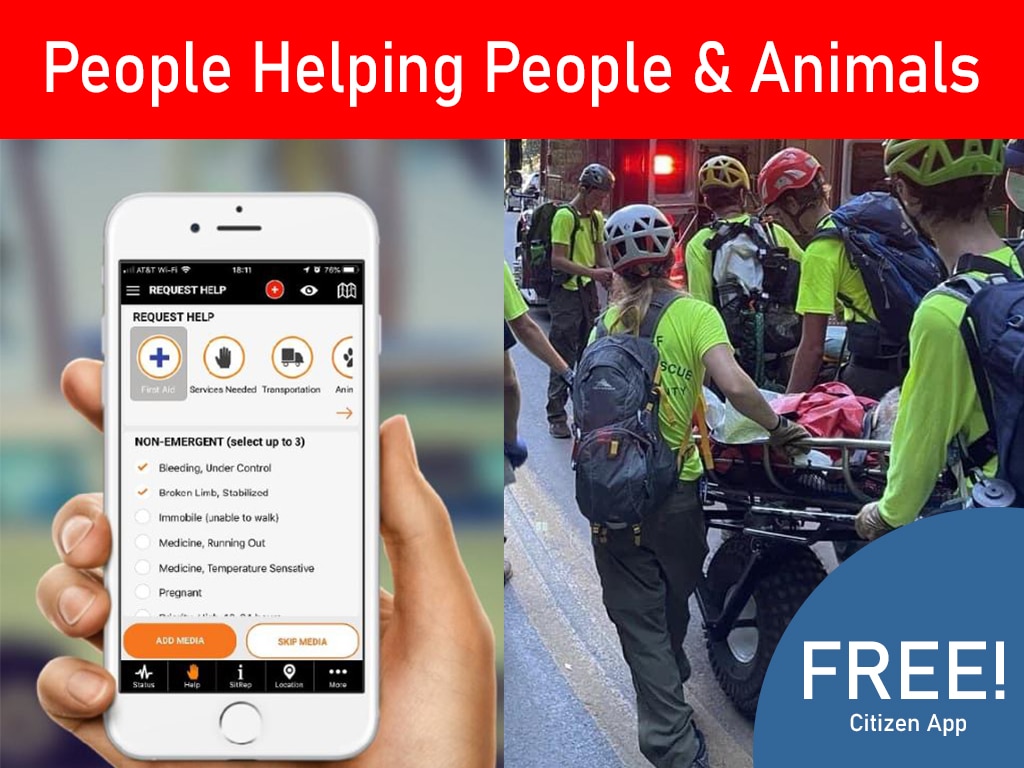
Your cell phone is one of the most powerful tools for receiving emergency information. Wireless Emergency Alerts (WEA) can send geographically targeted text messages directly to your phone without you needing to sign up. Beyond these automatic alerts, digital platforms provide real-time updates and coordination. Community safety apps like PubSafe allow you to receive notifications and also report incidents you witness, contributing to a clearer picture of the situation on the ground. This two-way communication is vital, as it helps first responders understand where help is needed most and allows you to stay informed with the latest information from your community.
Sirens and Local Warnings
In many coastal communities, you’ll find a network of outdoor warning sirens. These sirens produce a loud, unmistakable sound designed to alert everyone, whether they are indoors, outdoors, on the beach, or in a boat near the shore. Hearing a siren is your signal to take immediate action and seek more information from a trusted source like a local radio station or an official social media feed. In some places, local authorities also deploy fire trucks or other vehicles with loudspeakers to drive through neighborhoods and announce the warning, ensuring the message reaches as many people as possible, especially in areas with less reliable cell service.
Where Do Warning Systems Fall Short?
Tsunami warning systems are incredible feats of science and international cooperation, but they aren’t perfect. Understanding their limitations is just as important as knowing how they work, because it helps communities build resilience from the ground up. The main challenges come down to three key areas: the speed of the tsunami itself, the accuracy of the alerts, and the reliability of the detection equipment. When an official warning can’t get there in time, or if the system has a gap, a prepared and connected community is the best line of defense.
The Challenge of Near-Shore Events
The biggest hurdle for any warning system is time. When an earthquake happens very close to a coastline, a tsunami can arrive in minutes, long before an official warning can be processed and sent out. For example, a 1993 tsunami in Japan struck the coast just three to five minutes after the earthquake, leaving no time for residents to receive an alert. In these scenarios, the system simply can’t react fast enough. This is why knowing the natural warning signs is so critical. Your own eyes and ears become the first line of defense, and the ability for citizens to share what they’re seeing through immediate incident reporting can help spread the word faster than any top-down system.
The Problem with False Alarms
While it’s always better to be safe than sorry, too many false alarms can create a dangerous problem: alert fatigue. If a system repeatedly issues warnings for tsunamis that never materialize, people may start to ignore them. This erodes public trust and can lead to complacency when a real threat occurs. Although these false alarms often cover a limited area, their long-term impact on public perception is significant. This is where having access to more granular, real-time information becomes so valuable. Platforms that show a public map with on-the-ground reports can help you verify an alert and see what’s actually happening in your area, giving you the context needed to make a smart decision.
Gaps in Detection Coverage
A warning system is only as strong as its weakest link. The global network of DART buoys and seismic sensors requires constant maintenance, and sometimes, things break. After the devastating 2004 Indian Ocean tsunami, a new system was installed, but by 2012, Indonesia’s detection buoys had stopped working, creating a massive blind spot. Keeping this vast infrastructure operational across huge stretches of ocean is a constant challenge. When official systems fail, the responsibility falls back on local communities. This highlights the importance of organized volunteer coordination, where trained teams and prepared citizens can work together to monitor conditions, share information, and assist with evacuations, effectively filling the gaps left by technology.
What Are the Natural Warning Signs of a Tsunami?
Official warning systems are powerful, but nature often provides the fastest alerts. When you’re near the coast, knowing how to read these signs is crucial for your safety. A tsunami from a nearby earthquake can arrive in minutes, often before an official warning is issued. Think of these natural cues as your head start. Paying attention to your surroundings can make all the difference. When you notice these signs, you can also be the first to report an incident and help alert others in your community.
Recognizing Signs in the Environment
Your ears can give you a critical warning. A tsunami often creates a deep, roaring sound as it approaches the coast, sometimes compared to a freight train or a jet engine. This is not the normal sound of waves; it’s a powerful noise that signals immense danger. If you’re near the ocean and hear something like this, don’t hesitate. Your immediate action should be to move to higher ground as quickly as possible. This sound is one of the final warnings before a wave makes landfall, so every second is precious.
Feeling the Ground Shake
A strong earthquake is a major red flag. Tsunamis are often generated by large underwater earthquakes that cause the seafloor to shift. If you are in a coastal area and feel an earthquake so strong it’s hard to stand, or one that lasts for 20 seconds or more, you must assume a tsunami could follow. As soon as the shaking stops, don’t wait for sirens. Your priority is to get away from the coast and move inland to higher ground. This immediate evacuation is your best defense.
Watching for Changes in the Ocean
The ocean itself often gives the most dramatic sign. You might see the water suddenly pull back from the shoreline, exposing the sea floor in an event called a drawback. This is a clear signal that the water is gathering for a massive wave. It can be tempting to investigate, but you must resist and run for high ground. Alternatively, you might see a sudden rise in sea level, like a fast-approaching tide. Any strange, rapid change in the ocean’s behavior is a serious warning. Having the PubSafe free app on your phone keeps you ready to receive alerts and share updates.
How to Prepare for a Tsunami
Receiving a tsunami warning is just the first step. What you do next is what truly matters for your safety. While advanced detection systems give us a critical head start, personal and community preparedness turn that warning into effective action. Knowing the natural signs of a tsunami is vital, but having a clear, practiced plan is what will guide you to safety when seconds count.
Preparing for a tsunami doesn’t have to be overwhelming. It breaks down into a few key actions you can take right now to protect yourself and your loved ones. By planning your escape, packing essential supplies, and understanding how your community will respond, you become an active participant in your own safety. Let’s walk through how you can get ready.
Plan Your Evacuation Route
When an alert is issued, you won’t have time to consult a map. That’s why your first step is to plan and practice your evacuation route long before you ever need it. For a tsunami warning system to be effective, people in coastal areas need to have clear evacuation routes and know how to use them. Identify the highest ground near you and map out at least two different paths to get there from your home, workplace, and your children’s schools.
Once you have your routes, practice them. Walk or drive them so they become second nature. Pay attention to official tsunami evacuation route signs in your community, but don’t rely on them as your only option. Having a familiar, pre-planned path helps you move quickly and confidently during a high-stress event. You can find more guidance on creating a family plan at Ready.gov.
Get Your Emergency Kit Ready
If you need to evacuate, you might not be able to return home for several days. A portable emergency kit, often called a “go-bag,” ensures you have essential supplies to stay safe and comfortable. Your kit should contain enough food, water, and medical supplies to last each person in your family for at least 72 hours.
Include items like a first-aid kit, flashlights, a hand-crank radio, extra batteries, a whistle to signal for help, and copies of important documents. Having these items ready means you can grab your kit and go without wasting precious time. It also helps you remain self-sufficient, allowing first responders to focus their efforts on the most urgent rescue situations. A comprehensive emergency kit checklist can help you gather everything you need.
Know Your Community’s Plan
Your personal preparedness is most effective when it connects with your community’s broader emergency plan. Research how your local officials will share information during a crisis. Do they use public sirens, text alerts, or social media? When people are taught about tsunamis and practice what to do, they respond much faster and more effectively. Attend town halls and participate in any evacuation drills your community holds.
Understanding your local plan also means knowing what tools are used for coordination. Platforms like PubSafe are designed to connect citizens with response teams from NGOs, CERTs, and public safety agencies. Knowing how PubSafe works can help you understand how to report incidents and receive updates from official organizations in your area, making you a more informed and prepared member of your community.
How Technology Helps Coordinate the Response
Getting a tsunami warning is the first critical step, but what comes next is just as important. An effective response relies on clear communication, seamless coordination between different groups, and smart management of people and resources. This is where modern technology truly shines, moving beyond simple alerts to become the central nervous system for disaster response. When every second counts, having the right tools can make all the difference in protecting communities and saving lives. These systems create a common operational picture, ensuring everyone from national agencies to local volunteers is working from the same playbook.
Enabling Real-Time Communication
Once a tsunami is detected, the warning needs to spread far and wide, fast. This happens through multiple channels like emergency broadcasts, mobile alerts, and local sirens. But communication doesn’t stop there. During the chaos of a response, teams on the ground need to stay connected with each other and with a central command. Technology provides a lifeline, allowing for real-time updates on changing conditions, safety check-ins, and new instructions. A unified disaster response platform ensures that critical information doesn’t get lost in translation between different devices or networks, keeping everyone informed and safe.
Coordinating Multiple Agencies
A tsunami response involves a complex web of organizations. You have international bodies like UNESCO’s Intergovernmental Oceanographic Commission, national government agencies, non-profits, and local Community Emergency Response Teams (CERTs) all working toward the same goal. The challenge is getting them to work together efficiently. Technology helps break down silos by providing a shared space for coordination. When different organizations can see the same map, share updates in one place, and manage tasks collectively, the entire response becomes more effective. This allows for better team management and prevents duplicated efforts, ensuring resources are sent where they’re needed most.
Reporting Incidents and Managing Resources
After the immediate danger has passed, the recovery work begins. Technology empowers both citizens and official teams to contribute to this process. Using a simple mobile app, anyone can start reporting an incident, such as a blocked road, a damaged building, or a request for assistance. This crowdsourced information provides first responders with invaluable situational awareness, helping them map out damage and prioritize their efforts. It also streamlines the process of volunteer coordination, allowing organizations to deploy volunteers to specific locations based on real-time needs reported from the field. This makes the entire recovery effort faster and more organized.
Related Articles
- Tsunami Warning And Recovery Platform From PubSafe.
- Tsunami Warning & Recovery Solutions for Safety | PubSafe
- Flood Emergency Response And Preparedness
- Flood Emergency Response Solutions & Preparedness Tools | PubSafe
- Government & NGO Citizen Safety & Communication Ecosystem
Frequently Asked Questions
Should I wait for an official alert if I see a natural warning sign? Absolutely not. Natural signs are your most immediate and urgent warning. If you are near the coast and feel a strong earthquake, see the ocean suddenly pull back, or hear a loud roar, you must evacuate to high ground immediately. A tsunami from a nearby source can arrive in just minutes, often much faster than any official system can process and send an alert. Trust your senses first and treat any natural sign as a real alarm. Your personal safety depends on acting on the first warning you get, whatever its source.
What’s the difference between a tsunami watch and a tsunami warning? This is a great question, and the distinction is important. A tsunami watch means that an earthquake has occurred and conditions are favorable for a tsunami to be generated. It is a heads-up to stay informed and be ready to act if the situation changes. A tsunami warning is much more serious. It means a tsunami has actually been detected and is expected to impact your area. When you receive a warning, you need to take immediate action and follow evacuation orders. Think of it this way: a “watch” means get ready, and a “warning” means go now.
What is the single most important thing I can do to prepare for a tsunami? If you do only one thing, know your evacuation route. You need to know exactly where the nearest high ground is and how you will get there from your home, your workplace, and any other place you spend a lot of time. Don’t just look at it on a map; physically walk or drive the route so it becomes familiar. In the stress of a real event, you won’t have time to think or plan. Having a practiced route is the single most effective step you can take to ensure you can get to safety quickly.
Why do tsunami warning systems sometimes issue false alarms? False alarms are a real challenge for warning centers. Scientists have to make rapid decisions with the data they have, and they will always prioritize public safety. This can sometimes lead to a warning for a wave that doesn’t end up being destructive. While they work constantly to improve accuracy, some false alarms are an unavoidable part of being cautious. This is why it’s helpful to have multiple sources of information. An official alert is your signal to act, but using a community platform can give you more context from people on the ground to confirm what is actually happening nearby.
How can I help my community during a tsunami event? Beyond ensuring your own safety, you can be a huge asset to your community. The simplest way is by sharing accurate information. Once you are in a safe location, you can use platforms like PubSafe to report what you are seeing, such as road blockages, damaged structures, or areas that need help. This provides first responders with critical on-the-ground information. You can also get involved with local response groups like a CERT team before a disaster happens, so you have the training to assist safely and effectively when your community needs it most.